Toxic Trees You Shouldn’t Plant In Your Yard If You Live In Texas
Texas homeowners often choose trees for shade and fast growth without realizing some popular species pose toxicity risks.
Certain trees produce poisonous leaves, seeds, or sap that can harm pets, children, and livestock.
These risks increase during storms, pruning, or seasonal seed drop. In some cases, toxicity also affects nearby plants or soil health.
Many of these trees are sold commercially and appear harmless until problems arise.
Understanding which trees are dangerous allows homeowners to make informed landscaping choices that prioritize safety.
Texas climates support many attractive, non-toxic alternatives that provide shade without risk.
Being aware of toxic species before planting helps prevent long-term issues and protects families while maintaining beautiful outdoor spaces.
Oleander

Oleander might catch your eye with its gorgeous pink, white, or red flowers that bloom throughout the hot Texas summer, but this Mediterranean beauty hides a deadly secret.
Every single part of this plant contains cardiac glycosides that can cause severe heart problems when ingested.
The leaves, flowers, stems, and even the smoke from burning oleander branches carry these dangerous compounds.
Children often find the colorful blooms irresistible, and pets may nibble on the foliage out of curiosity.
Just a small amount can lead to nausea, irregular heartbeat, and serious medical emergencies requiring immediate hospital care.
Many Texas neighborhoods feature oleander as decorative hedges along highways and commercial properties, where professional landscapers can monitor them properly.
However, residential yards with kids and pets present too many opportunities for accidental contact.
The plant’s drought tolerance makes it popular in water-conscious Texas landscapes, but safer alternatives exist.
Consider planting Texas sage or esperanza instead, which offer similar visual appeal without the health risks.
If you currently have oleander on your property, wear gloves when handling it and never burn the trimmings.
Chinaberry Tree
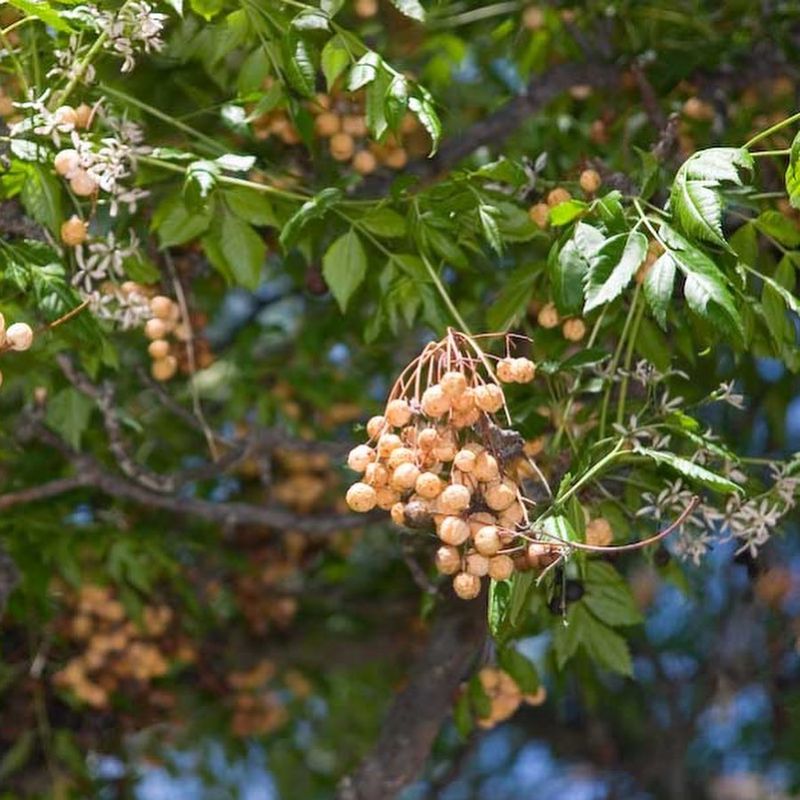
With its lavender spring blooms and fast growth rate, the chinaberry tree seems like a perfect shade provider for Texas yards.
Unfortunately, those golden berries that appear in fall contain toxins called tetranortriterpenes that spell trouble for anyone who eats them.
The marble-sized fruits look tempting to young children who might mistake them for edible treats during outdoor play.
Birds can consume the berries without harm, which actually makes the problem worse by spreading seeds throughout neighborhoods.
Your dog or cat won’t fare as well as the birds, though, since the fruit causes vomiting, stomach pain, and neurological symptoms in mammals.
This Asian native has become invasive across Texas, popping up in unexpected places and crowding out beneficial native species.
The brittle wood breaks easily during storms, creating additional hazards around homes and vehicles.
Many older Texas properties have mature chinaberry trees that previous owners planted decades ago.
Removing these established trees and replacing them with safer options like cedar elm or bur oak protects your family while supporting local ecosystems.
The short-term shade isn’t worth the long-term risks this aggressive tree presents.
Yew

Yew trees bring an elegant, formal appearance to landscapes with their dark green needles and sculptural growth patterns that work well for hedges and topiaries.
Beneath that refined exterior lies one of the most toxic plants you can grow, containing taxine alkaloids throughout nearly every part of the tree.
The needles, bark, and seeds all carry these compounds, while only the fleshy red aril surrounding the seed is non-toxic.
The danger comes from how quickly yew poisoning acts, sometimes causing symptoms within just an hour of ingestion.
Horses are particularly vulnerable to yew toxicity, experiencing cardiac problems from even small amounts of the foliage.
Texas gardeners who maintain livestock or keep horses should never plant yew anywhere on their property.
Fallen branches that blow into pastures can create unexpected hazards for grazing animals who might sample the unusual greenery.
English yew and Japanese yew both struggle in Texas heat anyway, making them poor choices for our climate beyond the safety concerns.
Native alternatives like eastern red cedar provide similar evergreen screening without the health risks.
Garden centers still sell yew plants, so homeowners must research carefully before purchasing any new landscape additions for their Texas yards.
Black Walnut
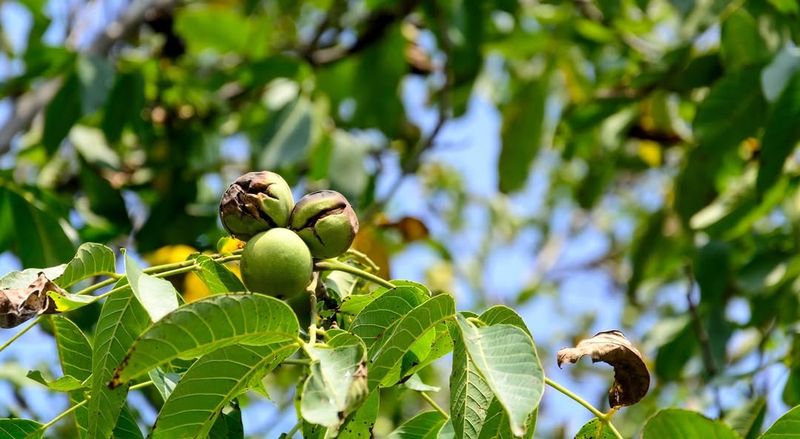
Black walnut trees produce valuable lumber and tasty nuts that make them seem like practical additions to larger Texas properties.
What many homeowners don’t realize is that these trees wage chemical warfare on surrounding plants through a process called allelopathy.
The roots release juglone, a toxic compound that prevents many common garden plants from growing anywhere near the tree.
Tomatoes, peppers, azaleas, and dozens of other popular landscaping choices will struggle or perish within the black walnut’s root zone.
This invisible underground battle extends much farther than you might expect, sometimes affecting plants 50 feet away from the trunk.
Even fallen leaves, hulls, and wood chips contain juglone that leaches into soil and creates dead zones in your yard.
Composting black walnut debris doesn’t neutralize the toxin, so you can accidentally spread the problem to other garden areas.
Dogs who play with or chew on the hulls sometimes develop stomach upset, though the nuts themselves are safe for humans once properly processed.
The hassle of working around juglone sensitivity makes black walnut a poor choice for typical residential lots.
Pecan trees offer similar shade and edible nuts without the allelopathic issues that plague black walnut.
Mexican Buckeye
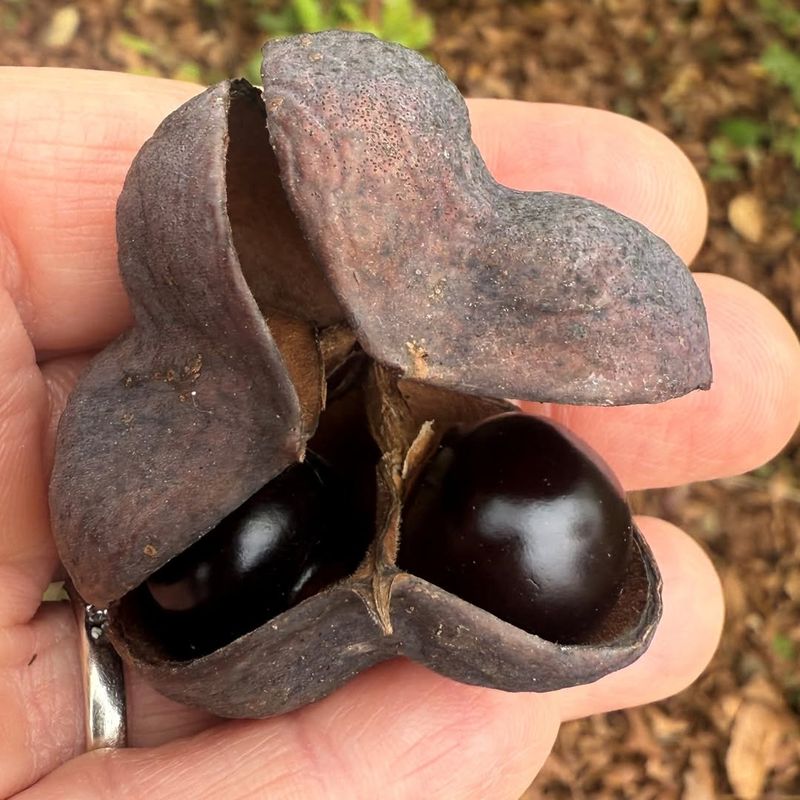
Early spring in Texas Hill Country brings the sweet fragrance of Mexican buckeye blooms that perfume entire neighborhoods with their grape-scented purple flowers.
Later in the season, this native beauty produces glossy brown seeds inside leathery pods that split open when mature.
Those shiny seeds look remarkably similar to edible chestnuts or pecans, creating a dangerous case of mistaken identity for curious children.
The seeds contain saponins that cause serious digestive distress when eaten, leading to vomiting and other unpleasant symptoms.
Young kids exploring the yard might pocket these attractive seeds or even try tasting them during imaginative outdoor play.
Mexican buckeye naturally grows as an understory tree in rocky limestone soils across central Texas.
While it provides important habitat for native wildlife and pollinators, residential yards with small children need safer landscaping options.
The tree’s drought tolerance and beautiful spring display make it tempting for water-wise landscapes.
However, families with young children should choose alternatives like desert willow or Texas redbud that offer similar ornamental value without the poisonous seeds.
If you love the fragrant blooms, consider planting Mexican buckeye in a front yard away from play areas where you can enjoy the flowers while minimizing risk.
Horse Chestnut
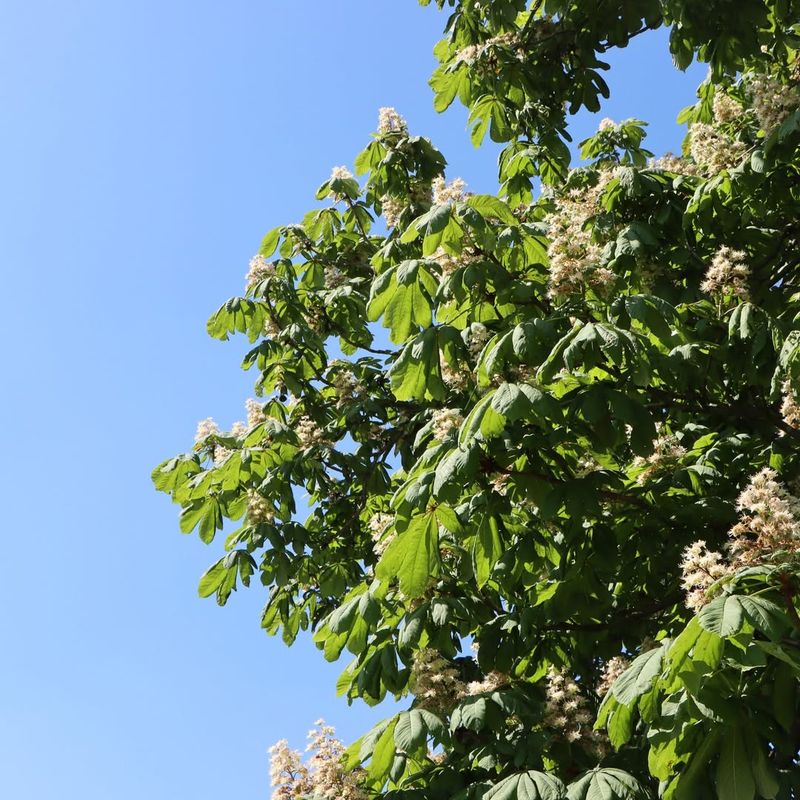
Horse chestnut trees create stunning displays when their white flower candles bloom in spring, standing upright on branches like natural candelabras.
The impressive flowers give way to spiky green capsules that eventually split open to reveal shiny brown nuts inside.
These nuts contain aesculin and other glycosides that make them toxic to humans despite their resemblance to edible sweet chestnuts.
Confusion between horse chestnuts and edible chestnuts has caused numerous poisoning cases over the years.
Children who find the smooth, mahogany-colored nuts might try to crack them open and taste them, not understanding the difference between these ornamental seeds and true edible nuts.
Horse chestnuts prefer cooler climates and struggle with Texas heat, particularly in southern and central regions of the state.
The trees require more water than drought-tolerant Texas natives, making them high-maintenance choices for our climate.
Squirrels and other wildlife generally avoid horse chestnuts, leaving the toxic nuts to accumulate under the tree where pets and children play.
The spiky husks also create uncomfortable conditions for barefoot activities in the yard.
Texas gardeners seeking flowering shade trees have better options like crape myrtle or vitex that handle our climate beautifully without producing poisonous seeds that create safety concerns.
Golden Chain Tree
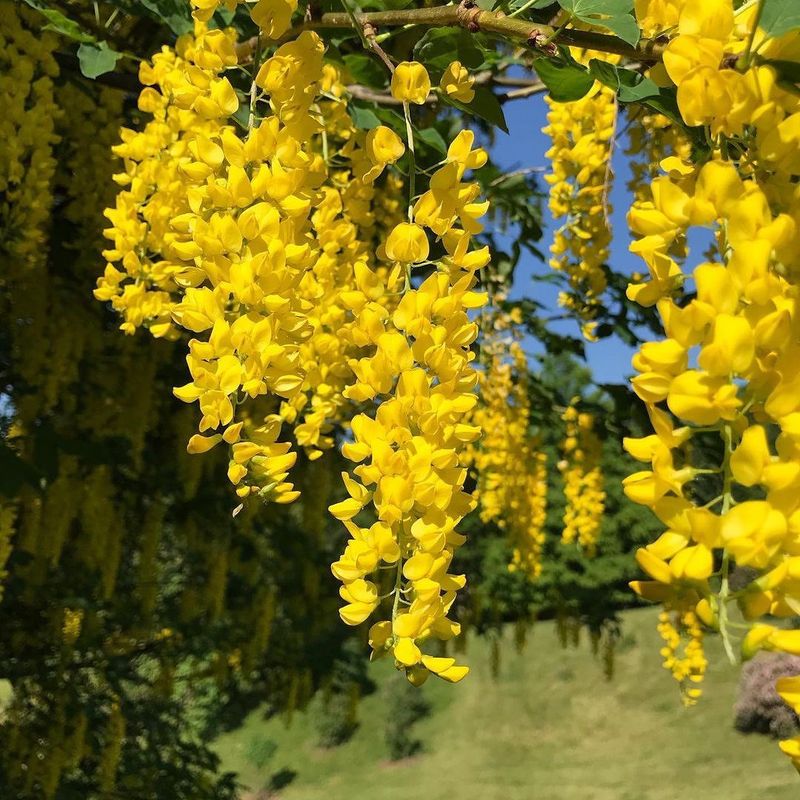
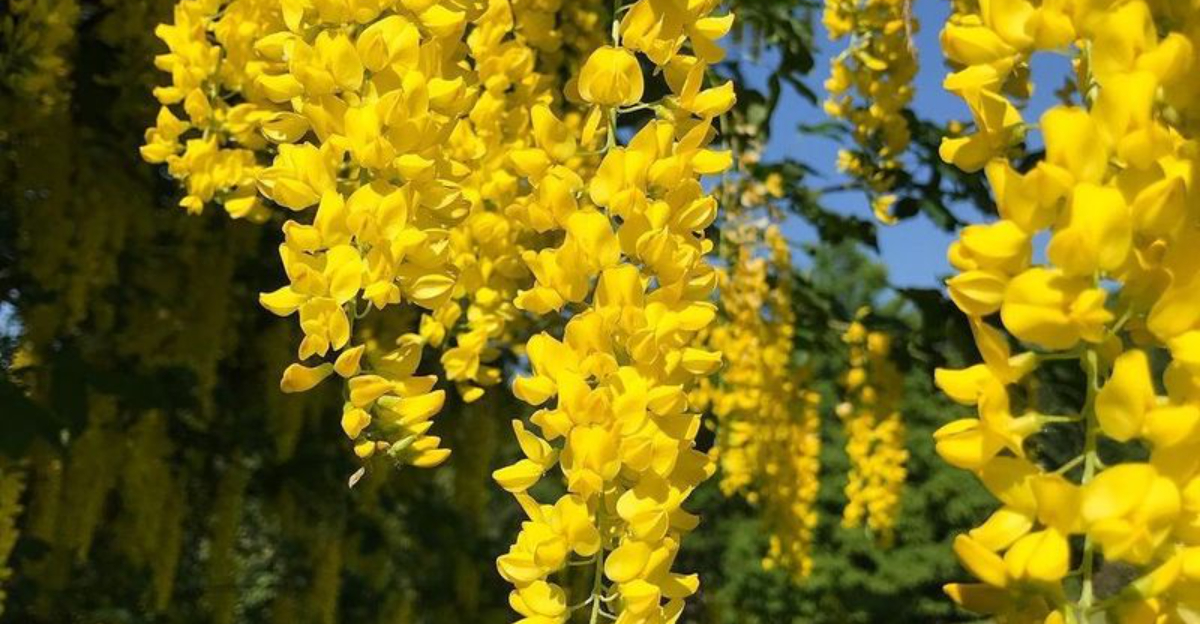
Few trees create more dramatic spring displays than golden chain trees, whose cascading yellow flower clusters hang like natural chandeliers from every branch.
Those stunning blooms eventually develop into brown seed pods that dangle from the tree well into summer and fall.
Inside each pod hide several seeds containing cytisine, a toxic alkaloid that affects the nervous system when consumed.
The poisonous seeds pose particular risks because they remain on the tree for months, giving children multiple opportunities to discover and handle them.
Curious kids might shake the dried pods like rattles or crack them open to examine the seeds inside.
All parts of the golden chain tree contain toxins, but the seeds hold the highest concentrations.
Even small amounts can cause excessive salivation, confusion, and convulsions in people and pets who ingest them.
This European native doesn’t perform well in Texas heat anyway, struggling with our intense summers and often looking stressed by mid-season.
The tree requires consistently moist soil that Texas droughts make difficult to maintain without constant irrigation.
Gardeners who love yellow flowers can choose safer alternatives like palo verde or yellow bells that thrive in Texas conditions.
These native options provide brilliant color without introducing dangerous toxins to family spaces where children and pets explore daily.
Umbrella Tree

Umbrella trees earn their common name from the way their large glossy leaves radiate outward like the spokes of an open umbrella.
This tropical-looking plant brings bold architectural interest to landscapes, but its sap contains calcium oxalate crystals that irritate skin and mucous membranes.
Handling the leaves or pruning branches without gloves can cause uncomfortable skin reactions and burning sensations.
Pets who chew on umbrella tree foliage experience immediate mouth pain and excessive drooling from the needle-like crystals that embed in soft tissues.
Cats seem particularly attracted to the dangling leaves, making this plant especially problematic for feline owners.
The tree’s tropical origins mean it can’t tolerate Texas freezes, limiting its outdoor use to southern regions or requiring winter protection elsewhere.
Even in frost-free areas, the plant demands regular watering that conflicts with water conservation efforts many Texas communities now require.
Indoor umbrella trees grown as houseplants present similar toxicity concerns when curious pets or toddlers interact with the foliage.
The plant’s popularity in garden centers means many Texas families bring this hazard into their homes without understanding the risks.
Safer alternatives like Texas mountain sage or Texas olive provide interesting foliage textures for landscapes without the irritating sap.
These native choices also handle Texas weather extremes much better than tropical umbrella trees ever could.
Desert Rose

Desert rose plants captivate gardeners with their sculptural swollen trunks and vibrant tubular flowers in shades of pink, red, and white.
These African succulents contain cardiac glycosides throughout their tissues, with particularly high concentrations in the milky sap that oozes from broken stems.
The toxic sap can cause skin irritation on contact and serious internal problems if ingested by people or animals.
South Texas gardeners sometimes plant desert rose outdoors where winters stay mild enough for survival.
The stunning flowers and unusual form make them conversation pieces, but the health risks outweigh the ornamental benefits in residential settings.
Children who break off flowers or stems get the sticky white sap on their hands, which can then transfer to their mouths or eyes.
Pets investigating the unusual plant might nibble the thick leaves or flowers, consuming dangerous amounts of toxins.
Even experienced gardeners sometimes underestimate desert rose toxicity because the plant doesn’t look threatening like some obviously poisonous species.
The beautiful flowers and sculptural form disguise the serious dangers lurking in every part of the plant.
Texas gardeners seeking drought-tolerant flowering plants have numerous safer options including lantana, salvia, and zexmenia.
These tough natives handle our climate perfectly while providing beautiful blooms without introducing cardiac toxins to family spaces where accidents can happen.
Texas Mountain Laurel
Texas mountain laurel ranks among the most beloved native trees in the state, famous for its intoxicating grape-scented purple blooms that appear each spring.
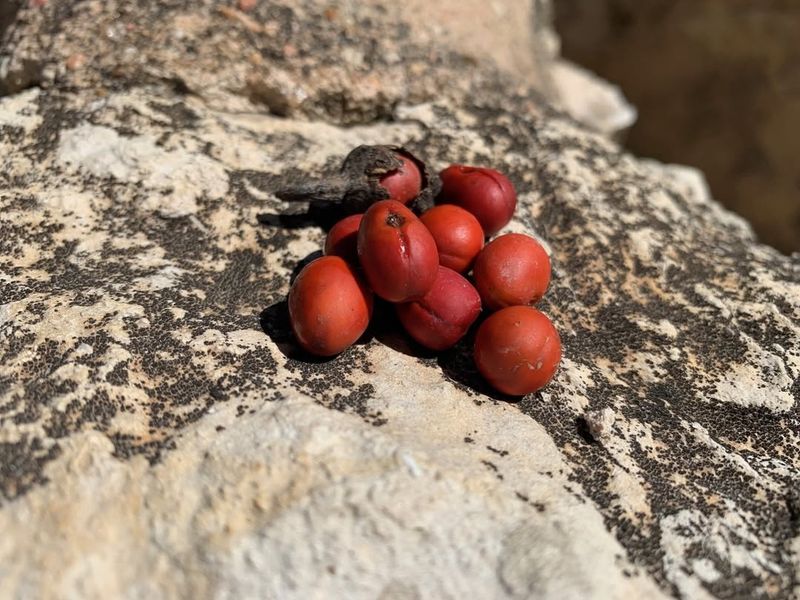
Despite being a Texas native that thrives in our climate, this popular ornamental produces bright red seeds that contain cytisine, the same toxic alkaloid found in golden chain trees.
The colorful seeds look like candies to young children who might find them irresistible.
Birds and wildlife have evolved to handle the toxins, but humans and domestic animals lack these natural defenses.
Even a single seed can cause serious symptoms including confusion, breathing difficulties, and seizures if chewed and swallowed.
The seeds develop inside brown pods that eventually split open, dropping the toxic red beans onto the ground where they remain viable for months.
Kids playing in the yard might collect these bright seeds for craft projects or pretend food during imaginative games.
Many Texas landscapers continue recommending mountain laurel because of its drought tolerance and spectacular spring show.
However, families with young children need to carefully weigh the risks before planting this otherwise excellent native tree.
Consider placing Texas mountain laurel in front yards or areas away from play spaces where you can enjoy the fragrant blooms safely.
Alternatively, choose similar natives like Eve’s necklace or Mexican plum that offer beautiful flowers without producing poisonous seeds.