7 Trees In Florida You Can Prune In March
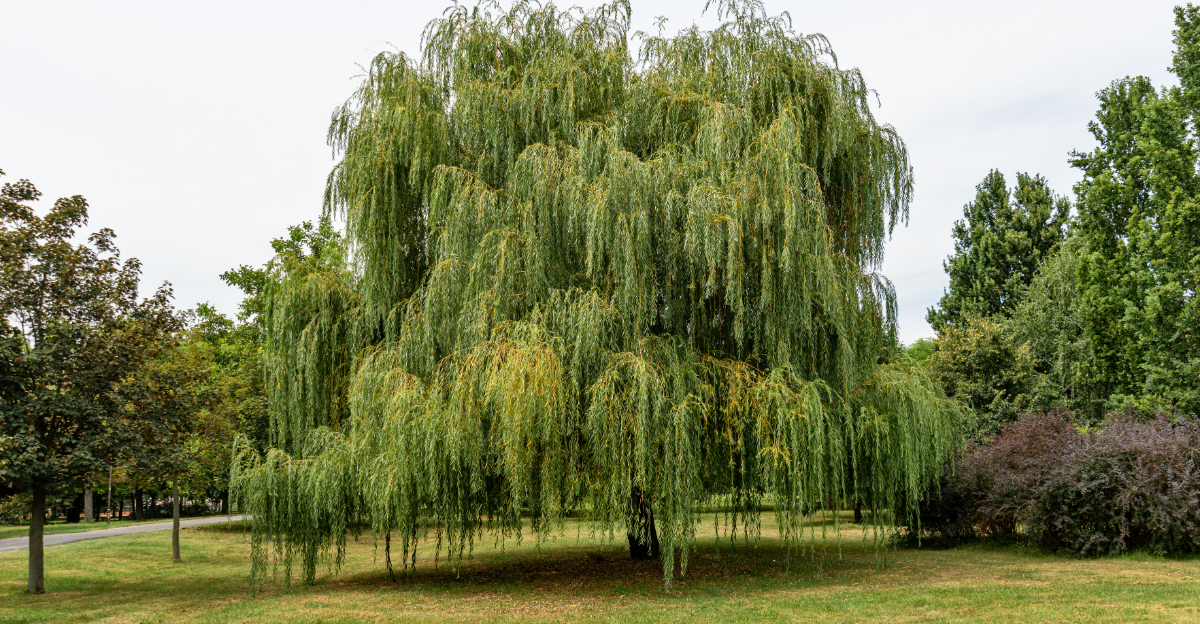
By March, many Florida yards are waking up from a mild winter, and the air starts to feel just a little warmer. You might be noticing buds on familiar trees, or spotting neighbors tidying up branches before spring planting.
For anyone who’s spent years caring for a yard, these small changes can feel like a gentle nudge to get outside and start grooming your own landscape.
Pruning at the right time makes a real difference. In Florida, certain trees respond best when trimmed in March, helping shape their growth, encourage healthy branches, and avoid disease.
It’s one of those simple seasonal chores that can make your yard look cared-for without taking over your weekend.
If you’re curious which trees should be pruned now – and which ones you should wait on – keep reading. The list includes some classic favorites and a few surprises that might inspire your spring yard work.
1. Live Oak With The Mighty Shade
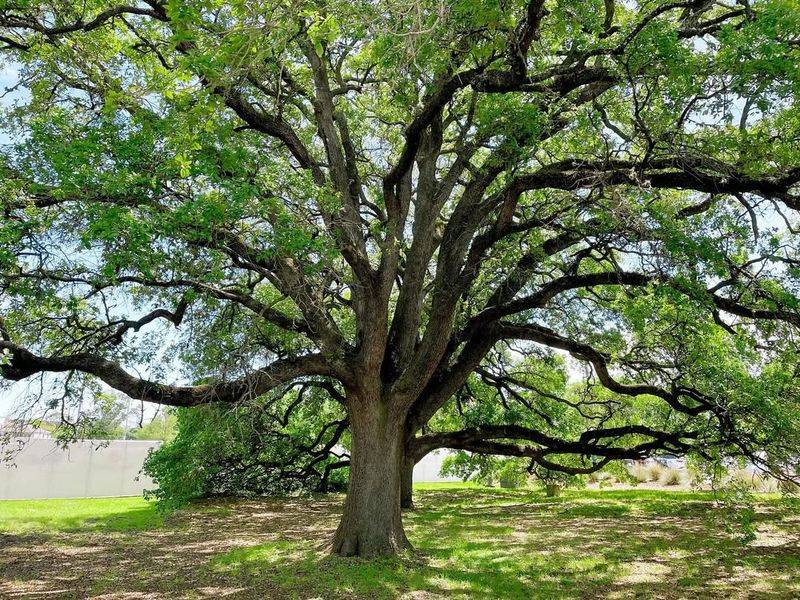
Few trees define the Florida landscape like the Live Oak. With its wide, spreading canopy and thick, gnarled branches, this tree is a true Southern icon, appearing in yards, parks, and neighborhoods statewide.
Pruning a Live Oak in March is generally a good idea because it coincides with a time when growth is just beginning to pick up after winter. At this stage, the tree experiences lower sap flow, which can reduce stress on freshly cut branches and help minimize potential issues like disease entry.
Start by removing any dead, crossing, or damaged branches, and be careful not to cut into the tree’s main structure unless absolutely necessary. Using clean, sharp tools ensures smooth cuts and protects the bark.
Because Live Oaks grow slowly, every branch is important, and shaping the canopy thoughtfully sets the stage for healthy growth throughout spring and summer. Large trees or those near structures may benefit from the expertise of a certified Florida arborist.
Observing a Live Oak after careful pruning can be deeply satisfying, revealing the tree’s natural form and strength while reminding gardeners that even minor attention now pays off with a vibrant, resilient landscape. The combination of careful trimming and seasonal timing helps these iconic Florida trees continue to thrive, providing shade, beauty, and a lasting sense of place in the yard and neighborhood.
Regular inspections throughout the year can also help identify developing structural issues early, detect potential weak limbs, monitor for insect or disease problems, and keep the tree strong, safe, and stable.
2. Laurel Oak That Stands Elegant
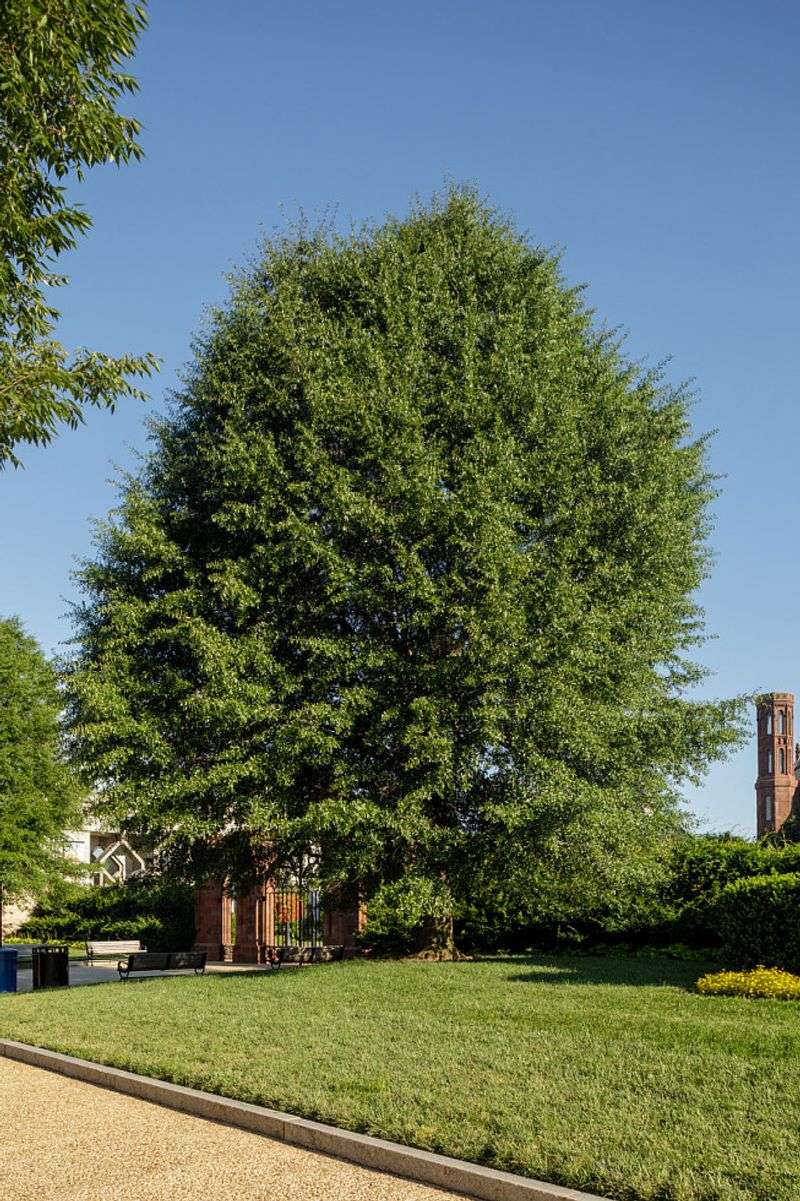
Across many Florida neighborhoods, along roadsides, and near waterways, you’ll often notice a tall, fast-growing tree with a broad canopy that demands a little seasonal attention. Known for its rapid growth and potential to reach impressive heights, this tree benefits from careful pruning to maintain safety and long-term health.
Late winter into early March is an ideal time to tackle this task before the growing season accelerates, giving the branches room to recover and set the stage for a strong spring flush and encouraging healthier, more stable branch development throughout the growing season.
These semi-evergreen oaks shed and replace their leaves relatively quickly, so pruning now helps clear out weak, crowded, or crossing branches while keeping the canopy balanced and structured. Removing these problem areas improves airflow, reduces the risk of disease, and allows sunlight to penetrate the inner branches, supporting overall tree vigor.
When performing maintenance, be especially mindful of limbs that hang over rooftops, driveways, or power lines, as these can pose hazards during Florida’s stormy summer months. Cut branches that show signs of decay, cracks, or poor attachment, making sure your cuts are clean and just outside the branch collar so the tree can seal the wound naturally.
Laurel Oaks are known to be susceptible to limb breakage in high winds, so thinning the canopy carefully helps protect both your property and the tree itself. Thoughtful pruning enhances the tree’s natural form and structure, keeping it resilient and attractive in your Florida landscape.
3. Water Oak With The Swampy Charm
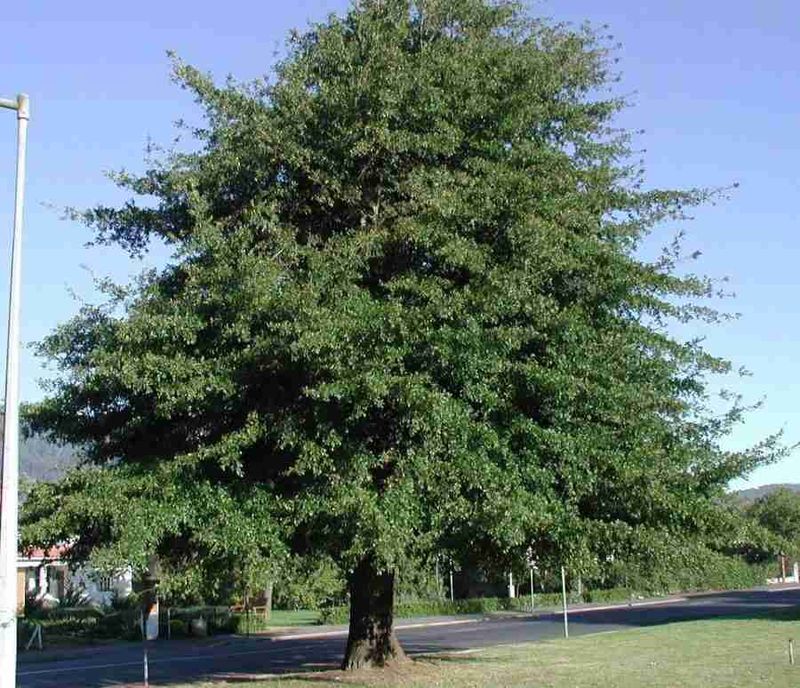
Thriving in both wet and dry conditions, Water Oaks are a common and versatile presence across Florida landscapes. These trees often appear near ponds, retention areas, low-lying yards, and even along streets, adding shade and character to a variety of settings.
Their leaves come in multiple shapes and sizes, making them distinctive and relatively easy to identify once you know what to look for. Water Oaks are admired for their adaptability, fast growth, and ability to provide habitat for wildlife, including birds and small mammals, which adds to their ecological value and supports a diverse range of local species across neighborhoods, parks, and natural areas throughout the state, while also contributing to the overall biodiversity and stability of local ecosystems.
Pruning in March helps manage the tree’s naturally rapid and sometimes unpredictable growth while addressing structural concerns before the summer storm season. Over time, Water Oaks can develop weak branch attachments that are vulnerable to breaking during high winds, so early intervention reduces the risk of property damage or tree injury.
Begin by removing any broken or rubbing branches, and thin dense areas to improve airflow and allow sunlight to reach inner branches. These trees sometimes grow multiple competing leaders, so careful shaping establishes a strong central structure and supports long-term stability.
Always make clean cuts with sharp, well-maintained tools and avoid leaving stubs, which can invite disease. For larger trees or those near homes, driveways, or other structures, consulting a Florida-certified arborist is highly recommended to ensure safety and the best results.
4. Crepe Myrtle That Steals Summer Show
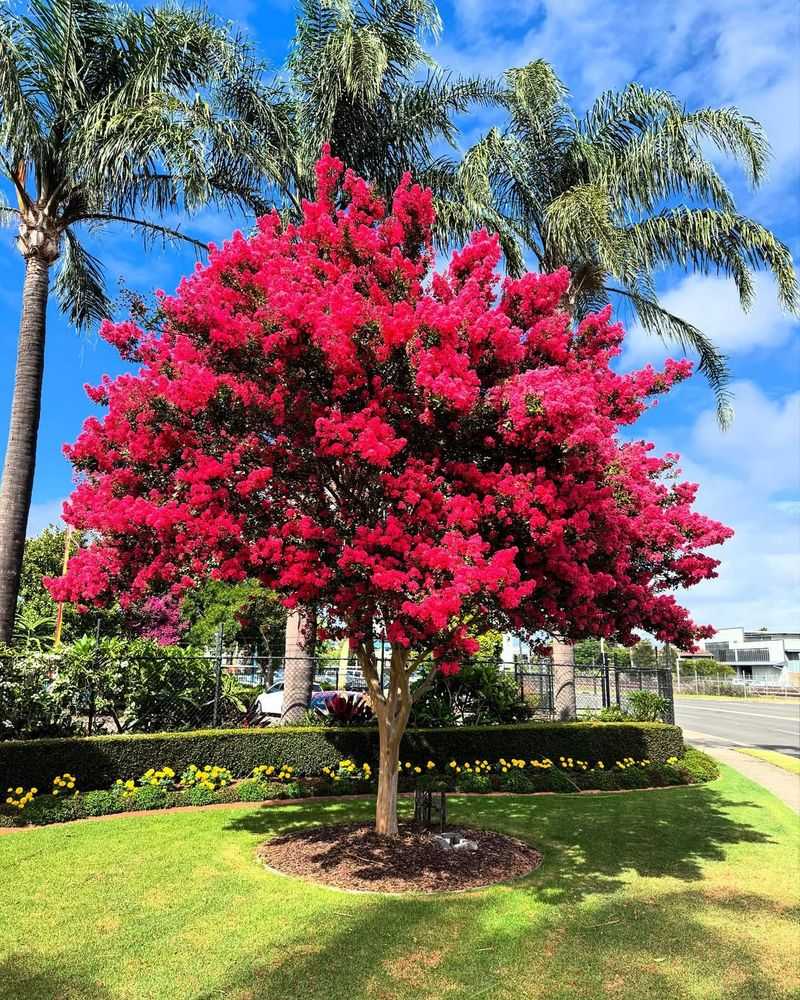
Strolling along Florida streets in summer, it’s hard to miss Crape Myrtles bursting with vibrant pink, red, purple, or white blooms. These trees are cherished not only for their stunning flowers but also for their resilience, thriving in Florida’s heat and humidity with minimal care.
Pruning them correctly in late winter or early March sets the stage for the most spectacular blooms when summer arrives, ensuring a long-lasting, colorful display that brightens yards and public spaces alike and provides shade, enhances property aesthetics, and creates attractive focal points for outdoor gatherings.
A common misstep among homeowners is over-pruning, sometimes called “crape murder.” Cutting the tops off entirely leaves unsightly, knobby stubs and can actually diminish bloom quality. Instead, focus on light, selective pruning.
Remove suckers at the base, thin crossing branches, and clear out twiggy growth from the interior canopy to improve airflow and sunlight penetration. This not only enhances flowering but also helps reduce disease risk while keeping the tree’s natural health intact.
If shaping your Crape Myrtle, approach it gradually and thoughtfully, aiming to preserve its natural vase-like form. Remove only branches smaller than a finger in diameter unless structural issues require larger cuts.
Sharp bypass pruners work best for clean, precise cuts on these delicate branches. With careful attention in March, your Crape Myrtle will respond by producing a breathtaking display that lasts throughout the Florida summer, attracting pollinators like bees and butterflies, providing visual appeal, and reinforcing its reputation as one of the state’s most beloved ornamental trees.
5. Red Maple With The Autumn Blaze
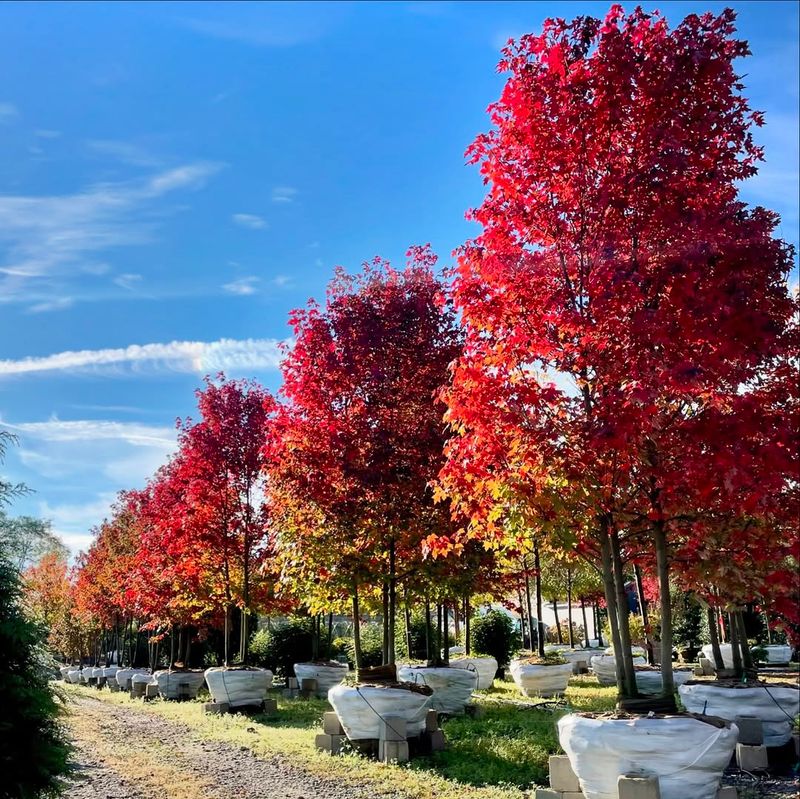
Known for their striking winter display, Red Maples capture attention across Florida when tiny red flowers appear before the leaves emerge, signaling the approach of spring. These native trees are valued not only for their beauty but also for the shade, wildlife habitat, and seasonal interest they provide.
Pruning at this stage helps maintain the tree’s natural form and supports healthy growth while protecting blooms from unnecessary damage. March is generally a workable time for pruning in most Florida regions, although local weather and temperature fluctuations can influence sap flow, so minor bleeding from cuts is normal and harmless, though it may be a bit messy for gardeners.
When pruning, focus on removing dead, broken, or damaged branches, as well as crossing limbs and any growth that disrupts the tree’s naturally rounded canopy. Avoid heavy pruning that removes more than about a quarter of the tree at once, as excessive cuts can stress the tree.
Light, careful trimming encourages balanced structure, improves airflow, and ensures sunlight reaches inner branches, supporting overall tree vigor. Additionally, selective pruning can prevent structural weaknesses that may lead to branch breakage in high winds, which is particularly important in Florida’s storm-prone areas.
Even modest attention in March allows Red Maples to continue flourishing and producing their signature red blooms, adding vibrant color and life to the landscape. Proper pruning supports wildlife, strengthens the tree, and helps these iconic Florida Maples stay healthy, resilient, and visually striking throughout the season, while also enhancing soil stability, attracting pollinators, and providing long-term ecological benefits.
6. Chinese Tallow That Adds Colorful Foliage
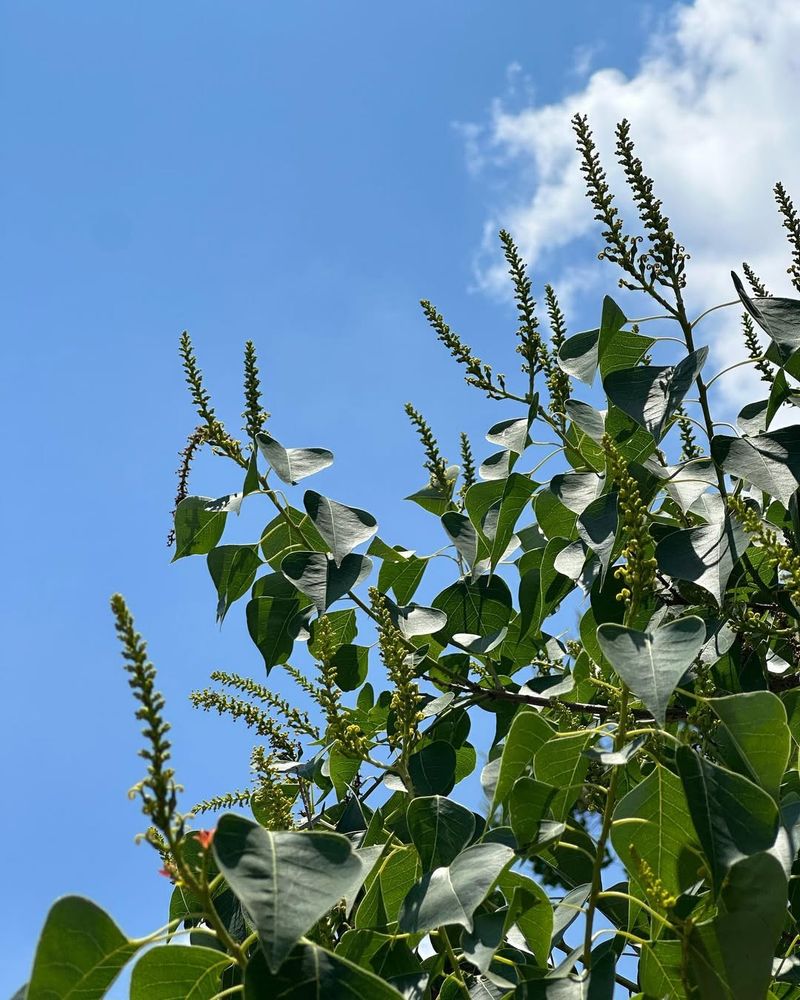
In many Florida landscapes, there is a fast-growing tree that sparks mixed opinions among gardeners and land managers alike. Chinese Tallow is one of those trees that Florida residents have complicated feelings about.
Originally introduced as an ornamental and for its waxy seeds, it has since become an invasive species in many parts of the state. However, many homeowners still have established Chinese Tallow trees on their properties, and knowing how to manage them is genuinely useful information for maintaining a balanced yard.
If you have one in your yard and plan to keep it, March is a reasonable time to prune. The tree is coming out of its brief dormant period, and pruning before new leaves fully emerge helps you see the branch structure clearly.
This makes it easier to identify and remove weak, crossing, or damaged limbs without guessing at what is underneath dense foliage. Early-season pruning also allows the tree to direct its energy toward healthy new growth as temperatures gradually warm.
Chinese Tallow trees can grow quite aggressively, so regular pruning helps keep them from overtaking other plants in your yard. When pruning, focus on maintaining a balanced canopy and removing any shoots growing from the base or lower trunk.
Always dispose of clippings carefully, as the seeds can spread easily and lead to new unwanted growth in Florida’s natural areas. Wearing gloves is also a good idea, since the sap of this tree can cause mild skin irritation for some people.
Clean tools after every use to prevent spreading any potential issues.
7. Weeping Willow With The Graceful Droop
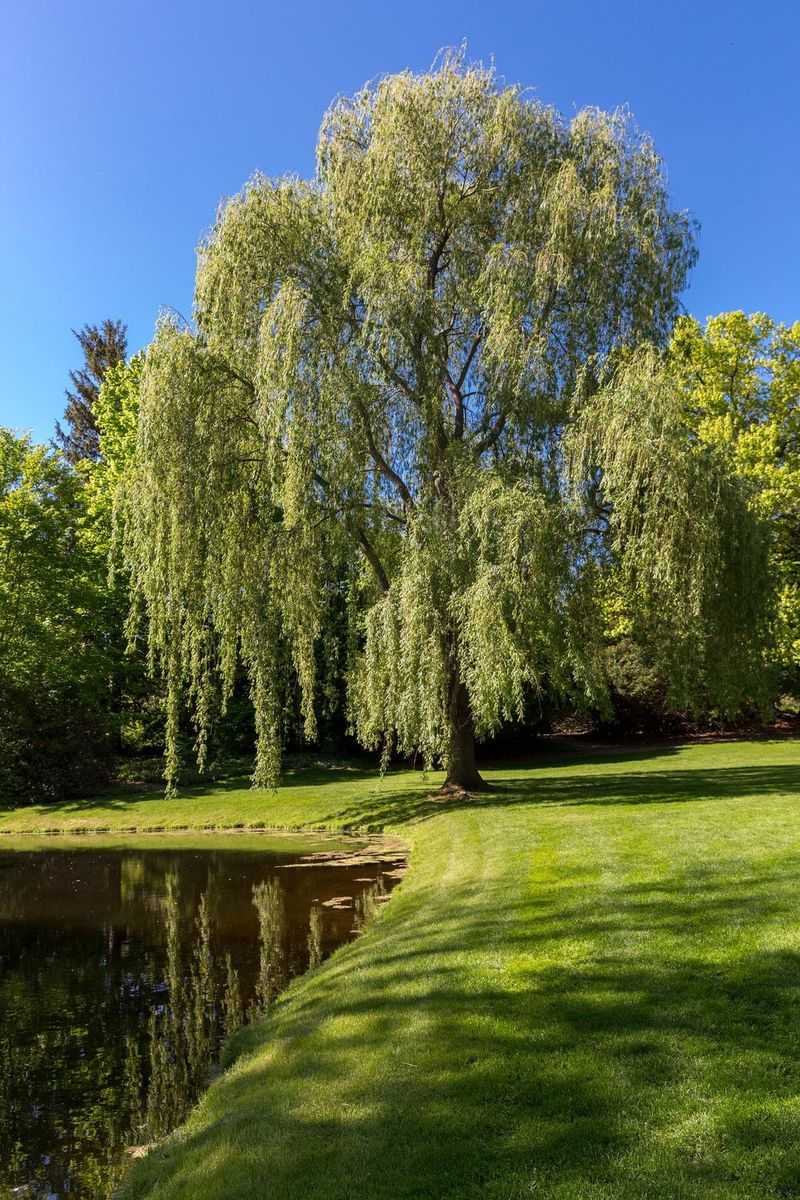
There is something almost magical about a Weeping Willow swaying gently near a Florida pond or lake. Those long, graceful branches that sweep toward the ground give this tree a dreamy, peaceful look that few other trees can match.
In Florida, Weeping Willows tend to grow quickly thanks to the warm climate and abundant water, which means they can get out of hand without regular attention. Their rapid growth, combined with their dense, arching branches, can crowd nearby plants, block views, or create shade that impacts surrounding vegetation, making timely pruning especially important for maintaining both aesthetics and overall garden health.
March is a good time to prune your Weeping Willow because the tree is just beginning to wake up from its winter rest. Pruning at this stage allows you to shape the canopy and remove any dead or damaged wood before the burst of spring growth fills everything in.
It also gives you a clear view of the branch structure while the foliage is still minimal.
When working on a Weeping Willow, the goal is to lift the canopy slightly by trimming the longest drooping branches so they do not drag on the ground or into water. Removing any upright shoots that break the weeping shape helps maintain the tree’s elegant silhouette.
Weeping Willows near water in Florida can grow extremely fast, sometimes several feet per year, so staying on top of pruning annually makes the job much more manageable. Always use sharp, clean tools to make smooth cuts and help the tree recover quickly.