8 Trees That Benefit From Early Spring Feeding In Arizona
Arizona trees respond differently once spring begins, and early signs in April reveal which ones are ready to take advantage of extra nutrients.
Trees that receive support at the right stage often show stronger growth and fuller structure before summer heat sets in, while others may lag without noticeable warning.
Feeding too soon can leave energy wasted or growth uneven, and timing matters more than most gardeners realize. Observing how the tree develops early helps determine when support will actually make a difference.
Some varieties thrive with a little extra care now, establishing roots and shoots that stay balanced throughout the season. Others require patience before any intervention truly helps.
Providing nutrients at the right moment gives trees a head start, ensuring leaves, branches, and overall health stay strong even under Arizona’s challenging spring conditions.
1. Citrus Trees Benefit From Early Spring Feeding
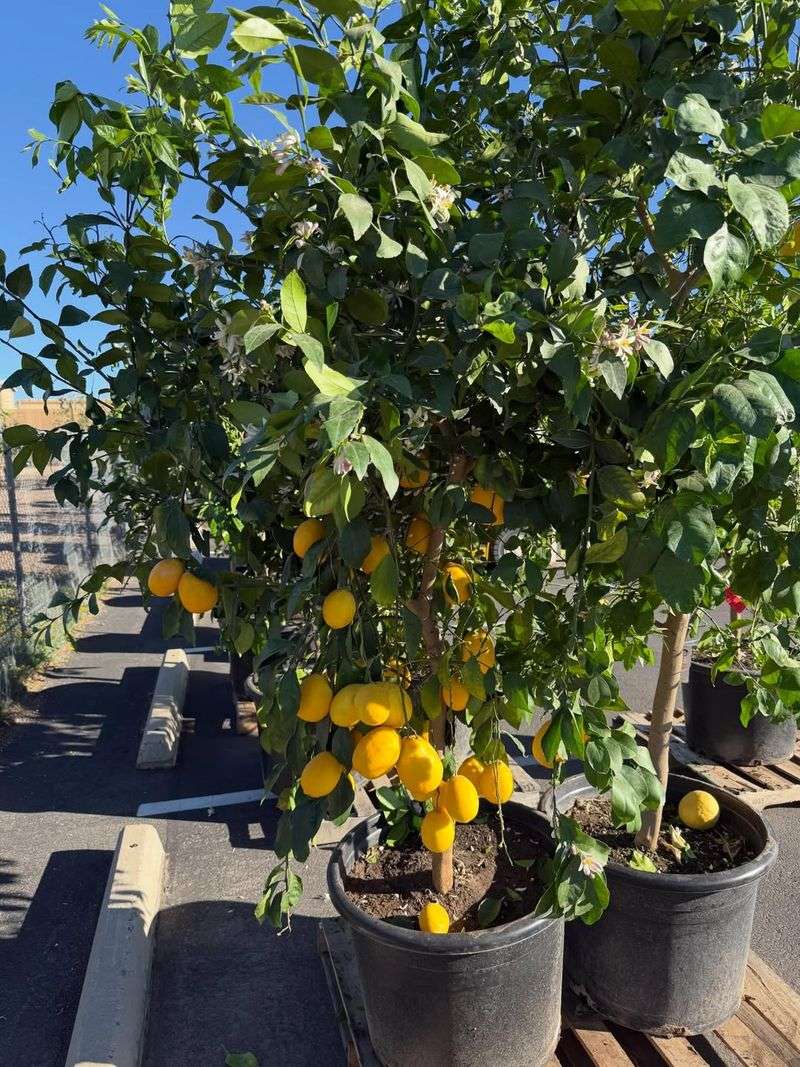
Few trees in Arizona pull double duty quite like citrus. Oranges, lemons, grapefruits, and tangerines continue pushing active growth in April across the low desert, and a feeding during this time can still support the process effectively.
Nitrogen is the key nutrient here. A citrus-specific fertilizer with a higher nitrogen ratio helps fuel leaf production and supports flowering.
Spread it evenly under the canopy, roughly following the drip line, and water it in well before and after application so it actually reaches the root zone.
Timing matters more than most people realize. Earlier feedings tend to align best with the initial growth flush, but a light application in April can still support continued development before heat intensifies.
Citrus in Arizona can show fertilizer burn if you push too much at once, especially in sandy soils that drain fast. A slow-release granular product split across light applications often gives more consistent results than one heavy feeding.
Deep watering before you fertilize also helps move nutrients down where the roots are actively working.
A light layer of mulch over the root zone can also help retain moisture and keep soil temperatures more stable as the season warms up.
Citrus roots stay active during this period, which allows the tree to make use of nutrients more efficiently as growth continues.
Keeping the application light helps support steady development without pushing excessive leafy growth right before hotter conditions settle in.
2. Olive Trees Respond Well To Light Feeding
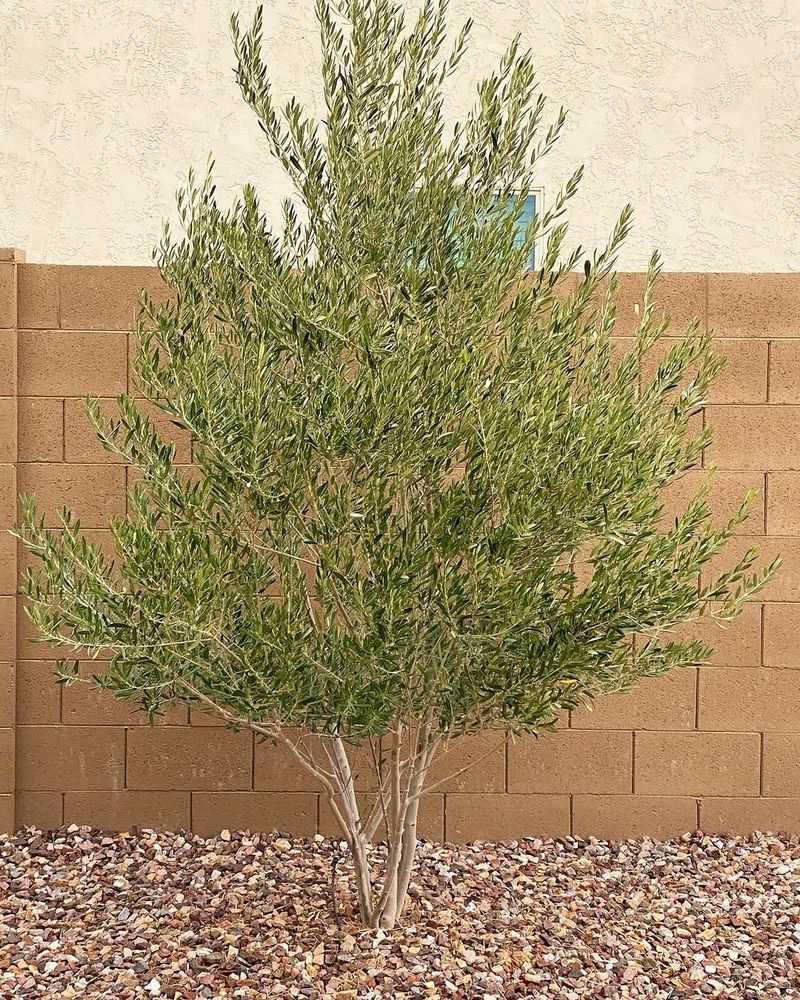
Olive trees have a reputation for being tough, and they are, but that toughness doesn’t mean they ignore good nutrition.
In Arizona, olives break dormancy relatively early, and a light feeding during the active growth period can still support healthy leaf growth and overall canopy density without pushing excessive soft growth.
Go easy on the nitrogen with olives. Too much promotes fast, weak shoots that are more vulnerable to the dry desert air.
A balanced fertilizer with modest nitrogen, or even a low-nitrogen blend, applied once during spring growth is usually enough to give the tree what it needs without overstimulating it.
Arizona’s alkaline soils can lock up certain micronutrients, particularly iron and manganese, which show up as yellowing between leaf veins. Adding a chelated iron supplement alongside feeding can help address this before symptoms become severe.
It won’t fix the soil long-term, but it helps the tree stay green and healthy through the growing season.
Water the tree thoroughly before applying any fertilizer. Dry soil concentrates nutrients too close to the roots and can cause uneven uptake.
Olive trees grown in the Phoenix area or Tucson tend to respond noticeably after a well-timed feeding, putting out fuller canopy growth over the following weeks.
Keeping the soil slightly moist after feeding also helps the tree absorb nutrients more evenly as new growth begins.
3. Fig Trees Grow Stronger With Early Nutrients
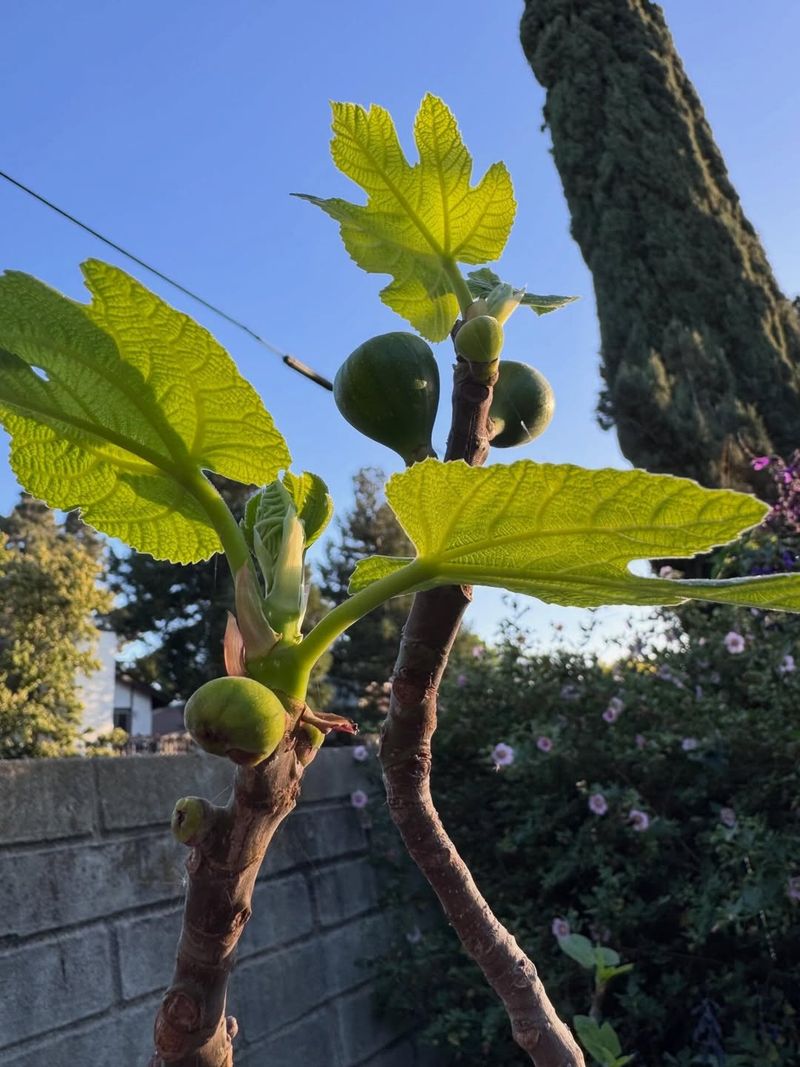
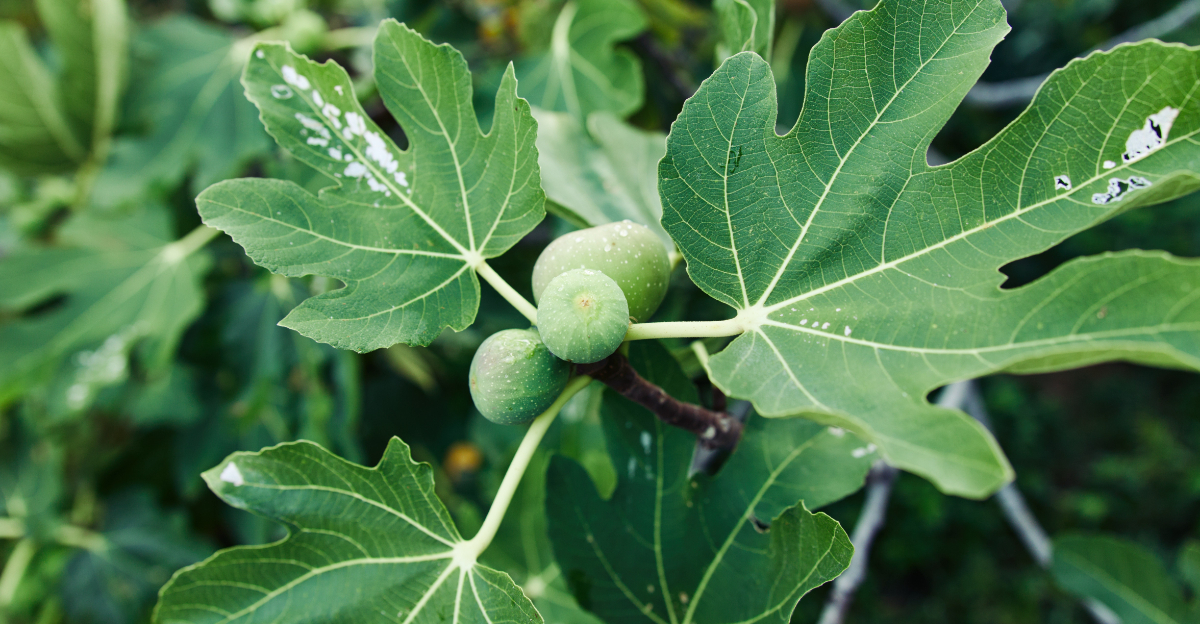
Right around the time Arizona gardeners start getting impatient for warmth, fig trees are already waking up. Figs break dormancy noticeably, with buds swelling and leaves pushing out depending on your elevation.
Catching them at this stage with a balanced fertilizer gives the tree fuel right when it needs it most.
Figs are heavy feeders compared to some of the other fruit trees on this list. They respond well to nitrogen, and a spring application supports the rapid canopy expansion that characterizes their early growth.
Without adequate nutrients, you may notice slower leafing, smaller leaves, or reduced fruit set later in the season.
Granular fertilizers work fine for figs. Scratch them into the soil surface under the canopy and water in deeply.
Avoid piling fertilizer against the trunk, which can cause surface damage over time. Spreading it out toward the drip line more closely matches where the feeder roots are actively absorbing.
In Arizona’s low desert, figs can produce two crops in a good year. Supporting the tree with proper spring nutrition doesn’t guarantee a double crop, but it does give the tree the energy reserves to sustain both flushes of fruit if conditions cooperate.
Consistent watering after feeding helps the nutrients move efficiently through the soil.
Avoid overfeeding, though, since too much nitrogen can lead to lots of leafy growth at the expense of fruit production.
4. Pomegranate Trees Benefit As Growth Resumes
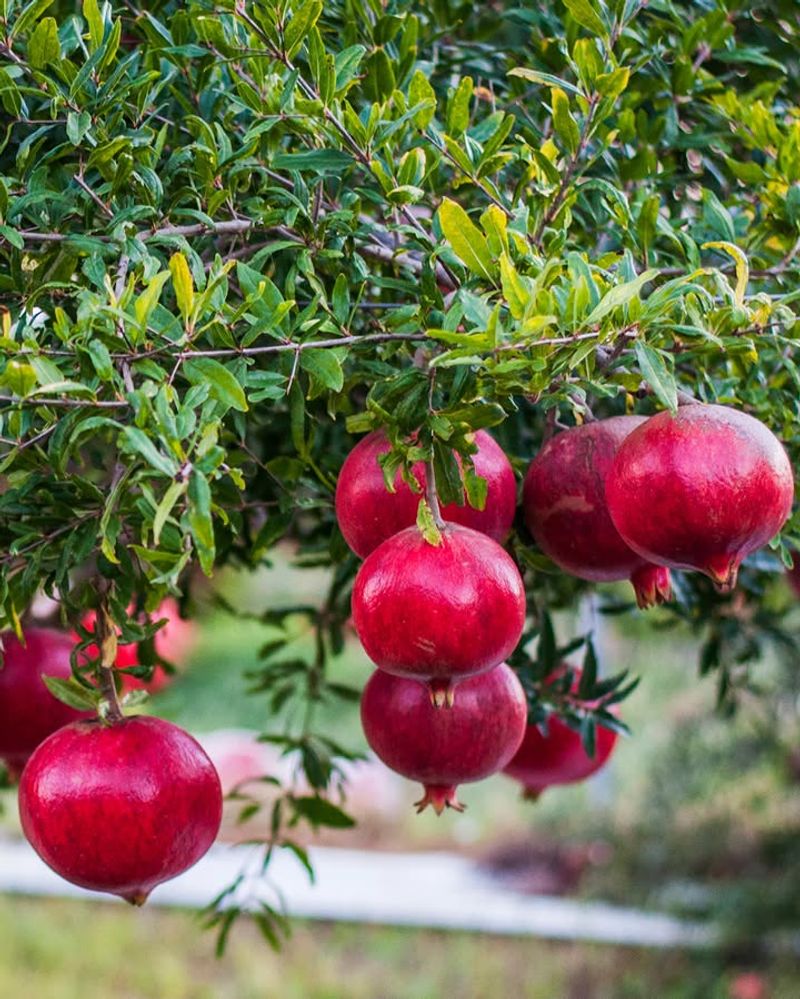
Pomegranates are one of the most heat-tolerant fruit trees you can grow in Arizona, but even they benefit from a little support when spring growth kicks back in.
After staying dormant through winter, the tree starts pushing new shoots and flower buds relatively early, especially in the lower elevations around Phoenix and Yuma.
A balanced fertilizer applied as growth begins gives the tree accessible nutrients right as that new growth is forming. Pomegranates don’t need heavy feeding, but skipping it entirely during this stage can result in slower shoot development and lighter flowering.
Since fruit comes from the flowers, what happens in spring directly affects your fall harvest.
Potassium matters for pomegranates. Beyond nitrogen for leaf growth, potassium supports fruit quality and helps the tree handle heat stress, which is something every Arizona gardener eventually deals with.
Look for a fertilizer that includes potassium rather than a straight nitrogen product.
Keep the application light and spread it evenly under the canopy.
Pomegranates growing in heavier clay soils, more common in parts of the Tucson area, may need slightly less fertilizer since those soils hold nutrients longer than the sandy loam found in other parts of the state.
Water in well after applying and keep the soil consistently moist for the first few weeks of active growth.
Fertilizing early in the season lines up with the tree’s natural growth cycle and supports stronger flowering, which directly leads to better fruit set later on.
If feeding was missed earlier, a light application now can still support steady spring growth.
5. Peach Trees Support Better Growth With Feeding
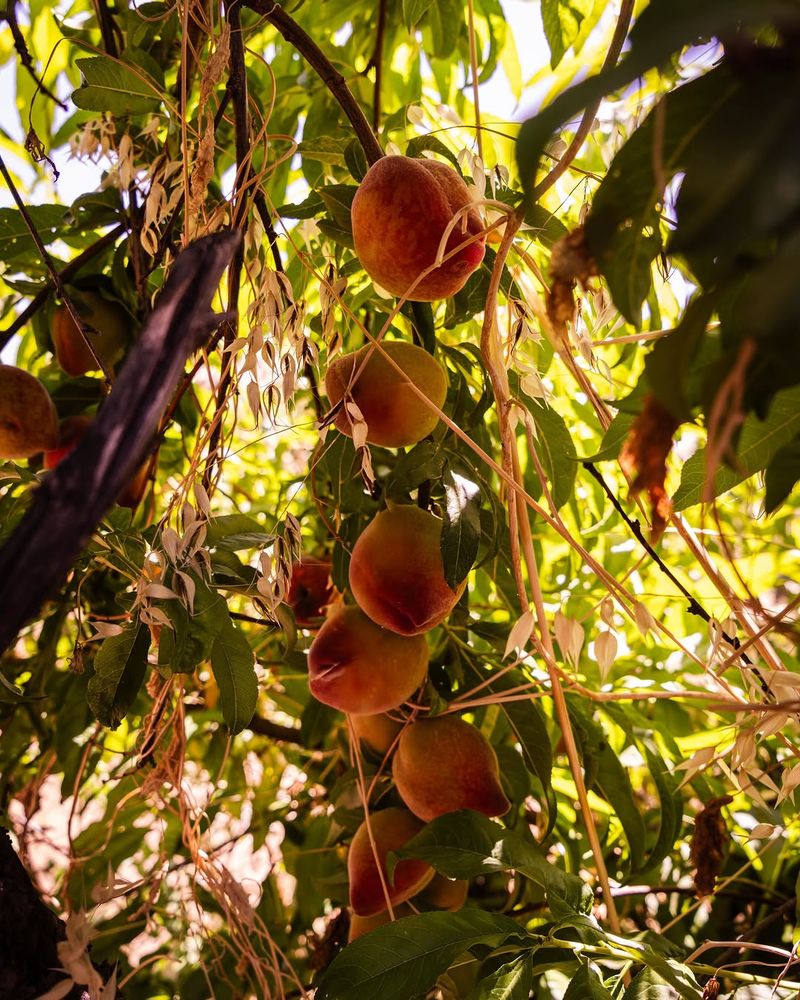
Peach trees move fast in Arizona. Blossoms can appear very early in the warmest low-desert zones, and many varieties are already well into their early growth cycle before most people expect it.
Missing the feeding window here is easier than it seems.
Apply a balanced fertilizer just as buds begin to swell, before full bloom if possible. Nitrogen supports the flush of new growth that follows flowering, and getting it into the soil early means the roots can start pulling it in during that active phase.
Later applications can push soft leafy growth at the wrong time, which isn’t ideal heading into Arizona’s dry spring.
Peaches grown in Arizona often face zinc deficiency, which shows up as small, distorted leaves and shortened internodes on new shoots. Adding zinc sulfate as part of your feeding routine, either as a soil drench or a foliar spray before bud break, can help prevent this before it becomes a visible problem.
Thin applications are better than heavy ones. Peach roots are relatively shallow, and excess fertilizer in fast-draining desert soils can move below the root zone before the tree gets much benefit.
If feeding was missed earlier, keep any application light at this stage to avoid pushing excessive growth.
6. Apple Trees Grow Better With Spring Nutrients
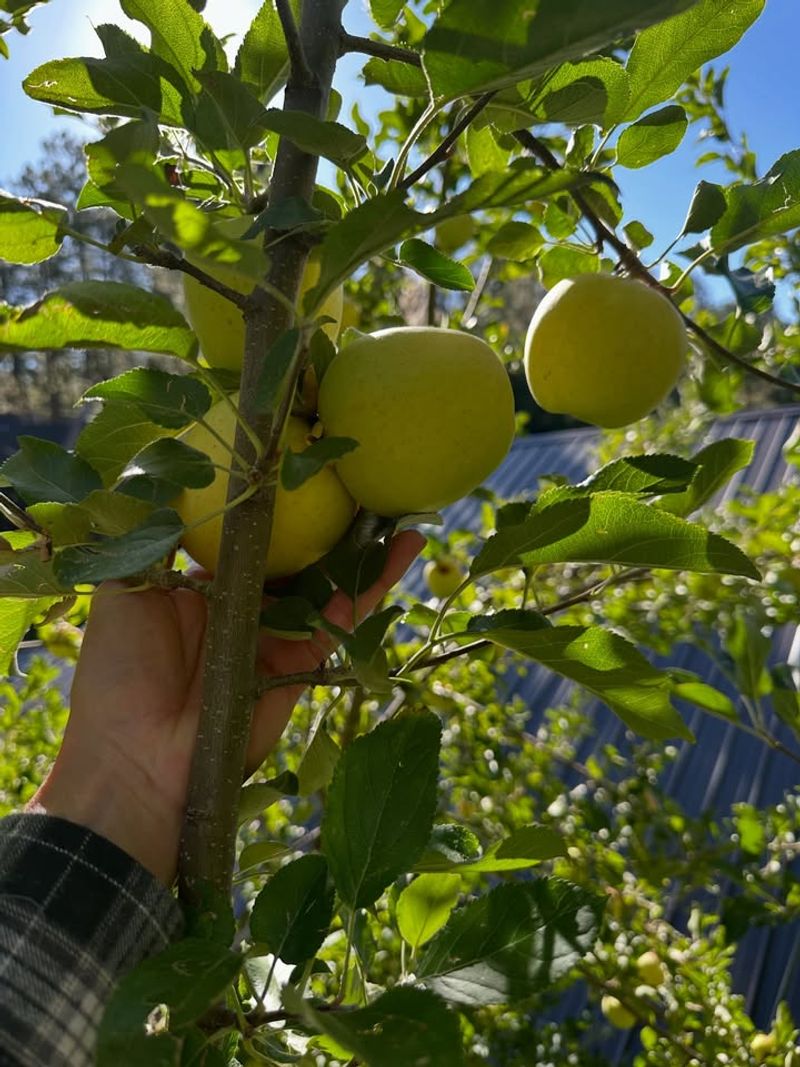
Growing apples in Arizona surprises a lot of people, but at higher elevations like Prescott, Payson, or the White Mountains, apple trees do quite well. Spring arrives later at those elevations than it does in Phoenix, so the feeding window shifts accordingly depending on the year and location.
Apple trees benefit from nitrogen early in the season to support shoot elongation and leaf development. Without enough nitrogen coming out of dormancy, trees can look sluggish, with pale foliage and slower canopy fill.
A balanced granular fertilizer applied once as buds begin to break is a reasonable starting point for most home orchards.
Soil conditions vary quite a bit across Arizona’s apple-growing regions. Some areas have decent loam, while others have rocky, thin soils with limited organic matter.
In those thinner soils, adding a small amount of compost alongside your fertilizer helps improve nutrient retention and gives the roots a better environment to work in.
Avoid fertilizing too late in the season at higher elevations. Pushing new growth too close to the first fall frost can leave soft shoots vulnerable to cold damage.
Keeping your feeding earlier in the growing cycle and avoiding any late-summer applications gives the tree time to harden off properly before temperatures drop. Water consistently after feeding to move nutrients into the root zone effectively.
7. Plum Trees Benefit Before Active Growth Begins
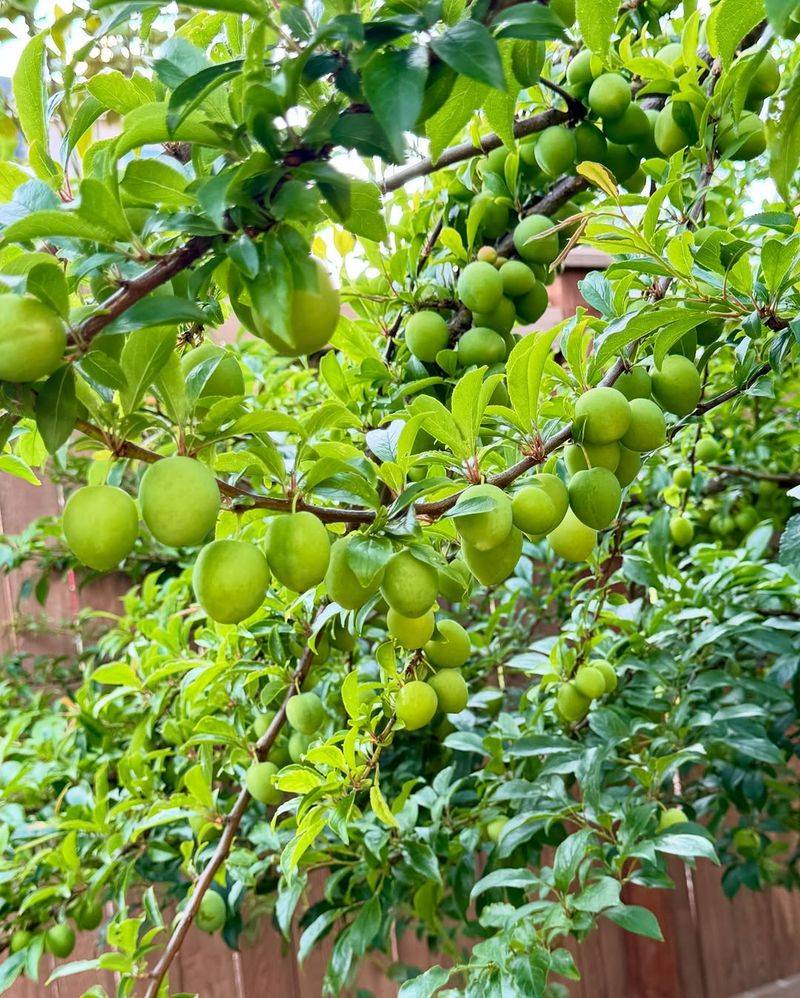
Plum trees are among the earliest stone fruits to wake up in Arizona, and that early start means your feeding window is shorter than you might think.
In the warmer parts of the state, blossoms can appear before most gardeners have even thought about their fertilizer schedule.
Getting fertilizer down early, before buds fully open, puts nitrogen in the soil where roots can access it as growth accelerates.
Plums respond well to that early boost, producing stronger shoots and more consistent flowering when nutrients are available at the right time.
One thing worth watching with plums in Arizona is the balance between nitrogen and other nutrients. Heavy nitrogen feeding can push lots of vegetative growth at the expense of fruiting.
A balanced fertilizer, rather than a high-nitrogen formula, tends to support better overall tree performance without throwing off that balance.
Arizona’s dry spring air pulls moisture out of the soil quickly after application. Watering deeply before and after fertilizing makes a real difference in how effectively the nutrients move down to where the roots are active.
Mulching around the base of the tree, keeping it away from the trunk, helps the soil hold moisture longer and reduces the need for constant irrigation right after feeding. Plums in both low-desert and mid-elevation zones respond well to this approach.
If feeding was missed earlier, keep any application light at this stage to avoid pushing excessive growth.
8. Apricot Trees Benefit From Early Season Feeding
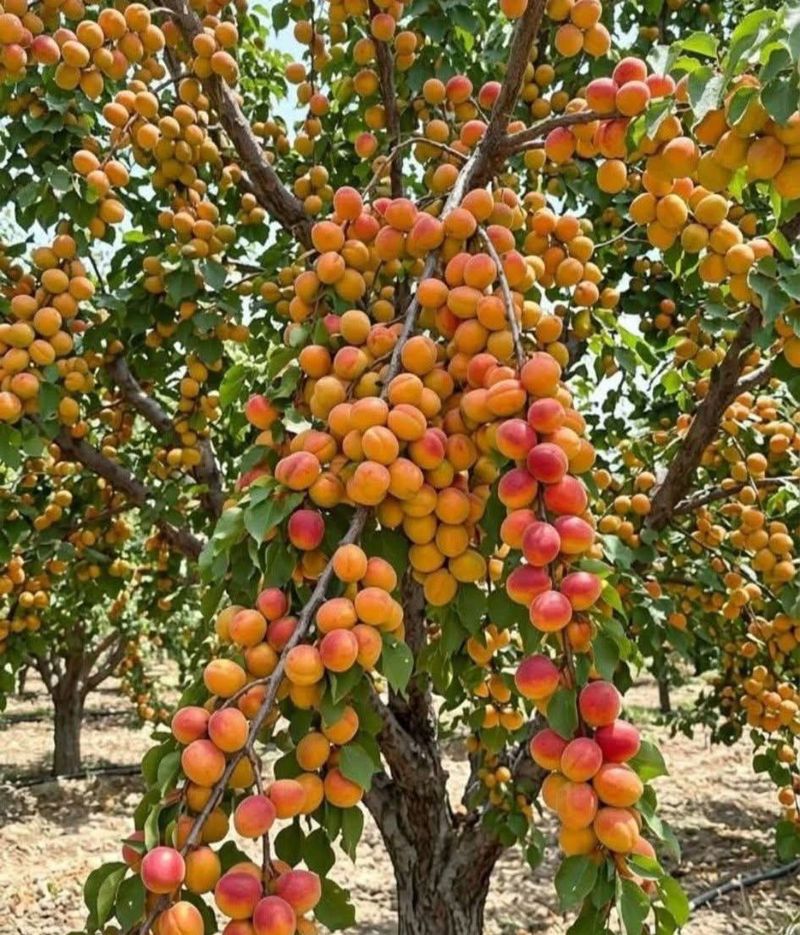
Apricots are notoriously early bloomers, and in Arizona that reputation holds firmly. In warm low-desert areas, blossoms can show up very early, making apricots one of the first fruit trees to signal that the growing season has quietly begun.
A feeding before that bloom stage gives the tree something to draw on as it pushes flowers and new shoots simultaneously.
Phosphorus plays a role here alongside nitrogen. While nitrogen drives leafy growth, phosphorus supports root development and flowering.
A fertilizer with a moderate phosphorus content, rather than one that’s purely nitrogen-focused, can help the tree manage both the bloom and the early shoot growth that follows without running short on either front.
Late frosts are a real concern for apricots in many parts of Arizona, particularly at mid-elevations.
Feeding the tree well early in the season won’t protect blossoms from a cold snap, but a well-nourished tree generally recovers more effectively from frost events than one that has been running on empty through winter.
Apply fertilizer evenly across the root zone and water it in thoroughly. Apricots have a moderately spreading root system, so spreading the application out beyond the visible canopy edge can help reach more of the active feeder roots.
If feeding was missed earlier, keep any application light at this stage to avoid pushing excessive growth.