9 Trees That Provide Shade For Texas Homes Without Risk Near Foundations
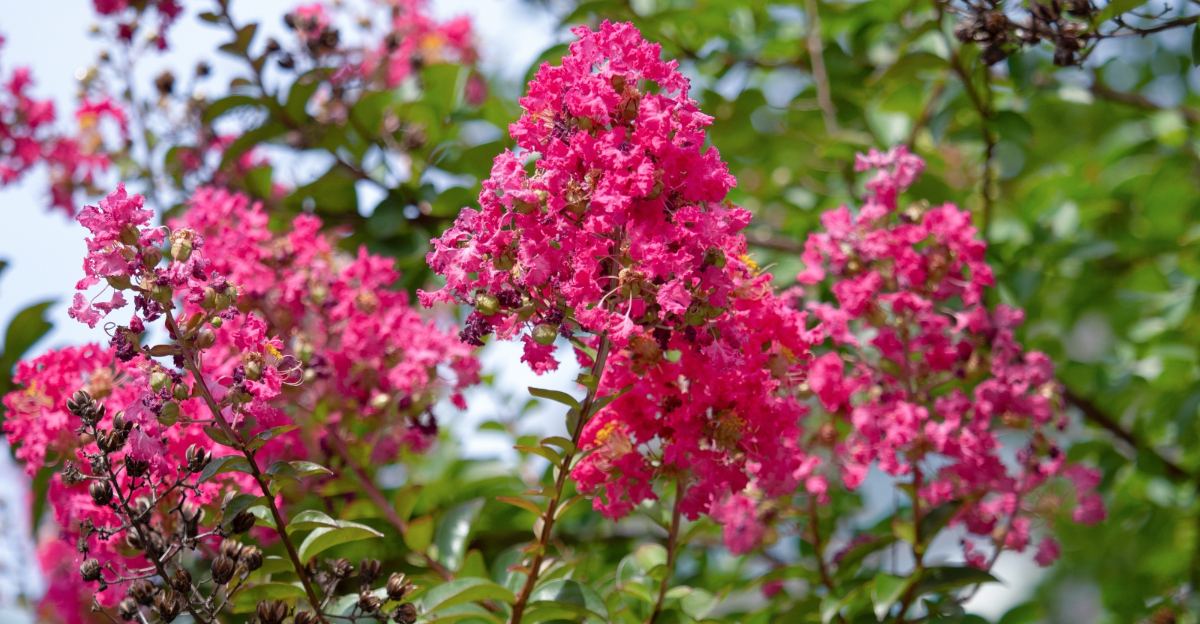
Shade matters in Texas, but planting the wrong tree too close to a home can quietly create problems that don’t show up for years.
Large canopies are tempting in a hot climate, yet aggressive roots and fast growth often come with hidden tradeoffs below ground.
Texas soil conditions, heat, and long dry stretches push roots to travel farther than many homeowners expect.
That makes tree choice just as important as placement when foundations, driveways, and underground lines are nearby.
Some trees provide reliable shade without sending roots searching for moisture near structures. These varieties balance canopy size with predictable root behavior.
The goal is cooling the home without inviting future repair costs or structural stress.
Trees that grow steadily instead of aggressively tend to age better around buildings.
Choosing the right shade trees allows Texas homes to stay cooler while foundations remain undisturbed and secure.
1. Crape Myrtle
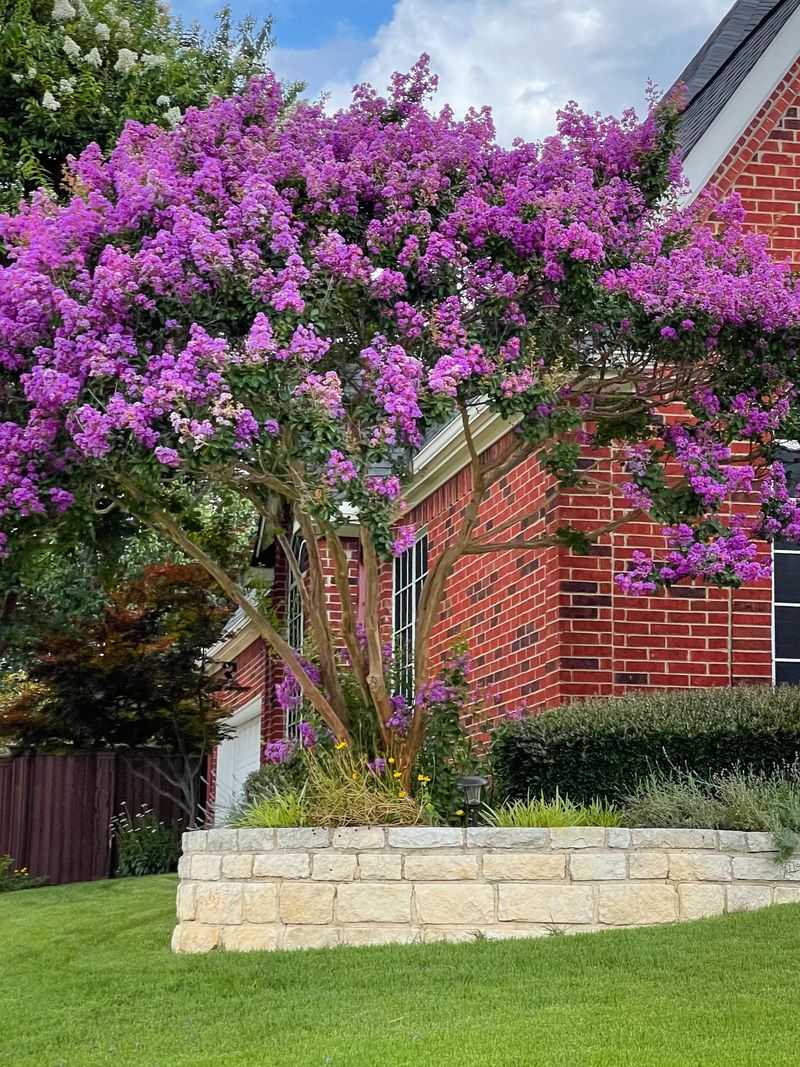
A summer spectacle unfolds when Crape Myrtles burst into bloom across Texas neighborhoods. Their shallow root systems stay close to the surface, making them one of the safest choices near home foundations.
Property owners appreciate how these ornamental beauties reach modest heights without sending invasive roots toward structural elements.
Homeowners throughout the Lone Star State plant Crape Myrtles for their incredible flower displays that last from June through September. The blooms come in shades of pink, purple, red, and white, creating stunning visual interest.
Bark peels away in attractive patterns during winter months, offering year-round appeal even after leaves drop.
These adaptable trees handle Texas heat and drought conditions remarkably well once established. Mature specimens typically grow 15 to 25 feet tall with a similar spread, providing ample shade without overwhelming smaller yards.
Their non-aggressive root structure makes them perfect candidates for planting within 10 feet of foundations.
Pruning requirements stay minimal compared to other flowering trees. Light trimming in late winter encourages better blooming and maintains attractive shape.
Texas gardeners love how Crape Myrtles resist most pest problems and diseases when planted in appropriate locations with good air circulation.
Multiple trunks create sculptural silhouettes that enhance landscape designs. Smaller cultivars work beautifully in confined spaces, while larger varieties suit expansive properties.
Fall foliage transitions to vibrant oranges and reds before dropping, adding seasonal drama.
Water needs decrease significantly after the first growing season. Established Crape Myrtles tolerate dry spells common throughout Texas summers.
Their compact root zones mean you can plant perennials and groundcovers nearby without competition issues.
Landscape designers frequently recommend these trees for foundation plantings. Their predictable growth patterns make spacing calculations straightforward.
Texas homeowners enjoy decades of reliable performance from well-sited Crape Myrtles.
2. Desert Willow
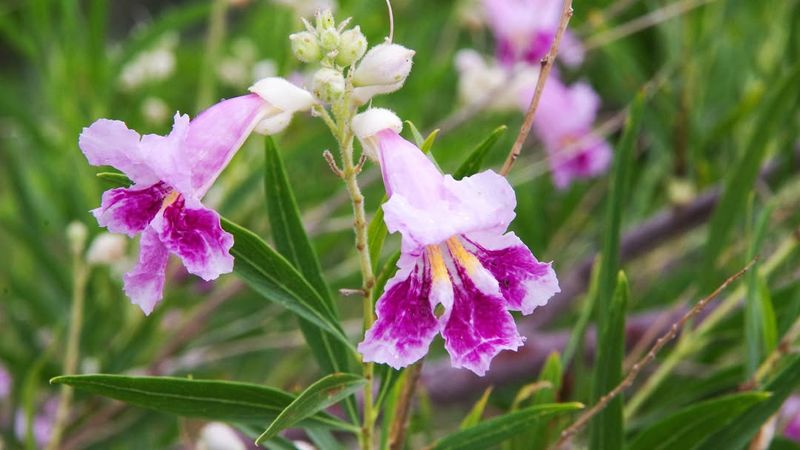
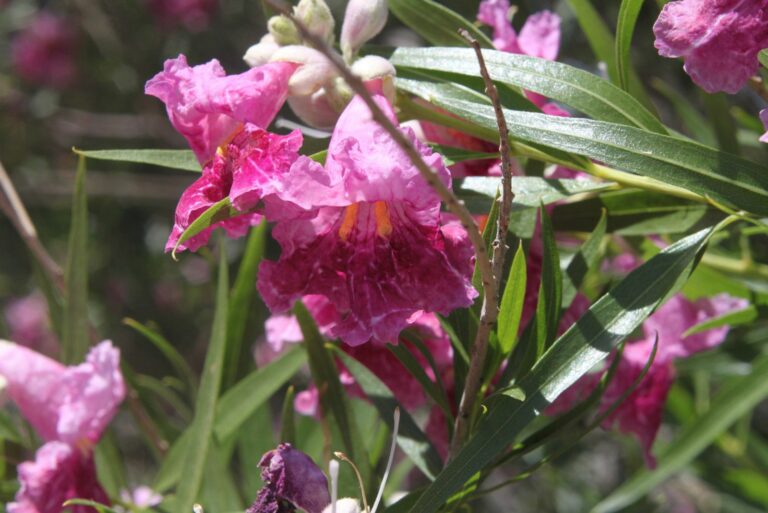
Graceful branches sway in hot Texas breezes while Desert Willows produce orchid-like flowers that seem almost tropical. Root systems remain surprisingly compact for such a visually dramatic tree.
Foundations stay protected because these natives evolved in harsh environments where deep taproots access water without spreading laterally.
Trumpet-shaped blooms appear from late spring through fall across Texas landscapes. Colors range from pale pink to deep burgundy, attracting hummingbirds and butterflies throughout the growing season.
Each flower measures 2 to 3 inches long, creating eye-catching displays against narrow, willow-like foliage.
Extreme heat tolerance makes Desert Willows perfect for Texas conditions. They flourish in full sun and actually prefer the intense warmth that stresses other species.
Mature trees reach 15 to 30 feet tall with an airy, open canopy that provides filtered shade rather than dense coverage.
Maintenance stays minimal once these trees establish themselves. They naturally develop attractive vase-shaped forms without extensive pruning.
Texas homeowners appreciate how Desert Willows thrive on neglect, requiring little supplemental watering after their first year.
Fast growth rates mean you’ll enjoy shade sooner than with many alternatives. Young trees can add several feet of height each season under favorable conditions.
Their rapid development doesn’t compromise structural integrity or create foundation concerns.
Seed pods form after flowering, adding textural interest during winter months. The pods hang on branches and provide food for local wildlife.
Deciduous nature means the tree drops leaves in fall, reducing maintenance compared to evergreen species.
Alkaline soils common throughout much of Texas suit Desert Willows perfectly. They adapt to various soil types as long as drainage stays adequate.
Poor soil actually encourages better flowering, making them ideal for challenging sites.
3. Texas Redbud
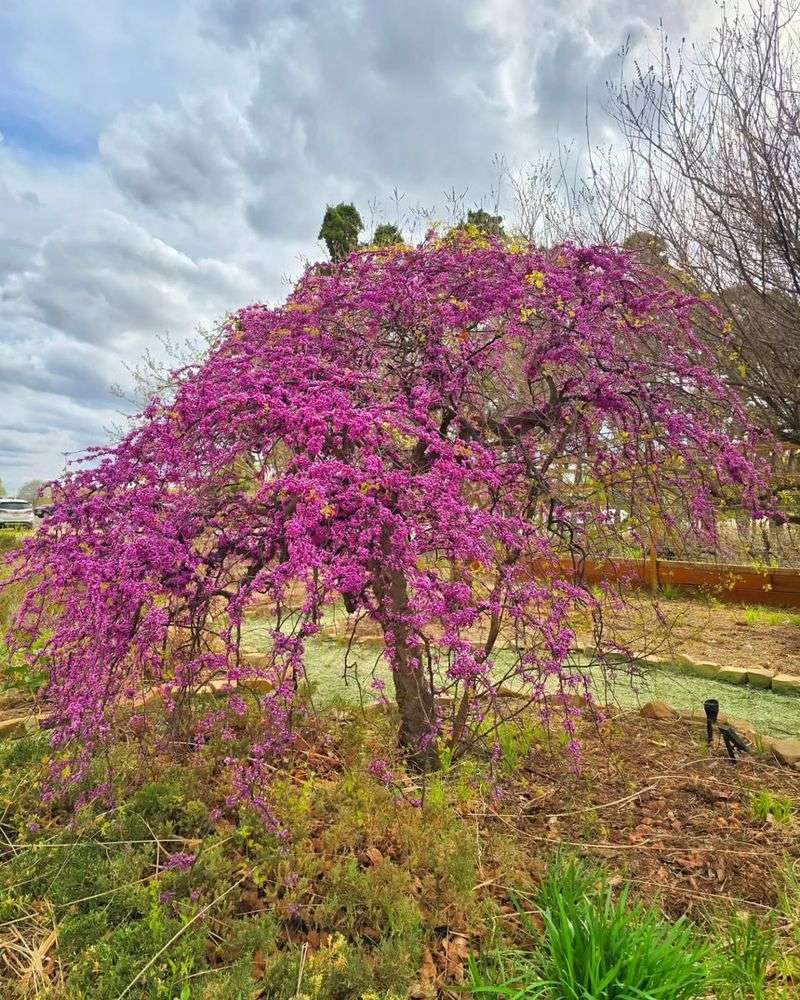
Early spring transforms Texas landscapes when Redbuds explode with magenta blooms before leaves emerge. Small stature and fibrous root systems make these native trees exceptionally safe near foundations.
Branches spread wider than the tree grows tall, creating broad shade coverage without the risks associated with larger species.
Heart-shaped leaves follow the spectacular flower display, providing dense summer shade. Foliage emerges with a reddish tint before maturing to deep green.
Fall brings golden-yellow color changes that brighten yards before leaf drop.
Mature heights typically range from 15 to 20 feet throughout Texas plantings. Spread often exceeds height, forming rounded canopies that cool significant ground areas.
This growth pattern delivers shade benefits while keeping root zones compact and manageable.
Adaptability to various soil types makes Texas Redbuds versatile landscape additions. They tolerate clay, loam, and sandy soils common across different regions of the state.
Both acidic and alkaline conditions suit these flexible natives.
Understory origins mean Redbuds naturally thrive in partial shade or full sun. They evolved growing beneath taller trees in Texas woodlands, developing shade tolerance rare among flowering species.
This flexibility allows placement in locations where other trees might struggle.
Flowers emerge directly from branches and even the trunk, creating stunning visual effects. This unusual blooming pattern, called cauliflory, sets Redbuds apart from typical flowering trees.
Bees and early-season pollinators depend on these nectar sources.
Water requirements stay moderate once trees establish themselves. Supplemental irrigation during extreme drought helps maintain appearance, but established Redbuds survive dry periods.
Their modest size means less water demand compared to larger shade trees.
4. Mexican Plum
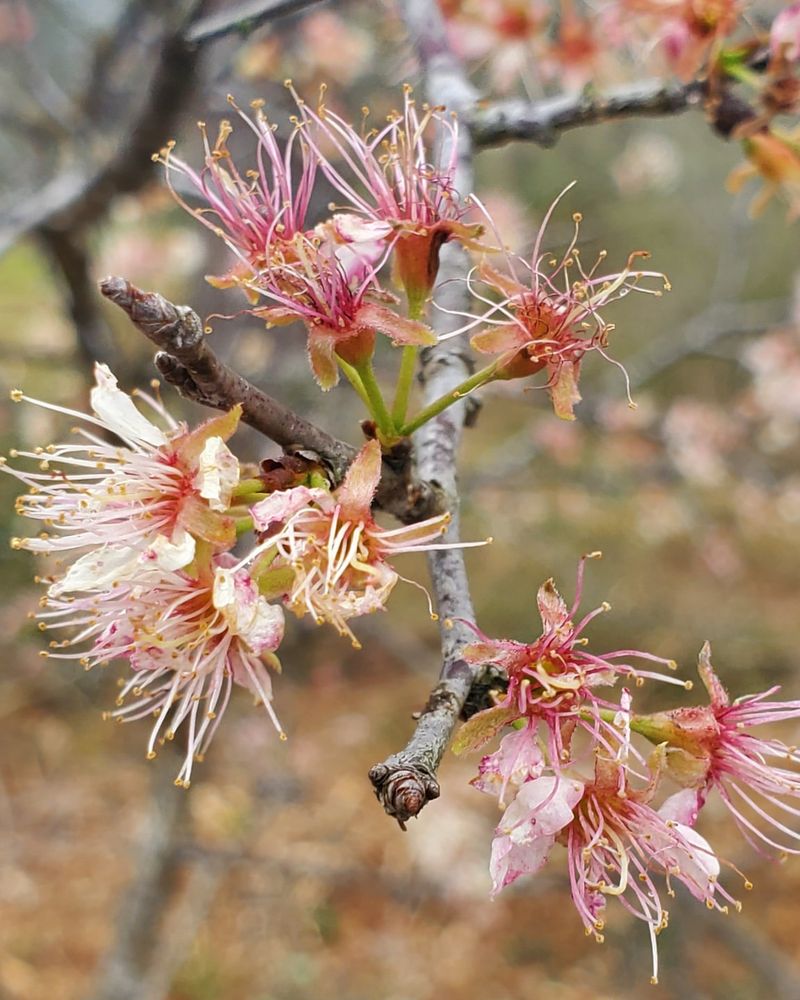
White blossoms blanket Mexican Plum trees each March, signaling spring’s arrival across Texas. Compact growth habits and non-aggressive roots make these natives perfect for planting near structures.
Homeowners value their multi-season interest and foundation-friendly characteristics.
Fragrant flowers appear before leaves unfurl, creating clouds of white against bare branches. The sweet scent attracts beneficial insects and early pollinators throughout the Lone Star State.
Blooms typically last two to three weeks, depending on weather conditions.
Edible fruits ripen from red to dark purple during summer months. While tart when fresh, these plums make excellent jellies and preserves.
Wildlife enthusiastically consumes the fruits, bringing birds and small mammals to Texas gardens.
Fall foliage transforms to brilliant shades of yellow, orange, and red. Color intensity varies based on growing conditions and weather patterns.
This seasonal display rivals many ornamental trees imported from other regions.
Mature specimens reach 15 to 25 feet tall with similar spread. Growth rates stay moderate, allowing homeowners to manage size through occasional pruning.
Their manageable dimensions suit residential lots without overwhelming smaller yards.
Bark develops attractive peeling characteristics as trees age. Smooth gray outer bark flakes away to reveal cinnamon-colored inner bark.
This textural interest provides winter appeal after leaves drop.
Drought tolerance improves significantly after establishment periods. Mexican Plums evolved in Texas conditions and handle heat stress better than many cultivated fruit trees.
Supplemental watering during extended dry spells maintains optimal appearance.
5. Vitex (Chaste Tree)
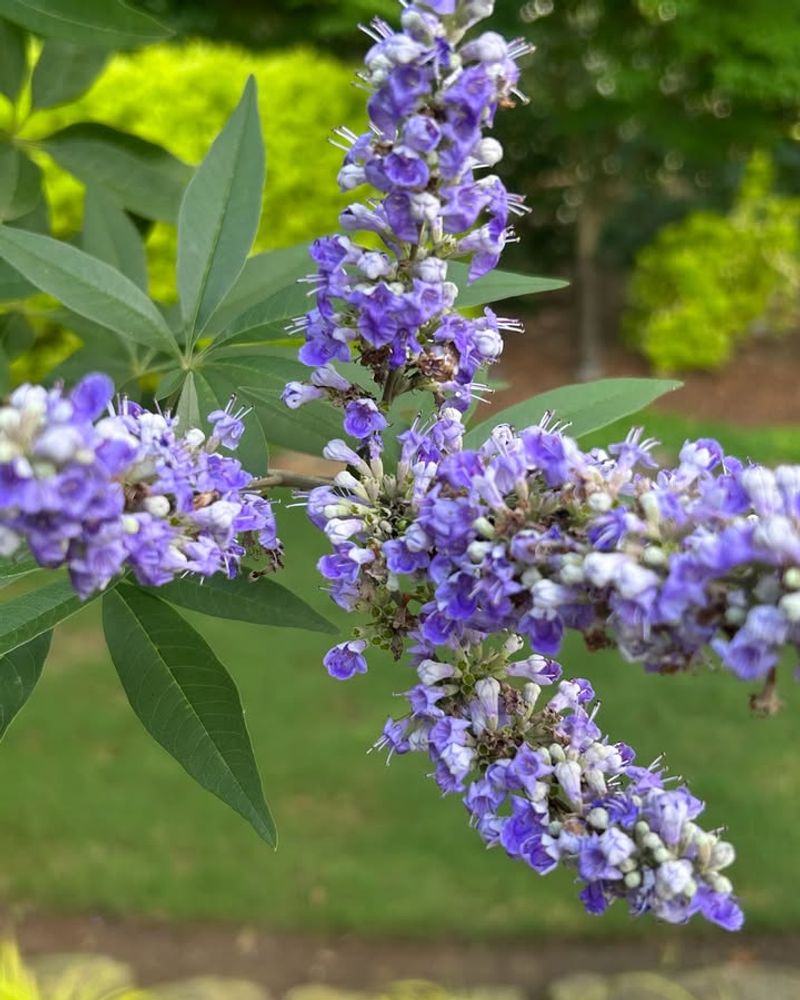
Lavender-blue flower spikes create stunning summer displays when Vitex trees bloom across Texas. Often grown as large shrubs or small multi-trunked trees, they offer excellent shade without foundation concerns.
Root systems remain compact and manageable, making them safe choices for planting near structures.
Aromatic foliage releases a pleasant fragrance when brushed or crushed. The palmate leaves resemble cannabis, leading to occasional confusion, but Vitex serves purely ornamental purposes.
Gray-green foliage provides attractive contrast against darker landscape plants.
Bloom periods extend from late spring through summer in Texas gardens. Flower spikes reach 6 to 12 inches long, attracting butterflies, bees, and hummingbirds.
Removing spent blooms encourages additional flowering waves throughout the growing season.
Extreme heat and drought tolerance make Vitex ideal for challenging Texas conditions. These Mediterranean natives thrive in intense sun and require minimal supplemental watering once established.
They actually bloom better with some moisture stress.
Mature sizes range from 10 to 20 feet tall with equal spread. Growth habits stay relatively open and airy rather than densely packed.
This structure provides filtered shade that cools spaces without creating heavy darkness.
Fast growth rates deliver shade benefits quickly after planting. Young Vitex trees can add substantial size within their first few seasons.
This rapid development doesn’t translate to aggressive root growth that threatens foundations.
Winter appearance includes attractive gray bark on multiple trunks. Deciduous nature means leaves drop in fall, reducing maintenance needs.
Texas homeowners appreciate the seasonal changes that mark passing time.
6. Loquat
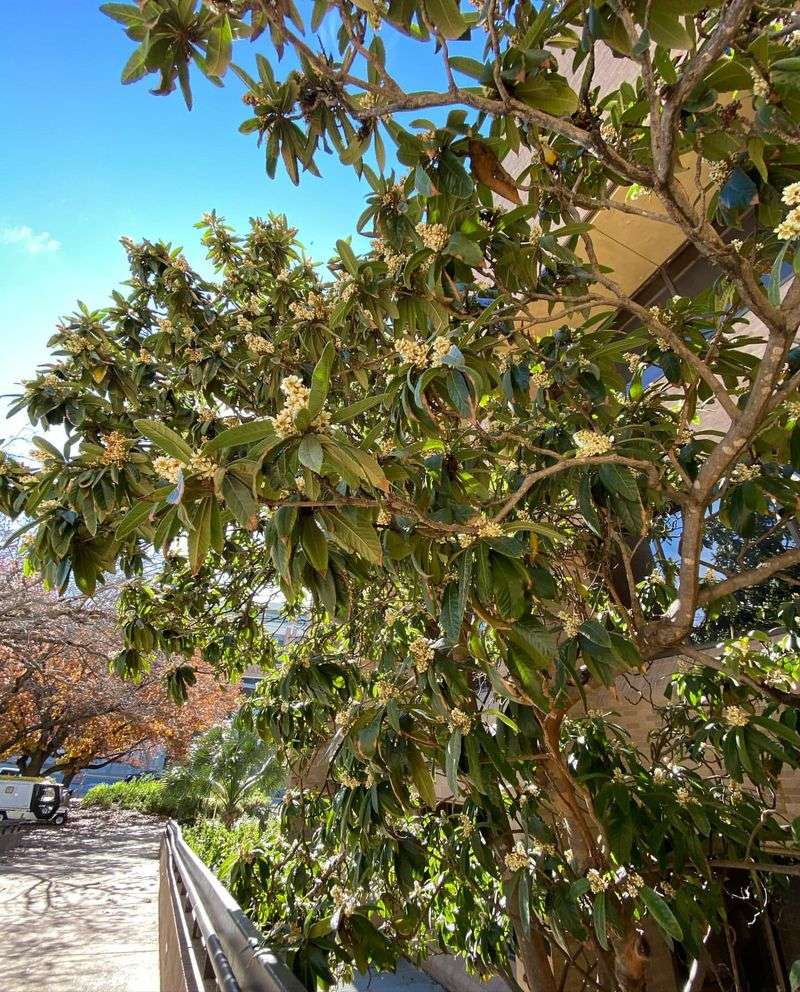
Evergreen foliage provides year-round shade when Loquat trees grace Texas landscapes. Large, tropical-looking leaves create dense canopies that cool outdoor spaces effectively.
Root systems remain surprisingly compact for such lush trees, making them safe near foundations.
Fragrant white flowers emerge in fall and winter throughout Texas plantings. The unusual bloom timing provides nectar when few other sources exist.
Sweet scent carries on cool breezes, adding sensory interest to gardens.
Edible orange-yellow fruits ripen in spring, offering sweet-tart flavors. Fresh eating, jams, and baking all showcase these versatile fruits.
Texas homeowners enjoy harvesting homegrown produce from attractive shade trees.
Glossy dark green leaves measure 6 to 12 inches long with prominent veining. The bold foliage creates tropical effects unusual in Texas gardens.
Leaf undersides show rusty-brown coloring that adds subtle contrast.
Mature heights reach 15 to 25 feet with rounded, spreading canopies. Growth rates stay moderate, allowing size management through selective pruning.
Their manageable dimensions suit residential properties without overwhelming spaces.
Heat tolerance makes Loquats well-suited to Texas summers. They handle intense sun and warm temperatures better than many evergreen alternatives.
Some afternoon shade benefits trees in the hottest regions.
7. Anacacho Orchid Tree
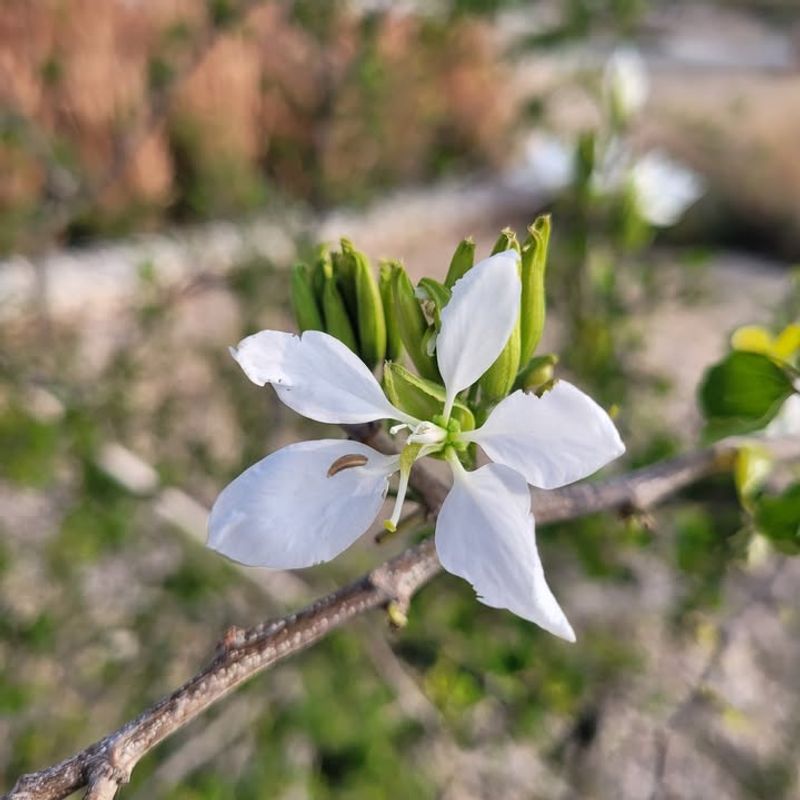
Stunning orchid-like blooms transform Anacacho Orchid Trees into showstoppers each spring across Texas. Native to a small region near the Mexican border, these rare beauties adapt well throughout the state.
Root systems stay compact and non-invasive, making them perfect for planting near foundations.
Flowers emerge in shades of pink, purple, or white depending on the individual tree. Each bloom measures 2 inches across with delicate petals resembling tropical orchids.
The spectacular display typically occurs in April and May, with occasional repeat blooming during favorable conditions.
Silvery-green foliage provides attractive contrast against darker landscape plants. Leaves stay relatively small and create fine-textured appearance.
Some specimens show semi-evergreen tendencies in mild Texas winters.
Drought tolerance ranks exceptionally high once trees establish themselves. Anacacho Orchid Trees evolved in harsh limestone hill country conditions with minimal rainfall.
They thrive on neglect and actually bloom better with limited water.
Mature sizes remain modest, typically reaching 10 to 15 feet tall with similar spread. Slow to moderate growth rates mean these trees won’t quickly outgrow their spaces.
Their compact dimensions suit smaller yards and confined planting areas.
Alkaline soils and rocky conditions that challenge many species suit Anacacho Orchid Trees perfectly. They naturally grow in limestone-based soils throughout their native range.
Texas homeowners with difficult soil conditions find these trees remarkably adaptable.
8. Eve’s Necklace
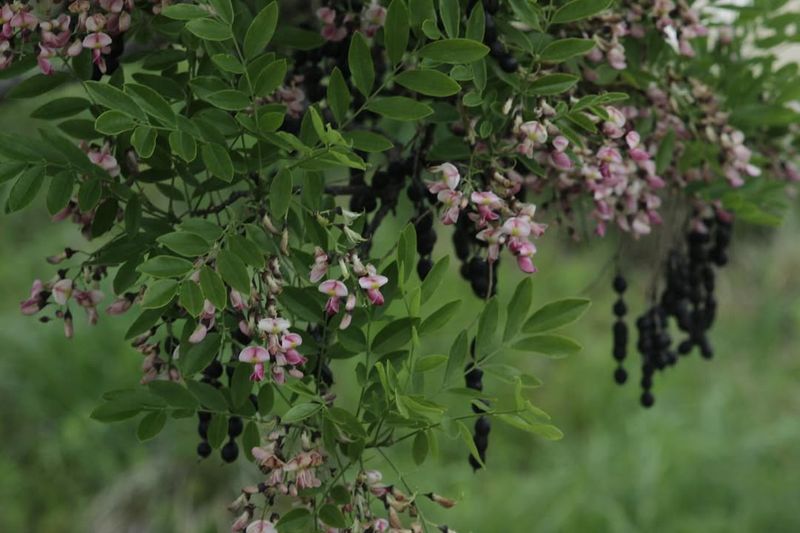
Delicate pink flowers dangle in clusters when Eve’s Necklace trees bloom across Texas each spring. This underutilized native deserves more attention for its beauty and foundation-friendly characteristics.
Root systems remain compact and manageable, posing no threat to nearby structures.
Fragrant blooms appear in April and May throughout the Lone Star State. Each flower cluster resembles miniature wisteria, creating romantic cascading effects.
The light fragrance attracts pollinators without overwhelming human senses.
Unique seed pods develop after flowering, giving the tree its common name. Black seeds alternate with constricted sections along the pod, resembling beads on a necklace.
These distinctive pods persist through winter, providing ornamental interest.
Compound leaves create fine-textured foliage that filters sunlight effectively. The leaflets fold together at night or during stress, adding dynamic interest.
Fall color ranges from yellow to golden-bronze before leaves drop.
Mature heights reach 15 to 25 feet with narrow, upright growth habits. Spread stays relatively limited compared to width-focused species.
This vertical growth pattern suits tight spaces where broader trees won’t fit.
Adaptability to various Texas soil types makes Eve’s Necklace versatile. Clay, loam, and rocky soils all support healthy growth.
Both acidic and alkaline conditions suit these flexible natives.
Drought tolerance improves after establishment periods, though occasional watering maintains optimal appearance. Eve’s Necklace handles Texas heat better than many flowering alternatives.
Their native status ensures good adaptation to local climate patterns.
9. Yaupon Holly
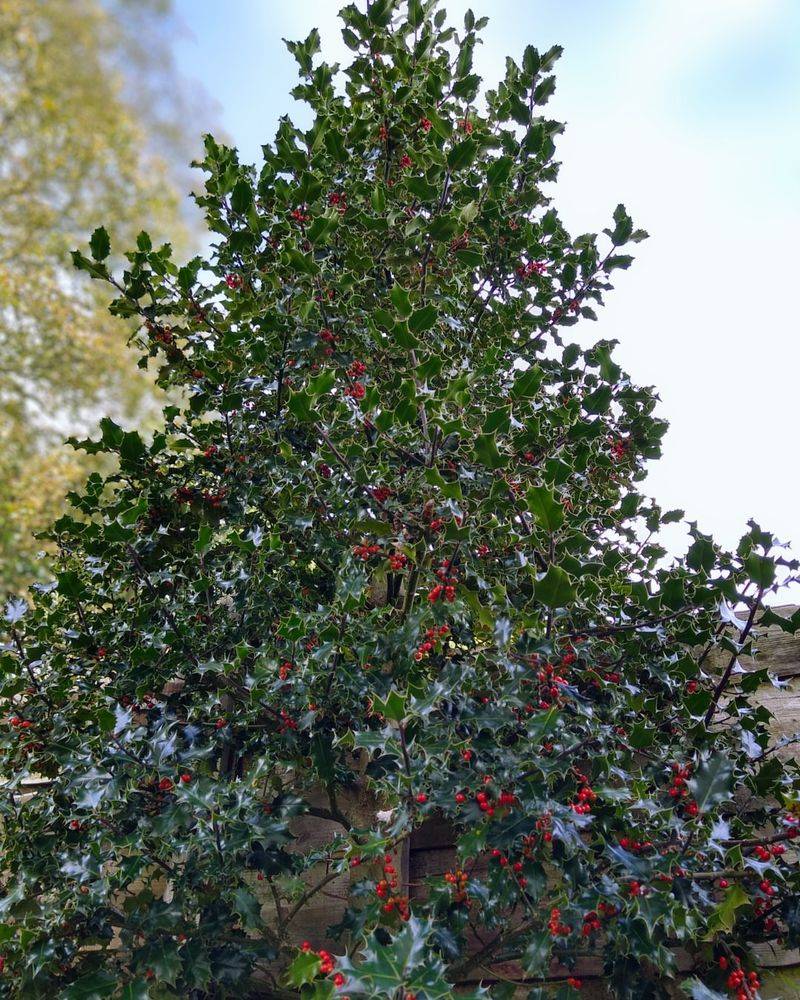
Evergreen versatility defines Yaupon Holly trees throughout Texas landscapes. While often grown as shrubs, they develop into attractive small trees when properly trained.
Root systems stay compact and non-aggressive, making them exceptionally safe near foundations.
Small white flowers appear in spring across Texas plantings, attracting beneficial insects. The blooms stay relatively inconspicuous but provide important nectar sources.
Female trees produce bright red berries that persist through winter.
Berry displays create stunning visual interest during fall and winter months. Birds enthusiastically consume the fruits, bringing wildlife activity to yards.
Only female trees produce berries, requiring male pollinators nearby.
Dense evergreen foliage provides year-round privacy and shade. Small leaves create fine texture that contrasts nicely with bold-leaved plants.
Growth habits range from upright to weeping depending on cultivar selection.
Mature sizes vary widely based on pruning and training. Tree forms typically reach 15 to 25 feet tall with narrower spreads.
Their flexibility allows use in various landscape roles from screening to shade provision.
Native status throughout Texas ensures excellent adaptation to local conditions. Yaupon Hollies handle heat, drought, humidity, and soil variations with ease.
They thrive in challenging sites where many species struggle.
Salt tolerance makes them valuable for coastal Texas plantings. They withstand salt spray and sandy soils better than most alternatives.
This toughness extends to urban conditions with pollution and compacted soils.