Trees That Put Florida Homeowners At Risk Of Fines
Trees add shade and curb appeal to Florida homes, but some can quietly turn into a legal headache.
What looks like a healthy tree today can cross the line tomorrow, putting homeowners on thin ice with local rules.
In a state where growth happens fast, trees can become problems before anyone sees it coming.
Florida cities and counties keep a close eye on trees that threaten safety, block sidewalks, interfere with power lines, or spread beyond property lines.
Invasive species, damaged trunks, or neglected growth often raise red flags.
When these issues go unchecked, fines can follow, sometimes with little warning.
By the time a notice arrives, the cost to fix the problem may already be climbing.
Smart homeowners know that staying ahead of tree trouble saves time, money, and stress.
Understanding which trees pose a risk helps prevent surprises and keeps properties in good standing.
A little attention now beats scrambling later.
In Florida, knowing the rules around trees is just as important as planting them, and the payoff is peace of mind instead of a costly lesson learned the hard way.
1. Brazilian Pepper Tree
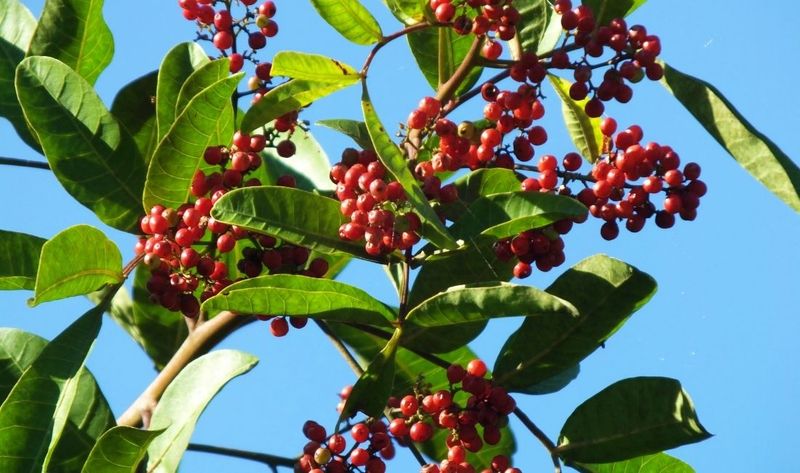
Brazilian pepper trees might look festive with their bright red berries during the holidays, but Florida authorities consider them public enemy number one when it comes to invasive plants.
This South American native has spread across more than 700,000 acres of Florida, choking out native vegetation and disrupting entire ecosystems.
Most counties in the state have laws prohibiting the planting, cultivation, or maintenance of this aggressive species on private property.
Property owners who allow Brazilian pepper to grow on their land can face substantial fines from local code enforcement.
The tree spreads incredibly fast because birds eat the berries and deposit seeds across wide areas.
Once established, Brazilian pepper forms dense thickets that crowd out everything else, making it nearly impossible for native Florida plants to survive.
Removing Brazilian pepper is expensive and labor-intensive, often requiring professional help.
The tree regrows from roots even after cutting, so complete removal involves herbicide treatment and ongoing monitoring.
Some Florida homeowner associations conduct regular inspections and issue violation notices to residents who fail to control this invasive species.
The Florida Department of Environmental Protection lists Brazilian pepper as a Category I invasive species, the most serious classification.
Homeowners in areas like South Florida, where the tree is especially prevalent, must stay vigilant.
Ignoring a Brazilian pepper problem on your property can result in fines ranging from hundreds to thousands of dollars, depending on your local ordinances.
Some municipalities even require property owners to submit eradication plans with regular progress reports to avoid escalating penalties.
2. Australian Pine (Casuarina)
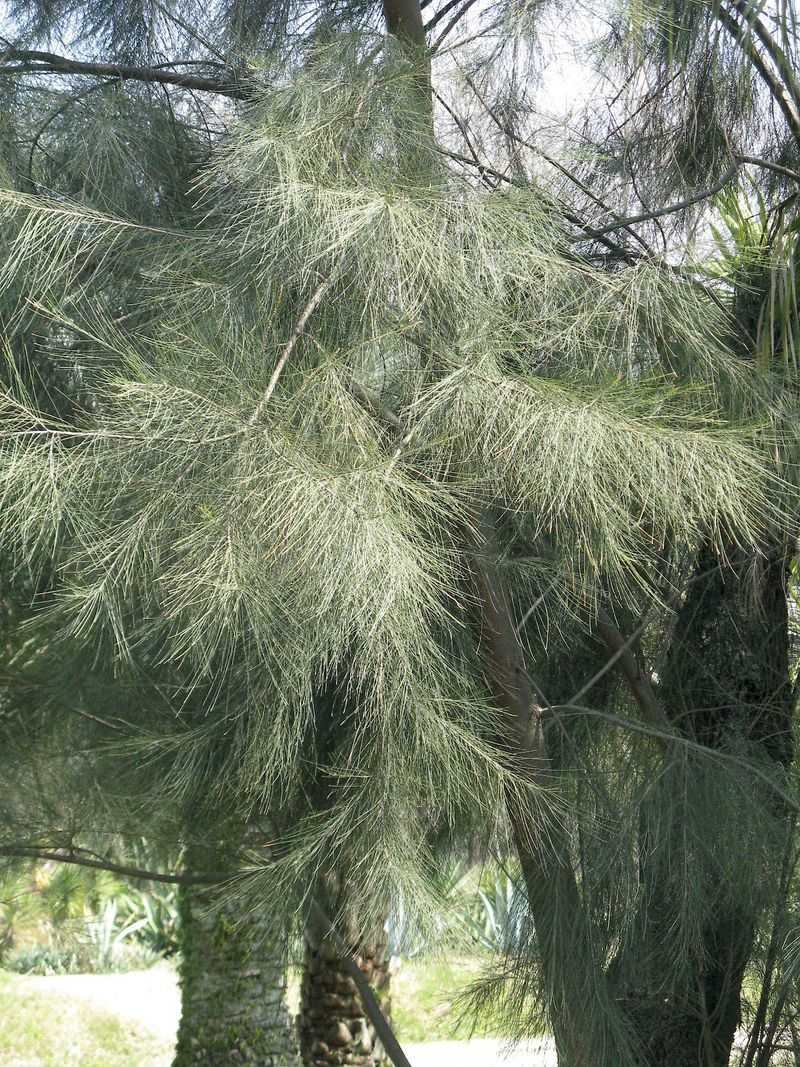
Despite its name suggesting it’s a pine, the Australian pine is actually a hardwood tree that has caused massive problems throughout Florida’s coastal regions.
This fast-growing import can reach heights of 100 feet, creating significant hazards during the hurricane season that regularly batters the Sunshine State.
Florida law prohibits planting Australian pines, and many counties require their removal from residential properties.
The shallow root system of Australian pines makes them extremely vulnerable to strong winds.
During hurricanes and tropical storms, these trees topple easily, crushing homes, vehicles, and power lines.
Insurance companies have been known to increase premiums or deny coverage when Australian pines stand too close to structures, adding financial pressure beyond just regulatory fines.
Australian pines also wreak havoc on Florida beaches by altering sand dynamics and eliminating habitat for sea turtles and native shore birds.
Coastal communities take enforcement seriously, with environmental officers regularly patrolling neighborhoods for violations.
Homeowners who fail to remove Australian pines after receiving notices can face daily fines that accumulate quickly into significant debt.
The tree’s dense canopy and allelopathic properties prevent other plants from growing beneath it, creating barren landscapes.
In South Florida particularly, local governments have aggressive removal programs and will sometimes remove the trees themselves and bill the property owner.
Replacement with native species like sabal palms or live oaks is often required as part of violation remediation.
Australian pines represent both an environmental threat and a legal liability that no Florida homeowner should ignore.
3. Melaleuca (Paperbark Tree)
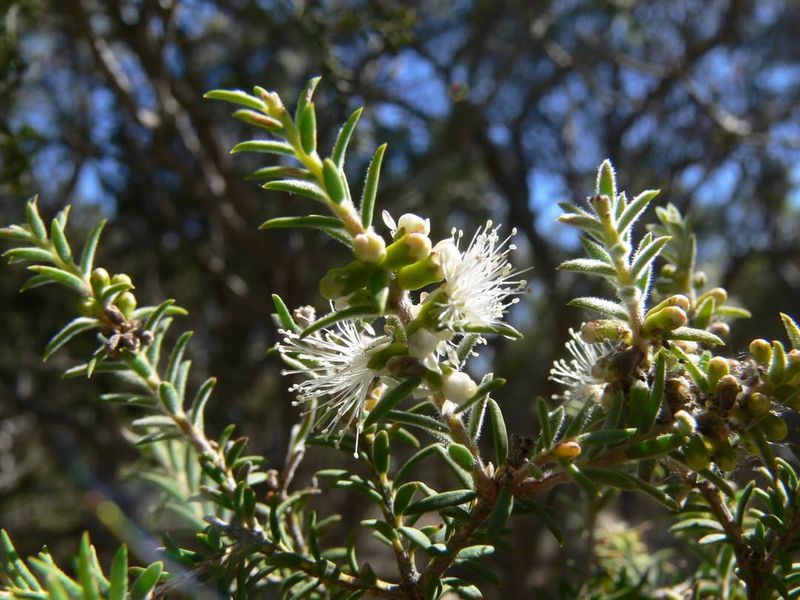
Melaleuca trees earned the nickname “the Everglades destroyer” for good reason, having invaded nearly half a million acres of Florida wetlands since their introduction in the early 1900s.
Originally planted for swamp drainage and as ornamental specimens, these Australian imports now rank among Florida’s most regulated and penalized tree species.
State law classifies melaleuca as a prohibited invasive plant, making it illegal to sell, propagate, or cultivate anywhere in Florida.
A single mature melaleuca can produce millions of seeds annually, spreading rapidly through wind dispersal.
The trees thrive in wet conditions and form impenetrable forests that displace native sawgrass, cypress, and other essential wetland vegetation.
Florida homeowners with melaleuca on their property face mandatory removal requirements and potential fines if they don’t comply within specified timeframes.
Water management districts across Florida actively monitor for melaleuca and issue citations to property owners.
The tree’s ability to alter water flow patterns can affect entire neighborhoods, leading to drainage problems and flooding issues.
Some counties impose daily fines for each tree that remains after a violation notice, with penalties reaching into thousands of dollars.
Professional removal is typically necessary because melaleuca resprouts vigorously after cutting.
Homeowners must often provide proof of complete eradication, including root treatment, to satisfy code enforcement.
In areas near the Everglades and other protected wetlands, enforcement is particularly strict.
Florida environmental officers have authority to enter properties for inspections when melaleuca is suspected, and failure to grant access can result in additional penalties beyond the initial tree violation.
4. Carrotwood Tree
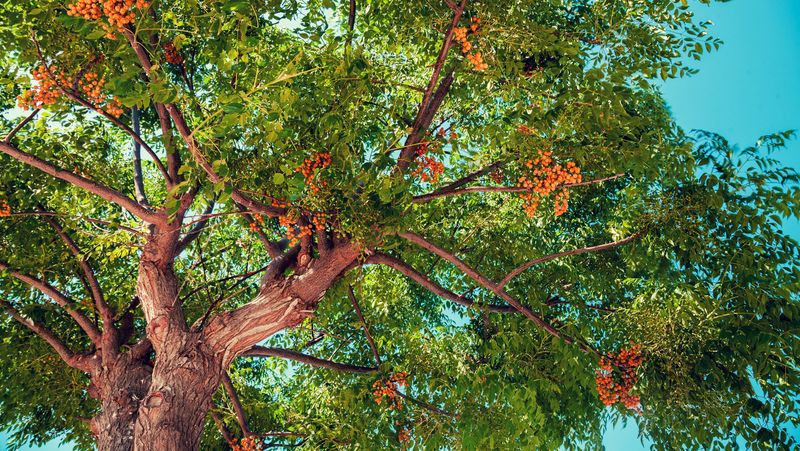
Carrotwood trees were once popular landscaping choices in Florida because of their attractive appearance and dense shade.
Nurseries sold thousands of these Australian natives before scientists realized the species would become a major invasive problem.
Today, many Florida counties prohibit carrotwood trees, and homeowners can face fines for maintaining them on residential properties.
The tree produces bright orange seed capsules that birds find irresistible, leading to widespread distribution across natural areas.
Carrotwood invades hammocks, pinelands, and disturbed sites throughout central and southern Florida, outcompeting native trees for resources.
Local ordinances in communities from Tampa to Miami now classify carrotwood as a nuisance species subject to removal orders.
Homeowner associations frequently include carrotwood on their prohibited species lists, adding another layer of potential penalties.
Property owners who planted these trees decades ago, when they were legal, now find themselves facing expensive removal requirements.
Some municipalities offer grace periods for voluntary removal but impose escalating fines for homeowners who miss deadlines.
The Florida Exotic Pest Plant Council lists carrotwood as a Category II invasive, meaning it’s spreading but hasn’t yet reached the most critical status.
However, this classification still carries legal weight in many jurisdictions.
Carrotwood removal typically costs several hundred dollars per tree, depending on size and location.
Homeowners should check with their local code enforcement office to determine specific regulations in their area.
Waiting too long to address a carrotwood problem can result in both environmental damage and financial penalties that far exceed the cost of proactive removal.
5. Punk Tree (Melaleuca Quinquenervia)

Punk trees represent another melaleuca species causing serious problems for Florida property owners and the environment.
The common name comes from the tree’s thick, spongy bark that early settlers used as tinder for starting fires.
While historically interesting, punk trees now appear on Florida’s prohibited plant list, making their presence on residential property a violation subject to fines.
This species shares many problematic characteristics with its melaleuca relatives, including aggressive growth in wetlands and massive seed production.
Punk trees alter fire regimes in natural areas, actually increasing wildfire intensity despite their historical use as fire-starting material.
Florida environmental regulations require property owners to remove punk trees and prevent their spread to neighboring lands.
Code enforcement officers in counties throughout Florida issue citations when punk trees are discovered on private property.
The penalties vary by jurisdiction but typically start at several hundred dollars and increase for repeat violations or failure to comply.
Some areas impose per-tree fines that can quickly add up if multiple specimens exist on a single property.
Homeowners sometimes confuse punk trees with native species, leading to unintentional violations.
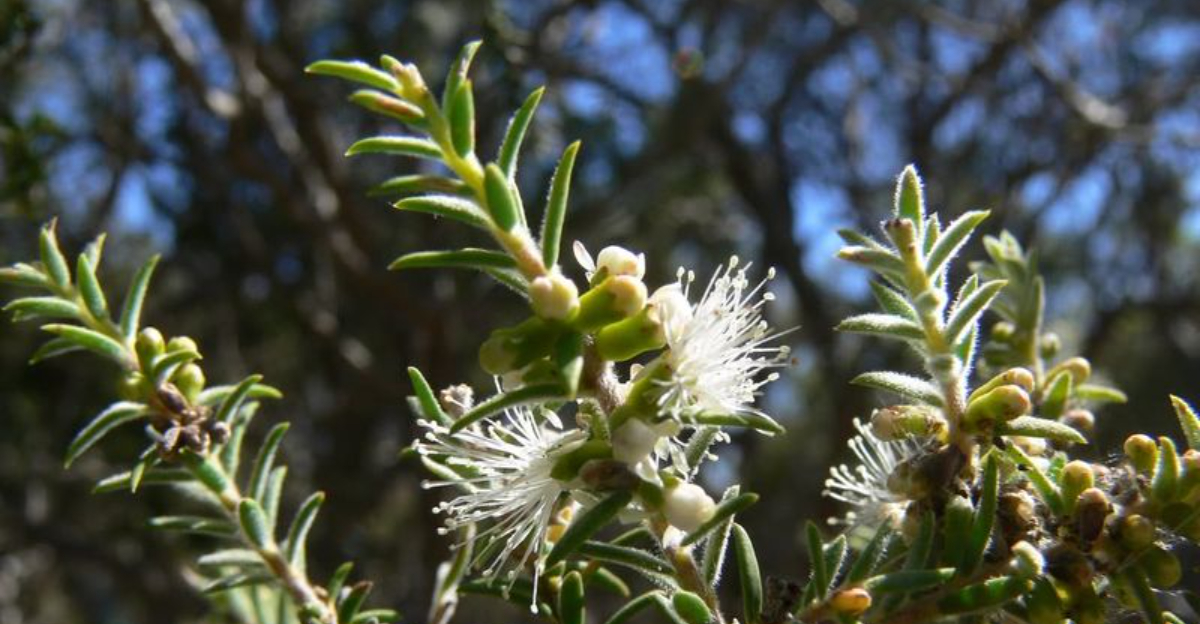
The distinctive papery bark layers and bottlebrush-style white flowers help identify this invasive species.
Professional arborists familiar with Florida regulations can provide accurate identification and removal services.
Documentation of removal is often required to close out code enforcement cases.
In South Florida especially, where punk trees have established strong populations, local governments maintain active surveillance programs.
Property owners should regularly inspect their land for punk tree seedlings and remove them immediately before they mature into expensive problems.
6. Eucalyptus Trees
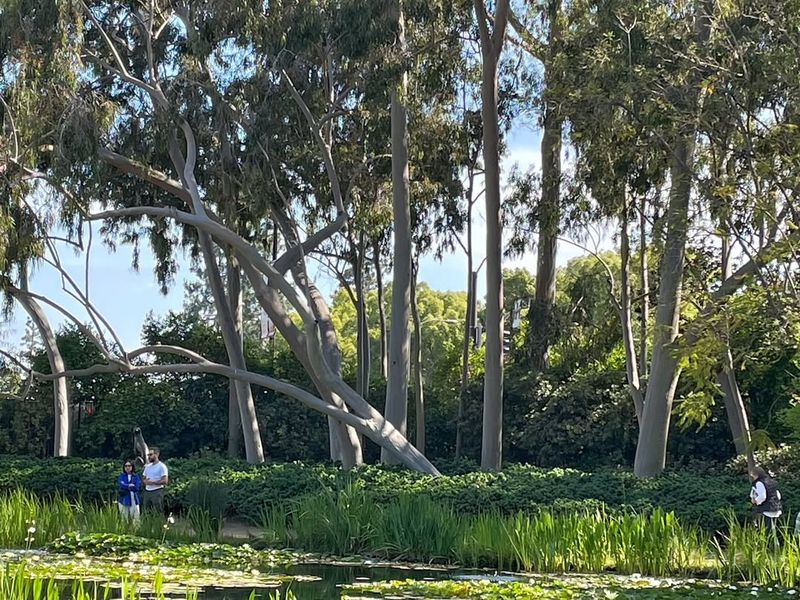
Eucalyptus trees bring that distinctive menthol scent and attractive peeling bark to Florida landscapes, but they also bring significant risks that can result in fines and liability issues.
While not universally banned across Florida, many municipalities restrict eucalyptus planting due to the trees’ tendency to drop massive limbs without warning.
This characteristic, combined with shallow root systems and highly flammable foliage, makes eucalyptus a regulatory concern in numerous communities.
Some eucalyptus species are classified as invasive in Florida, particularly in central and southern regions.
The trees can grow incredibly fast, reaching heights over 60 feet in just a few years, which creates problems with overhead power lines.
Utility companies often require homeowners to remove eucalyptus trees that threaten electrical infrastructure, and failure to comply results in fines plus potential liability for power outages.
Homeowner associations frequently prohibit eucalyptus because fallen limbs can damage property and injure residents.
The trees’ tendency to shed bark and branches creates constant maintenance issues and potential lawsuit risks.
Insurance companies sometimes require eucalyptus removal as a condition of coverage, especially in areas prone to wildfires.
Certain Florida counties have added specific eucalyptus species to their invasive plant lists, making cultivation subject to penalties.
The trees’ allelopathic properties prevent other plants from growing nearby, reducing biodiversity.
Property owners should verify local regulations before planting eucalyptus and consider removal if existing trees pose hazards.
Documented cases exist of Florida homeowners facing five-figure fines when eucalyptus trees caused damage to neighboring properties or public infrastructure.
The combination of environmental concerns, safety issues, and infrastructure threats makes eucalyptus increasingly problematic for Florida residents.
7. Laurel Oak
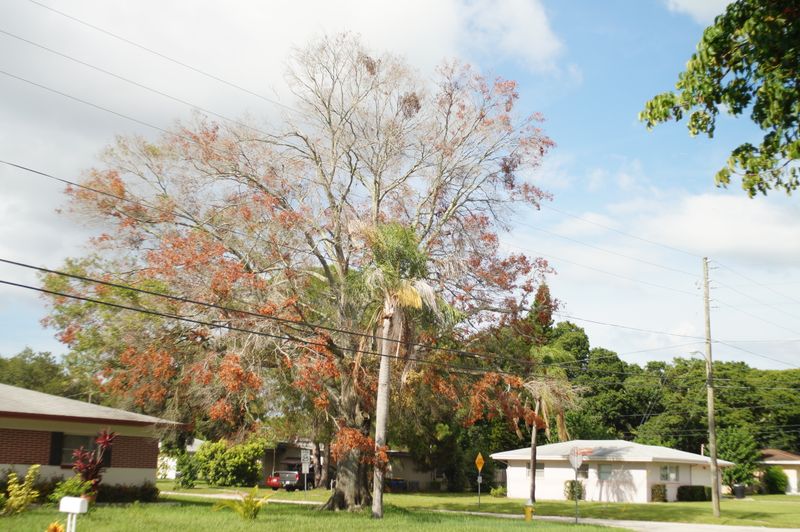
Laurel oaks are actually native to Florida, but they’ve earned a problematic reputation that leads to fines and removal requirements in many situations.
Unlike invasive species, laurel oaks cause trouble because of their relatively short lifespan and tendency to develop structural problems as they age.
Many Florida municipalities have ordinances requiring property owners to remove hazardous trees, and aging laurel oaks frequently fall into this category.
These trees typically live only 50 to 70 years, which is quite short for an oak species.
As laurel oaks mature, they become prone to trunk decay, limb failure, and sudden collapse, especially during storms.
Homeowners who ignore obviously declining laurel oaks can face fines for maintaining dangerous conditions, particularly if the trees threaten public sidewalks, streets, or neighboring properties.
The aggressive root systems of laurel oaks cause extensive damage to sidewalks, driveways, and underground utilities.
Municipalities across Florida regularly cite property owners for sidewalk damage caused by tree roots, with laurel oaks being frequent culprits.
Repair costs plus fines can easily exceed several thousand dollars, and homeowners remain liable until the situation is corrected.
Some Florida communities have stopped planting laurel oaks in public spaces due to their maintenance demands and relatively short useful life.
Private property owners face pressure to follow suit, especially in neighborhoods with strict landscaping covenants.
When laurel oaks reach 40 to 50 years of age, homeowners should have them professionally evaluated for structural soundness.
Waiting until a tree fails can result in property damage, injury liability, and fines for negligent tree maintenance.
Proactive removal of declining laurel oaks protects both your property and your wallet from Florida’s increasingly strict tree hazard regulations.