12 Trees That Should Never Be Planted Near Texas Homes
In Texas, trees may grow fast and proud, but not all of them play nice with homes.
What looks like a harmless sapling today can turn into a real problem before you know it.
Cracked foundations, busted pipes, lifted sidewalks, and broken limbs after storms often trace back to one bad planting decision made years earlier.
In a state known for wild weather, heavy clay soil, and scorching summers, some trees are simply a ticking time bomb when planted too close to houses.
Homeowners often learn the hard way that fast growth, weak wood, or aggressive roots come with a price.
By the time the trouble shows up, the damage is already done and the fix is never cheap.
Knowing which trees tend to cause trouble can save you money, time, and a whole lot of frustration.
Sometimes the smartest move is knowing what not to plant.
1. Bradford Pear
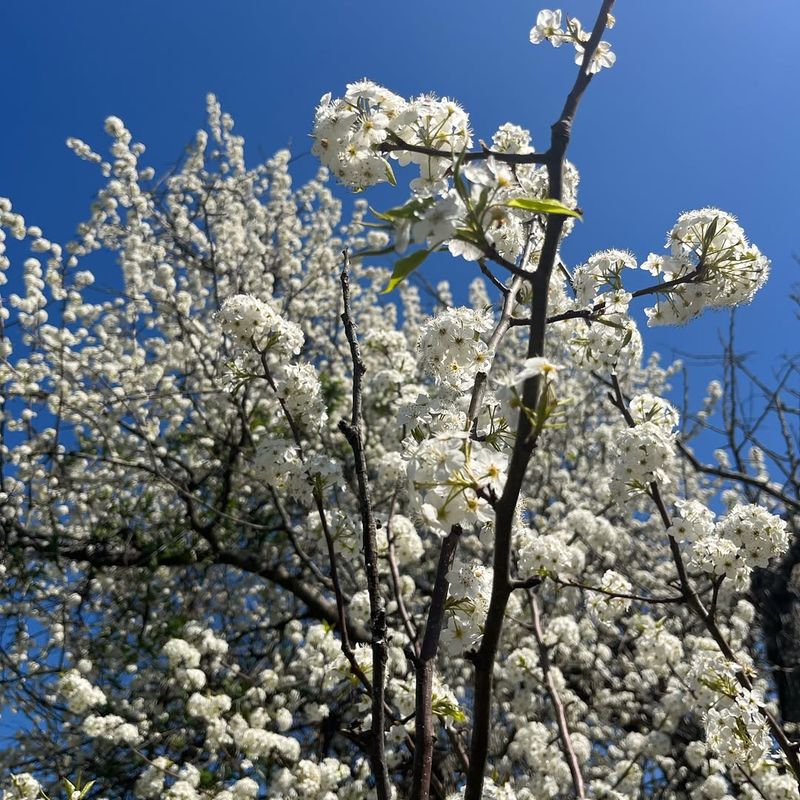
Picture a tree that looks gorgeous in spring with clouds of white blossoms, then imagine it snapping in half during the next thunderstorm.
Bradford pears have become notorious across Texas for their beautiful appearance that hides a dangerous secret.
The wood structure grows weak and brittle, making branches prone to splitting without warning.
Strong winds, ice, or even heavy rain can cause massive limbs to crash down on roofs, cars, or power lines.
Homeowners often wake up after storms to find half their Bradford pear scattered across the yard.
Beyond the storm damage risk, these trees develop aggressive root systems that spread wide and shallow beneath the soil.
Those roots can crack driveways, buckle sidewalks, and even push against home foundations causing structural issues.
The roots seek out water sources and have been known to invade sewer lines and sprinkler systems.
Many Texas neighborhoods planted Bradford pears decades ago and now regret that choice as mature trees become hazards.
Insurance claims from falling Bradford pear branches have skyrocketed in recent years.
Professional arborists across the state recommend removing these trees before they cause damage rather than waiting for the inevitable accident.
2. Silver Maple
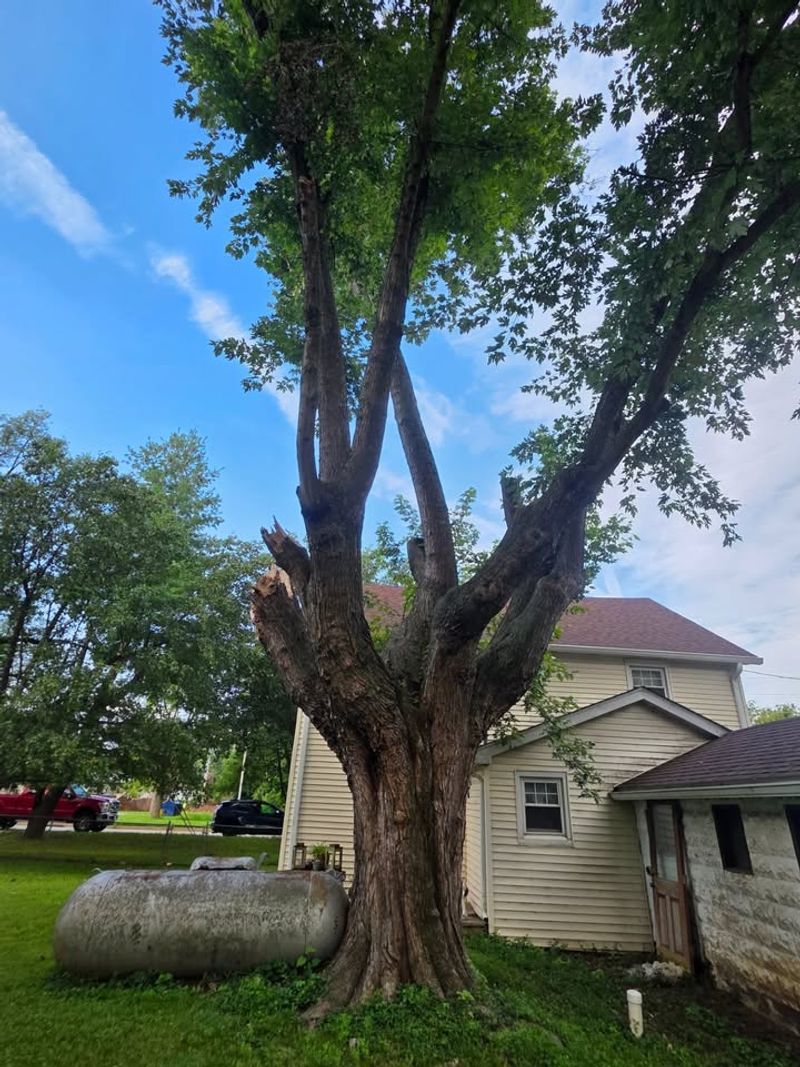
Silver maples grow incredibly fast, which sounds great until you realize that rapid growth creates serious problems.
Trees that shoot up quickly develop soft, brittle wood that cannot support their own weight properly.
Branches become fragile and prone to breaking off during routine weather events.
What makes silver maples particularly troublesome near Texas homes is their aggressive surface root system.
Unlike trees with deep taproots, silver maples spread their roots horizontally just beneath the ground.
These surface roots lift and crack concrete patios, driveways, and walkways with surprising force.
They create tripping hazards and turn smooth surfaces into broken, uneven messes.
Homeowners spend thousands of dollars repairing damage caused by these invasive roots.
The roots also compete with grass and other plants for water and nutrients, creating bare patches in your lawn.
During Texas droughts, silver maples struggle and drop leaves early, leaving your yard looking shabby by late summer.
Their shallow roots make them unstable in high winds, increasing the risk of toppling.
Many people plant silver maples for quick shade but end up regretting the decision within just a few years.
Better shade tree options exist that grow more slowly but provide stable, long-lasting beauty.
3. Cottonwood
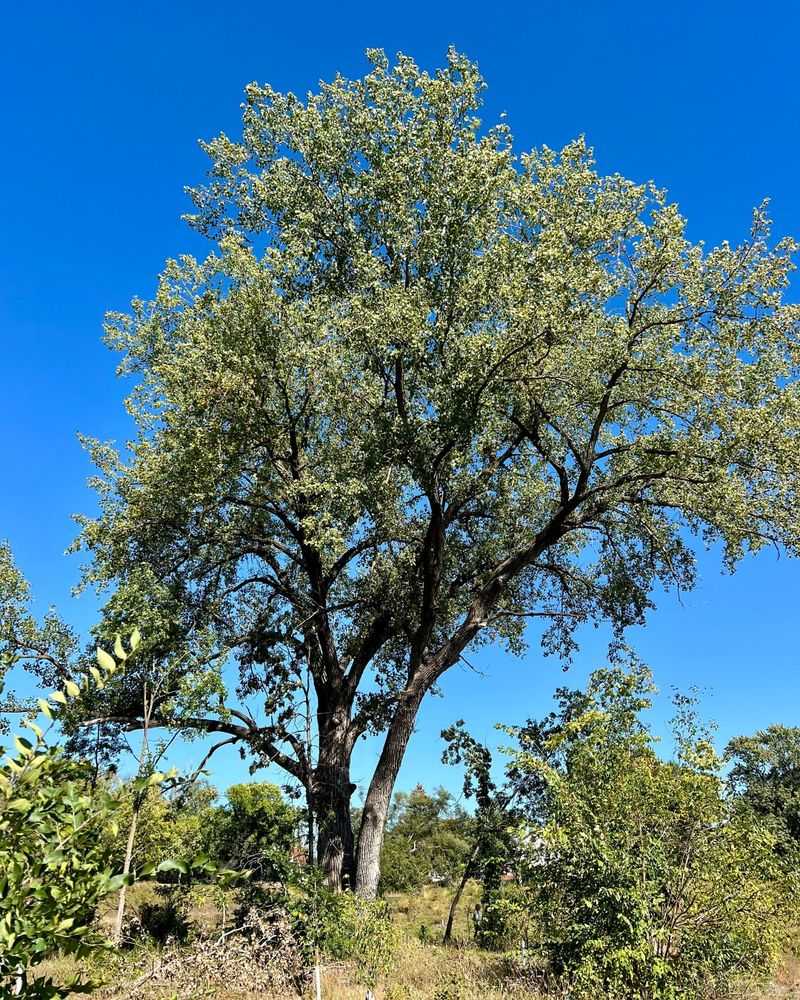
Cottonwoods can reach massive heights and widths, which sounds impressive until you consider what that means for a residential property.
These giants shed constantly throughout the year, dropping twigs, leaves, and those infamous cottony seed pods that blanket everything.
The fluffy white seeds drift through the air like summer snow, clogging gutters, air conditioning units, and getting tracked indoors.
People with allergies suffer miserably when cottonwoods release their seeds.
The mess becomes so thick that driveways and patios disappear under layers of fluff.
Beyond the constant cleanup, cottonwood roots grow aggressively in search of water.
They can extend far beyond the tree canopy, invading plumbing systems and cracking foundations.
These roots are powerful enough to lift sidewalks and damage underground utilities.
Cottonwoods also require enormous amounts of water, making them poor choices during Texas drought conditions.
Their size means fallen branches are huge and heavy, capable of causing significant damage when they come down.
Removing a mature cottonwood costs thousands of dollars because of the tree’s massive size.
Professional tree services often charge premium rates for cottonwood removal due to the complexity involved.
Anyone considering planting a cottonwood near their home should think about the long-term consequences.
4. Chinese Tallow Tree
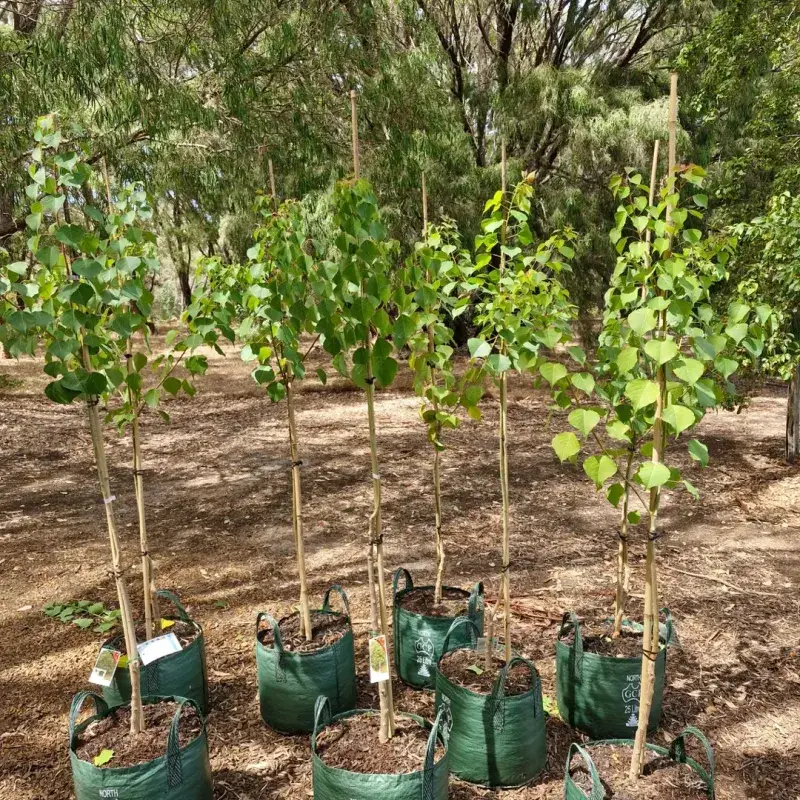
Chinese tallow trees might win awards for their stunning fall colors, but that beauty comes at a terrible environmental cost.
Texas has classified this species as highly invasive, meaning it spreads aggressively and pushes out native plants.
Once established, Chinese tallow trees produce thousands of seeds that sprout everywhere, creating dense thickets.
These thickets crowd out native Texas vegetation that wildlife depends on for food and shelter.
Birds and insects that evolved alongside native plants struggle when Chinese tallow takes over.
The trees alter soil chemistry, making it harder for other plants to grow nearby.
Many Texas counties have banned planting Chinese tallow trees and encourage property owners to remove existing ones.
Despite their invasive nature, some people still plant them for the attractive fall foliage.
That decision contributes to ecological damage across the region.
Chinese tallow spreads into natural areas, parks, and undeveloped land, creating monocultures where biodiversity once thrived.
Controlling established populations requires significant effort and expense.
Herbicide treatments often need repeating multiple times to prevent regrowth.
Responsible homeowners choose native Texas trees instead, supporting local ecosystems while still enjoying beautiful landscaping.
Native alternatives provide equally attractive fall colors without the environmental harm.
5. Arizona Ash
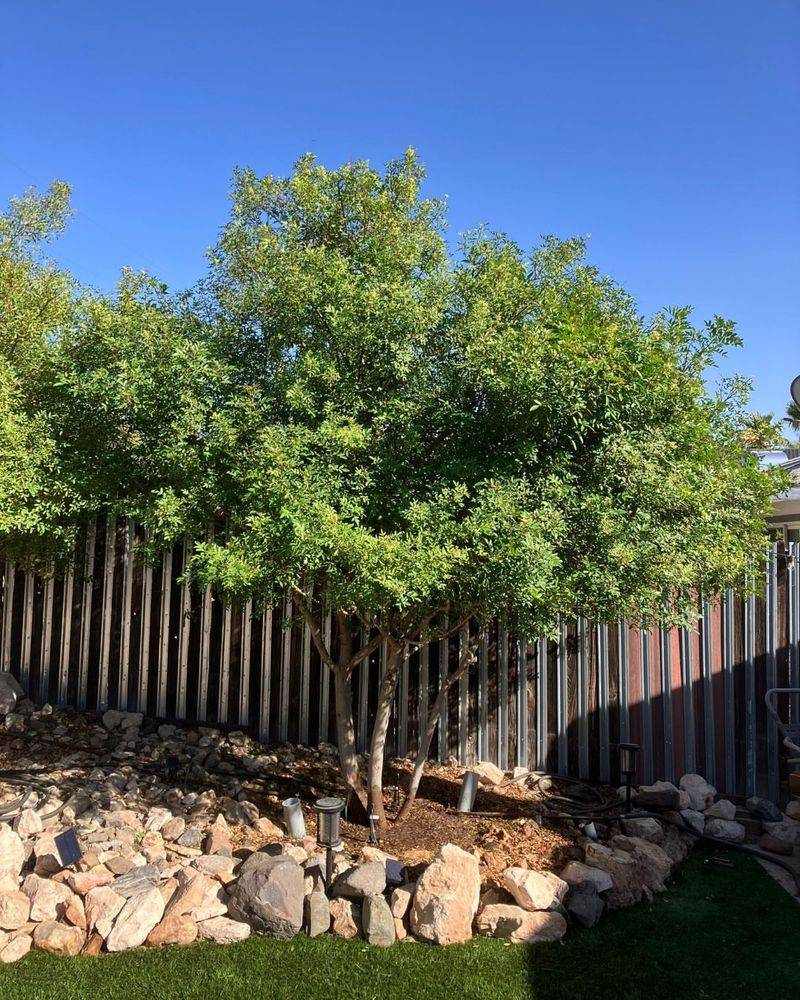
Arizona ash trees became popular across Texas decades ago because they grew quickly and provided fast shade.
Unfortunately, that popularity faded as homeowners learned these trees have frustratingly short lifespans.
Most Arizona ash trees begin declining after just 15 to 25 years, which is remarkably brief for a shade tree.
The intense Texas heat stresses these trees, making them vulnerable to various problems.
Ash borers attack weakened trees, tunneling through the wood and causing further decline.
Fungal diseases also plague Arizona ash, causing branches to wither and foliage to thin.
Once decline begins, the tree deteriorates rapidly, often requiring removal within a few years.
Homeowners who planted Arizona ash for shade find themselves replacing trees much sooner than expected.
The cost of removal and replacement makes these trees an expensive choice in the long run.
Weak branch attachments mean limbs break off easily, creating hazards near homes and driveways.
Falling branches can damage vehicles, roofs, and injure people below.
The trees also develop shallow root systems that lift pavement and compete poorly for water during droughts.
Many Texas communities now discourage planting Arizona ash in favor of more resilient native species.
Better alternatives exist that thrive in Texas heat while providing decades of reliable shade.
6. Mimosa Tree
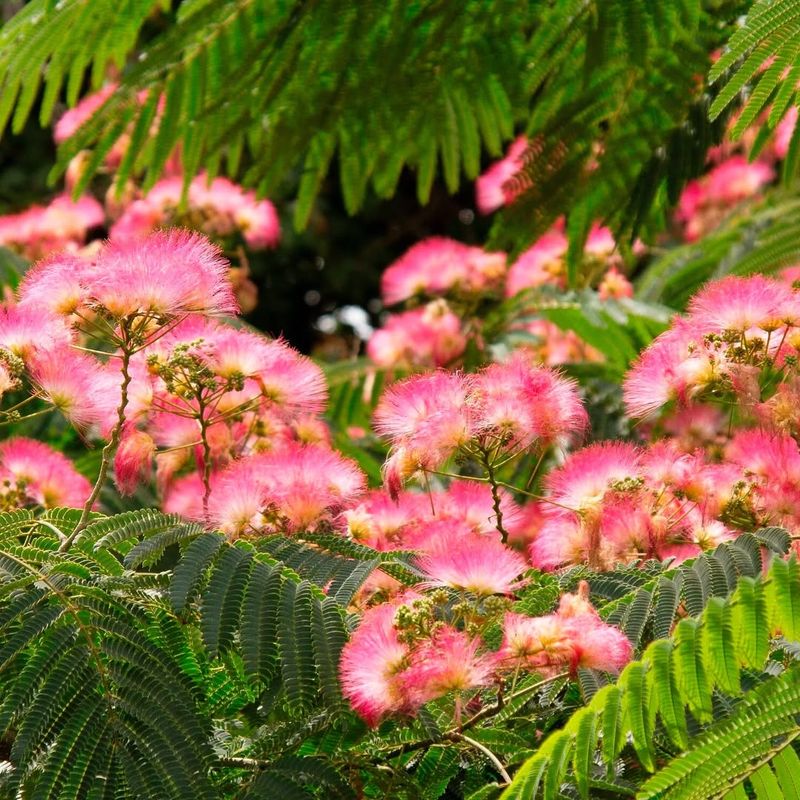
Mimosa trees charm people with their feathery leaves and pink powder-puff flowers that look like something from a fairy tale.
That charm quickly fades when reality sets in about their numerous problems.
Mimosas develop extremely weak branch structures that snap under minimal stress.
Even moderate winds can send branches crashing down, and ice or heavy rain guarantees broken limbs.
The wood lacks strength and flexibility, making structural failure almost inevitable.
Beyond weak branches, mimosas spread aggressively through seeds and root suckers.
You might plant one tree but end up with dozens of unwanted saplings popping up across your yard.
These volunteers sprout in flower beds, lawns, and along fence lines, requiring constant removal.
Mimosas also attract webworms that create unsightly nests and defoliate branches.
The trees drop seed pods, flowers, and leaves constantly, creating ongoing cleanup work.
Their invasive nature has led many states to classify mimosas as nuisance species.
Planting a mimosa near your home practically guarantees years of frustration dealing with broken branches and unwanted seedlings.
The short-lived trees often begin declining after just 10 to 15 years.
Removing mimosas proves difficult because they resprout from roots unless treated with herbicide.
Countless better flowering tree options exist for Texas landscapes.
7. Willow Tree
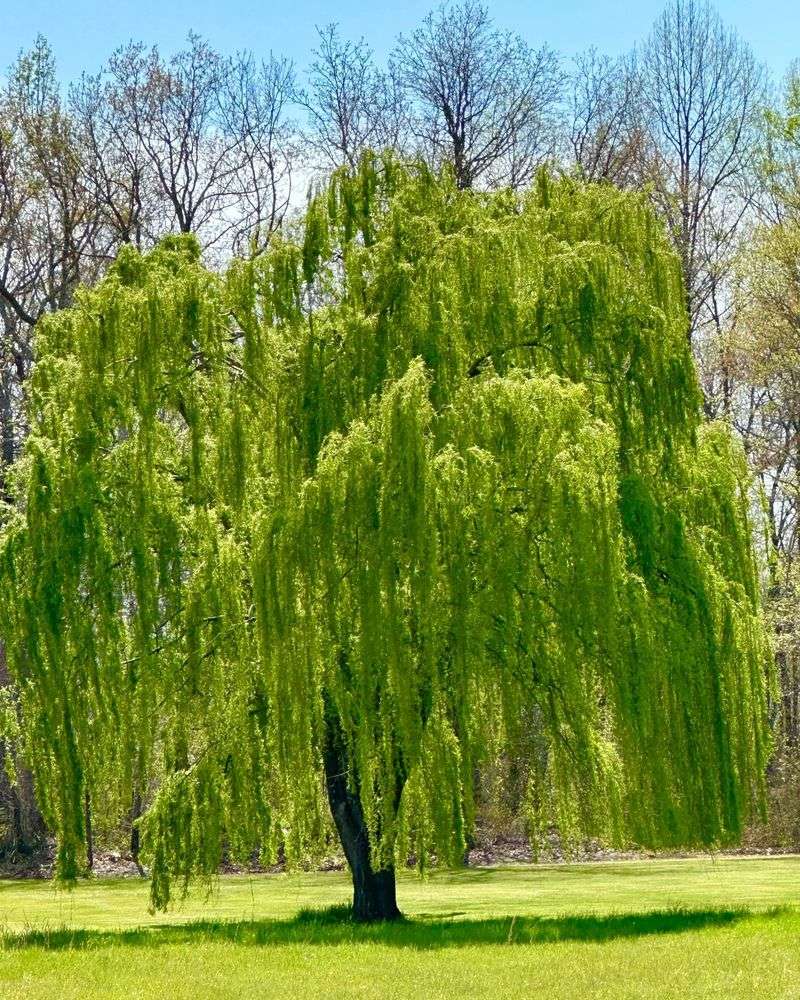
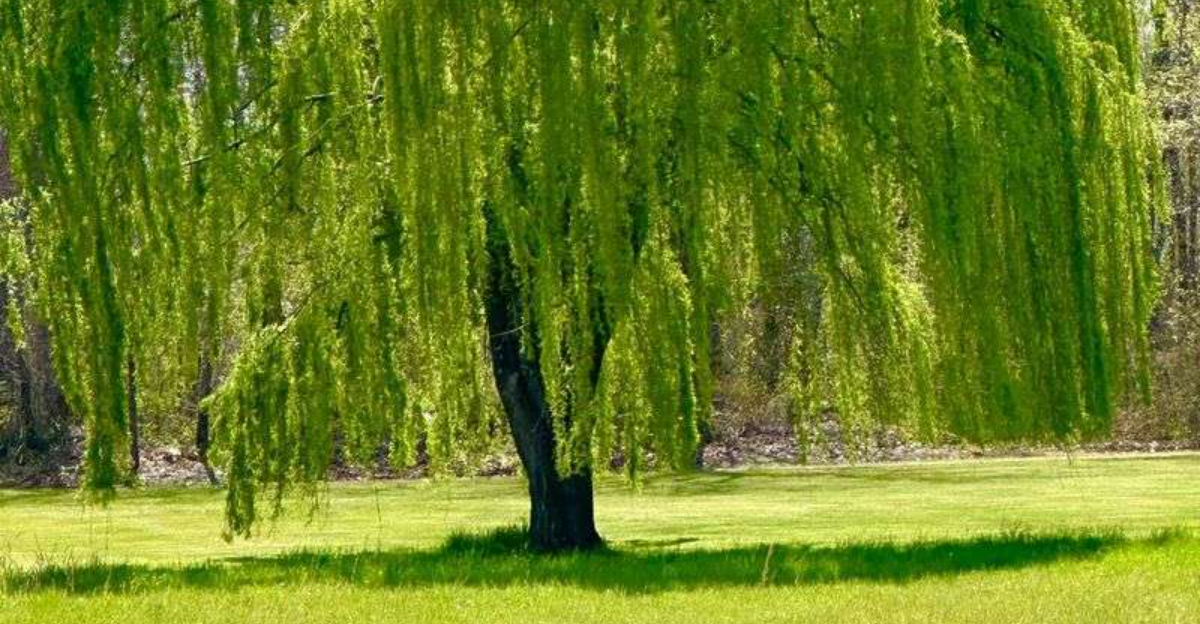
Weeping willows create romantic, picturesque scenes with their cascading branches swaying in the breeze.
That romance ends abruptly when their aggressive roots find your plumbing system.
Willows possess incredibly invasive root systems that actively seek water sources.
Those roots can detect moisture from remarkable distances and grow directly toward pipes, sewer lines, and septic systems.
Once they find a water source, willow roots invade through tiny cracks and joints.
Inside pipes, the roots expand and create massive blockages that require expensive repairs.
Plumbers across Texas have removed enormous masses of willow roots from damaged sewer lines.
The roots also threaten foundations by growing underneath and creating pressure as they expand.
Willow roots have lifted driveways, cracked basement walls, and damaged underground utilities.
Beyond plumbing nightmares, willows require enormous amounts of water to survive.
During Texas droughts, willows suffer and become unsightly without constant irrigation.
Their brittle branches break frequently, creating cleanup work and potential hazards.
Willows also drop leaves, twigs, and catkins constantly throughout the growing season.
Many homeowners plant willows near ponds or low areas without realizing the risks to nearby structures.
Professional landscapers strongly advise keeping willows far from any buildings, pipes, or pavement.
Beautiful alternatives exist that provide graceful form without the plumbing disasters.
8. Red Oak
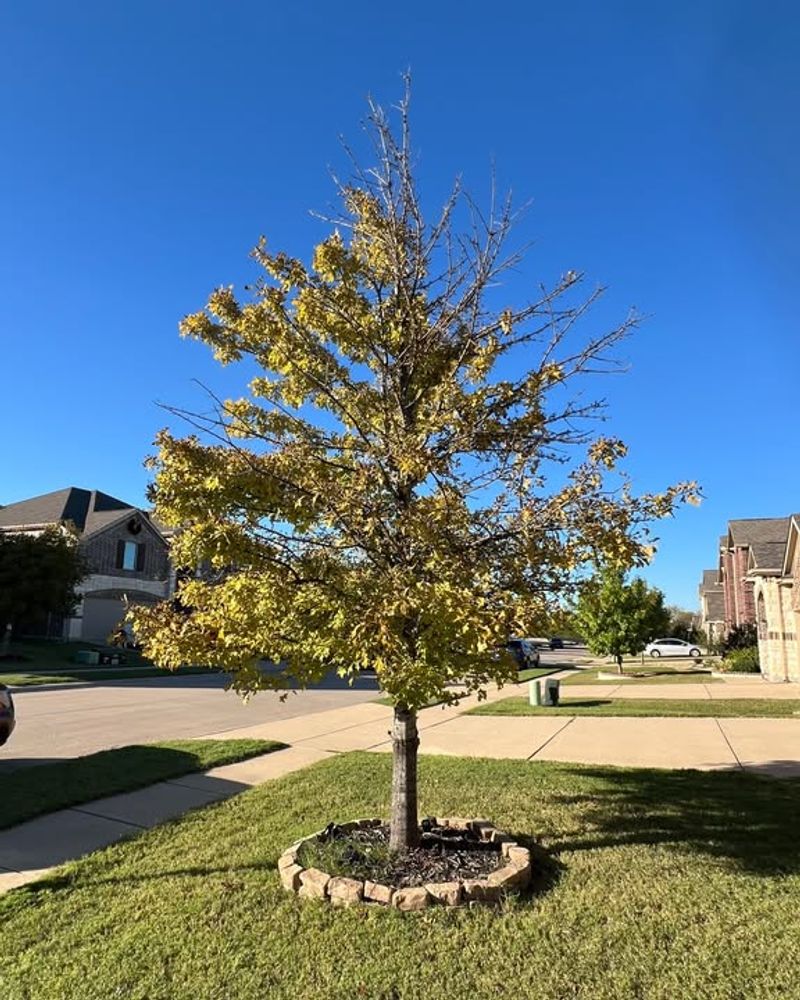
Red oaks rank among the most majestic shade trees, but in Texas they face a serious threat called oak wilt.
This fungal disease spreads rapidly through interconnected root systems, moving from tree to tree across entire neighborhoods.
Once infected, red oaks typically succumb within weeks to months.
The disease causes leaves to wilt and turn brown starting from the outer branches.
Infected trees often lose all their foliage in a matter of weeks.
Oak wilt has devastated countless Texas neighborhoods, destroying mature trees that took decades to grow.
The disease spreads through root grafts between nearby oaks and through beetles that carry fungal spores.
Preventing oak wilt requires careful timing of pruning and immediate treatment of wounds.
Many homeowners unknowingly spread the disease by pruning at the wrong time of year.
Once oak wilt appears in an area, stopping its spread becomes extremely difficult and expensive.
Treatment involves trenching to sever root connections and injecting fungicides.
These preventive measures cost thousands of dollars with no guarantee of success.
Watching a beautiful mature red oak decline rapidly from oak wilt proves heartbreaking.
Texas A&M and other institutions recommend avoiding red oaks in areas where oak wilt is present.
Native alternatives like cedar elm or bur oak show better resistance.
Protecting existing red oaks requires vigilance and proper care techniques.
9. Mulberry Tree
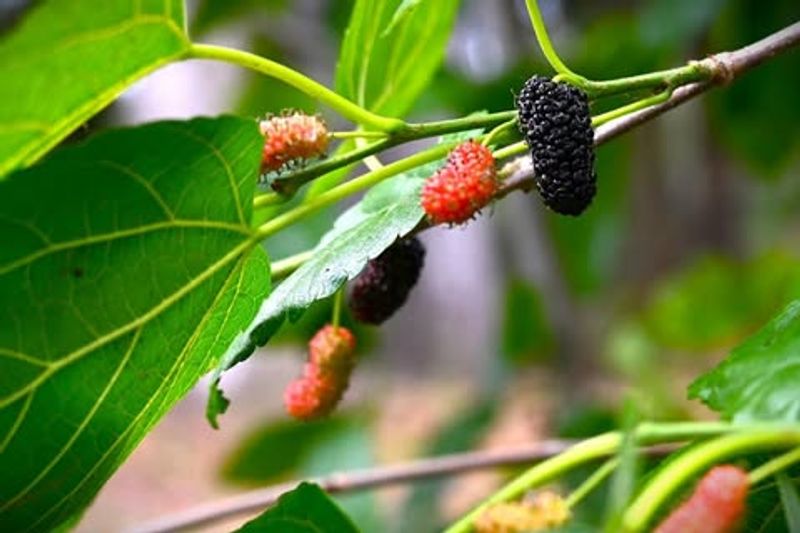
Mulberry trees produce abundant fruit that birds absolutely love, which sounds delightful until you experience the reality.
Those dark purple berries fall constantly throughout late spring and early summer, creating purple stains on everything below.
Patios, driveways, cars, and outdoor furniture become covered in sticky, staining mulberry juice.
The stains prove incredibly difficult to remove from concrete and can permanently discolor surfaces.
Walking under a mulberry tree means risking purple footprints tracked into your home.
Birds feast on the berries and then leave purple droppings all over your property.
The combination of fallen fruit and bird droppings creates a disgusting, slippery mess.
Children and pets who play under mulberry trees end up covered in purple stains.
The fruit also attracts wasps, flies, and other insects that become nuisances.
Cleanup becomes a daily chore during fruiting season, and the mess seems never-ending.
Many homeowners resort to power washing surfaces repeatedly to manage the staining.
Mulberry trees also produce enormous amounts of pollen that triggers allergies in sensitive individuals.
The trees grow quickly but develop weak wood prone to breaking.
Some varieties produce so much fruit that the ground becomes carpeted in fermenting berries.
That fermentation creates unpleasant odors and attracts more pests.
Anyone considering a mulberry tree near their home should think carefully about the ongoing maintenance burden.
10. Eucalyptus
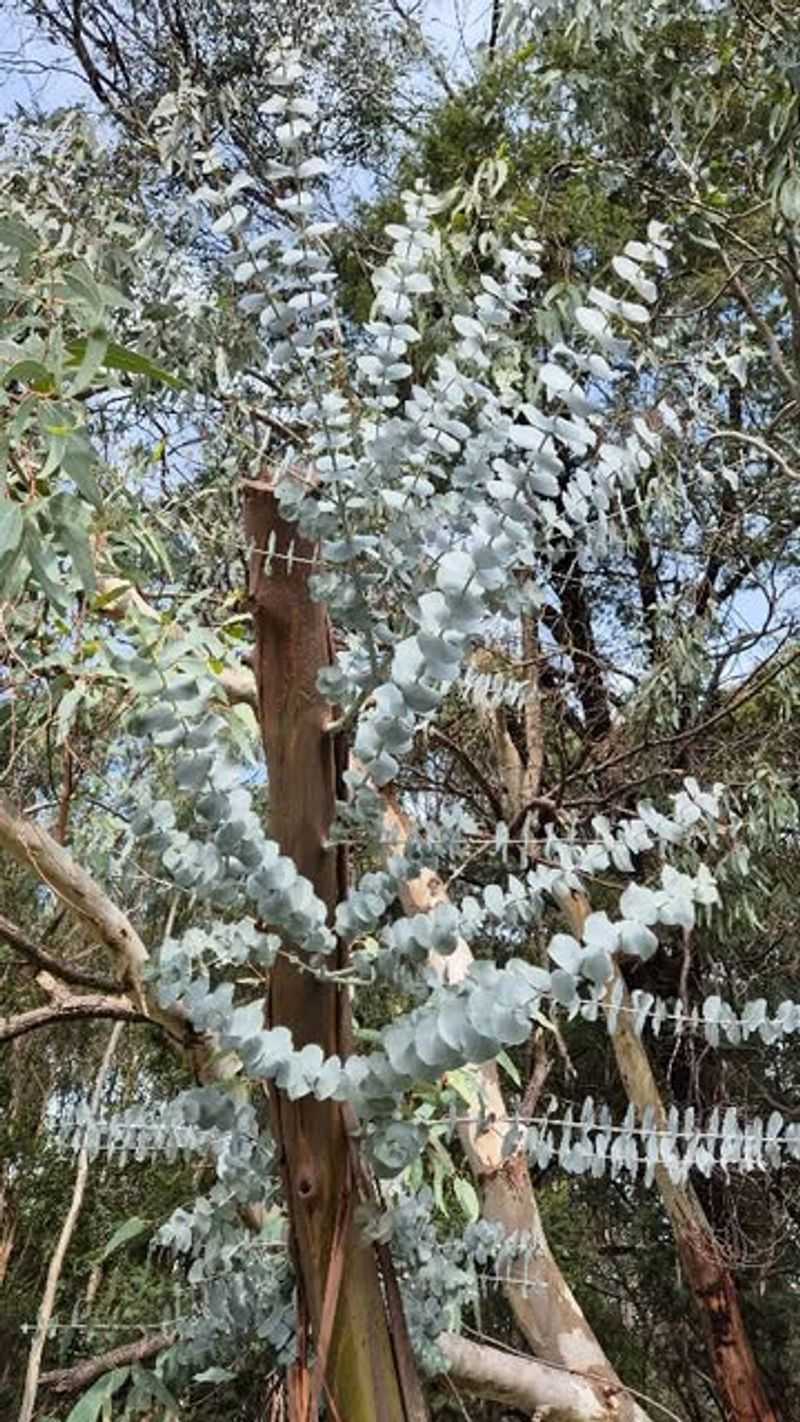
Eucalyptus trees bring an exotic Australian flair to Texas landscapes with their aromatic leaves and peeling bark.
However, these trees demand enormous amounts of water, making them poorly suited for Texas climate conditions.
During droughts, eucalyptus trees struggle and become stressed without constant irrigation.
That stress makes them more likely to drop branches without warning, a behavior called sudden branch drop.
Healthy-looking limbs can fall without any apparent reason, creating serious hazards.
People have been injured by falling eucalyptus branches that showed no signs of weakness.
The unpredictable nature of these branch drops makes eucalyptus trees dangerous near homes, patios, or anywhere people gather.
The trees also shed bark continuously, creating constant cleanup work.
Long strips of peeling bark accumulate around the base and blow across yards.
Eucalyptus oil in the leaves and bark makes them highly flammable, increasing fire risk in dry conditions.
Some eucalyptus species grow to enormous heights, towering over homes and creating concern during storms.
Their shallow root systems provide poor anchoring for such tall trees.
Strong winds can topple entire eucalyptus trees, causing catastrophic damage.
The trees also release chemicals that inhibit growth of other plants nearby.
Many Texas communities have restricted or banned planting eucalyptus because of these issues.
Native Texas trees provide better options without the water demands and safety concerns.
11. Hackberry
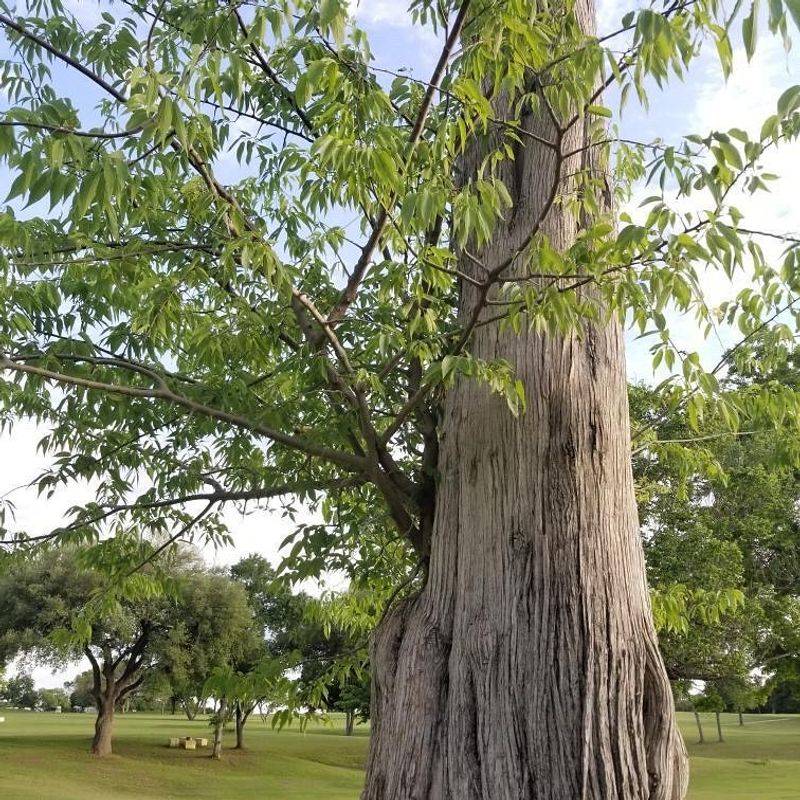
Hackberry trees might seem like a native Texas option, but they come with frustrating problems that make them poor choices near homes.
These trees attract psyllids, tiny insects that cause unsightly bumps called nipple galls all over the leaves.
Heavily infested hackberry leaves become covered in these raised bumps, making the tree look diseased.
The galls do not seriously harm the tree but create an ugly appearance throughout the growing season.
Psyllids also produce honeydew, a sticky substance that drips onto everything below.
Cars, patio furniture, and sidewalks become coated in this sticky residue that attracts ants and grows sooty mold.
The combination creates a disgusting mess that requires frequent cleaning.
Hackberry trees also develop weak wood that breaks easily during storms.
Branches snap and fall without much provocation, creating cleanup work and potential hazards.
The trees drop small berries that stain surfaces and attract birds that then leave droppings everywhere.
Hackberry also tends to develop multiple trunks with weak attachments that split apart over time.
Some hackberry trees lean heavily or develop unbalanced canopies that threaten nearby structures.
The bark develops corky ridges that harbor insects and look rough and unattractive.
While hackberry can survive in tough conditions, that toughness comes with too many drawbacks for residential use.
Better native alternatives exist without the pest problems and weak wood issues.
12. Leyland Cypress
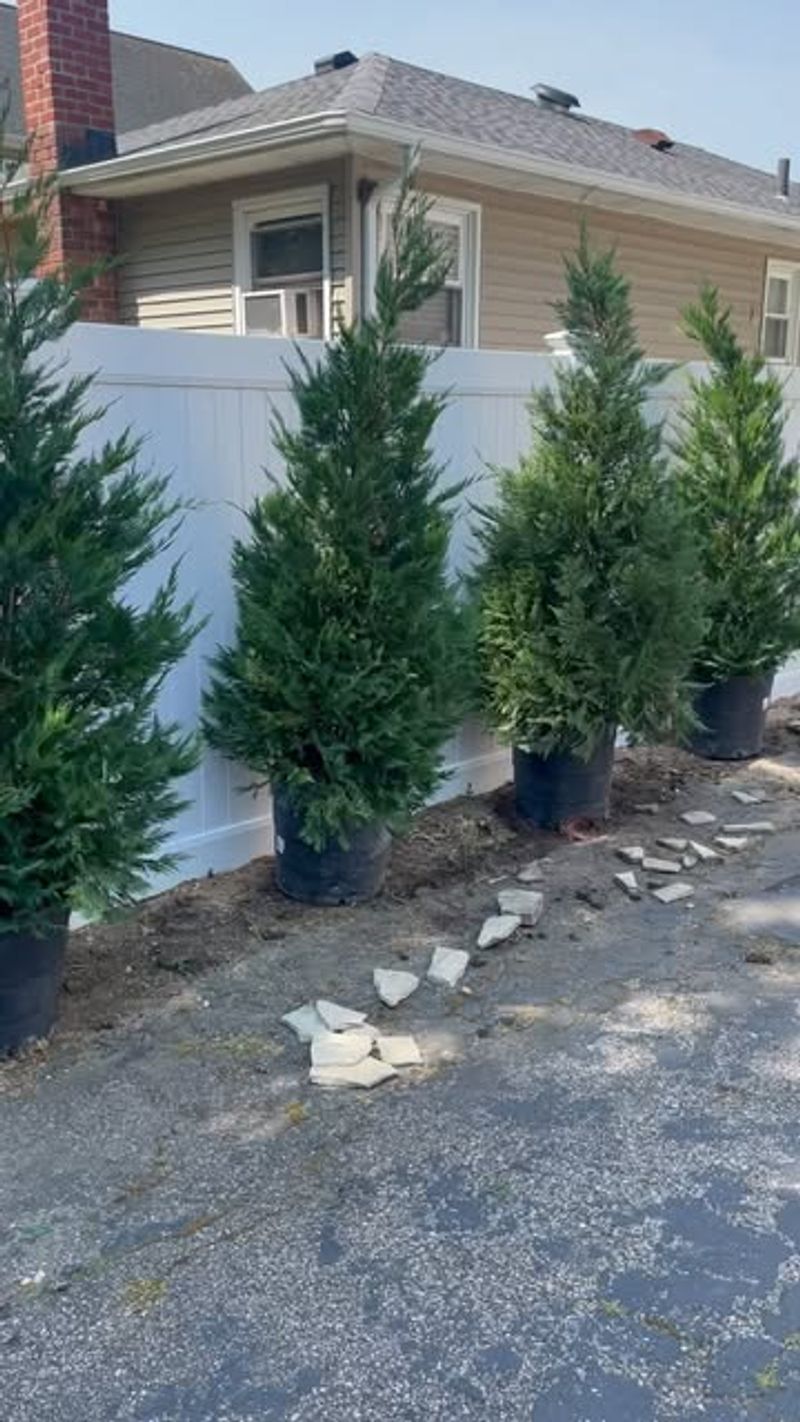
Leyland cypress became wildly popular for fast-growing privacy screens, but that popularity has crashed as their problems became apparent.
These trees develop extremely shallow root systems that provide poor anchoring, especially for their tall, narrow form.
Strong winds or saturated soil can topple entire Leyland cypress trees without warning.
Fallen trees crush fences, damage homes, and block driveways with alarming frequency.
The shallow roots also make Leyland cypress vulnerable to drought stress.
Without deep roots to access groundwater, these trees require constant irrigation during dry periods.
Stressed Leyland cypress become susceptible to various diseases, particularly canker diseases.
Cankers cause branches to turn brown and perish, often spreading throughout the entire tree.
Once disease takes hold, Leyland cypress decline rapidly and rarely recover.
Entire hedgerows of Leyland cypress can succumb to disease within a single season.
Bagworms and spider mites also plague these trees, causing further damage and unsightly brown patches.
The narrow, upright growth habit means ice or snow easily weighs down branches, causing breakage.
Many Texas homeowners have watched their expensive privacy screens collapse from disease, pests, or weather.
Replacing failed Leyland cypress becomes costly and frustrating.
Better evergreen alternatives exist with stronger root systems and better disease resistance.
Native options like Eastern red cedar provide similar screening without the collapse risk.