4 Trees You Should Prune In March In Texas And 3 You Should Leave Alone
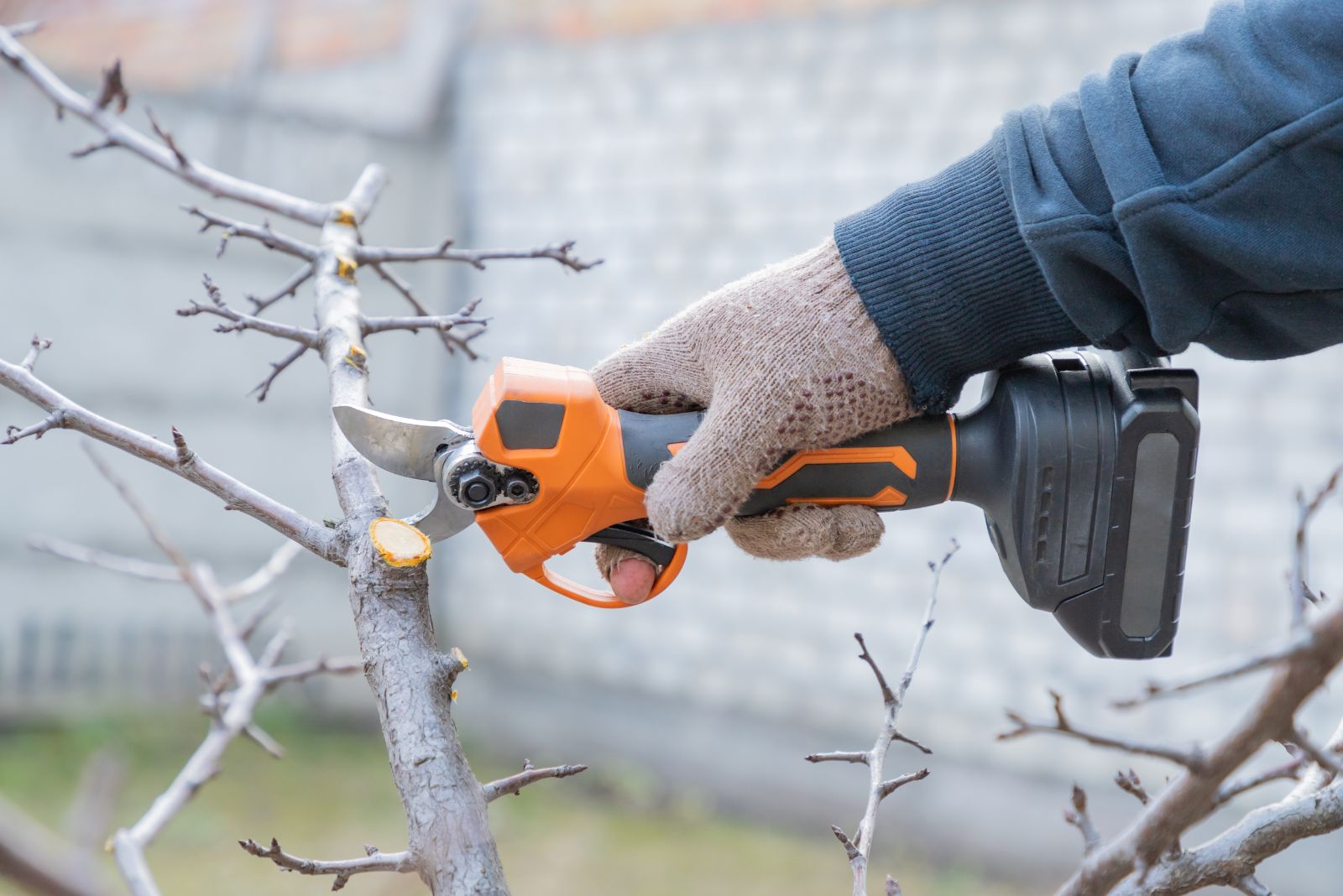
March in Texas brings warmer days, longer sunlight, and the urge to get your yard looking its best. While it’s tempting to grab the pruning shears and start trimming everything in sight, not every tree benefits from early spring attention.
Knowing which trees to prune now and which ones to leave alone can make a huge difference in how healthy and vibrant your yard looks later in the season.
Pruning the right trees in March helps remove dry or damaged branches, improves airflow, and encourages strong growth and fuller blooms. On the other hand, cutting certain trees too early can stress them, reduce flowering, or even make them more vulnerable to pests and disease.
Timing and selection are key to maintaining a thriving Texas landscape. With a little planning, your trees can grow stronger, look their best, and provide beauty and shade throughout the year.
1. Crape Myrtle (Lagerstroemia Indica)
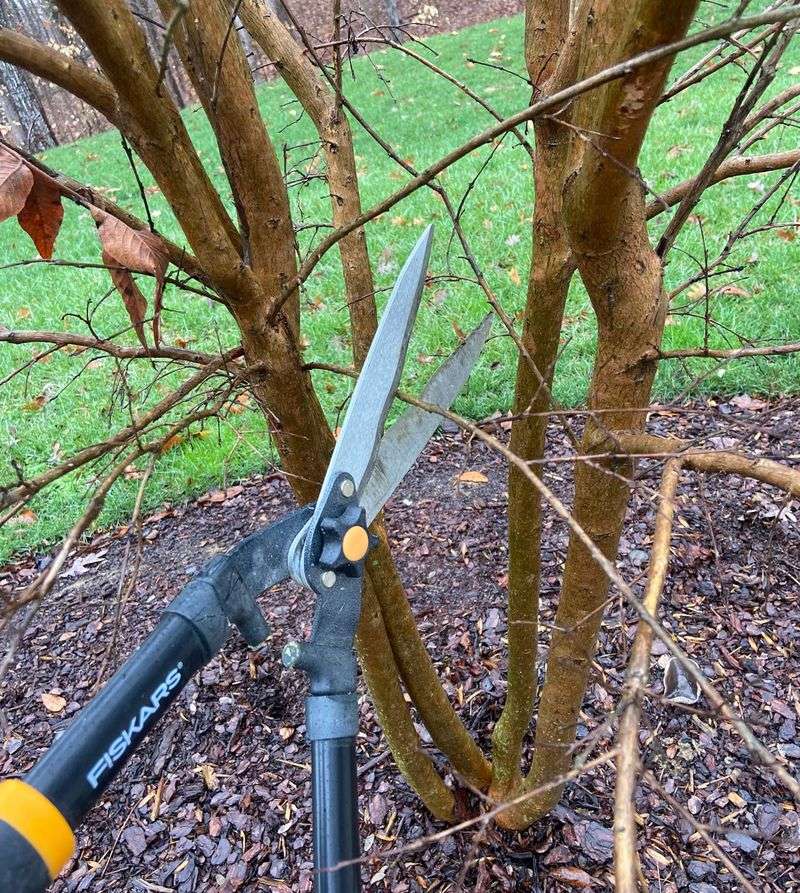
Walk through almost any neighborhood in Texas and you will spot a crape myrtle. These trees are practically a Texas tradition, and March is one of the best times to give them a little attention.
Pruning in early spring helps set the stage for those gorgeous summer blooms that make crape myrtles so popular across the state.
The key rule here is simple: do not top your crape myrtle. Topping means cutting the main branches down to thick stubs, and it is one of the most common mistakes Texas homeowners make.
Topping weakens the tree and leads to a messy tangle of thin, weak branches that are more likely to break during summer storms.
Instead, focus on removing dry wood and any branches that cross over each other. Light shaping is fine, but try to keep the natural form of the tree intact. Use clean, sharp pruning shears to make smooth cuts close to the branch collar.
If you see small suckers growing up from the base of the tree, snap or cut those off too. They steal energy from the main tree and clutter up the lower trunk.
Crape myrtles are tough, low-maintenance trees, but a little thoughtful pruning in March goes a long way toward bigger, bolder blooms come July and August across Texas.
2. Live Oak (Quercus Virginiana)
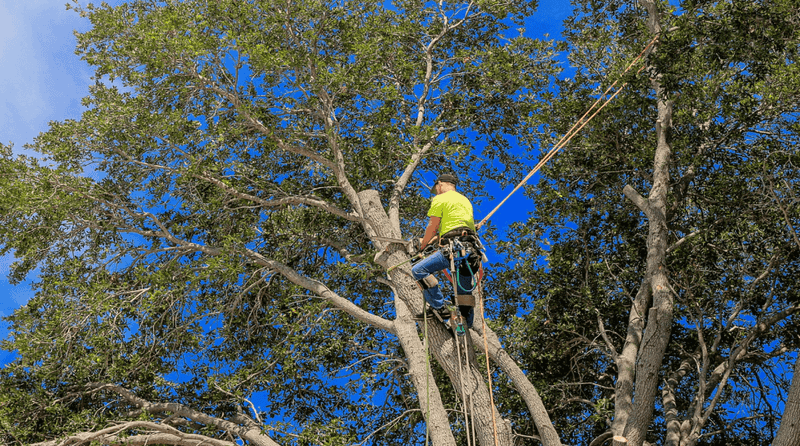
Few trees say “Texas” quite like the live oak. These massive, wide-spreading trees are a beloved part of the Texas landscape, from the Hill Country to the Gulf Coast.
Pruning them in late winter or early spring, right around March, is one of the smartest things you can do to keep them strong and healthy for decades.
One of the biggest reasons to prune live oaks during this window is oak wilt disease. Oak wilt is a serious fungal disease that spreads rapidly among oak trees in Texas.
Beetles that carry the fungus are most active from late spring through summer, so pruning in late winter reduces the chance of exposing fresh cuts to those insects.
When you prune, focus on removing branches that are dry, damaged, or rubbing against each other. Avoid heavy pruning that takes off large sections of the canopy.
Live oaks do not need dramatic cuts. They need careful, targeted trimming that keeps their natural shape while improving airflow through the canopy.
Always paint fresh cuts with a pruning sealant right away. This is especially important in Central Texas, where oak wilt has caused serious damage in many communities.
Use clean tools and disinfect them between cuts to avoid spreading any disease from one branch to another. A healthy live oak can live for hundreds of years, and smart March pruning helps protect that legacy.
3. Red Maple (Acer Rubrum)
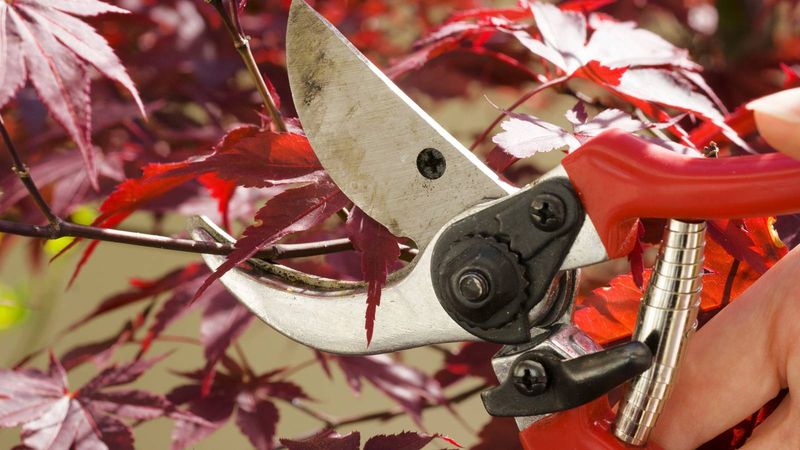
Red maples bring a splash of color to Texas yards, especially in the northern and eastern parts of the state.
Their brilliant red leaves in fall and early spring make them a standout choice for homeowners who want a showy, fast-growing shade tree. And yes, March is actually a solid time to prune them, if you do it carefully.
Early spring pruning works well for red maples because the tree is still dormant or just waking up. Before the leaves fully emerge, you can clearly see the branch structure.
That makes it much easier to spot dry limbs, weak crotches, or branches that are growing in the wrong direction.
Keep your cuts light. Red maples can lose sap if you prune too aggressively in early spring, so focus on shaping and removing problem branches rather than doing a heavy trim.
Cut dry or damaged limbs back to healthy wood, and remove any branches that cross through the center of the canopy and block airflow.
One important timing tip: once the leaves start to open up, stop pruning. Cutting into a leafing-out maple stresses the tree and can slow its growth for the season.
In Texas, where spring heats up fast, that window between late February and mid-March is your sweet spot. Get out there early, make your cuts clean, and let the tree do the rest of the work as the warm weather rolls in.
4. Texas Redbud (Cercis Canadensis Var. Texensis)
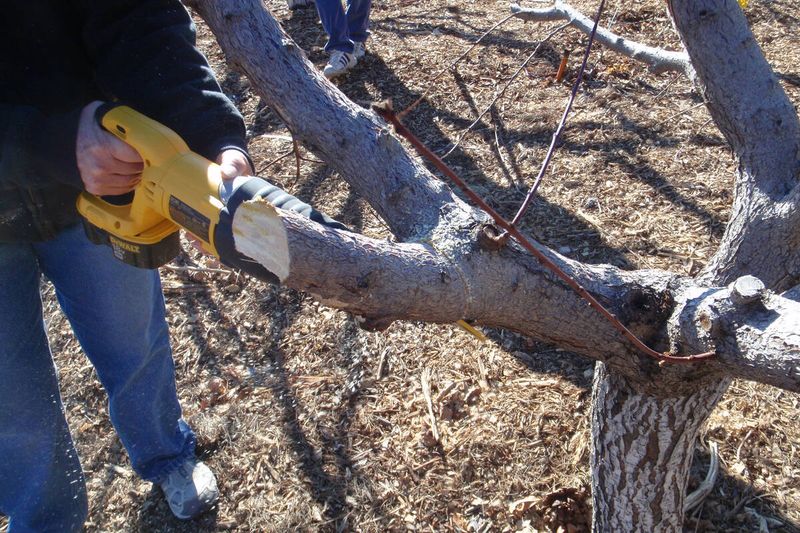
If you have ever driven through Texas in late February or early March and noticed trees covered in brilliant pink-purple flowers before a single leaf appears, you were probably looking at a Texas redbud.
These native trees are absolutely stunning and a true sign that spring has arrived across the state.
March pruning for Texas redbuds is all about timing. You want to prune after the tree comes out of full dormancy but before the flower buds actually open.
That window can be tight, so pay attention to your tree. If you see the buds starting to swell and color up, get out there and make your cuts before they burst open.
The goal is to remove dry or crowded branches that take up space without adding to the tree’s beauty or health. Redbuds tend to develop crossing branches that rub against each other over time.
Removing those early helps the canopy stay open and airy, which also reduces the risk of fungal problems in the humid Texas spring. Avoid heavy pruning on redbuds. These trees do not respond well to aggressive cuts.
Stick to light shaping and cleanup work. Texas redbuds are relatively short-lived compared to oaks or maples, so every pruning decision matters.
Treat them gently, and they will reward you with years of breathtaking spring color. They are one of the most beloved native trees in Texas for good reason.
5. Bradford Pear (Pyrus Calleryana ‘Bradford’)
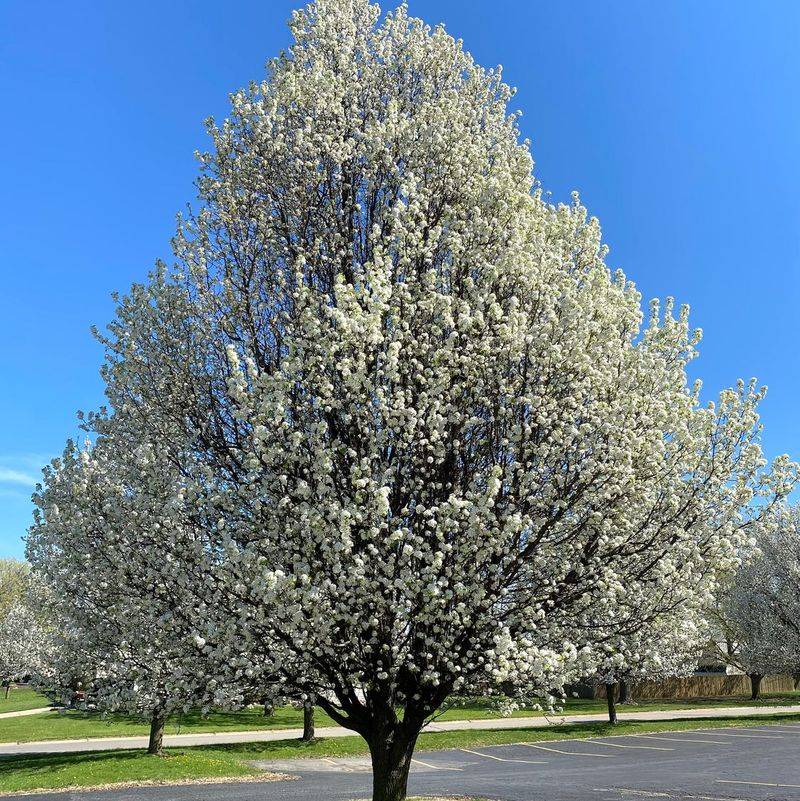
Bradford pears are one of those trees that look beautiful in spring but come with a long list of problems. They are common across Texas neighborhoods, especially in older suburban developments.
And while it might be tempting to grab your pruning shears in March when you see those white blossoms starting to pop, this is actually the wrong time to prune this tree.
Pruning a Bradford pear in early spring pushes the tree to produce a rush of new, fast-growing branches. Sounds good, right? Not exactly. Those new shoots tend to be weak and brittle.
They grow at narrow angles from the main trunk, which makes them highly likely to split and break during Texas summer thunderstorms. Bradford pears already have a reputation for structural weakness, and March pruning makes that problem worse.
The better time to prune a Bradford pear is in late summer or fall, once the tree has finished its active growing season.
At that point, you can remove crossing branches, reduce the canopy size, and improve the overall structure without triggering that burst of weak new growth.
If your Bradford pear has serious structural problems, consider consulting a certified arborist in Texas rather than trying to fix it yourself.
Many arborists across the state actually recommend replacing Bradford pears with stronger native alternatives like Texas redbud or desert willow. But if you are keeping yours for now, just put the pruning shears away until fall.
6. Flowering Dogwood (Cornus Florida)
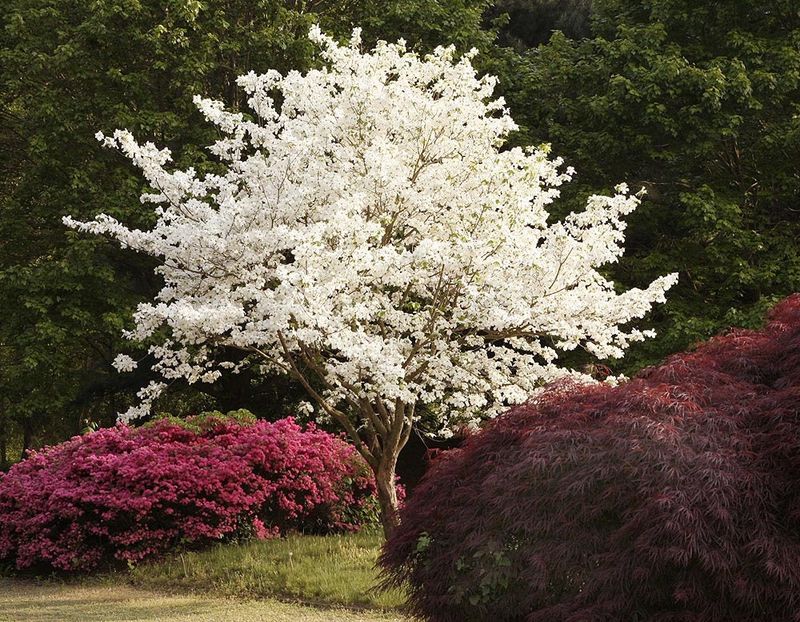
Flowering dogwoods are some of the most elegant trees you can grow in East Texas and parts of Central Texas. Their white or pink blooms in spring are absolutely gorgeous, and they have a graceful, layered branch structure that makes them stand out in any yard.
But March is the worst possible time to pull out your pruning tools on one of these beauties.
Here is why: flowering dogwoods bloom on old wood. That means the flower buds you see opening up in March and April were actually formed on last year’s branches.
If you prune in March, you are cutting off the very buds that were about to become flowers. You will end up with a trimmed tree and no spring blooms, which defeats the whole purpose of growing a dogwood in the first place.
The right time to prune a flowering dogwood is right after it finishes blooming, usually in late spring or early summer.
At that point, the tree has already put on its show, and you can safely shape it, remove dry wood, or thin out crowded branches without sacrificing next year’s flowers.
Dogwoods in Texas can also be sensitive to heat and drought stress, so keeping them healthy with proper watering matters just as much as pruning at the right time. Mulch around the base of the tree to hold moisture during hot Texas summers.
Skip the March pruning, wait a few weeks, and your dogwood will thank you with a full, stunning display every single spring.
7. Spring-Blooming Ornamental Trees
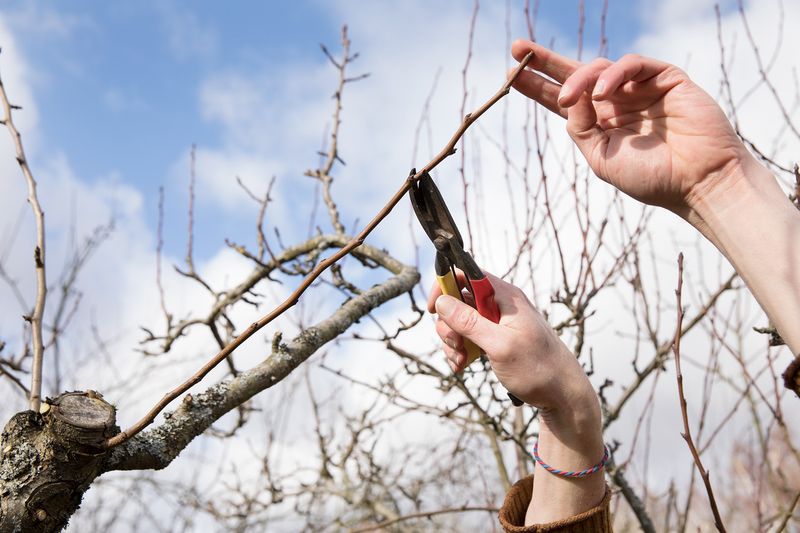
Beyond dogwoods and Bradford pears, there is a whole category of spring-blooming ornamental trees that Texas gardeners should leave alone in March.
Trees like crape jasmine, certain plum varieties, and other flowering ornamentals that bloom on old wood all fall into this group. Pruning them now means losing the flowers you have been waiting all winter to see.
Old wood bloomers set their flower buds during the previous growing season. By the time March rolls around in Texas, those buds are already fully formed and just waiting for warm temperatures to trigger the show.
One well-timed snip can wipe out weeks of color in a single afternoon. It is a frustrating mistake that is very easy to avoid once you know the rule.
The fix is straightforward: wait until after the tree finishes blooming before you touch it. For most spring ornamentals in Texas, that means late April through early June is your pruning window.
Once the flowers fade and the tree shifts into leafy green mode, you can safely shape it, remove dry wood, and prepare it for healthy summer growth.
When in doubt about any tree in your Texas yard, look up whether it blooms on old wood or new wood. That one piece of information will tell you almost everything you need to know about when to prune.
Old wood bloomers get pruned after flowering. New wood bloomers can be pruned in late winter or early spring. Keep that simple rule in mind and your yard will look its best all year long across Texas.