Turn Late Summer Nights Into A Show With These 8 Night-Blooming Container Plants
Darkness turns your patio into somewhere entirely different tonight. Something shifts around you the moment daylight fully disappears. Fragrance reaches you before your eyes adjust.
Colors you overlooked all day suddenly command your attention. New Mexico nights transform your ordinary containers into something electric. Dry heat you tolerate by afternoon fuels blooms by midnight.
Petals you assumed were finished suddenly reopen after dusk. Every pot on your balcony becomes its own stage. Nothing you planted back in spring prepared you for tonight.
Curiosity keeps you outside long after you planned to leave. Shadows shift while your blossoms unfold in complete silence. Heat that lingers over your patio across New Mexico only deepens tonight’s show.
Momentum builds fast once your earliest bloom finally opens. Surprises wait inside containers you barely noticed until now.
Anticipation grows with every minute you spend outside. Nightfall won’t wait, and neither should your curiosity about what blooms next.
1. Moonflower
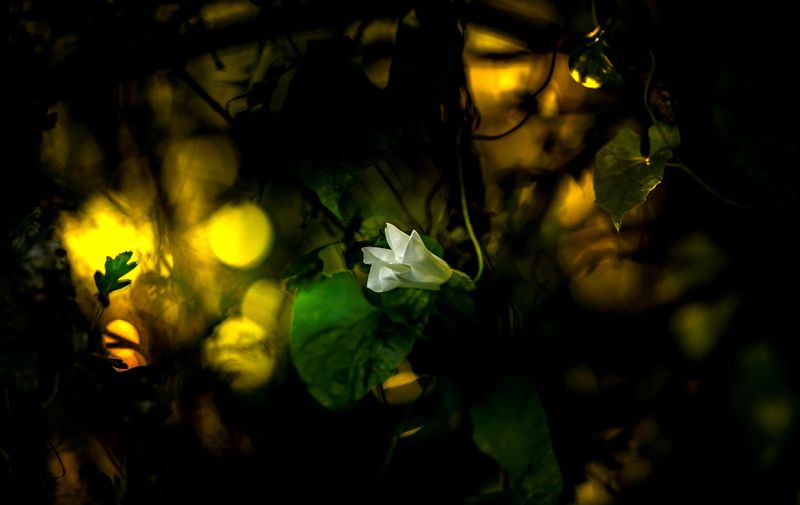
Picture this: you are sitting outside at 8 p.m., and a giant white bloom slowly unfurls right in front of you. That is the moonflower experience, and it never gets old.
Moonflower is one of the most iconic night-blooming container plants you can grow. The blossoms are enormous, often reaching five or six inches across, and they glow almost silver in the moonlight.
Each flower lasts just one night, which makes every single bloom feel like a special event. Growing moonflower in a container is surprisingly easy. You need a large pot, at least 12 inches deep, and something for the vines to climb.
A trellis, a fence, or even a tomato cage works perfectly. Plant the seeds after soaking them overnight to speed up germination. They sprout fast and grow aggressively, so expect to see serious vine action within a few weeks.
Give them full sun during the day and they will reward you generously after dark. Moonflowers also carry a light, sweet fragrance that drifts through warm evening air. It is not overpowering, just enough to notice and enjoy.
Pair them with solar lights on your porch for a truly stunning nighttime display. One fun fact: moonflower is related to the morning glory.
They are practically cousins, but one is a morning person and one is definitely not. If you want one plant that delivers a striking nighttime display, moonflower is your answer.
2. Angel’s Trumpet
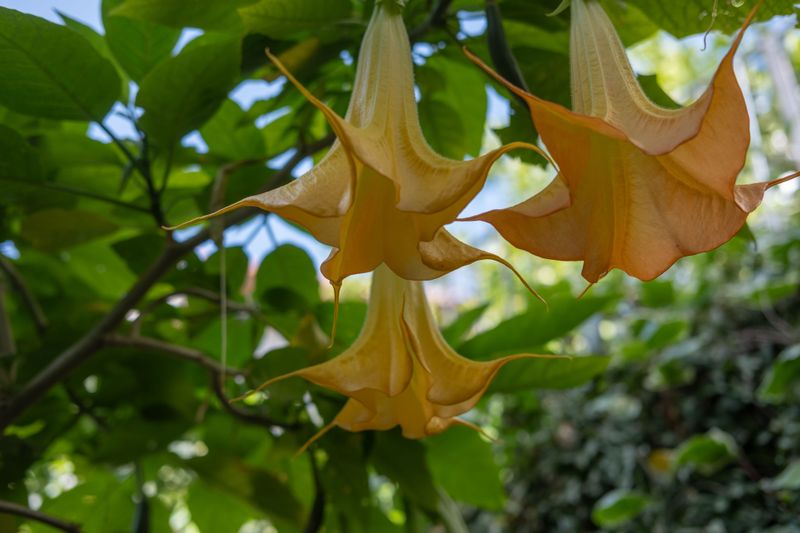
Angel’s Trumpet shows up to the party dressed to impress. Its enormous, pendulous blooms hang downward like elegant chandeliers, and they release a rich, heady scent after the sun goes down.
This plant, known botanically as Brugmansia, is a showstopper in any container garden. The flowers come in white, yellow, peach, and soft pink. Each bloom can reach a foot long, which means even a single flower commands attention.
Container growing suits Angel’s Trumpet surprisingly well. Use a large pot, at least 15 gallons, because this plant gets big fast.
A rich, well-draining potting mix and consistent watering will keep it thriving all season long.
Your New Mexico Garden Changes Every Week. Your Plan Should Too.
Gardening in New Mexico changes quickly throughout the season. Every Friday you’ll receive a simple weekly plan showing exactly what to plant, prune, fertilize, harvest, and protect so you never miss the right timing.
Place your container in a sunny spot during the day. In late afternoon, move it near a seating area so you can enjoy the fragrance as evening settles in.
The scent intensifies as temperatures drop, making it perfect for outdoor dinners or late-night conversations.
Fertilize every two weeks with a high-potassium fertilizer to encourage more blooms. Remove spent flowers regularly to keep the plant looking tidy and to promote fresh growth. You will be amazed how many flowers one plant can produce over a single season.
A quick note on safety: all parts of Angel’s Trumpet are toxic, so keep it away from pets and small children. That warning aside, few plants deliver this level of visual impact in a container.
3. Evening Primrose
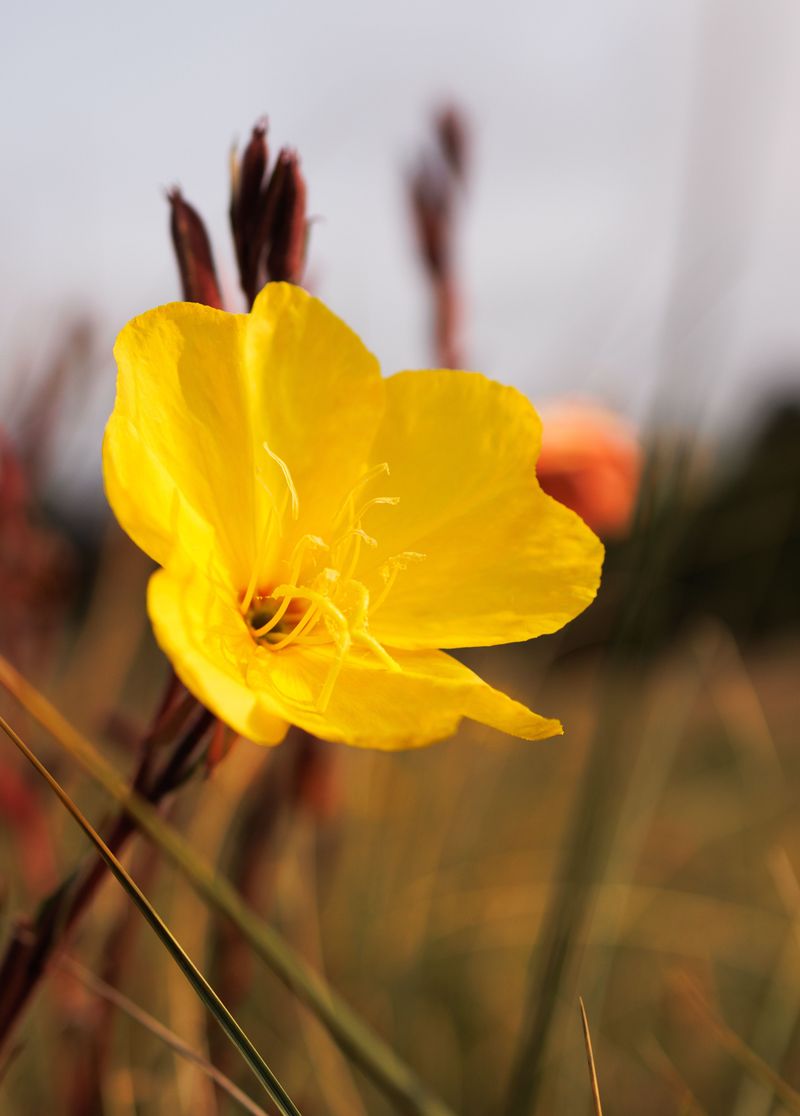
There is something almost playful about evening primrose. The buds tremble and pop open at dusk, and watching it happen is notably engaging.
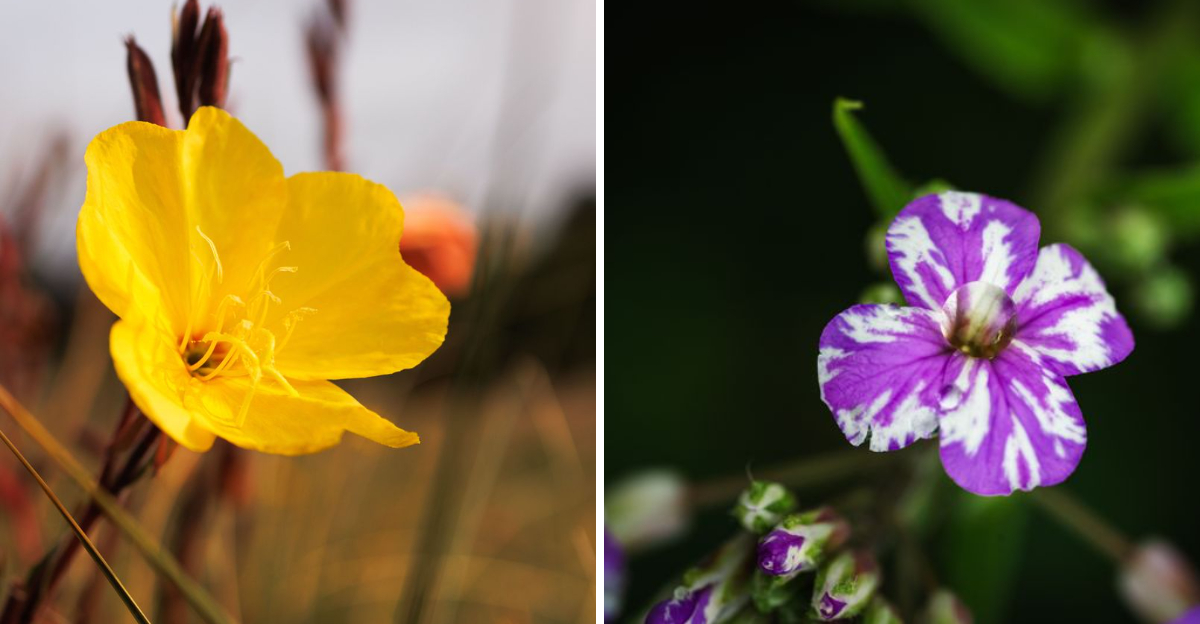
Evening primrose produces cheerful yellow, pink, or white flowers that open as the light fades each day.
The blooms are not huge, but they are plentiful, and they keep the show going all summer long. This plant is one of the most reliable night-blooming container plants for beginners.
It grows well in containers as small as eight inches in diameter, which makes it perfect for tight spaces. A sunny balcony, a windowsill, or a small porch railing are all fair game.
Just make sure the pot has good drainage because soggy roots will slow the plant down fast.
Water regularly but let the soil dry slightly between sessions. Evening primrose is drought-tolerant once established, which means it forgives a forgotten watering day here and there. That kind of flexibility makes it an easy companion for busy gardeners.
The flowers also attract moths and other nighttime pollinators, turning your container into a little ecosystem after dark. Watching a sphinx moth hover over a freshly opened bloom is one of those simple summer moments that sticks with you.
Evening primrose has a long history in herbal traditions, with its seed oil used in wellness products for decades. Beyond its practical reputation, this plant earns its spot in any evening garden with charm, reliability, and a quiet kind of beauty that grows on you fast.
4. Night-Blooming Jasmine
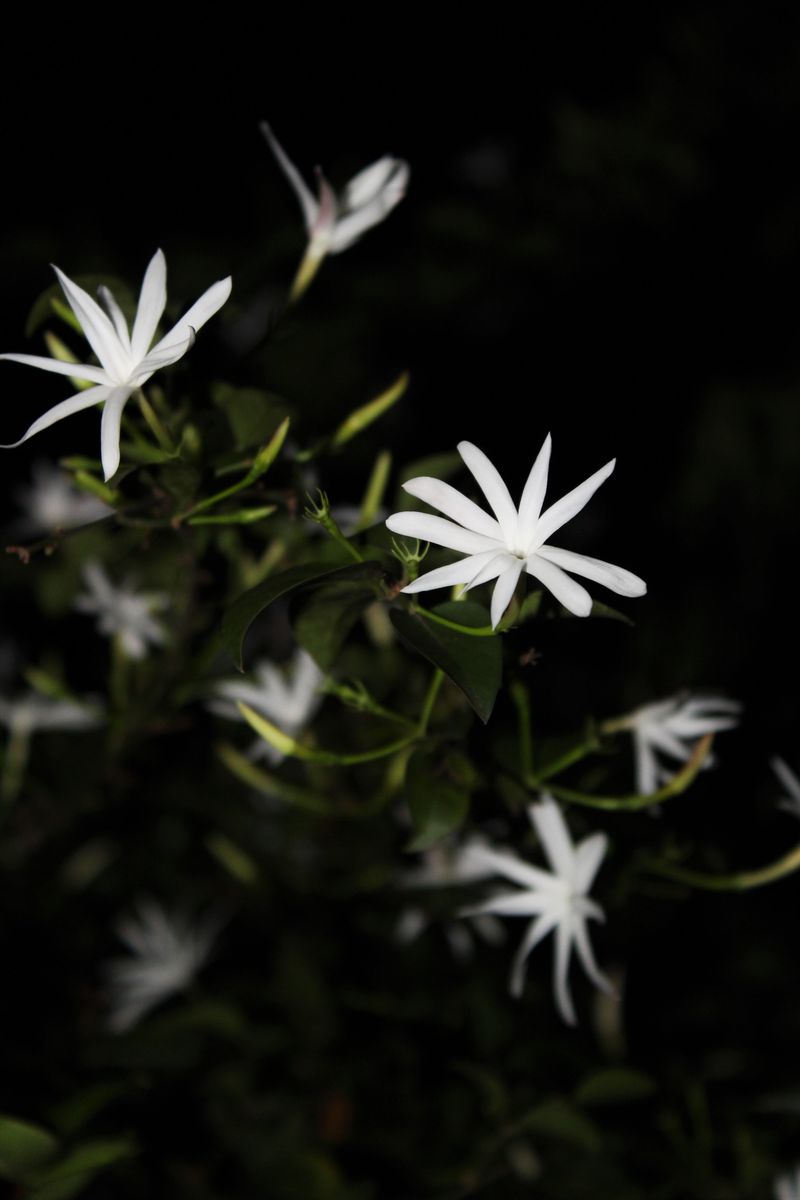
If fragrance were a superpower, night-blooming jasmine would be one of the strongest. A single plant can perfume an entire backyard, and the scent becomes immediately noticeable the moment you step outside after dark.
Officially called Cestrum nocturnum, this shrubby plant produces clusters of small, tubular white flowers. The blooms are modest in size but enormous in impact.
New Mexico gardeners who grow it once tend to make room for it every single season afterward.
In containers, night-blooming jasmine thrives in a pot at least 12 inches wide. It prefers well-draining soil and plenty of warmth, making it ideal for late summer growing.
Full sun during the day keeps the plant healthy and encourages generous nighttime blooming.
Water consistently but avoid overwatering, which can lead to root issues. A balanced fertilizer applied monthly keeps the foliage green and the flower production strong. Pruning after flowering helps maintain a manageable size for container life.
Place your container near a window, a door, or a favorite sitting spot. The fragrance tends to peak during the cooler evening hours, so timing your outdoor time accordingly pays off beautifully. Guests will ask what that amazing smell is before they even sit down.
Night-blooming jasmine is also surprisingly cold-sensitive, so bring it indoors before the first frost. Overwinter it in a bright, warm room and it will return stronger next season. Few plants offer this level of sensory reward for such modest care requirements.
5. Four O’Clocks
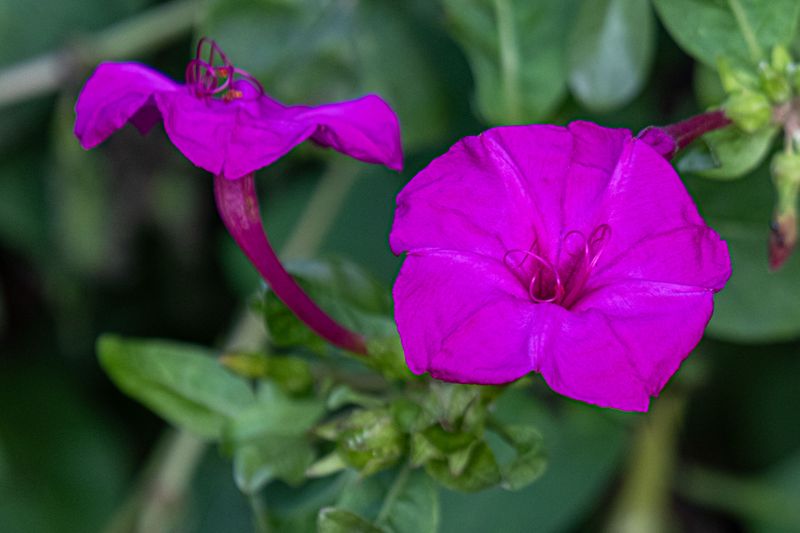
Four o’clocks are reliable, predictable bloomers in the evening garden. Right around late afternoon, like clockwork, their trumpet-shaped flowers pop open and flood the air with a sweet, spicy scent.
These plants produce blooms in a wild mix of colors, including pink, red, yellow, white, and even bicolored varieties.
One plant can carry multiple shades at once, creating a colorful mix of blooms. Four o’clocks are among the most cheerful night-blooming container plants available.
They grow easily from seed or tubers and do well in medium to large containers. A 10-inch pot works for a single plant, but going bigger gives the roots more room to spread and the blooms more room to show off. Rich, loamy potting soil gives them the best start.
Water regularly during the heat of summer, especially in containers that dry out faster than ground soil. A slow-release fertilizer at planting time reduces the need for frequent feeding. These plants are genuinely low-maintenance once they get going.
Hummingbirds and moths absolutely love four o’clocks, so expect some lively visitors in the early evening hours. Watching a ruby-throated hummingbird dart between blooms as the sun sets is a free bonus you did not plan for but will definitely appreciate.
Here is a quirky detail: the tuberous roots of four o’clocks can be dug up in fall and stored like dahlias. Replant them the following spring for a head start on the season. That kind of reusability makes them a smart investment for any container gardener.
6. Datura
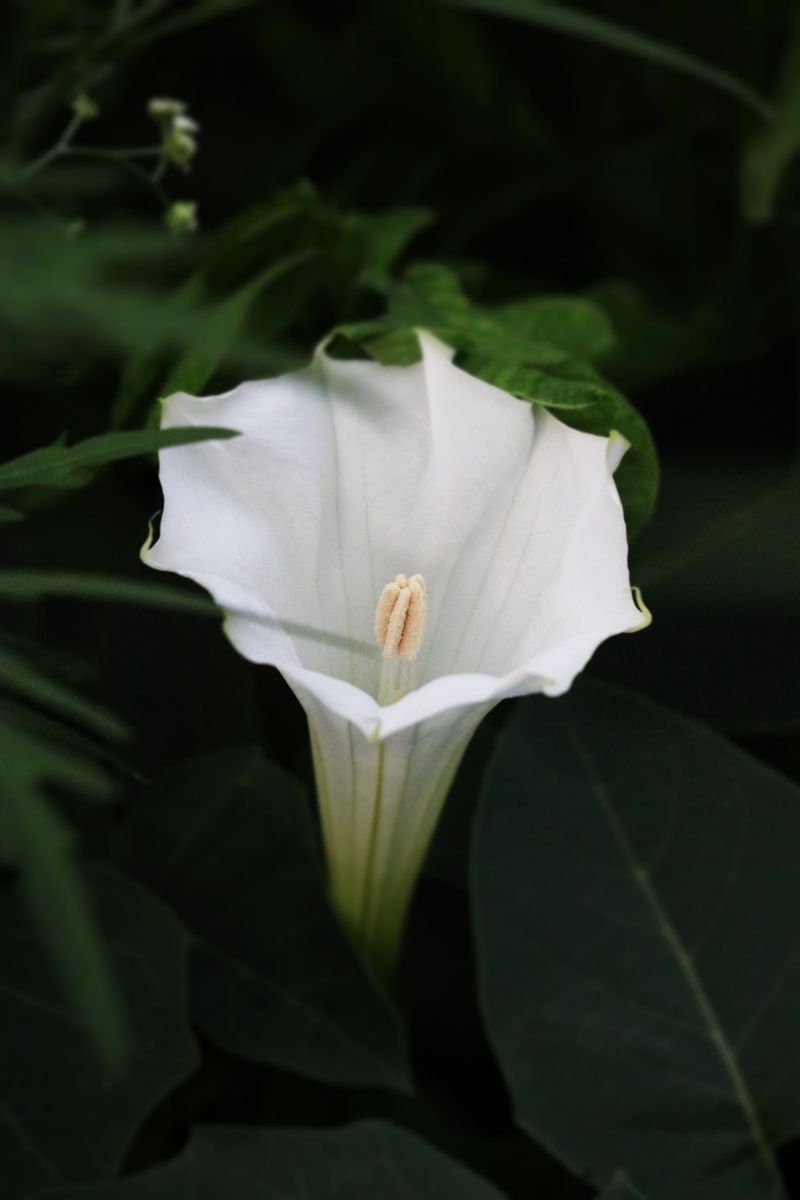
Datura produces bold, attention-grabbing, trumpet-shaped blooms that can reach eight inches long and a fragrance that hangs heavy in the night air. This plant is theatrical in the best possible way.
Sometimes called jimsonweed or thorn apple, Datura has a wild, untamed look that sets it apart from tidier garden plants. The flowers are typically white or pale lavender and open fully after dark. By morning, they begin to close, keeping their best moments reserved for the night crowd.
Growing Datura in a container requires a large pot, at least 14 inches wide and deep. It grows fast and gets bushy, so give it space to spread. Well-draining potting mix and full sun during the day set the stage for impressive evening blooms.
Water deeply but infrequently, allowing the soil to dry between waterings. Datura is somewhat drought-tolerant and actually performs better when not overwatered. A monthly dose of balanced fertilizer keeps the foliage lush and the flowers coming.
The fragrance tends to peak in the cooler hours of the evening. Setting up a low light near the container at night makes moth-watching even easier and adds a moody ambiance to your outdoor space.
Important note: Datura is highly toxic to humans and animals. Handle it with gloves and keep it out of reach of children and pets.
With proper placement and respect for its potency, Datura becomes one of the most striking additions to any nighttime container garden.
7. Nicotiana
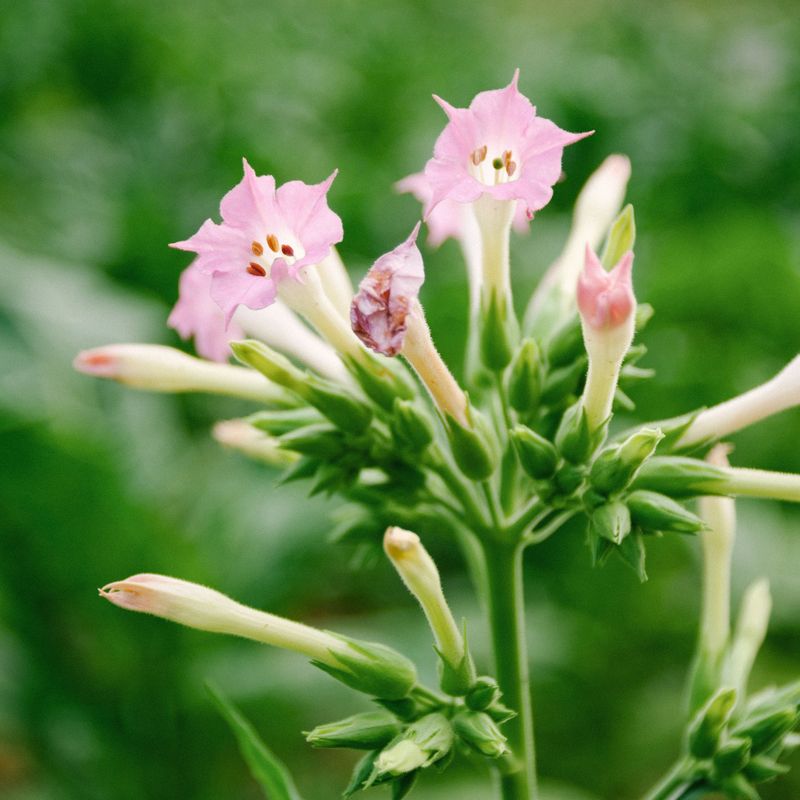
Nicotiana is the quiet charmer of the evening garden. It does not scream for attention, but once you catch its sweet, honeyed scent drifting across the porch, you will want to know exactly where it is coming from.
Flowering tobacco, as it is commonly called, produces loose clusters of tubular flowers in white, pink, red, and lime green.
The white varieties are the most fragrant and tend to shine brightest under moonlight. This makes them a smart choice for anyone building a nighttime container display.
Nicotiana grows easily in containers ranging from eight to twelve inches wide. It prefers fertile, moist soil and does well in spots that get morning sun with some afternoon shade.
That balance keeps the foliage from scorching while still encouraging steady bloom production.
Water consistently and do not let the soil dry out completely between waterings. A light liquid fertilizer every two weeks keeps the plant producing fresh flowers throughout the season. Removing spent blooms encourages new ones to form quickly.
One thing that surprises many New Mexico gardeners is how sticky the stems and leaves are. That stickiness is intentional.
It traps small insects that might otherwise damage the plant, making Nicotiana a bit of a self-defender in the garden world.
Nicotiana is also a magnet for hummingbirds during the day and moths at night, giving it round-the-clock appeal.
If you want a plant that bridges the gap between daytime color and nighttime fragrance, this one earns its place in your container lineup without any fuss.
8. Night Phlox
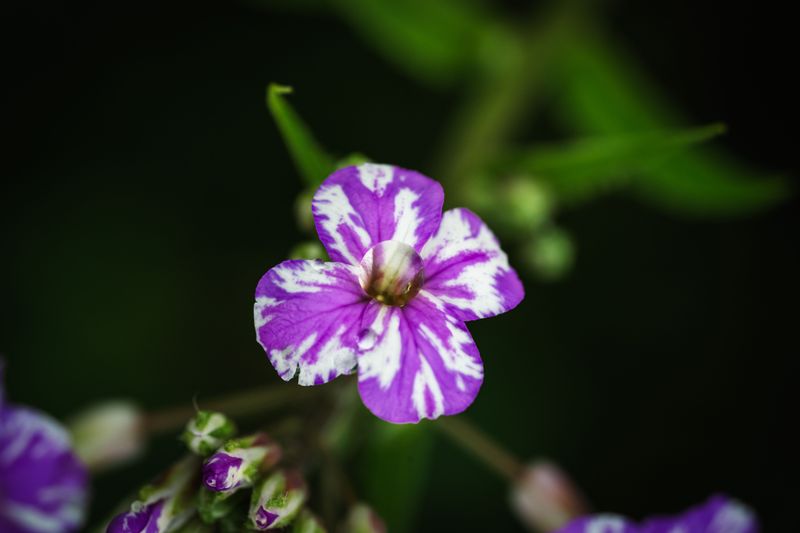
Night phlox is an underused but rewarding option that deserves more attention. Once you experience its almond-and-honey scent on a warm summer evening, you will wonder how you ever lived without it.
Botanically known as Zaluzianskya capensis, night phlox comes from South Africa and produces small, star-shaped flowers.
The petals are white on top and deep maroon or purple underneath, creating a bicolor effect that is stunning when the blooms are fully open. During the day, the flowers stay tightly closed, saving the show for after dark.
This plant is compact and well-suited for smaller containers, window boxes, and hanging baskets. A six-to-eight-inch pot is enough for a single plant to thrive.
Use a lightweight, well-draining potting mix and place the container in a spot that gets full sun during daylight hours.
Water regularly but avoid letting the roots sit in wet soil for extended periods. Night phlox prefers consistent moisture without waterlogging.
A half-strength liquid fertilizer applied every two weeks keeps it blooming steadily through late summer.
Because the plant stays small, it pairs beautifully with taller night-blooming container plants like moonflower or Angel’s Trumpet.
Layering different heights in a container grouping creates a more dynamic and visually interesting display. Think of night phlox as the finishing touch that pulls the whole arrangement together.
Growing night-blooming container plants transforms ordinary evenings into something genuinely memorable, and night phlox plays a starring role in that transformation. Small but mighty, this plant delivers fragrance and beauty in a package that fits almost anywhere.