This Plant Is Now Banned In More California Counties Than Ever Before
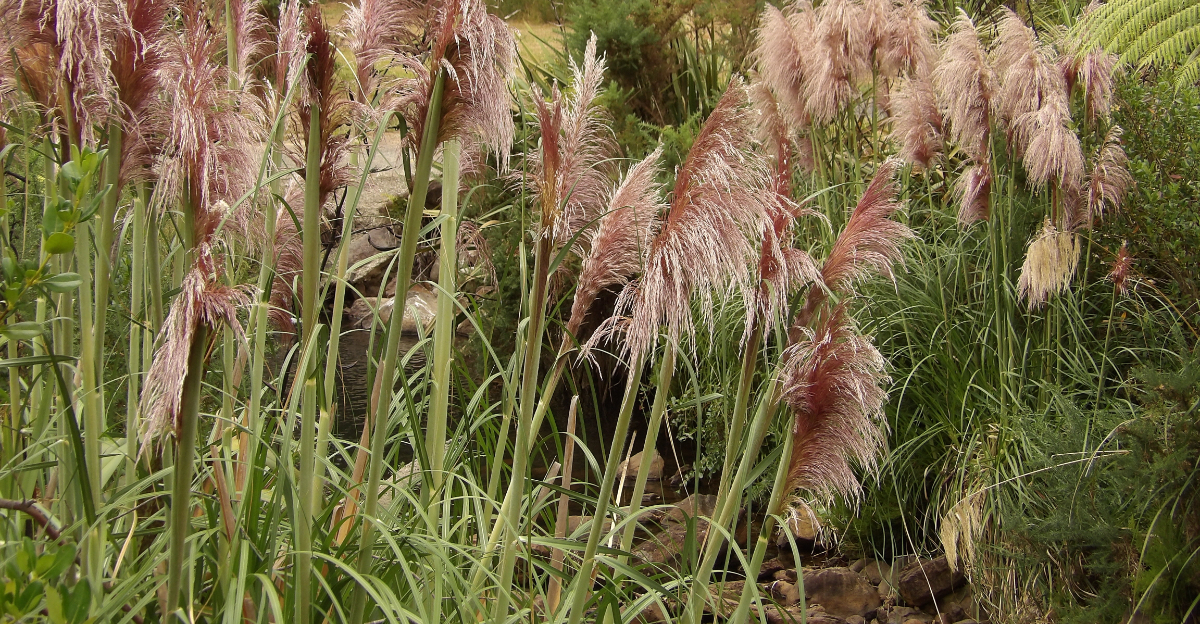
A dramatic ornamental grass can look harmless when it is standing alone in a landscaped yard.
The concern begins when its seeds leave that setting and start showing up along roadsides, hillsides, and open land.
In California, more counties are tightening restrictions on one especially aggressive plant because controlling it after escape can become a long-term problem.
Its size makes it easy to notice once established, but by then the spread may already be well underway.
Homeowners who planted it years ago may not realize local rules have changed, and nurseries may no longer be allowed to sell it in certain areas.
The expanding bans reflect a growing effort to keep invasive plants out of places where they can crowd native vegetation and complicate land management.
If this grass is already growing in your yard, checking current county guidance is worth doing before moving, dividing, or replanting it.
1. This Plant Is Looking Pretty Until It Starts Spreading
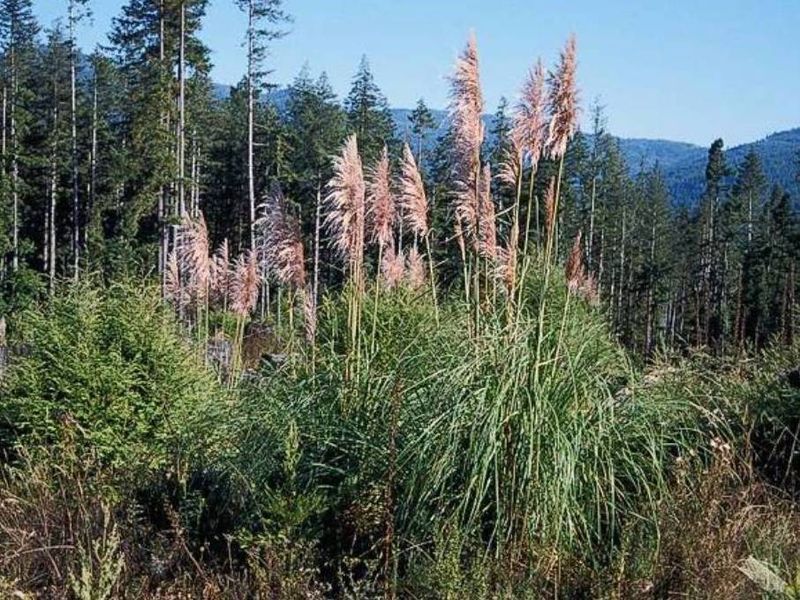
At first glance, jubata grass looks like something you might want in your garden. The tall, silvery plumes sway in the breeze, and the clumps look full and lush.
Many homeowners planted it on purpose years ago because it seemed low-maintenance and attractive.
But looks can be deceiving. Once jubata grass gets comfortable, it starts spreading fast.
Each plant produces thousands of seeds that travel on the wind, landing far from the original clump. Before long, a single decorative plant becomes a field-wide problem.
The grass grows quickly and gets very large. A mature clump can reach over ten feet tall.
That size alone makes it hard to manage without the right tools or help from professionals.
Many people do not realize the plant in their yard is jubata grass until it has already spread. It closely resembles the more commonly known pampas grass, and the two are often confused.
Knowing the difference matters because both are considered invasive in many areas.
The ban on jubata grass is not just about keeping yards tidy. It is about protecting natural land from a plant that takes over quickly and is very hard to remove once it settles in.
Recognizing it early is the best way to keep it from becoming a bigger issue on your property.
2. Those Giant Plumes Hide A Serious Invasive Problem
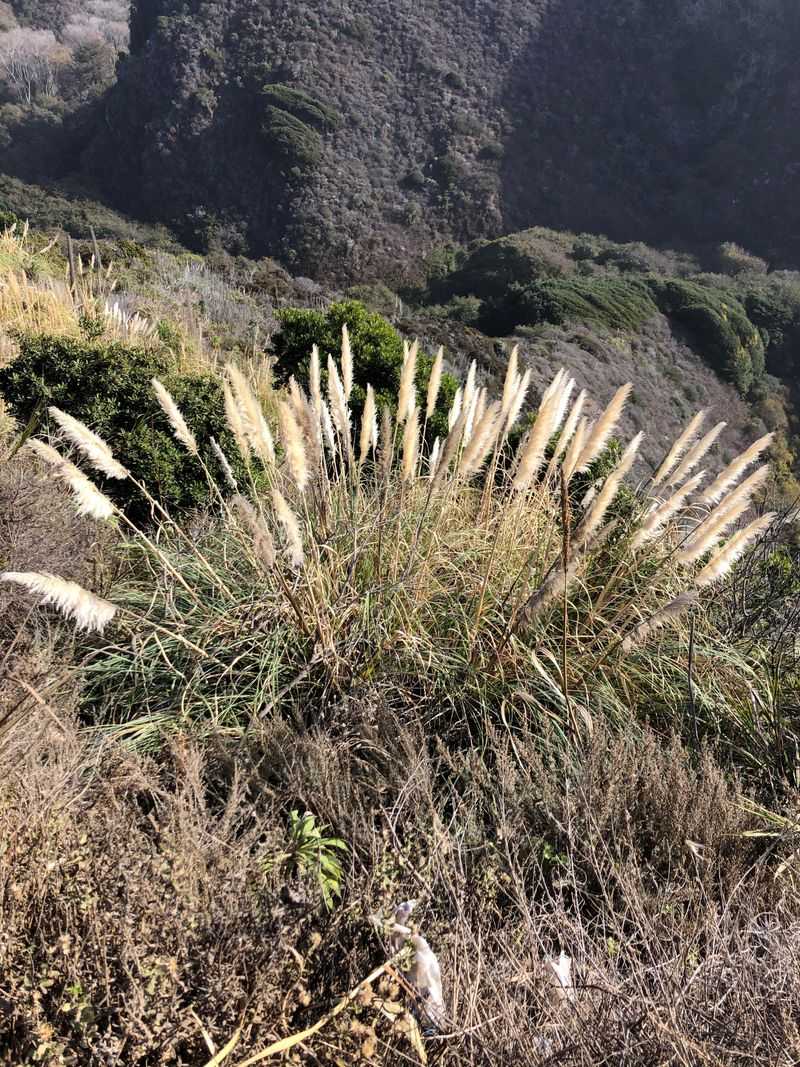
Those big, fluffy plumes are actually one of the biggest reasons jubata grass is so hard to control. Each plume holds thousands of seeds, and when the wind picks up, those seeds can travel miles away from the original plant.
A single mature clump can release over a million seeds in one season.
That number is not an exaggeration. Researchers studying invasive grasses have counted seed production and found it staggering.
The sheer volume of seeds means that even after removing a plant, new seedlings can keep popping up for years from seeds already in the soil.
The plumes also look mature and ready long before most people think to remove them. By the time homeowners or land managers notice the plumes forming, the seeds may already be dropping.
Your California Garden Changes Every Week. Your Plan Should Too.
Gardening in California changes quickly throughout the season. Every Friday you’ll receive a simple weekly plan showing exactly what to plant, prune, fertilize, harvest, and protect so you never miss the right timing.
Timing removal before the plumes fully develop is critical to stopping the spread.
Wind is the main carrier, but seeds also hitch rides on clothing, equipment, and even animals passing through. That makes controlling the spread even harder in areas where people hike or ride bikes through infested zones.
The visual appeal of those plumes has fooled many people into letting the plant stay. But behind that pretty display is a seed machine that is quietly taking over open land one gust of wind at a time.
Removing the plumes before they mature is one of the most important steps anyone can take.
3. Coastal California Gives This Grass Room To Run
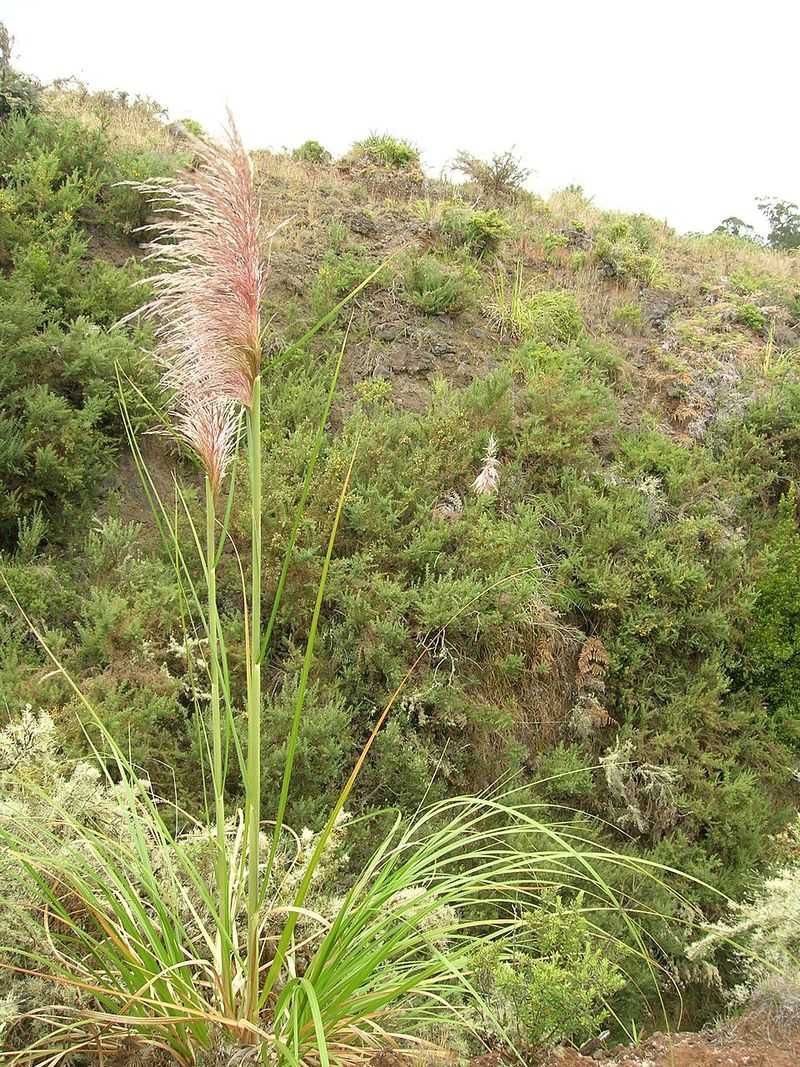
Coastal areas are some of the hardest hit by jubata grass. The mild temperatures, regular moisture from marine fog, and open land create perfect growing conditions.
Coastal bluffs, dunes, and scrublands have all seen major invasions over the past few decades.
The coast is also home to many rare and sensitive plant communities. Native plants like coyote brush, lizard tail, and various wildflowers depend on open space and light.
When jubata grass moves in, it crowds everything out and changes the entire character of the habitat.
Many coastal counties have now added jubata grass to their noxious weed lists, making it illegal to sell, plant, or transport the grass. This is a big shift from even ten years ago, when the plant was still sold in some nurseries as an ornamental grass.
The fog belt along the coast creates a particularly friendly environment for jubata grass. It thrives in the cooler, wetter conditions that many other invasive plants struggle with.
That gives it a competitive edge in areas where land managers were already working hard to protect native species.
Coastal communities are now organizing removal events and public education campaigns to get residents involved. The more people who recognize the plant and report new sightings, the faster land managers can respond.
Early detection along the coast is the best tool available right now for slowing down the spread.
4. One Plant Can Send Seeds Far Beyond The Yard
Most people think of their yard as a contained space. What grows there stays there, right?
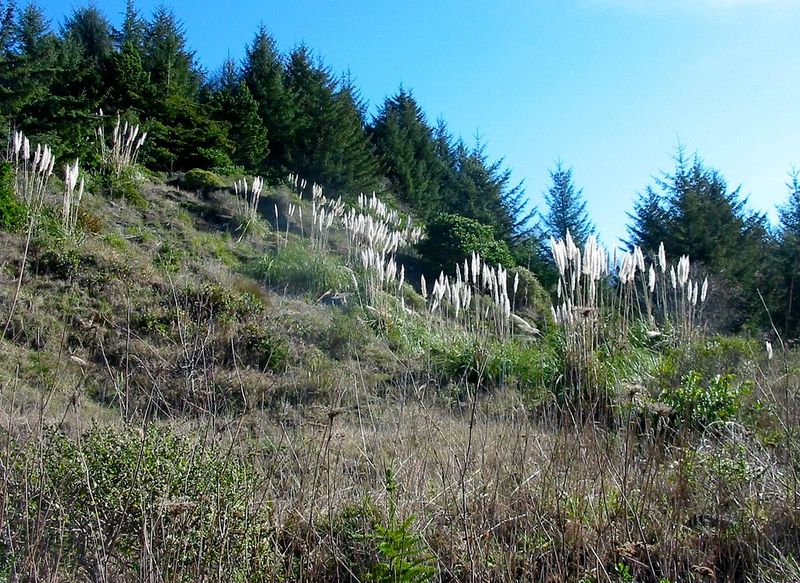
Not with jubata grass. A single plant sitting in a backyard can send seeds hundreds of yards away, or even farther on a windy day.
This is what makes jubata grass so different from most garden plants. It does not need human help to spread.
The wind does all the work, carrying lightweight seeds across fences, roads, and into open wildlands where they sprout with little competition.
Even if your neighbors have already removed the plant, a jubata grass clump in your yard can reseed their cleared land within a season. That is why many county ordinances now require removal even from private property, not just public land.
Homeowners who live near open space, parks, or nature preserves have an especially important role to play. Seeds from a backyard plant can land directly in sensitive habitat and start a new infestation quickly.
The distance between a yard and a nature preserve does not protect the preserve if jubata grass is nearby.
Understanding how far seeds travel changes how people think about responsibility. It is not just about your own yard looking nice.
Allowing jubata grass to flower and produce seeds affects the whole neighborhood and the natural areas beyond it. Removing the plant before it seeds is one of the most powerful things a homeowner can do to help.
5. Roadsides And Open Slopes Are Easy Targets
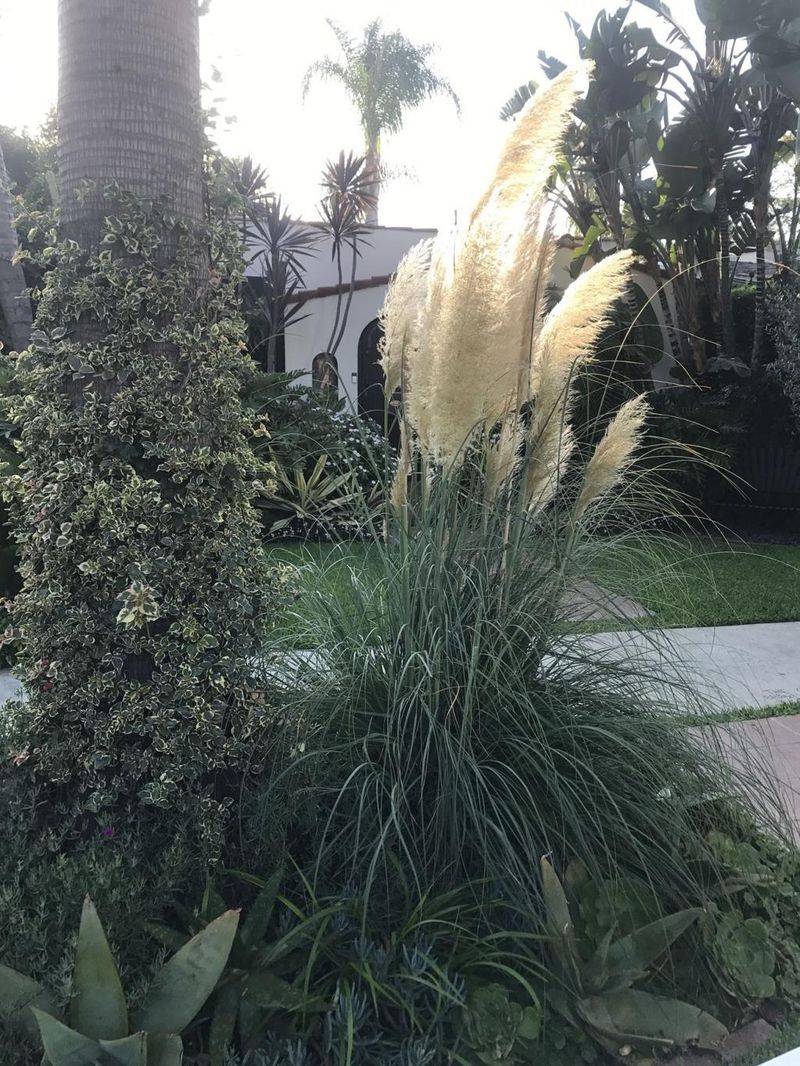
Drive along many highways and you will spot it immediately. Big, bushy clumps of jubata grass line the roadsides, sometimes stretching for miles without a break.
Roadsides are one of the primary places where this grass gets established and spreads from.
Disturbed soil is like a welcome mat for jubata grass. Road construction, grading, and erosion create bare patches where seeds land and germinate easily.
Once a few plants take hold along a road corridor, they spread outward into adjacent slopes and open land.
Open slopes are another favorite habitat. The grass handles full sun and dry summers well, especially on slopes where water runs off quickly.
Native grasses and shrubs that once covered these slopes struggle to compete once jubata grass moves in and shades them out.
Caltrans and county road crews have been working to remove jubata grass from California state highways, but the scale of the problem is enormous. With limited budgets and miles of roadside to cover, crews can only do so much each season.
New plants keep appearing faster than old ones are removed.
Some counties are now requiring developers and road contractors to use native seed mixes instead of invasive species when revegetating disturbed areas.
That simple change in practice could make a big difference over time by preventing new infestations before they start.
Roadsides managed with native plants are far more resistant to jubata grass invasion.
6. Native Plants Get Crowded Out Fast
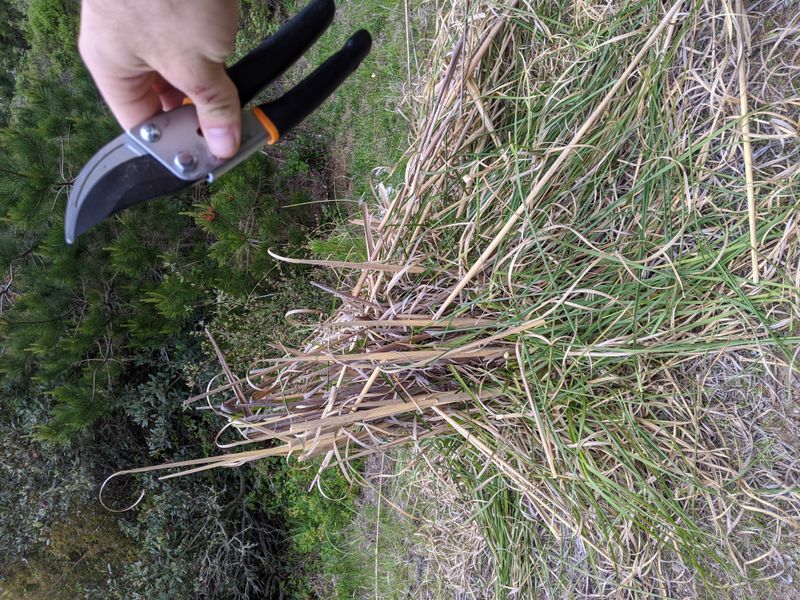
When jubata grass moves into an area, native plants do not stand much of a chance. The grass grows thick and tall, blocking sunlight from reaching smaller plants below.
Over time, entire communities of native wildflowers, grasses, and shrubs simply disappear.
Native plants are the foundation of local ecosystems. They provide food and shelter for birds, insects, and other wildlife that have evolved alongside them for thousands of years.
When those plants vanish, the animals that depend on them lose their habitat too.
Pollinators like native bees and butterflies are especially hard hit. Many of these insects rely on specific native plants for nectar or as host plants for their eggs.
A field full of jubata grass offers almost nothing to them in comparison.
Rare and endangered native plants are particularly vulnerable. Some species exist only in small pockets of habitat, and a jubata grass invasion can wipe out an entire local population in just a few growing seasons.
Once those plants are gone from an area, restoring them takes years of careful work.
Restoration projects that remove jubata grass and replant with native species have shown promising results. Areas that were once dominated by invasive grass have been brought back to diverse native plant communities within a few years.
The key is removing the jubata grass completely and following up with native plantings before it can regrow. Healthy native plant cover is the best long-term defense against reinvasion.
7. Why Cutting The Plumes Is Not Enough
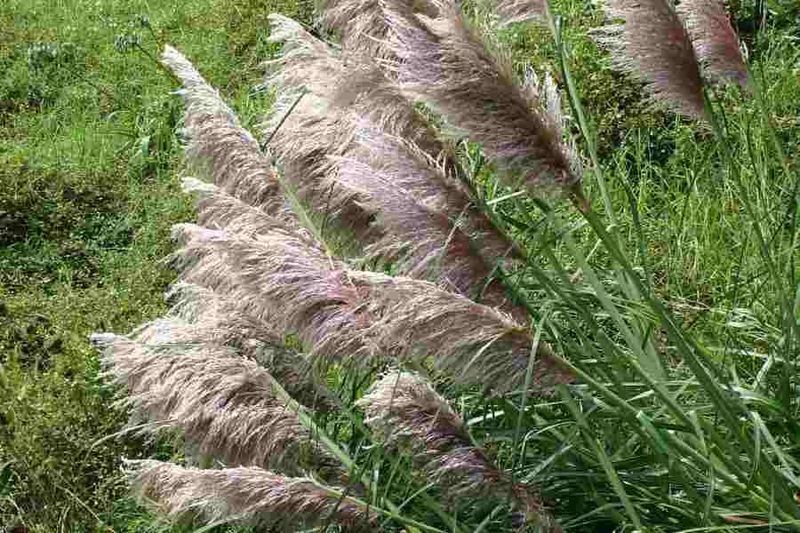
A lot of people think trimming the plumes off jubata grass solves the problem. It feels productive, and the yard looks tidier afterward.
But cutting the plumes only addresses a small part of what makes this plant so persistent.
The real power of jubata grass is underground. Its root system is deep and wide, storing energy that allows the plant to regrow quickly after being cut.
Even after removing the plumes, the plant pushes out new growth within weeks if the roots are left in place.
Cutting also does not stop seeds that have already formed. If the plumes are cut after seeds have matured, those seeds can shake loose during removal and spread to new areas.
Bagging the plumes before cutting and disposing of them properly is essential to avoid making the problem worse.
Effective removal means getting the roots out too. That is physically demanding work, especially for large, established clumps.
Some homeowners rent stump grinders or hire professionals with specialized equipment to get the job done right. For smaller plants, a sharp shovel and some persistence can work.
Herbicide treatments are sometimes used on large infestations, but they require careful application to avoid harming nearby native plants.
Always check local regulations before using any herbicide, and consider consulting with a local weed management agency.
They often provide free guidance and sometimes even free removal assistance to homeowners dealing with jubata grass on their property.
8. County Crews Are Still Fighting Established Patches
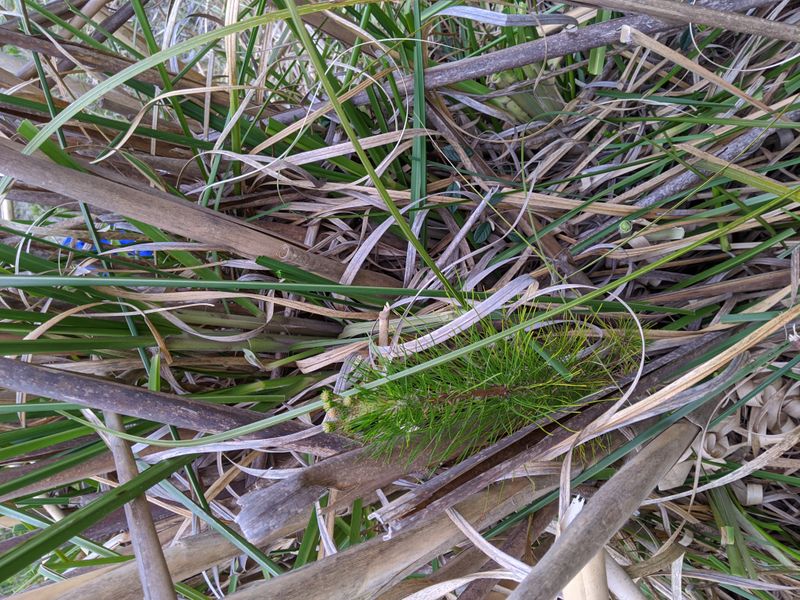
Across many California counties, crews are spending serious time and money trying to get jubata grass under control on public land.
Parks, open space preserves, roadsides, and trail corridors all require ongoing attention. The work is labor-intensive and never really finished.
Established patches are the hardest to tackle. A clump that has been growing for ten or twenty years can be enormous, with roots that go deep and spread wide.
Removing one large clump can take a crew of workers several hours using shovels, chainsaws, and heavy equipment.
Some counties have turned to prescribed burning in limited areas to set back large infestations. Fire can top-destroy the grass and reduce the seed bank in the soil, but it does not eliminate the roots entirely.
Follow-up treatment is always needed after a burn to prevent regrowth.
Volunteer programs have become a valuable part of the fight. Community members who want to help can join organized removal events in local parks and open spaces.
These events not only get work done but also educate participants about how to identify and report jubata grass in their own neighborhoods.
The challenge is that crews can clear an area and return the next season to find new seedlings already sprouting from seeds that blew in from nearby. Long-term success requires repeated visits and consistent follow-through.
Counties that have committed to multi-year removal programs are seeing real progress, but it takes patience and steady resources to make a lasting difference.
9. Removing It Before Seeds Fly Makes A Big Difference
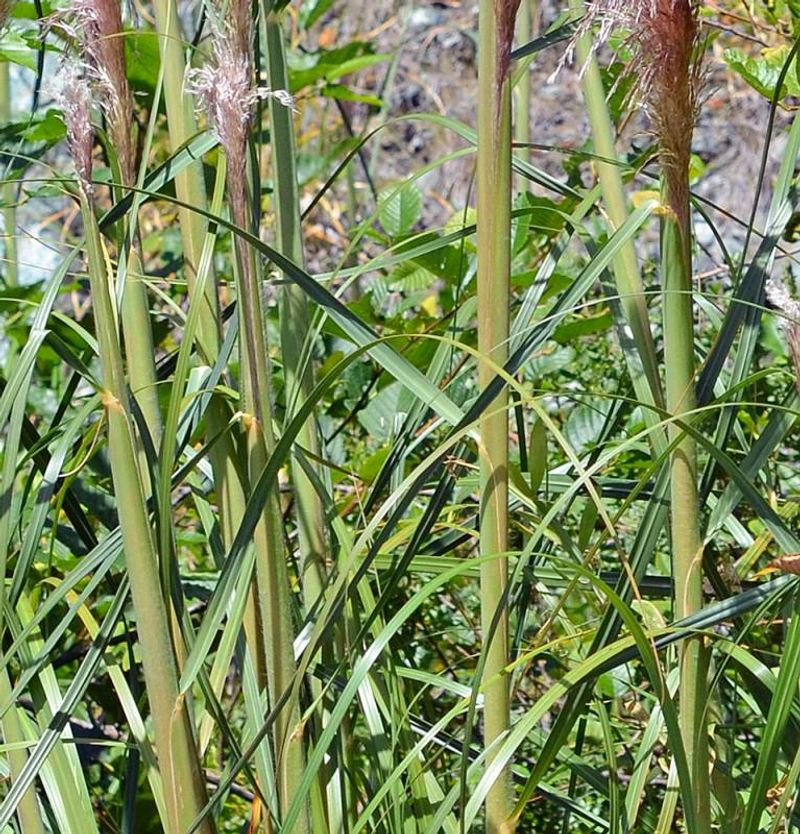
Timing is everything when it comes to managing jubata grass. Removing the plant before it produces mature seeds stops the spread at the source.
That window of opportunity is usually late summer to early fall, before the plumes fully open and release seeds.
Young plants are much easier to remove than mature ones. A plant in its first or second year can often be pulled or dug out with basic garden tools.
Waiting until the plant is fully established makes removal far more difficult and expensive.
Checking your yard and property edges regularly is a simple habit that pays off. New jubata grass seedlings can appear anywhere seeds have landed, including in mulch beds, along fences, and at the base of other plants.
Spotting them early and pulling them out saves a lot of work later.
After removing the plant, dispose of it carefully. Do not compost jubata grass or leave it in a pile where seeds can still spread.
Bag it securely and check with your local waste management service about the best disposal method in your area. Some counties have specific guidelines for invasive plant disposal.
Spreading the word to neighbors also helps. When whole neighborhoods work together to remove jubata grass at the right time, the overall seed pressure in the area drops significantly.
Shared effort creates shared results, and that kind of community action is exactly what land managers say is needed to turn the tide on this fast-spreading plant.