10 Types Of Lilies Texas Gardeners Keep Coming Back To
Texas summers quickly separate dependable plants from temporary ones, and lilies face that reality as soon as heat, sun, and long days settle in.
Many lilies look impressive early on, then slowly lose strength once real Texas conditions take over.
Gardeners across the state begin noticing patterns after a few growing seasons, especially when certain lilies return strong while others quietly disappear.
Experience replaces guesswork as growers remember which varieties keep upright stems, hold bloom quality, and stay consistent through stress.
Soil type, watering habits, and regional weather swings all influence which lilies truly settle in across Texas landscapes. Those reliable performers start appearing again in beds year after year.
Some lilies earn trust by handling intense heat without fading, while others prove their value by multiplying steadily and staying balanced.
Over time, planting decisions become more intentional and far less experimental.
The lilies chosen repeatedly are the ones growers rely on when they want predictable results instead of seasonal surprises.
These are the varieties Texas gardeners reach for when performance matters from the first heat wave to the last bloom.
1. Asiatic Lily
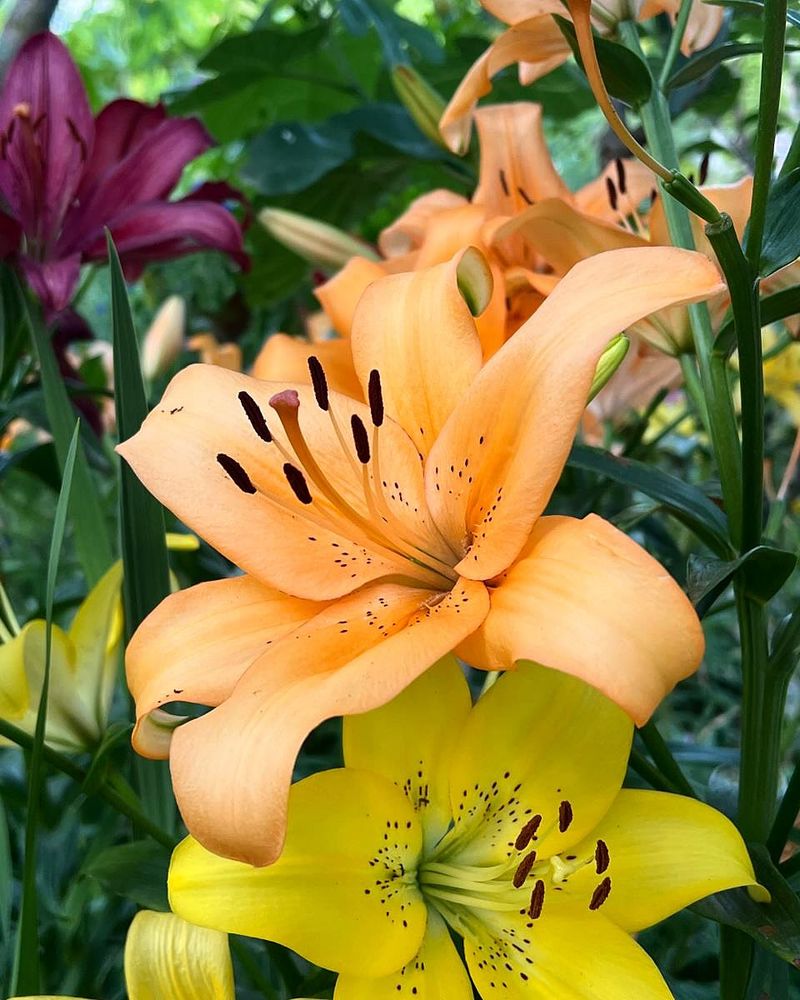
Bright colors and early blooms make this variety a favorite for starting the season strong. Gardeners across Texas appreciate how these flowers handle the unpredictable spring weather without much complaint.
They come in shades ranging from sunny yellow to deep burgundy, giving you plenty of options to match your garden’s personality.
Planting them in fall gives the bulbs time to establish roots before winter settles in. The soil should drain well since waterlogged roots can cause problems.
Adding compost helps create the loose, nutrient-rich environment these plants prefer.
Full sun works best for maximum blooms, though they tolerate a bit of afternoon shade in hotter regions. Texas summers can be brutal, so mulching around the base keeps roots cooler and moisture more consistent.
Watering deeply once a week usually does the trick during dry spells.
These lilies don’t have a strong fragrance, which some gardeners actually prefer.
Dividing clumps every three to four years keeps them blooming vigorously. Simply lift the bulbs after foliage fades, separate them gently, and replant with proper spacing.
This simple maintenance ensures your Texas garden stays vibrant season after season.
2. Oriental Lily
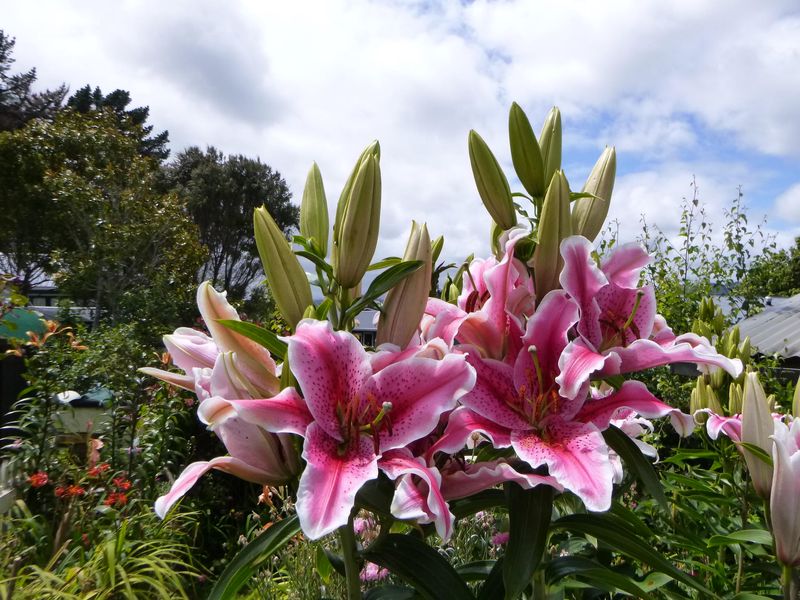
Fragrance fills the air when these stunning flowers open their petals in mid to late summer. Texas gardeners love how the scent drifts across patios and through open windows on warm evenings.
The blooms are often larger than other lily types, with exotic patterns and colors that catch every eye.
Afternoon shade helps protect the flowers from scorching during peak Texas heat. Morning sun combined with dappled afternoon light creates ideal growing conditions.
Soil enriched with organic matter supports the strong stems and heavy blooms.
Consistent moisture matters more for this variety than some others, but good drainage remains essential. Mulching helps retain moisture while keeping the root zone cooler during summer months.
Drip irrigation works wonderfully, delivering water directly where it’s needed without wetting the foliage.
Staking taller varieties prevents stems from bending or breaking under the weight of those impressive flowers. Simple bamboo stakes and soft ties do the job without harming the plant.
This small effort pays off when blooms stand tall and proud.
These lilies make unforgettable cut flowers that perfume entire rooms. Removing the pollen-heavy anthers before bringing stems indoors prevents stains on furniture and clothing.
With proper care, a single stalk can last two weeks in a vase, bringing Texas garden beauty inside your home.
3. LA Hybrid Lily
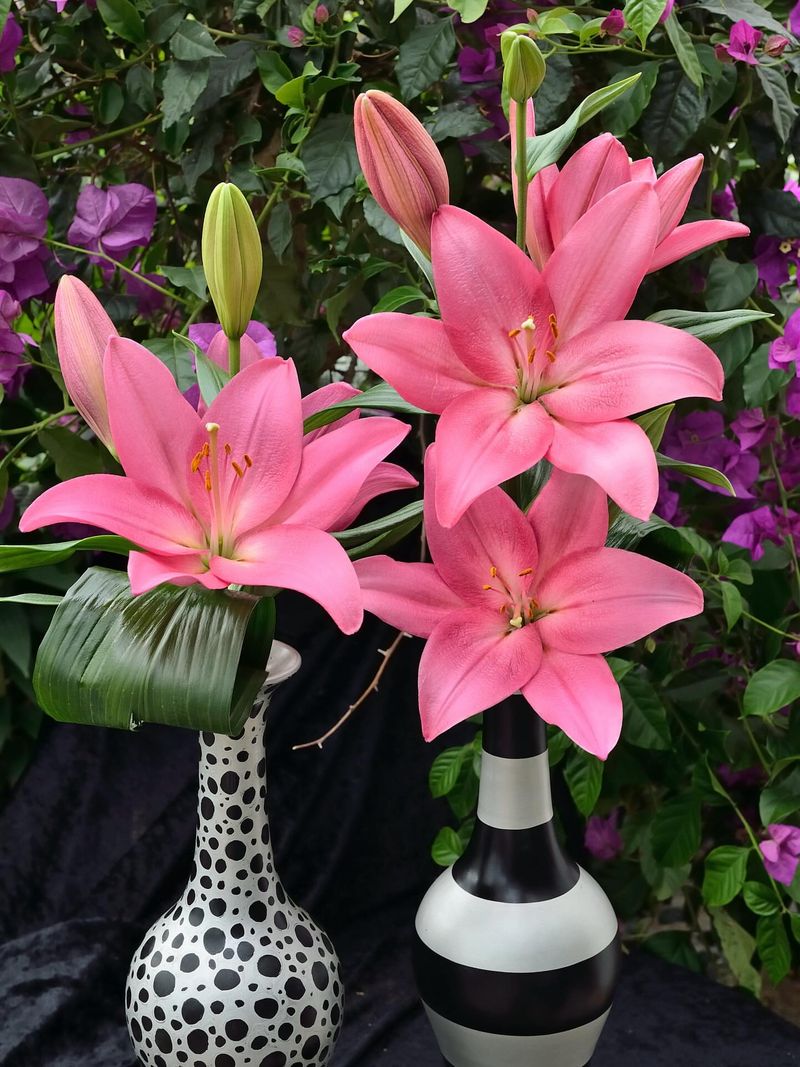
Combining the best traits of two popular types, this hybrid brings both beauty and toughness to Texas gardens. Developed by crossing Longiflorum and Asiatic varieties, they bloom earlier than Orientals but offer larger flowers than pure Asiatics.
This makes them perfect for gardeners wanting something special without extra fuss.
Heat tolerance stands out as one of their strongest qualities, making them well-suited for Texas conditions. They handle temperature swings better than many other lily types.
Full sun exposure encourages the most abundant flowering, though they adapt to light shade.
Upward-facing blooms create a cheerful display that’s easy to admire from any angle. Colors range from soft pastels to vibrant jewel tones, often with contrasting centers or throat markings.
The sturdy stems rarely need staking, even when loaded with multiple flowers.
Planting depth matters for establishing strong root systems and healthy growth. Bulbs should go about six to eight inches deep in well-prepared soil.
Spacing them eight to twelve inches apart allows air circulation while creating a full, lush appearance.
These hybrids resist many common lily problems better than their parent types. Regular feeding with a balanced fertilizer during the growing season keeps them performing their best.
Texas gardeners appreciate how reliably they return each year, often multiplying to create even better displays over time.
4. Orienpet Lily
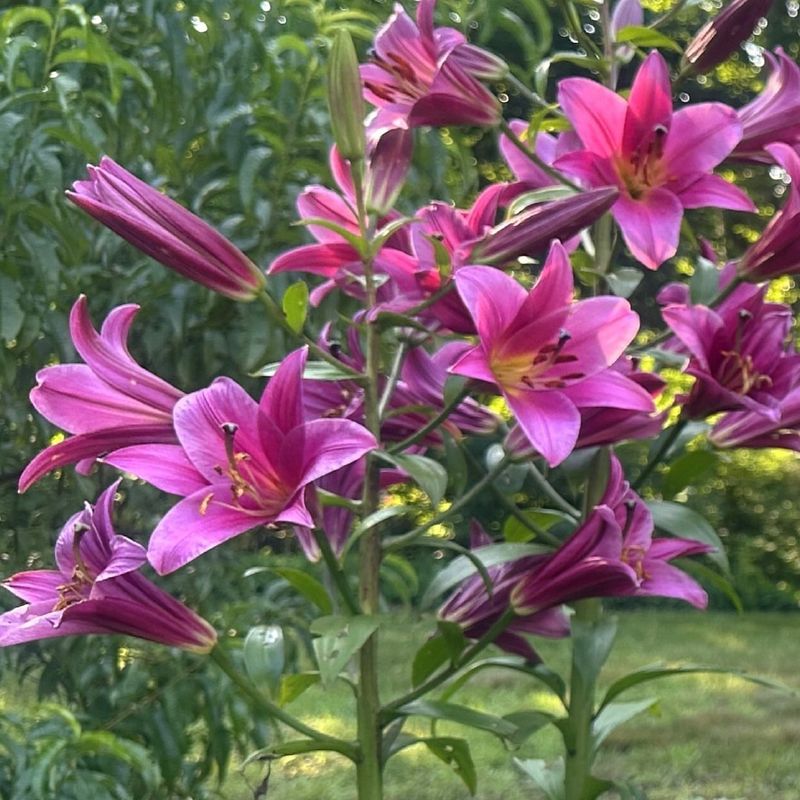
Towering stems and massive blooms make this hybrid a true showstopper in any Texas landscape. Created by crossing Oriental and Trumpet lilies, they inherit the best features from both parents.
Flowers can reach eight to ten inches across, creating dramatic focal points wherever they’re planted.
Strong fragrance rivals that of pure Orientals, filling gardens with sweet perfume on summer evenings. Texas heat doesn’t diminish the scent, which actually intensifies as temperatures rise.
Petals often display stunning color combinations with contrasting edges or centers.
Sturdy stems reach four to six feet tall, sometimes even taller in ideal conditions. Despite their height, they rarely require staking thanks to thick, robust stems.
Planting them at the back of borders creates a stunning backdrop for shorter flowers.
Bulbs need deep planting, at least eight to ten inches down, to support those tall stems. Enriching the soil with compost before planting gives them the nutrients needed for spectacular growth.
Texas clay soil benefits from added sand or perlite to improve drainage.
These hybrids bloom later in summer, extending the lily season well into fall in many Texas regions. This timing fills the gap when many other flowers are taking a break from the heat.
Deadheading spent blooms keeps plants looking tidy and directs energy into bulb development for next year’s show.
5. Trumpet Lily
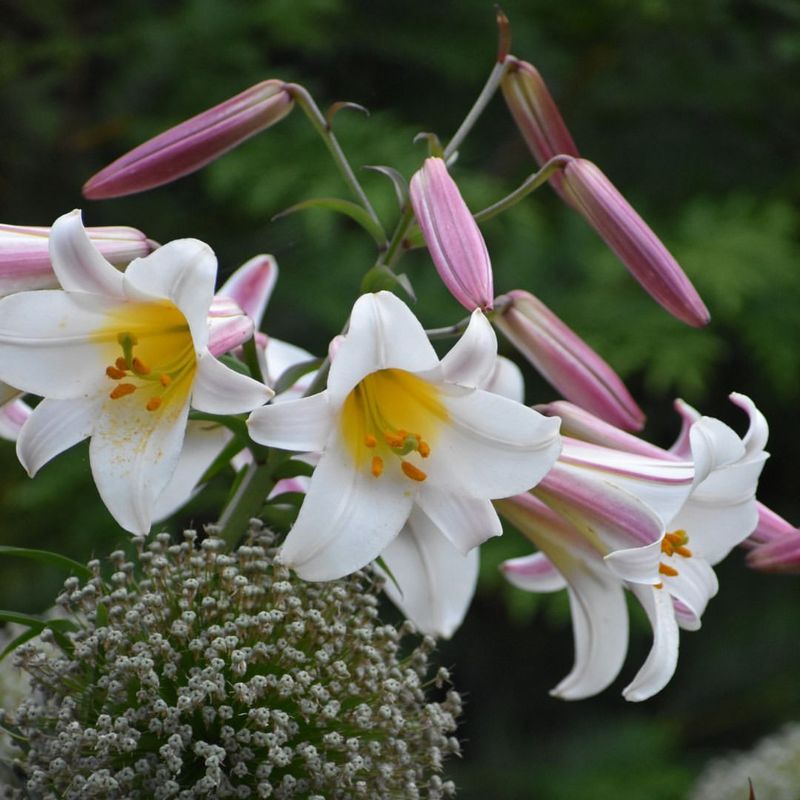
Elegant horn-shaped blooms point outward from tall stems, creating a regal presence in Texas gardens. The classic shape has made these flowers symbols of purity and elegance for centuries.
Colors typically lean toward whites, creams, and soft yellows, though some varieties offer pink or apricot tones.
Powerful fragrance becomes most noticeable during evening hours when temperatures cool slightly. Planting them near outdoor living spaces lets you enjoy the perfume during summer gatherings.
The scent attracts nighttime pollinators like moths, adding another layer of garden interest.
Heat tolerance makes them well-suited for Texas conditions, especially in areas with long, hot summers. They prefer full sun but appreciate some afternoon shade in the hottest regions.
Consistent moisture during the growing season supports the development of those impressive blooms.
Stems can reach five to six feet tall, so placing them where they won’t shade shorter plants makes sense. The back of perennial borders or along fence lines works perfectly.
Their vertical growth adds height without taking up much horizontal space.
Bulbs multiply steadily over time, creating larger clumps that produce more flowers each year. Dividing them every few years prevents overcrowding and maintains bloom quality.
Texas gardeners often share extras with neighbors, spreading the beauty throughout their communities and creating connections through shared plants.
6. Tiger Lily
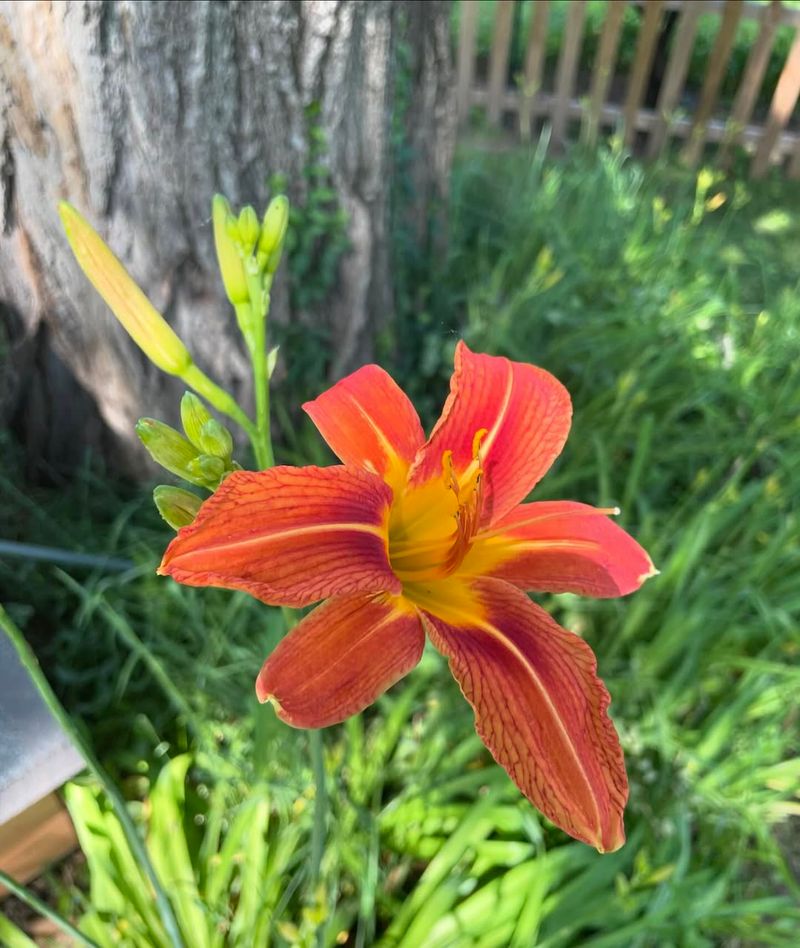
Bold orange petals covered in dark spots create an unmistakable wild beauty that Texas gardeners adore. Recurved petals curve backward dramatically, revealing prominent stamens that add to their exotic appearance.
Adaptability makes them one of the easiest lilies to grow across Texas’s diverse climate zones. They tolerate a wide range of soil types, from sandy to clay-heavy, as long as drainage is adequate.
Once established, they handle drought better than most other lily types.
Spreading naturally through underground bulbils, they can colonize an area over time. Some gardeners love this self-sufficient nature, while others prefer to contain them.
Removing the small bulbils that form along the stem controls their spread.
Blooming in mid to late summer, they add color when many spring flowers have finished. The vibrant orange stands out beautifully against green foliage and complements purple and blue flowers.
Butterflies and swallowtails visit frequently, drawn by the bright colors.
No fragrance means they won’t overwhelm other scented plants in mixed borders. This also makes them good choices near doorways or windows where strong perfumes might be too much.
Texas gardeners appreciate how these tough, beautiful flowers return reliably year after year with almost no care required beyond occasional watering during extended dry periods.
7. Crinum Lily
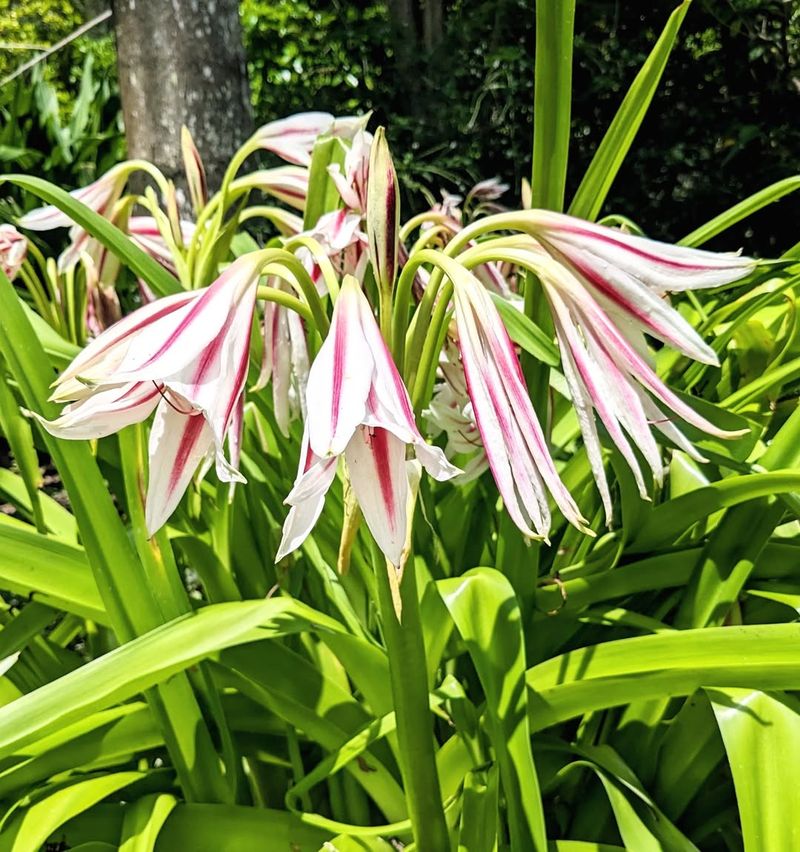
Massive bulbs produce equally impressive clusters of trumpet-shaped flowers that command attention in Texas landscapes. These southern beauties thrive in heat and humidity, making them perfect for Gulf Coast regions and similar climates.
Fragrant blooms appear throughout summer, often continuing into fall.
Planted bulbs can live for decades in the same spot, becoming treasured heirlooms passed through generations. Many old Texas homesteads still have crinum lilies blooming after a century or more.
Their longevity and low maintenance make them favorites for gardeners wanting permanent landscape features.
Large, strap-like foliage provides bold texture even when plants aren’t blooming. The leaves create a tropical effect that softens hardscapes and fills space beautifully.
Clumps expand slowly, eventually forming substantial masses that make dramatic statements.
Planting them with the neck of the bulb above soil level prevents rot issues. They actually prefer being slightly crowded, so there’s no need to divide them frequently.
Adding compost around established clumps each spring provides sufficient nutrients.
These lilies handle partial shade better than most, making them useful for areas under trees or beside buildings. Morning sun combined with afternoon shade works wonderfully throughout Texas.
They’re surprisingly tough once established, tolerating neglect, poor soil, and irregular watering better than almost any other flowering bulb you can grow in the Lone Star State.
8. Daylily
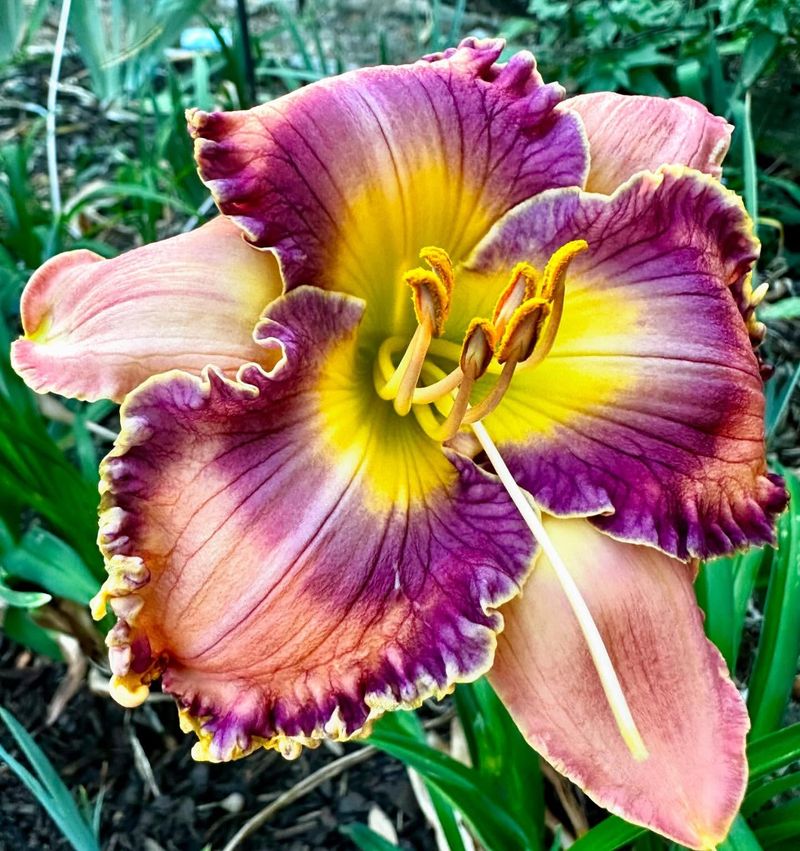
Technically not true lilies but beloved by Texas gardeners nonetheless, these reliable bloomers handle tough conditions with grace. Each flower lasts just one day, but plants produce so many buds that blooms continue for weeks or even months.
Thousands of varieties exist, offering every color except true blue.
Extreme heat tolerance makes them champions of Texas summers when many other flowers struggle. They keep blooming through conditions that would stop most plants.
From the Panhandle to the Rio Grande Valley, you’ll find daylilies thriving in Texas gardens.
Minimal care requirements appeal to busy gardeners and those new to growing flowers. They tolerate various soil types, handle drought once established, and rarely suffer from serious pest problems.
Even occasional neglect doesn’t stop them from performing.
Dividing clumps every few years rejuvenates plants and provides extras to fill other garden areas. The process is simple—just lift the clump, pull apart the fans, and replant.
Spring or fall works best for this task in most Texas regions.
Evergreen varieties keep their foliage year-round in milder areas, while dormant types go completely dormant in winter. Choosing the right type for your specific Texas location ensures the best performance.
Both types offer reliable blooms and easy care that keeps gardeners coming back to plant more varieties each season.
9. Spider Lily
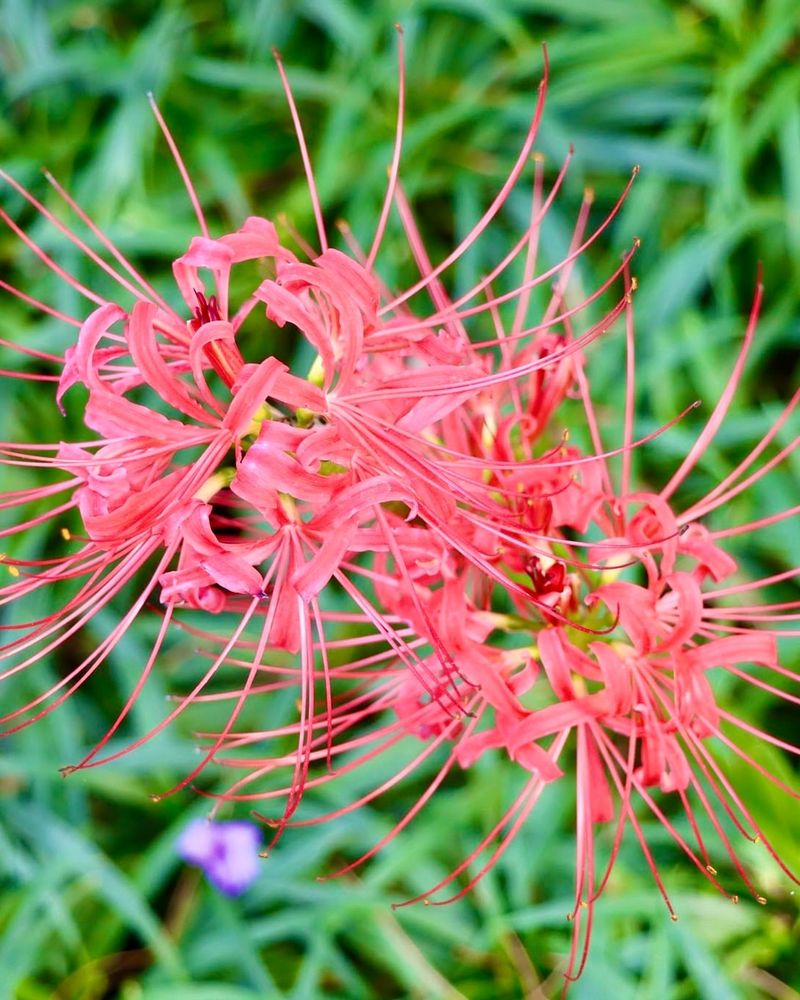
Unusual flowers with thin, spidery petals create an exotic look that stops people in their tracks. Several species grow well in Texas, including red spider lilies and golden varieties.
The dramatic blooms appear on leafless stalks, adding to their mysterious appeal.
Surprise appearances make them conversation starters in Texas gardens. Many types bloom in late summer or fall, often triggered by rainfall after dry periods.
The flowers emerge rapidly, sometimes appearing seemingly overnight, which adds to their magical quality.
Foliage appears at different times than flowers, depending on the species. Some produce leaves in fall and winter, going dormant in summer before blooming.
This unusual growth cycle puzzles some gardeners but is completely normal for these unique plants.
Planting bulbs in late summer or early fall gives them time to establish before blooming. They prefer well-drained soil and can handle full sun to partial shade across Texas.
Once settled in, they multiply steadily, creating larger displays each year.
Red spider lilies naturalize beautifully in Texas landscapes, forming sweeps of color in late summer. The vibrant red blooms create stunning contrasts against green grass or dark mulch.
Golden varieties offer a softer look with their yellow, spider-like flowers that seem to glow in morning or evening light throughout the state.
10. Rain Lily
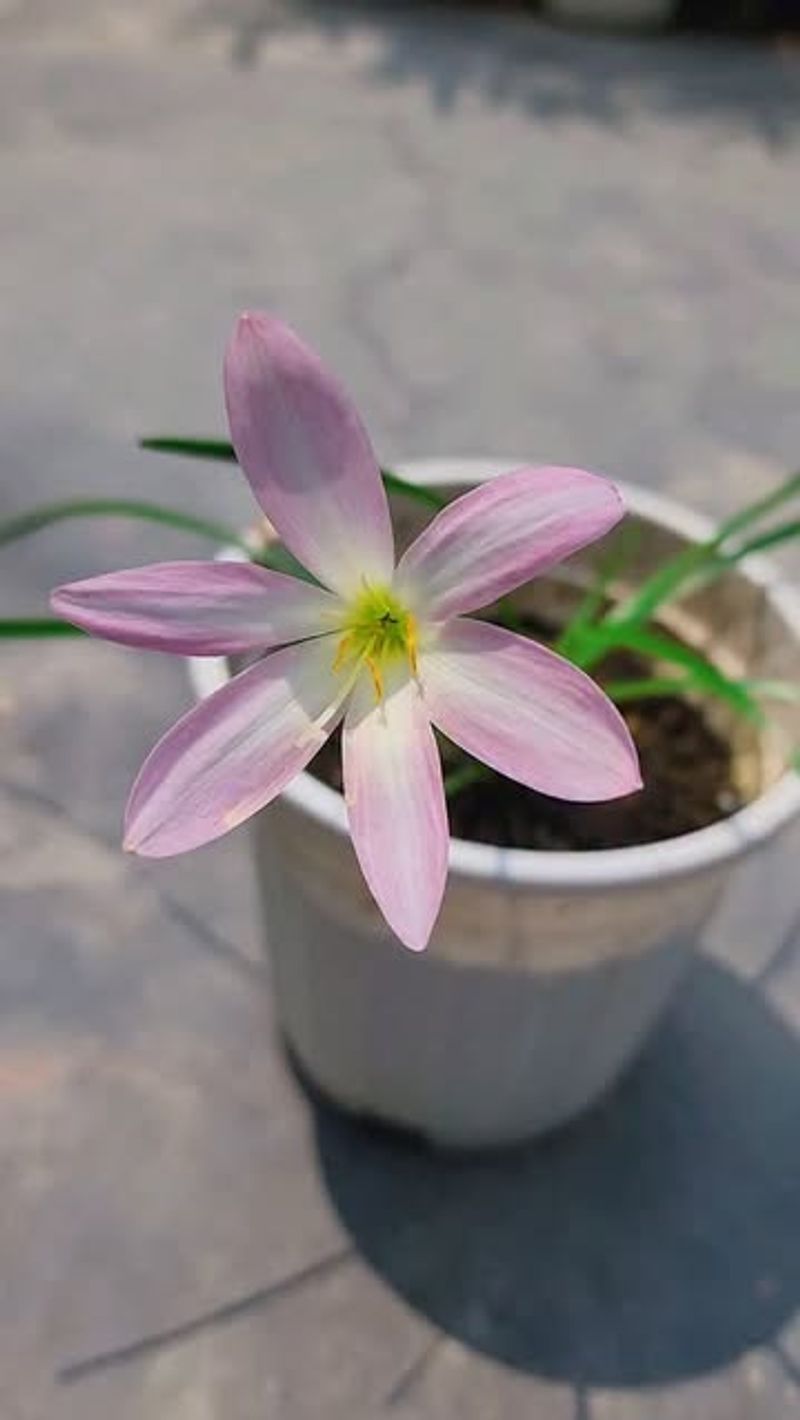
Tiny bulbs produce charming flowers that pop up like magic after summer rains sweep across Texas. The sudden appearance of blooms gives them their common name and never fails to delight gardeners.
Colors include white, pink, yellow, and various shades in between, depending on the species.
Native Texas species and cultivated varieties both thrive in landscapes across the state. They naturalize easily, spreading to form carpets of color after good rains.
The small bulbs multiply quickly, creating better displays with each passing year.
Low-growing foliage resembles grass, making these perfect for tucking into rock gardens or along pathway edges. The leaves don’t take up much space, and plants remain tidy even when not blooming.
This compact growth habit lets you plant them almost anywhere.
Drought tolerance between bloom cycles makes them ideal for Texas water-wise gardens. The bulbs go dormant during dry spells, waiting patiently underground for the next rain.
This survival strategy makes them incredibly low-maintenance and reliable.
Planting them in fall gives bulbs time to establish before spring growth begins. They prefer well-drained soil and full sun to light shade throughout Texas regions.
Mass plantings create the most impact, with dozens of flowers appearing simultaneously after rains, transforming ordinary lawn areas into magical displays that remind gardeners why they love growing these delightful little treasures.