10 Types Of Weeds In Texas And How To ID Them
Weeds have a way of showing up exactly where they are not wanted. One day your Texas lawn, garden bed, or gravel path looks fine, and the next it seems like mystery plants have popped up overnight and started taking over.
The frustrating part is that not all weeds look the same, and not all of them cause the same kind of trouble.
Some spread low and fast across the ground, some shoot up tall with deep roots, and others blend in just enough that you do not notice them until they are everywhere.
That is why learning how to identify common Texas weeds matters so much. Once you know what you are looking at, it becomes a lot easier to figure out how aggressive it is, how it spreads, and what kind of control method actually makes sense.
Guessing can waste time and lead to the wrong treatment, especially in a state where the climate allows many weeds to thrive almost year-round.
Texas gardeners deal with a wide mix of grassy weeds, broadleaf weeds, and stubborn invaders that love heat and dry conditions. The good news is that many of them have clear traits that make them easier to spot once you know the signs.
A little weed ID knowledge can save you a lot of frustration and help you protect your yard before small problems turn into a bigger mess.
1. Crabgrass
You have probably seen crabgrass before without even knowing its name. It is one of the most common summer weeds found in Texas lawns, and it loves the heat.
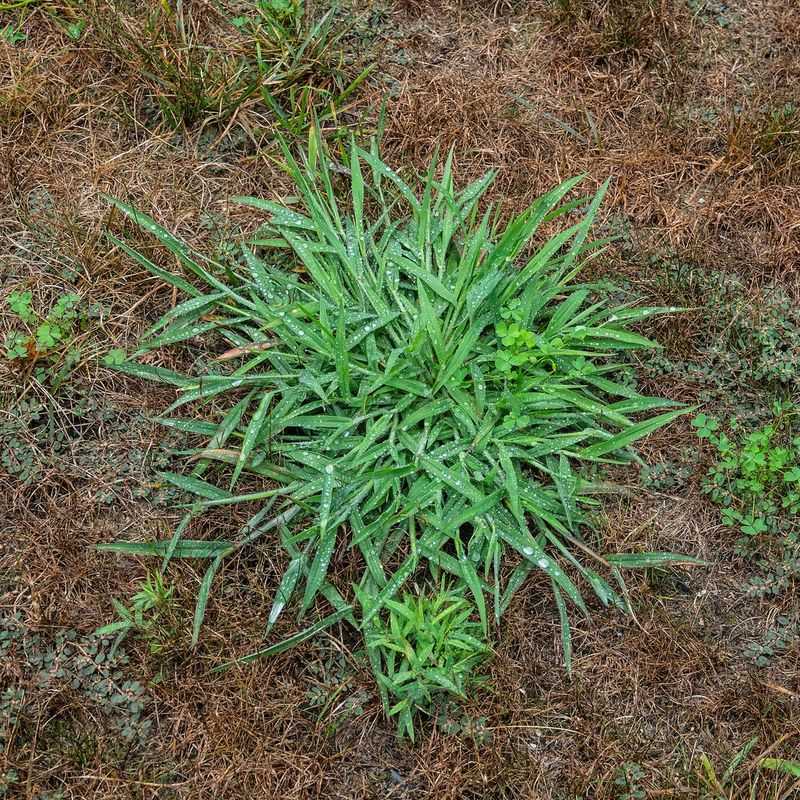
Crabgrass grows low to the ground and spreads outward in a star-like clump. Its blades are wider than regular grass, which makes it stand out once you know what to look for.
This weed thrives in hot, sunny spots where the soil gets dry and thin. Texas summers are practically a welcome mat for crabgrass.
It spreads by producing thousands of seeds, so one plant can quickly turn into a whole patch. You will usually notice it popping up in bare or weak spots in your lawn.
The stems of crabgrass lie flat along the ground before curving upward at the tips. This low, creeping habit makes it easy to identify once you spot it.
The finger-like seed heads at the top of the stems are another clear giveaway. Keeping your lawn thick and well-watered is one of the best ways to stop crabgrass from taking over your Texas yard.
2. Dandelion
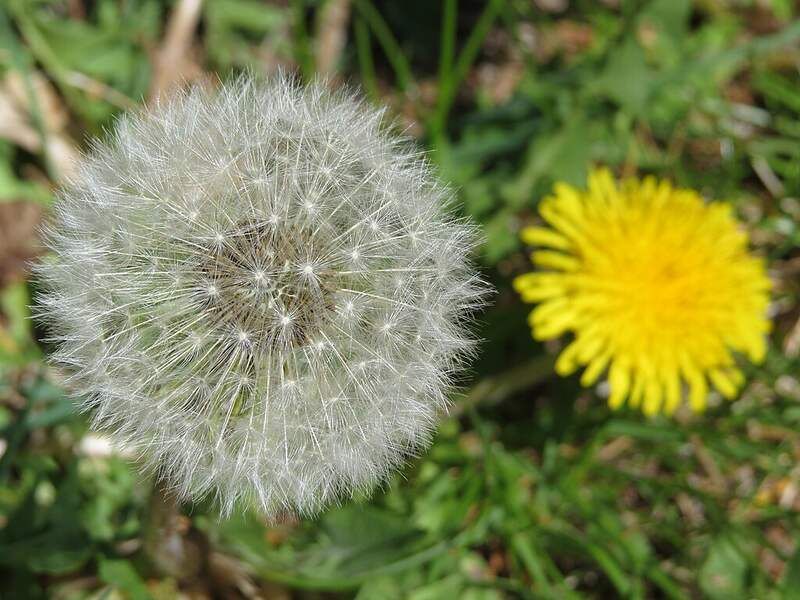
Almost everyone recognizes a dandelion. Those cheerful yellow flowers and puffy white seed heads are hard to miss.
But in Texas lawns and gardens, dandelions are anything but welcome. They are tough, persistent, and surprisingly hard to remove once they get settled in.
The leaves of a dandelion are long, dark green, and deeply jagged along the edges. They grow in a low rosette shape right at ground level.
The bright yellow flower sits on top of a hollow stem, and when it matures, it turns into the familiar white puffball full of seeds ready to float away on the breeze.
What makes dandelions so stubborn is their deep taproot. This root can reach several inches into the soil, and if you only pull the top off, the plant will grow right back.
You need to remove the full root to get rid of it for good. Dandelions tend to show up in lawns that are mowed too short or have thin, weak grass.
Across Texas, they appear in both spring and fall when temperatures are mild. Keeping your lawn healthy is your best defense against these persistent yellow invaders.
3. Nutsedge
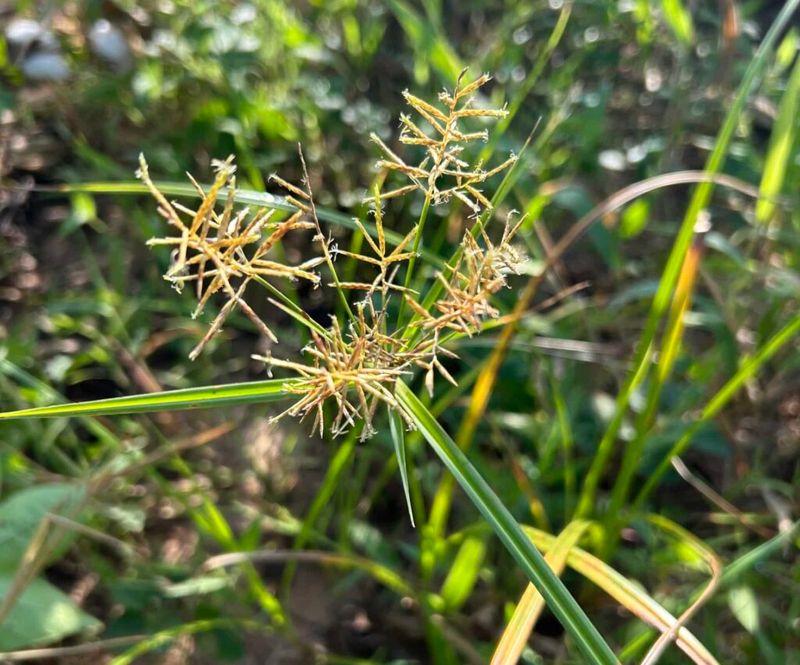
Nutsedge is one of the trickiest weeds to deal with in Texas. At first glance, it looks just like regular grass.
But there is one easy trick to tell it apart: pick up a stem and roll it between your fingers. Unlike grass, nutsedge stems are triangular, not round or flat. That three-sided shape is its biggest ID clue.
This weed loves wet, soggy soil. You will often find nutsedge popping up near areas that stay damp, like around sprinkler heads, low spots in the yard, or garden beds that get a lot of water.
Texas has plenty of warm, humid areas where nutsedge thrives from late spring through summer. It grows fast, often outpacing the grass around it.
Nutsedge spreads through underground tubers called nutlets, which is how it got its name. These nutlets make it really hard to remove because they stay in the soil even after you pull the plant out.
The leaves are bright green, shiny, and v-shaped in cross-section. Controlling nutsedge takes patience and consistency.
Reducing excess watering and improving soil drainage are smart first steps for Texas homeowners dealing with this stubborn weed.
4. Purslane
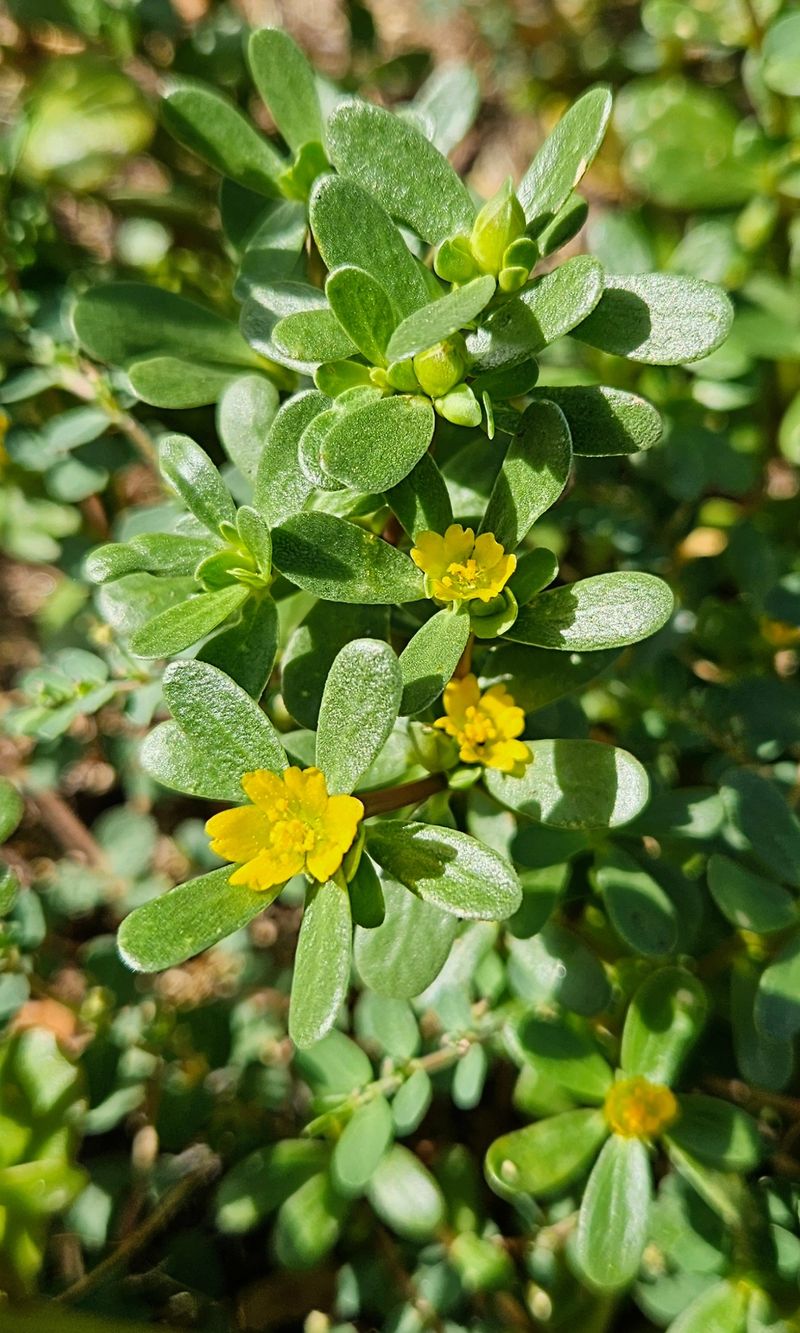
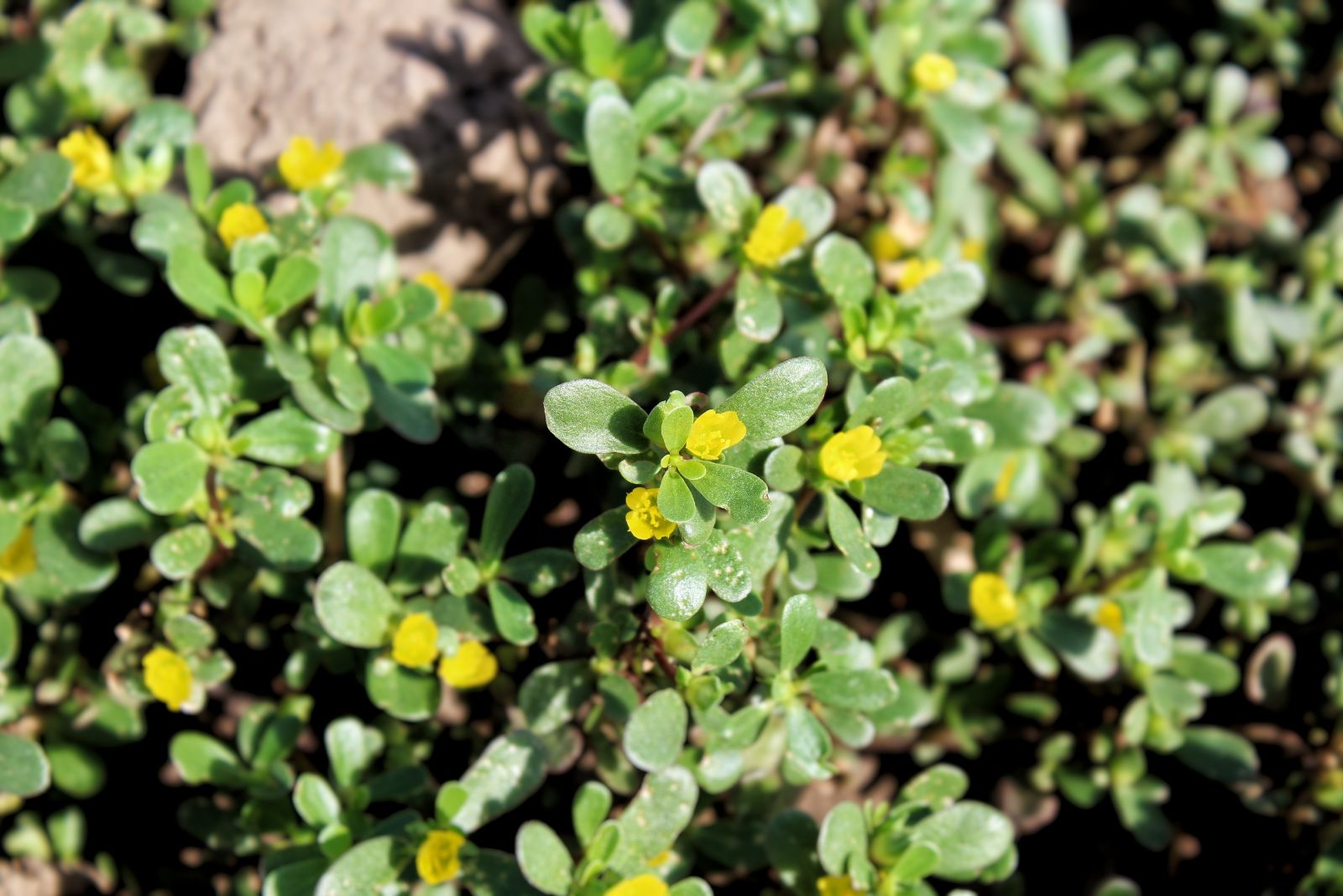
Purslane might look like a harmless little ground cover, but do not let its small size fool you. This weed is a survivor.
It has thick, rubbery leaves that store water, which means it can handle Texas heat and drought like a champ. Once it shows up in your garden, it spreads fast and fills in bare soil quickly.
The leaves of purslane are smooth, oval-shaped, and almost succulent-looking. They sit along reddish, fleshy stems that creep along the ground in all directions.
In summer, tiny bright yellow flowers appear at the tips of the stems. The whole plant stays low and mat-forming, which is why it often goes unnoticed until it has spread across a large area.
Interestingly, purslane is actually edible and nutritious, often used in salads in some cultures. But in a Texas lawn or garden, it competes with your plants for space and nutrients.
It produces huge numbers of seeds, so removing it before it flowers is key. Hand-pulling works well when the soil is moist, but make sure to get the roots.
Leaving stem pieces behind can allow it to regrow, especially during the hot Texas summer months.
5. Pigweed
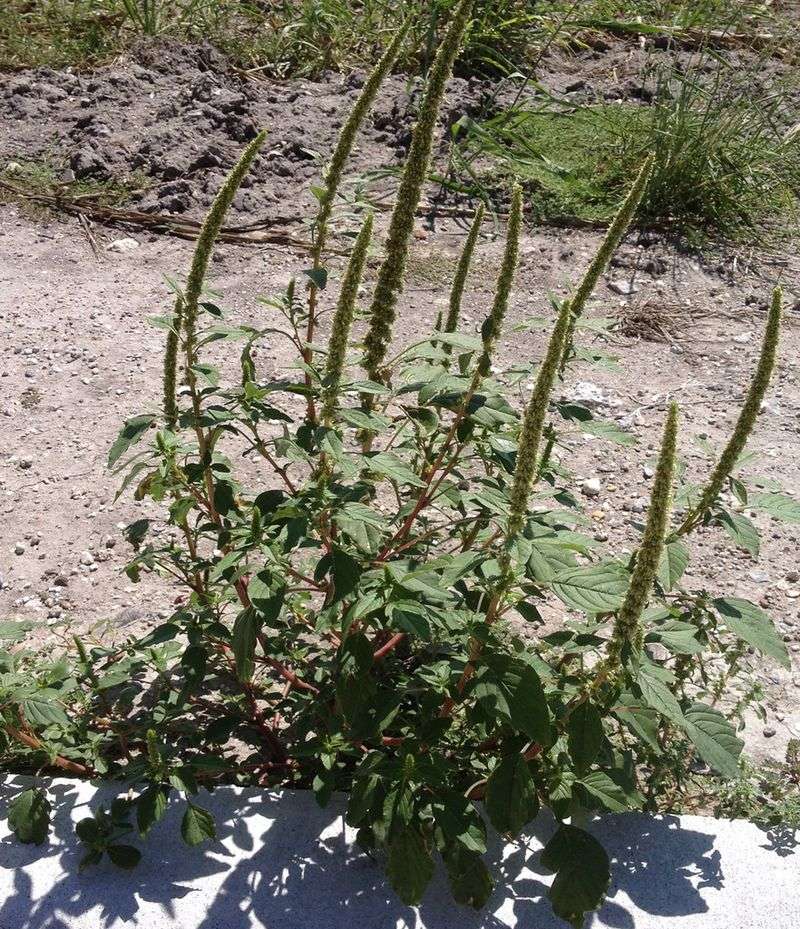
Pigweed is a weed that means business. It grows fast, stands tall, and produces an almost unbelievable number of seeds.
A single pigweed plant can release hundreds of thousands of seeds in one season, which explains why it spreads so aggressively across Texas fields, gardens, and roadsides.
The stems of pigweed are thick and upright, often reaching several feet tall by midsummer. They can be green or have a reddish tint, depending on the species.
The leaves are broad, oval-shaped, and slightly wavy at the edges. At the top of the plant, dense, bristly flower spikes develop. These spikes are where the seeds form, and they can feel rough or scratchy to the touch.
Pigweed thrives in disturbed soil and loves the warm Texas climate. It is especially common in vegetable gardens, where it competes directly with crops for water and nutrients.
Younger plants are much easier to remove than mature ones, so catching pigweed early makes a big difference. Pulling it out by hand before it flowers is the most effective approach.
Staying on top of garden maintenance and checking regularly for new growth will help you keep pigweed from taking over your Texas outdoor space.
6. Spurge
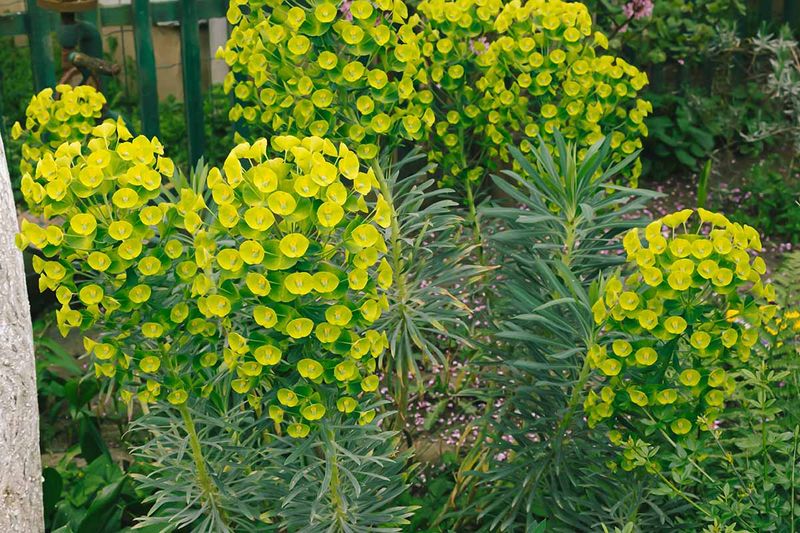
Spurge is one of those weeds that sneaks up on you. It starts small and flat, hugging the ground so closely that it almost looks like part of the soil.
Before long, it forms a wide, dense mat that can cover a surprising amount of ground. In Texas, spurge is most active during the hot summer months when other plants struggle to compete.
The leaves are small, oval, and often come in pairs along the stem. Some species of spurge have a dark reddish or maroon spot in the center of each leaf, which is a helpful ID feature.
The plant branches out from a central stem in all directions, creating that flat, spreading mat shape. Small, inconspicuous flowers appear along the stems but are easy to overlook.
One of the most distinctive things about spurge is its milky white sap. Break a stem and you will see a white, latex-like liquid ooze out.
This sap can irritate skin, so it is a good idea to wear gloves when handling it. Spurge is commonly found in Texas lawns, driveways, sidewalk cracks, and garden beds.
Removing it while it is young and before it sets seed will help prevent it from spreading further across your yard.
7. Henbit
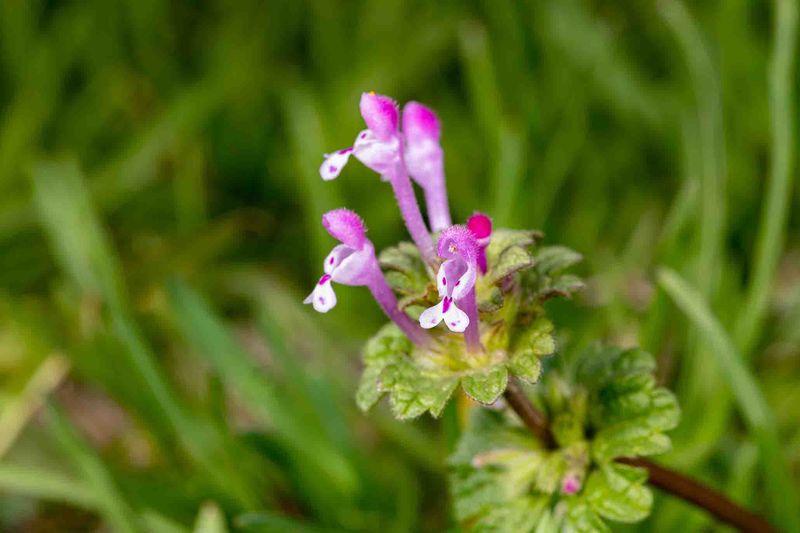
When the rest of the garden seems bare and quiet, henbit is just getting started. This cool-season weed shows up in Texas lawns and flower beds during fall and winter, often surprising homeowners who thought their weed problems were on pause.
Its small purple flowers can actually look pretty at first glance, but henbit spreads quickly and can take over thin or bare areas of grass.
Henbit has a very recognizable look once you know what to spot. The stems are square-shaped, which is a key feature shared by plants in the mint family.
The rounded, scalloped leaves clasp directly around the stem without a leaf stalk, giving the plant a layered, stacked appearance. Small tubular flowers in shades of pink to purple bloom in clusters near the top of the plant.
The plant typically grows between six and ten inches tall and tends to sprawl as it matures. In Texas, it is most common from late fall through early spring.
It prefers moist, cool soil and often shows up in lawns that were thinned out by summer stress. Hand-pulling works well before it goes to seed.
Keeping your lawn thick and healthy going into the cooler months is a great way to prevent henbit from getting a foothold in your yard.
8. Chickweed
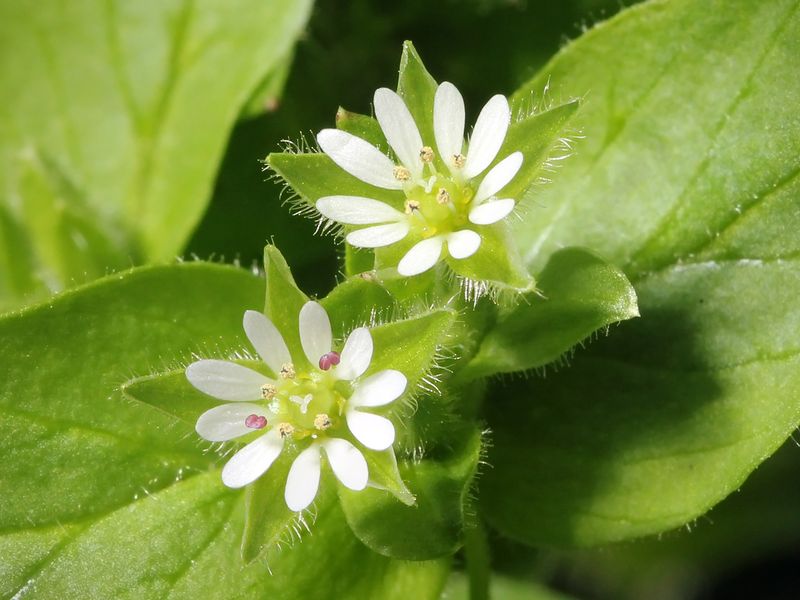
Chickweed is a quiet, low-growing weed that loves cool and shady conditions. It tends to show up in Texas during late fall and winter, tucking itself into moist, shaded corners of lawns and garden beds.
At first, it might look like a soft, green carpet, but it can spread into thick mats that crowd out desirable plants.
The most charming thing about chickweed is its flowers. Each tiny bloom has five white petals that are so deeply notched they look like ten petals, giving them a star-like shape.
The leaves are small, smooth, and oval, growing in opposite pairs along thin, sprawling stems. One distinctive feature is a single line of fine hairs that runs along one side of the stem.
Chickweed prefers areas with moist soil and limited direct sunlight. In Texas, you are most likely to find it under trees, along fence lines, or in garden beds that stay shaded during the day.
It is a winter annual, meaning it sprouts in fall, grows through winter, and sets seed in spring before fading in the heat. Pulling it out by hand is easy when the soil is damp. Getting rid of it before it flowers will stop it from spreading seeds across your Texas yard.
9. Bindweed
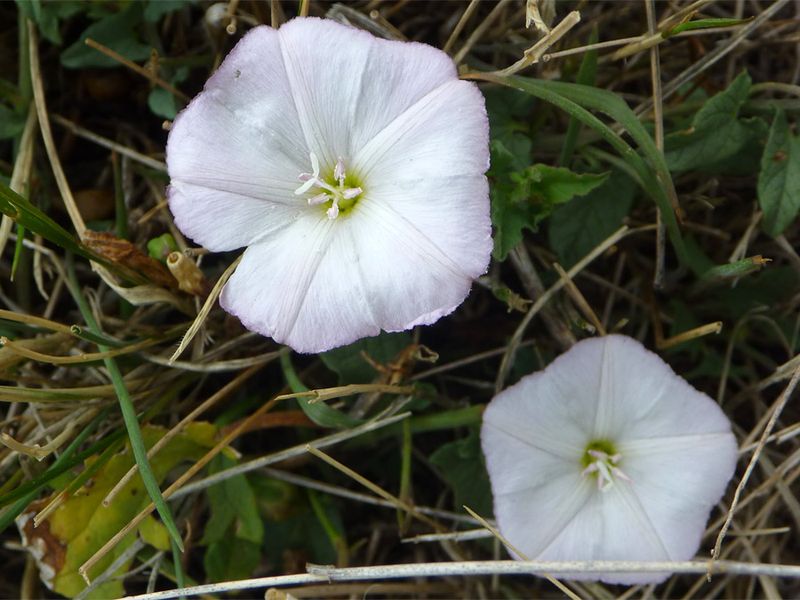
Bindweed is the weed that wraps itself around everything in sight. It twists and climbs up other plants, fences, and garden structures, slowly smothering whatever it latches onto.
In Texas, it is considered one of the more frustrating weeds to deal with because its root system goes incredibly deep into the soil, sometimes reaching several feet down.
The leaves of bindweed are shaped like arrowheads, with two small lobes pointing backward at the base. The vines are thin but surprisingly strong, winding tightly around stems and branches as they grow.
The flowers are one of bindweed’s more attractive features. They are funnel-shaped, similar to a morning glory, and come in white or pale pink with faint stripes. They open in the morning and close later in the day.
Do not let those pretty flowers distract you. Bindweed can seriously damage garden plants by blocking their sunlight and competing for water and nutrients.
Pulling it out by hand only works if you get the full root, which is rarely easy. Consistent removal over time is the most effective approach.
In Texas gardens, staying alert to new vine growth and removing it early gives you the best chance of keeping bindweed under control before it takes over your planting beds.
10. Johnson Grass
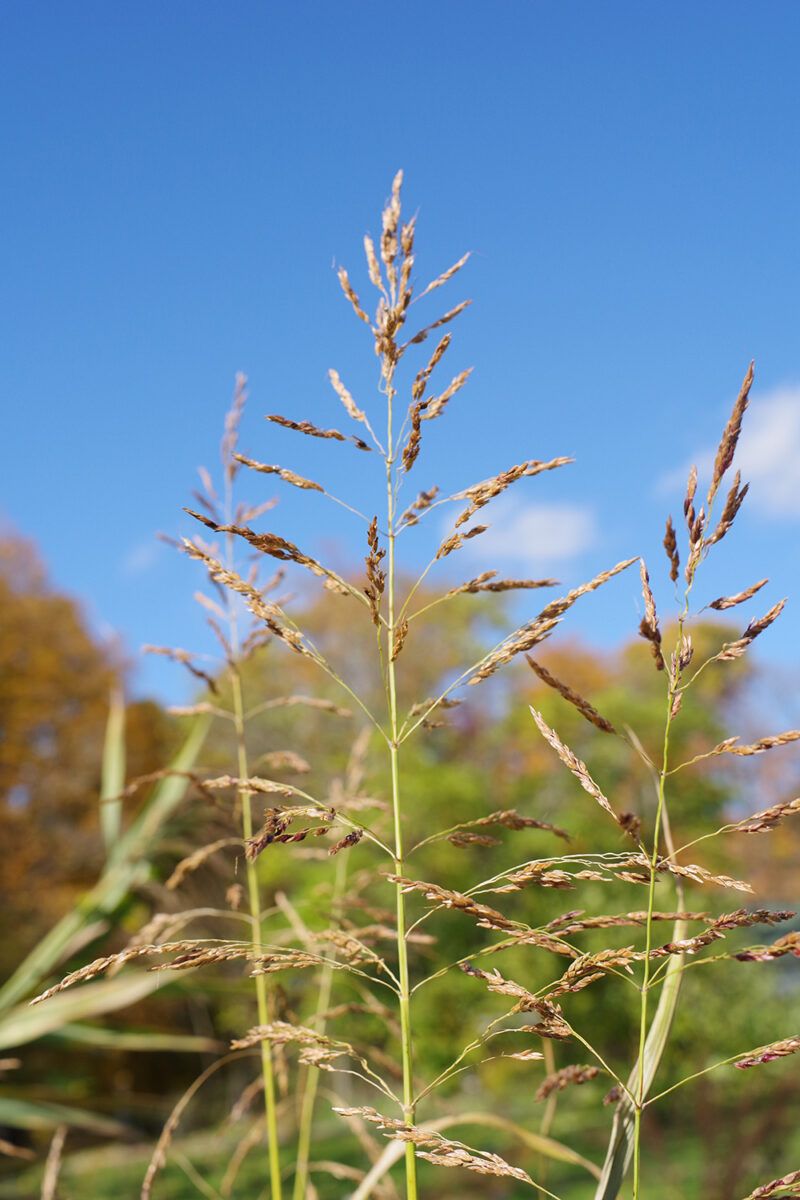
Johnson grass is hard to miss. It towers above most other weeds, often growing four to eight feet tall during Texas summers.
The wide, strap-like leaves have a bold white stripe running down the center, which makes this weed one of the easier ones to identify in the field. Once established, it is one of the most aggressive weeds you will encounter across Texas.
What makes Johnson grass so difficult to manage is how it spreads. It reproduces both by seed and through underground stems called rhizomes.
These thick, fleshy rhizomes spread horizontally through the soil and send up new shoots over a wide area. Even after you remove the above-ground plant, the rhizomes can stay alive underground and sprout again.
Large, showy reddish-brown seed heads appear at the tops of the stems in summer. Johnson grass is common along Texas roadsides, fence lines, pastures, and crop fields. It is particularly problematic for farmers because it competes aggressively with crops.
For homeowners, it tends to appear along the edges of yards and in neglected areas. Catching it young and removing it before the rhizomes spread widely is the smartest approach.
Consistent monitoring throughout the warm Texas growing season is essential to keeping this tall, determined weed in check.