Underused Native Pennsylvania Small Trees That Work In Front Yards
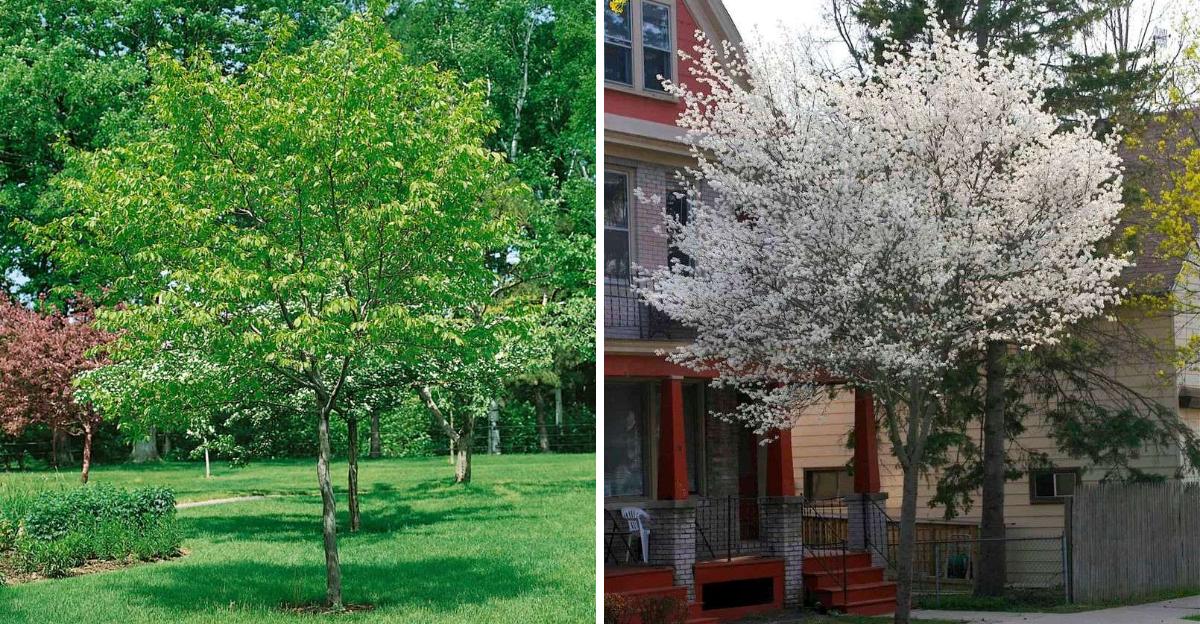
Front yards do not have unlimited room, but a lot of trees seem to act like they never got that memo.
Pennsylvania homeowners looking for something smaller often end up seeing the same familiar names again and again, even though there are other native trees that deserve a lot more attention.
And honestly, some of them are a lot more interesting than people expect. A good small tree can do a lot of heavy lifting.
It can brighten the yard with spring flowers, add structure near the house, bring fall color, and make the whole front garden feel a little more finished.
The best part is that Pennsylvania has native options that manage all of that without turning a modest yard into a leaf-filled wrestling match.
A few of these trees stay surprisingly graceful, a few bring extra wildlife value, and all of them have a way of making a front yard feel more thoughtful.
1. Allegheny Serviceberry Brings Early Beauty
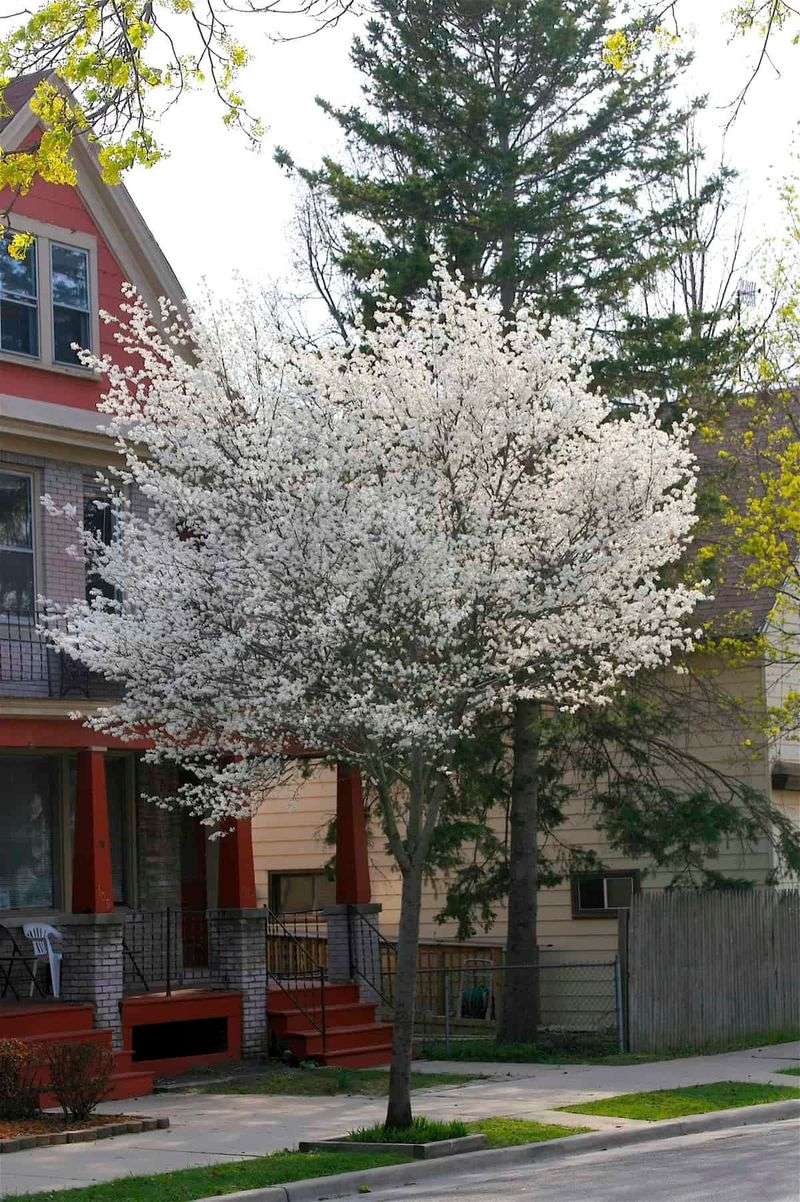
Spring arrives noticeably earlier in Pennsylvania front yards that include an Allegheny serviceberry.
This small native tree bursts into bloom with clusters of delicate white flowers before most other trees have even leafed out, making it one of the earliest signs of the season in a home landscape.
That early show alone makes it worth considering for any front yard where seasonal interest matters.
Allegheny serviceberry, known botanically as Amelanchier laevis, typically grows between fifteen and twenty-five feet tall, which keeps it well within range for a front yard that does not have room for a larger canopy tree.
The branching structure is upright and graceful, and the emerging foliage has a soft reddish-bronze tint that shifts to a clean green by early summer.
In fall, the leaves turn shades of orange and red that hold up well even in years when the season comes late.
Beyond the flowers and foliage, this tree produces small berries that ripen in early summer and attract birds, which can add some welcome life to a front yard planting.
It tends to prefer moist, well-drained soil and does well in full sun to partial shade, which suits many Pennsylvania front yard conditions.
Soil across Pennsylvania varies quite a bit, so checking drainage before planting is a good idea.
For homeowners who want something with multi-season appeal that feels a little less expected than the usual flowering tree choices, Allegheny serviceberry is a strong and underappreciated option.
2. Downy Serviceberry Adds Spring Color
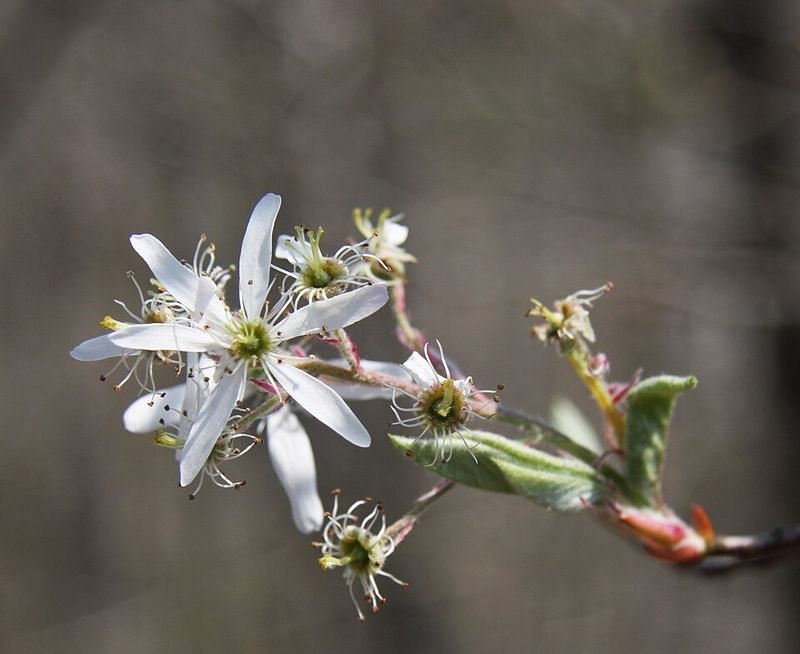
Few front-yard moments in Pennsylvania feel quite as hopeful as watching a downy serviceberry open its white blooms against a still-bare late-winter sky.
Amelanchier arborea, commonly called downy serviceberry, flowers even earlier than many of its relatives, sometimes catching the very tail end of winter before the season has fully turned.
That timing gives it a real presence in a front yard at a moment when almost nothing else is blooming.
This native tree usually reaches between fifteen and thirty feet in height at maturity, though many specimens in home landscapes stay on the smaller end of that range, especially in drier or leaner soils.
Your Pennsylvania Garden Changes Every Week. Your Plan Should Too.
Gardening in Pennsylvania changes quickly throughout the season. Every Friday you’ll receive a simple weekly plan showing exactly what to plant, prune, fertilize, harvest, and protect so you never miss the right timing.
The multi-stem form that downy serviceberry often takes gives it a shrubby, layered look that works well near a front walk or as a soft anchor to a corner bed.
The bark has a smooth gray tone that adds quiet interest through the winter months when the tree is bare.
Fall color on downy serviceberry tends toward orange and red, and the small dark berries that follow the spring flowers attract a range of birds through early summer.
Growing conditions across Pennsylvania differ quite a bit, and this tree handles a fairly wide range of soil types, though it tends to do best where drainage is reasonable and it receives at least a few hours of direct sun each day.
For homeowners who want spring color that arrives ahead of the crowd, downy serviceberry earns its place in a Pennsylvania front yard without much fuss.
3. Pagoda Dogwood Brings Graceful Form
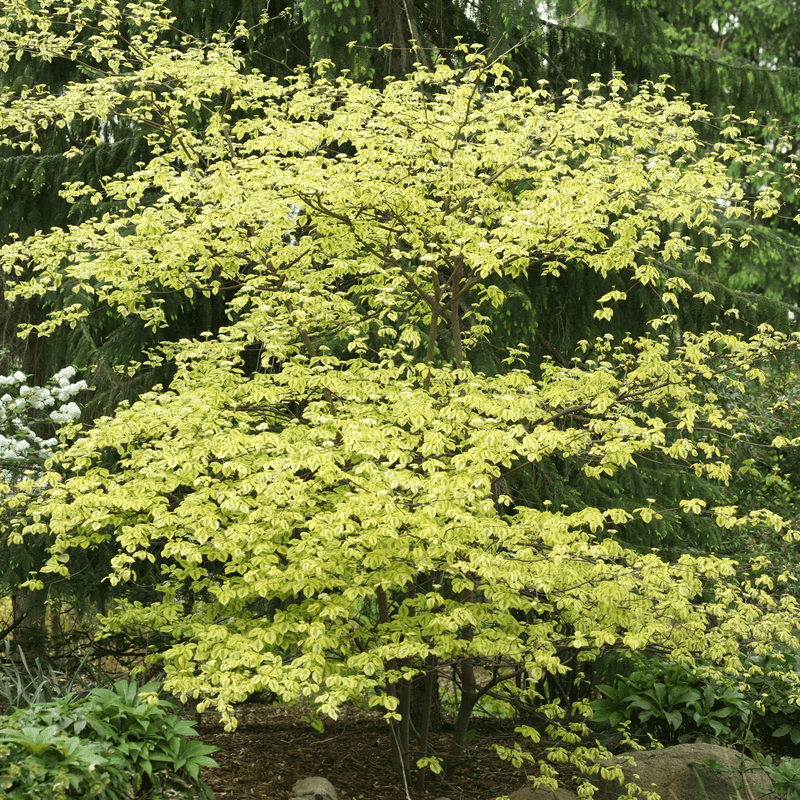
The branching pattern on a pagoda dogwood stops people mid-step on the sidewalk.
Cornus alternifolia grows with strongly horizontal layers of branches that stack almost like shelves, giving the tree a sculptural look that few other small native trees can match in a Pennsylvania front yard.
Even in winter, the bare silhouette holds real visual interest against a house facade or a stretch of sky.
Pagoda dogwood typically matures between fifteen and twenty-five feet tall and tends to spread nearly as wide as it is tall, so it works best where there is enough horizontal room to let the branching develop naturally without constant pruning.
Flat-topped clusters of creamy white flowers appear in late spring, a little later than the serviceberries, and the blooms have a soft fragrance that carries on a warm May afternoon.
The fruit that follows ripens to a dark blue-black and sits on bright red stems, which creates a striking contrast that birds find very appealing.
Fall color leans toward reddish-purple tones, and the overall seasonal progression from flower to fruit to fall foliage gives this tree something to offer in nearly every month of the growing season.
Pagoda dogwood prefers moist, well-drained soil with some organic matter and does well in partial shade, which makes it a good fit for front yards that receive filtered light or sit on the shadier side of the street.
Conditions vary widely across Pennsylvania, so choosing a spot with good moisture retention without standing water gives this tree the best start.
4. American Hornbeam Adds Shade And Structure
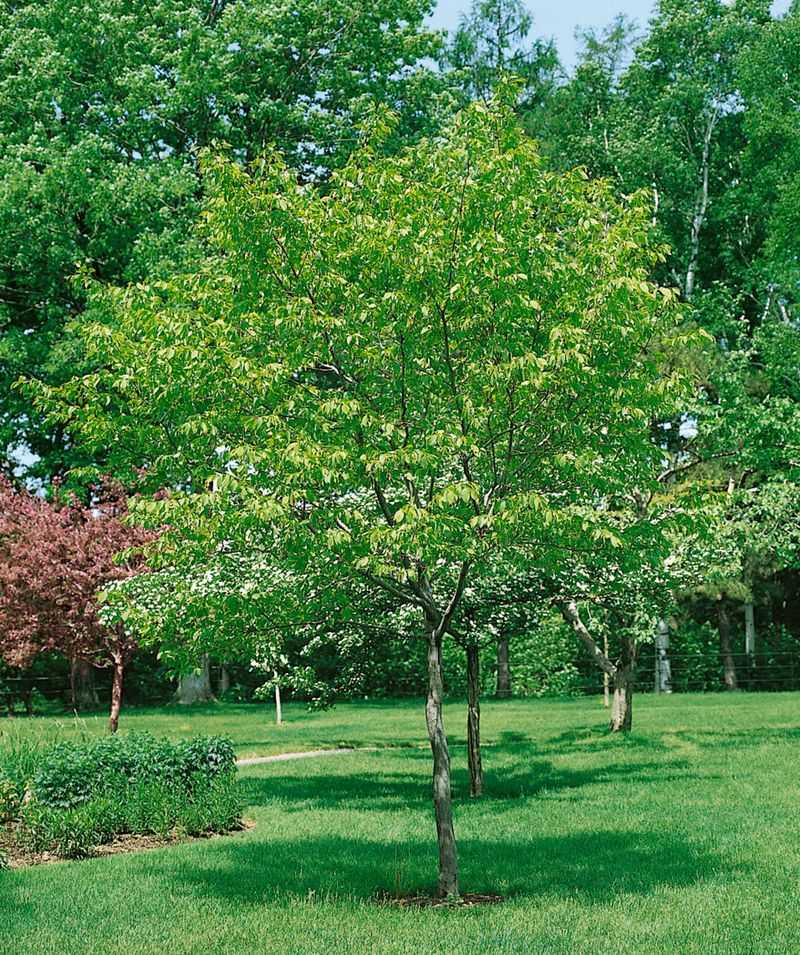
Not every front yard in Pennsylvania gets full sun all day, and for the shadier spots near a house, American hornbeam is one of the most reliable small native trees available.
Carpinus caroliniana grows slowly and steadily into a rounded, multi-stemmed tree that usually stays between ten and twenty feet tall, which keeps it well within the range of what most residential front yards can accommodate.
The canopy is dense enough to cast real shade on a warm afternoon without overwhelming the space around it.
What makes this tree genuinely distinctive is the bark. The smooth gray trunk has a rippled, muscular texture that looks almost carved, and it catches the light in a way that makes the tree interesting even when it is not in leaf.
Leaves emerge a fresh green in spring, deepen through summer, and shift to yellow and orange in fall, giving the tree a solid three-season presence in a home landscape.
American hornbeam is native across much of Pennsylvania and tends to grow naturally along stream edges and in woodland understories, which means it handles moist soil and partial to full shade better than most ornamental trees.
That adaptability makes it useful in front yards that receive limited direct sun or have heavier clay soils with slower drainage.
The small nutlets that ripen in late summer attract birds and small wildlife, adding another layer of ecological value to a front yard planting. For homeowners wanting shade and quiet year-round structure, this tree delivers both with understated confidence.
5. Eastern Hophornbeam Brings Strength And Charm
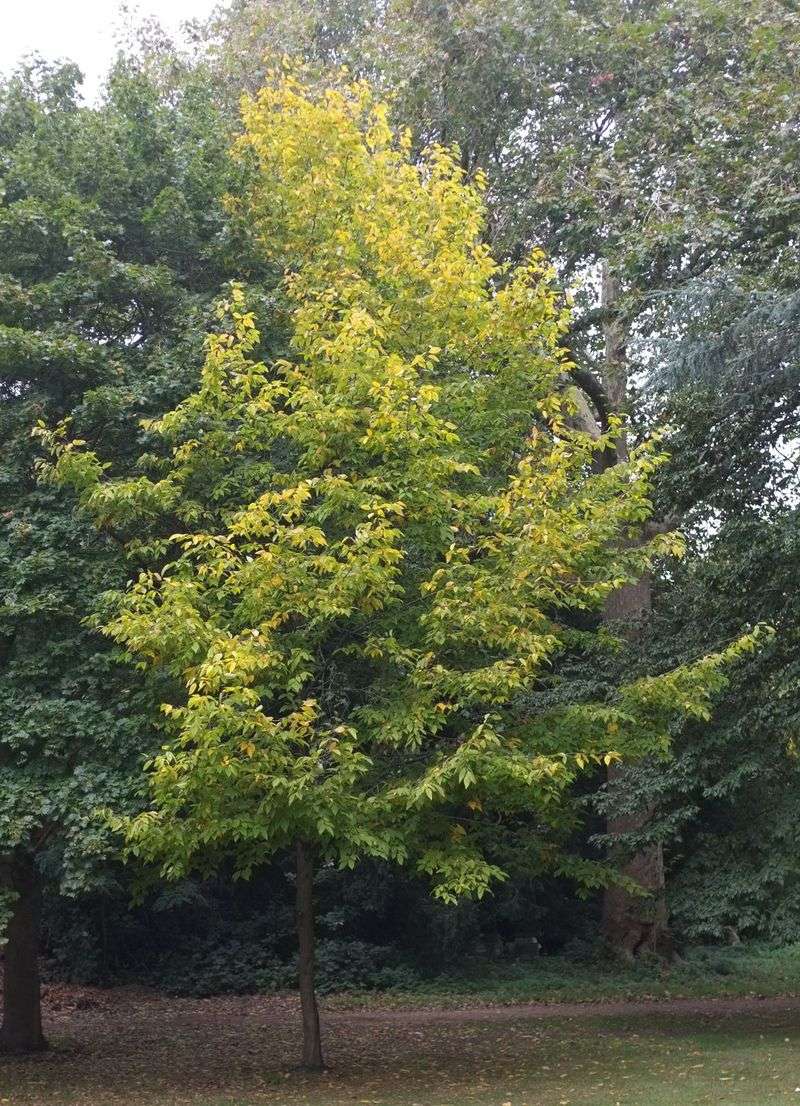
Eastern hophornbeam has a quiet toughness about it that earns respect once you understand what this tree can handle.
Ostrya virginiana grows at a modest pace and typically reaches between twenty-five and forty feet tall over many decades, though front-yard specimens in average soil conditions often stay considerably smaller and more compact for a long time.
That slow growth rate means it fits into a Pennsylvania front yard for many years before it ever feels crowded or out of scale.
The common name comes from the hop-like seed clusters that hang from the branches in late summer and fall, resembling the hops used in brewing.
Those papery, inflated clusters are a real conversation starter and add textural interest that most ornamental trees simply do not offer.
The bark has a shreddy, fibrous look that provides subtle winter interest, and the dark green summer foliage turns a soft yellow in autumn before dropping cleanly.
One of the practical strengths of eastern hophornbeam is its tolerance for dry, rocky, or poor soils, which are conditions found in many Pennsylvania front yards, especially on slopes or in areas with thin topsoil.
It handles full sun to partial shade and does not need a lot of attention once it is established and settled in.
The seeds attract birds and small mammals, which adds wildlife value to a front yard without requiring any extra effort from the homeowner. For a tree that brings both charm and quiet resilience, eastern hophornbeam is worth a much closer look.
6. Blackhaw Adds Beauty Through The Seasons
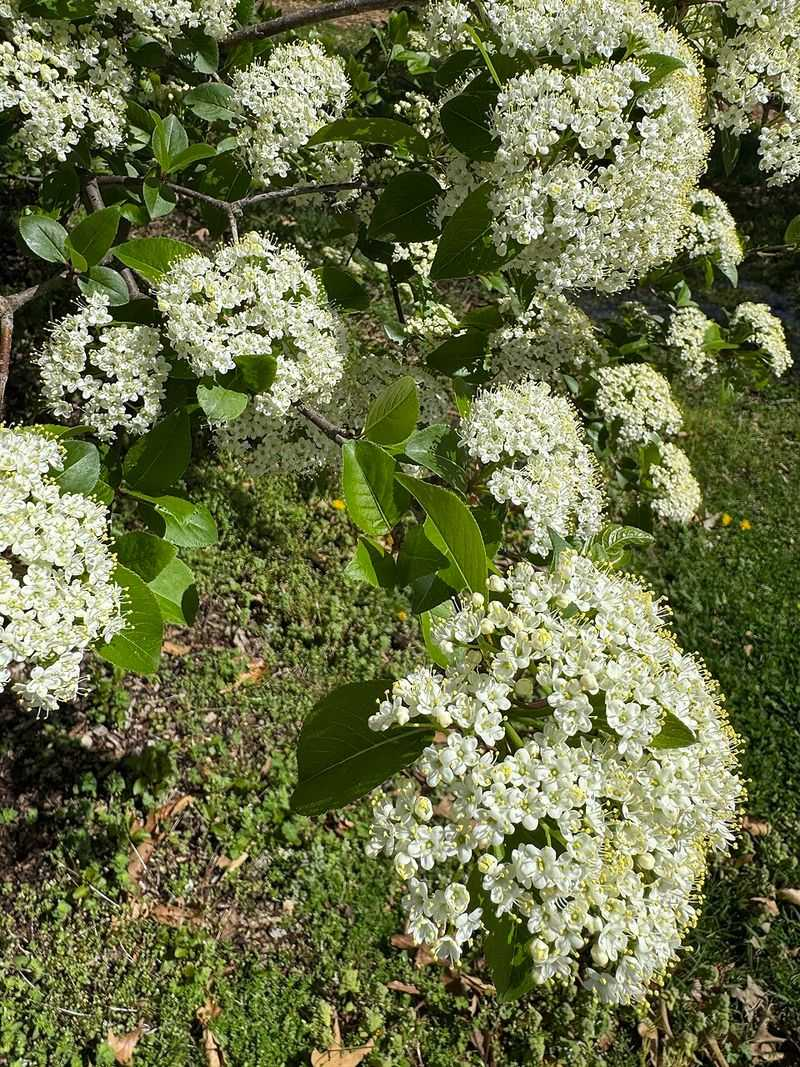
Blackhaw is the kind of native Pennsylvania tree that rewards you with something new in nearly every season, and yet it rarely shows up in front-yard plantings the way it deserves to.
Viburnum prunifolium grows as a large shrub or small tree, typically reaching between twelve and fifteen feet tall in most landscape settings, which makes it an excellent fit for front yards where vertical space is limited but seasonal interest is a real priority.
Spring brings flat-topped clusters of creamy white flowers that cover the canopy in mid-to-late spring, a little later than serviceberry and dogwood, which helps extend the season of bloom in a thoughtfully planted front yard.
Summer foliage is a clean, glossy dark green that holds up well through the heat.
Then in fall, the leaves shift to a range of colors from wine-red to deep burgundy, and clusters of dark blue-black fruit ripen on the branches, providing food for birds well into the cooler months.
Blackhaw is notably adaptable across Pennsylvania growing conditions. It handles both dry and moderately moist soils, tolerates partial shade as well as full sun, and does not require much maintenance once it settles in.
That flexibility makes it useful in a range of front-yard situations, from a sunny open lawn to a slightly shaded entry bed near the house. Wildlife value is strong, with the fruit drawing in birds through late fall.
For a native small tree that earns its place in every season, blackhaw is genuinely hard to beat.