These Are The Arizona Garden Tasks You Should Be Doing Right Now To Prepare For Monsoon Season
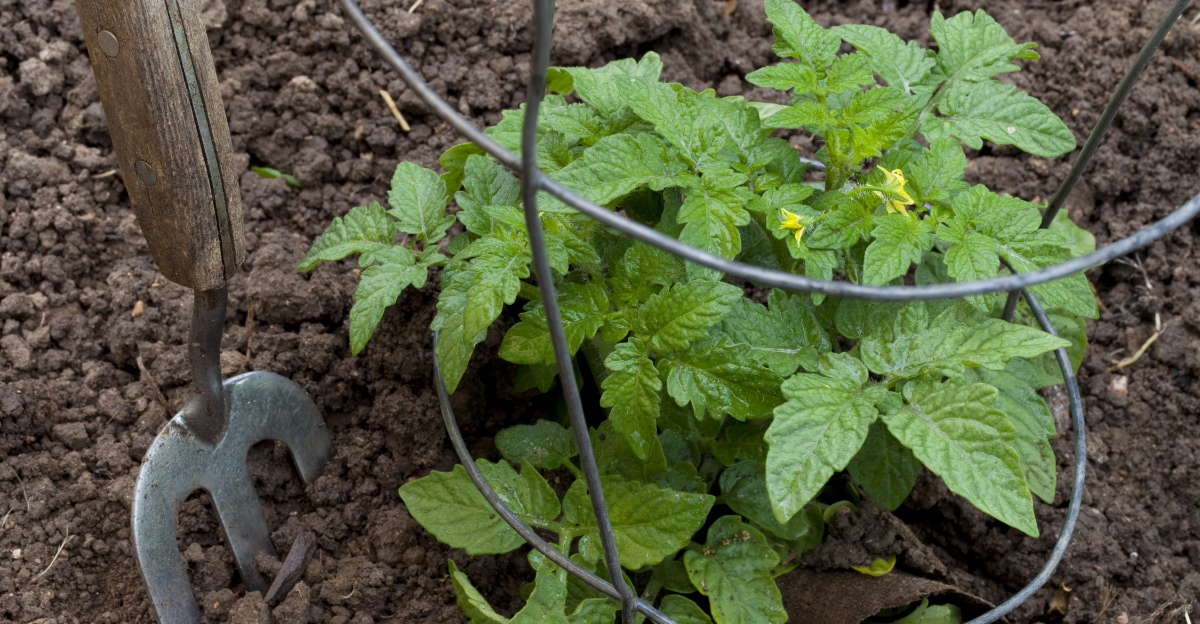
Arizona yards can look completely different once monsoon season starts getting closer. Strong wind begins showing up more often.
Dust blows through open spaces. Dry soil suddenly has to handle heavy rain in a very short amount of time.
Some gardens handle that shift much better than others.
Weak tree branches often start causing problems first. Tall plants may lean over after strong wind arrives.
Blocked drainage areas can also flood quickly once summer storms begin rolling through the desert.
Small yard tasks become far more important during this part of the season. Securing loose containers, checking drainage paths, and trimming damaged growth early can prevent a lot of frustration later.
Gardens that get prepared ahead of monsoon season usually recover faster after storms and stay in much better shape through the roughest part of summer.
1. Securing Young Trees Before Strong Storm Winds Arrive
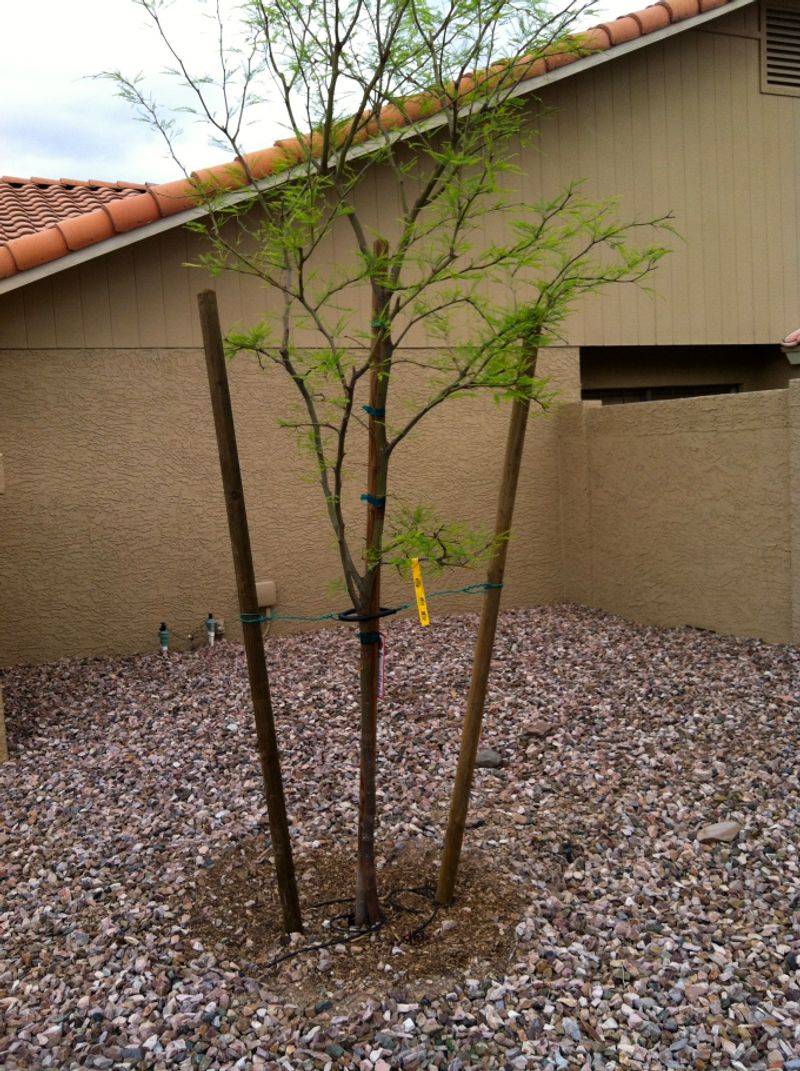
Young trees snap faster than you think when monsoon winds hit. A tree under three years old has not built the root depth to hold itself steady in a 60 mph gust.
Waiting until storm warnings pop up on your phone is already too late.
Drive two wooden stakes into the ground on opposite sides of the trunk. Use soft fabric ties, never wire, to attach the trunk loosely.
The tree needs a little movement so roots get stronger, but not so much that it tips over.
Check the ties every two weeks. Fabric can wear through or tighten as the trunk grows.
Adjust as needed so you are not accidentally cutting into the bark.
Skip staking trees that are already four or five years old. At that point, forcing stakes can actually limit root development.
Focus your effort on newly planted specimens that went in the ground this past spring.
Sandy desert soil drains fast but does not grip roots firmly during saturated conditions. Adding a small soil berm around the base can reduce lean risk.
Pair that with your staking setup for the most reliable protection during early-season storms.
Heavy summer rain can loosen sandy desert soil around young trees very quickly.
Loose soil combined with strong wind gusts is what causes many young desert trees to lean after storms.
2. Clearing Drainage Areas Before Heavy Rain Starts
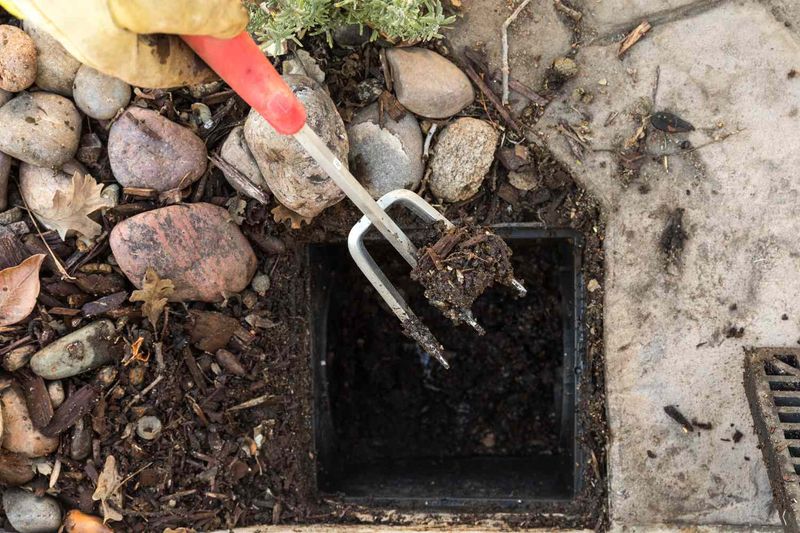
One clogged drain can flood an entire garden bed in under ten minutes during a monsoon downpour. Debris builds up fast in dry months.
Leaves, seed pods, and blown-in trash settle into channels without anyone noticing until water has nowhere to go.
Walk your yard right now and trace every drainage path. Look for swales, French drains, gravel channels, and any low spots where water naturally moves.
Clear out anything blocking those routes completely.
Pay close attention to areas near block walls and fences. Water that pools against a wall can undermine the foundation over time.
Even a small gap of six inches needs to stay clear for proper flow.
Dry riverbeds made from decorative rock are popular in desert landscaping, but they trap debris quickly. Rake them out and reset displaced rocks before the first storm arrives.
Your Arizona Garden Changes Every Week. Your Plan Should Too.
Gardening in Arizona changes quickly throughout the season. Every Friday you’ll receive a simple weekly plan showing exactly what to plant, prune, fertilize, harvest, and protect so you never miss the right timing.
A few minutes of work now prevents hours of cleanup later.
Downspouts from roof gutters also need attention. Point them away from plant beds and toward open ground or a designated drainage zone.
Concentrated roof runoff hitting the same spot repeatedly can erode soil around root systems fast.
Check your drainage setup after every major storm too. Channels shift, gravel moves, and debris reaccumulates quickly in humid monsoon conditions.
Standing water that lingers too long can also weaken roots and damage desert plants that normally handle dry conditions well.
3. Moving Containers Away From Flood-Prone Spots
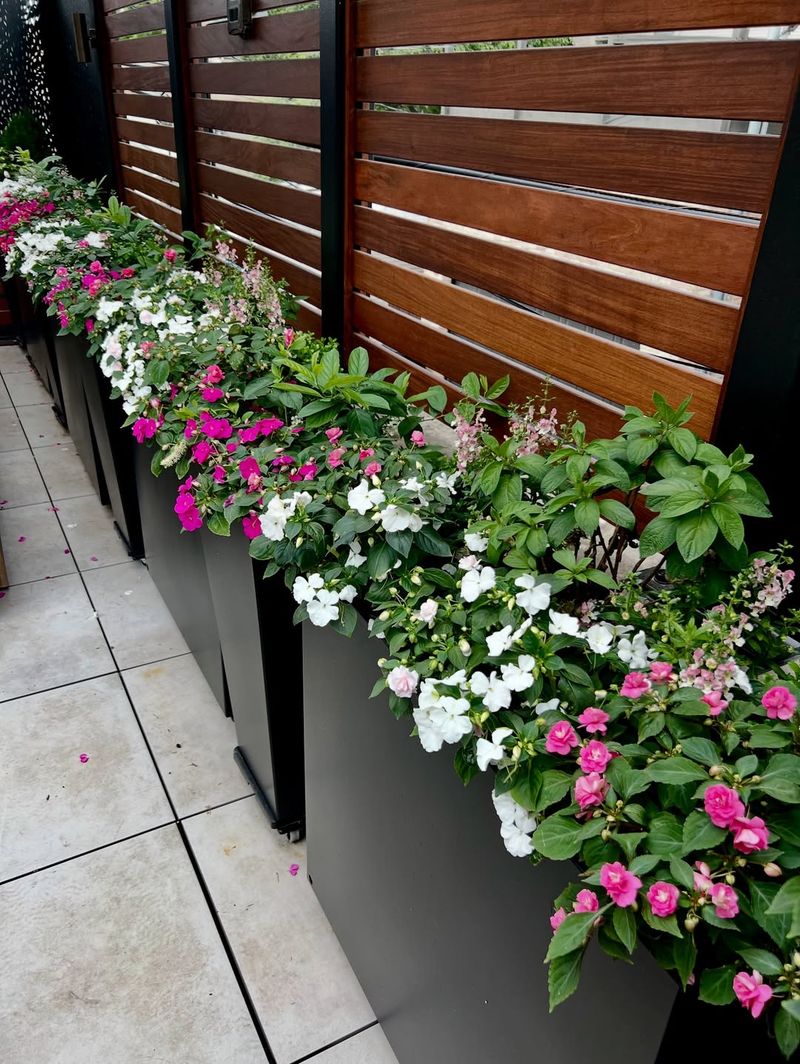
Containers sitting in a low corner of the patio are basically waiting to get waterlogged. Monsoon rain does not trickle down slowly.
It dumps hard and fast, and pots without proper drainage become miniature flood zones within minutes.
Scout your yard for any spots where water visibly collects after even a light rain. Move every container away from those zones before storm season kicks in.
Higher ground, covered patios, and sheltered wall spaces are all better options.
Heavy ceramic and terracotta pots crack when they fill with water and then shift or tip in wind. A cracked pot mid-storm is a mess you do not want to deal with in the rain.
Move them early and save yourself the hassle.
Group containers together near a wall with overhead coverage if possible. Wind hits isolated pots harder than clustered ones.
A tight grouping also makes it easier to toss a tarp over everything if a serious storm is heading your way.
Lightweight plastic pots need extra attention. They blow over easily even in moderate gusts.
Weigh them down with extra soil, or move them inside a garage or shed when storm warnings are active.
Succulents and cacti in containers handle brief flooding poorly despite their drought-tough reputation. Get them onto elevated surfaces or completely undercover before monsoon season peaks.
4. Checking Irrigation Lines For Early Summer Damage
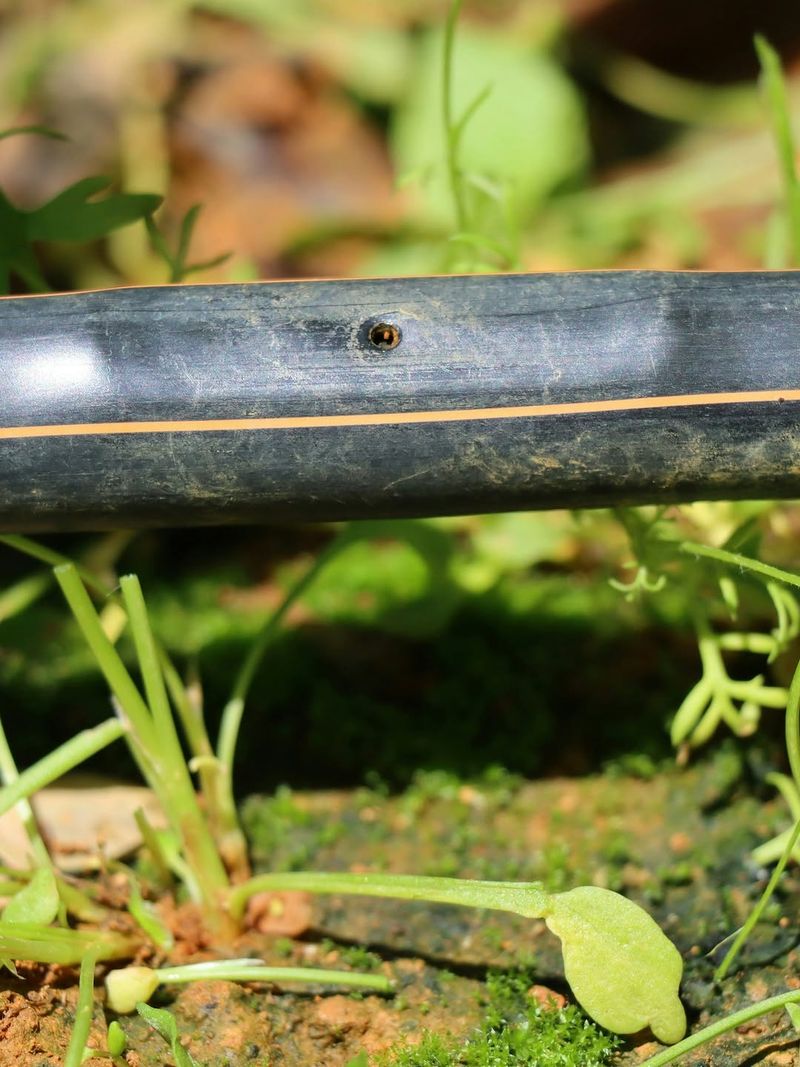
Summer heat does a number on plastic irrigation lines before monsoon even shows up. UV exposure cracks emitters, warps connectors, and makes tubing brittle enough to snap under normal water pressure.
Running damaged lines into a wet monsoon season just makes everything worse.
Turn your system on and walk the entire line while it runs. Look for sprays coming from spots that should only drip.
Check every emitter head and connection point for visible cracking or separation.
Buried lines are harder to inspect but worth the effort. Probe the soil near buried sections after running the system for a few minutes.
Soggy patches in unexpected spots usually mean a crack underground. Mark those areas and dig them up for repair.
Replace any emitter that is clogged or dripping unevenly. Inconsistent watering during monsoon season creates a strange combination of overwatered and underwatered zones in the same bed.
Plants respond poorly to that kind of stress.
Backflow preventers should also be tested before the season changes. These small valves keep storm water from pushing back into your water supply.
A failing backflow preventer can contaminate your irrigation water source.
Finish all repairs before humidity levels rise. Adhesives and repair fittings cure better in dry conditions.
Trying to patch a line in monsoon-level humidity can leave weak seals that fail quickly under pressure.
5. Trimming Weak Limbs Before Dust Storms Return
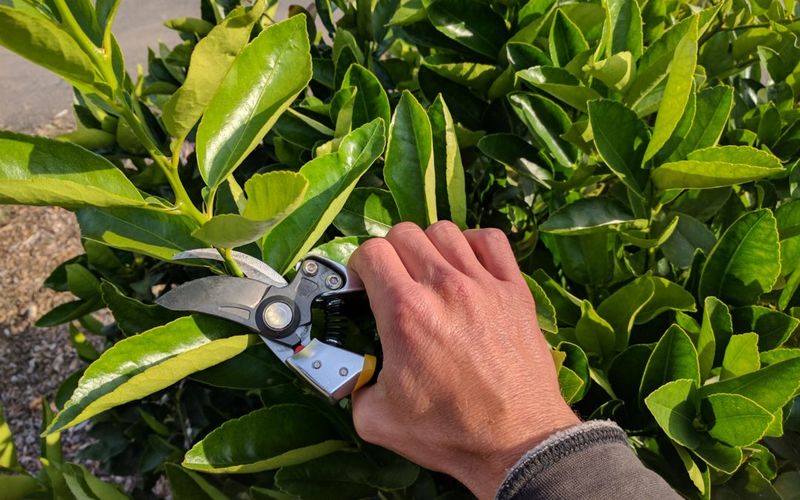
Dust storms hit without much warning, and weak limbs become projectiles fast. A cracked branch hanging on by bark alone can take out a fence, a window, or another plant when wind speeds climb.
Pruning now is basic storm prep that most gardeners skip.
Focus on limbs that already show cracks, hollow spots, or bark damage from the summer heat. Those are the first to go in a strong gust.
Remove them cleanly at the branch collar, not flush with the trunk.
Do not over-prune. Removing too much canopy at once stresses the tree and exposes bark to intense sun.
A general rule is to stay under twenty-five percent of the total canopy in a single pruning session.
Crossing branches that rub together also need attention. Constant friction creates open wounds that pests and moisture can get into.
Pick the weaker of the two crossing branches and remove it entirely.
Palms in the Southwest often grow heavy skirts of old fronds. Those dried fronds catch wind like sails during dust storms.
Pull or cut them off before monsoon season to reduce the drag load on the trunk.
Dispose of trimmed material quickly. Piles of cut branches sitting in the yard become wind debris the moment a haboob rolls through.
Chip them, bag them, or haul them out before the first storm of the season.
6. Replacing Mulch Around Heat-Stressed Plants

Old mulch breaks down over summer and loses its ability to regulate soil temperature and hold moisture. By the time monsoon arrives, a thin layer of decomposed mulch does almost nothing to protect roots from sudden temperature swings or standing water.
Pull away whatever is left of last season’s mulch and check the soil underneath. Compacted, crusted soil needs to be loosened before you add a fresh layer.
Water and air move through loose soil far more efficiently during heavy rain events.
Organic mulch like shredded bark or wood chips works well in desert gardens. Apply a fresh layer two to three inches deep around the base of shrubs, trees, and perennials.
Keep it a few inches away from the crown of each plant to prevent rot.
Avoid piling mulch too thick. Over four inches in a desert climate can trap too much moisture against roots during the wet monsoon period.
Moderation matters here more than most gardeners realize.
Gravel mulch is popular in desert landscaping but does not insulate roots the same way organic material does. If your beds use decorative gravel, consider adding a thin band of organic mulch directly around plant bases for added protection.
Fresh mulch also slows weed seeds from germinating during the humid monsoon weeks. That benefit alone makes it worth the effort before storm season starts.
7. Supporting Tomato Plants Before Sudden Wind Gusts
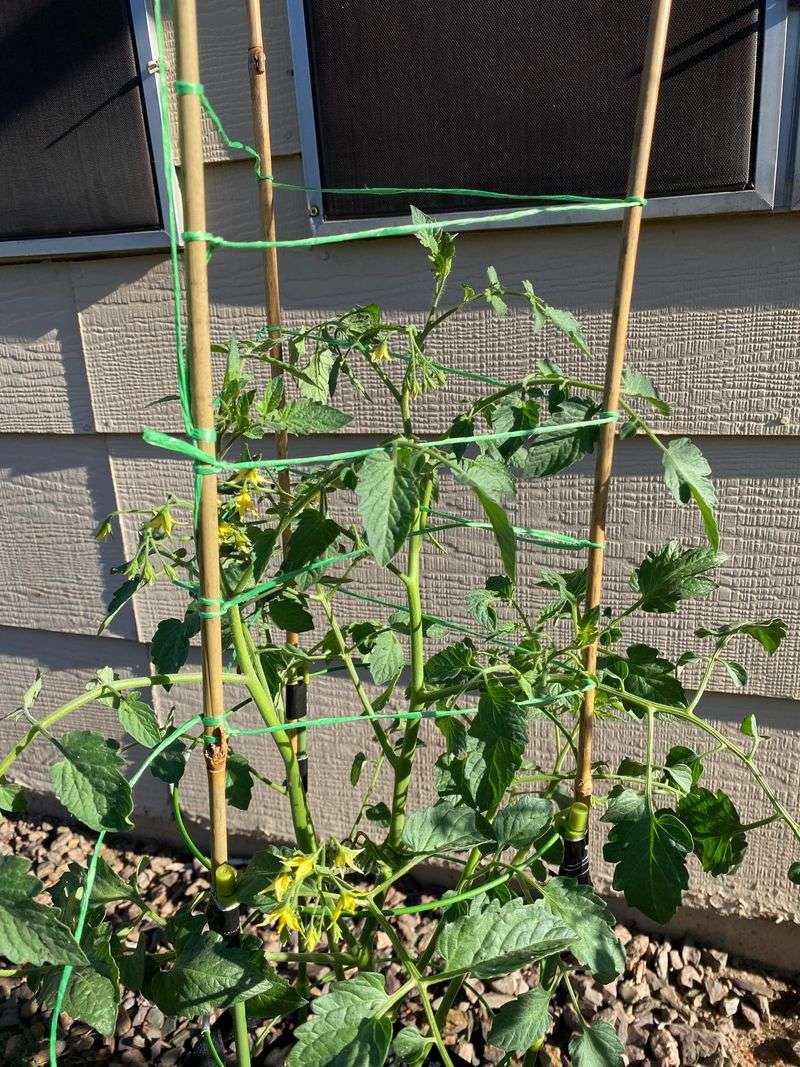
Tomatoes are already working hard in desert summer heat. Add a sudden 50 mph wind gust and an unsupported plant can snap at the main stem in seconds.
Proper support is not optional when monsoon season is on the way.
Check every cage and stake already in place. Push down on them firmly.
If they wobble, they will not hold in a real storm. Drive stakes deeper or replace flimsy wire cages with sturdier options before the first wave of storms hits.
Tall indeterminate varieties need more than a basic tomato cage. Tie the main stem to a heavy stake using soft garden twine.
Check every twelve inches of height and add a tie wherever the stem feels unsupported.
Prune out some of the heaviest foliage from the upper canopy if plants are getting large. Dense foliage catches wind like a flag.
Thinning it slightly reduces the load on the stem during gusts without slowing fruit production significantly.
Raised beds help with drainage during monsoon rains, but they also expose roots to more wind movement. Anchor stakes deeper in raised bed soil since it tends to be looser than in-ground garden soil.
After each storm, inspect every tie and cage for damage. Wind can loosen even well-placed supports overnight.
A quick five-minute check after each storm keeps plants upright through the full monsoon stretch.
8. Pulling Weeds Before Humid Weather Speeds Up Growth
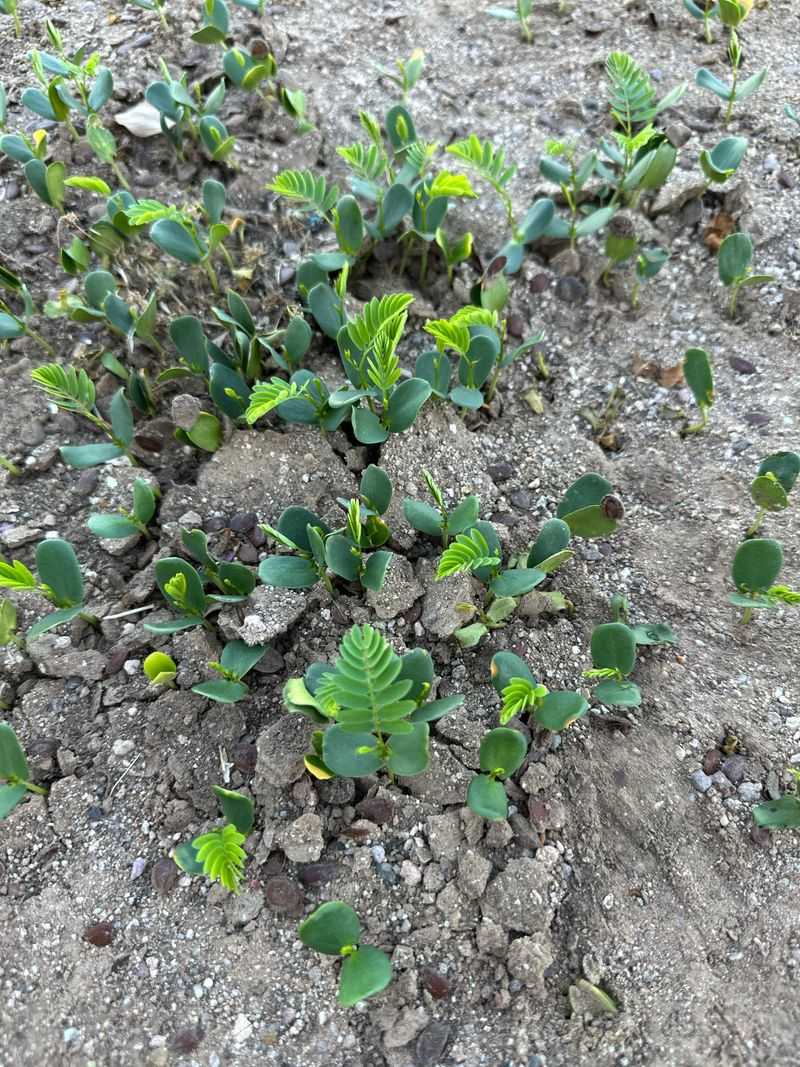
Weeds that look manageable right now will explode once monsoon humidity arrives. Desert soil holds dormant weed seeds all summer long, just waiting for moisture.
A few scattered plants can turn into a full-scale invasion within two weeks of the first rains.
Pull everything you can see before the season shifts. Do not wait for a perfect weekend.
Even one hour of weeding now removes a huge number of seed-producing plants before they get the water they need to spread.
Focus on weeds closest to your garden beds first. Proximity matters because seeds drop right where the parent plant stands.
Clearing a two-foot perimeter around valued plants gives them a head start over weed competition.
Wet soil after an early monsoon rain makes pulling roots much easier. Keep a hand weeder nearby and hit weeds within a day or two of rain while the ground is still soft.
Timing that effort correctly saves a lot of muscle work.
Avoid letting pulled weeds sit on top of the soil. Some species can re-root if left in contact with moist ground.
Bag them or move them to a dry area away from garden beds immediately after pulling.
Applying a fresh layer of mulch after weeding slows regrowth significantly. Weed seeds need light and bare soil contact to sprout.
Cover that bare ground and you cut down on the next round of pulling before it even starts.