11 Unusual Garden Ideas Texas Gardeners Swear By For Big Impact On A Budget
A Texas garden often pushes you to rethink what creativity truly means.
Heat rises early, storms arrive fast, and soil conditions shift from one yard to the next without warning.
You stand in that landscape with a desire for bold color, clever structure, and strong personality, yet a tight budget forces a new level of resourcefulness.
At that moment, the most unusual ideas begin to hold real value.
Everyday objects take on fresh purpose, forgotten corners of the yard evolve into vivid focal points, and simple adjustments create dramatic visual impact without a heavy cost.
Texas gardeners across the state rely on unexpected tricks that deliver beauty, resilience, and charm long after traditional methods fall short.
You gain confidence as each idea reshapes your space with surprising power, and the garden reflects your own ability to adapt, imagine, and thrive under the Texas sun.
1. Repurposed Livestock Tanks As Raised Beds
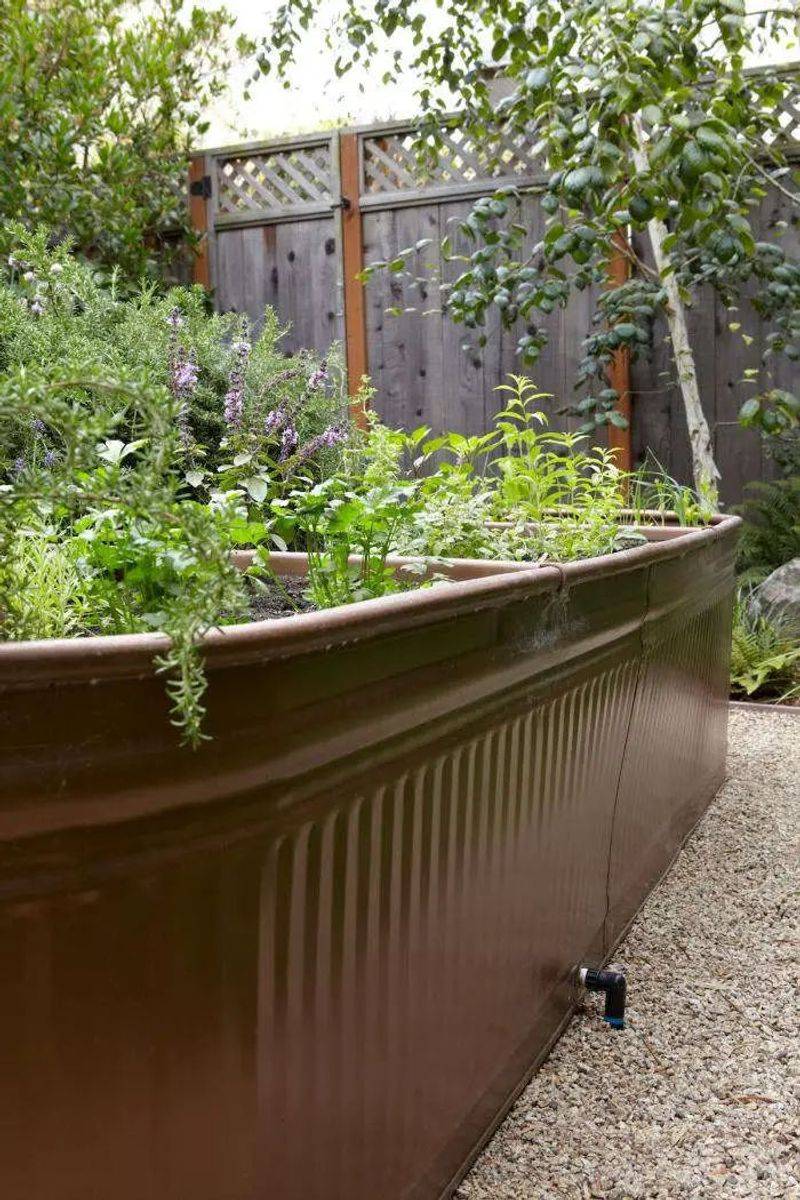
Galvanized stock tanks from farm supply stores cost a fraction of traditional raised bed kits.
These sturdy metal containers hold up beautifully under the intense Texas sun and last for decades.
Drill drainage holes in the bottom, fill with quality soil, and you’ve got an instant garden bed that’s tall enough to save your back from strain.
The reflective metal surface actually helps moderate soil temperature during scorching summers.
Texas gardeners love how these tanks keep out burrowing pests like gophers and moles that plague ground-level gardens.
You can find used tanks at farm auctions for even less money, giving them a second life while keeping costs minimal.
They work perfectly for vegetables, herbs, or even small fruit bushes.
The industrial look adds unexpected charm to both rustic and modern landscapes.
Many Texas homeowners group several tanks together to create an entire productive garden space.
This approach saves water too, since the contained environment reduces evaporation compared to traditional in-ground beds.
Setup takes less than an hour, making this one of the quickest garden upgrades available.
2. Native Texas Wildflower Guerrilla Seeding
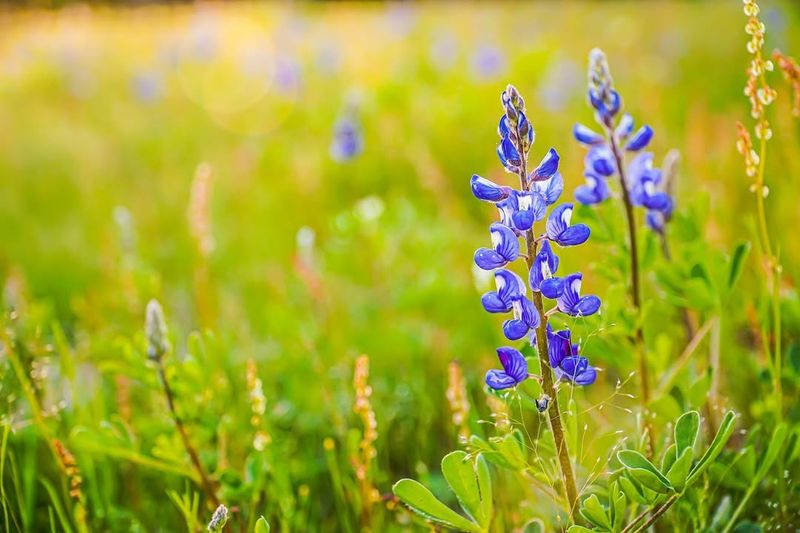
Scattering native wildflower seeds in bare spots creates breathtaking color without ongoing maintenance.
Bluebonnets, Indian paintbrush, and black-eyed Susans thrive in Texas soil with minimal water once established.
The trick is to scatter seeds in fall, letting winter rains and cold temperatures naturally prepare them for spring germination.
Unlike expensive perennials from nurseries, wildflower seeds cost just a few dollars per pound and cover massive areas.
These flowers evolved in Texas conditions, so they handle heat, drought, and poor soil that would stress other plants.
Many Texas gardeners toss seed bombs made from clay, compost, and seeds into neglected corners of their property.
Come spring, those forgotten areas explode with vibrant blooms that attract butterflies and beneficial insects.
The self-seeding nature means your initial investment keeps paying dividends year after year.
This approach works beautifully along fence lines, in ditches, or anywhere traditional landscaping seems too expensive or labor-intensive.
Native wildflowers also support local pollinators, making your garden an ecological asset.
The casual, natural look fits perfectly with Texas’s relaxed outdoor lifestyle.
3. Concrete Block Vertical Gardens
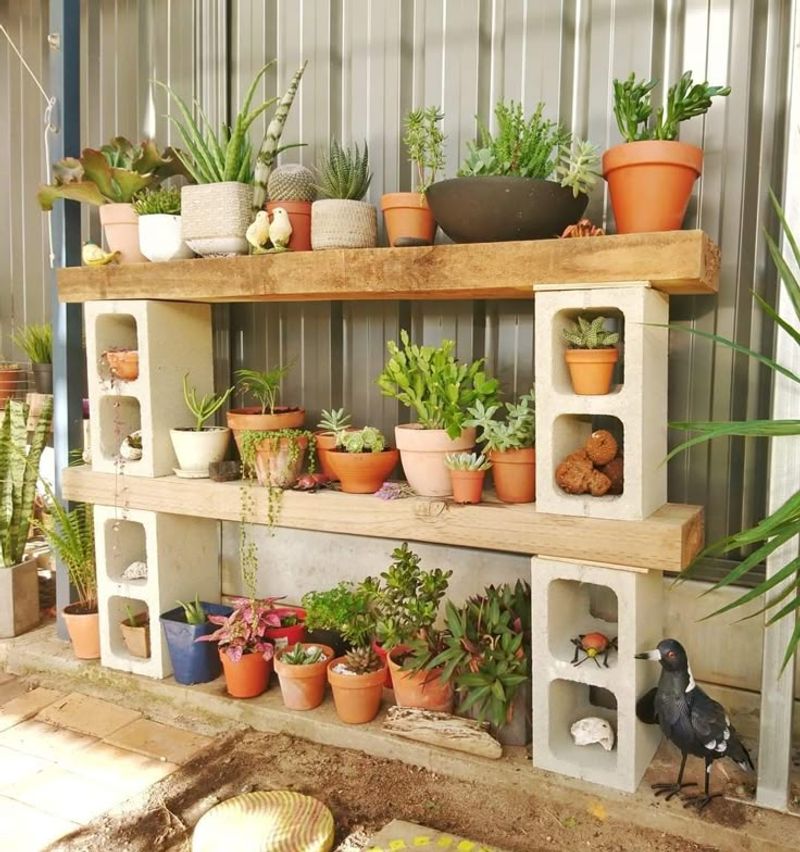
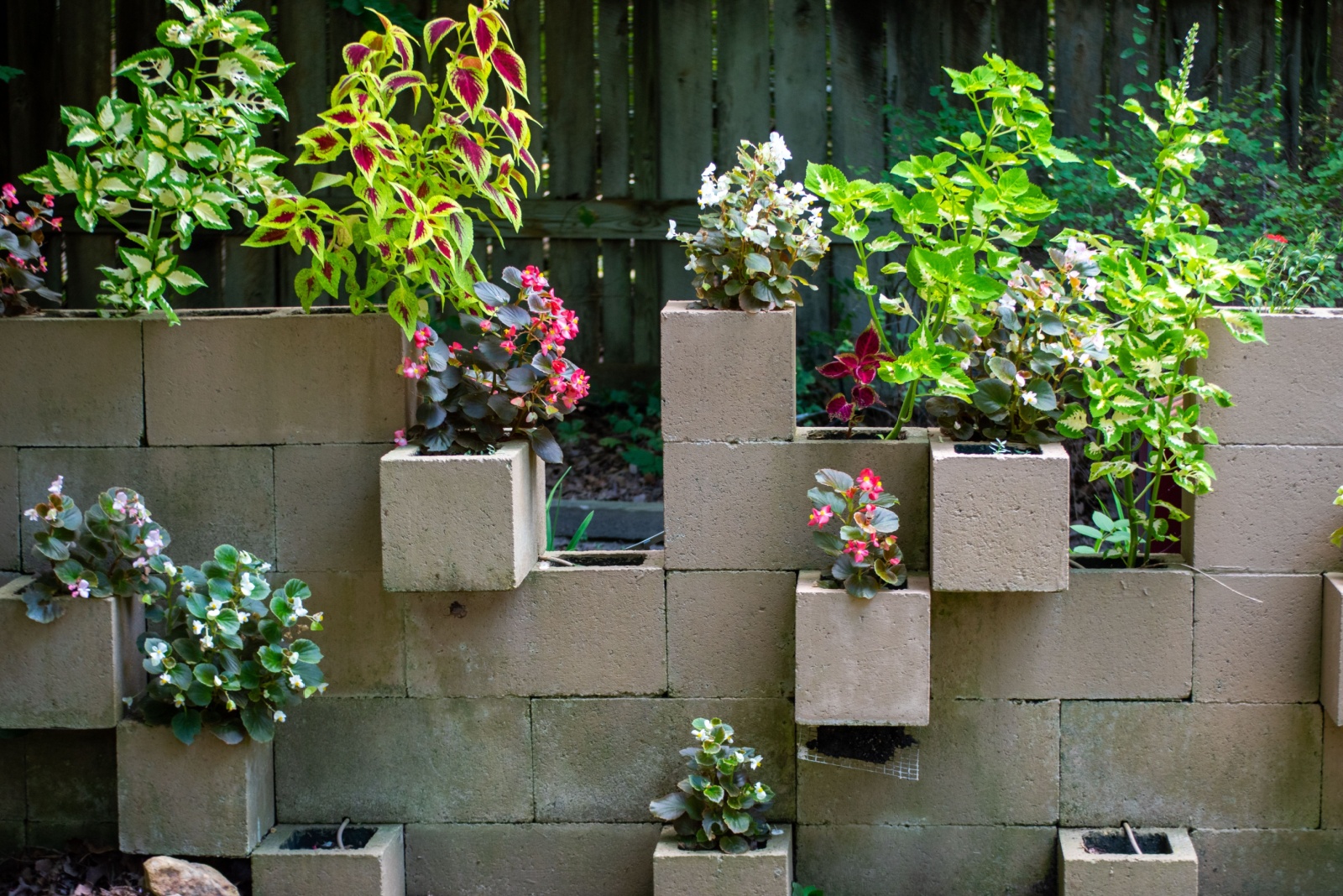
Standard concrete blocks from hardware stores transform into stylish vertical planters when stacked creatively.
The hollow centers of each block become perfect pockets for herbs, succulents, or trailing flowers.
Texas gardeners appreciate how these structures withstand wind and weather while providing excellent drainage.
Stack them in pyramid shapes, straight columns, or zigzag patterns to match your aesthetic preferences.
This method maximizes growing space in small yards or patios where ground area is limited.
The thermal mass of concrete helps buffer temperature swings, protecting plant roots during temperature extremes.
You can paint or stain the blocks to coordinate with your home’s exterior for a more polished appearance.
Many creative Texans use these structures as garden dividers or privacy screens that serve double duty.
The blocks cost just a couple dollars each, making this one of the most affordable vertical gardening solutions available.
Filling the blocks with drought-tolerant plants reduces water needs while maintaining visual interest.
Setup requires no special skills—just stack, fill with soil, and plant.
This approach works equally well for edible gardens or purely decorative displays.
4. Mulch From Arborist Wood Chips
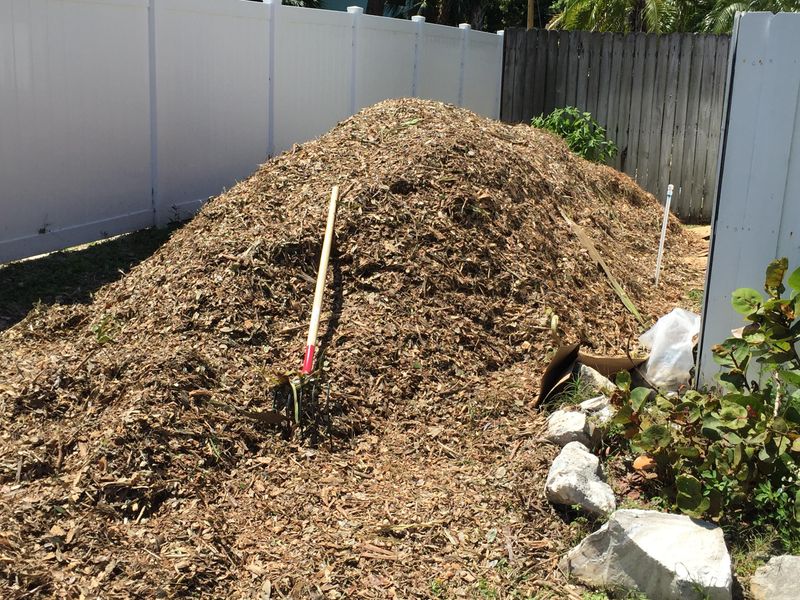
Tree service companies often deliver truckloads of fresh wood chips completely free to local residents.
These chips make excellent mulch that suppresses weeds, retains moisture, and gradually enriches soil as they decompose.
Texas’s hot climate means mulch is essential for protecting plant roots and reducing water evaporation.
While bagged mulch from garden centers costs a small fortune, arborist chips cost nothing except a phone call.
Spread a thick layer around trees, shrubs, and garden beds to instantly improve your landscape’s appearance.
The variety of wood types and chip sizes creates a natural, textured look that feels more organic than uniform commercial mulch.
As the chips break down, they feed beneficial soil organisms and improve soil structure over time.
Many Texas gardeners find that this free resource eliminates their mulch budget entirely while providing superior results.
Fresh chips might temporarily tie up nitrogen as they decompose, but adding a bit of fertilizer solves this minor issue.
The practice also helps tree services dispose of their waste responsibly, creating a win-win situation.
Pathways covered in wood chips provide comfortable walking surfaces that drain well during rainstorms.
5. Repurposed Pallets For Garden Structures
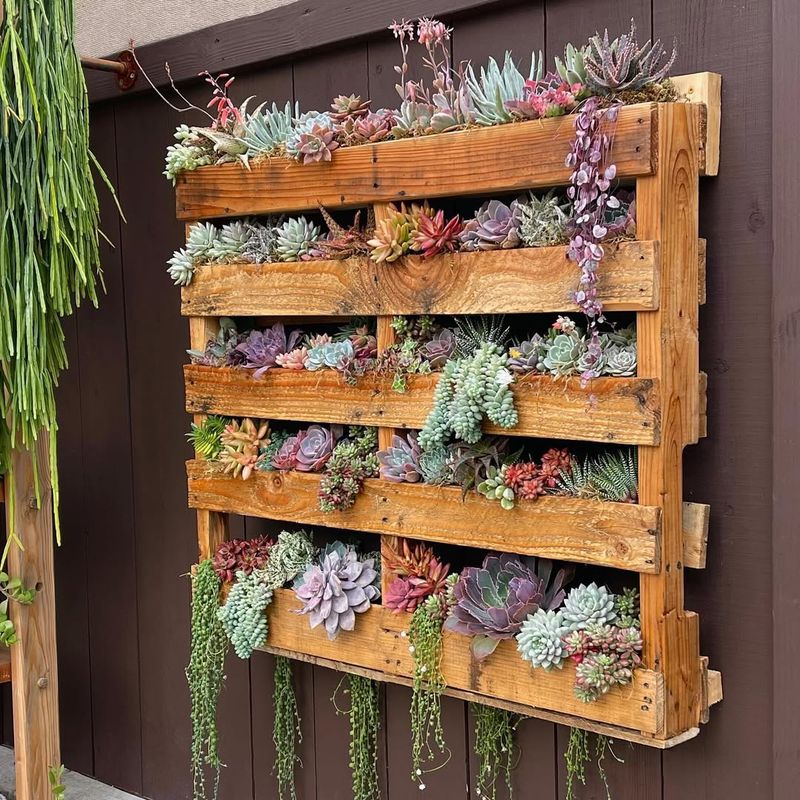
Free wooden pallets from businesses transform into trellises, compost bins, potting benches, and vertical planters with minimal effort.
Texas gardeners appreciate how these sturdy structures handle the state’s unpredictable weather patterns.
Standing a pallet upright creates an instant trellis for climbing beans, cucumbers, or morning glories.
Attached to a wall, pallets become vertical herb gardens with plants growing from the spaces between slats.
The rustic wood aesthetic complements both country and contemporary garden designs.
Breaking down pallets provides free lumber for building raised beds or garden borders.
Many businesses are happy to give away pallets rather than pay disposal fees, so sourcing materials is simple.
A quick sanding and coat of outdoor stain transforms rough pallets into attractive garden features.
The gaps between boards provide natural drainage and air circulation for plants.
Texas heat can warp cheaper materials, but pallet wood is typically thick enough to maintain its shape.
This approach keeps useful materials out of landfills while beautifying your outdoor space.
Creativity is the only limit—pallets adapt to countless garden applications at zero cost.
6. Rain Barrel Water Collection Systems
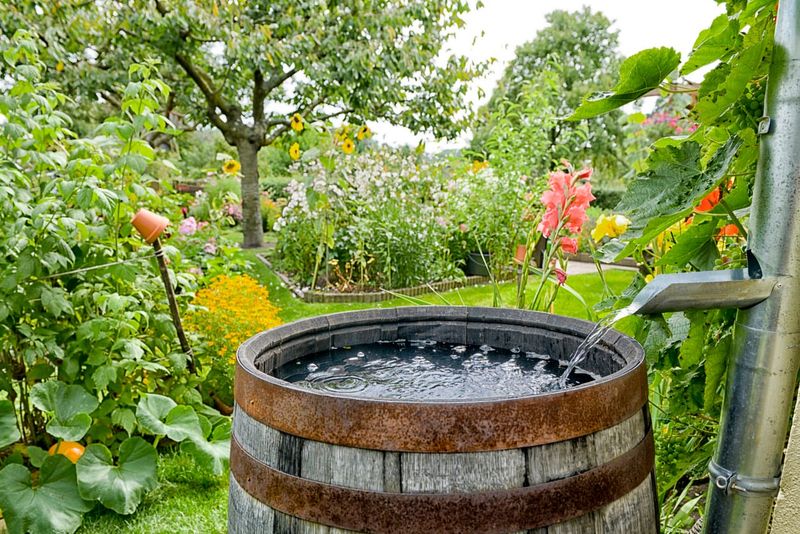
Capturing roof runoff in barrels provides free irrigation water during Texas’s frequent dry spells.
A single inch of rain on a 1,000-square-foot roof yields over 600 gallons of harvestable water.
Food-grade barrels from restaurants or car washes often cost just twenty dollars or come free if you ask nicely.
Installing a simple diverter on your downspout takes less than an hour and requires basic tools.
The collected water is perfect for gardens, being free of chlorine and other chemicals found in municipal supplies.
Texas gardeners save significantly on water bills during summer months when outdoor watering drives up costs.
Adding a spigot near the bottom makes filling watering cans effortless.
Some creative homeowners paint their barrels with colorful designs, turning functional items into garden art.
Elevating barrels on concrete blocks provides gravity-fed pressure for soaker hoses or drip irrigation.
This system helps manage stormwater runoff while giving plants the moisture they need to thrive.
Multiple barrels can be connected together to increase storage capacity for longer dry periods.
The environmental benefits and cost savings make this one of the smartest investments for Texas gardens.
7. Sunken Pot Irrigation Technique

Burying unglazed clay pots near plant roots creates an ancient irrigation system that saves water and effort.
Fill the buried pot with water, and it slowly seeps through the porous clay directly to plant roots.
This method, called olla irrigation, reduces water waste from evaporation—critical in Texas’s arid climate.
Plants develop deeper root systems as they reach toward the moisture source, making them more drought-resistant.
Inexpensive terracotta pots from dollar stores work perfectly for this purpose.
Simply plug the drainage hole with a cork or silicone, bury the pot leaving just the rim exposed, and fill weekly.
Texas gardeners report using half the water compared to surface watering while achieving better plant growth.
The technique works especially well for tomatoes, peppers, and squash that need consistent moisture.
During scorching summer days, the underground water stays cool and available when plants need it most.
This low-tech solution requires no electricity, pumps, or complicated equipment.
A single pot can hydrate plants within an eighteen-inch radius, making placement strategic and efficient.
The initial setup takes minutes, and maintenance involves nothing more than occasional refilling.
8. Newspaper And Cardboard Weed Barriers
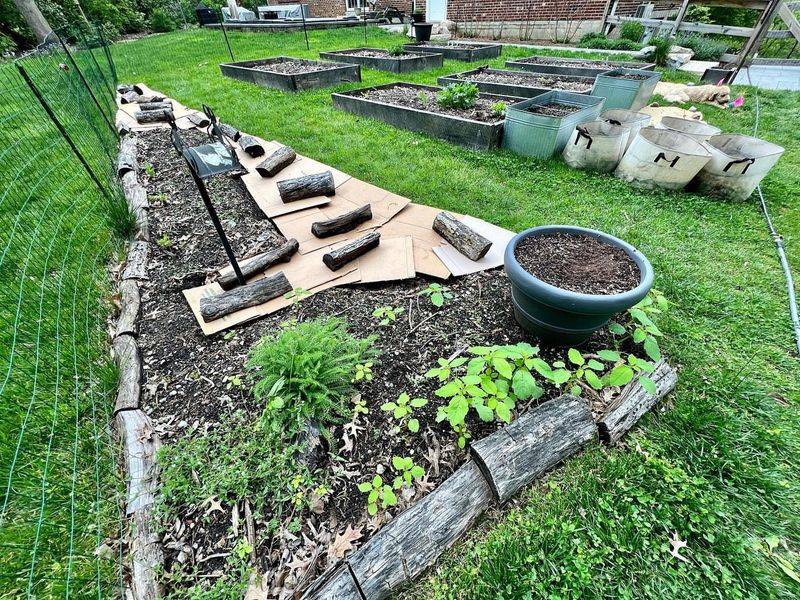
Smothering weeds under layers of newspaper or cardboard eliminates them without chemicals or back-breaking labor.
This sheet mulching technique blocks sunlight while allowing water and air to penetrate to the soil below.
Texas gardeners love how this method transforms weedy areas into plantable beds within a single season.
Overlap newspaper sections by several inches, wet them thoroughly, then cover with compost or wood chips.
The paper breaks down over months, enriching soil while preventing new weed seeds from germinating.
Cardboard from appliance stores or grocery stores costs nothing and handles larger areas quickly.
This approach works beautifully for creating new garden beds without renting a tiller or removing existing vegetation.
The decomposing paper feeds earthworms and beneficial microorganisms that improve soil health.
Within weeks, you can cut through the barrier to plant directly without disturbing the weed-suppressing layer.
Many Texas homeowners use this technique to reclaim overgrown areas or convert lawn sections to gardens.
The method is completely organic, making it perfect for edible gardens where chemical residues are a concern.
Results rival expensive landscape fabric while costing practically nothing and being fully biodegradable.
9. Tire Planter Towers
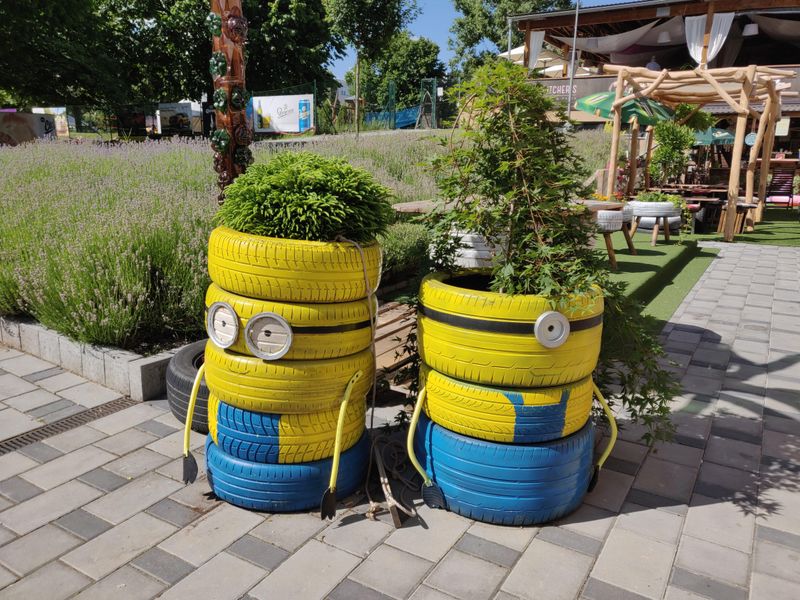
Old tires stacked and filled with soil create vertical growing space that’s virtually indestructible.
Tire shops often give away used tires for free, happy to avoid disposal fees.
Paint them in bright colors or patterns to transform potential eyesores into cheerful garden features.
The rubber insulates plant roots from temperature extremes common in Texas gardens.
Stack three to five tires high, offsetting each layer slightly to create planting pockets along the sides.
This technique works wonderfully for strawberries, herbs, or trailing flowers that cascade down the sides.
The contained environment warms up quickly in spring, giving plants an early start to the growing season.
Texas gardeners appreciate how tires don’t rot, crack, or deteriorate like wooden containers.
Drainage is excellent since water flows freely through the stacked structure.
For potatoes, this method simplifies harvesting—just remove tires one by one to collect your crop.
Some creative folks cut decorative patterns into the tire sidewalls before painting for added visual interest.
This recycling approach keeps tires out of landfills while providing functional garden space that costs nothing.
10. Epsom Salt Soil Amendment
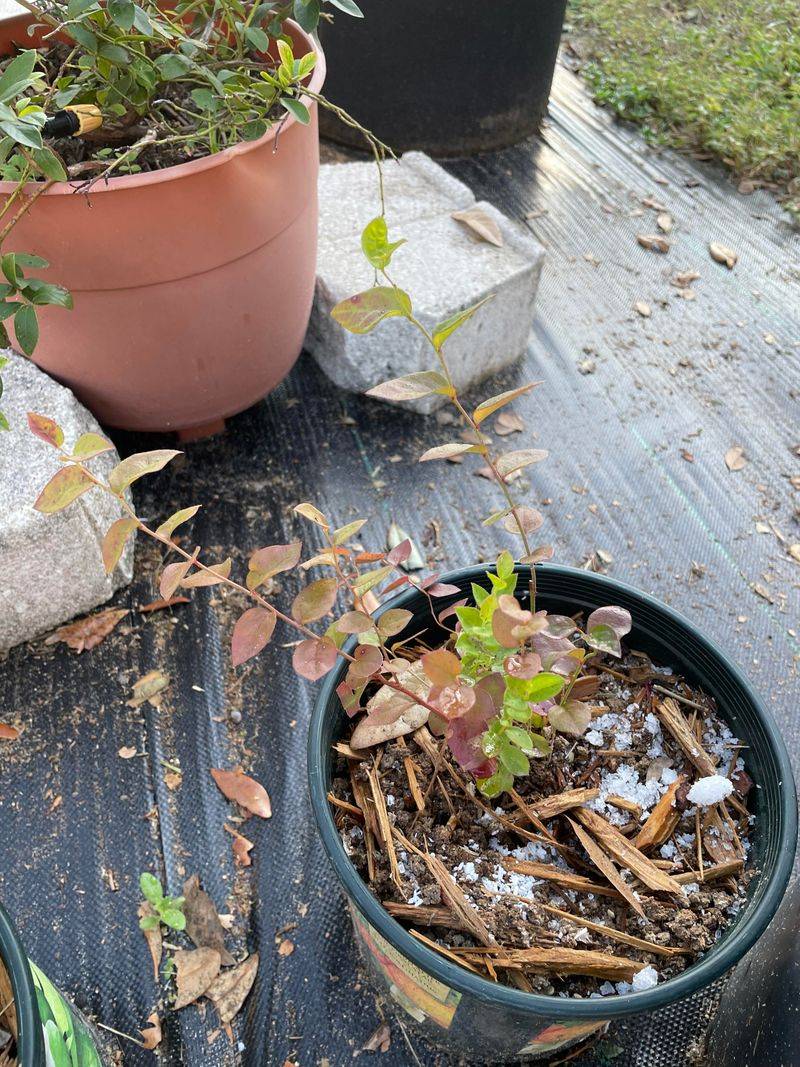
Magnesium sulfate, sold as Epsom salt in drugstores, boosts plant health for pennies per application.
Texas soils often lack sufficient magnesium, leading to yellowing leaves and poor fruit production.
Dissolving a tablespoon of Epsom salt per gallon of water creates a foliar spray that greens up plants within days.
Tomatoes and peppers especially benefit from monthly applications, producing more abundant and flavorful crops.
The magnesium helps plants produce chlorophyll and absorb other nutrients more efficiently.
Unlike expensive specialty fertilizers, a large box of Epsom salt costs just a few dollars and lasts an entire season.
Sprinkling dry salt around the base of plants before watering provides a slow-release magnesium source.
Rose bushes respond dramatically to Epsom salt, producing more blooms with deeper colors.
This simple amendment doesn’t alter soil pH, making it safe for nearly all garden plants.
Texas gardeners swear by this trick for reviving struggling plants without resorting to harsh chemicals.
The results rival those from commercial plant foods costing ten times as much.
Regular applications throughout the growing season keep plants vigorous and productive in challenging Texas conditions.
11. Community Plant Swaps And Divisions

Trading plants with fellow gardeners eliminates nursery costs while building community connections.
Perennials like daylilies, irises, and hostas multiply rapidly and benefit from regular division.
Texas gardening groups on social media organize swaps where members bring divisions, seeds, or cuttings to exchange.
This practice introduces new varieties to your garden without spending a single dollar.
Many experienced gardeners are happy to share knowledge along with plants, providing advice specific to Texas growing conditions.
Dividing overgrown plants in your own garden creates multiple new specimens to trade or plant elsewhere.
Spring and fall are ideal times for these swaps when plants handle transplanting stress most easily.
Some neighborhoods organize annual events where everyone brings extras from their gardens to share.
The variety available at swaps often exceeds what local nurseries stock, especially for heirloom or unusual varieties.
Building relationships with other gardeners provides ongoing support and inspiration for your landscaping projects.
This approach honors the traditional gardening spirit of generosity and shared resources.
Your garden becomes more diverse and interesting without impacting your budget at all.