9 Useful Citrus Peel Uses California Gardeners Should Try
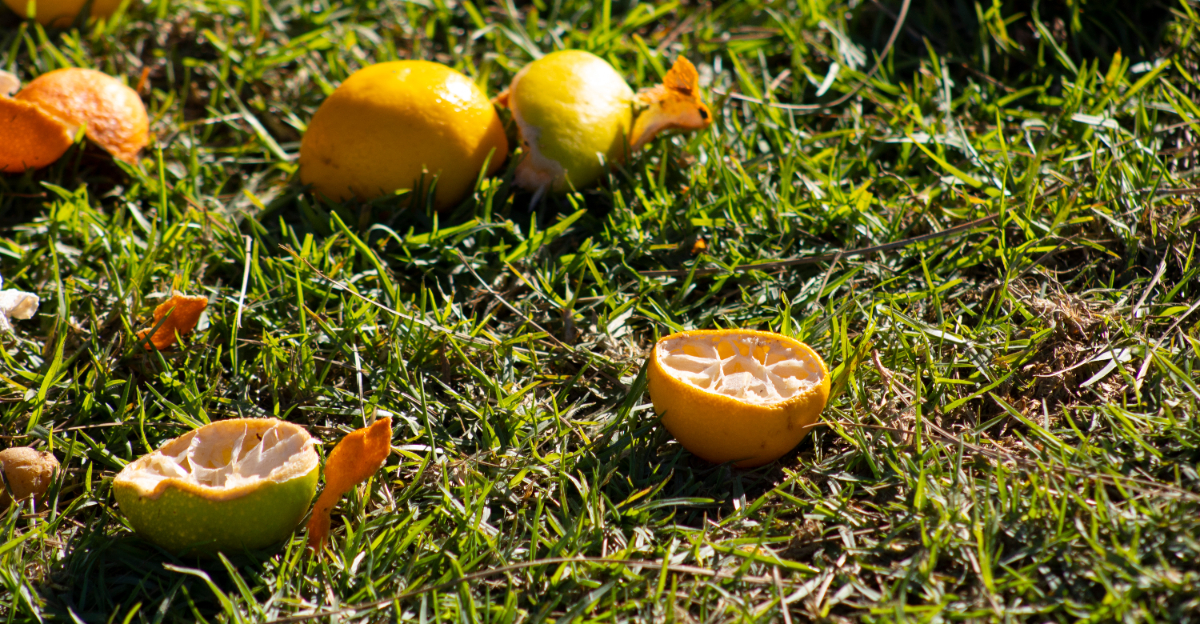
California gardeners are out here buying sprays, fertilizers, and pest deterrents when the answer to half their garden problems might already be sitting on their kitchen counter. Citrus peels.
The part you’ve been tossing in the trash or the compost bin without a second thought. Turns out, those fragrant, oil-rich scraps are genuinely useful in the garden in ways most people never even consider.
It makes sense when you think about it. California is one of the biggest citrus-growing states in the country, which means most gardeners here have a pretty steady supply of orange, lemon, lime, and grapefruit peels rolling through their kitchens year-round.
That’s a lot of free garden material going to waste. Peels can feed your soil, confuse pests, and do a handful of other surprisingly effective things outside.
Simple, free, and way more useful than anyone gives them credit for. Your citrus habit is about to pull double duty.
1. Add Peels To Compost
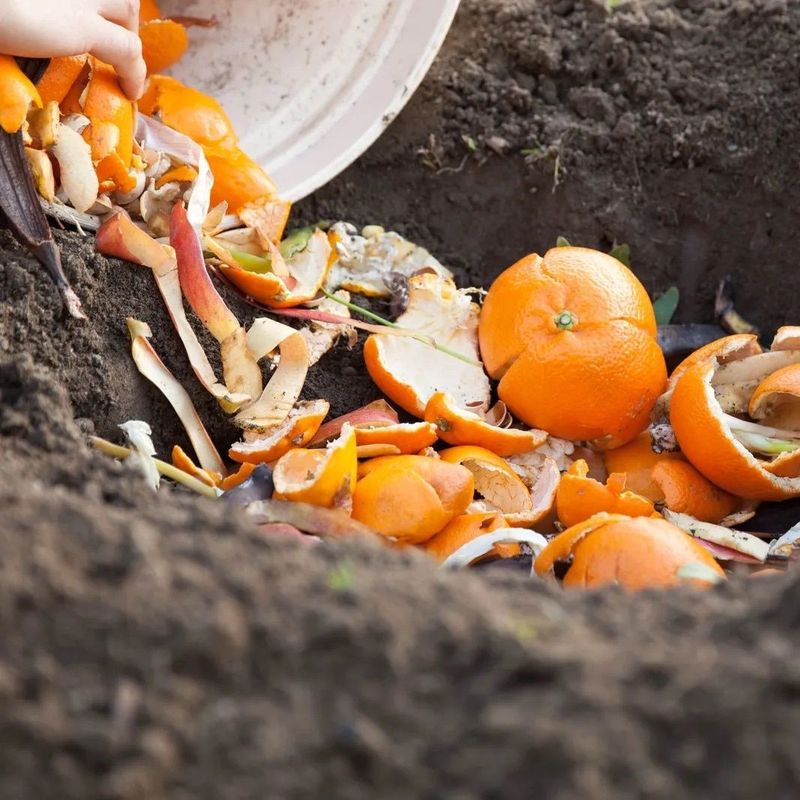
Most gardeners already know that a good compost pile is the heart of a healthy garden. But not everyone realizes that citrus peels are actually a great addition to the mix.
In California, where warm weather speeds up the composting process, peels break down faster than you might expect.
Chop the peels into small pieces before tossing them in. Smaller pieces decompose much quicker than whole rinds.
This simple step helps the pile stay balanced and active without any sour smells building up.
Citrus peels are considered a “green” compost material, meaning they add nitrogen to the pile. Balance them out with “brown” materials like dried leaves or cardboard.
This keeps the compost working efficiently.
Some gardeners worry that citrus will mess up the pH of their compost. In reality, once the peels fully break down, they have very little effect on overall soil acidity.
Your finished compost will still be rich and balanced.
One bonus tip: the natural oils in citrus peels can slow down certain microbes at first. Just mix the peels in well and keep the pile moist.
Over time, those peels will turn into dark, crumbly gold for your California garden beds.
2. Start Seeds In Peel Cups
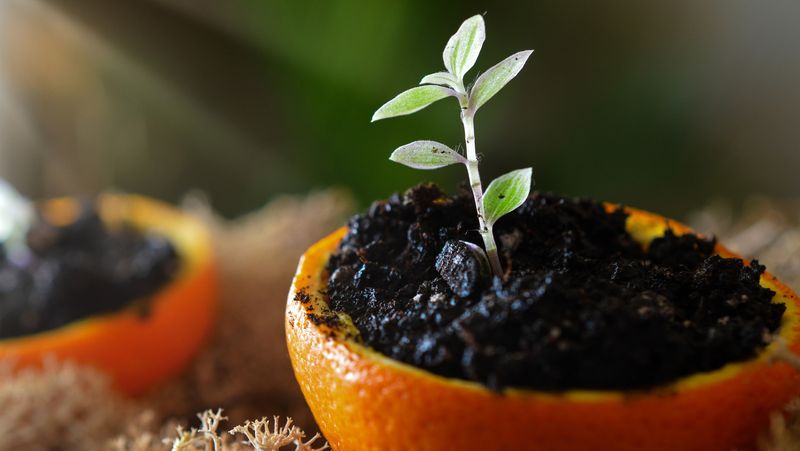
Here is a fun trick that makes seed starting feel almost magical. Cut a citrus fruit in half, scoop out the flesh, and fill the hollow peel with potting mix.
Then drop a seed right in and watch it sprout.
The peel acts like a tiny biodegradable pot. When your seedling is ready to go into the ground, you can plant the whole thing, peel and all.
The rind slowly breaks down and feeds the soil as the roots grow.
California gardeners love this method because it cuts down on plastic waste. You get a sustainable, zero-cost seed starter that works just as well as anything from a garden store.
Tomatoes, herbs, and flowers all do great in citrus cups.
Place your peel cups in a sunny windowsill or a warm outdoor spot. Keep the soil moist but not soaking wet.
Your California Garden Changes Every Week. Your Plan Should Too.
Gardening in California changes quickly throughout the season. Every Friday you’ll receive a simple weekly plan showing exactly what to plant, prune, fertilize, harvest, and protect so you never miss the right timing.
The natural oils in the peel may even help resist mold during the early germination stage.
This is also a wonderful activity to do with kids. It turns a regular gardening task into something creative and hands-on.
Plus, it gives those leftover peels a second life before they ever touch the compost pile.
3. Deter Ants Near Pots
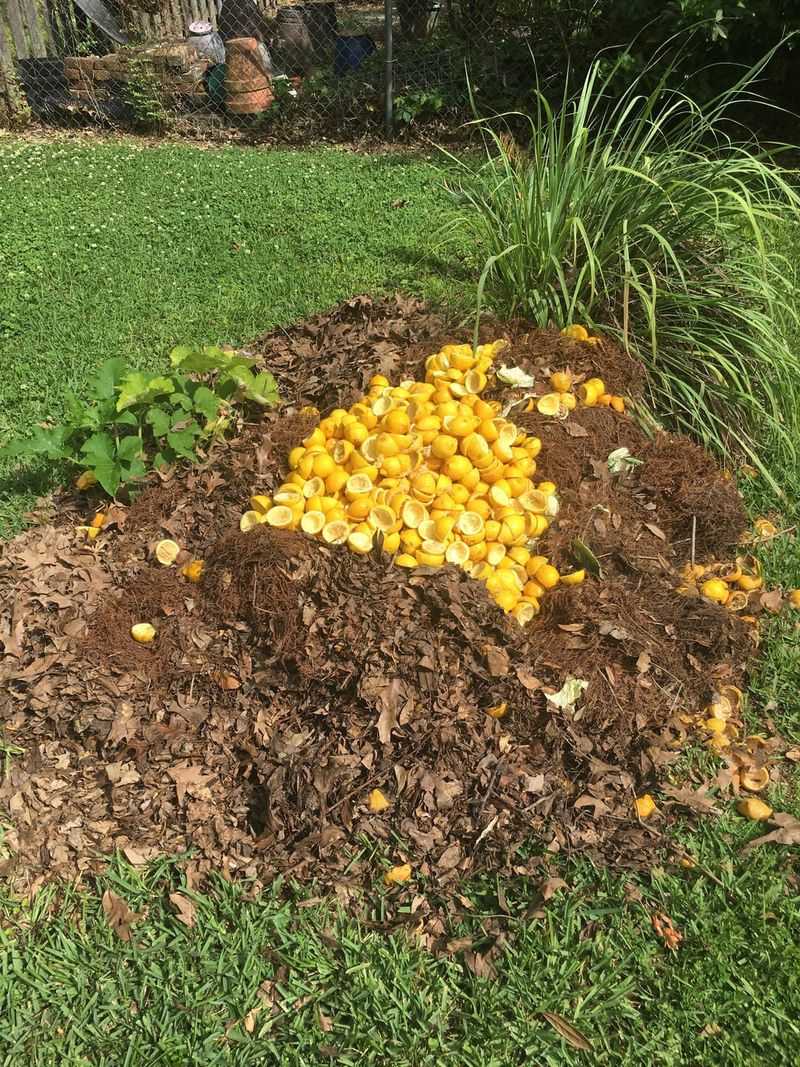
Ants are a common problem for California gardeners, especially during the hot summer months. They show up around potted plants, along walkways, and near garden beds without much warning.
The good news is that citrus peels can help push them away naturally.
Ants strongly dislike the scent of limonene, which is the natural oil found in citrus rinds. Placing fresh peels around the base of your pots creates a barrier that ants tend to avoid.
It is a simple, chemical-free solution that actually works.
Scatter the peels in a ring around each pot or along the edge of your raised beds. Replace them every few days as the oils fade and the peels dry out.
Fresh peels are always more effective than old, dried-up ones.
You can also blend peels with a little water to make a rough citrus paste. Spread that paste along the rim of your pots or around the edges of a garden bed.
The concentrated scent is even stronger than whole peels alone.
This approach is especially useful in Southern California where certain ant species are aggressive and persistent. No harsh sprays, no chemical residue, just a fresh citrus scent doing all the work for you and your plants.
4. Freshen Garden Pathways
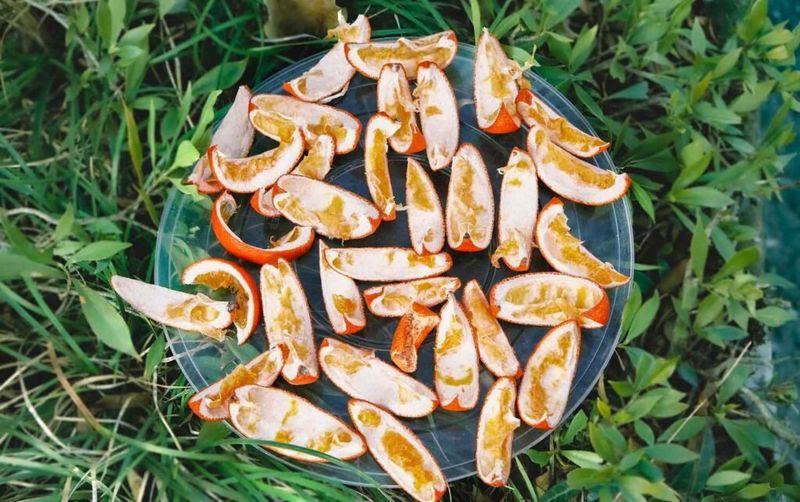
Walking through a garden that smells like fresh oranges is one of life’s small pleasures. Scattering dried citrus peels along your garden pathways is an easy way to bring that bright, clean scent right to your outdoor space.
It works especially well in California where the sun helps release those natural oils.
Let your peels dry out fully in the sun before spreading them on the path. Dried peels last longer and hold their scent better than fresh ones.
You can also dry them in a low-temperature oven if you want to speed things up.
Sprinkle the dried pieces along mulched or gravel paths between your garden beds. As you walk over them, the peels release a burst of citrus fragrance.
It is a natural air freshener that costs absolutely nothing.
Over time, the peels will break down and actually add organic matter to the pathway soil. This is a slow but steady benefit for the ground beneath your feet.
Even the pathway gets a little nutrition from the process.
Mixing in different citrus varieties like lemon, lime, and grapefruit creates a more complex scent profile. California gardeners with multiple citrus trees have a real advantage here.
Rotate the peels every week or two to keep things smelling fresh and inviting.
5. Make A Citrus Vinegar Spray

Making a citrus vinegar spray is one of those old-school tricks that still holds up today. All you need are leftover citrus peels and a bottle of white vinegar.
Together, they create a natural spray that can help manage weeds and surface pests around your garden.
Fill a glass jar with citrus peels and cover them completely with white vinegar. Seal the jar and let it sit for about two weeks in a cool, dark spot.
The vinegar draws out the oils from the peels, making the solution much more potent.
Once it is ready, strain out the peels and pour the liquid into a spray bottle. Dilute it with a little water before using it on weeds or around garden borders.
Full-strength vinegar can be harsh on some surfaces, so diluting is always a smart move.
California gardeners find this spray useful for keeping weeds at bay along fences and patios. Spray directly onto unwanted plants on a dry, sunny day for the best results.
Avoid spraying near plants you want to keep, as the acidity can affect them too.
The leftover citrus-infused vinegar also works as a general outdoor cleaner. Use it to wipe down garden tools or clean plastic pots between planting seasons.
It is a versatile, low-cost solution that comes straight from your kitchen scraps.
6. Repel Cats From Beds
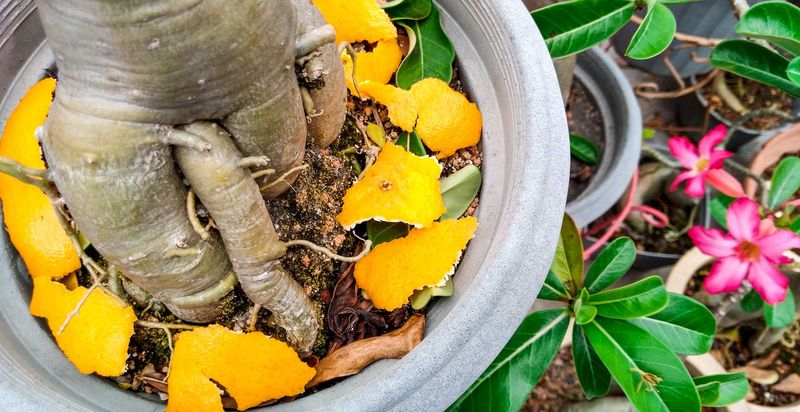
Cats are lovable creatures, but they have a habit of treating freshly planted garden beds like their personal sandbox. If neighborhood cats keep disturbing your seedlings, citrus peels might be the most polite solution available.
Most cats strongly dislike the smell of citrus and will simply walk away.
Scatter fresh orange, lemon, or grapefruit peels directly on top of the soil in your garden beds. Focus on the areas where cats most often dig or lounge.
You will likely notice a difference within just a day or two.
Replace the peels every few days to keep the scent strong. As peels dry out, they lose their potency and become less effective.
In California’s warm climate, peels can dry out quickly, so staying on top of replacements matters.
You can also press the peels slightly into the soil so they do not blow away in the breeze. This works especially well in raised beds where the soil is loose and easy to press into.
It also keeps the peels from looking too messy on top of your garden.
Combining citrus peels with other natural deterrents like rosemary sprigs can make the barrier even stronger. The layered scents create a zone that most cats want nothing to do with.
Your seedlings get to grow in peace without any harsh chemicals involved.
7. Boost Worm Bin Carefully
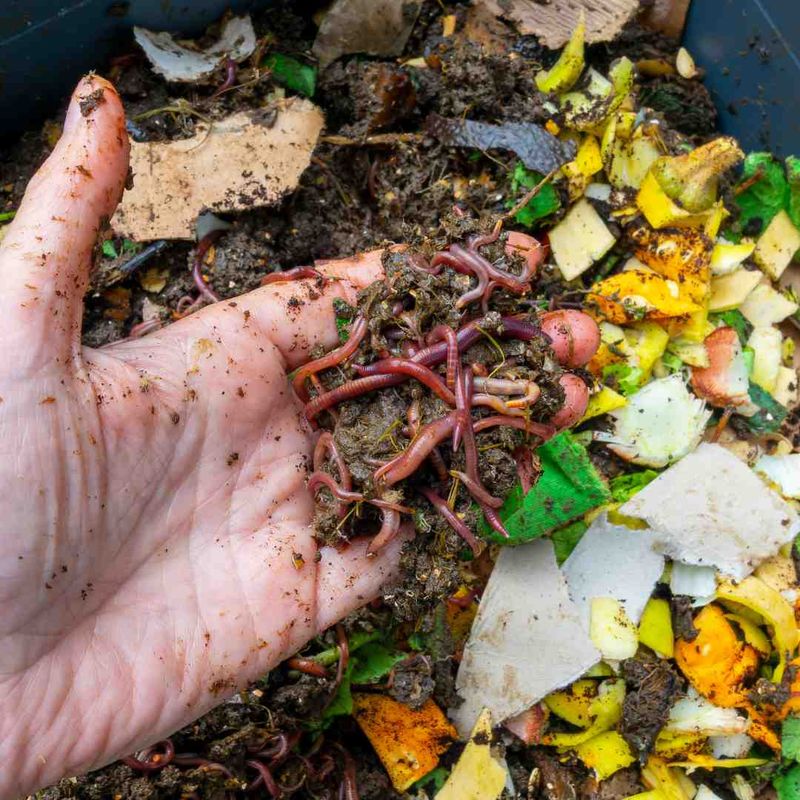
Worm bins are a fantastic way to turn kitchen scraps into rich, dark vermicompost. Many California gardeners swear by them.
But when it comes to citrus peels, there is an important balance to strike before you start tossing them in.
Worms can process citrus peels, but only in small amounts. Too much citrus at once can make the bin too acidic, which stresses the worms and slows down the whole composting process.
Start with just a small handful of chopped peels per week.
Chop the peels into tiny pieces to help the worms break them down more easily. Smaller pieces mean more surface area, and that speeds up decomposition significantly.
Mix the peels in with other softer food scraps to dilute the acidity.
Watch how your worms respond after adding citrus. Healthy worms stay active and spread throughout the bin.
If they start clustering near the top or edges, that is a sign the bin may be getting too acidic and you should cut back on the peels.
Adding a small sprinkle of crushed eggshells alongside the citrus helps neutralize the acidity. This simple combination keeps the pH in a comfortable range for your worms.
With a little care, citrus peels can be a regular and beneficial part of your worm bin routine in California.
8. Deodorize Outdoor Bins

Outdoor trash and yard waste bins can get pretty unpleasant, especially during a California summer when temperatures soar. The heat speeds up the breakdown of organic material and creates strong, lingering odors.
Citrus peels are a surprisingly effective fix for this common problem.
Drop a few fresh citrus peel halves directly into the bottom of your outdoor bin. The natural oils work as a deodorizer, cutting through bad smells and replacing them with a clean, fresh scent.
It is one of the easiest zero-waste hacks around.
Replace the peels every week or after each time the bin is emptied. Fresh peels are always more powerful than dried-out ones sitting in the heat.
In warmer parts of California, you may need to swap them out even more frequently.
Lemon peels tend to work especially well because of their high concentration of citric acid and essential oils. Orange peels are a close second and leave behind a sweeter, warmer scent.
Mix different varieties for a more pleasant and layered fragrance effect.
This trick also works well for smaller indoor compost collection bins kept on the kitchen counter. A single lemon peel tucked inside can make a noticeable difference between emptying days.
It is a small habit that keeps your whole home and garden area smelling much cleaner and more welcoming.
9. Use Peels As Slug Traps
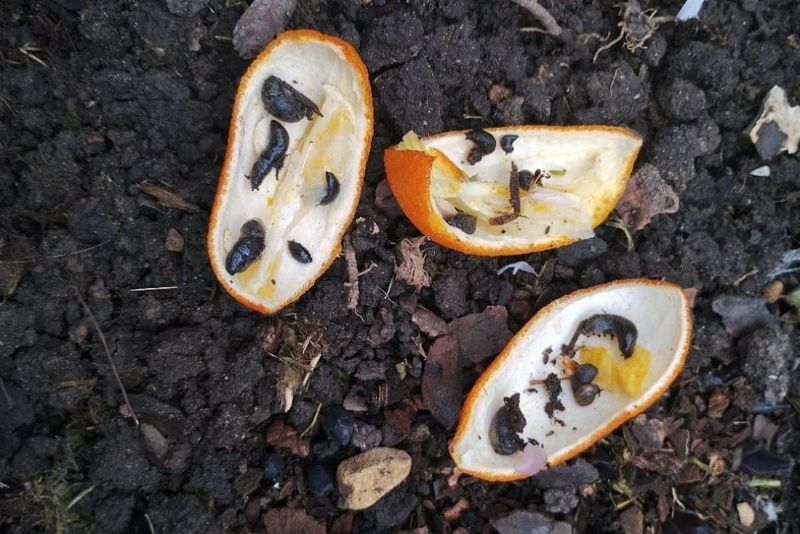
Slugs are sneaky little pests that love cool, moist conditions. In coastal California, they can be a real headache for vegetable gardeners.
Using citrus peels as traps is a clever, hands-off way to manage them without reaching for any chemicals.
Place hollowed-out citrus peel halves upside down on the soil near your plants in the evening. Slugs are attracted to the damp, dark space underneath the peel and will gather there overnight.
In the morning, you simply collect the peels along with the slugs hiding beneath them.
This method works best when the soil is already a little moist. Slugs move more actively on damp nights, making them easier to trap.
Set out several peel halves across your garden bed for better coverage.
Dispose of the collected slugs by dropping them into a bucket of soapy water, or relocate them far away from your garden. Reset the traps each evening for a few nights in a row.
You will likely notice a big drop in slug activity fairly quickly.
Orange and grapefruit halves tend to work best because of their size and curved shape. They create a perfect little hiding spot that slugs cannot resist.
California gardeners dealing with slug pressure in shaded or foggy areas will find this trick especially satisfying and effective.