The Snail-Repelling Plants California Gardeners Are Planting Now
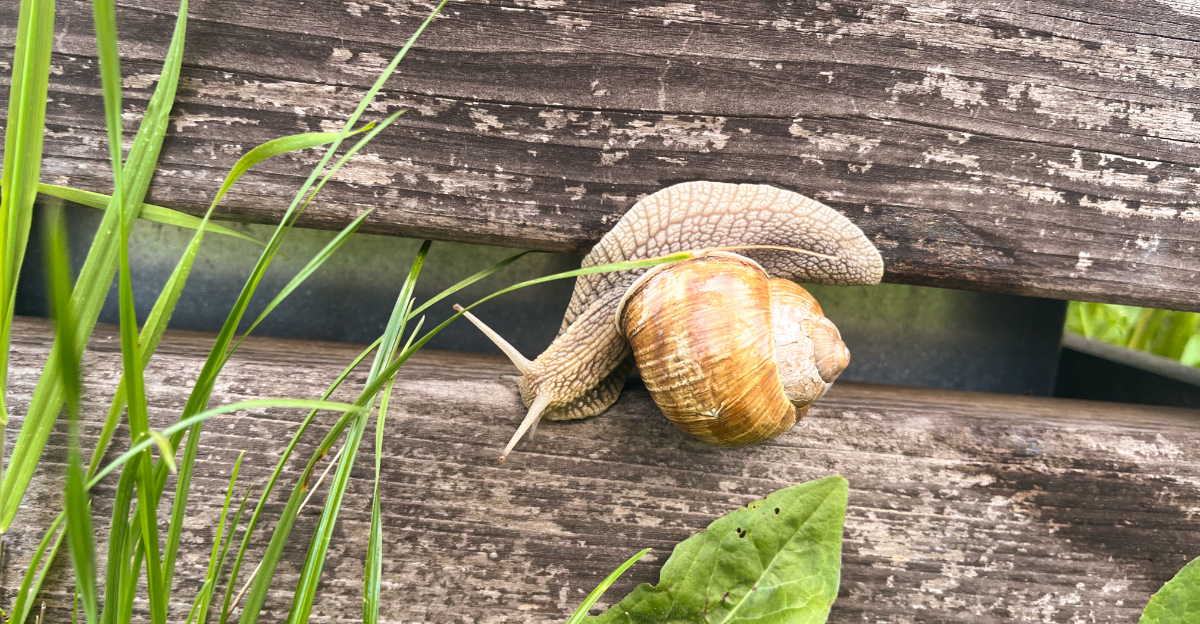
Snails are one of the most frustrating pests in a garden. They work at night, move quietly through beds, and can wipe out seedlings and tender plants before you even realize what is happening.
Traps help, bait works for a while, and hand picking is effective but nobody wants to do it forever. There is a smarter long term approach that more gardeners are catching onto.
Certain plants naturally push snails away without any chemicals or intervention needed. Something in their scent, texture, or composition makes snails avoid them entirely.
Planting these strategically around vulnerable areas creates a natural buffer that works around the clock.
California’s climate makes it easy to grow most of them, and many are useful in the kitchen or beautiful in the garden on top of everything else.
Once they are in the ground, they handle the snail problem while you focus on everything else.
1. California Sagebrush
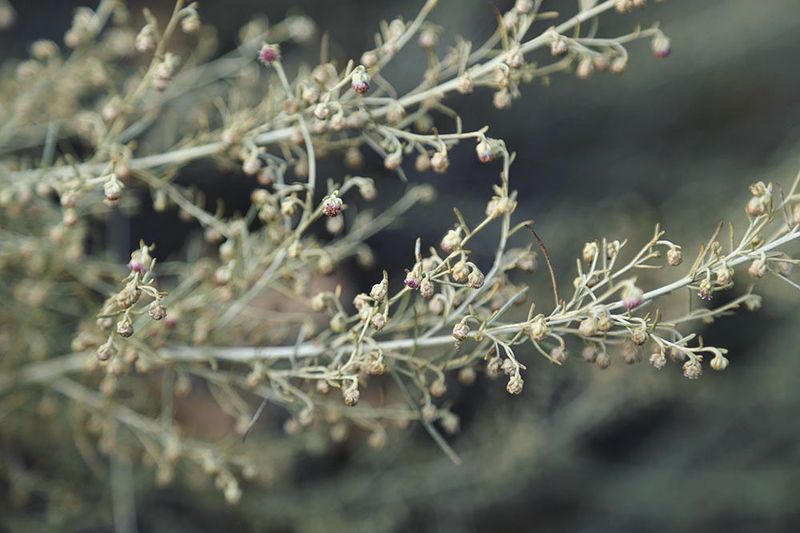
Few plants say “California native” quite like this one. California Sagebrush is a shrubby plant with soft, feathery, silver-green leaves that release a sharp, piney scent when brushed or touched.
That strong aroma is exactly what keeps snails away. They rely on their sense of smell to find food, and the intense fragrance of sagebrush throws them completely off track.
Growing this plant is surprisingly easy. It thrives in full sun and well-drained soil, and once established, it needs very little water.
That makes it a top pick for gardens dealing with dry summers and water restrictions. It grows between two and five feet tall, making it useful as a border plant or a low hedge along garden paths.
Beyond snail control, Sagebrush supports local wildlife in a big way. It provides shelter for small birds and insects, and its flowers attract native bees.
The silvery foliage also adds a soft, natural texture to any planting area. Gardeners who want a low-maintenance, water-wise plant that looks great and does a real job will find Sagebrush hard to beat.
Plant it near vulnerable flowers or vegetables for the best protection.
2. Rosemary
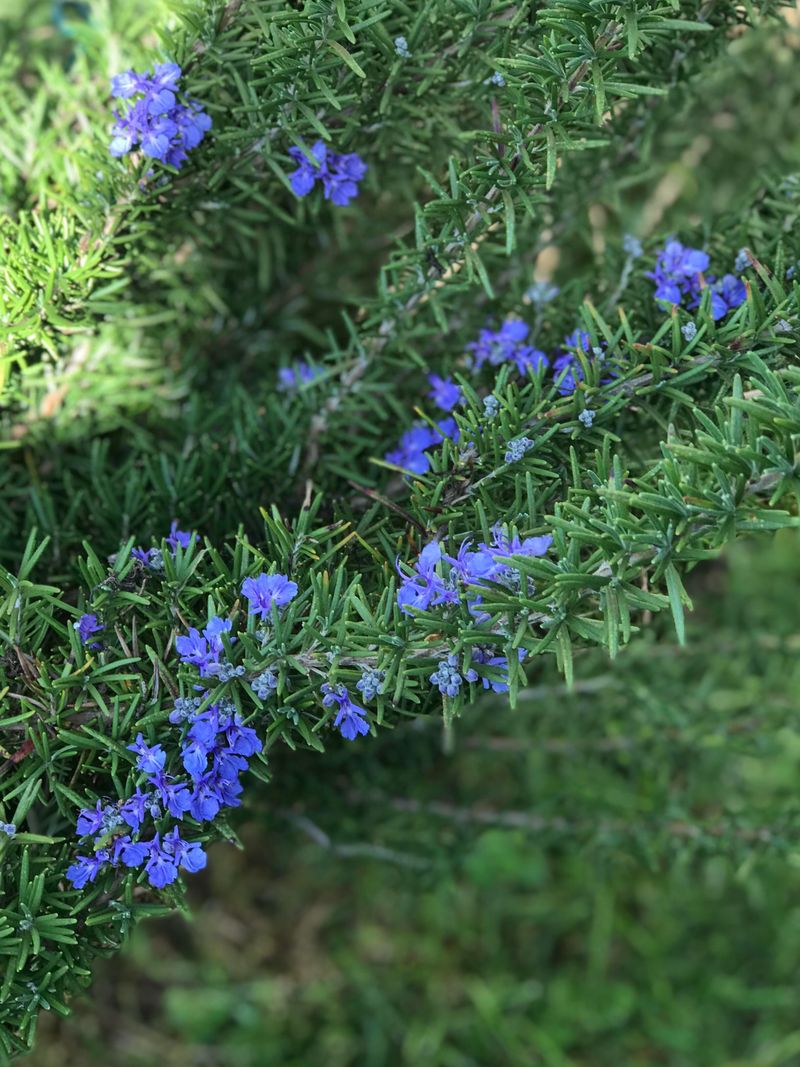
Walk past a rosemary bush and you will immediately understand why snails want nothing to do with it. The sharp, piney, resinous scent that makes rosemary so popular in the kitchen is the same thing that drives snails away from your garden.
Snails avoid plants with strong essential oils, and rosemary is absolutely loaded with them.
This plant is a garden superstar for many reasons beyond pest control. It handles heat, drought, and poor soil like a champion.
Once established, rosemary rarely needs extra watering, which is a huge plus in areas with water use restrictions. It can grow as a low spreading groundcover or as a tall upright shrub, giving gardeners plenty of flexibility in how they use it.
Planting rosemary around the edges of a vegetable garden or near softer plants like hostas and lettuces creates a fragrant barrier that snails are reluctant to cross. The blue or purple flowers that bloom in late winter and spring are also magnets for bees and other pollinators.
Your California Garden Changes Every Week. Your Plan Should Too.
Gardening in California changes quickly throughout the season. Every Friday you’ll receive a simple weekly plan showing exactly what to plant, prune, fertilize, harvest, and protect so you never miss the right timing.
You get pest protection, beauty, and a fresh herb supply all from one plant. It is easy to see why rosemary stays at the top of every gardener’s wish list year after year.
3. Lavender Cotton
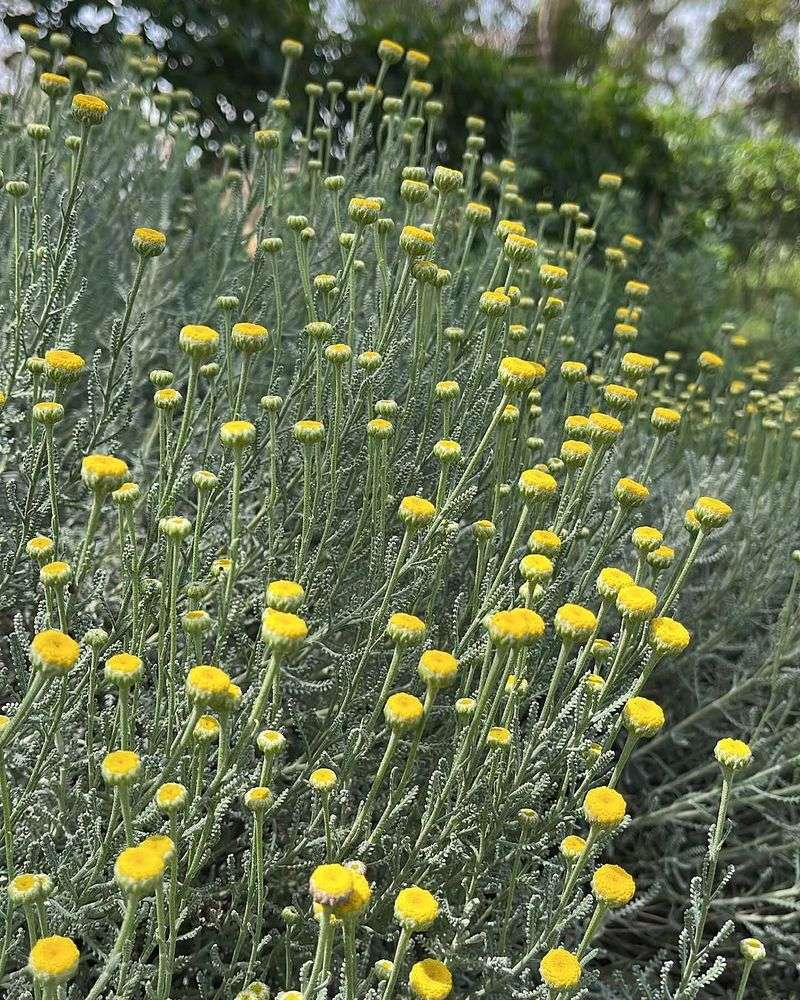
Do not let the name fool you. Lavender Cotton is not actually a lavender, but it shares that same powerful, herbal punch that snails find unbearable.
Santolina produces dense, silver-gray foliage covered in tiny aromatic leaves that release a strong camphorous scent. That smell is pleasant to most people but acts like a warning signal to snails.
This plant is one of the best choices for gardeners who want a tidy, low-growing border plant that also does pest control duty. It stays compact, usually reaching about two feet tall and wide.
Bright yellow button-shaped flowers pop up in summer, adding cheerful color without requiring much effort from the gardener. Full sun and excellent drainage are the main things Santolina needs to thrive.
One clever trick many gardeners use is planting Santolina in a ring around raised beds or soft perennial flowers. The dense, aromatic mound creates a physical and chemical barrier that snails are unlikely to cross.
It is also deer-resistant, which is a bonus in many parts of California where deer browsing is a constant problem. For a plant that looks polished, smells wonderful, and protects your other plants, Santolina earns its spot in the garden with very little fuss required from you.
4. Coyote Mint
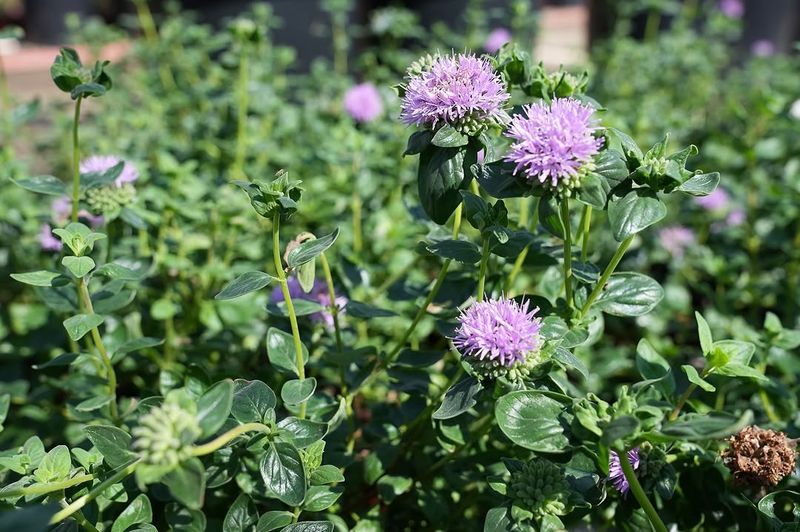
There is something wonderfully wild about Coyote Mint. Native to the foothills and coastal ranges, this low-growing perennial smells intensely of fresh mint and oregano combined.
That powerful minty fragrance is not just refreshing to humans. It is deeply off-putting to snails, who avoid any plant loaded with menthol-type compounds.
Coyote Mint grows in rounded clumps about one to two feet tall, and in summer it produces clusters of small lavender or purple flowers that bees go absolutely wild for. It is incredibly well-suited to dry summers, needing little to no supplemental water once it has settled in.
Rocky, fast-draining soil suits it perfectly, so it works especially well in hillside gardens or dry native plant landscapes.
Placing Coyote Mint near the edges of garden beds gives you a fragrant natural border that does real work. Snails tend to stick to moist, shaded pathways, and the strong scent from this plant disrupts their navigation.
Beyond pest control, this plant supports native bumblebees and hummingbirds in a meaningful way. It is a compact, beautiful, and ecologically valuable plant that most gardeners overlook, which is a shame because it is one of the hardest-working small plants you can put in the ground.
5. Hummingbird Sage
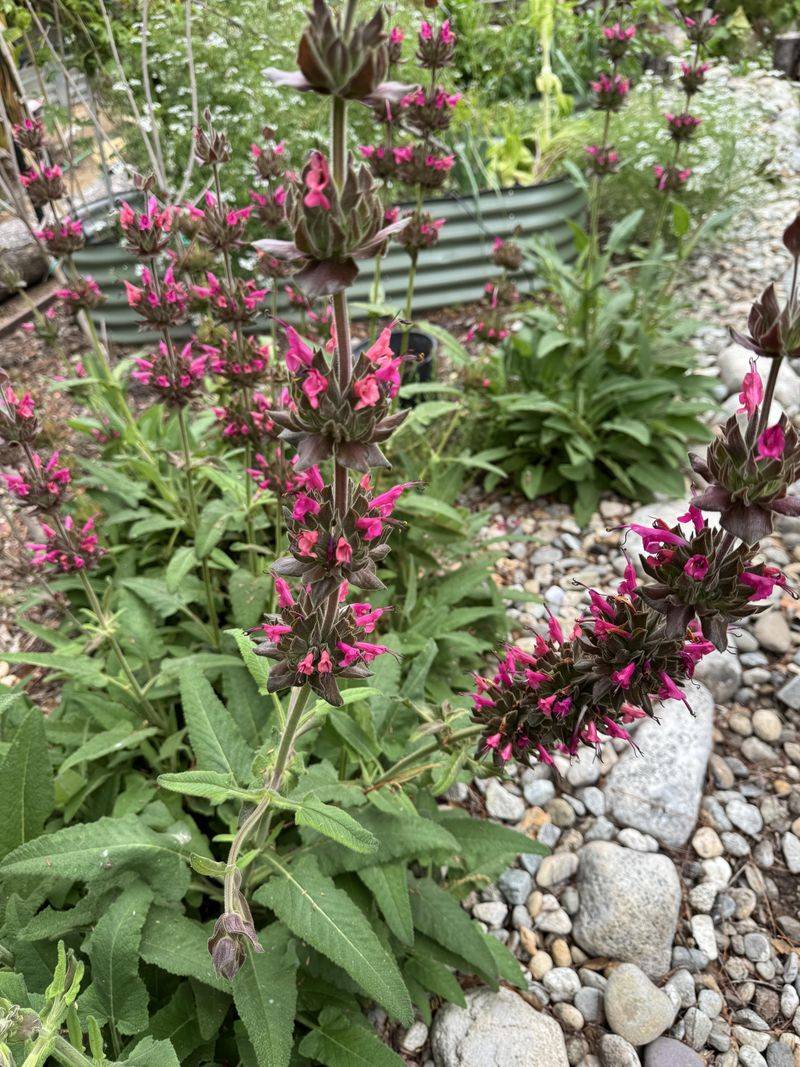
Bold, fragrant, and surprisingly tough, Hummingbird Sage is one of the most underrated native plants. It produces large, wrinkled leaves with a strong fruity-sage scent that is absolutely irresistible to hummingbirds but completely off-putting to snails.
The rough, hairy texture of the leaves also makes them unpleasant for snails to crawl across or chew.
What makes this plant especially useful is its ability to grow in shade. Most snail-repelling plants prefer full sun, but Hummingbird Sage thrives under trees and in shadier spots where snails often hide and feed.
Tall spikes of deep magenta or pink flowers shoot up in spring, creating a dramatic display that attracts hummingbirds from all over the neighborhood. It spreads slowly by underground runners to form a weed-suppressing groundcover.
For gardeners who struggle with snail damage in shaded parts of the yard, this plant is a genuine solution. Plant it under oaks, along shaded fences, or beneath large shrubs where snails tend to congregate.
It handles dry summers well once established and needs very little care beyond occasional trimming after flowering. The combination of pest-repelling chemistry, shade tolerance, and stunning flower spikes makes Hummingbird Sage one of the smartest plants you can add to a garden right now.
6. California Sword Fern
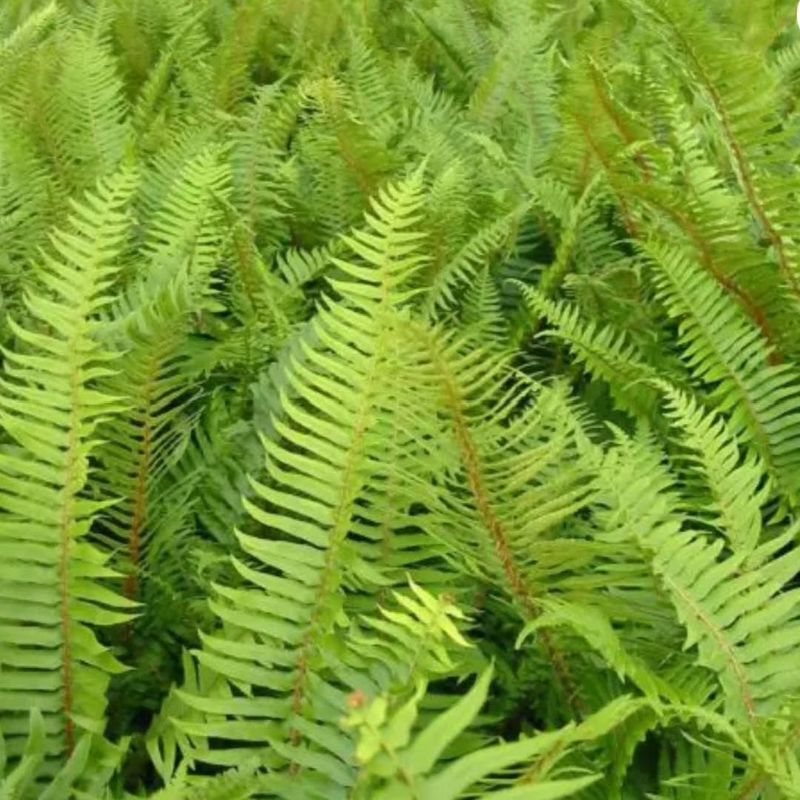
Not every snail-repelling plant works through scent. California Sword Fern takes a different approach entirely.
The long, leathery fronds of this native fern are tough and fibrous, making them unappealing and difficult for snails to chew through. The fronds also create a dense canopy that shades the soil and reduces the cool, moist hiding spots that snails love most.
This fern is one of the best choices for shaded gardens and woodland-style landscapes in California. It forms large, elegant clumps of deep green arching fronds that can reach three to four feet long.
Unlike many ferns, it handles dry summers reasonably well once established, especially when planted in shade where soil moisture is retained a bit longer. It is also a long-lived plant that gets more impressive with each passing year.
Using California Sword Fern as a groundcover under trees or along shaded borders creates a lush, layered look while making those areas less snail-friendly. Because snails prefer soft, easy-to-eat vegetation, they tend to bypass the tough fern fronds in search of easier targets.
Pair it with Hummingbird Sage for a fully snail-resistant shade garden combination. Gardeners who want a structural, low-care plant that earns its keep in difficult spots will find this fern to be a reliable and beautiful choice.
7. Yarrow
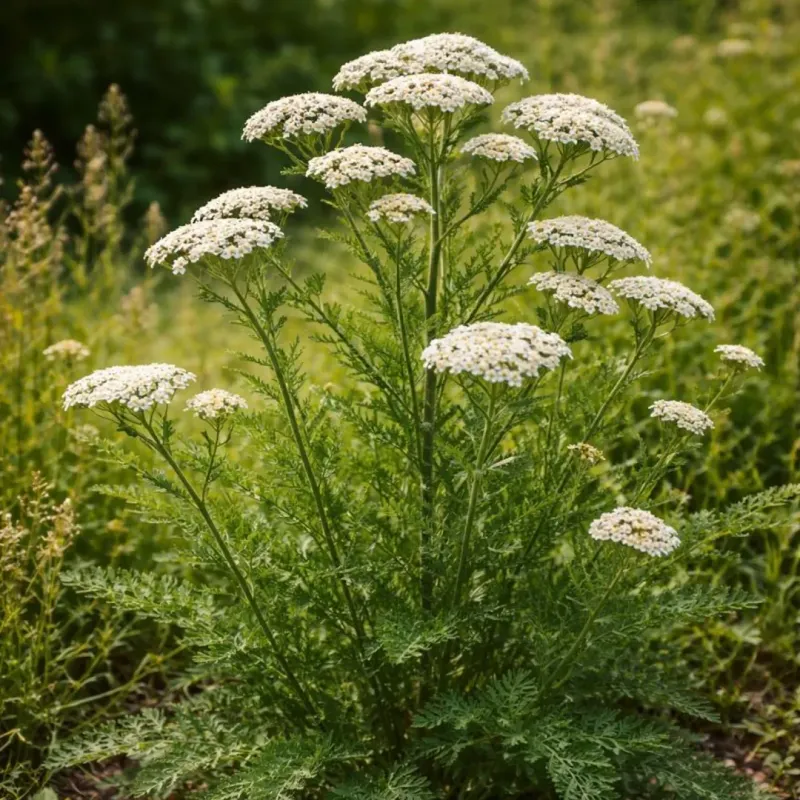
Ancient cultures used Yarrow as a medicinal herb for thousands of years, and modern gardeners are rediscovering it for a very different reason. The feathery, fern-like leaves of this tough perennial produce a bitter, pungent aroma that snails find deeply unappealing.
Unlike soft-leaved plants that snails target first, Yarrow’s leaves have a strong chemical profile that sends snails looking elsewhere.
Yarrow is incredibly adaptable. It grows well in full sun and tolerates poor, dry soil without complaint.
Once established, it needs almost no irrigation, making it ideal for water-conscious gardens. Flat-topped clusters of flowers appear in summer in shades of white, yellow, pink, and red, attracting a wide range of beneficial insects including ladybugs and parasitic wasps that help control other garden pests.
Scattering Yarrow throughout garden beds rather than planting it all in one spot maximizes its snail-repelling effect. When snails encounter the scent from multiple directions, they are much less likely to push through toward your more vulnerable plants.
Yarrow also spreads gently over time, slowly filling in bare spots and creating a more snail-resistant landscape overall. It is a workhorse plant that delivers color, wildlife value, and pest protection without asking for much in return.
Few plants offer this much value for so little effort.
8. California Fuchsia
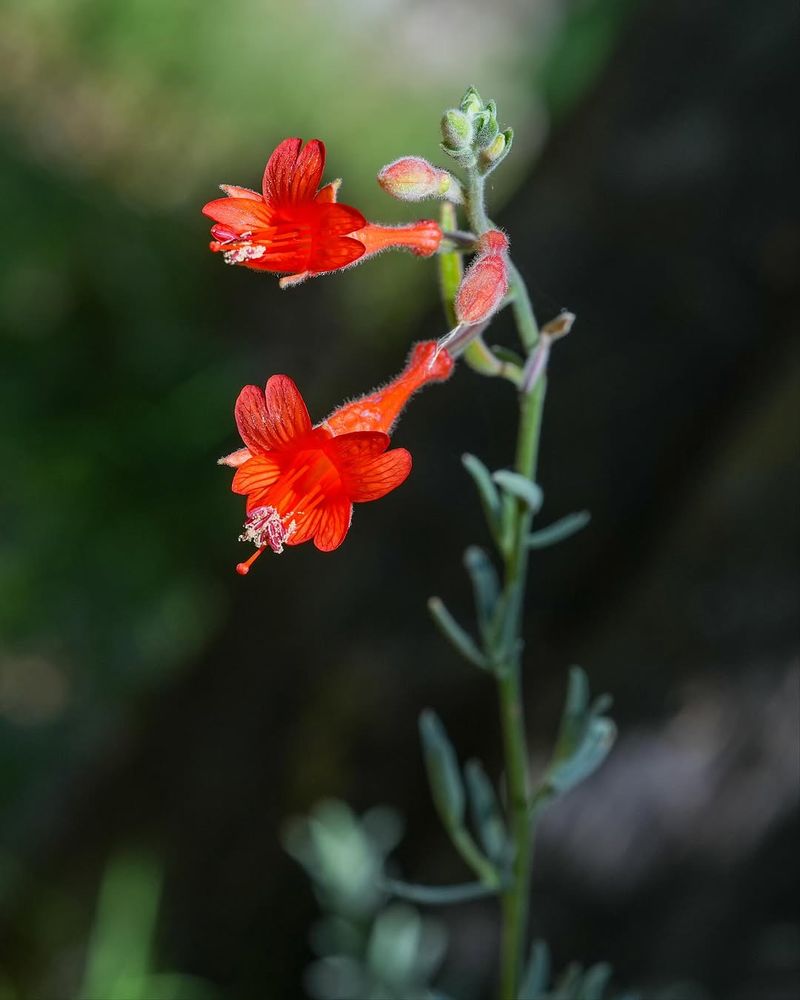
Blazing red flowers and a reputation for toughness make California Fuchsia one of the most eye-catching plants in any drought-tolerant garden. What fewer people know is that this native plant also discourages snails.
The gray-green leaves are covered in tiny hairs and carry a mild but effective chemical that makes them far less appealing to snails than smooth-leaved alternatives nearby.
California Fuchsia blooms in late summer and fall, a time when most other plants in the garden have finished their show. Those bright red tubular flowers are perfectly shaped for hummingbirds, which flock to them in large numbers during migration season.
The plant spreads by underground stems to form a low, spreading groundcover that works beautifully on slopes, in rock gardens, or along sunny dry borders.
One of the practical advantages of this plant is its timing. Snail activity tends to peak in fall when cooler, wetter weather returns to California.
Having California Fuchsia in bloom and actively growing during that same period means its snail-repelling properties are working at exactly the right time of year. Cut plants back hard in late winter and they bounce back vigorously in spring.
For a plant that is native, drought-tolerant, hummingbird-friendly, and snail-resistant, this one checks every important box for gardeners.
9. White Sage
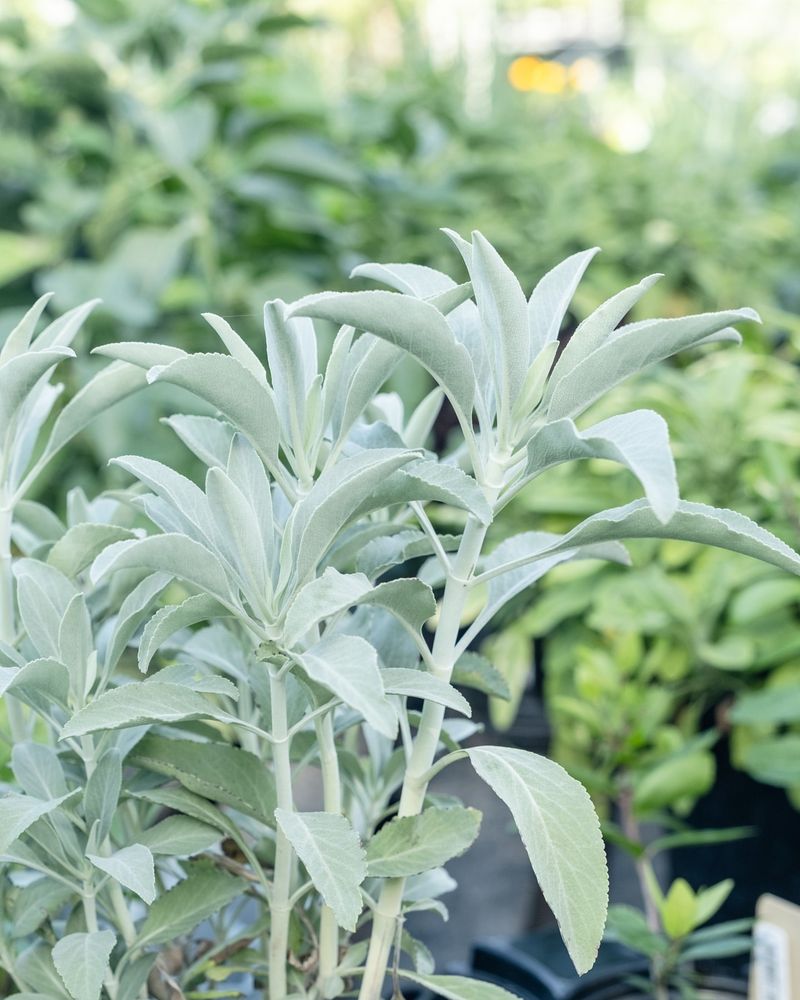
Sacred to many Indigenous cultures, White Sage is one of the most aromatic plants on earth. The broad, silver-white leaves are coated in a dense layer of fine hairs that hold powerful essential oils, releasing an intense, almost medicinal fragrance with every breeze.
That overwhelming scent is precisely what makes snails avoid it completely.
This plant is built for Southern California conditions. It thrives in full sun, survives on very little water, and actually prefers the kind of lean, fast-draining soil that many other plants struggle in.
Once established, White Sage is one of the most drought-tolerant plants you can grow, making it an especially smart choice as water costs rise and dry seasons stretch longer across the state.
Beyond its snail-repelling properties, White Sage offers remarkable wildlife value. Tall flower spikes attract native bees, hummingbirds, and butterflies throughout late spring and early summer.
The silvery foliage creates a stunning visual contrast when planted alongside darker green plants. Because the scent is so strong and pervasive, even a single large White Sage plant can influence snail behavior across a surprisingly wide area of the garden.
Planting it as an anchor in a native garden design gives you beauty, ecology, and pest control all wrapped into one extraordinary plant.