8 Valentine’s Plants Texans Can Replant Outdoors After February
Ever wish your Valentine’s gift could last longer than a week in a vase? Many Texans are turning to living plants for that very reason.
Instead of fading away, certain Valentine’s favorites can settle comfortably into Texas soil once February passes. That means your romantic gesture can grow, bloom, and brighten the garden long after the holiday is over.
The key is knowing which plants handle Texas weather and how to help them transition from indoor décor to outdoor showstopper. Some thrive in full sun, others prefer light shade, and a few need a short adjustment period before facing the elements.
With a little guidance, these living gifts become lasting parts of the landscape, adding color, fragrance, and charm well into spring and beyond.
If you’re hoping to give a Valentine’s plant that keeps giving, Texas offers plenty of great replanting options that can live on beautifully outdoors.
1. Potted Roses
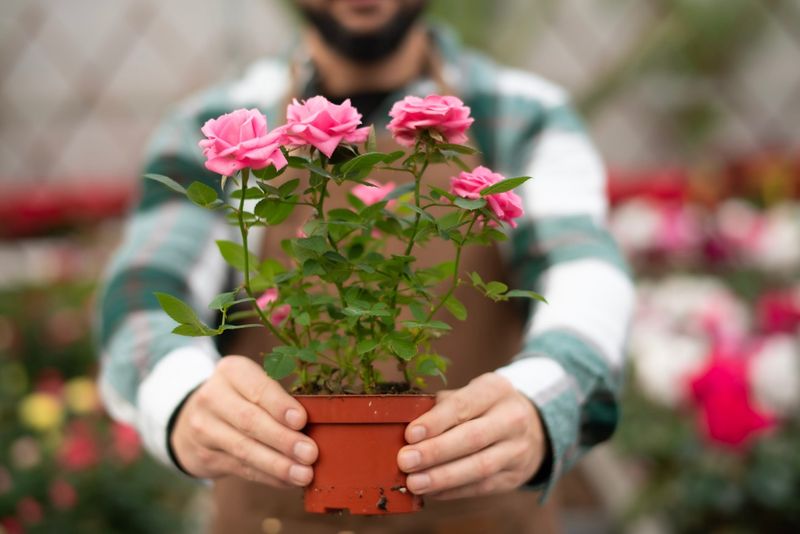
Roses remain the ultimate Valentine’s symbol, and potted varieties make excellent gifts that can become permanent garden residents across Texas.
Most potted roses sold for Valentine’s Day are hybrid teas, floribundas, or miniature varieties that adapt beautifully to outdoor conditions once temperatures stabilize.
After enjoying them indoors through February, you can transition these beauties to your yard in March or early April.
Texas gardeners should wait until the last frost date passes in their region before replanting. North Texas typically sees final frosts in mid-March, while South Texas rarely experiences freezing temperatures after early February.
Choose a location with at least six hours of direct sunlight daily and well-draining soil enriched with compost.
Remove the rose carefully from its decorative pot, gently loosening the root ball without damaging delicate feeder roots.
Dig a hole twice as wide as the root system and just as deep, placing the plant at the same level it grew in the container. Water thoroughly after planting and apply a layer of mulch around the base.
Regular watering remains crucial during the establishment period, especially during Texas’s hot summers. Feed your roses monthly during the growing season with a balanced fertilizer formulated for roses.
Prune lightly after the first bloom cycle to encourage bushier growth and more flowers throughout spring and fall.
2. Kalanchoe Plants
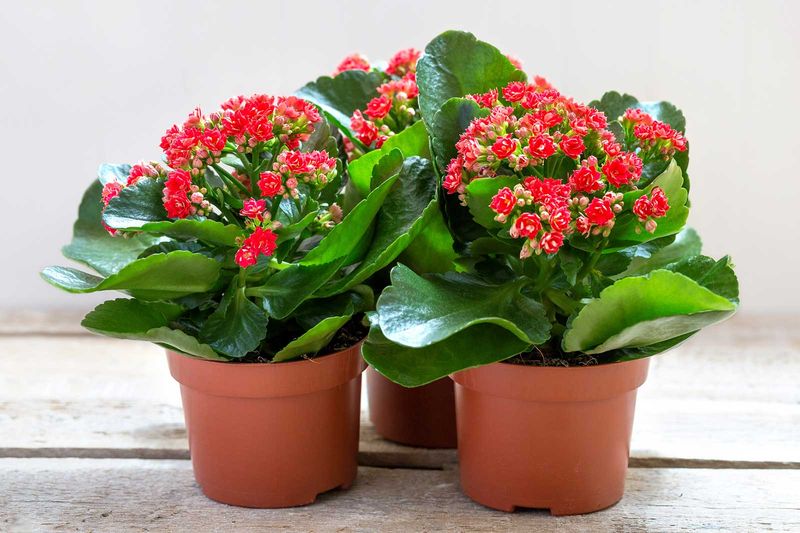
Bright and cheerful kalanchoe plants arrive in homes every February, displaying clusters of tiny flowers in red, pink, orange, or yellow. These tough succulents originally hail from Madagascar, making them surprisingly well-suited to Texas’s warmer regions.
Their thick, waxy leaves store water efficiently, helping them survive our occasionally brutal summer heat with minimal fussing.
Wait until nighttime temperatures consistently stay above 50 degrees before moving kalanchoe outdoors permanently. In most Texas locations, late March through April provides ideal transplanting conditions.
Select a spot with bright, indirect light or morning sun with afternoon shade, as intense Texas afternoon sun can sometimes scorch the leaves.
Kalanchoe thrives in well-draining soil, so consider adding sand or perlite to your garden bed if you have heavy clay.
These plants actually prefer slightly dry conditions over soggy soil, making them perfect for busy Texas gardeners who occasionally forget to water. Plant them at the same depth they occupied in their original container.
Water sparingly, allowing the soil to dry completely between waterings. Overwatering causes more problems than underwatering with these resilient succulents.
In South Texas, kalanchoe can remain outdoors year-round, while North Texas gardeners might need to bring them inside during occasional winter freezes. Pinch off spent flower clusters to encourage new blooms throughout the growing season.
3. Orchids
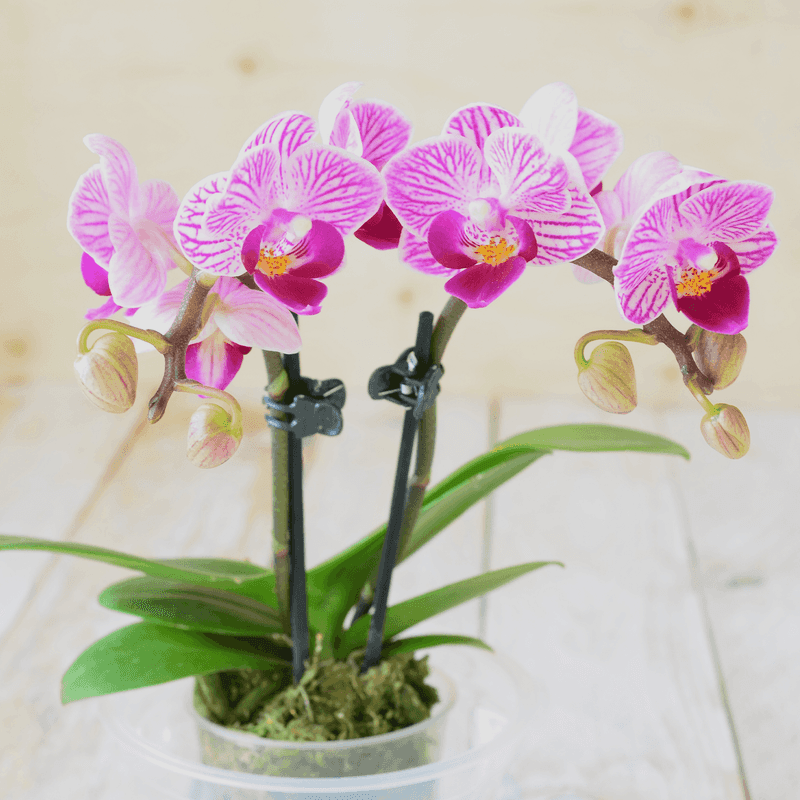
Phalaenopsis orchids grace countless homes on Valentine’s Day, their elegant blooms lasting for months with proper care.
Many Texans assume these tropical beauties must remain houseplants forever, but several regions of our state offer suitable conditions for outdoor orchid growing.
The humid Gulf Coast and South Texas provide particularly favorable environments for these exotic plants to flourish outside.
Once spring arrives and nighttime temperatures stay consistently above 55 degrees, you can begin acclimating your orchid to outdoor life.
Start by placing it in a shaded porch or under a tree canopy for a few hours daily, gradually increasing exposure over two weeks. Never place orchids in direct sunlight, as their leaves burn easily in harsh Texas rays.
Rather than planting orchids directly in soil, attach them to tree bark or place them in hanging baskets with specialized orchid potting mix. Oak trees make excellent hosts for mounted orchids in Texas gardens.
The bark provides the air circulation these epiphytic plants need while offering dappled shade throughout the day.
Mist your outdoor orchids regularly during dry periods, as they appreciate humidity levels between 50 and 70 percent. Water thoroughly when the potting medium becomes nearly dry, typically once or twice weekly during summer.
Fertilize monthly with diluted orchid food during active growth periods. Central and North Texas gardeners should bring orchids indoors before first frost arrives in fall.
4. Azaleas
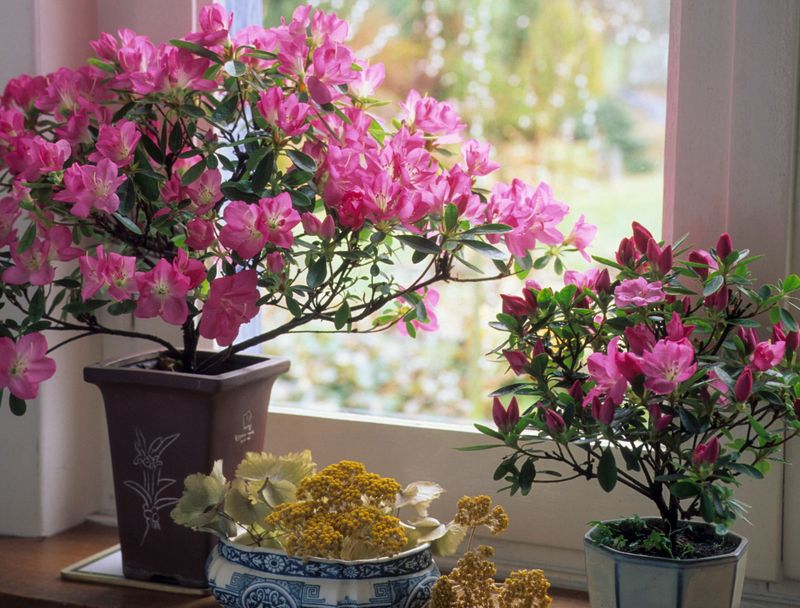
Gift azaleas arrive covered in spectacular blooms during February, their flowers ranging from pure white to deep magenta.
These flowering shrubs belong to the rhododendron family and perform exceptionally well throughout most Texas regions when given proper conditions.
East Texas, with its naturally acidic soil and higher rainfall, provides ideal growing conditions for these acid-loving plants.
March through May offers the best window for transplanting azaleas into Texas landscapes. Choose a location with morning sun and afternoon shade, as intense summer heat can stress these plants.
Azaleas develop shallow root systems, so avoid planting them near large trees that compete aggressively for water and nutrients.
Texas soil often runs alkaline, especially in Central and West Texas, so you’ll need to amend your planting area. Mix generous amounts of peat moss, compost, and sulfur into the soil to lower pH levels between 4.5 and 6.0.
Create a raised bed if your native soil proves too alkaline or poorly draining for successful azalea cultivation.
Plant azaleas at the same depth they grew in their containers, never burying the crown beneath soil level. Water deeply and regularly, especially during establishment and throughout hot Texas summers.
Apply a thick layer of pine bark mulch around plants to retain moisture and gradually acidify the soil.
Prune lightly after flowering finishes to shape plants and remove spent blooms. Feed with acid-forming fertilizer formulated specifically for azaleas three times yearly.
5. Cyclamen
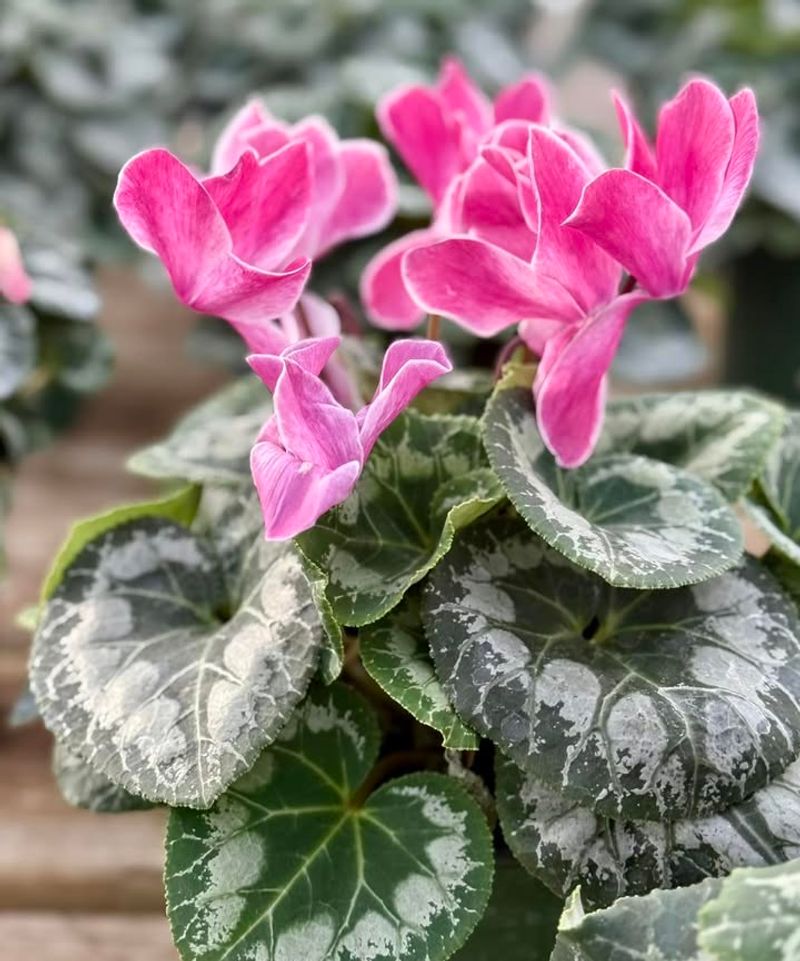
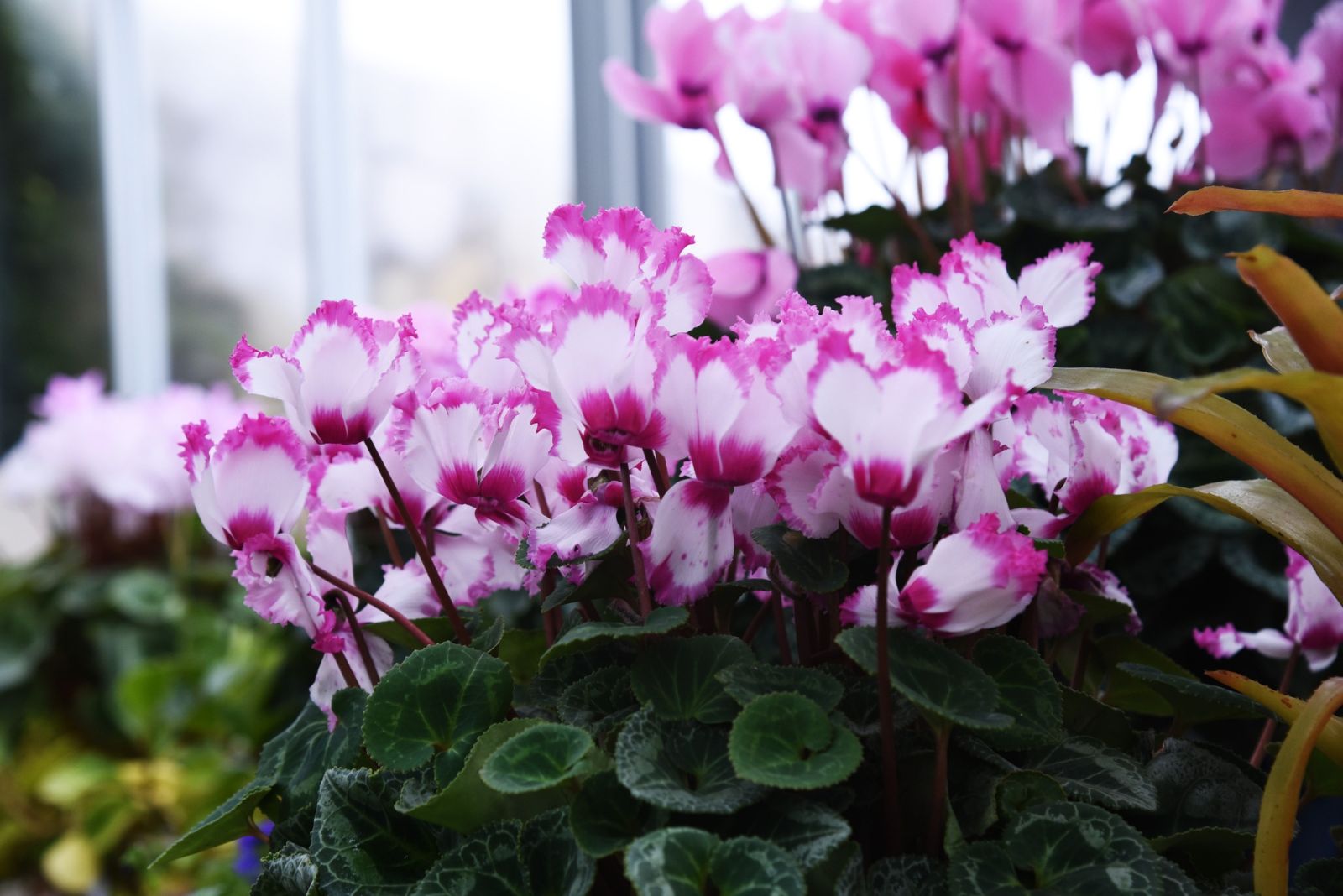
Cyclamen plants charm recipients with their butterfly-like flowers and attractive heart-shaped foliage marked with silvery patterns.
These cool-season bloomers actually prefer temperatures that would make many tropical plants shiver, making them surprisingly suitable for Texas gardens during specific times of year.
Their preference for cooler weather means they bloom beautifully from fall through early spring across most of our state.
Late February through March provides perfect timing for moving cyclamen outdoors in Texas. Unlike heat-loving plants, cyclamen thrives in the cooler temperatures of late winter and early spring before summer heat arrives.
Select a shaded location under trees or on a north-facing side of your home where temperatures remain moderate.
Plant cyclamen in rich, well-draining soil amended with plenty of organic matter. Set the tuber so its top sits just at or slightly above soil level, as burying it too deeply invites rot problems.
Space multiple plants about eight inches apart for a stunning display of color in shaded garden beds.
Water carefully, keeping soil evenly moist but never waterlogged. Cyclamen tubers rot quickly in soggy conditions, so excellent drainage proves essential.
As Texas temperatures climb above 85 degrees consistently, cyclamen naturally enters dormancy. The foliage yellows and retreats, which is completely normal.
Reduce watering during summer dormancy, then resume regular care when cooler fall weather returns. North Texas gardeners enjoy the longest outdoor cyclamen seasons.
6. Gerbera Daisies
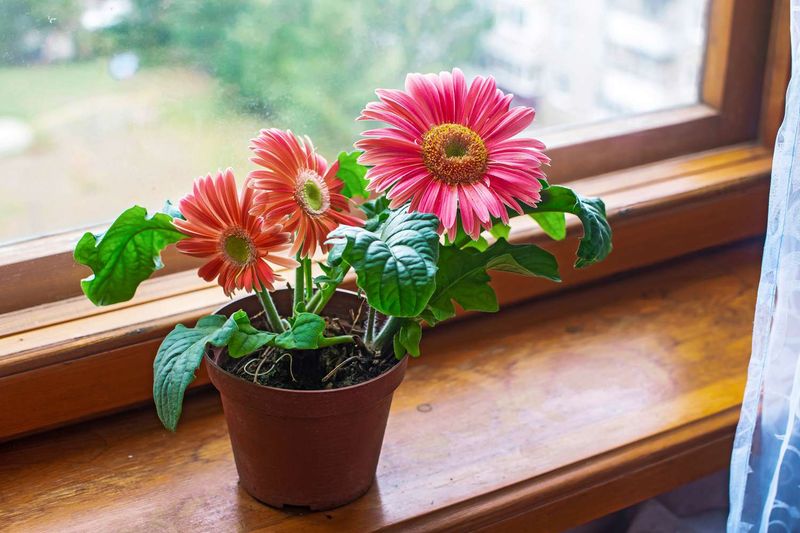
Gerbera daisies bring instant happiness with their large, cheerful blooms in every color imaginable except blue. Originally from South Africa, these sun-loving perennials adapt remarkably well to Texas growing conditions when planted at the right time.
Their bold flowers measure up to five inches across, creating stunning focal points in garden beds and containers throughout the warmer months.
Wait until all danger of frost passes before transplanting gerbera daisies outdoors. For most Texas regions, mid-March through April provides ideal conditions.
Choose a location receiving at least six hours of direct sunlight daily, though afternoon shade benefits plants in the hottest parts of our state.
Gerbera daisies demand excellent drainage to prevent crown rot, their most common problem. Plant them in raised beds or mounded soil if your garden tends to stay wet.
Position the crown slightly above soil level rather than burying it, as this prevents water from pooling around the base. Space plants 12 to 18 inches apart to allow good air circulation.
Water gerbera daisies at soil level rather than overhead to keep foliage dry and reduce disease problems. They prefer consistent moisture but tolerate short dry periods once established.
Deadhead spent blooms regularly to encourage continuous flowering from spring through fall. Feed monthly with balanced fertilizer during the growing season.
In South Texas, gerberas often survive mild winters outdoors, while Central and North Texas gardeners should treat them as annuals or bring potted specimens indoors before freezing weather arrives.
7. African Violets
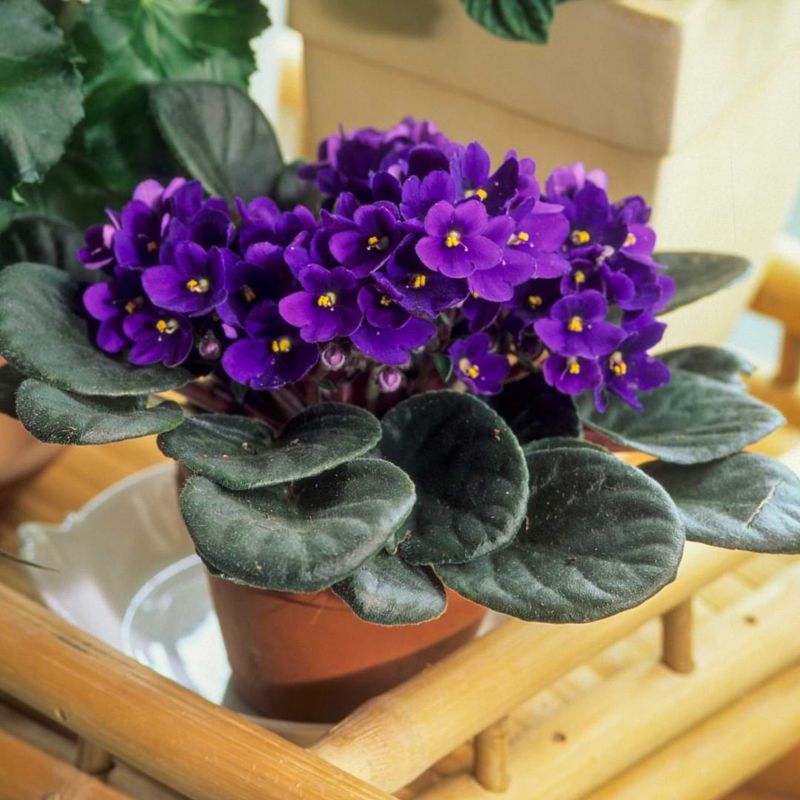
African violets rank among the most popular indoor flowering plants, their fuzzy leaves and delicate blooms appearing in homes year-round.
While traditionally considered houseplants, these tropical natives can actually grow outdoors in the warmest parts of Texas.
Gardeners in South Texas and along the Gulf Coast enjoy the most success with outdoor African violet cultivation, as these plants absolutely cannot tolerate freezing temperatures.
May through early June offers the safest window for transitioning African violets outdoors in Texas. Wait until nighttime temperatures reliably stay above 60 degrees, as cool nights stress these tropical plants.
Find a location with bright, filtered light, such as under a patio cover or beneath the canopy of trees that provide dappled shade throughout the day.
Plant African violets in containers rather than directly in garden beds, as this allows you to control their environment precisely.
Use a well-draining potting mix formulated for African violets or create your own blend with peat moss, perlite, and vermiculite. Ensure containers have drainage holes to prevent waterlogged soil.
Water African violets with room-temperature water when the soil surface feels dry to the touch. Avoid getting water on the fuzzy leaves, as this causes unsightly spots.
Maintain humidity around plants by grouping containers together or placing them on trays filled with pebbles and water. Feed every two weeks with fertilizer diluted to half strength.
Before first frost, bring African violets back indoors to continue blooming throughout winter months.
8. Chrysanthemums
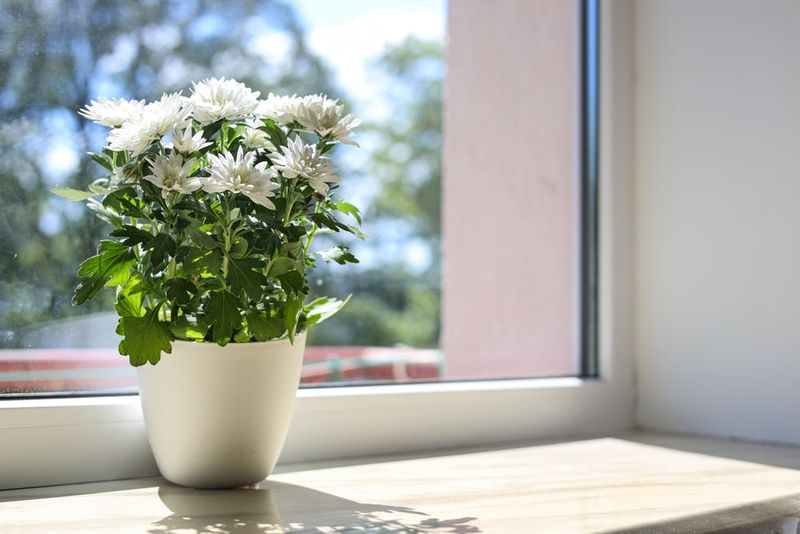
Chrysanthemums sometimes appear as Valentine’s gifts, though they’re more commonly associated with autumn. These reliable bloomers deserve a spot in every Texas garden regardless of when they arrive in your home.
Mums adapt to our state’s growing conditions beautifully, providing spectacular color displays from late summer through fall across all Texas regions.
Plant gift chrysanthemums outdoors as soon as the soil becomes workable in spring. Early planting gives them time to establish strong root systems before blooming season arrives.
Select a sunny location receiving at least six hours of direct sunlight daily, as shade produces leggy plants with fewer flowers.
Mums prefer rich, well-draining soil amended with compost or aged manure. Plant them at the same depth they grew in their gift containers, spacing multiple plants 18 to 24 inches apart. Water thoroughly after planting to settle soil around roots and eliminate air pockets.
Pinch back new growth throughout spring and early summer to create bushy, full plants covered in blooms come fall. Stop pinching by mid-July to allow flower buds to form for autumn display.
Water regularly during hot Texas summers, as mums develop shallow root systems that dry out quickly. Apply a layer of mulch to conserve moisture and moderate soil temperatures.
Feed monthly with balanced fertilizer from spring through midsummer. Many chrysanthemum varieties prove winter-hardy across Texas, returning year after year with increasingly impressive flower displays.
Divide crowded clumps every few years in early spring to maintain vigor.