12 Fall-Blooming Perennials That Peak When Everything Else Fades
September sneaks into the garden like a cat, quiet and a little smug. The tomatoes slump, the zinnias look tired, and the whole yard sighs. You can smell it too, that crisp mix of damp soil and fallen leaves.
Somewhere a squirrel is burying something it will forget by Tuesday. Most gardeners hang up their gloves right about now.
They figure the show is over and the curtain has dropped for good. But a few bold plants have been waiting backstage all summer long.
They skipped the June rush and saved their best outfits for the cool air. Bees notice first, buzzing in like shoppers who heard about a surprise sale.
Butterflies follow, drifting from bloom to bloom as if they own the place. So grab a warm mug and take a slow walk outside. The squirrel is still looking for that acorn, and honestly, it might find a flower instead.
1. New England Asters Throw A Purple Party
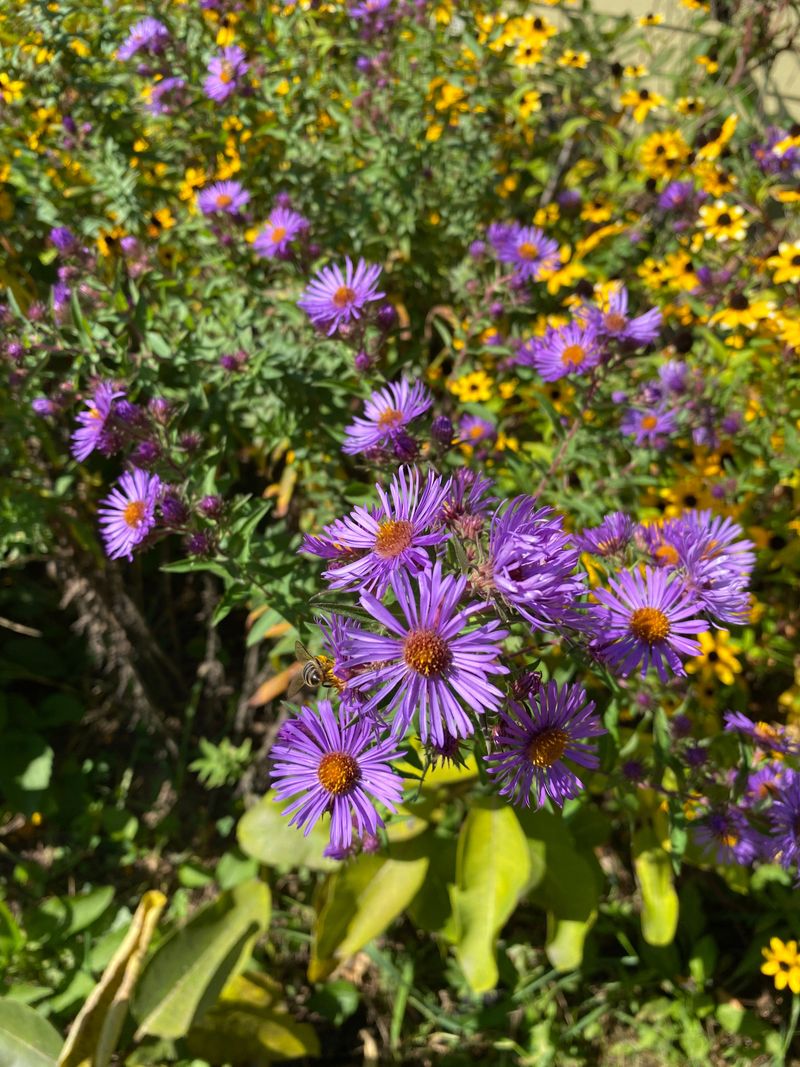
Picture a monarch butterfly running on fumes during its long trip south. It spots a mound of violet daisies and practically throws itself onto the petals.
New England asters bloom from late August into October, right when pollinators need fuel the most. Their bright gold centers work like tiny snack bars for bees and butterflies.
Plants can reach three to six feet tall, so they look best near the back of a border. Give them full sun and soil that stays slightly moist.
Tall stems sometimes flop over after a heavy rain. Pinch the tips back by half in early June, and the plant grows bushier and sturdier.
Colors range from deep purple to hot pink, depending on the variety you choose. Look for Purple Dome if you want a shorter plant around two feet tall.
Here is a fun bit of history for you. The name aster comes from the Greek word for star, which fits those spiky little blooms perfectly.
Divide clumps every three years in spring to keep them healthy and flowering well. Share the extras with a neighbor, and you might start a purple trend on your street.
2. Japanese Anemones Dance In The Breeze
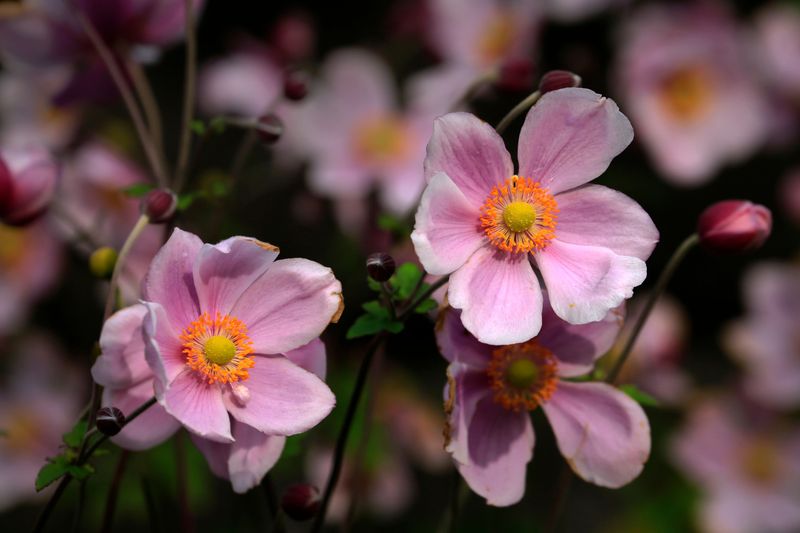
Some flowers sit still for their photo, but these ones sway like they hear music. Their tall, wiry stems bob in every breeze, and the effect is pure charm.
Japanese anemones open in late August and keep going well into October. The blooms come in soft pink or snowy white, each with a fluffy yellow button center.
Plant them where they get morning sun and a little afternoon shade. Rich soil with plenty of compost keeps them happy and blooming for weeks.
Be patient during the first year, because they tend to sulk after planting. By year two or three, they settle in and start spreading with real enthusiasm.
That spreading habit can surprise new gardeners. Give them room to roam, or place them in a bed where a little wandering is welcome.
Despite the name, the plant actually traces back to China. It traveled to Japan centuries ago, where gardeners grew it so long that the name stuck.
Pair them with hostas or ferns for a cool, woodland look. When the rest of the shade garden turns sleepy, these dancers keep the party moving.
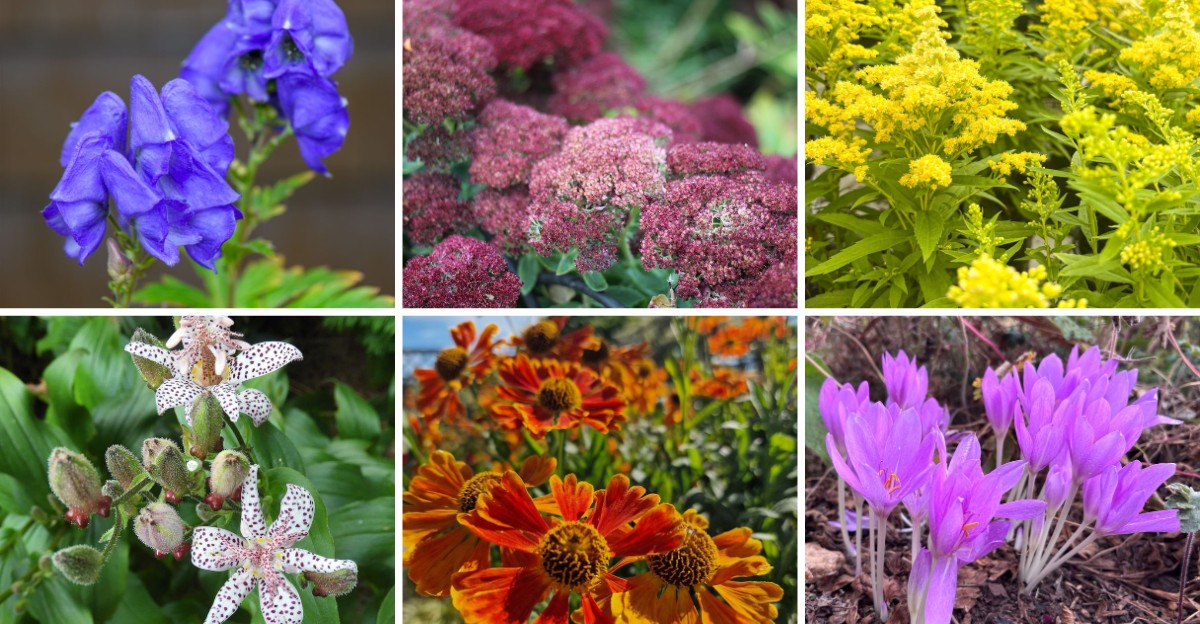
3. Autumn Joy Sedum Blushes Like A Sunset
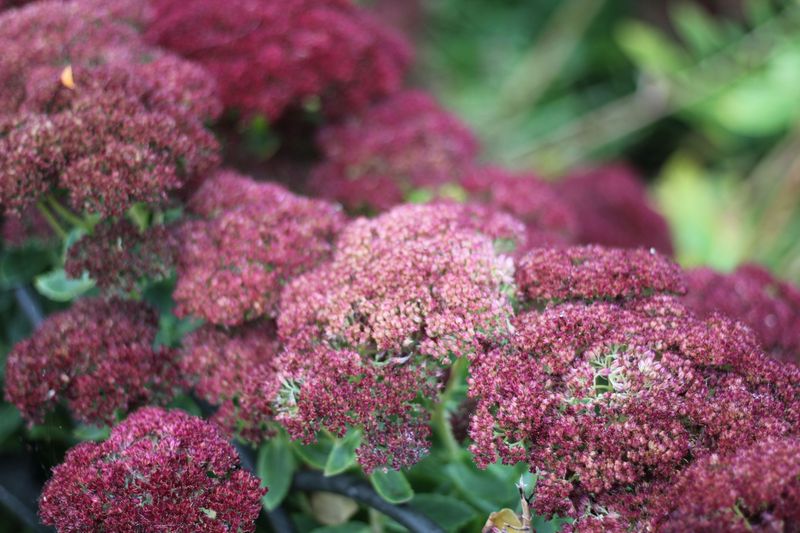
Watching this plant change color feels a bit like watching a slow sunset. In August the flower heads look pale green, almost like broccoli.
By September they turn soft pink, and by October they deepen to a rich rusty red. Bees swarm the flat blooms, so expect a steady buzz on sunny afternoons.
Autumn Joy sedum is one of the easiest perennials you can grow. It loves full sun, handles dry spells with ease, and shrugs off poor soil.
Thick, fleshy leaves store water like tiny canteens. That trick makes it a smart choice for hot spots near driveways or sidewalks.
Too much fertilizer or shade can make the stems floppy. Keep things lean, and the plant stays upright and tidy through the season.
Leave the dried flower heads standing over winter for extra interest. Snow settles on top like frosting, and birds sometimes peck at the seeds.
Want more plants for free? Snap off a stem in spring, poke it into soil, and it usually roots within a few weeks with almost no fuss.
4. Goldenrod Paints The Meadow Yellow
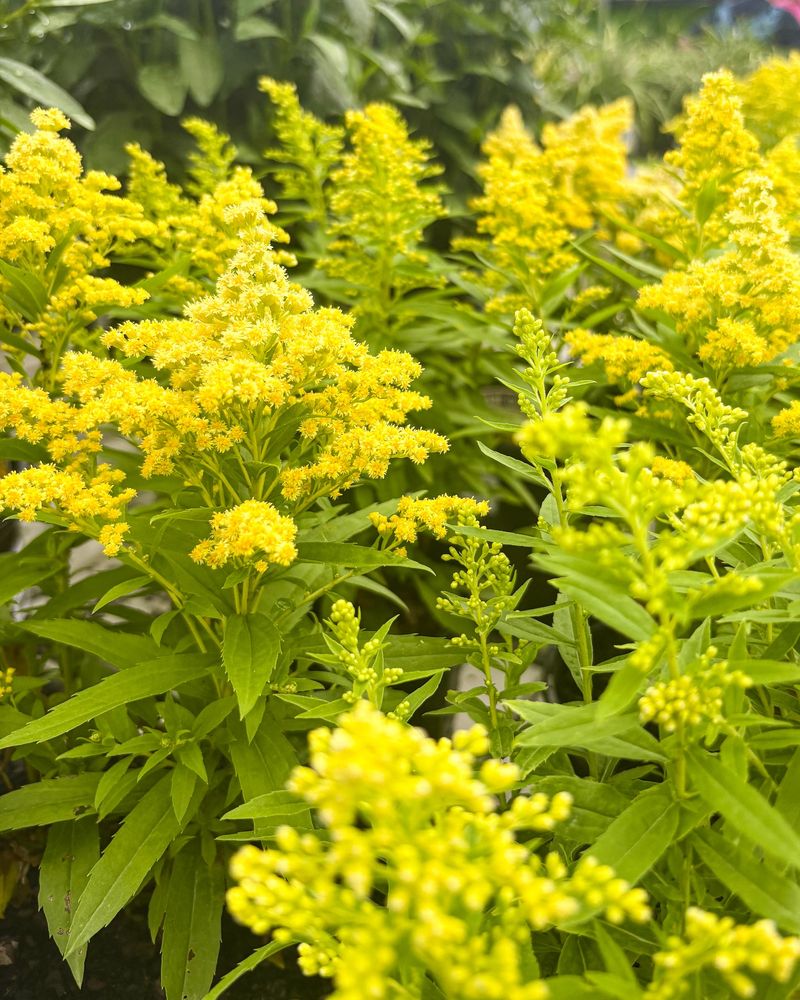
Poor goldenrod has taken the blame for sneezing season for years. The real troublemaker is ragweed, which blooms at the same time with dull green flowers nobody notices.
Goldenrod pollen is heavy and sticky, so it rides on insects instead of the wind. That means it rarely ends up in your nose at all.
Once you clear its name, you get a plant that glows like sunshine in a vase. Arching yellow plumes light up meadows and borders from late August through October.
Native bees, butterflies, and beetles depend on it heavily in the fall. Some studies count more than a hundred insect species visiting a single patch.
Wild types can spread fast, so garden varieties are a better fit for small yards. Try Fireworks or Golden Fleece for tidy clumps with plenty of flowers.
Plant in full sun and average soil, then mostly leave it alone. It handles drought well and asks for very little care once settled.
Early settlers even brewed goldenrod leaves into tea. Today, most folks just enjoy the bright color and the happy hum of visiting bees.
5. Toad Lilies Hide Tiny Orchid Look-Alikes
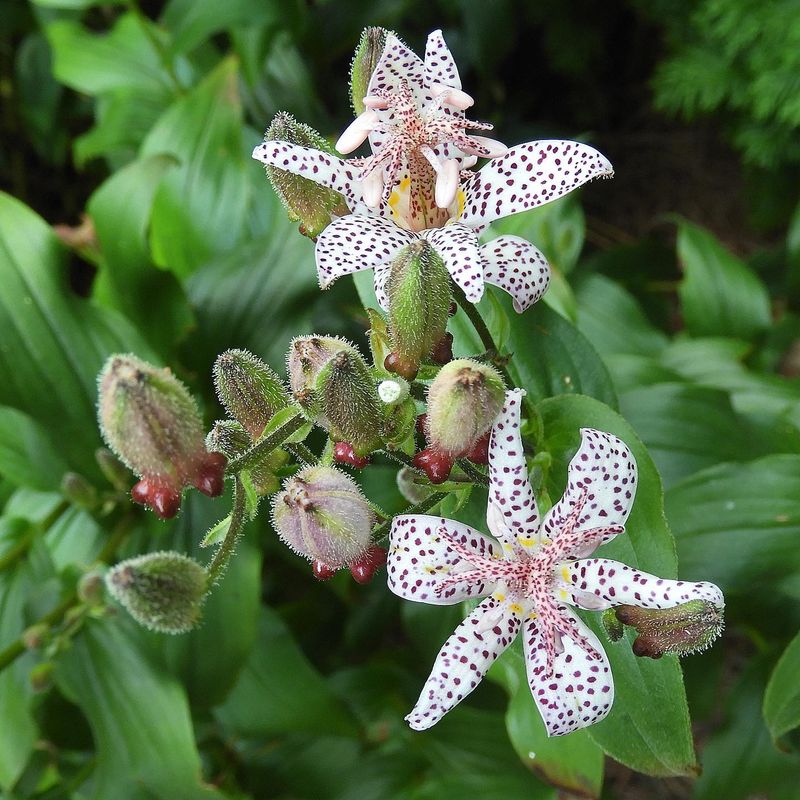
Crouch down in a shady corner this fall, and you might spot something that looks straight out of a rainforest. Toad lilies grow small, speckled blooms that resemble tiny orchids.
The petals are usually white or lavender, dotted with purple freckles. Kids love searching for them because they feel like a hidden treasure.
So why the funny name? One story says the spotted petals reminded people of a toad’s bumpy skin, while another links it to toads hiding beneath the leaves.
These plants thrive in part to full shade with moist, rich soil. They pair nicely with ferns, hostas, and other woodland friends.
Flowers open in September and October along arching stems. Because the blooms are small, plant them near a path or patio where you can admire them up close.
Water during dry spells, since they dislike drying out. A layer of shredded leaves or bark helps the soil hold moisture longer.
Slugs sometimes nibble the leaves in damp weather. A quick evening check with a flashlight usually keeps those slimy visitors under control.
6. Sneezeweed Glows Like A Campfire
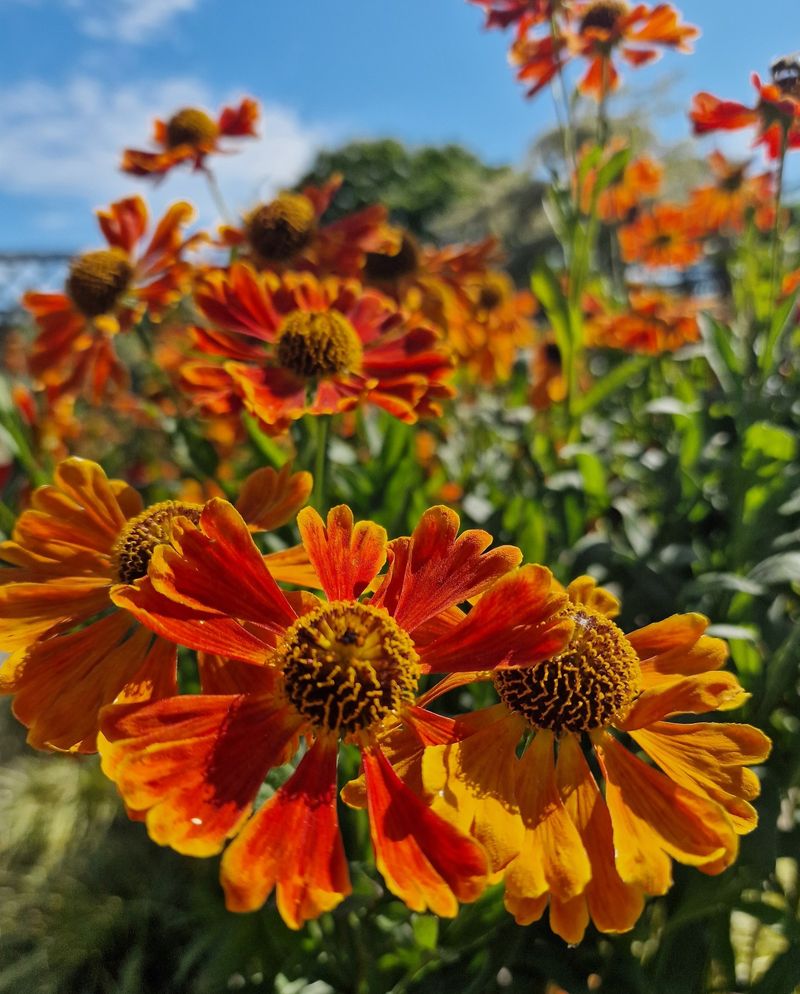
Okay, the name is not winning any beauty contests. Luckily, the flowers make up for it with colors that look like a crackling campfire.
Sneezeweed, also called helenium, blooms in shades of copper, burnt orange, gold, and deep red. Each daisy has a rounded, button-like center that bees adore.
Here is the funny part about the name. Long ago, people dried the leaves and inhaled the crushed powder to trigger a sneeze, not because the pollen bothers anyone.
Give it full sun and soil that stays evenly moist. It grows naturally near streams and wet meadows, so dry, sandy spots are not its style.
Many varieties stand three to five feet tall by early fall. Cut the stems back by a third in late spring to keep them compact and less likely to lean.
Moerheim Beauty is a classic pick with rich, rusty red petals. Mardi Gras offers a cheerful mix of yellow splashed with orange.
Pair it with purple asters for a combo that looks like autumn in a single glance. Your garden will feel warm even on chilly mornings.
7. Monkshood Wears A Royal Blue Hood
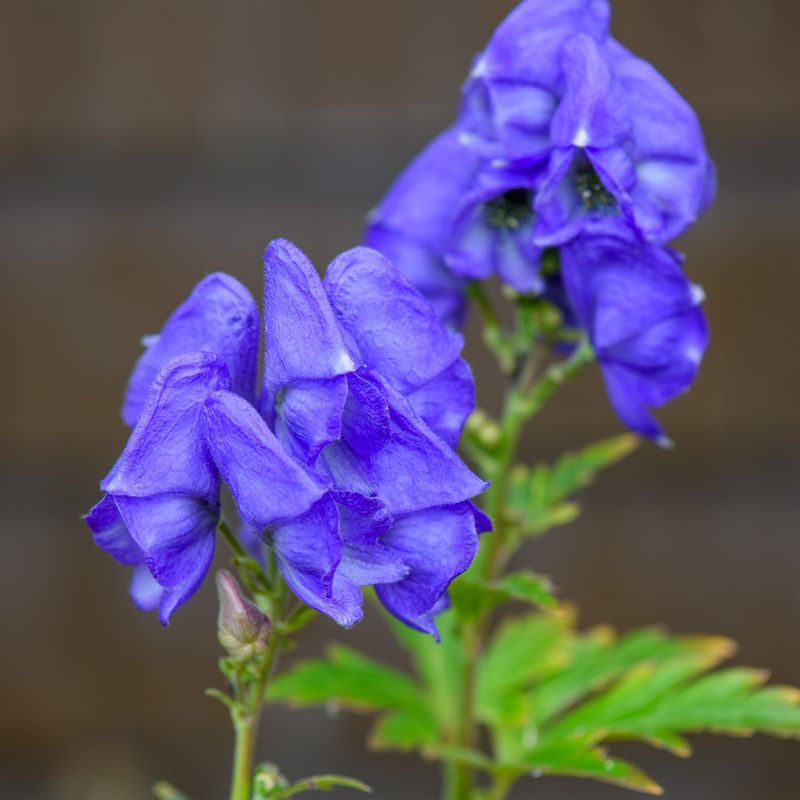
Few fall flowers can match the rich blue of monkshood. Each bloom curves into a hood shape, like a tiny monk ready for evening prayers.
Tall spikes rise three to four feet high in September and October. That deep, inky blue stands out beautifully against yellow and orange fall leaves.
Now for a serious safety note. Every part of this plant is highly toxic, so wear gloves when handling it and keep it away from pets and small children.
Plant it toward the back of a border where curious hands are less likely to reach. Many gardeners grow it safely for years by simply respecting it.
Monkshood prefers cool summers, rich soil, and steady moisture. In hot regions, afternoon shade helps it stay fresh and upright.
Deer and rabbits leave it alone, which is a huge bonus in many yards. Bumblebees are one of the few visitors strong enough to push inside the hooded flowers.
Once planted, try not to move it around. It dislikes being disturbed, but left in peace, it returns each fall looking regal and calm.
8. Hardy Mums Come Back For An Encore
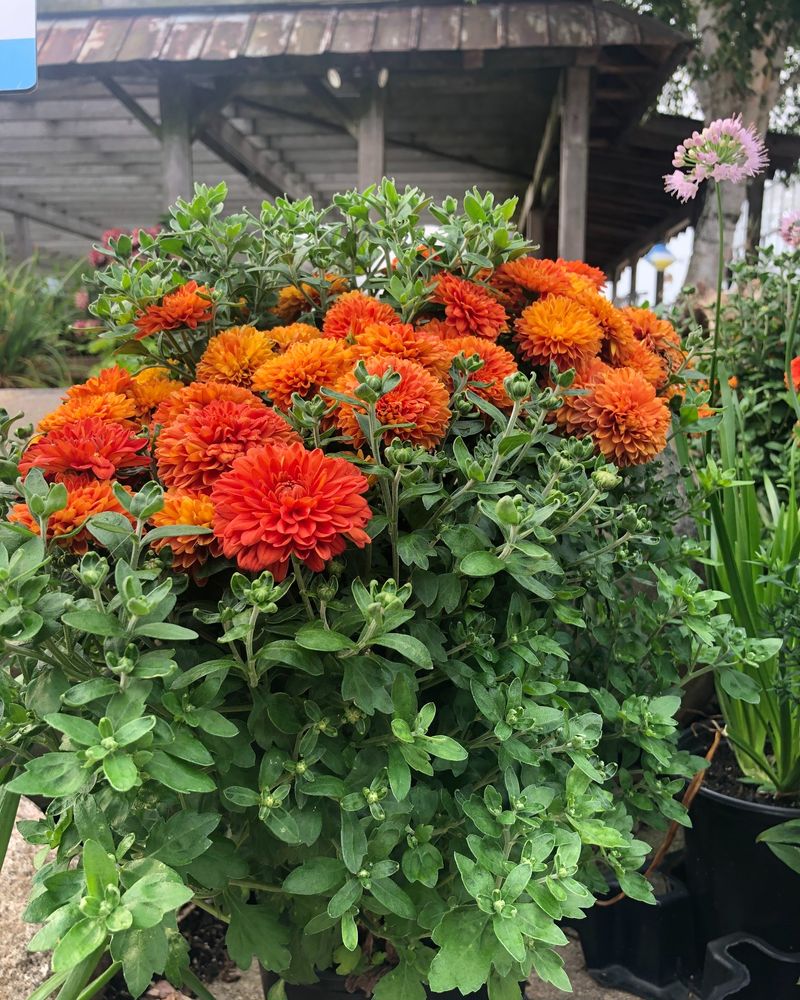
Every September, stores fill up with round pots of mums in every color. Most folks treat them like pumpkins, enjoying them for a few weeks before tossing them.
Hardy garden mums are different, because they return year after year when planted in the ground. The trick is buying true perennial types, not florist mums grown for one season.
Plant them early in fall so roots have time to settle before the ground freezes. Waiting until October gives them a much tougher start.
Choose a sunny spot with soil that drains well after rain. Soggy roots in winter cause more trouble than cold weather does.
In spring, pinch the new shoots every few weeks until early July. That simple habit creates a fuller plant covered in blooms instead of a leggy mess.
Leave the old stems standing over winter to protect the crown. Trim them back once new green growth appears in spring.
Fun fact: in Japan, the chrysanthemum is a symbol of the emperor. There is even a yearly festival celebrating these flowers, called the Festival of Happiness.
9. Turtleheads Snap Open For Busy Bees
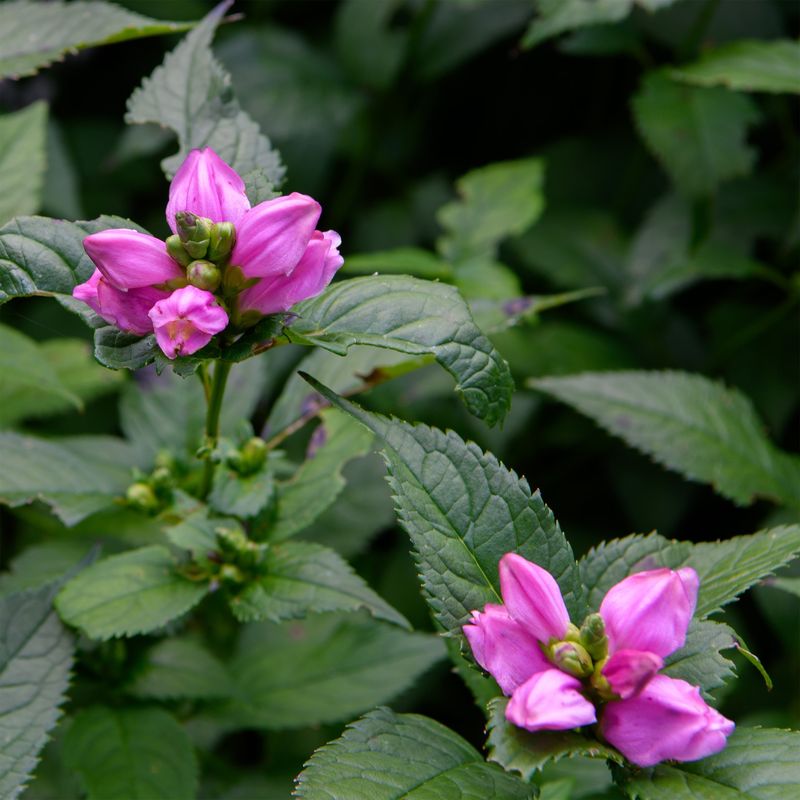
Squint at one of these blooms, and you will see a turtle poking its head out of its shell. The resemblance is so strong that it is almost silly.
Turtlehead, or chelone, grows pink or white hooded flowers on sturdy stems from late August into October. It is a North American native that feels right at home in rain gardens.
Watching bumblebees visit is a real treat. They pry open the closed lips of each flower and wiggle all the way inside, then back out covered in pollen.
This plant loves moist, even soggy soil. If you have a low spot where water collects, turtlehead might be the perfect fix.
Part shade to full sun works fine, as long as the ground stays damp. Dry, sandy soil will leave it looking stressed and droopy.
Here is another reason to grow it. The leaves feed caterpillars of the Baltimore checkerspot, a striking orange and black butterfly.
Deer usually skip it, and pests rarely bother it much. Plant a small group together, and you will have a lively little turtle parade each fall.
10. Swamp Sunflowers Tower Over The Fence
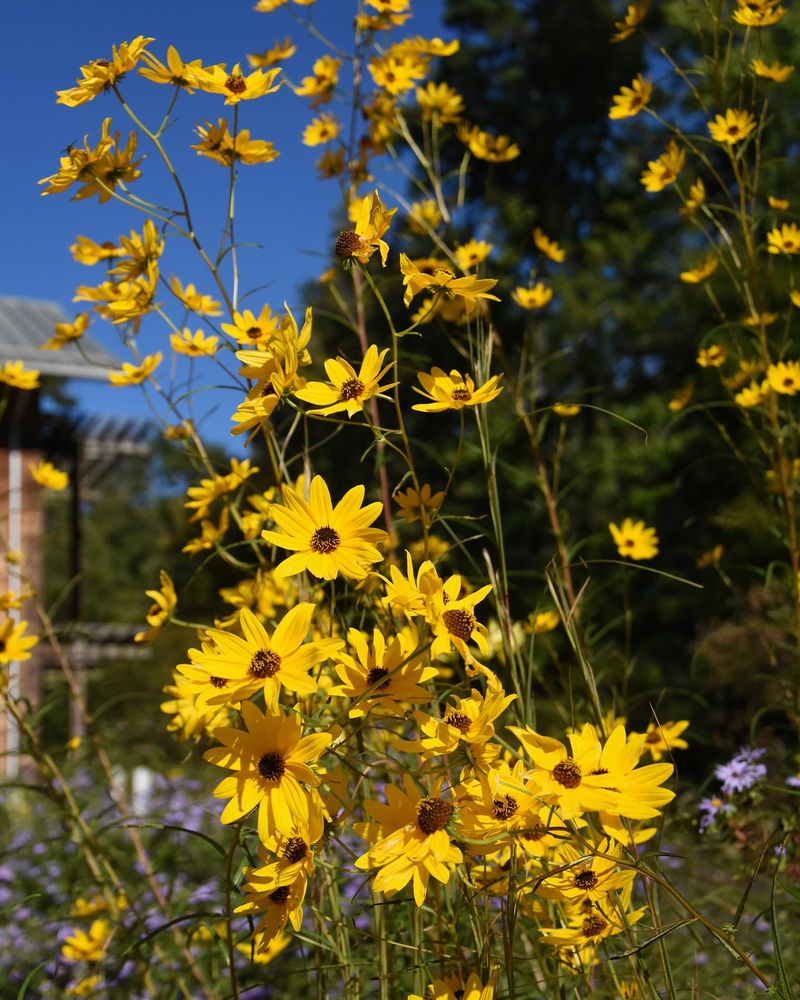
Imagine looking out your window in October and seeing a wall of sunshine. Swamp sunflowers can grow six to eight feet tall, covered in hundreds of cheerful yellow blooms.
Unlike their giant summer cousins, these produce smaller daisies about two to three inches wide. What they lack in size, they make up for in sheer numbers.
The name suggests they need a swamp, but they are surprisingly flexible. They grow well in average garden soil as long as it does not stay bone dry.
Full sun is a must for strong stems and heavy flowering. In too much shade, they stretch and flop like tired teenagers.
Cutting them back by half in early summer keeps them shorter and sturdier. You will still get a huge show, just at a more manageable height.
Give them space, because clumps spread steadily over time. Plant them along a fence, at the back of a bed, or in a wildflower corner.
Late pollinators and seed-loving birds visit often. Goldfinches especially enjoy picking at the spent heads after the petals drop.
11. Autumn Crocus Pops Up Like Magic
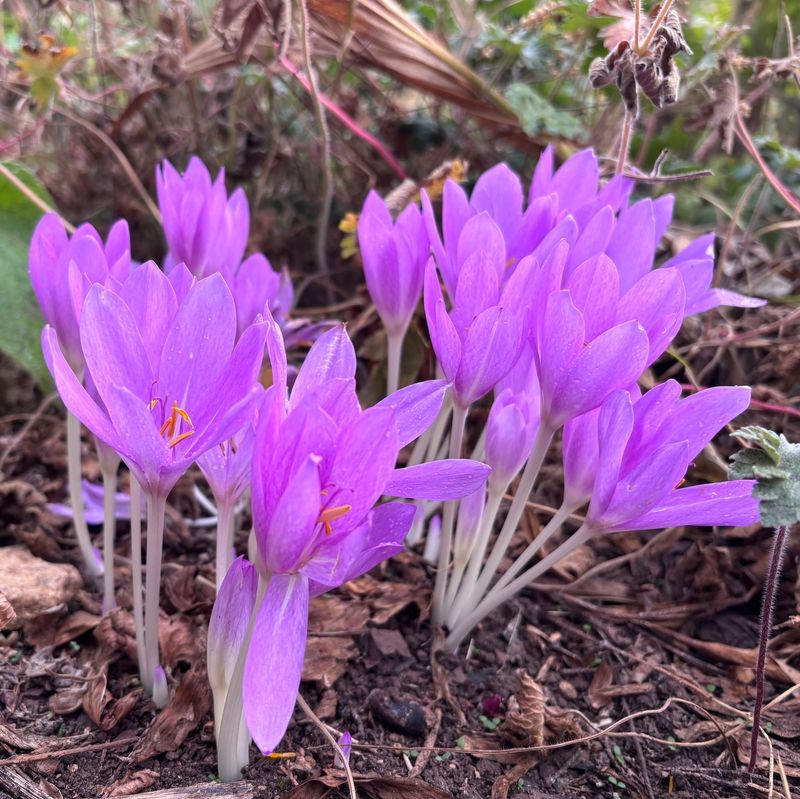
One morning the ground is bare, and the next day a cluster of pink goblets appears. Autumn crocus seems to arrive out of nowhere, like a garden magic trick.
The secret is in its strange schedule. Leaves grow in spring, fade by summer, and then the flowers pop up alone in September.
Because of that, many gardeners call it naked ladies. The blooms stand on bare stems with no leaves in sight, which looks delightfully odd.
Plant the bulbs, called corms, in late summer for flowers the same fall. Tuck them about four inches deep in sunny or partly shady spots.
They look lovely scattered under trees or along a lawn edge. Some gardeners even grow them through low ground covers to hold up the flowers.
Keep in mind that all parts of the plant are toxic if eaten. Wear gloves when planting, and keep it away from pets that like to chew.
A fun bonus is that deer and squirrels usually avoid them. Your little surprise blooms can return each year without becoming someone’s snack.
12. Hardy Plumbago Turns Up The Color Contrast
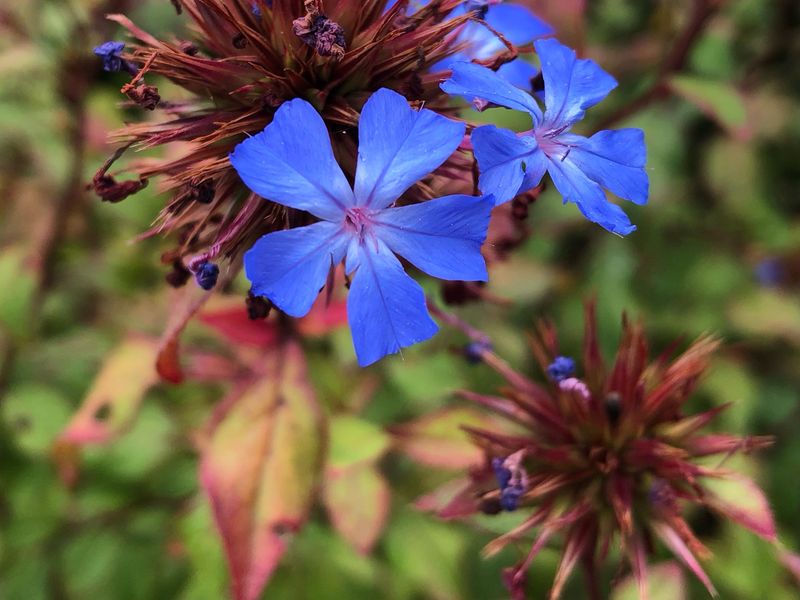
If you love bold color combos, this low grower deserves a spot near your front steps. It delivers sky-blue flowers and fiery red leaves at the very same time.
Hardy plumbago, also called leadwort, starts blooming in late summer. As fall arrives, the leaves shift to crimson while the blue flowers keep coming.
It stays short, usually under a foot tall, and spreads slowly into a neat mat. That makes it a great ground cover for slopes, rock gardens, and path edges.
Plant it in full sun to part shade with soil that drains well. It handles heat and dry weather better than many other perennials.
Be patient in spring, because it wakes up late. Many new gardeners assume it is gone, only to spot green shoots in May.
Mark its location with a small stake so you do not dig it up by accident. That simple step saves a lot of garden regret.
Butterflies enjoy the bright blue blooms on warm afternoons. Tuck some spring bulbs nearby, and that sleepy patch stays interesting all year.