9 Vegetable Varieties For Central Florida You Can Plant Right Now In February
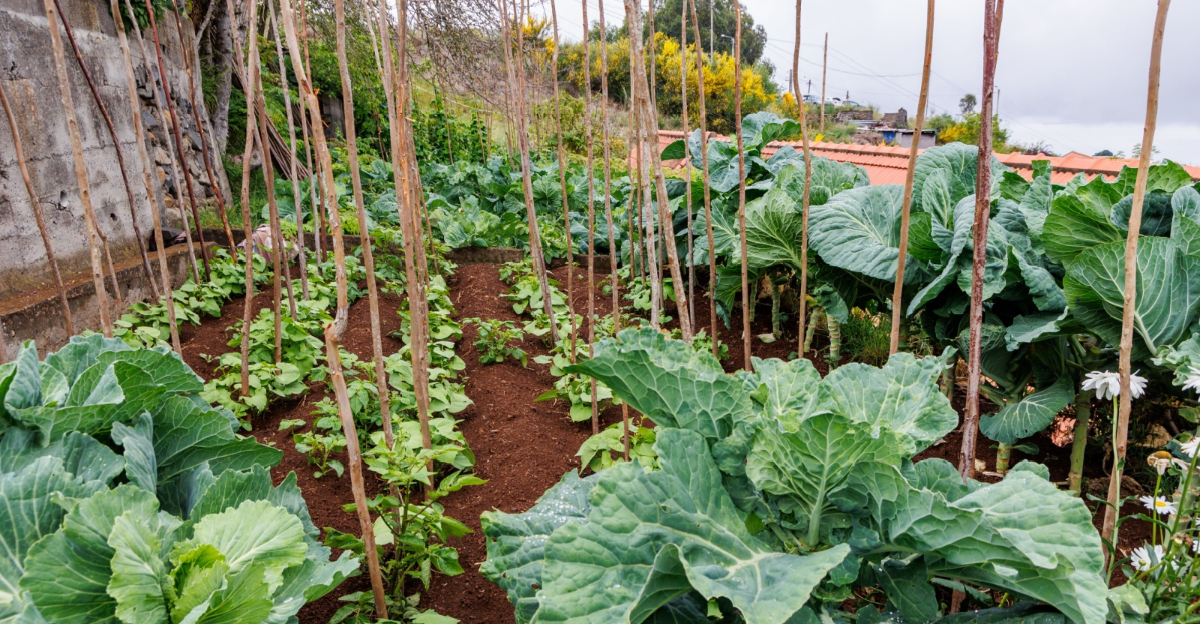
February is one of the best months to plant a vegetable garden in Central Florida. The mild temperatures and steady sunshine create ideal growing conditions before the intense summer heat sets in.
Right now, the soil is warm enough for strong root growth while the cooler air helps prevent common problems like early bolting in leafy crops.
This short seasonal window gives you the chance to establish a productive garden that can provide fresh harvests all through spring.
Many vegetables actually perform better during late winter and early spring in Central Florida, making February a smart time to get seeds and transplants in the ground. If you plant now, you can be harvesting homegrown produce weeks before many other gardeners even get started.
With the right choices, your garden can quickly turn into a steady source of fresh, flavorful vegetables. February is the perfect time to get outside, start planting, and set your garden up for success this season
1. Grow Arugula That Bursts With Flavor
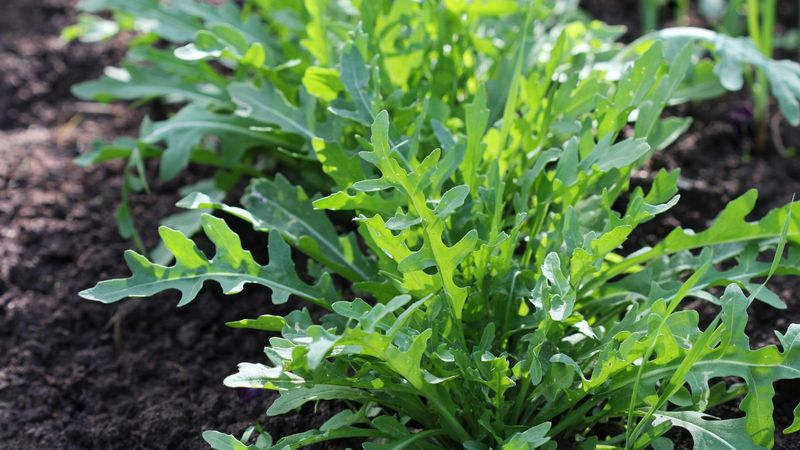
Arugula transforms ordinary salads into something extraordinary with its distinctive peppery kick that wakes up your taste buds. Central Florida’s February weather creates perfect conditions for this leafy green to develop its signature flavor without becoming overly bitter.
The plant grows quickly, often ready for harvest in just three to four weeks after sowing seeds directly into your garden bed. Sandy soil common throughout Central Florida works wonderfully for arugula as long as you mix in some compost to retain moisture.
Seeds should be planted about a quarter-inch deep and spaced roughly an inch apart in rows. Once seedlings emerge, thin them to about four inches between plants to give each one room to spread its distinctive leaves.
Morning sun with afternoon shade helps arugula thrive during Central Florida’s warmer February days. Water consistently to keep soil moist but never soggy, as dry conditions make leaves tough and excessively spicy.
Harvest outer leaves regularly to encourage continuous production, and you’ll enjoy fresh arugula for weeks.
This Mediterranean green pairs beautifully with citrus fruits grown locally in Central Florida, creating delicious salad combinations.
Plant successive crops every two weeks throughout February to maintain a steady supply. Arugula’s fast growth and minimal care requirements make it perfect for beginning gardeners looking to build confidence with their first vegetable plantings.
2. Plant Beets For Sweet Garden Rewards
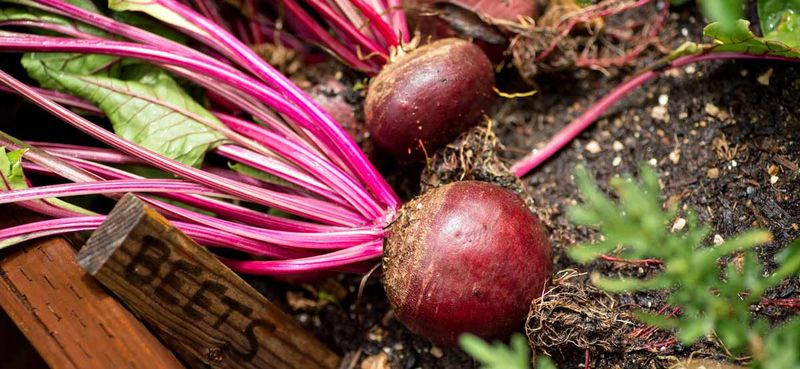
Beets offer double rewards since both the colorful roots and nutritious greens are completely edible and delicious. February planting in Central Florida gives these root vegetables the cool conditions they prefer for developing sweet, tender bulbs.
The moderate temperatures prevent the woody texture that develops when beets mature in hot weather.
Choose a sunny spot in your Central Florida garden with loose, well-draining soil free of rocks and clumps.
Beet seeds are actually clusters containing multiple seeds, so expect several seedlings to emerge from each planted cluster. Sow them about half an inch deep and two inches apart, then thin seedlings to four inches once they reach a few inches tall.
Consistent moisture throughout the growing season produces the sweetest, most tender beets. Central Florida’s occasional February rains help, but supplemental watering during dry spells keeps growth steady.
Side-dress plants with compost midway through the season to boost root development. Red varieties are classic, but golden and striped beets add visual interest to your harvest basket.
You can start harvesting baby beets in about 45 days, though full-sized roots take closer to 60 days. The greens are ready even sooner and taste fantastic sautéed with garlic.
Beets store well after harvest, giving you weeks of enjoyment from your Central Florida February planting efforts.
3. Broccoli Will Thrive With Minimal Effort
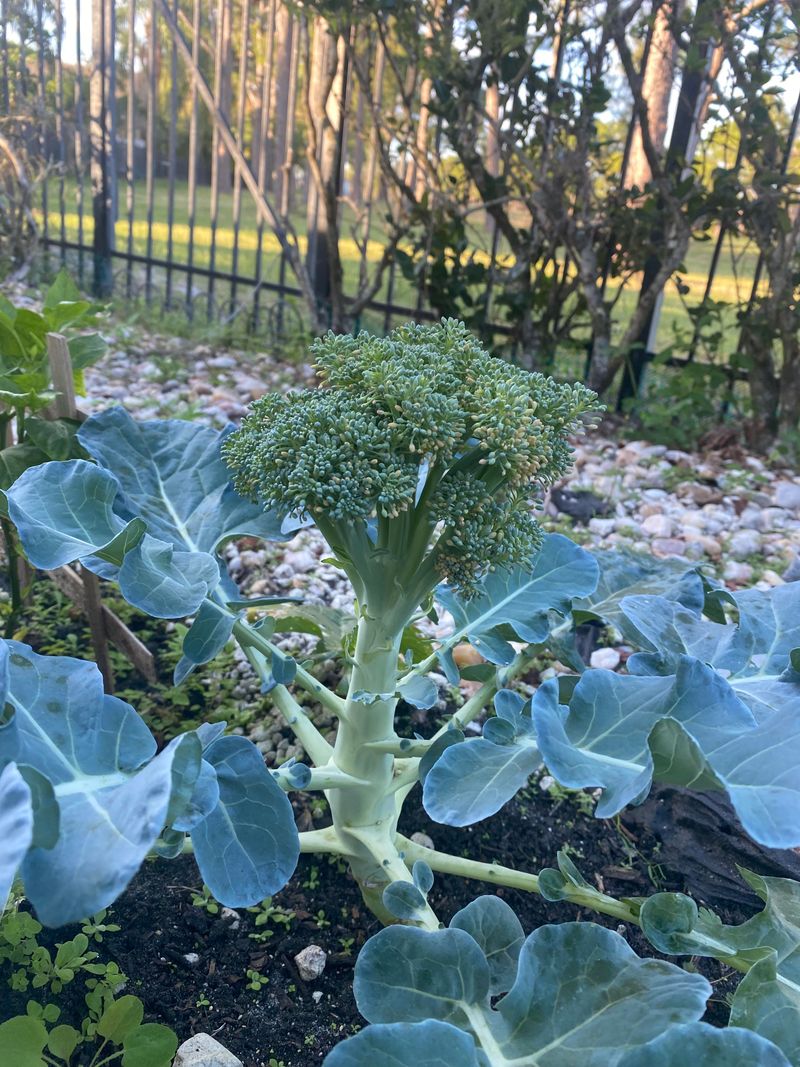
Broccoli might seem intimidating, but Central Florida’s February conditions make growing this nutritious vegetable surprisingly straightforward.
Transplants give you a head start compared to seeds, establishing quickly in the garden for earlier harvests.
The mild temperatures allow broccoli to develop large, tight heads without the stress that causes premature flowering. Space transplants about 18 inches apart in rows roughly two feet apart to accommodate their spreading growth habit.
Central Florida’s sandy soil benefits from generous compost additions to provide the nutrients broccoli needs for vigorous growth. Full sun exposure ensures strong plants and well-formed heads.
Water deeply but infrequently to encourage strong root systems that can access moisture during drier periods. Mulch around plants helps regulate soil temperature and conserve moisture, both important for Central Florida gardens.
Watch for the main head to reach four to seven inches across before harvesting by cutting the stem at an angle. After removing the main head, side shoots will continue developing smaller florets for several more weeks.
This extended harvest makes broccoli particularly valuable in Central Florida home gardens.
February plantings typically produce main heads by April, perfect timing before summer heat arrives.
The satisfaction of cutting fresh broccoli from your own garden makes any effort worthwhile, and this vegetable truly requires less fuss than its reputation suggests.
4. Add Cabbage To Your Garden For Crisp Bites
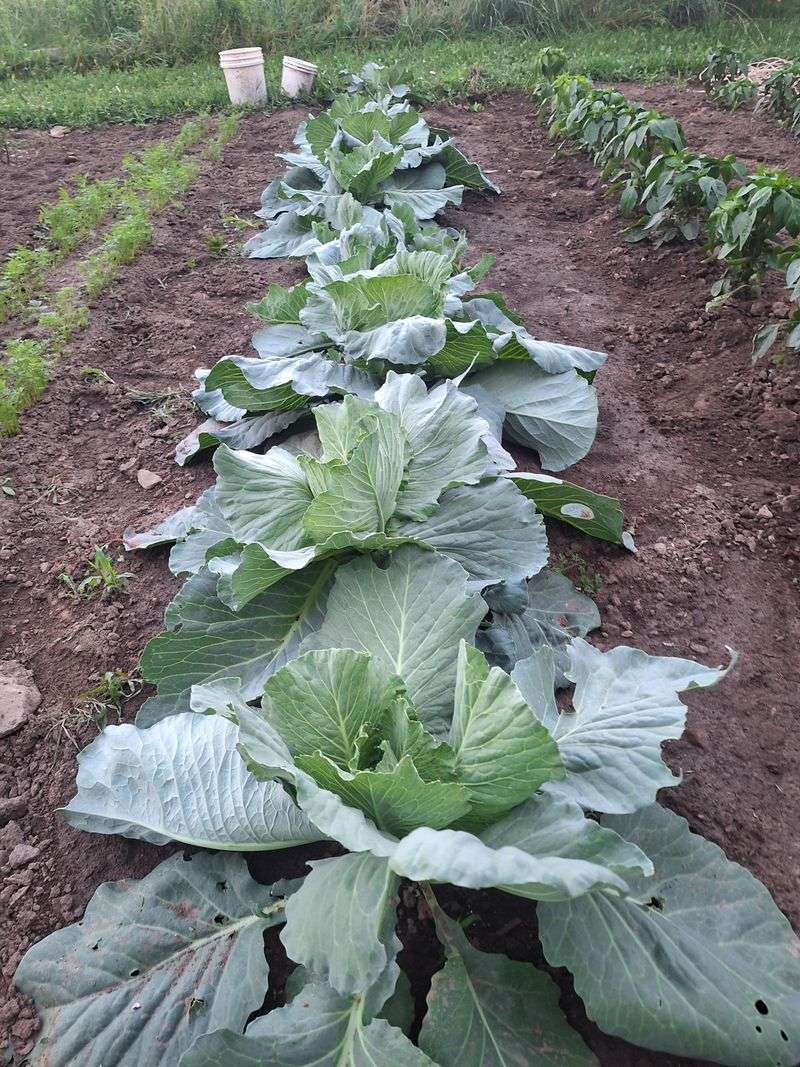
Cabbage heads develop beautifully when planted during Central Florida’s February weather, forming tight, crisp leaves perfect for countless recipes. Starting with transplants rather than seeds gives these slow-growing plants the time they need to mature before heat arrives.
The cool nights and warm days create ideal conditions for cabbage to develop its characteristic crunch and mild sweetness. Plant transplants deep, burying the stem up to the first set of leaves to encourage strong root development.
Space plants about 18 inches apart in Central Florida gardens, giving each one room to form a full-sized head.
Rich soil amended with compost provides the steady nutrition cabbage requires throughout its long growing season.
Consistent moisture is essential for preventing heads from splitting as they mature. Central Florida’s variable February rainfall means you’ll need to supplement with irrigation during dry stretches.
Apply mulch around plants to maintain even soil moisture and suppress competing weeds. Both green and purple cabbage varieties perform well when planted in February across Central Florida.
Heads are ready to harvest when they feel firm and solid when squeezed gently. Cut at the base, leaving outer leaves in place, and you might get small secondary heads forming later.
Fresh cabbage from your garden tastes remarkably different from store-bought, with a sweetness and crispness that makes simple preparations absolutely delicious.
5. Carrots Ready To Pull In Weeks
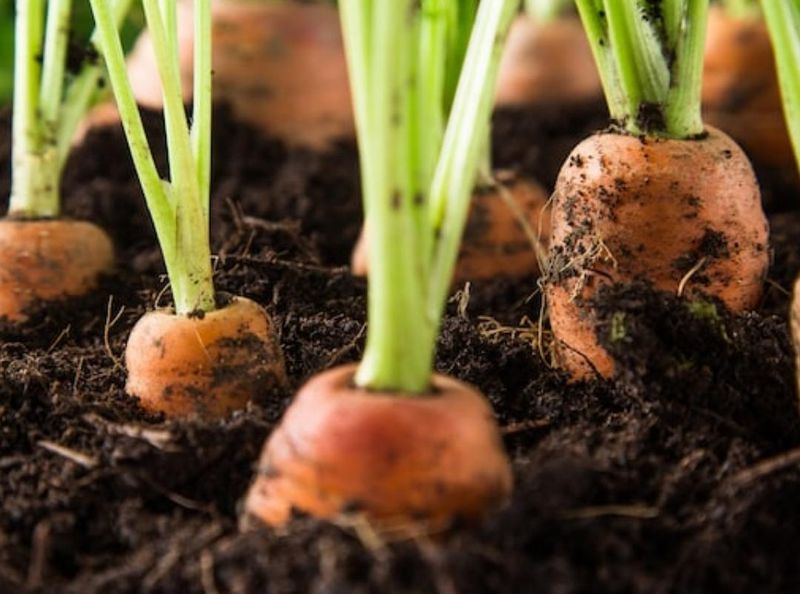
Carrots planted in February throughout Central Florida develop sweet, crunchy roots that taste nothing like the bland specimens from grocery stores.
Direct seeding works best since carrots dislike transplanting and develop straighter roots when sown where they’ll grow.
The cool soil temperatures of February encourage steady germination and strong root development. Loose, sandy soil common in Central Florida is actually perfect for growing long, straight carrots.
Remove any rocks or clumps before planting, and consider raising beds slightly to improve drainage. Sow seeds thinly in shallow furrows about a quarter-inch deep, then cover lightly with fine soil or compost.
Germination takes patience, often requiring two weeks or more before tiny seedlings emerge. Keep soil consistently moist during this waiting period, as drying out prevents sprouting.
Once seedlings appear, thin them to about two inches apart to give roots space to expand. Central Florida gardeners can choose from various carrot lengths depending on soil depth and personal preference.
Baby carrots mature fastest, ready to pull in about 50 days from February planting. Full-sized varieties take 70 to 80 days but offer impressive harvests.
The feathery tops indicate readiness when they reach about eight inches tall. Pull a test carrot to check size, and harvest the rest when they reach your preferred diameter for the sweetest flavor.
6. Keep Collards Strong All Season Long
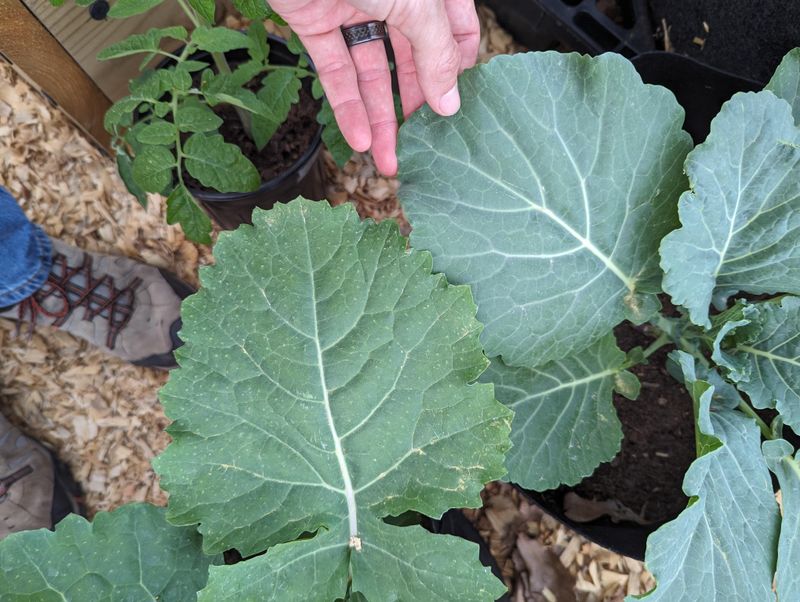
Collards stand as one of the most reliable vegetables for Central Florida gardens, tolerating both cool and warm conditions with remarkable resilience.
February planting gives these nutritious greens time to establish before summer, producing tender leaves perfect for traditional Southern cooking.
Unlike more delicate greens, collards actually improve in flavor after exposure to cool temperatures. Transplants establish quickly in Central Florida’s February weather, ready to harvest within weeks of planting.
Space plants about 18 inches apart to accommodate their eventual size and allow air circulation. Full sun produces the most vigorous growth, though collards tolerate partial shade better than many vegetables.
Harvest by removing lower leaves individually, allowing the plant to continue producing from the center. This cut-and-come-again approach provides fresh greens for months from a single February planting.
Young leaves taste milder and cook faster, while larger leaves develop the robust flavor collard enthusiasts prefer. Water regularly to keep plants growing steadily throughout Central Florida’s sometimes-dry late winter and spring.
Side-dress with compost or organic fertilizer monthly to support continuous leaf production. Collards rarely face serious pest problems when planted in February, making them perfect for organic gardening.
These dependable greens bridge the gap between winter and summer gardens in Central Florida. Plants often continue producing right through early summer if kept watered and harvested regularly, offering exceptional value from a February planting.
7. Lettuce That Stays Fresh And Crunchy
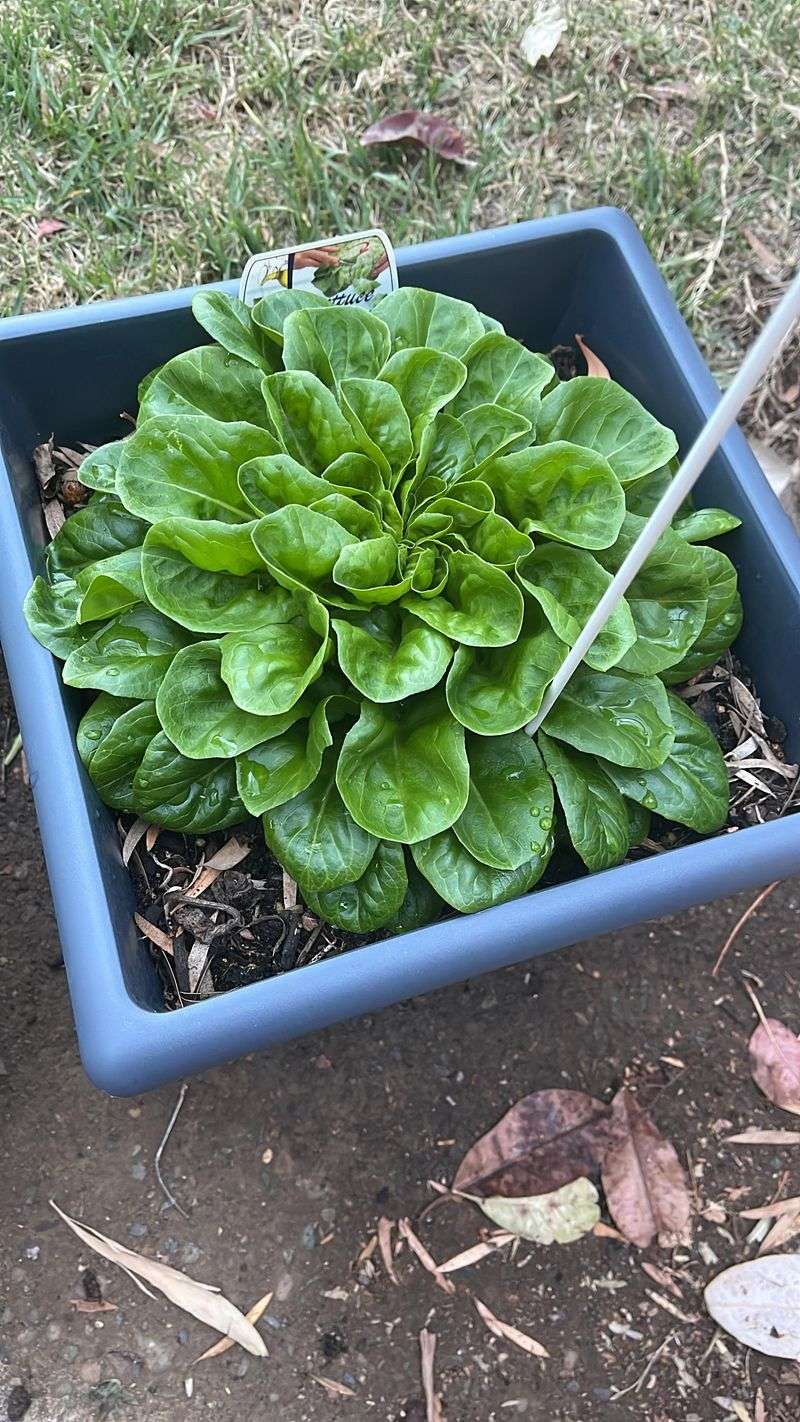
February offers the perfect window for growing crisp, flavorful lettuce in Central Florida before heat causes plants to bolt and turn bitter. Numerous varieties thrive in these conditions, from buttercrunch to romaine to colorful loose-leaf types.
Cool nights and mild days create ideal growing conditions that produce the tender, sweet leaves lettuce lovers crave. Direct seeding works well for loose-leaf varieties, while head lettuce benefits from transplants for faster maturity.
Plant in blocks rather than rows to maximize space in Central Florida gardens and create attractive edible landscapes. Shallow roots mean lettuce grows successfully in containers if garden space is limited.
Consistent moisture keeps leaves tender and prevents the bitterness that develops in stressed plants. Morning watering allows foliage to dry before evening, reducing potential disease issues in Central Florida’s humid climate.
Light shade during the hottest part of the day extends the harvest season as temperatures warm through spring. Harvest outer leaves continuously for an extended supply, or cut entire heads at the base once they reach full size.
Leaf lettuce matures fastest, often ready within 30 days of February planting. Head types take longer but offer satisfying crunch and substantial harvests.
Successive plantings every two weeks throughout February ensure a steady supply of fresh lettuce. Nothing compares to salads made from lettuce picked minutes before serving, with flavors and textures that make store-bought options seem lifeless.
8. Don’t Miss Out On Sweet Tender Peas
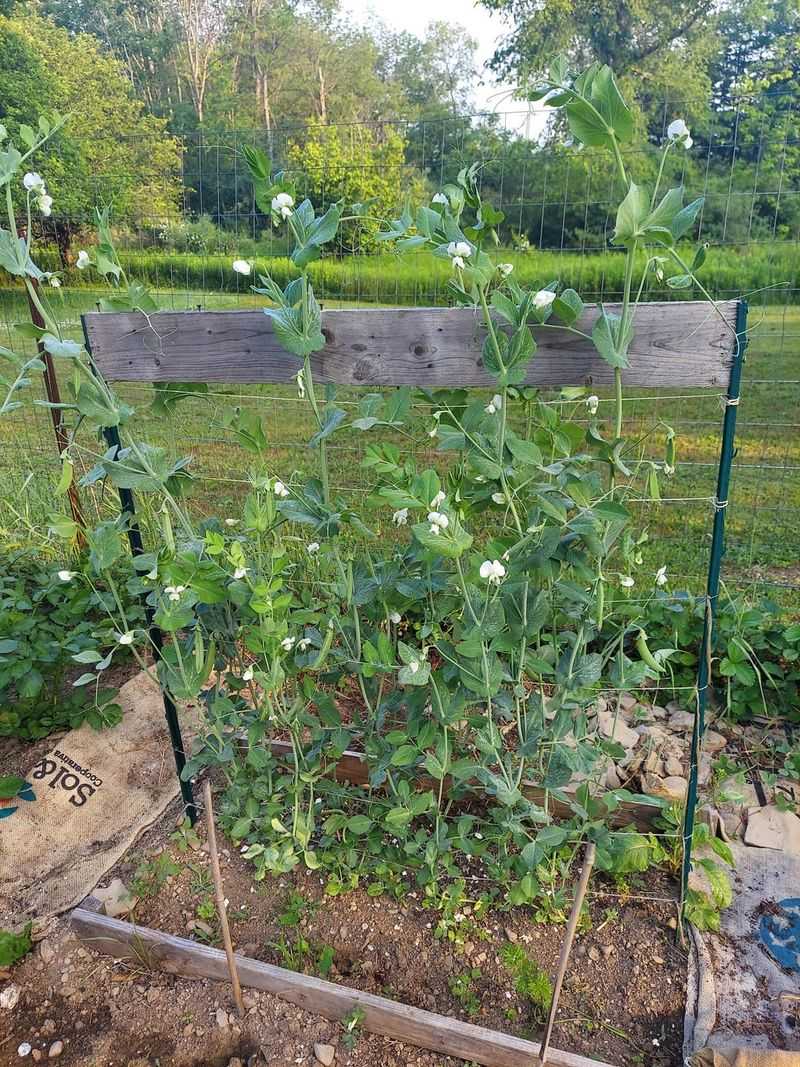
Garden peas planted in February across Central Florida produce sweet pods and tender shoots that taste like spring itself.
Both shelling peas and snap peas thrive in the cool conditions, though snap varieties offer easier harvesting since you eat the entire pod.
The vining plants add vertical interest to gardens while producing impressive yields from minimal ground space. Peas prefer growing up supports rather than sprawling on the ground where pods can rot.
Install trellises, stakes, or even decorative fencing before planting to avoid disturbing roots later. Sow seeds directly in Central Florida garden beds about an inch deep and two inches apart along the support structure.
Germination occurs quickly in February’s moderate soil temperatures, usually within a week or two. Once established, pea plants require minimal care beyond consistent watering and occasional weeding.
The nitrogen-fixing roots actually improve soil for whatever you plant next in that spot. Delicate white or purple flowers appear before pods develop, adding ornamental value to edible gardens.
Harvest snap peas when pods fill out but before they become tough and starchy. Shelling peas are ready when pods plump up and feel full.
Central Florida’s February-planted peas typically produce heavily through April before declining as temperatures rise. Fresh peas eaten raw right in the garden taste remarkably sweet, though cooked preparations showcase their tender texture beautifully.
9. Radishes That Grow Fast And Brighten Your Plate
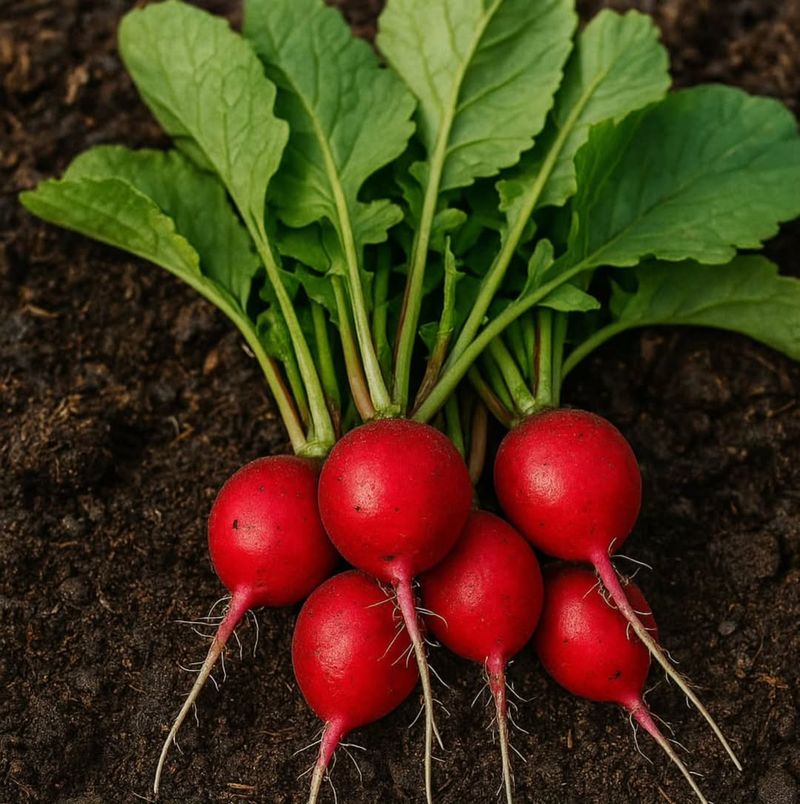
Radishes rank among the fastest vegetables you can grow in Central Florida, often ready to harvest just three weeks after February planting. The quick turnaround makes them perfect for impatient gardeners or children learning to garden for the first time.
Crisp texture and peppery bite add zip to salads and vegetable platters, while roasting transforms radishes into mild, almost sweet treats. Direct seeding works best since radishes develop quickly and dislike transplanting.
Sow seeds about half an inch deep and an inch apart in rows throughout your Central Florida garden. The small seeds are easy to handle, making planting straightforward even for beginners.
Thin seedlings to two inches apart once they emerge to give roots room to expand properly. Crowded radishes produce all tops and tiny roots, disappointing after weeks of waiting.
Central Florida’s sandy soil suits radishes perfectly as long as you water consistently to prevent woody, overly spicy roots. Harvest when radishes reach about an inch in diameter by pulling the entire plant.
Leaving them in the ground too long results in pithy, unpleasant texture. Successive plantings every week throughout February ensure continuous harvests of fresh, crunchy radishes.
Beyond the common red globe types, try elongated French breakfast radishes or colorful watermelon varieties. All mature quickly in Central Florida’s February conditions, providing nearly instant gratification for gardeners eager to harvest homegrown produce.
The bright colors and crisp texture make radishes as fun to grow as they are to eat.