11 Vegetables Florida Gardeners Can Harvest Year Round From Bucket Gardens
I still remember the first time I tried growing vegetables in buckets on my Florida balcony. I thought it would be a short experiment, but to my surprise, the plants kept producing fresh greens long after I expected.
Florida’s warm climate makes year-round harvesting possible, even in small spaces. Many gardeners don’t realize that you don’t need a huge yard or traditional garden beds to enjoy fresh veggies every month of the year.
From leafy greens to cherry tomatoes, several crops thrive in containers with minimal fuss. Bucket gardening lets you control soil, sunlight, and watering, which means healthier plants and tastier harvests.
Once you get the hang of it, you can enjoy fresh vegetables straight from your own “mini farm” no matter the season.
With a few simple buckets and the right crops, you can keep your kitchen stocked with homegrown goodness all year long.
1. Cherry Tomatoes
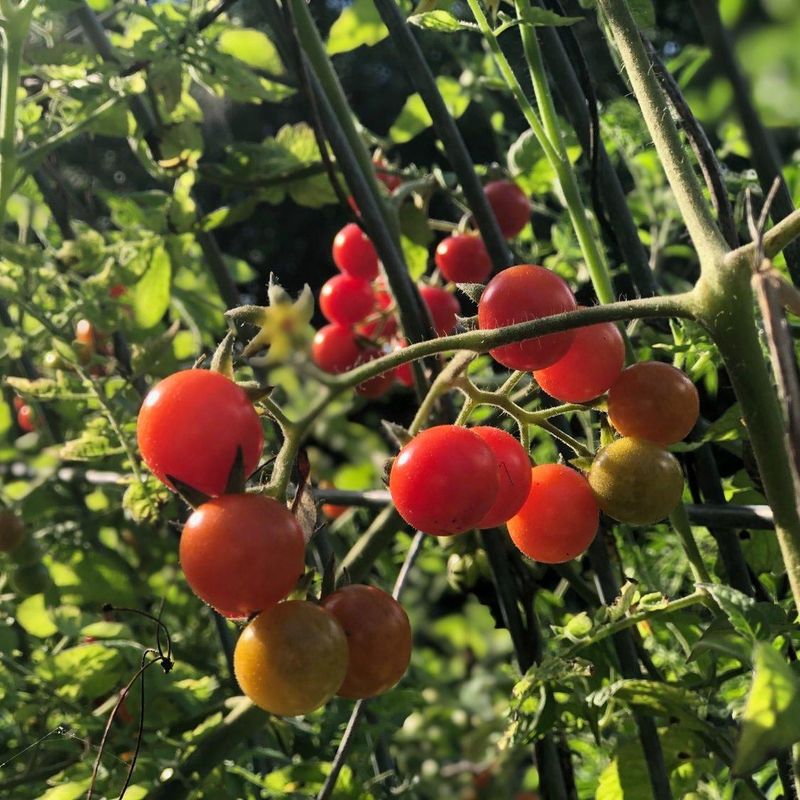
Cherry tomatoes are a favorite among Florida gardeners because the state’s abundant sunshine and warm temperatures allow them to thrive almost year-round, even in containers.
When grown in 5-gallon buckets or larger, these compact plants develop strong root systems that support prolific fruiting.
Determinate varieties like ‘Sweet 100’ and ‘Everglades’ are ideal for container gardening because they produce abundant clusters of sweet, bite-sized tomatoes without requiring extensive staking or trellising.
I remember my neighbor in Tampa growing several bucket plants on a sunny balcony last year, her ‘Sweet 100’ plants yielded fruit for over five months.
Proper watering is essential: mornings are best, as consistent moisture prevents blossom drop from afternoon heat.
Fertilizing every two weeks with a balanced, water-soluble fertilizer helps maintain flower production and fruit set. Mulching the soil surface with straw or wood chips conserves moisture and regulates soil temperature.
With proper sunlight, drainage, and care, a single container can provide enough fresh cherry tomatoes for salads, snacks, and cooking for months, demonstrating that even small spaces can yield abundant, flavorful harvests in Florida’s year-round growing season.
2. Bush Beans
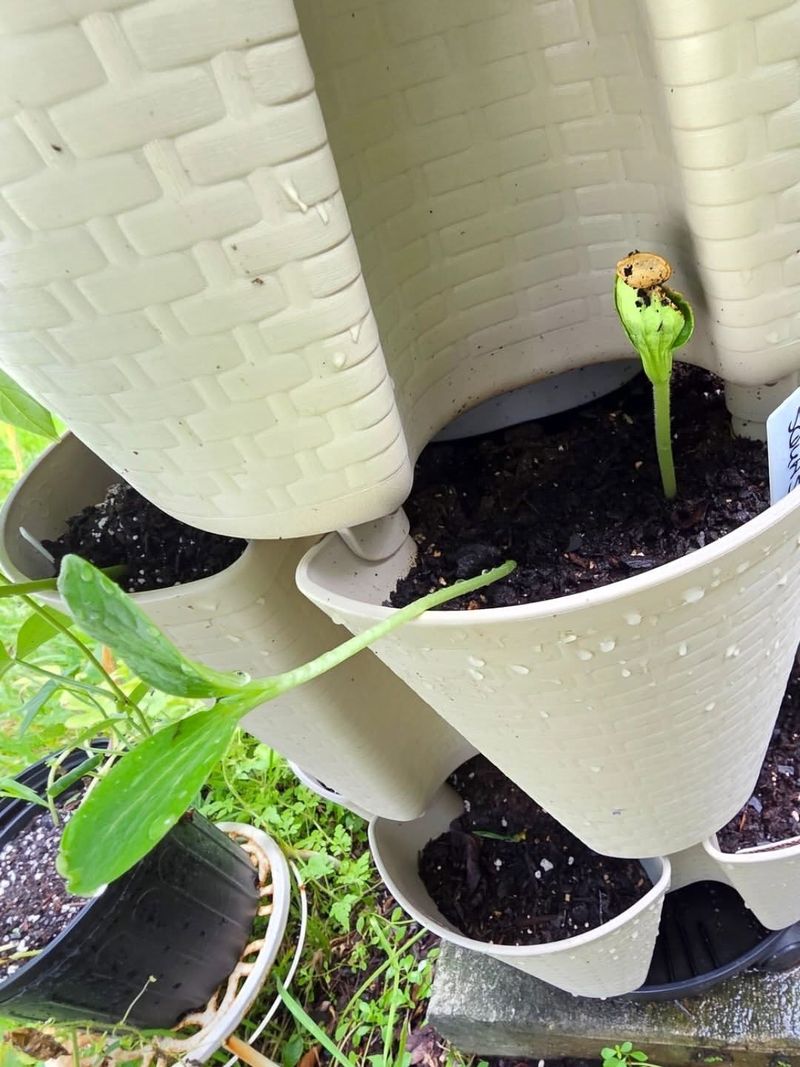
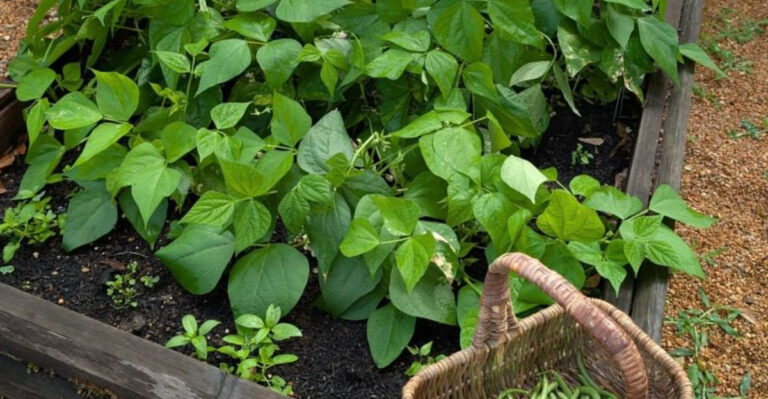
Bush beans are exceptionally well-suited to Florida’s container gardens, producing prolific harvests in buckets as small as 3 gallons.
Their shallow root systems make them ideal companions for other container crops like cherry tomatoes or peppers.
I typically sow seeds directly into the soil every two to three weeks to maintain a continuous harvest throughout Florida’s extended growing season.
Varieties such as ‘Contender’ and ‘Provider’ perform particularly well in humid conditions, showing resistance to common fungal diseases that often plague in-ground plantings.
Regular harvesting is crucial, as picking mature beans encourages further pod production and prevents plants from becoming overrun with old pods.
I’ve found that my bucket-grown beans produce reliably for six to eight weeks before needing replacement, making succession planting a key strategy. Proper soil, consistent moisture, and a sunny location ensure vigorous growth and strong yields.
Container gardening also allows easy mobility, buckets can be moved into partial shade during Florida’s hottest months or relocated to prevent waterlogging during the rainy season.
Bush beans are a low-maintenance, high-yield crop that proves small spaces can provide abundant, fresh vegetables year-round.
3. Bell Peppers
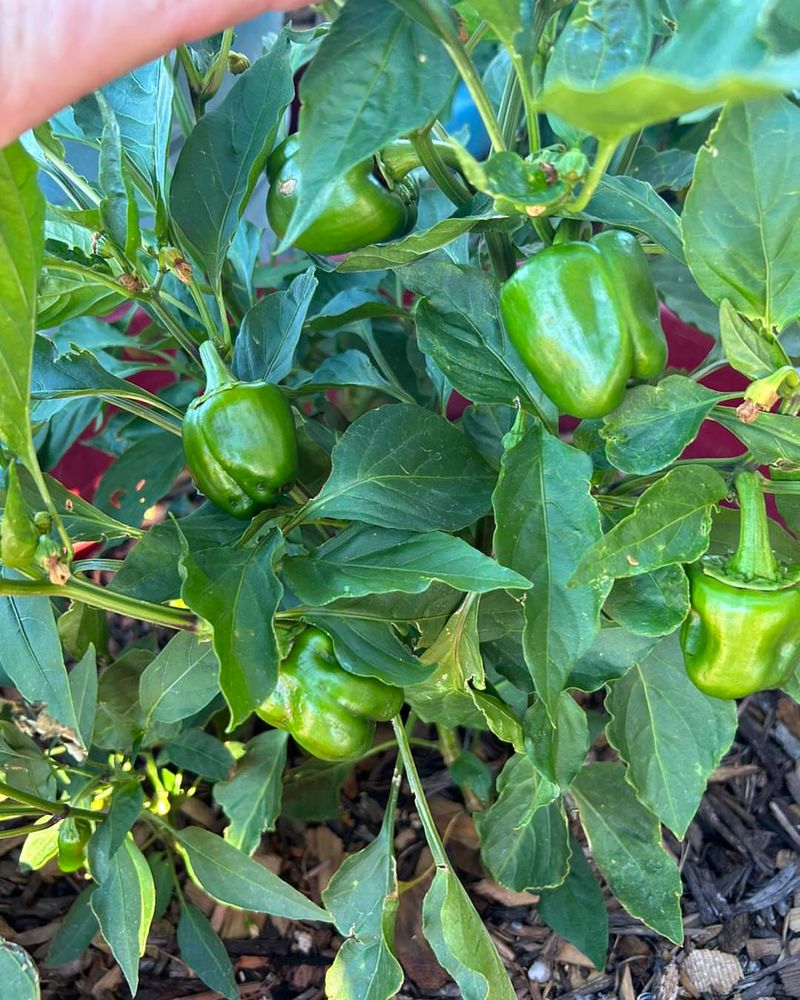
Bell peppers thrive in Florida’s warm climate, and container cultivation in 5-gallon buckets allows gardeners to maximize growth and fruit production.
Varieties like ‘California Wonder’ and ‘Gypsy’ are especially productive, yielding large, sweet fruits over extended periods.
Full sun exposure is critical, but during peak summer heat, placing buckets in areas that receive afternoon shade prevents leaf scorch and blossom drop. Rich, well-draining soil amended with compost promotes strong roots and optimal nutrient uptake.
Staking or using small cages prevents bending and breakage as peppers grow heavy with fruit. I have had excellent results moving my buckets onto patios or shaded decks during summer storms to prevent waterlogging and fungal issues.
Fertilizing every two weeks with a balanced solution helps maintain constant flower and fruit production.
Container cultivation also reduces pest pressures by elevating plants off the ground and allowing easier monitoring.
With attentive watering, fertilization, and sun management, bucket-grown bell peppers in Florida can produce consistently for months, offering gardeners fresh, flavorful harvests without the challenges of traditional in-ground planting.
4. Leaf Lettuce
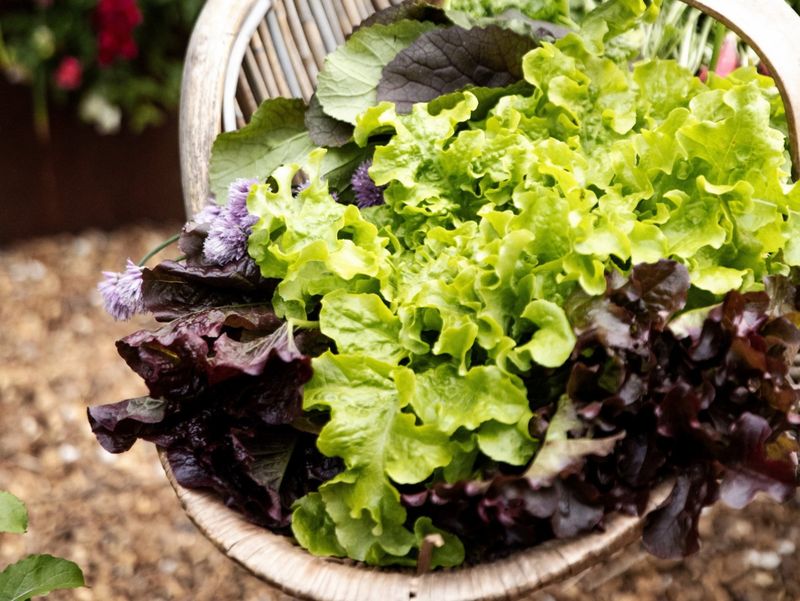
Leaf lettuce grows remarkably well in Florida’s year-round growing conditions when planted in buckets and managed with the cut-and-come-again method.
Wide, shallow containers work best, allowing leaves to spread and grow quickly while enabling easy relocation to shaded areas during intense summer heat.
Varieties such as ‘Black Seeded Simpson’ and ‘Red Sails’ tolerate the state’s high humidity better than traditional lettuce types.
I’ve found that planting seeds shallowly and thinning seedlings to proper spacing ensures robust, tender leaves.
Regular harvesting of outer leaves encourages continued growth, prolonging the productive life of the plant for weeks or even months.
Container mobility also prevents soilborne pest problems common in Florida gardens and allows gardeners to move plants indoors or under protective structures during unexpected cold snaps.
Maintaining consistent moisture without waterlogging, coupled with occasional liquid feeding, supports continuous growth.
Bucket lettuce not only provides fresh greens throughout the growing season but also demonstrates how creative container gardening can extend productivity and minimize environmental stressors, making it a versatile and rewarding crop for Florida gardeners.
5. Green Onions
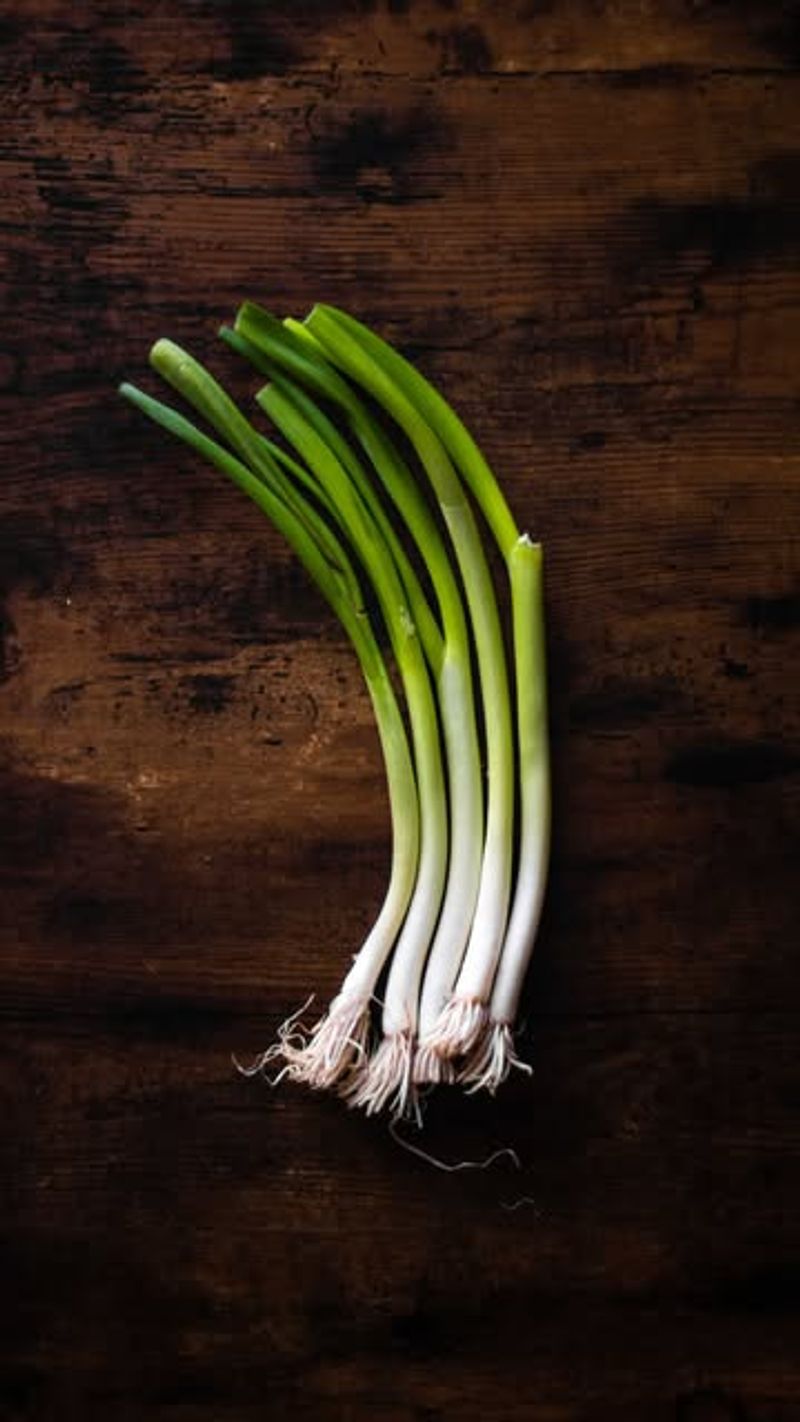
Green onions are one of the easiest and most rewarding crops for Florida container gardens. Their shallow roots thrive in small containers, even as little as 1-gallon pots, making them perfect for patios, balconies, and small yards.
I often plant store-bought onion bottoms with roots still attached, which gives nearly instant growth while allowing multiple regrowth cycles.
Regular harvesting encourages continuous sprouting, providing fresh, crisp green onions almost indefinitely. Maintaining consistent moisture is critical; soil should be kept damp but not waterlogged.
During Florida’s rainy season, elevating buckets slightly ensures proper drainage and prevents rot.
I’ve had green onion containers producing actively for over a year with minimal maintenance, proving they are one of the most low-effort, high-reward crops for gardeners here.
Fertilizing lightly every few weeks supports steady growth, and placing them in partial sun during the hottest months prevents scorching.
Beyond being a staple for salads, soups, and garnishes, green onions in buckets demonstrate how efficient container gardening can be in Florida, providing fresh, nutrient-dense produce year-round without taking up much space.
6. Dwarf Eggplant
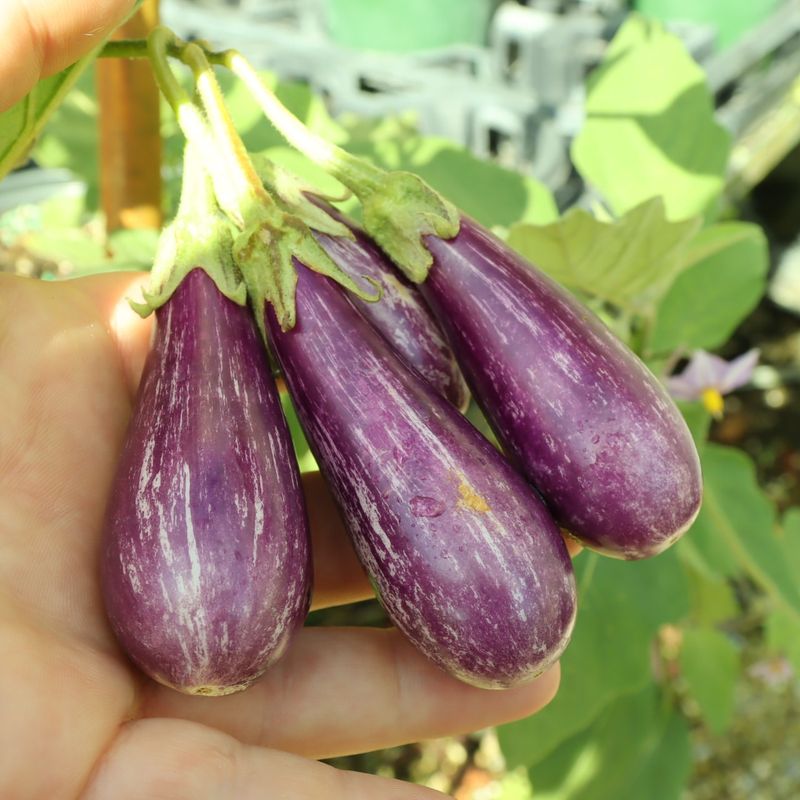
Dwarf eggplant varieties, such as ‘Fairy Tale’ and ‘Patio Baby,’ flourish in 5-gallon buckets under Florida’s warm sun, producing compact, sweet fruits that are ideal for small-space gardening.
Full sun exposure, coupled with rich, well-draining soil, helps prevent common issues like blossom end rot and fruit rot, which can be exacerbated by Florida’s sandy soils and high humidity.
I add crushed eggshells to my soil mix to provide calcium, a simple trick that dramatically reduces blossom end rot.
Even though they are labeled “dwarf,” staking the plants prevents stems from breaking under the weight of developing fruits.
Dwarf eggplants grown in buckets can produce from early spring through late fall with only short breaks during the coolest weeks.
Consistent watering, careful fertilization, and strategic sun exposure make these container plants exceptionally productive.
Growing in buckets also minimizes soil-borne diseases and pests, which are common in-ground issues in Florida gardens.
Observing my eggplants over several seasons, I’ve noticed that properly managed container plants yield more consistently and with fewer issues than traditional beds, making them perfect for gardeners who want high-value crops in limited spaces.
7. Kale
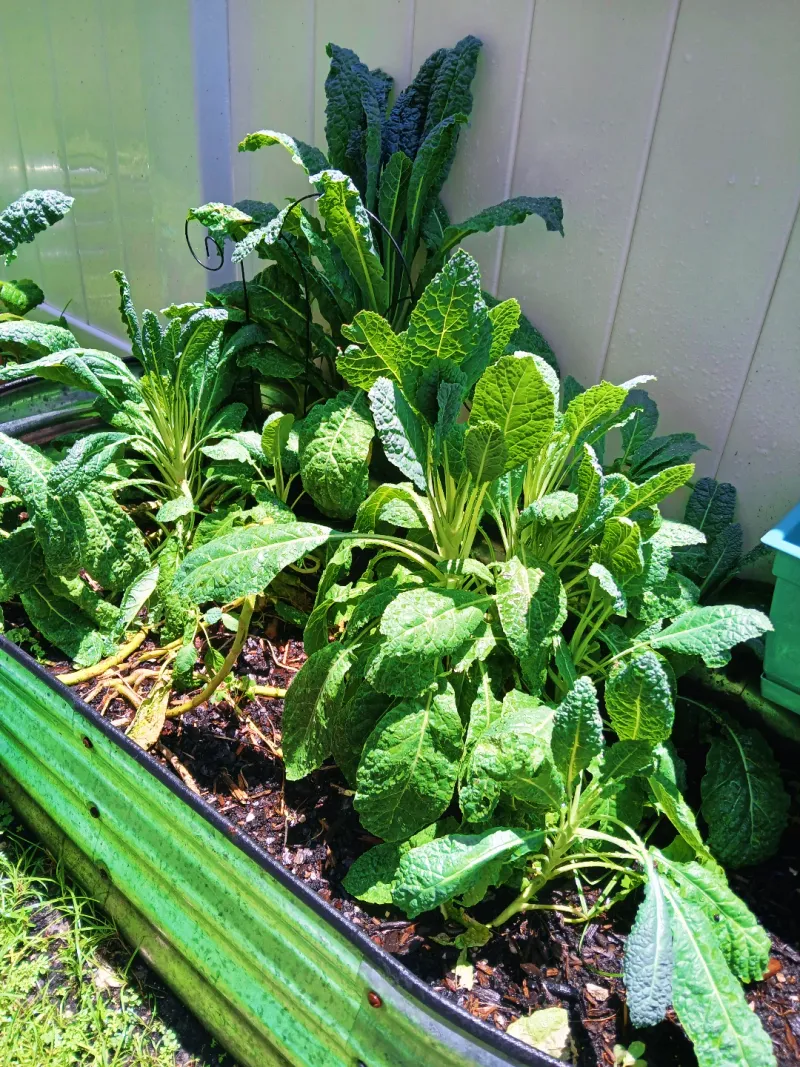
Kale is surprisingly heat-tolerant when grown in containers in Florida, particularly varieties like ‘Dinosaur’ and ‘Red Russian.’ These types thrive despite the state’s intense sun and humidity, especially when given partial shade during peak summer months.
I grow kale in 5-gallon buckets that allow for ample root development, while container mobility lets me move plants into cooler, shadier spots as needed.
Harvesting outer leaves while leaving the central growing point intact ensures continuous production for months at a time.
Container cultivation reduces exposure to soil pests such as slugs and caterpillars, which are common in Florida’s garden beds.
Fertilizing lightly with a balanced liquid fertilizer every few weeks encourages vigorous growth and nutrient-dense leaves.
I’ve maintained kale containers producing for six to eight months, often overlapping seasons to provide year-round harvests.
With proper watering, sun management, and periodic leaf trimming, container-grown kale can outperform in-ground crops in terms of consistency, pest resistance, and leaf quality.
For Florida gardeners, it’s an excellent choice for fresh, nutritious greens that thrive under heat and humidity while adding lush greenery to patios and porches.
8. Carrots
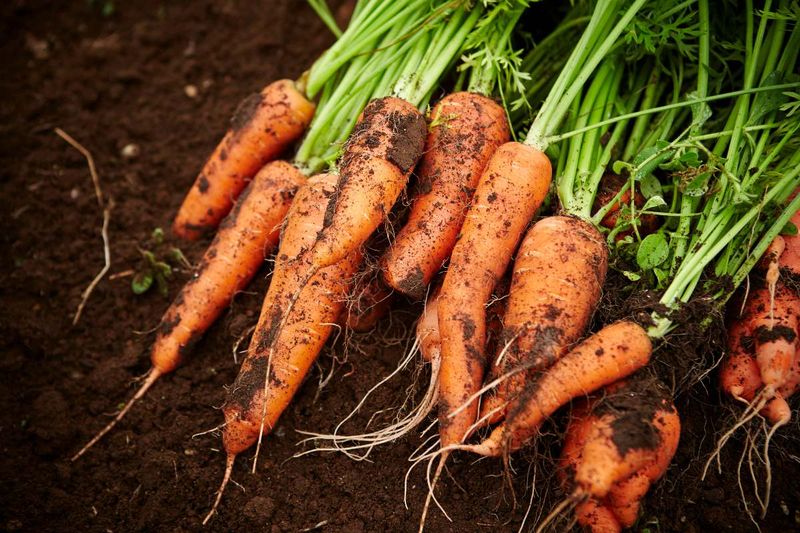
Short, round carrot varieties such as ‘Paris Market’ and ‘Thumbelina’ are perfect for Florida’s container gardens, especially in buckets at least 12 inches deep.
Their compact roots thrive in sandy soils, which often produce misshapen carrots in-ground.
I sow seeds directly in the container, thinning seedlings to 2–3 inches apart to ensure proper development and prevent overcrowding.
The controlled bucket environment helps prevent common nematode infestations and provides consistent moisture, which is critical for sweet, tender roots.
Mulching the soil surface further conserves water during Florida’s dry periods and maintains even soil temperature.
I’ve had bucket carrots mature faster than those in garden beds while producing uniform, flavorful roots. Regular harvesting ensures continuous production and prevents overcrowding, and succession planting every few weeks keeps the harvest consistent.
Containers also allow flexibility, moving carrots into shaded areas during summer heat to reduce stress.
For Florida gardeners, carrot buckets combine convenience, quality, and year-round production, making them an ideal choice for small-space vegetable gardening.
9. Hot Peppers
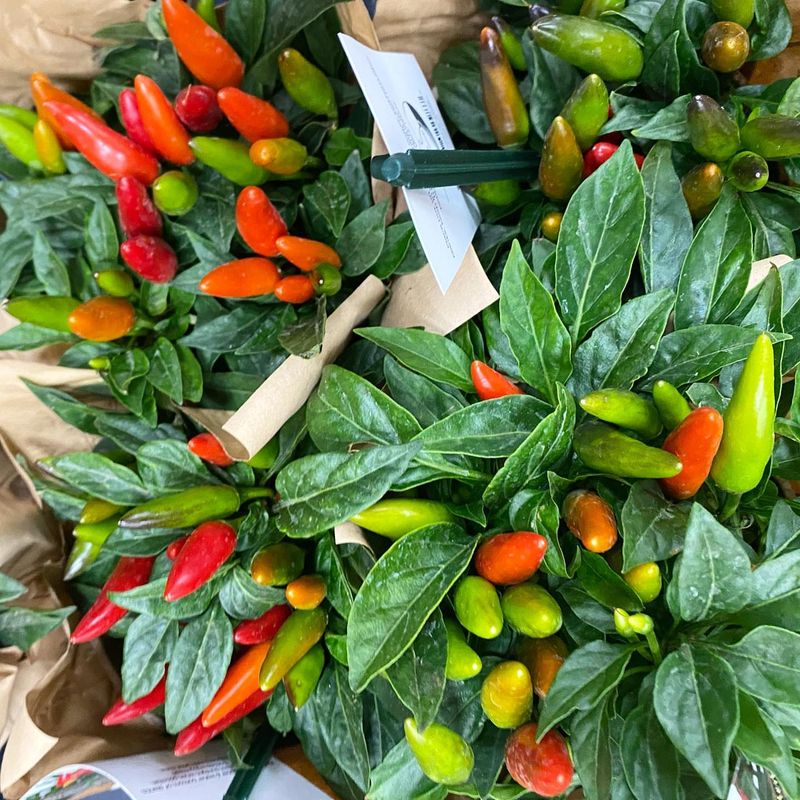
Hot peppers are exceptionally well-suited for container gardening in Florida, thriving in 3-gallon pots or larger.
Varieties such as ‘Tabasco’ and ‘Thai Bird’ grow vigorously in our year-round warm climate and can even persist as perennials if protected from rare freezes.
Controlled container drainage reduces the risk of root rot during Florida’s frequent rains, while adding crushed eggshells supplies calcium, preventing blossom end rot.
I also reduce water slightly as fruits mature, which intensifies heat in many chili varieties, a trick that produces spicier peppers for cooking. Staking or small cages protect stems from bending under heavy fruit loads.
Proper sun exposure, rich soil, and consistent care allow bucket-grown peppers to produce for over two years in my experience. These peppers require minimal space but provide abundant harvests for salsas, sauces, and pickling.
Container cultivation also limits pest exposure, allowing for easier monitoring of aphids, caterpillars, and fungal issues.
For Florida gardeners, hot peppers offer a long-lasting, high-yield crop that combines convenience with exceptional flavor and culinary versatility.
10. Swiss Chard
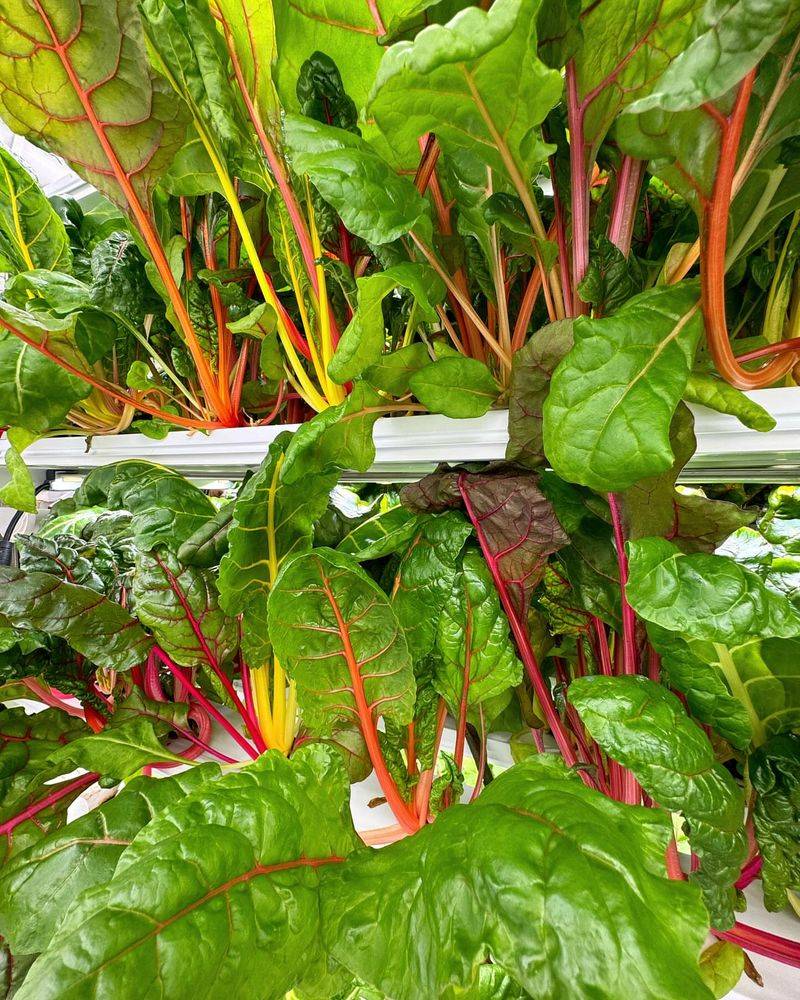
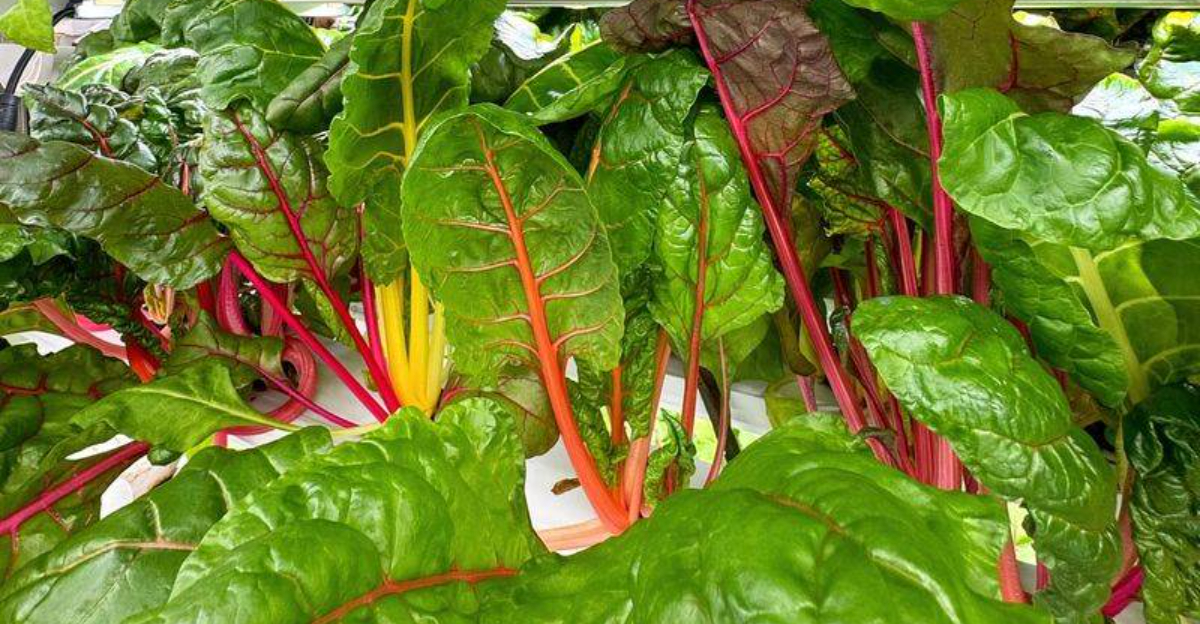
Swiss chard is one of the most versatile and visually appealing container crops in Florida. The ‘Bright Lights’ variety, with its rainbow-colored stems, adds vibrancy to patios while producing nutrient-rich greens year-round.
Chard tolerates Florida’s intense summer heat when positioned in partial shade or moved as needed, making buckets ideal for maintaining optimal growth conditions.
The container environment protects against slug damage, which can be severe in humid Florida gardens. I harvest outer leaves continuously, leaving the central growing point intact, allowing plants to provide fresh produce for months without replanting.
Nutrient-rich soil and regular watering support tender, flavorful leaves. Container cultivation also allows for precise fertilizer management and pest monitoring, reducing fungal and insect problems common in ground plantings.
My Swiss chard buckets have consistently produced for over eight months, demonstrating how container gardening can combine aesthetics, productivity, and resilience.
For gardeners seeking reliable, colorful, and high-yield greens, Swiss chard is a top choice for Florida’s climate and small-space gardens.
11. Radishes
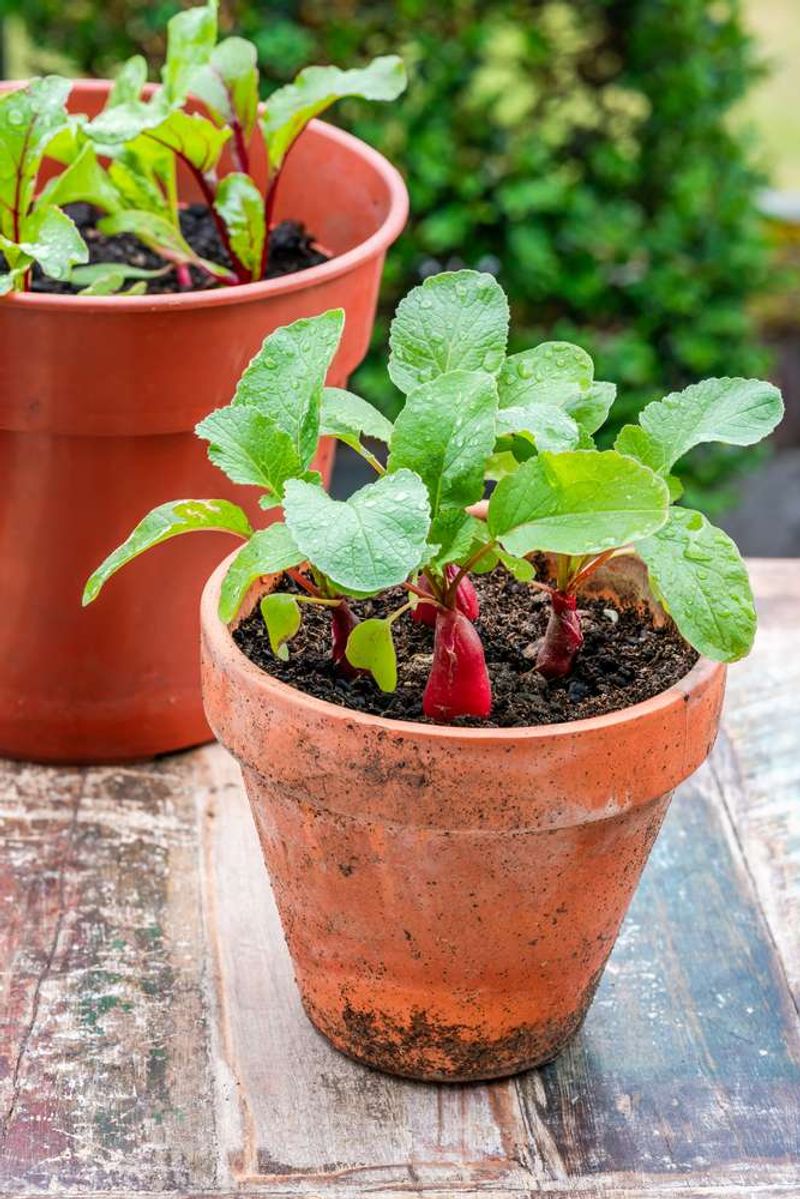
Radishes are one of the fastest-maturing crops, ideal for Florida bucket gardens where space is limited.
Shallow-rooted varieties such as ‘Cherry Belle’ and ‘White Icicle’ grow perfectly in containers as small as 2 gallons.
Succession planting every two weeks ensures a steady harvest throughout the extended Florida growing season.
I space seeds properly and maintain consistent soil moisture to prevent pithy or overly spicy roots, which can result from irregular watering or extreme heat.
Containers also protect radishes from pests such as root maggots and provide better temperature control compared to ground plantings.
In my experience, bucket-grown radishes develop more uniform, flavorful roots and mature faster than in-ground crops.
Harvesting promptly once roots reach edible size encourages continued production. Using well-draining soil enriched with compost enhances growth and prevents waterlogging during Florida’s rainy season.
Radishes offer a low-maintenance, quick-turnaround crop, allowing gardeners to enjoy fresh, crisp vegetables multiple times per season while taking advantage of Florida’s year-round growing conditions.