9 Vegetables Florida Gardeners Should Start Growing In Containers This March
March changes everything in Florida gardens. The weather warms up, the sun gets stronger, and vegetables suddenly start growing fast.
Miss this window and many crops struggle once the real heat of summer arrives. That is why many Florida gardeners rush to plant this month.
Even a small patio or balcony can turn into a productive mini garden with the right containers. A few pots in a sunny spot can produce fresh vegetables surprisingly quickly.
The key comes down to choosing the right plants. Some vegetables thrive in containers during Florida’s warm spring.
Others struggle in tight spaces or fade once temperatures climb. Pick the right ones now and those containers can start producing sooner than most gardeners expect.
1. Cherry Tomatoes Thrive In Sunny Florida Containers
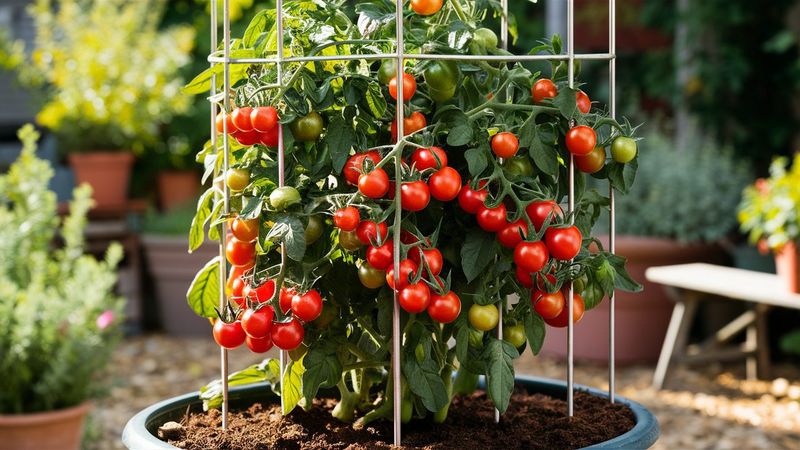
Few things beat the satisfaction of popping a sun-warmed cherry tomato straight from your own patio container. Florida gardeners have a real advantage in March because the warm days and mild nights create almost perfect conditions for tomatoes to settle in and start producing quickly.
Cherry tomato varieties tend to be more forgiving than large slicing types, making them a smart pick for beginners and experienced growers alike.
For containers, look for compact or determinate varieties like Solar Fire, Juliet, or Sweet 100. These stay manageable in size while still pumping out an impressive amount of fruit.
A 15-gallon pot is the minimum recommended size, giving roots enough room to anchor the plant and access moisture and nutrients consistently. Larger containers hold moisture better, which is a real benefit during Florida’s warm spring days.
Place your container where it will receive at least eight hours of direct sunlight daily. Water deeply when the top inch of soil feels dry, and avoid letting the pot sit in standing water.
Feed your plants every two weeks with a balanced vegetable fertilizer. Adding a small cage or stake early keeps the plant upright and makes harvesting much easier as the season picks up.
2. Bush Beans Deliver Fast Spring Harvests
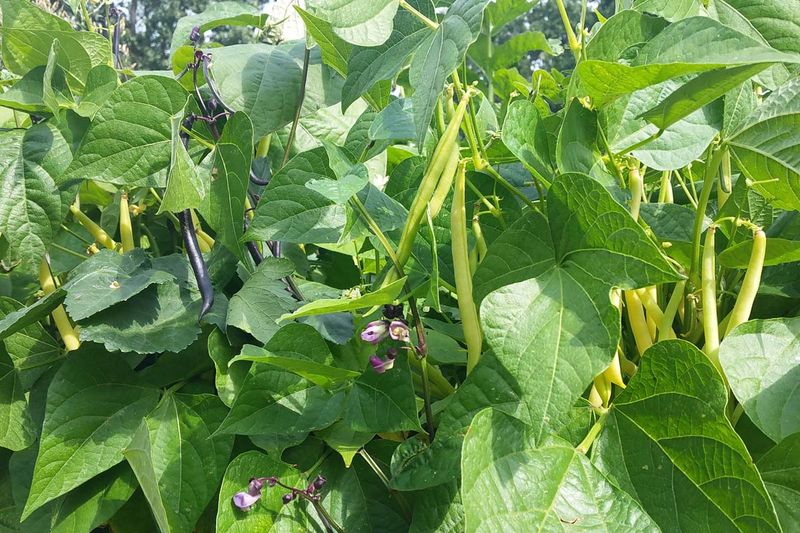
Gardeners who want results fast will love growing bush beans in containers this March. Unlike pole beans that need tall trellises, bush beans stay compact and self-supporting, making them perfectly suited for pots, window boxes, and raised planters.
Florida’s warm March soil temperatures, typically hovering between 65 and 75 degrees Fahrenheit, give bean seeds exactly the warmth they need to sprout within a week.
Varieties like Contender and Provider are well-regarded for Florida growing conditions. They produce heavily, handle warm temperatures well, and mature in roughly 50 to 55 days from planting.
Direct sow seeds about one inch deep and two to three inches apart in a wide, shallow container. A pot that is at least 12 inches deep and 18 inches wide gives roots enough space to spread and supports a generous harvest.
Bush beans prefer full sun, so aim for a spot that gets six to eight hours of sunlight each day. Keep the soil consistently moist but never waterlogged, as soggy roots can cause problems quickly in warm weather.
Avoid wetting the leaves when watering to reduce disease risk. Because bush beans grow and produce so quickly, you can even plant a second round a few weeks later for a continuous harvest.
3. Cucumbers Climb Easily In Container Trellises
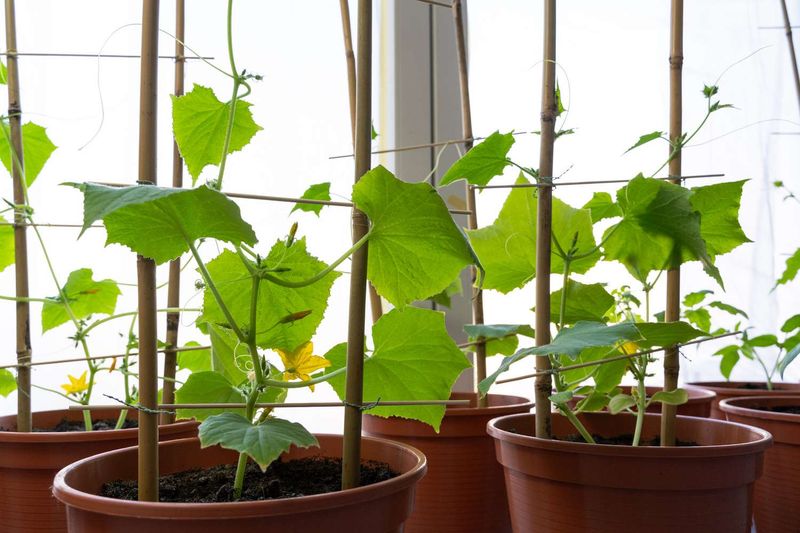
Cucumbers have a reputation for needing lots of garden space, but compact bush varieties have completely changed that story. Growing cucumbers vertically in containers is one of the cleverest ways to maximize a small patio or balcony in Florida, and March is the ideal time to get them started.
Warm soil temperatures and long sunny days encourage cucumber seeds to germinate quickly and vines to take off with impressive speed.
Spacemaster and Bush Pickle are two varieties that perform especially well in containers. Both stay compact enough to manage in a five-gallon pot, though a seven to ten-gallon container gives even better results.
Insert a small trellis or bamboo frame directly into the pot when you plant so the vines have something to grab onto right away. Training the vines upward keeps the plant tidy and improves air circulation around the leaves.
Cucumbers are thirsty plants, especially as Florida temperatures climb through March and into April. Check the soil moisture daily and water deeply whenever the top inch feels dry.
A sunny location with at least eight hours of direct light is non-negotiable for good fruit production. Feed every two weeks with a balanced fertilizer, and watch for cucumber beetles, which can show up even in container gardens.
Consistent care pays off with a steady supply of crisp, fresh cucumbers.
4. Sweet Peppers Love Warm Spring Patio Pots
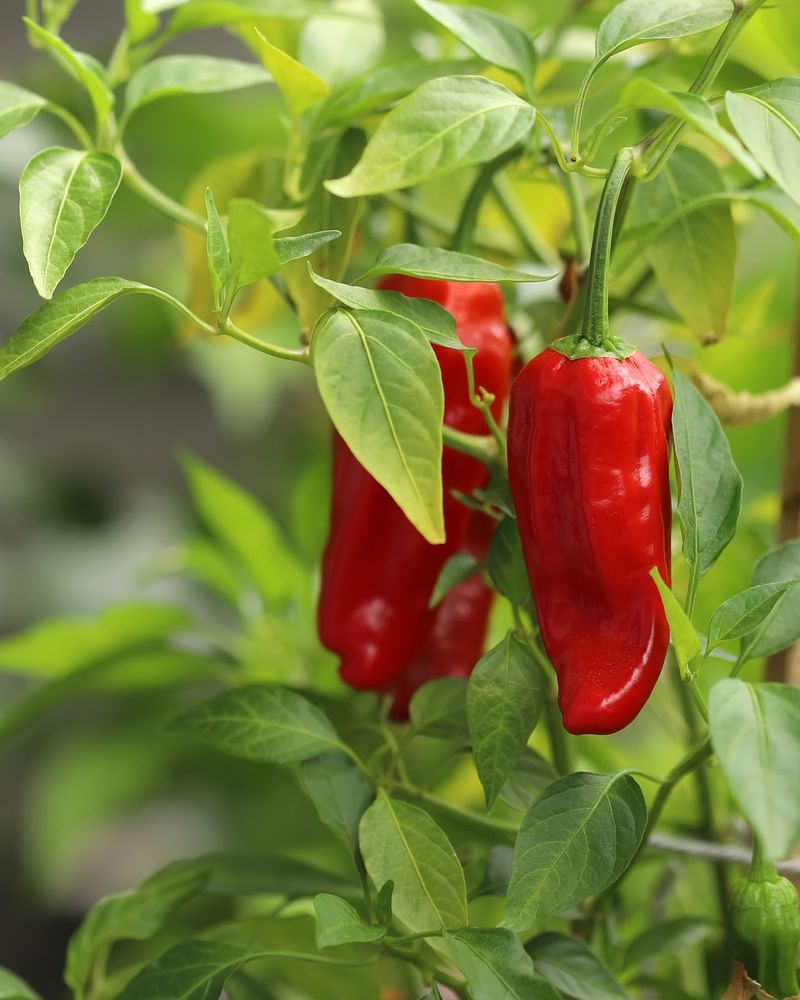
Warm weather is basically a requirement for growing great sweet peppers, which is exactly why Florida’s March conditions are such a good match. Pepper plants love heat, humidity, and sunshine, and a sunny Florida patio delivers all three in generous amounts.
Starting peppers in containers this month gives them time to establish before the peak summer heat, resulting in strong productive plants that keep flowering well into fall.
California Wonder and Big Bertha are popular sweet pepper varieties that adapt well to container growing. Each plant needs its own three to five-gallon pot, and the container must have good drainage holes to prevent soggy roots.
Depth matters with peppers, so choose a pot at least 12 inches deep. Fill it with a quality potting mix enriched with a slow-release vegetable fertilizer to give plants a strong nutritional start.
Position your pepper pots where they get six to eight hours of direct sunlight each day. Consistent watering is key because uneven moisture can cause blossom drop, which delays your harvest.
Water deeply when the top inch of soil is dry, and let excess water drain freely. Mulching the top of the container with a thin layer of straw helps retain moisture on warmer days.
Stake taller plants lightly to keep them upright as they begin to load up with fruit.
5. Eggplant Grows Beautifully In Large Containers
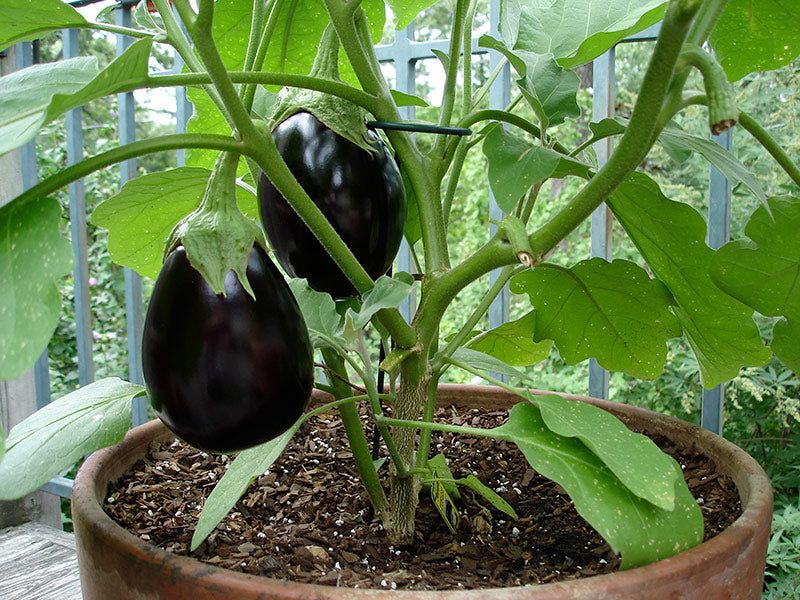
Eggplant is one of those vegetables that genuinely looks stunning in a container. The deep purple fruits hanging from lush green plants make a beautiful display on any patio, and Florida’s warm spring climate suits eggplant perfectly.
March is an excellent month to get transplants into containers because the soil is warm, the risk of cold snaps is low, and there is still plenty of growing season ahead before summer peaks.
Compact varieties like Hansel and Fairy Tale are smart choices for container gardening because they stay smaller than standard types while still producing generously. A seven-gallon pot is a solid minimum for eggplant, but moving up to a ten or fifteen-gallon container gives roots more room and leads to a more productive plant overall.
Use a rich, well-draining potting mix and add compost if possible for extra fertility.
Eggplant needs full sun, so pick the sunniest spot your patio or balcony offers. Plan for at least eight hours of direct light daily.
Water consistently, keeping the soil moist but not waterlogged. Florida’s March weather can include occasional dry spells, so checking soil moisture every day or two is a good habit.
A light stake placed near the plant early on helps support the stems as heavy fruits develop and prevents branches from bending under the weight.
6. Loose Leaf Lettuce Produces Quick Spring Greens
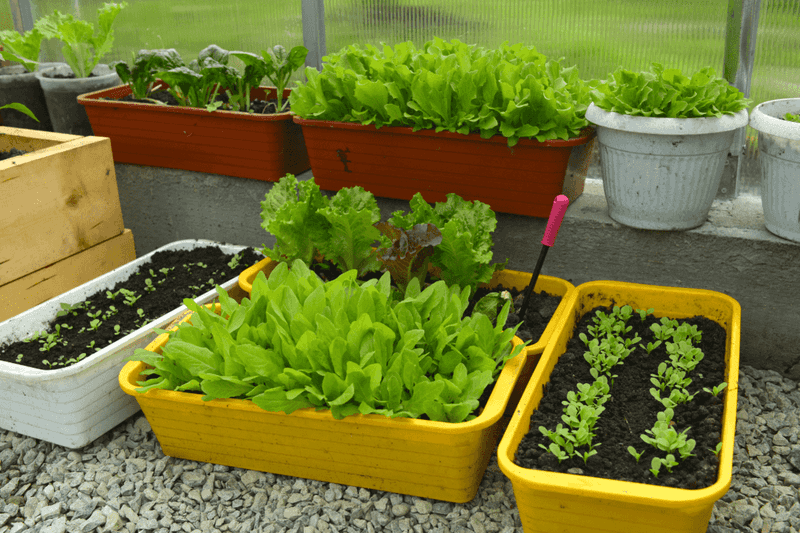
Lettuce is the sprinter of the vegetable garden, going from seed to salad bowl faster than almost anything else you can grow. For Florida gardeners, March offers a narrow but very productive window before summer heat makes growing lettuce tricky.
The mild temperatures and lower humidity of early spring are genuinely ideal for producing tender, flavorful leaves in containers right on your porch or patio.
Loose leaf varieties like Black Seeded Simpson, Red Sails, and Salad Bowl are excellent choices because you can harvest outer leaves repeatedly without removing the whole plant. This cut-and-come-again approach stretches your harvest over several weeks.
Lettuce roots are shallow, so a container just six to eight inches deep works perfectly. Wide, low planters or window boxes are actually ideal because they allow you to scatter seeds across a broad surface area.
One of lettuce’s best qualities in Florida’s spring garden is its tolerance for partial shade. If your patio gets intense afternoon sun, positioning lettuce where it receives morning light and afternoon shade actually improves leaf quality and extends the harvest.
Water gently and consistently, keeping the soil evenly moist. Letting the soil dry out causes bitterness in the leaves.
Sow a new small container of seeds every two weeks and you will have a steady supply of fresh greens throughout the spring season.
7. Radishes Mature Quickly In Small Containers
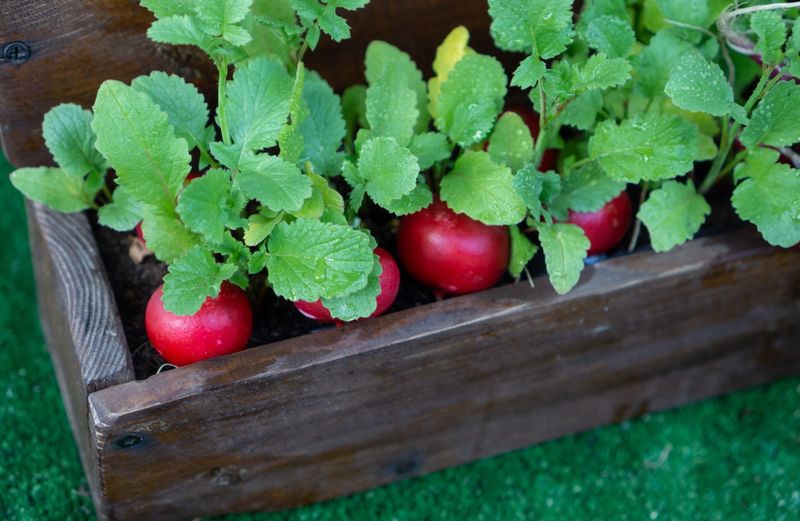
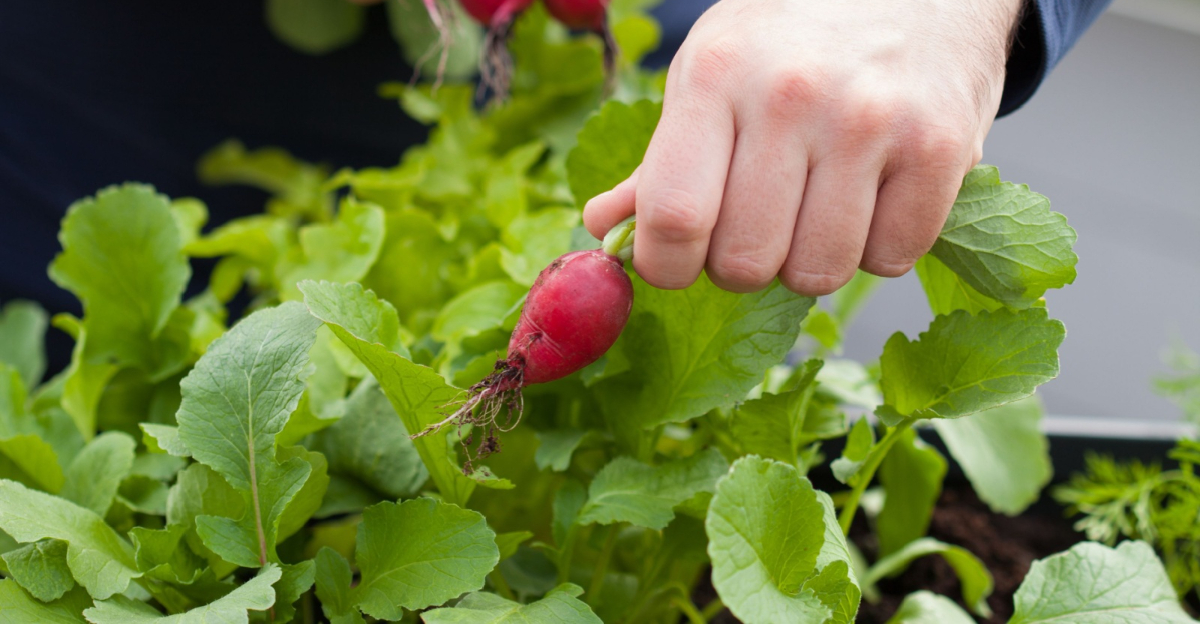
If patience is not your strong suit when it comes to gardening, radishes are about to become your favorite vegetable. Some varieties go from seed to harvest in as little as 25 days, which means you could be pulling crisp, peppery radishes from your containers before the end of March.
That rapid growth cycle makes radishes one of the most satisfying beginner vegetables you can grow, especially in containers where progress is easy to monitor up close.
Cherry Belle and French Breakfast are two reliable varieties well-suited to Florida’s spring conditions. Both handle warm temperatures reasonably well and produce round or elongated roots with a satisfying crunch.
Radishes do not need deep containers, just six inches of depth is sufficient for most varieties. A pot eight to twelve inches wide gives you room to plant several seeds at once, spaced about two inches apart for proper root development.
Full sun to partial sun works for radishes, making them flexible for spots that might not get a full day of direct light. Water consistently to keep the soil evenly moist, as dry spells cause roots to become woody and overly sharp in flavor.
Succession planting every ten to fourteen days keeps a steady supply coming. Because containers warm up quickly in Florida’s spring sunshine, radishes in pots often mature even faster than those grown in garden beds.
8. Green Onions Fit Perfectly In Compact Pots
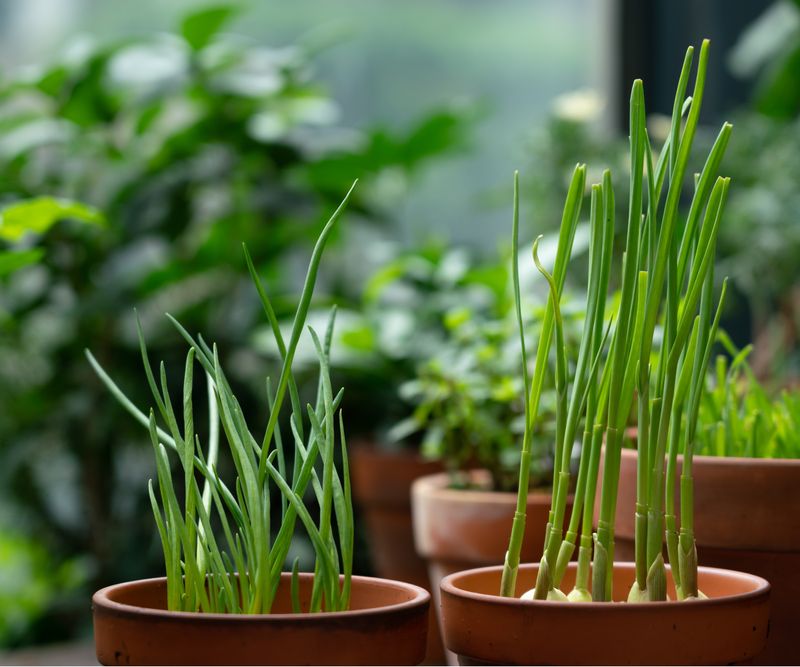
There is something wonderfully practical about growing green onions in containers. They take up almost no space, grow quickly, and deliver a constant supply of fresh flavor for cooking.
For Florida gardeners working with limited patio or balcony space, green onions might just be the most efficient crop you can add to your container lineup this March. They tuck neatly into small pots, window boxes, or even alongside other vegetables in larger planters.
Green onions, also called scallions or bunching onions, grow well from sets, transplants, or seeds. Planting from sets or small transplants in March gives you a faster harvest than starting from seed.
A container just six inches deep is all they need, making them one of the least demanding vegetables in terms of pot size. Space plants or seeds about one inch apart to allow enough room for the white bases to develop properly.
Florida’s warm March weather suits green onions well, though they appreciate a bit of afternoon shade during especially warm days to prevent the tops from yellowing prematurely. Water regularly, keeping the soil moist without letting it become waterlogged.
A balanced liquid fertilizer applied every two to three weeks encourages lush, flavorful tops. Harvest by snipping the green tops as needed, or pull the entire plant once the base reaches the thickness you prefer.
Either way, they deliver consistent results with minimal effort.
9. Compact Squash Varieties Flourish In Big Containers
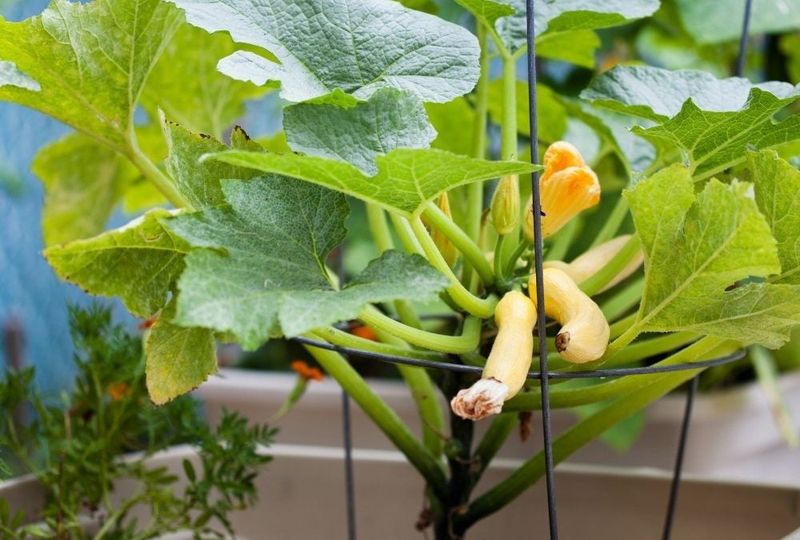
Squash has a well-earned reputation for taking over a garden, but compact bush varieties have made it entirely possible to grow great squash in containers without sacrificing your entire patio. Florida’s warm and sunny March weather is almost tailor-made for squash, which loves heat, bright light, and steady moisture.
Getting bush varieties into large containers this month gives them time to establish and begin producing before the most intense summer heat sets in.
Bush Baby, Patio Star, and Astia are among the more container-friendly squash varieties available. These compact plants stay manageable while still producing full-sized summer squash.
Because squash plants develop substantial root systems, container size really matters here. Use a pot that holds at least fifteen to twenty gallons of potting mix to give roots the room they need.
Smaller containers lead to stressed plants and disappointing harvests.
Place your squash container in the sunniest spot available, aiming for eight or more hours of direct sunlight each day. Squash is a heavy feeder, so incorporate a slow-release vegetable fertilizer into the potting mix at planting and supplement with liquid fertilizer every two weeks once plants begin to flower.
Water deeply and consistently, as containers dry out faster than garden beds, especially on warm Florida afternoons. Pollination can sometimes be slower in containers, so gently transferring pollen between flowers with a small paintbrush helps ensure a reliable fruit set.