Vegetables Florida Gardeners Should Start In April
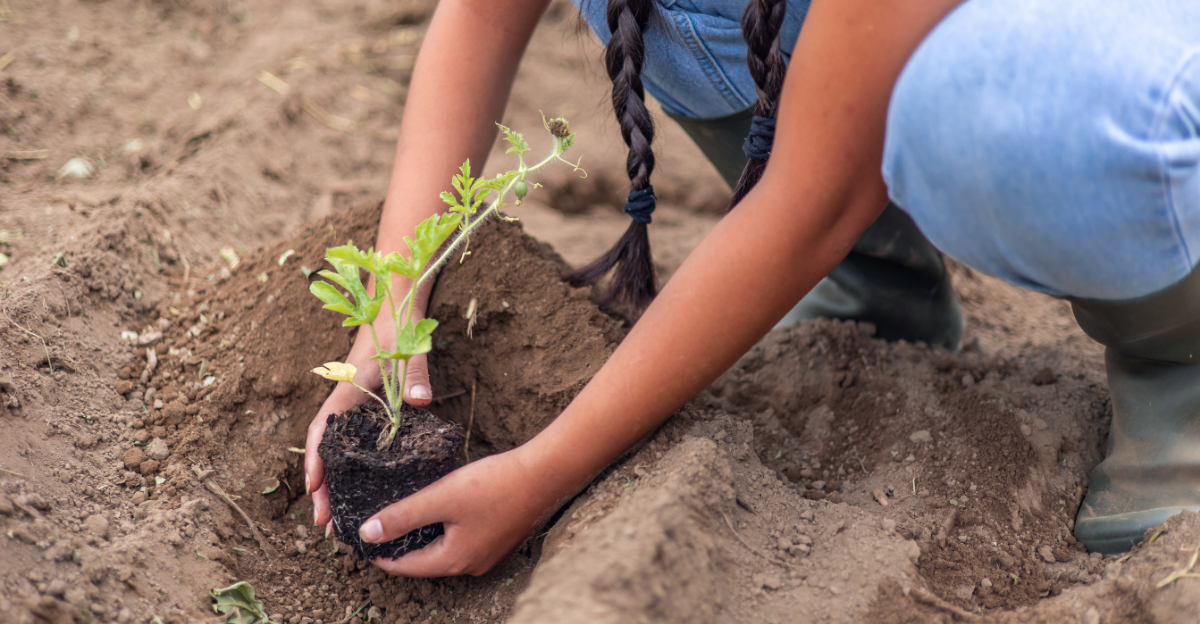
April in Florida has a way of sneaking up on you. One week the weather feels just right, and the next, the heat is already settling in like it plans to stay.
Anyone who has tried to plant too late knows how quickly things can go sideways. Seeds stall, plants struggle, and that early enthusiasm fades fast.
This is the window smart gardeners wait for. Soil temperatures are warm enough to get things moving, but not so intense that young plants burn out before they settle in.
Choosing the right vegetables now can make the difference between a garden that thrives and one that feels like a constant uphill battle.
Some crops handle Florida’s early heat better than others, and knowing which ones to start in April can set the tone for the entire growing season.
1. Bush Beans With Their Fast And Fuss-Free Harvests
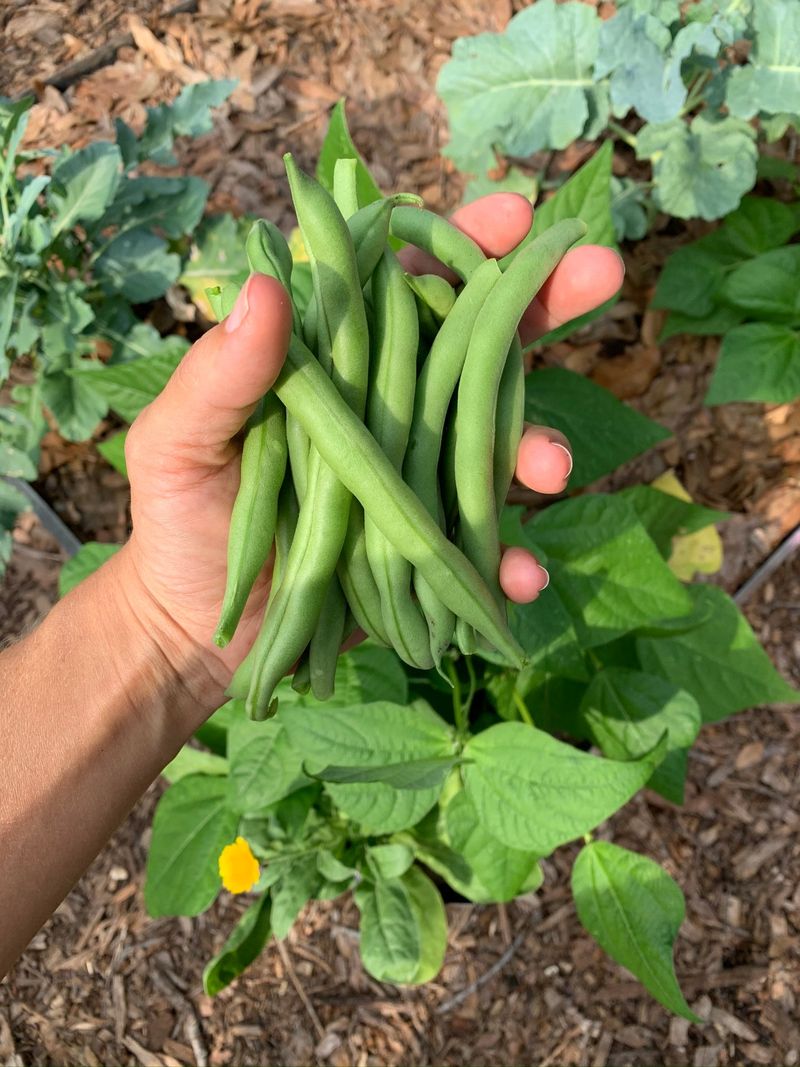
Few vegetables reward Florida gardeners as quickly and generously as bush beans. These compact little plants do not need staking or climbing support, which makes them a fantastic choice for gardeners with limited space or beginners just getting started.
Plant your seeds directly into the ground in April, and you could be picking fresh pods in as little as 50 days.
Bush beans love warm soil, and Florida in April delivers exactly that. Make sure to plant seeds about one inch deep and two to four inches apart in rows.
Water them consistently but avoid soaking the soil, since too much moisture can cause root problems. Adding a light layer of mulch around the base helps keep moisture in and weeds out.
One cool thing about bush beans is that they produce all at once, making them great for canning or freezing. You can even plant a second batch a few weeks later to extend your harvest.
Florida gardeners in both the northern and southern parts of the state can enjoy a solid bush bean harvest if they get seeds in the ground early in April before temperatures climb too high.
2. Pole Beans Climbing High And Producing Big
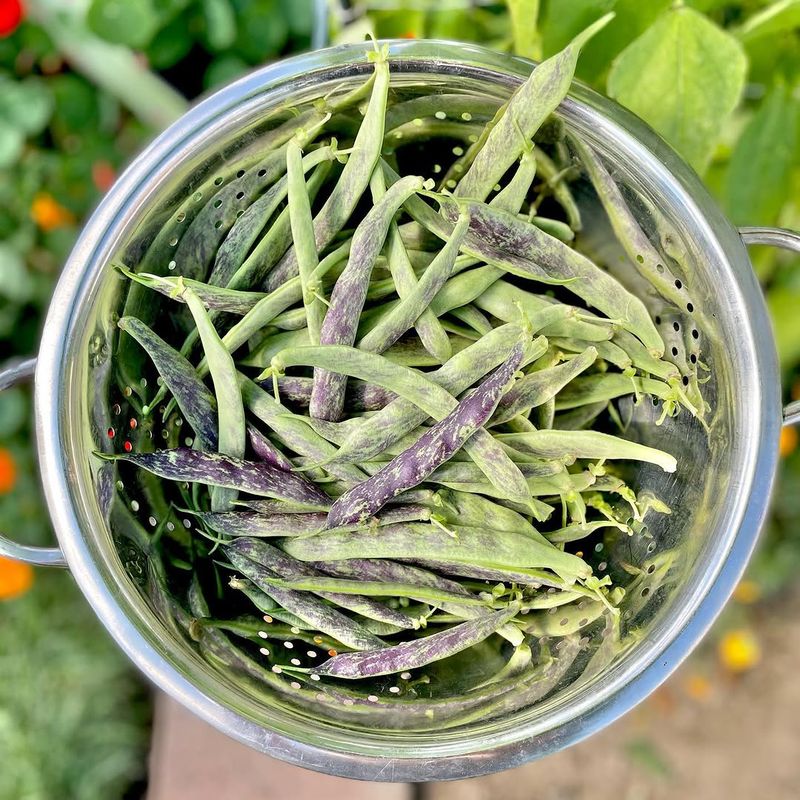
If you have a trellis, a fence, or even a few sturdy sticks, pole beans are calling your name. Unlike their bush cousins, pole beans love to climb, and they will keep producing pods for weeks longer than bush varieties.
That extended harvest window makes them a favorite among Florida gardeners who want to get the most out of every square foot of garden space.
April is a great time to direct sow pole bean seeds in Florida. Push seeds about an inch into warm, well-draining soil and set up your support structure before planting so you do not disturb the roots later.
Expect germination within a week, especially with Florida’s warm spring temperatures helping things along nicely.
Pole beans generally take around 60 to 70 days to reach full harvest, but once they start producing, you will be picking fresh beans every few days. Keep harvesting regularly because leaving mature pods on the vine signals the plant to slow down production.
Water at the base of the plants rather than overhead to reduce the chance of fungal issues, which can be common in Florida’s humid spring climate.
3. Cucumbers For Crisp Bites All Season Long
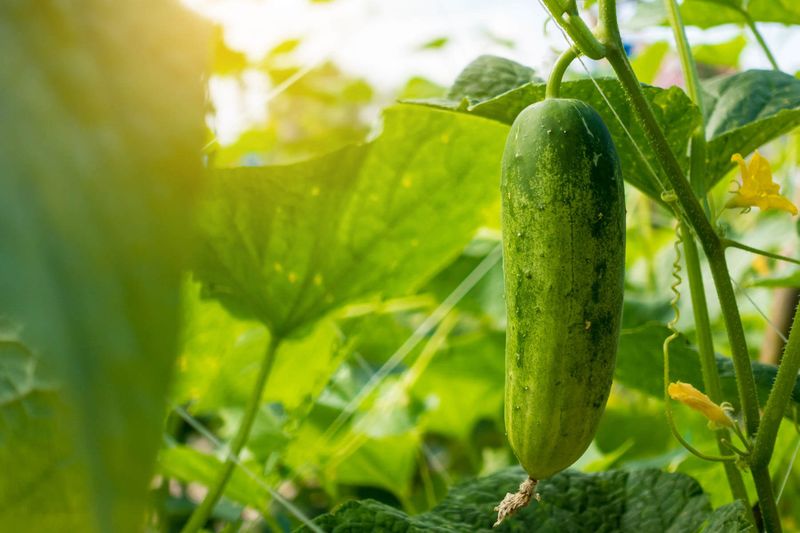
In Florida gardens, cucumbers grow especially well during the spring growing season. They love heat, they grow fast, and they reward you with a steady supply of crisp, refreshing fruit throughout the spring.
Planting cucumbers in April gives Florida gardeners a solid growing window before the intense summer humidity makes growing conditions trickier for the vines.
You can plant cucumber seeds directly in the garden or use transplants from a local nursery. Space plants about 12 inches apart and give them something to climb if you want to save ground space.
Cucumbers grow happily on a trellis and actually produce cleaner, straighter fruit when trained upward. Make sure the planting area gets at least six to eight hours of direct sunlight every day.
Consistent watering is key with cucumbers. Uneven moisture can lead to bitter-tasting fruit, so try to keep the soil evenly moist without letting it get waterlogged.
Cucumbers are also heavy feeders, so mixing compost into the soil before planting gives them a great nutritional boost. Most varieties are ready to harvest in about 55 to 65 days, which means Florida gardeners who plant in early April could be enjoying fresh cucumbers by late May or early June.
4. Watermelon The Sweet Taste Of Summer Heat
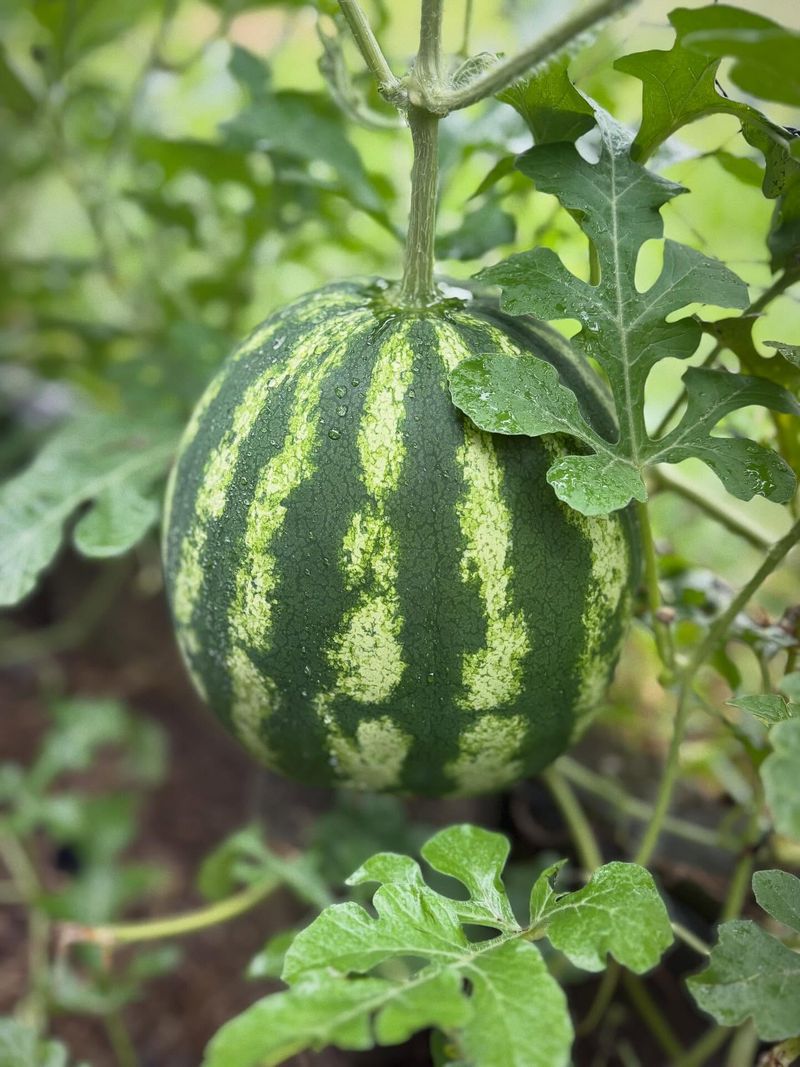
Nothing says summer in Florida quite like a cold slice of fresh watermelon, and the good news is that April is the perfect time to get those seeds in the ground. Watermelons thrive in warm, sunny conditions, and Florida’s spring climate gives vines plenty of time to spread, flower, and set fruit before the rainy season peaks.
Plant watermelon seeds or transplants in a spot that gets full sun all day. These plants need room to roam, so give each vine at least six to eight feet of space in all directions.
Sandy, well-draining soil works especially well for watermelons, which is great news since much of Florida’s native soil fits that description naturally. Mix in plenty of compost to boost nutrients before planting.
Watermelons typically take 70 to 90 days to reach full ripeness, so planting in April means you could be enjoying homegrown melons by late June or early July. A fun trick to check ripeness is thumping the melon gently.
A deep, hollow sound usually means it is ready. Florida gardeners in central and south Florida may want to plant early in April to avoid the heaviest summer rains interfering with pollination and fruit development.
5. Cantaloupe Packed With Juicy Backyard Flavor
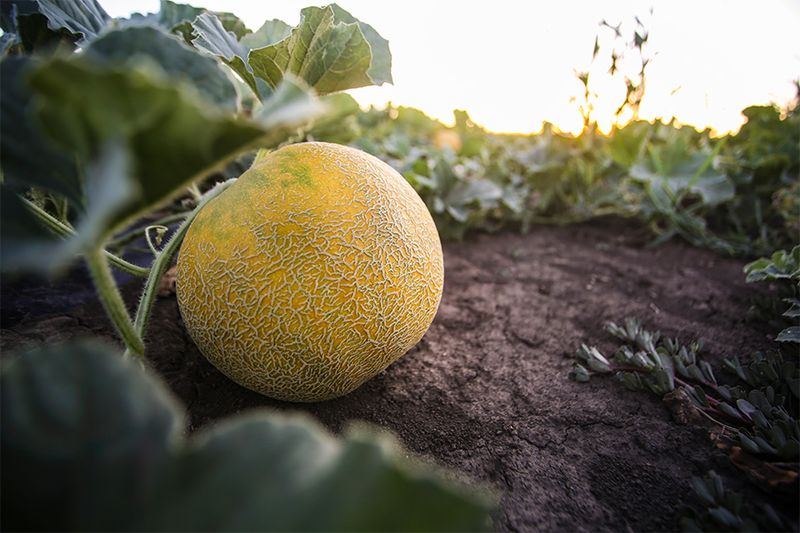
A sweet, fragrant reward for Florida gardeners, cantaloupes shine when given the space and sunshine they need. April planting gives the vines plenty of warm weeks to establish before the hottest and wettest parts of summer arrive.
Florida’s naturally warm soil temperatures in April help seeds germinate quickly, often within just a week of planting.
Choose a location with full sun and well-draining soil. Cantaloupes do not like wet feet, so raised beds or slightly mounded rows work really well in Florida’s sometimes sandy or clay-heavy soils.
Space plants about three feet apart and let the vines sprawl freely. If space is tight, a strong trellis can support smaller cantaloupe varieties, though you may need to create small slings to support the heavy fruit as it grows.
Consistent watering early in the season helps the plant establish strong roots and healthy vines. Once the fruit begins to develop, reduce watering slightly to concentrate the sugars and improve flavor.
Cantaloupes are usually ready to harvest in 75 to 90 days. You will know a cantaloupe is ripe when the stem separates from the fruit easily with a gentle twist.
Florida gardeners who plant in April can expect a delicious homegrown harvest by midsummer.
6. Summer Squash That Just Keeps On Giving
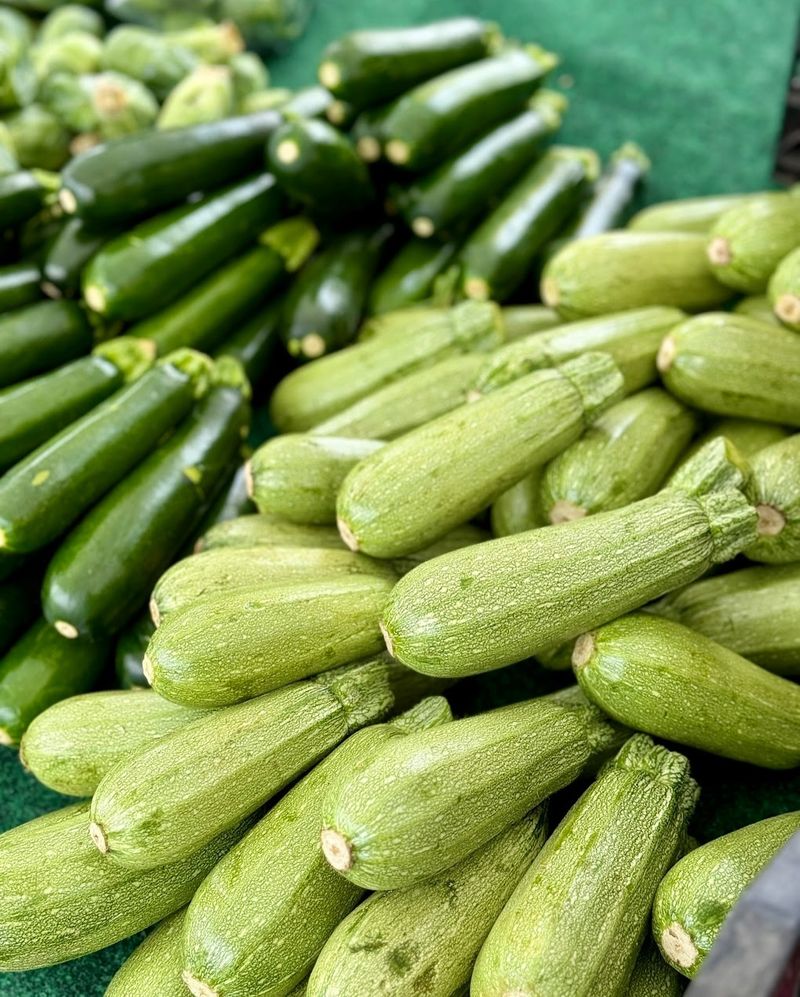
One of the fastest-producing vegetables you can grow in a Florida garden, summer squash thrives when started in April. Varieties like yellow crookneck, zucchini, and pattypan squash can go from seed to harvest in as few as 45 to 55 days.
That speedy turnaround makes summer squash a satisfying choice for gardeners who love seeing quick results.
Plant seeds or transplants in a sunny spot with rich, well-draining soil. Space plants about two to three feet apart because summer squash plants spread out quickly and need good airflow to stay healthy.
Florida’s warm April temperatures speed up germination and early growth significantly. Adding a balanced vegetable fertilizer at planting time gives the plants a nutritional head start.
One thing Florida gardeners should watch for is powdery mildew, a common fungal issue that affects squash leaves in humid conditions. Planting in a spot with good air circulation and watering at the base of the plant rather than overhead helps reduce this problem.
Harvest summer squash when fruits are still young and tender, usually six to eight inches long. Leaving squash on the plant too long causes it to become tough and seedy, and it also slows down new fruit production for the season.
7. Pumpkins For Big Vines And Future Harvest Fun
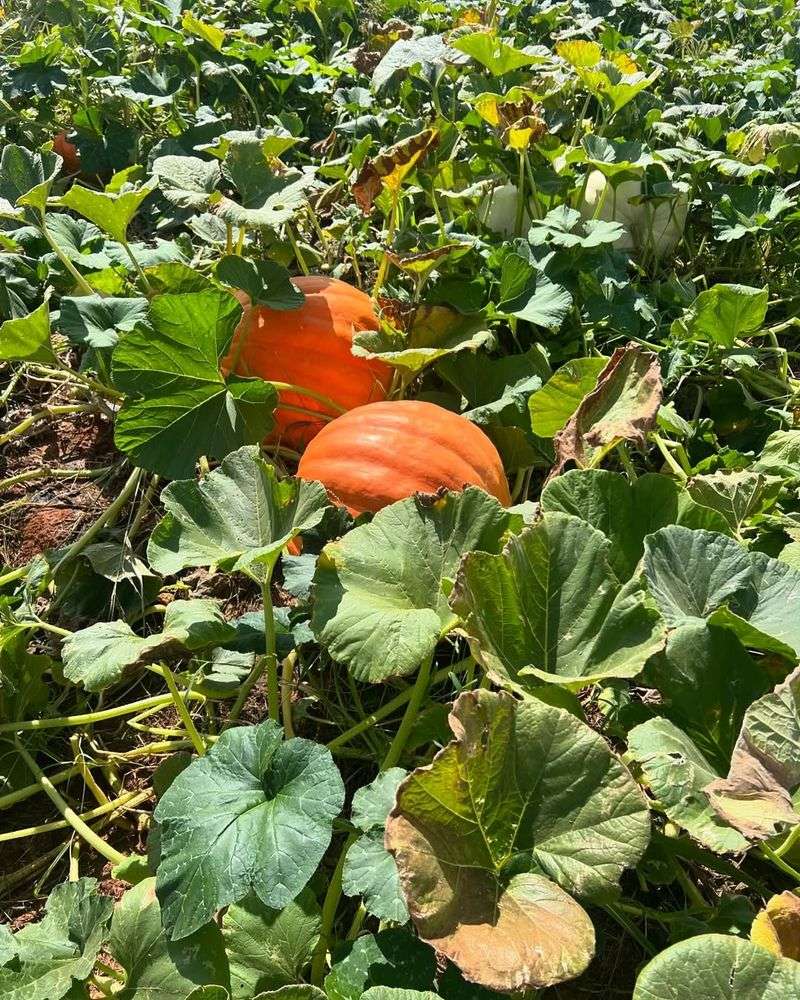
Most people associate pumpkins with autumn, but in Florida, you actually need to plant them in spring to get a fall harvest. Planting pumpkins in April gives the vines about 90 to 120 days to develop before you want those orange beauties ready in October.
Florida gardeners who skip spring planting often miss out on homegrown pumpkins entirely.
Pumpkins need a lot of space, so plan ahead before you plant. A single vine can spread 10 feet or more in every direction.
Full sun is non-negotiable, and the soil should be rich in organic matter. Work in plenty of compost before planting seeds or transplants to give the roots a nutrient-dense environment to grow into throughout the season.
Water pumpkins deeply and consistently, especially during the early weeks of growth. Once vines are established, they become surprisingly tough and can handle Florida’s spring heat well.
Watch for squash vine borers and cucumber beetles, which are common pumpkin pests in Florida. Catching pest issues early makes a big difference in plant health.
If you want pumpkins for Halloween decorations or holiday cooking, April planting in Florida is your best strategy for hitting that timing just right with a rewarding harvest.
8. Sweet Corn Straight From Garden To Grill
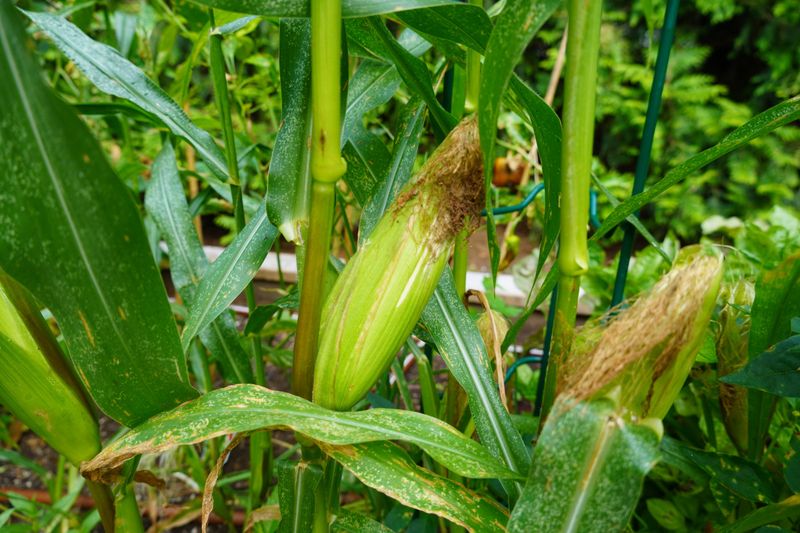
A crowd favorite in any garden, sweet corn planted in April sets Florida gardeners up for a seriously satisfying harvest. Corn needs at least six to eight hours of direct sunlight every day, and April in Florida delivers that in abundance.
Getting stalks established before the rainy season arrives helps avoid some of the moisture and pest challenges that come with Florida summers.
Plant corn seeds about one inch deep and six to nine inches apart in rows that are spaced about 30 to 36 inches apart. For the best pollination and fullest ears, plant corn in blocks of at least four rows rather than a single long row.
Wind carries the pollen from the tassels down to the silks, and planting in blocks ensures that pollen reaches every ear on every plant.
Sweet corn is ready to harvest roughly 70 to 90 days after planting, depending on the variety. You will know the ears are ready when the silks turn dark brown and the kernels feel plump and full when you press through the husk.
Florida gardeners should check their corn daily once it starts to fill out because the window between perfect ripeness and overripeness can be just a day or two in warm weather.
9. Peppers Bringing The Heat And Color Together
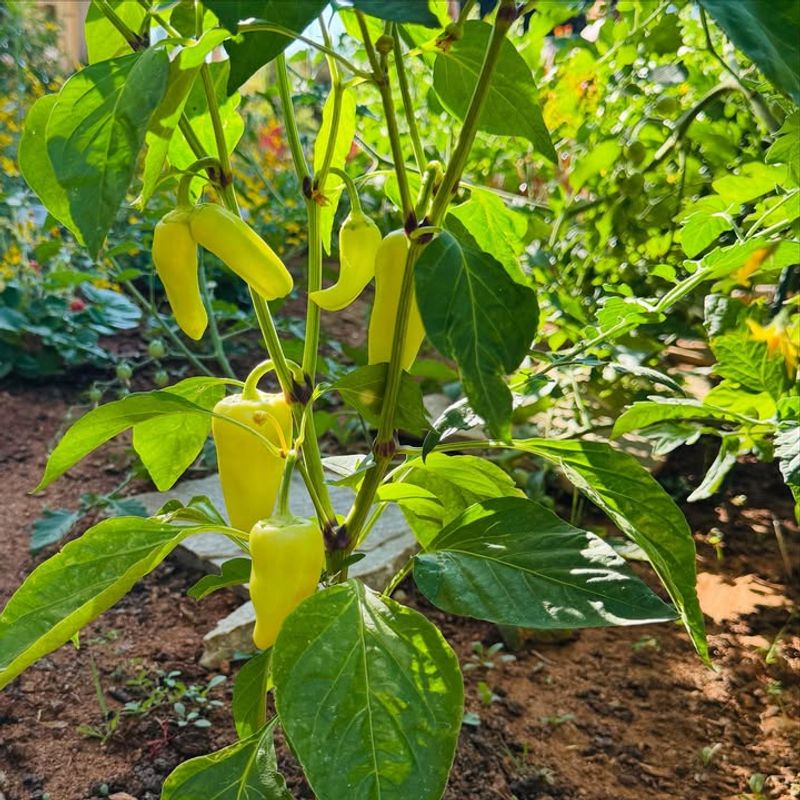
Whether you prefer sweet bell peppers, mild banana peppers, or fiery habaneros, April is the ideal time to get transplants established in Florida’s warm soil. Getting roots settled early in the season supports strong plant growth and a productive stretch of harvests well into the warmer months ahead.
Plant pepper transplants rather than seeds in April if you want to save time, since peppers can take a while to germinate and grow to transplant size from scratch. Space plants about 18 inches apart in a sunny spot with well-draining, fertile soil.
Peppers respond really well to regular fertilizing, so plan to feed them every two to three weeks with a balanced vegetable fertilizer once they are established and growing steadily.
One of the best things about growing peppers in Florida is that the plants can actually survive mild winters in the southern part of the state, meaning a well-cared-for pepper plant might produce for more than one season. Keep an eye out for aphids and spider mites, which are common pepper pests in Florida gardens.
Regular inspection of leaves, especially the undersides, helps you catch any pest issues early and keep your plants healthy and producing through the season.
10. Tomatoes The Ultimate Warm Weather Favorite
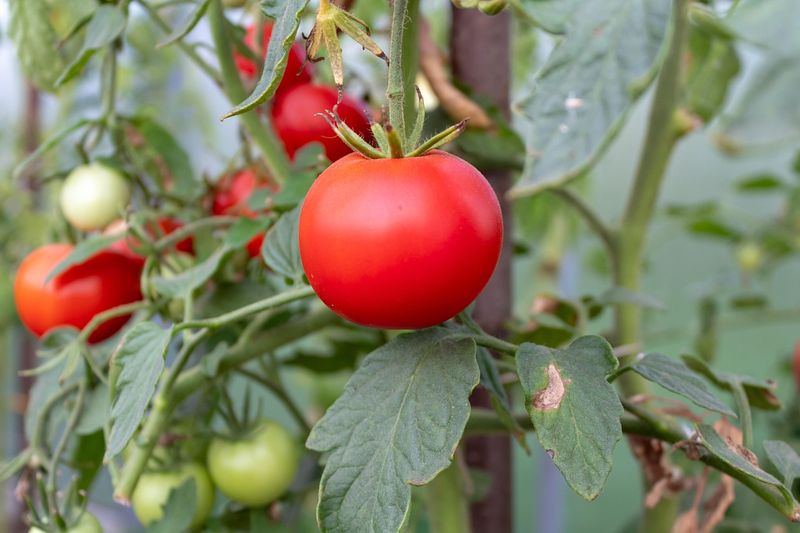
The crown jewel of the Florida spring garden, tomatoes come with a planting window that is shorter than most gardeners realize. Florida’s intense summer heat and high humidity can stress tomato plants significantly once summer fully arrives, so getting transplants in the ground early in April is key to a successful harvest.
Every week counts when it comes to tomatoes in Florida.
Choose heat-tolerant varieties specifically bred for Florida’s climate, such as Solar Fire, Heatmaster, or Sweet 100 cherry tomatoes. These varieties handle Florida’s warm spring temperatures much better than standard grocery store types.
Plant transplants deep in the soil, burying the stem up to the lowest set of leaves to encourage strong root development along the buried stem.
Tomatoes need consistent watering and regular feeding with a balanced fertilizer throughout the growing season. Mulching around the base of the plant helps keep soil moisture steady and reduces the chance of soil-borne diseases splashing up onto the lower leaves during watering.
Florida gardeners should also stake or cage their tomato plants early to support heavy fruit clusters as they develop. With a little attention and care, April-planted tomatoes can deliver a wonderful harvest of fresh, flavorful fruit before the summer heat peaks.