8 Vegetables Orlando Florida Gardeners Are Planting Right Now For Winter Harvests
While much of the country puts gardens to bed, Orlando gardeners are just getting started.
Florida’s mild winters open the door to fresh harvests when northern gardens are frozen solid—and smart gardeners know exactly what to plant right now.
These vegetables thrive in cooler Florida temperatures without risking frost damage.
They grow steadily through winter, producing crisp greens, roots, and hearty harvests when grocery store prices climb.
Timing is everything, and Orlando’s climate offers a rare advantage for those who know how to use it.
Winter gardening here isn’t about pushing limits—it’s about working with nature.
These crops prefer the cooler months, growing stronger and sweeter without summer’s heat stress.
For Orlando gardeners, winter harvests feel like a secret weapon.
While others wait for spring, Florida gardens stay productive, proving that growing season is more flexible than most people think.
1. Tomatoes
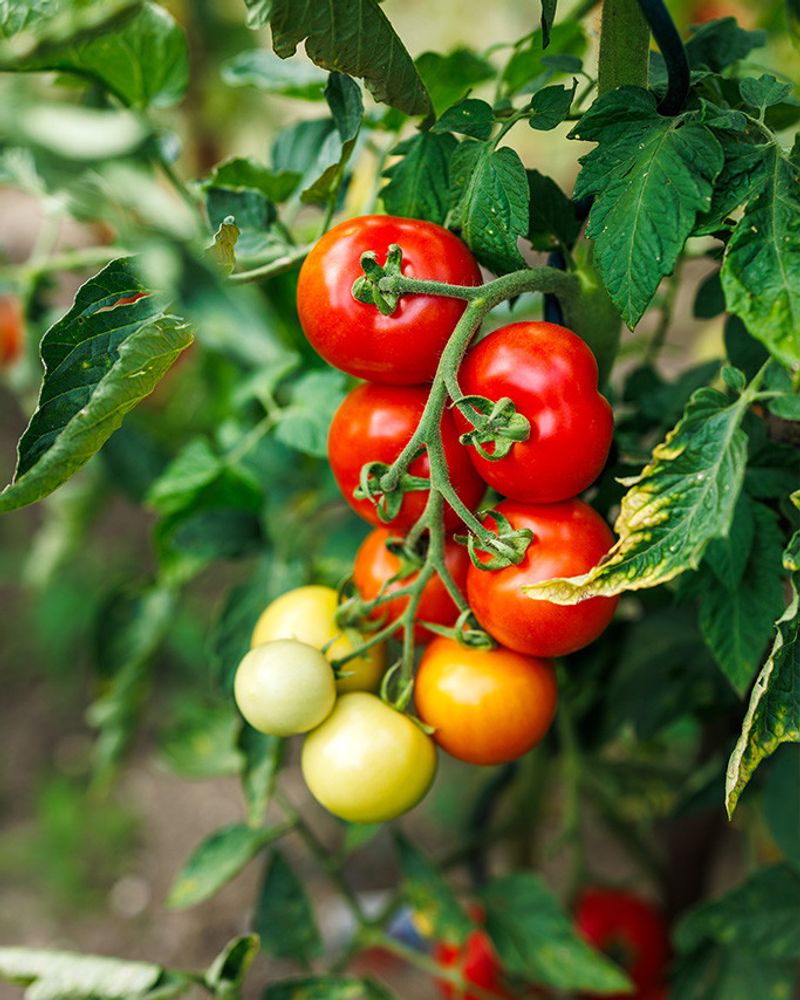
Florida gardeners get to enjoy what northern growers can only dream about during winter: fresh, juicy tomatoes straight from the vine.
October through February is prime tomato-planting season in Orlando, when cooler temperatures help plants establish strong roots without the stress of summer heat.
Cherry tomatoes like Sweet 100 and larger varieties such as Celebrity and Better Boy perform beautifully in Central Florida’s winter climate.
Your tomato plants will need full sun exposure for at least six to eight hours daily, along with well-draining soil enriched with compost.
Stake or cage your plants early to support their growth as they develop fruit.
Water consistently at the base of plants to prevent leaf diseases, and watch for common pests like hornworms that might nibble on your precious plants.
Fertilize every two weeks with a balanced vegetable fertilizer to encourage steady production.
Most varieties will start producing fruit within 60 to 80 days after transplanting.
The reward of biting into a sun-warmed tomato in January makes every bit of care worthwhile.
Your neighbors will be amazed when you serve fresh tomato salads while their gardens sleep under snow.
2. Lettuce
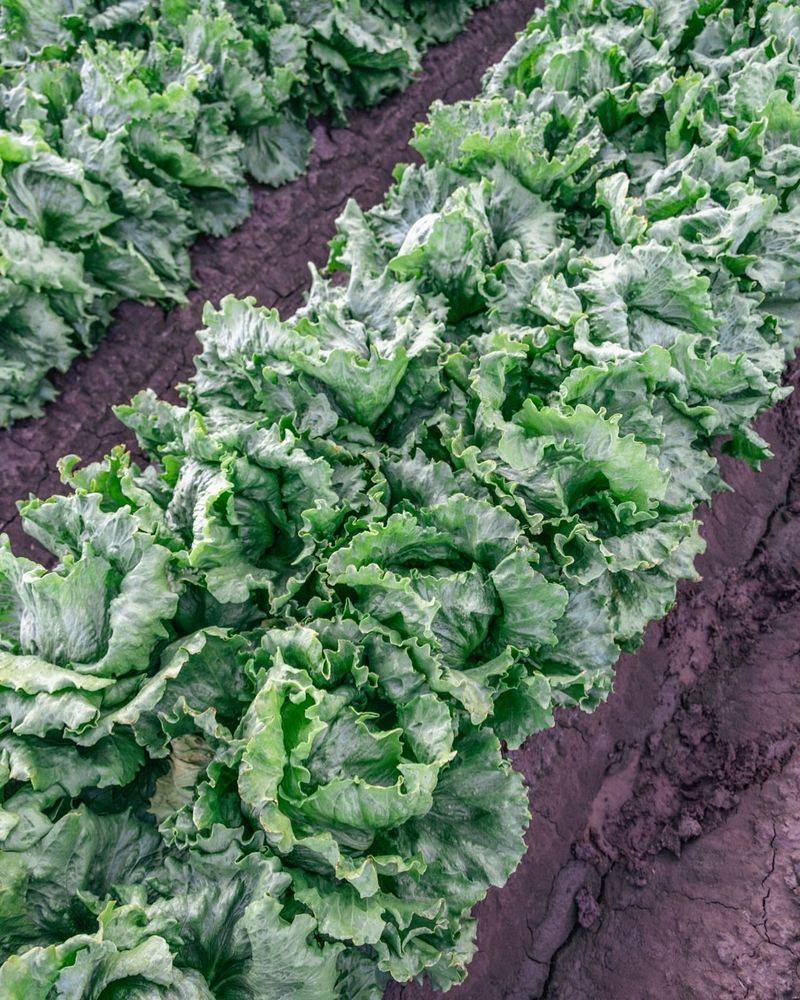
Crisp, tender lettuce leaves taste infinitely better when harvested from your own garden instead of a grocery store shelf.
Central Florida’s winter temperatures create ideal conditions for growing various lettuce types without the bitterness that hot weather brings.
Leaf lettuces like Red Sails, Oak Leaf, and Buttercrunch grow quickly and allow you to harvest outer leaves while the plant continues producing.
Romaine varieties also flourish during Orlando’s cooler months, developing those crunchy ribs perfect for Caesar salads.
Plant lettuce seeds directly into garden beds or containers filled with loose, fertile soil that drains well.
Space seeds about six inches apart and keep the soil consistently moist until germination occurs, usually within a week.
Lettuce prefers some afternoon shade during warmer winter days to prevent premature bolting.
Succession planting every two weeks ensures a continuous supply of fresh greens throughout the season.
Harvest leaves in the morning when they are most crisp and full of moisture.
Watch for slugs and aphids, which occasionally bother lettuce plants but can be managed with organic methods.
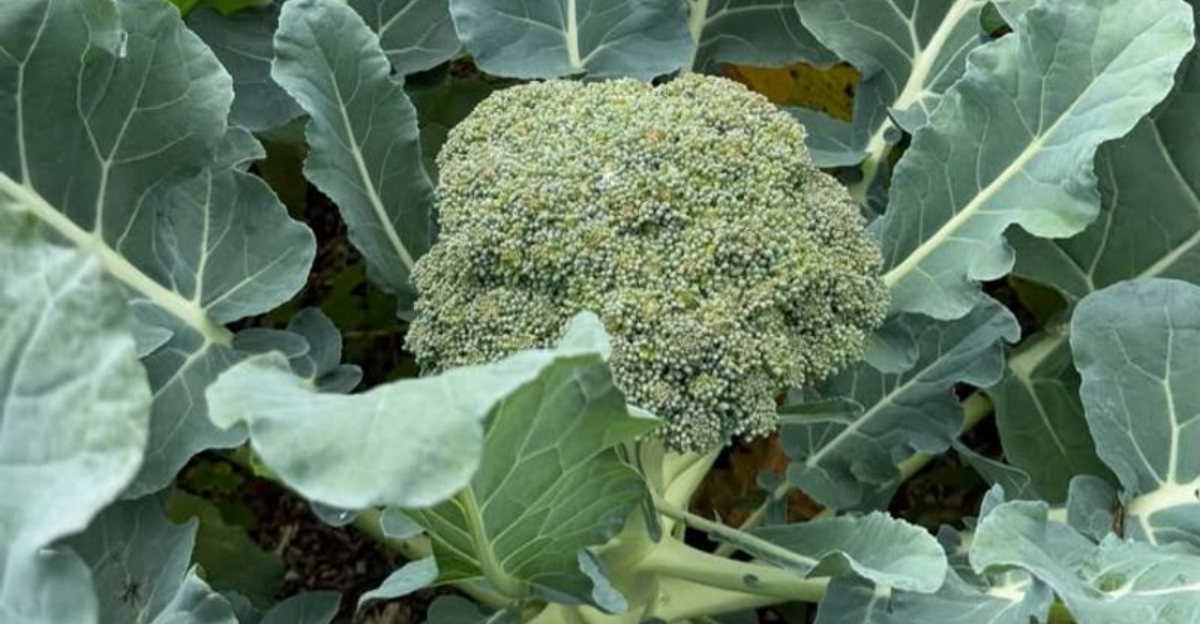
3. Broccoli

Nothing announces the success of a winter garden quite like a beautiful broccoli crown ready for harvest.
This nutritious vegetable absolutely loves the cooler temperatures that Orlando experiences from November through March.
Transplants work better than seeds for most home gardeners, giving your broccoli a head start on the growing season.
Choose varieties like Calabrese, Waltham, or Green Goliath that have proven themselves in Florida gardens.
Space plants about eighteen inches apart in rich soil amended with plenty of compost and organic matter.
Broccoli is a heavy feeder, so regular applications of balanced fertilizer will keep plants healthy and productive.
Water deeply and consistently, as uneven moisture can cause problems with head development.
The main head typically matures first, but after you cut it, the plant will produce smaller side shoots for weeks.
Keep an eye out for cabbage worms, those small green caterpillars that blend in perfectly with broccoli leaves.
Covering plants with row covers provides excellent protection while still allowing light and water through.
Fresh broccoli from your garden has a sweetness and tenderness that store-bought versions simply cannot match.
4. Carrots
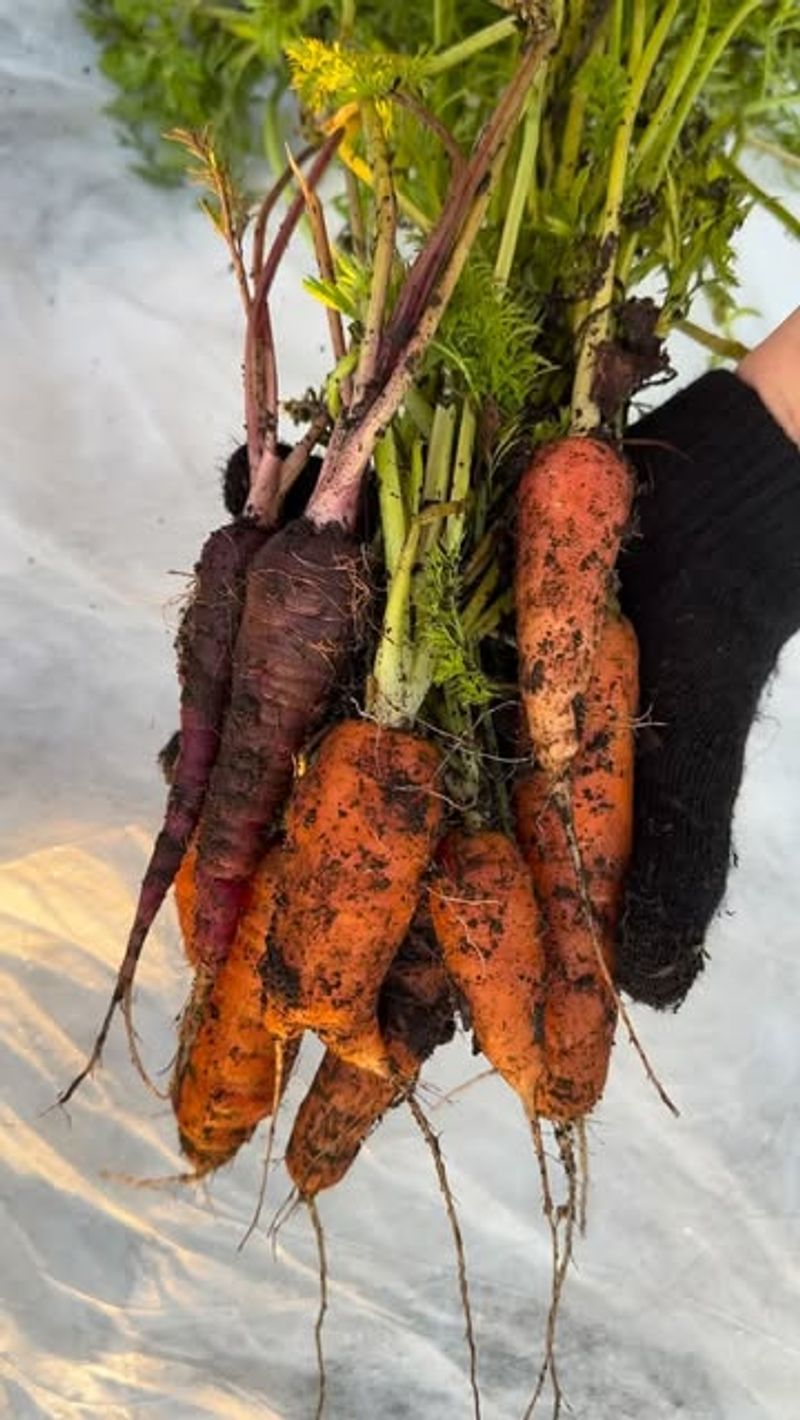
Pulling bright orange carrots from the earth feels like discovering buried treasure in your own backyard.
Orlando’s sandy soil provides excellent drainage that carrots need to develop their signature long, straight roots.
Varieties like Nantes, Danvers, and Chantenay work wonderfully in Central Florida’s winter gardens.
Direct sowing is essential for carrots since they do not transplant well due to their sensitive taproots.
Prepare your soil by working it deeply and removing any rocks or clumps that might cause roots to fork or twist.
Carrot seeds are tiny and take patience, often requiring two to three weeks to germinate.
Keep the soil surface consistently moist during this waiting period by watering gently with a fine spray.
Once seedlings emerge, thin them to about two inches apart to give each carrot room to grow.
Carrots mature in approximately 60 to 75 days, depending on the variety you choose.
You can harvest them young for sweet baby carrots or wait for full-size roots.
The flavor of homegrown carrots surpasses anything available at the market, with a natural sweetness that children and adults both love.
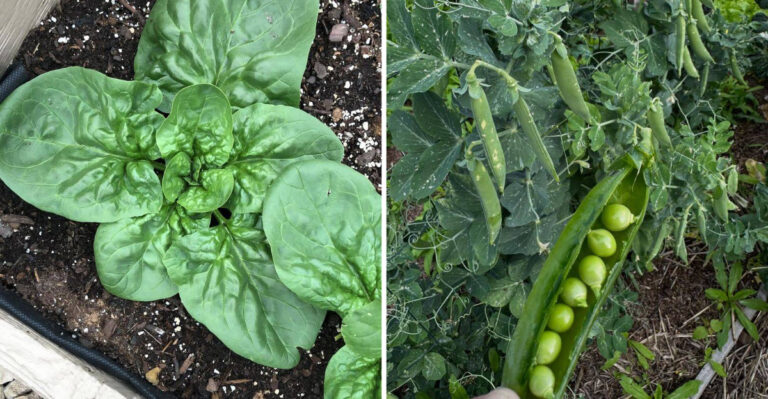
5. Snap Peas
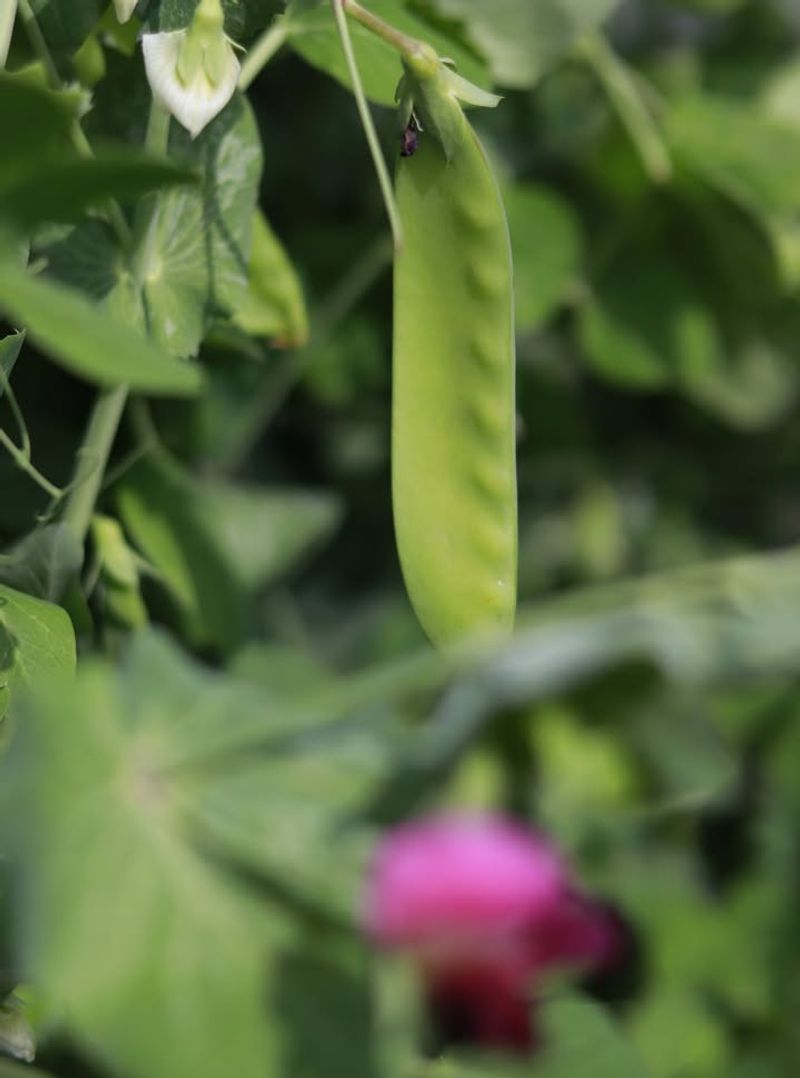
Few garden snacks rival the satisfying crunch of a fresh snap pea eaten right off the vine.
These climbing vegetables transform vertical space into productive growing area while adding beauty with their delicate flowers.
Sugar Ann and Sugar Snap varieties thrive in Orlando’s winter climate, producing abundant harvests from compact spaces.
Install trellises, stakes, or wire fencing before planting to give vines something to climb as they grow.
Peas prefer cooler weather and should be planted from October through January for best results.
Sow seeds directly into the garden about an inch deep and two inches apart along your support structure.
These legumes actually improve your soil by fixing nitrogen through their root systems, benefiting future crops.
Water regularly but avoid overwatering, as peas dislike soggy conditions that can lead to root problems.
Harvest pods when they are plump and crisp, before the peas inside become too large and starchy.
Regular picking encourages plants to produce more pods throughout their growing season.
Children especially love helping harvest snap peas, though many never make it to the kitchen because they taste so good fresh.
6. Kale
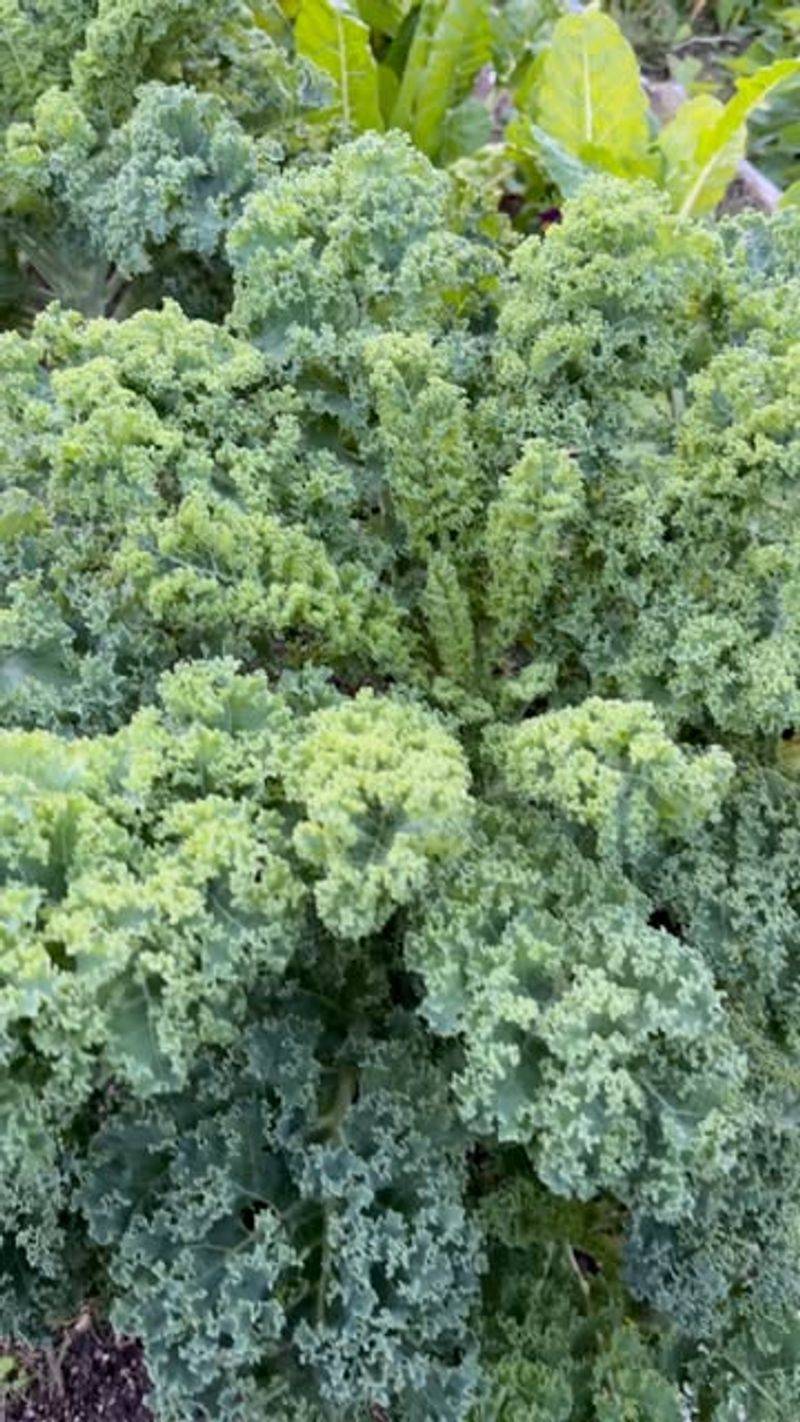
This superfood vegetable has earned its place in Florida gardens thanks to its incredible nutrition and easy-growing nature.
Kale actually becomes sweeter and more tender after exposure to cooler temperatures, making winter the ideal growing season.
Curly varieties like Winterbor and flat types such as Lacinato (also called dinosaur kale) both perform excellently in Orlando gardens.
Start with transplants or sow seeds directly into garden beds enriched with compost and organic matter.
Space plants about twelve to eighteen inches apart to allow for their eventual mature size.
Kale tolerates partial shade better than many vegetables, making it useful for spots that receive less than full sun.
Harvest outer leaves first, allowing the center of the plant to continue growing and producing new foliage.
One plant can provide fresh greens for months when harvested this way.
Watch for aphids and caterpillars, which sometimes appear but are easily controlled with organic sprays or hand-picking.
Fresh kale adds nutrition and flavor to smoothies, salads, soups, and countless other dishes.
Your winter garden will look beautiful with kale’s textured leaves adding visual interest even on the coldest days.
7. Radishes
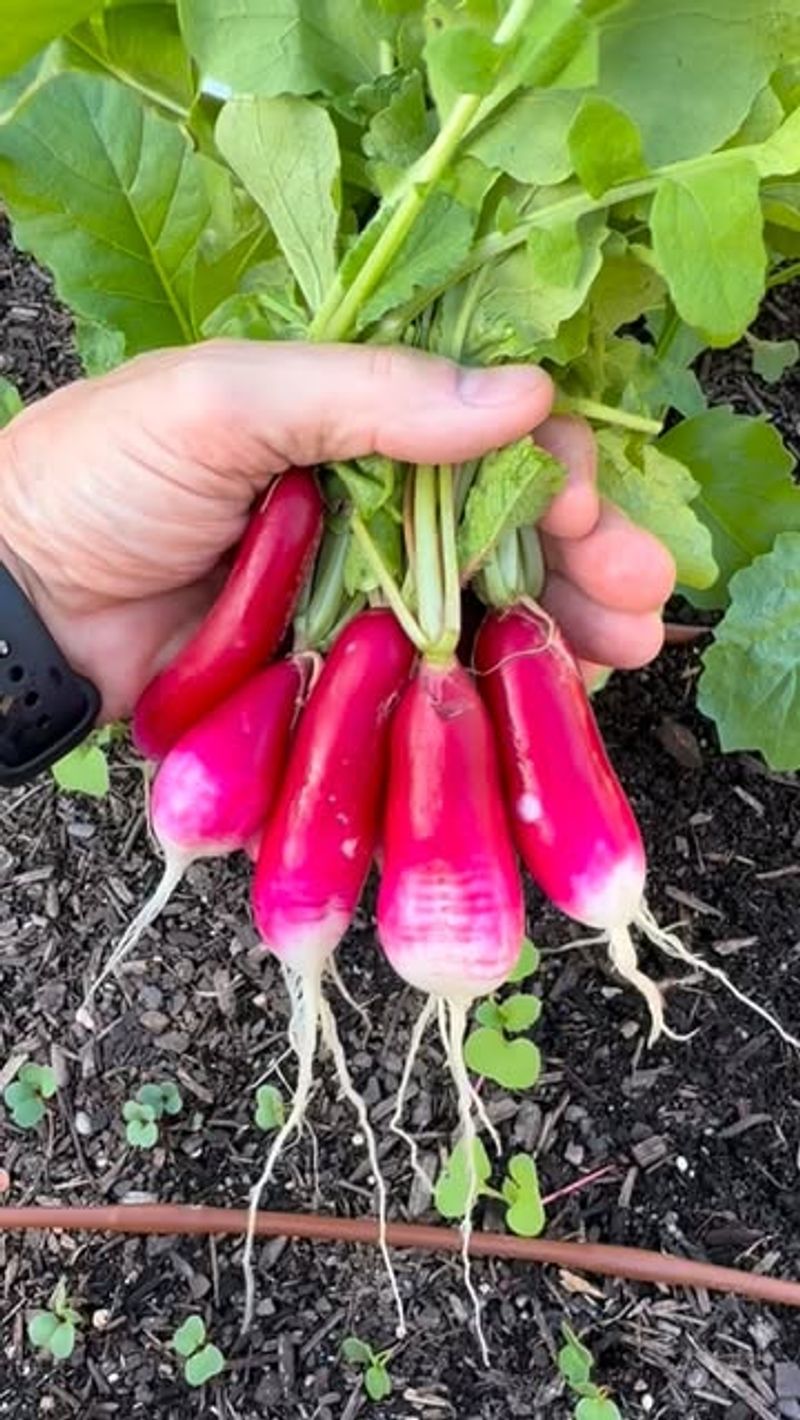
Radishes offer instant gratification for gardeners who love seeing quick results from their planting efforts.
These speedy vegetables mature in as little as 25 days, making them perfect for impatient gardeners and teaching children about growing food.
Cherry Belle, French Breakfast, and Easter Egg varieties all grow beautifully during Orlando’s winter months.
Sow seeds directly into loose, well-draining soil about half an inch deep and one inch apart.
Radishes need consistent moisture to develop crisp, mild roots rather than hot, woody ones.
Thin seedlings to about two inches apart once they emerge to give each radish room to form properly.
These vegetables prefer full sun but will tolerate some shade, especially during warmer winter afternoons.
Harvest radishes as soon as they reach a usable size, because leaving them in the ground too long makes them pithy and overly spicy.
Succession planting every week or two provides a continuous supply of fresh radishes throughout the season.
Try roasting radishes along with other vegetables to discover their surprisingly mild, almost potato-like flavor when cooked.
Their peppery greens are also edible and add a nice kick to salads and stir-fries.
8. Cauliflower
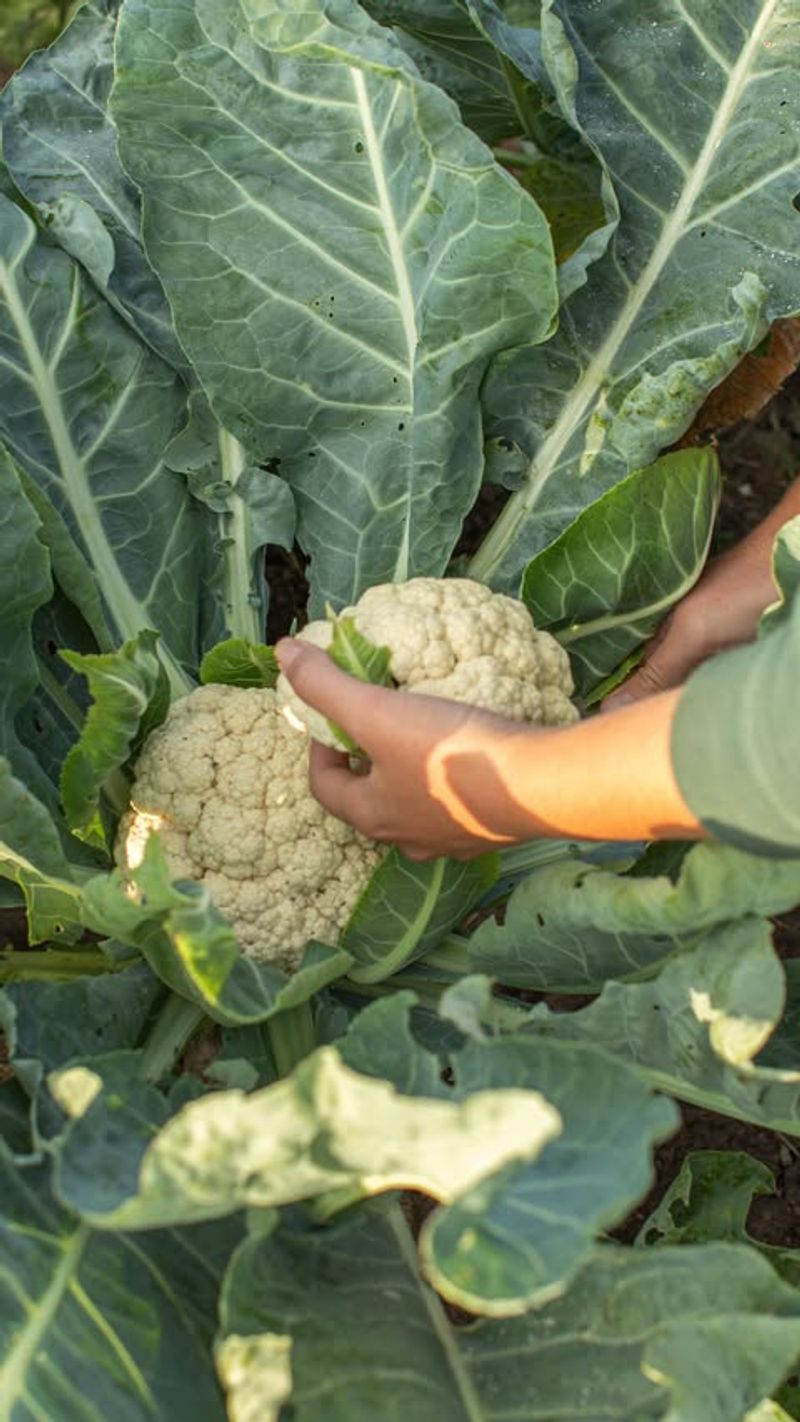
Growing your own cauliflower transforms this sometimes-expensive vegetable into an affordable garden staple.
Central Florida’s winter temperatures provide the extended cool period that cauliflower needs to form those beautiful white heads.
Varieties like Snow Crown and Amazing perform reliably in Orlando gardens when planted at the right time.
Start with transplants rather than seeds to give plants the best chance of maturing before warmer spring weather arrives.
Space plants about eighteen to twenty-four inches apart in soil enriched with plenty of compost and nutrients.
Cauliflower requires consistent moisture and regular feeding with balanced fertilizer throughout its growing period.
As heads begin forming, tie outer leaves over them to keep the curds white and protect them from sun exposure.
This process, called blanching, takes only a few days and dramatically improves the final appearance of your cauliflower.
Watch for the same pests that bother broccoli, including cabbage worms and aphids.
Harvest heads when they reach a good size but before the curds begin to separate or turn yellow.
Fresh cauliflower from the garden has a sweet, nutty flavor that makes it delicious raw, roasted, or steamed.