11 Vegetables That Make The Most Of Limited Garden Space In Texas
Limited garden space in Texas can still produce a surprising amount of food when the right vegetables are chosen and planted with intention.
Heat, long growing seasons, and intense sun change how vegetables grow here, making some compact growers far more productive than sprawling ones.
Many gardeners assume small beds or tight yards limit what they can grow, but space matters far less than plant selection.
Texas gardens benefit from vegetables that grow upward, mature quickly, or stay compact while producing consistently. These plants turn even narrow beds and containers into productive growing areas.
Some vegetables focus their energy on steady harvests instead of excessive leaf growth that takes up room.
Others thrive in close quarters and respond well to vertical supports or repeated picking.
Planting the wrong vegetables often leads to overcrowding, poor airflow, and disappointing yields in tight spaces.
Choosing vegetables that match both Texas conditions and limited space allows small gardens to feel efficient, productive, and surprisingly generous throughout the season.
1. Cherry Tomatoes
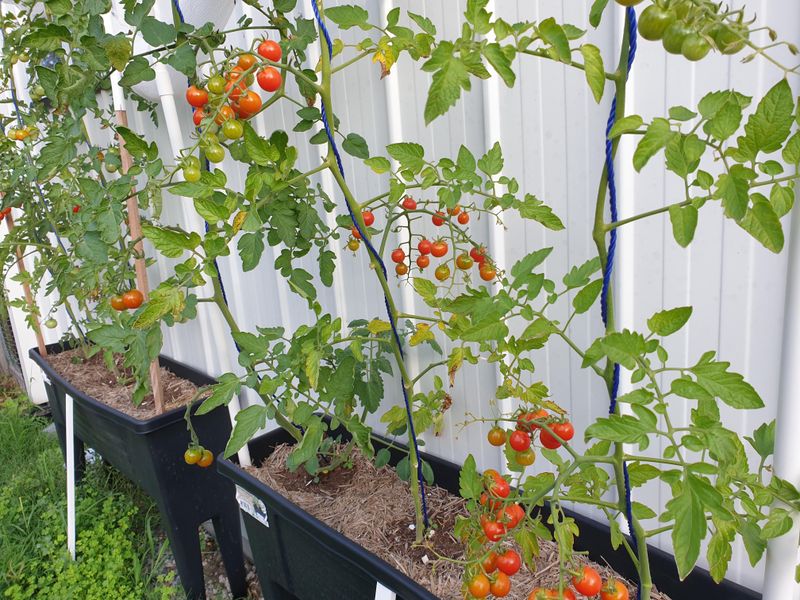
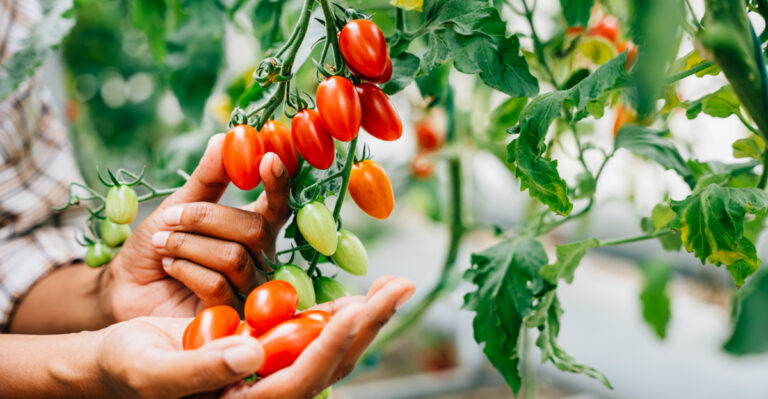
Compact varieties can flourish beautifully when planted in containers or hanging baskets, making them ideal for patios and balconies. Texas summers provide plenty of sunshine, which these plants absolutely love, and they reward you with clusters of sweet, bite-sized fruit throughout the growing season.
Many gardeners in the state choose determinate or dwarf types that stay manageable in size while still producing generously.
Vertical growing techniques work wonders for maximizing your available area. Using cages, stakes, or trellises keeps the vines off the ground and saves precious square footage.
This method also improves air circulation, reducing the risk of fungal issues that can plague tomato plants in humid Texas conditions.
Watering consistently is crucial, especially during scorching summer months when temperatures soar. Cherry tomatoes need regular moisture to prevent blossom end rot and fruit cracking.
Mulching around the base helps retain soil moisture and keeps roots cooler during peak heat.
Starting seeds indoors about six to eight weeks before the last frost gives plants a head start. Transplanting them outside once the soil warms up ensures strong establishment.
Texas gardeners often enjoy two growing seasons, planting again in late summer for a fall harvest.
Choosing disease-resistant varieties tailored to Southern climates increases your chances of success. Local nurseries typically stock options bred to handle the state’s specific challenges.
These selections can withstand temperature swings and common pests more effectively than generic varieties.
2. Peppers
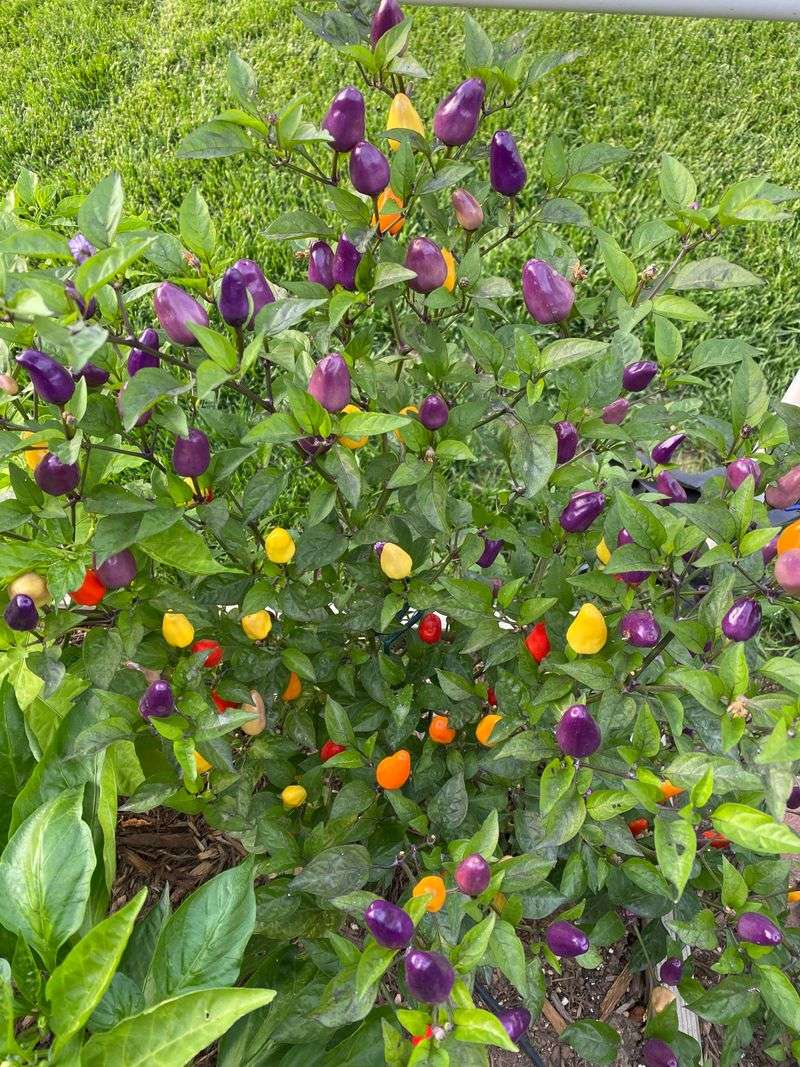
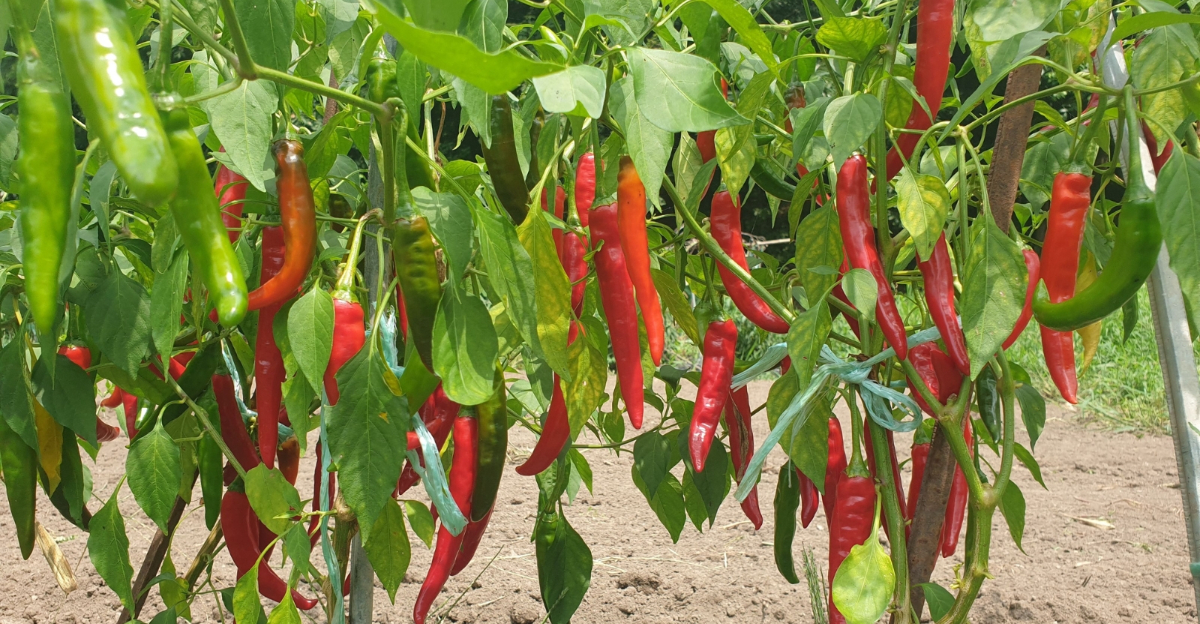
Bell peppers and hot varieties both adapt remarkably well to tight growing areas, making them perfect candidates for small Texas gardens. Their upright growth habit means they don’t sprawl out like some other vegetables, so you can tuck them into corners or narrow beds without worrying about them taking over.
Many types grow happily in pots on decks or near doorways where you can easily grab them for cooking.
Heat tolerance is a major advantage since Texas summers can be brutal. Peppers actually thrive in warm weather, and the long growing season allows them to produce continuously from late spring through early fall.
Some gardeners even bring potted plants indoors before the first freeze to extend the harvest.
Spacing plants about 18 inches apart gives them enough room to develop without crowding. This distance allows good air movement, which helps prevent disease and encourages strong stems.
In raised beds or containers, you can fit several plants in a relatively small footprint.
Consistent watering keeps the soil evenly moist but not waterlogged. Peppers don’t like soggy roots, so well-draining soil is essential.
Adding compost improves both drainage and nutrient content, giving plants the foundation they need to thrive.
Harvesting regularly encourages more fruit production. Picking peppers while they’re still green or waiting until they turn red, yellow, or orange depends on your taste preference.
Either way, removing mature fruit signals the plant to keep producing.
3. Bush Beans
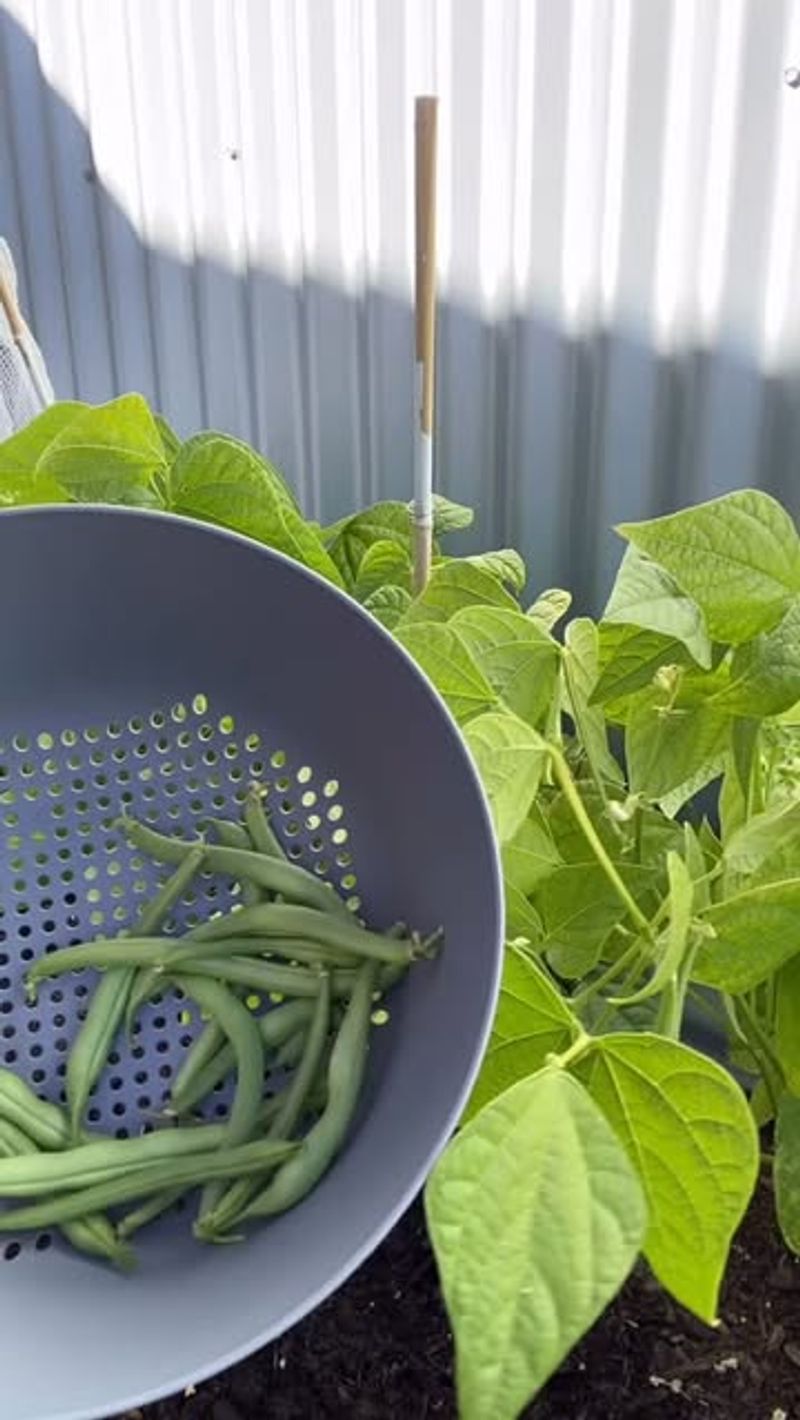
Unlike their pole bean cousins, bush varieties grow in compact, self-supporting clumps that don’t require trellises or stakes. This makes them incredibly convenient for gardeners working with limited space in Texas, where every square foot counts.
You can tuck rows of bush beans between other plants or along the edges of beds without worrying about them climbing onto neighbors.
Fast maturity is another major selling point. Most bush bean varieties are ready to harvest in just 50 to 60 days from planting, which means you can fit multiple plantings into a single growing season.
Texas gardeners often plant successive crops every two weeks for a continuous supply of fresh beans.
Warm soil is essential for germination, so wait until after the last frost and the ground has thoroughly warmed. Planting too early in cool, damp soil can cause seeds to rot instead of sprouting.
Once established, bush beans tolerate heat well and produce prolifically through summer.
Spacing seeds about three to four inches apart in rows allows each plant enough room to develop. Since they don’t spread much, you can plant rows fairly close together, maximizing your harvest area.
This efficient use of space makes bush beans a favorite among urban gardeners.
Watering deeply but infrequently encourages strong root development. Beans prefer consistent moisture, especially during flowering and pod formation.
Mulching helps conserve water and keeps soil temperatures more stable during Texas heat waves.
4. Cucumbers
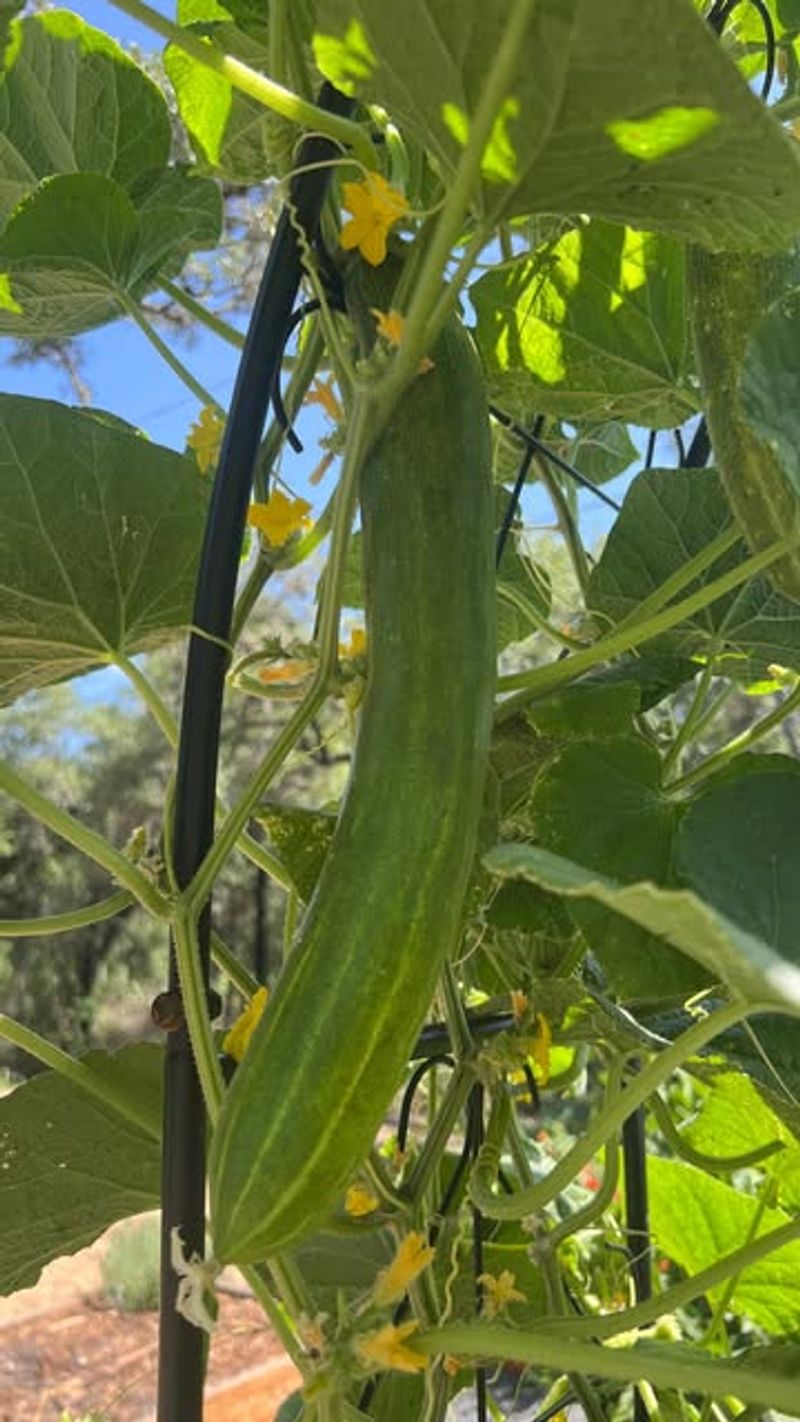
Training cucumber vines vertically transforms them from space hogs into efficient producers perfect for small Texas gardens. Trellising allows the plants to climb upward instead of sprawling across the ground, freeing up valuable bed space for other crops.
This approach also keeps fruit cleaner and makes harvesting easier since cucumbers hang at eye level.
Bush or compact varieties are specifically bred for container growing and tight spaces. These types produce shorter vines but still yield plenty of cucumbers throughout the season.
Texas gardeners often choose these for balcony gardens or small raised beds where sprawling vines aren’t practical.
Warm weather is ideal for cucumber growth, and Texas provides that in abundance. Planting after all danger of frost has passed ensures quick germination and vigorous growth.
These plants love heat but need consistent moisture to prevent bitter-tasting fruit.
Watering deeply and regularly is crucial, especially during fruit development. Cucumbers are mostly water, so irregular watering can lead to misshapen or bitter vegetables.
Drip irrigation or soaker hoses work well in the Texas heat, delivering moisture directly to roots while minimizing evaporation.
Mulching around plants helps retain soil moisture and keeps roots cool during scorching summer days. Organic mulch like straw or shredded leaves also suppresses weeds that compete for water and nutrients.
5. Zucchini
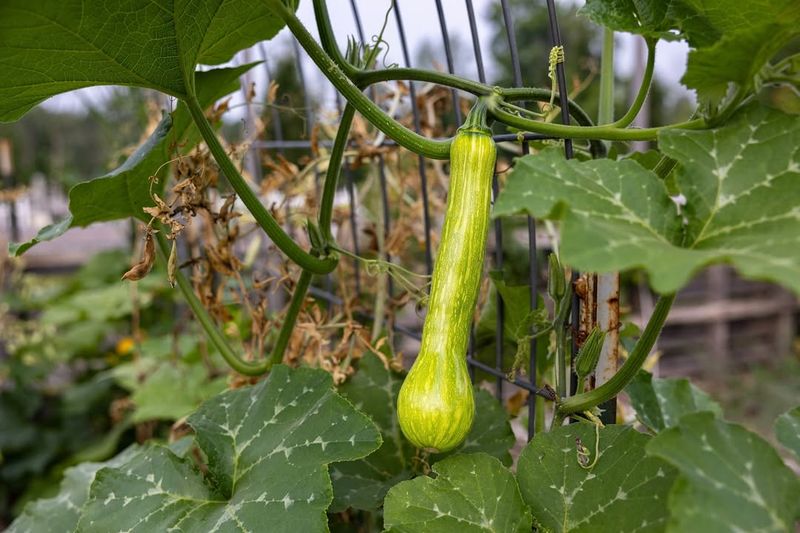
Choosing compact or bush varieties makes all the difference when growing zucchini in limited Texas garden space. Standard zucchini plants can spread several feet in all directions, but bush types stay contained while still producing impressive harvests.
This makes them perfect for raised beds, containers, or small in-ground plots where sprawl would be problematic.
Prolific production is what zucchini is famous for, and even a single plant can keep a family supplied with fresh squash all summer long. Texas’s warm growing season means these plants start producing early and continue until the first frost.
Many gardeners joke about having too many zucchinis, but that’s a good problem to have.
Planting in rich, well-draining soil gives zucchini the foundation it needs to thrive. Adding plenty of compost or aged manure before planting provides nutrients and improves soil structure.
These heavy feeders appreciate fertile ground and reward you with abundant fruit.
Spacing plants about two to three feet apart allows adequate air circulation, which is important in humid Texas conditions. Good airflow helps prevent powdery mildew and other fungal diseases that can plague squash plants.
Even compact varieties need some breathing room to stay healthy.
Watering consistently at the base of plants keeps leaves dry and reduces disease risk. Zucchini needs regular moisture, especially during flowering and fruit development.
Mulching helps maintain even soil moisture and keeps fruit clean by preventing soil splash.
6. Okra
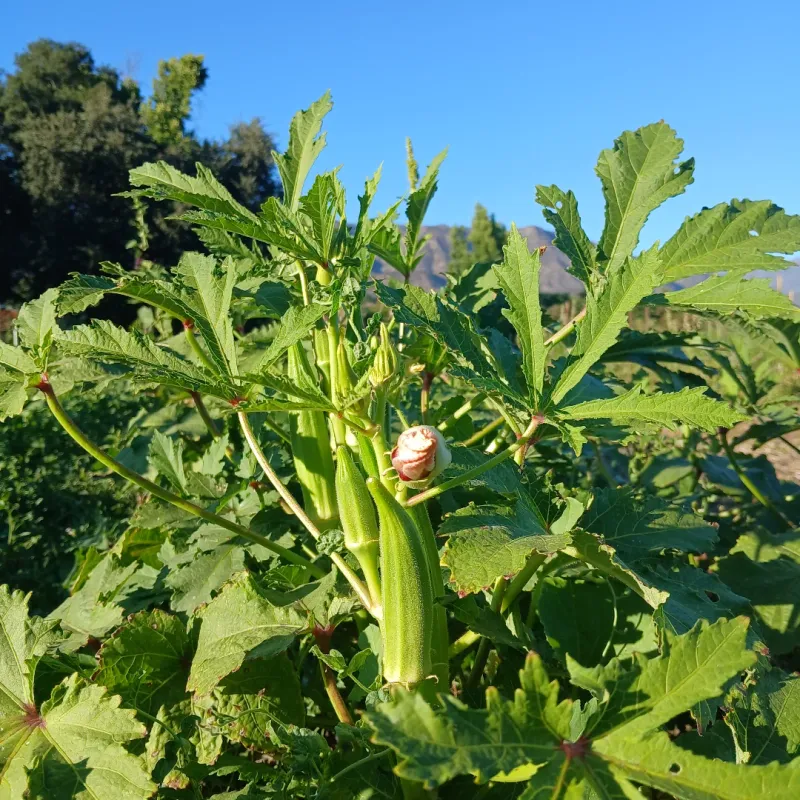
Few vegetables love Texas heat quite like okra, which thrives in conditions that make other crops wilt and struggle. This Southern staple grows tall and slender, taking up minimal ground space while producing pods continuously throughout the summer.
One plant can yield dozens of pods over the season, making it incredibly productive for the space it occupies.
Vertical growth is a natural advantage since okra plants shoot upward rather than spreading outward. Most varieties reach four to six feet tall but only spread about two feet wide at the base.
This narrow footprint allows you to plant them along fence lines or in narrow beds without sacrificing growing area.
Warm soil is absolutely necessary for successful okra germination. Texas gardeners should wait until soil temperatures reach at least 70 degrees before planting seeds.
Once established, these plants handle extreme heat better than almost any other vegetable, making them ideal for long, hot summers.
Spacing plants about 12 to 18 inches apart provides enough room for mature growth without crowding. This close spacing is possible because of their upright habit, and it maximizes your harvest from a small area.
In Texas, where growing seasons are long, okra can produce from early summer through fall.
Harvesting pods when they’re three to four inches long ensures tender texture and prevents them from becoming tough and fibrous. Checking plants every day or two during peak production keeps them yielding fresh pods.
Wearing gloves helps avoid the prickly leaves that some varieties have.
7. Swiss Chard
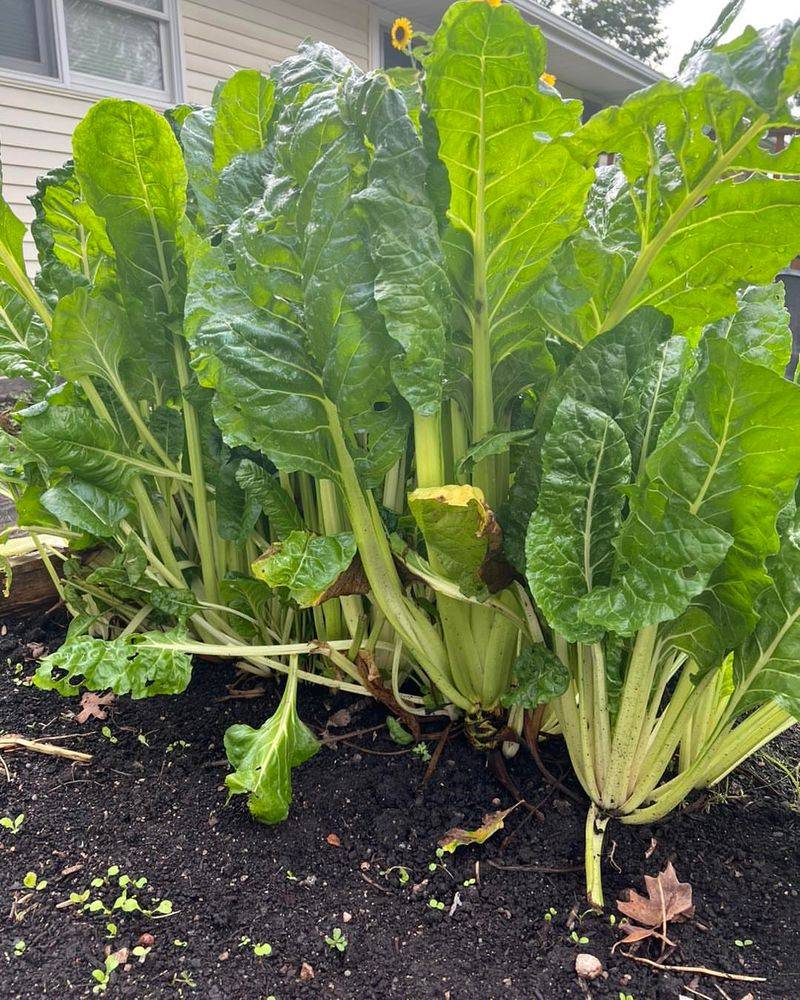
Colorful stems in shades of red, yellow, orange, and white make Swiss chard as ornamental as it is edible, perfect for small Texas gardens where every plant should earn its keep. This leafy green grows in neat clumps that don’t sprawl or vine, making it easy to tuck into tight spaces or use as an edible border.
One plant provides multiple harvests by cutting outer leaves while allowing the center to keep producing.
Heat tolerance sets chard apart from many other leafy greens that bolt or turn bitter in Texas summers. While it grows best in cooler weather, chard handles warm temperatures better than lettuce or spinach, extending your harvest season.
Providing afternoon shade during the hottest months helps keep leaves tender and mild-flavored.
Planting in spring or fall gives chard the moderate temperatures it prefers, but it can produce year-round in many parts of Texas with proper care. Fall plantings often perform especially well since cooler weather brings out the best flavor.
Successive plantings every few weeks ensure a continuous supply of fresh greens.
Spacing plants about six to eight inches apart allows room for mature growth without wasting space. Since you harvest outer leaves rather than pulling entire plants, chard produces over an extended period.
This cut-and-come-again method makes it incredibly efficient for small gardens.
Watering regularly keeps leaves crisp and prevents bitterness. Chard needs consistent moisture but tolerates brief dry spells better than many greens.
Mulching around plants helps retain soil moisture and keeps roots cool during Texas heat.
8. Kale
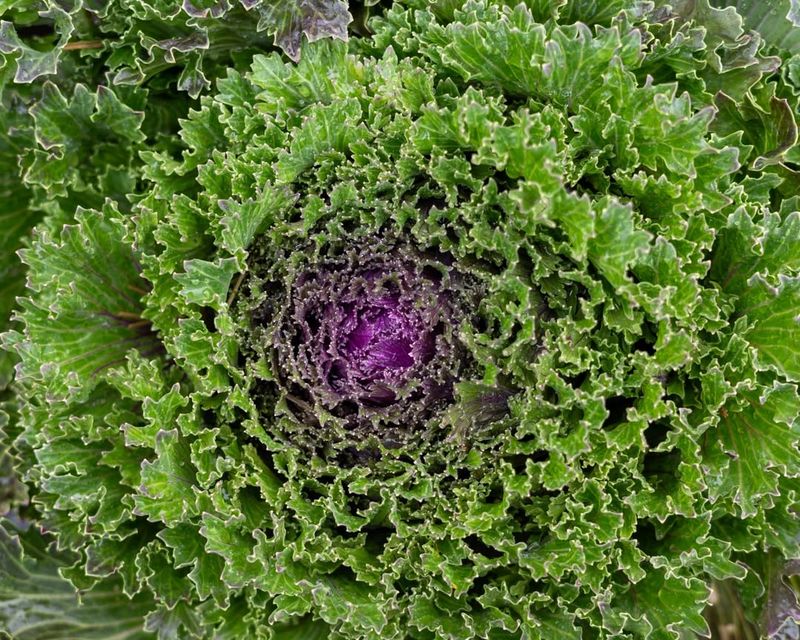
Nutritional powerhouse status makes kale a must-grow for health-conscious Texas gardeners, and its compact growth habit fits perfectly in small spaces. Unlike sprawling vegetables, kale grows in tight rosettes that stay manageable throughout the season.
You can fit several plants in a small raised bed or container, providing abundant harvests without taking over your garden.
Cold tolerance is kale’s superpower, making it ideal for fall and winter gardens in Texas. While many vegetables shut down when temperatures drop, kale actually improves in flavor after a light frost.
Growing it during cooler months frees up space for heat-loving crops in summer.
Planting in late summer or early fall gives kale time to establish before winter. Texas gardeners in southern regions can grow it through winter, while those in northern parts may need frost protection during extreme cold snaps.
Either way, kale provides fresh greens when many other crops have finished.
Spacing plants about 12 inches apart allows adequate air circulation and room for mature leaves. Harvesting outer leaves while leaving the center intact allows continuous production over several months.
This method maximizes your yield from each plant and extends the harvest season.
Watering consistently keeps leaves tender and prevents stress that can make them tough or bitter. Kale tolerates drought better than many greens but produces best with regular moisture.
Drip irrigation or soaker hoses work well, delivering water directly to roots.
9. Green Onions
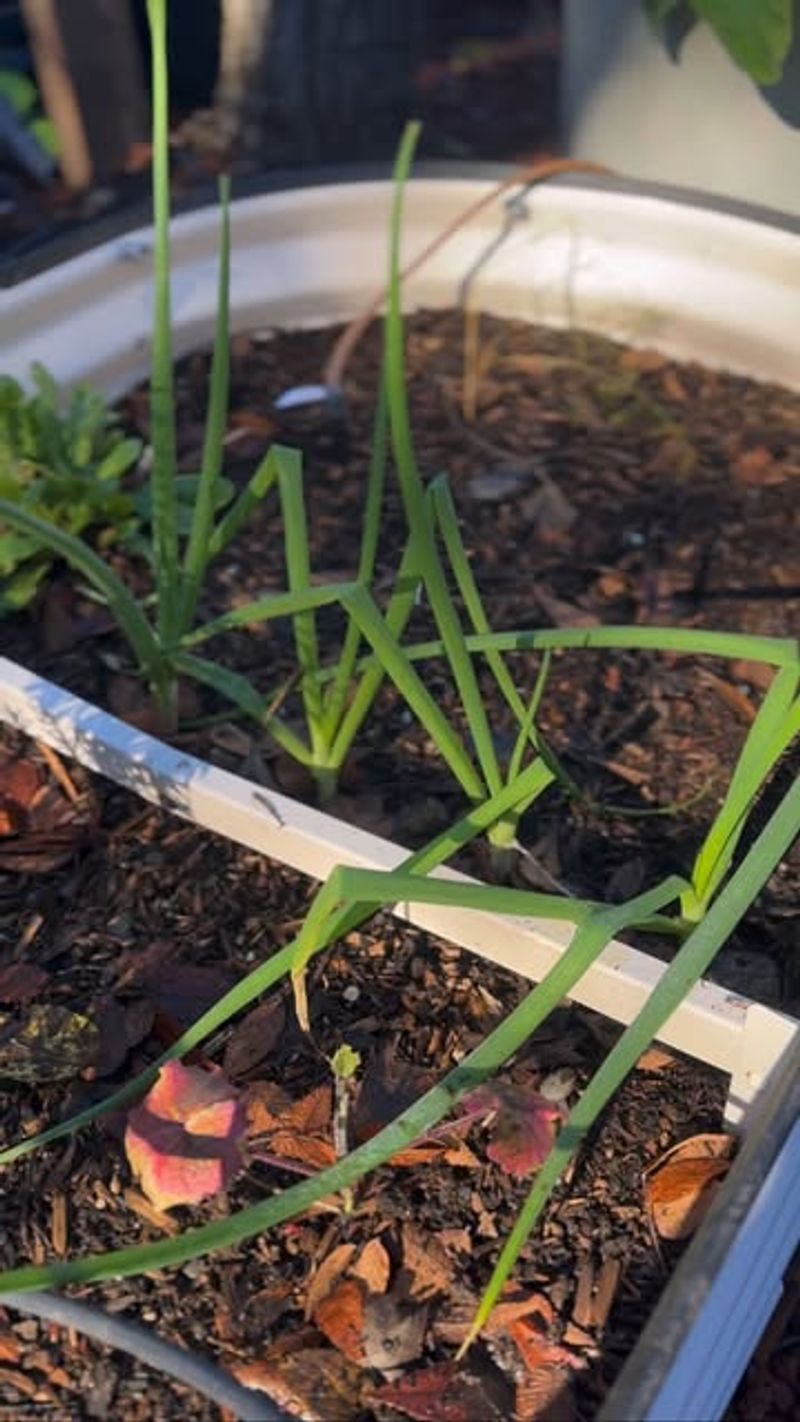
Minimal space requirements make green onions perfect for the smallest Texas gardens, balcony containers, or even windowsill planters. These slender vegetables grow straight up, taking almost no horizontal space while providing continuous harvests.
You can tuck them between other plants or grow them in narrow strips along bed edges without interfering with neighboring crops.
Quick growth from seed to harvest takes only about 60 days, but many Texas gardeners prefer planting sets for even faster results. Sets can be ready to harvest in as little as three to four weeks, providing almost instant gratification.
This rapid turnaround allows multiple plantings throughout the year for a steady supply.
Regrowing from scraps is a fun and economical trick that works beautifully with green onions. After using the green tops, place the white roots in water or soil, and they’ll sprout new growth within days.
This method essentially gives you free vegetables and reduces waste, making it popular among budget-conscious gardeners.
Planting densely maximizes your harvest from limited space. Green onions don’t need much room, so you can space them just an inch or two apart.
This tight planting yields impressive amounts from a small area, making them one of the most efficient vegetables for compact Texas gardens.
Watering regularly keeps green onions growing steadily without interruption. They prefer consistent moisture but aren’t overly demanding.
Container-grown onions may need daily watering during hot Texas summers, while garden beds with mulch retain moisture longer.
10. Radishes
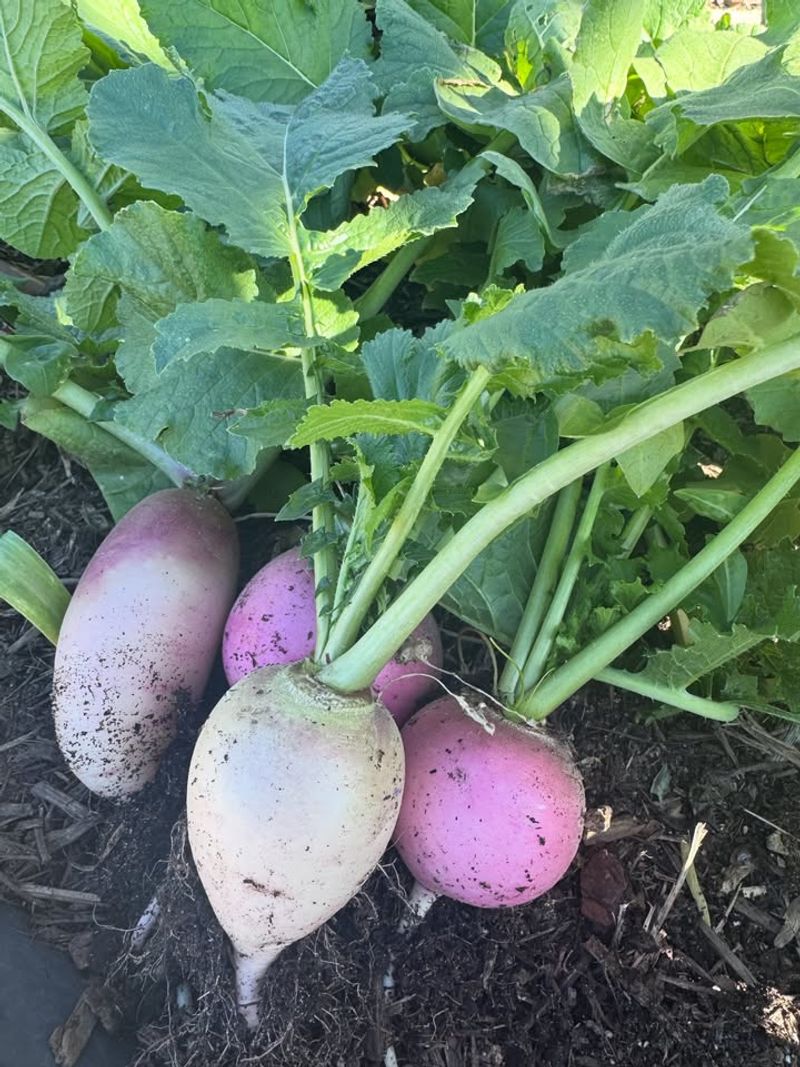
Lightning-fast maturity makes radishes the ultimate instant gratification crop for impatient Texas gardeners. Most varieties are ready to harvest in just 25 to 30 days from planting, making them one of the quickest vegetables you can grow.
This rapid turnaround means you can squeeze radish plantings between slower-growing crops or succession plant for continuous harvests.
Small root size means radishes need very little space to produce successfully. Their compact nature allows dense planting, and you can tuck them into gaps between other vegetables or along bed edges.
Texas gardeners often use radishes as a quick crop to fill space while waiting for slower plants to mature.
Cool weather brings out the best flavor in radishes, making them ideal for spring and fall gardens in Texas. Planting in early spring before heat arrives or in late summer for fall harvest ensures crisp, mild roots.
Summer heat can make radishes woody and excessively spicy, so timing is important.
Spacing seeds about an inch apart provides room for roots to develop properly. Crowded radishes produce small, misshapen roots, so proper spacing matters despite their tiny size.
Thinning seedlings if necessary ensures each plant has adequate space.
Watering consistently prevents radishes from becoming pithy or overly hot. These quick-growing vegetables need steady moisture throughout their short life cycle.
Irregular watering can cause cracking or tough texture, so keeping soil evenly moist is essential.
11. Eggplant
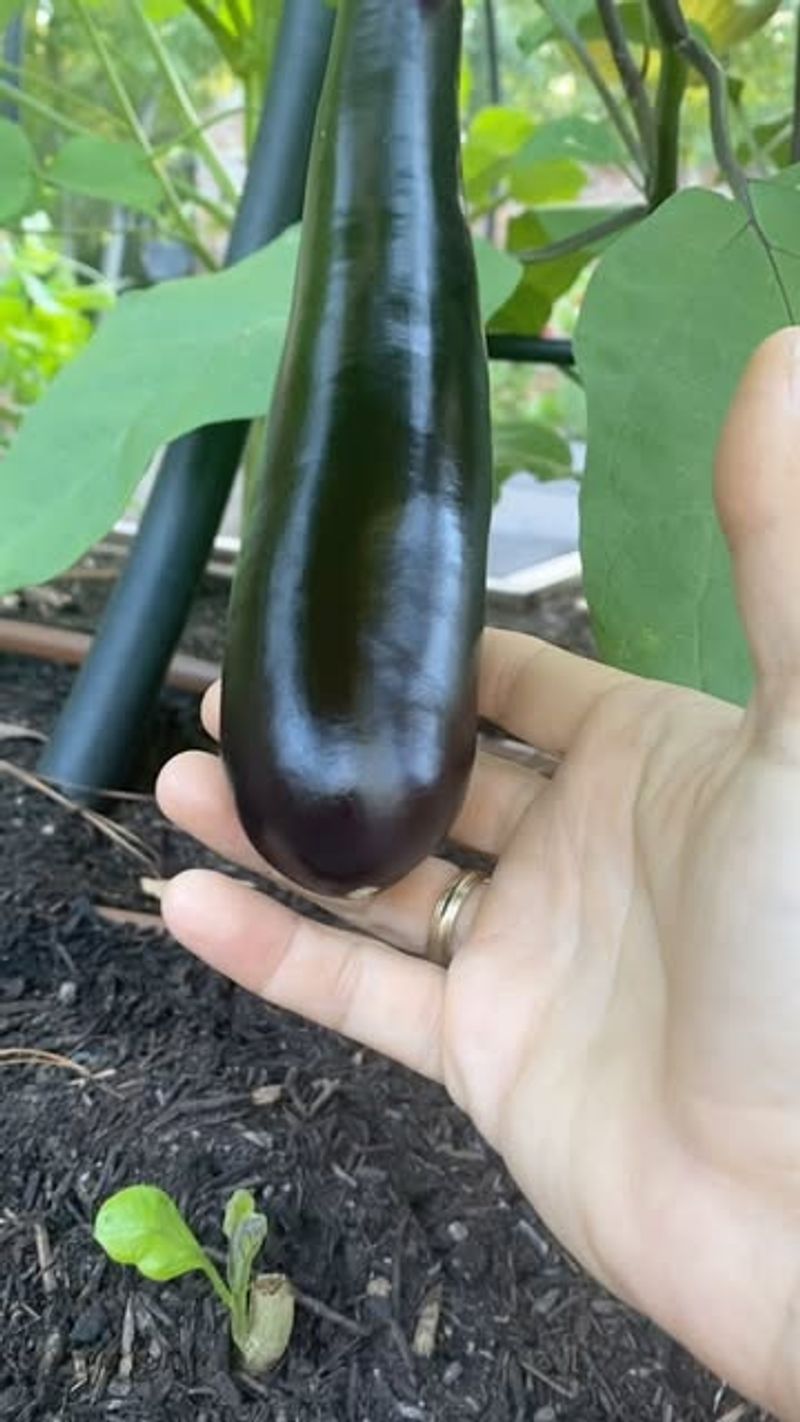
Glossy purple fruits hanging from compact plants make eggplant both productive and attractive in small Texas gardens. Many modern varieties are bred specifically for container growing or tight spaces, staying manageable in size while still yielding plenty of fruit.
These plants grow upright with minimal spread, making them easy to fit into corners or along fence lines.
Heat-loving nature means eggplant thrives in Texas summers when many other vegetables struggle. Long, hot growing seasons allow extended harvests from early summer through fall.
This makes eggplant an excellent choice for maximizing production during the warmest months when garden space is at a premium.
Starting seeds indoors about eight weeks before the last frost gives plants a head start. Eggplant needs warm soil to thrive, so transplanting after all danger of frost has passed and soil has thoroughly warmed ensures success.
Texas gardeners can often direct seed in warmer regions where spring arrives early.
Spacing plants about 18 to 24 inches apart provides adequate room for mature growth without wasting space. This distance allows good air circulation while still fitting multiple plants in a small area.
Staking taller varieties helps support heavy fruit and keeps plants tidy.
Watering deeply and regularly supports steady growth and fruit development. Eggplant doesn’t tolerate drought well, so consistent moisture is important, especially during flowering and fruiting.
Mulching helps conserve water and keeps soil temperatures stable during Texas heat waves.