8 Vegetables That Thrive When Planted Next To Carrots
Why did that root you pulled twist itself into a crooked orange knot? Crowded neighbors push roots sideways, and fresh manure you mixed in makes them fork.
Beds you fill without a plan spark quiet competition underground. Certain neighbors you choose shade the soil and hold moisture around seedlings.
Others pull nitrogen from the air and feed crops you grow next door. Strong scents you pair can scramble a pest’s ability to find its target.
Chosen quick sprouts break crusty soil so your slower seeds push through. Deep roots you pair with shallow ones share the soil without competing. You control who sits together, and those choices shape flavor, pests, and weeding hours.
Smart pairings crowd out weeds, stretch tight space, and pack your beds with color. Meet the allies ready to boost your harvest before you sow another seed.
1. Onions Keep The Carrot Flies Guessing
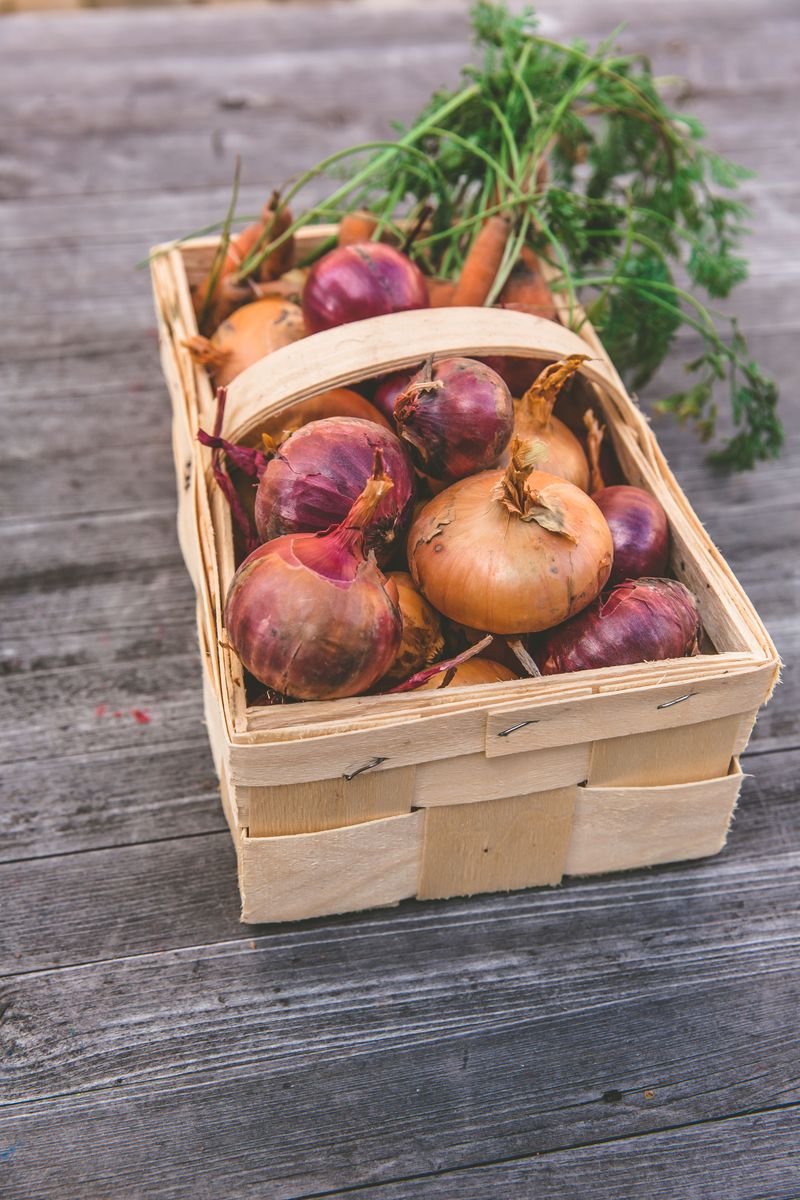
Carrot flies hunt by smell, sniffing out that sweet carrot scent from surprising distances. Onions crash the party with a sharp, pungent aroma that confuses their sensitive antennae.
When the flies get confused, they may wander off instead of laying eggs near your carrot roots. Many gardeners believe carrots return the favor by masking the smell that draws onion flies.
The scent works best while onions are still growing leaves, before bulbs start forming. For stronger results, plant several onion rows per carrot row, spacing sets four inches apart.
Their roots share space politely because they grow at different depths. Onions stay shallow and wide, while carrots push straight down in search of moisture.
Try planting onion sets in early spring, around the time you sow carrot seeds. Both handle cool weather well, and both enjoy loose, well-drained soil with plenty of sun.
Weed gently around young onions, since their thin leaves struggle to compete with aggressive sprouts. A thin layer of straw mulch helps hold moisture and keeps weeds in check.
Keep the soil slightly dry near harvest time so onions cure nicely. Then pull a carrot, pull an onion, and you have half a soup ready before dinner.
Red, yellow, and white onions pair well, so choose the flavors your kitchen uses often. Sweet varieties like Walla Walla add mild crunch to carrot slaw.
Gardeners have paired these two for generations, and many still rely on the trick today. Old advice like this keeps earning fans in backyards.
2. Leeks Stand Guard Against Hungry Pests
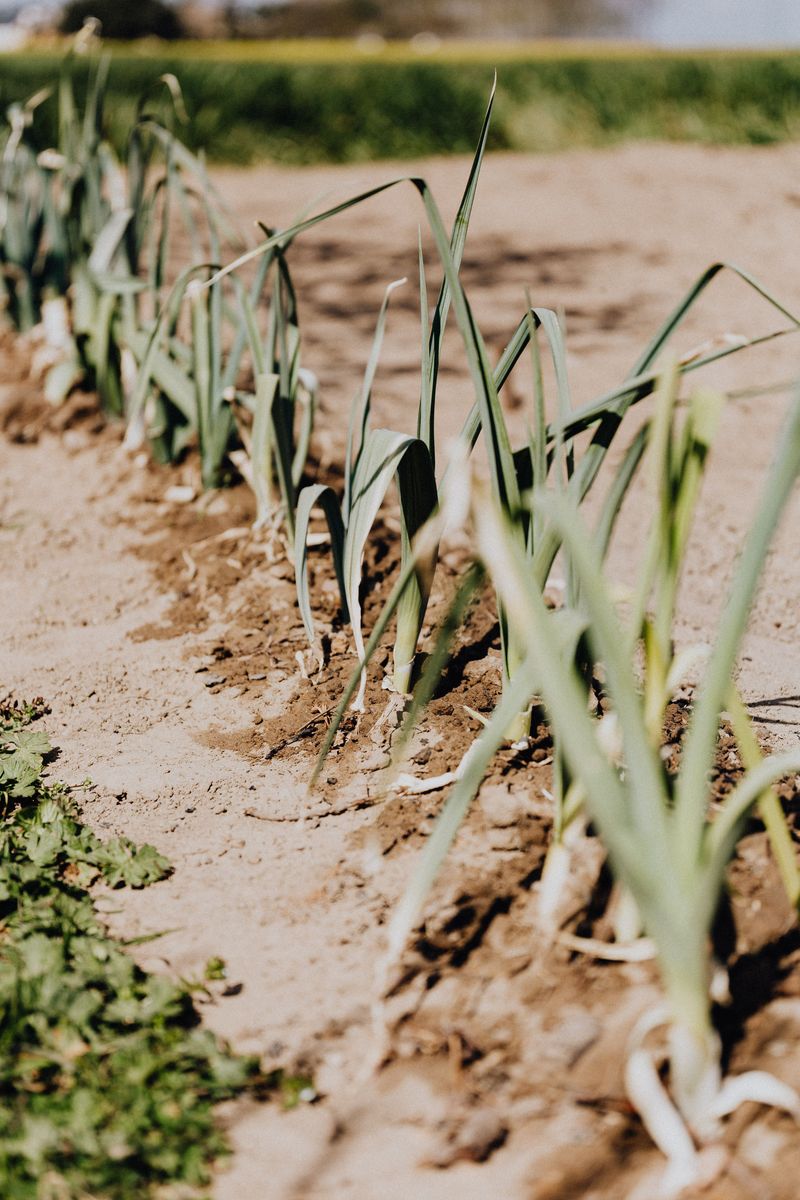
Picture a row of slim green stalks standing tall beside your carrots. Leeks look sturdy, and gardeners count on them to protect carrots.
Like onions, leeks give off a strong smell that may confuse carrot flies looking for a snack. Carrots are thought to return the favor by helping keep leek moths and onion flies away.
Leeks grow tall and narrow, so they cast little shade on carrot tops. That means both crops get the sunlight they need without elbowing each other.
Many gardeners plant them in alternating rows, about six inches apart. Leeks take longer to mature, so you can harvest carrots first and give leeks extra room.
Start leek seeds indoors in late winter, since they grow slowly at first. Move the seedlings outside once they reach pencil thickness and the soil feels workable.
For thick white stems, pile soil around the base of each leek as it grows. The process is called blanching, and it keeps the stems tender and mild.
Be careful not to bury your carrot tops when you hill up the soil. A small hand trowel works better than a big shovel for this delicate job.
Leeks shrug off light frost, so you can leave them in the ground well into late fall. Carrots also sweeten after a chilly snap, making autumn harvests extra flavorful.
Ancient Romans loved leeks so much that Emperor Nero reportedly ate them to improve his singing voice. Your carrots will not sing, but they may grow straighter and cleaner.
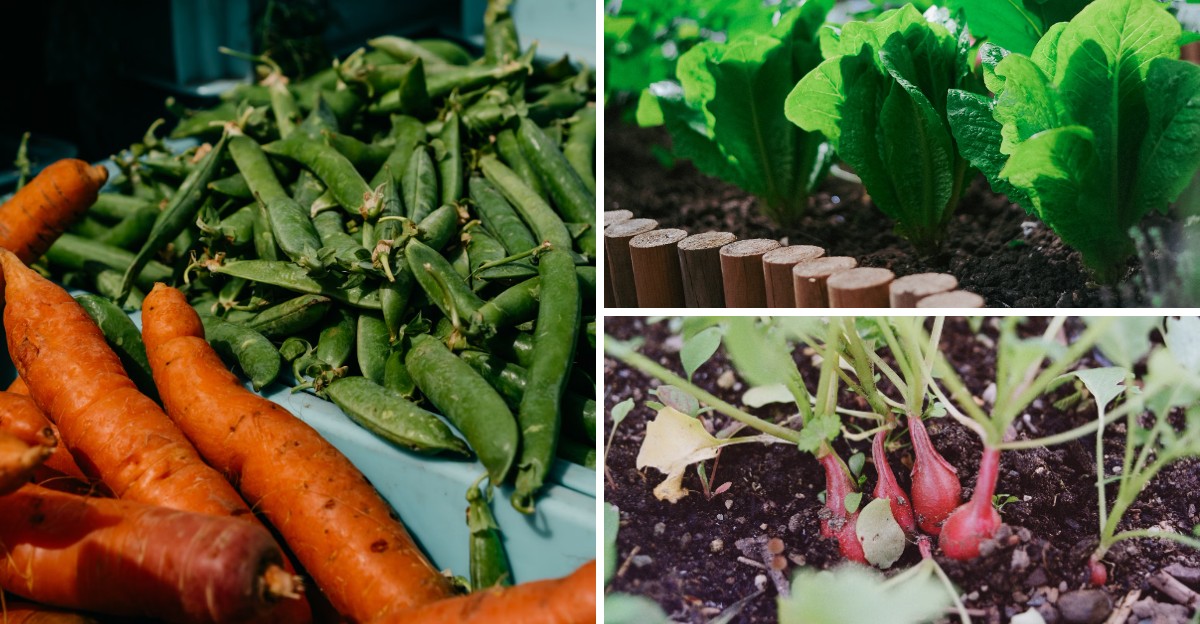
3. Radishes Break Up The Soil For Carrots
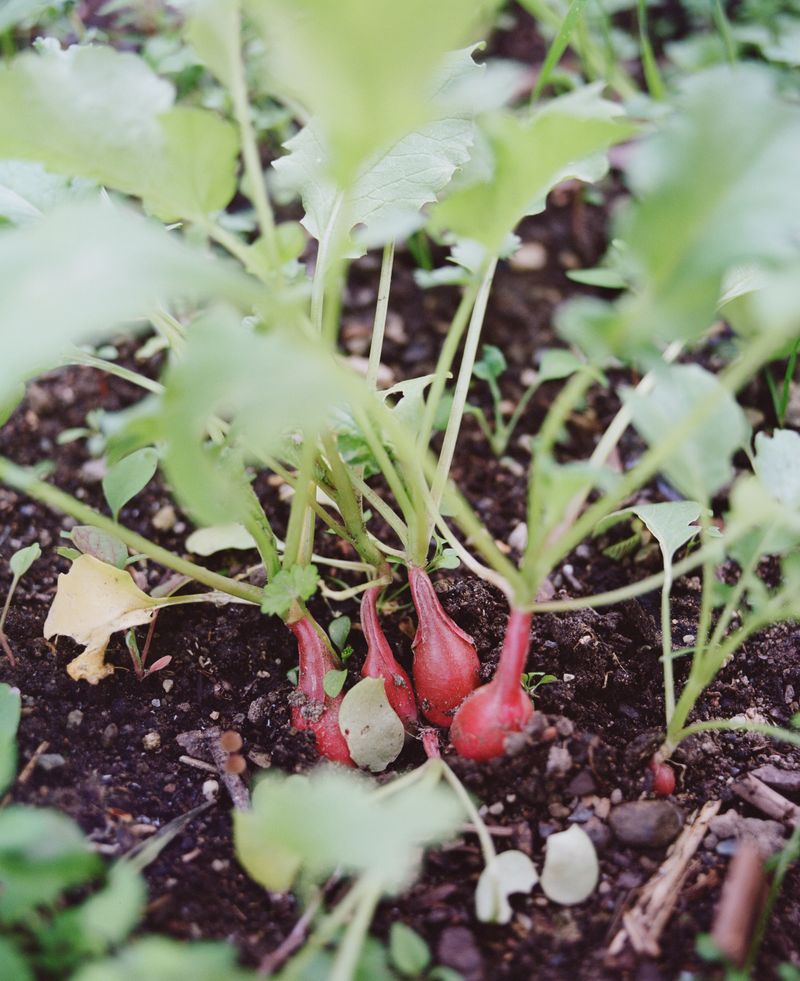
Speedy is a fitting word for radishes, which can go from seed to salad in about 25 days. Carrots take their sweet time, often needing two or three months.
That difference makes them excellent row partners in backyard gardens. Mix radish seeds in with your carrot seeds when you sow them.
Radishes pop up first and mark the row, so you remember where the slow carrots are hiding. Their roots also loosen the top layer of soil, giving tiny carrot roots an easier start.
By the time you pull the radishes, carrots are getting started. The open spaces left behind give carrots more room to grow plump and straight.
Another perk is that radish seedlings help break through crusty soil after heavy rain. Carrot seedlings are tiny and delicate, so they appreciate the help pushing up.
A good mix uses roughly one radish seed for several carrot seeds. Keeping the radishes sparse prevents them from shading the slower seedlings.
Harvest radishes on time, though, or they can turn woody and hog space. Check them regularly once the tops look bushy and the shoulders peek above the soil.
Radishes also act as a trap crop for flea beetles, luring the pests away from other greens. You may notice tiny holes in radish leaves while nearby greens like lettuce and spinach stay cleaner.
Try a mix of red, white, and purple radishes for a colorful row. Kids often enjoy pulling them because they are ready so quickly, like a fast garden reward.
4. Lettuce Shades The Soil Around Carrots
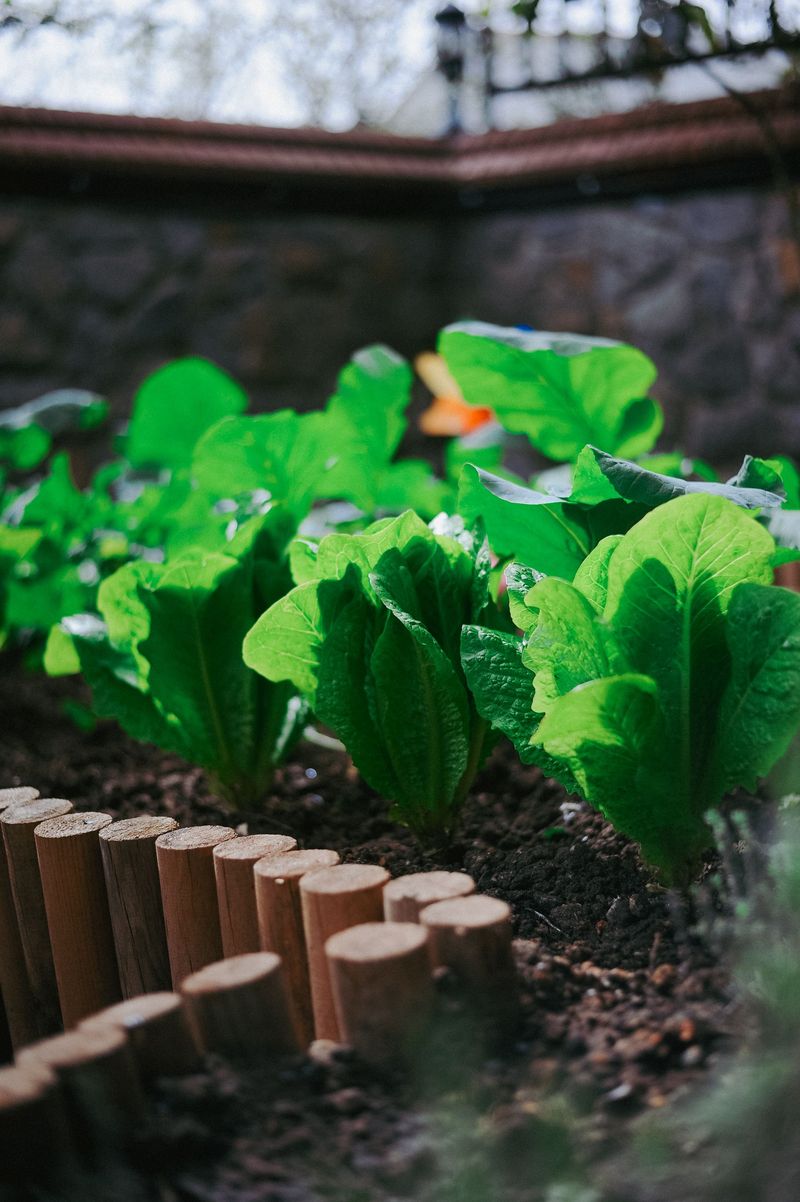
Few things taste better than a crisp, cool salad made from greens you grew in your own backyard. Lettuce also happens to be one of the friendliest neighbors carrots could ask for.
Its leafy heads spread wide above the ground, while carrots dig deep below. They share the same bed happily without fighting over the same patch of soil.
Lettuce acts like a living mulch, shading the ground and keeping it cool and moist. That helps carrot seeds sprout, since they need steady moisture to wake up.
The leafy cover also crowds out weeds that would otherwise steal water and nutrients. Less weeding means more time for snacking on fresh garden goodies straight from the bed.
Loose-leaf types like Black Seeded Simpson work well because you pick leaves as needed. Plant them between carrot rows, spacing each plant about eight inches apart.
Both crops love cool weather, so spring and fall are ideal planting times. Summer heat makes lettuce bitter, so tuck it where taller plants give afternoon shade.
Sow a fresh row of lettuce at two-week intervals for a steady supply. Staggered planting keeps salads coming while carrots slowly fill out below.
Watch for slugs, which love tender lettuce leaves on damp nights. A shallow dish of beer or a strip of copper tape can help keep their numbers down.
Water gently in early morning so the leaves dry off before evening. Soon you will have crunchy carrots and crisp lettuce, a salad bowl grown in one tidy bed.
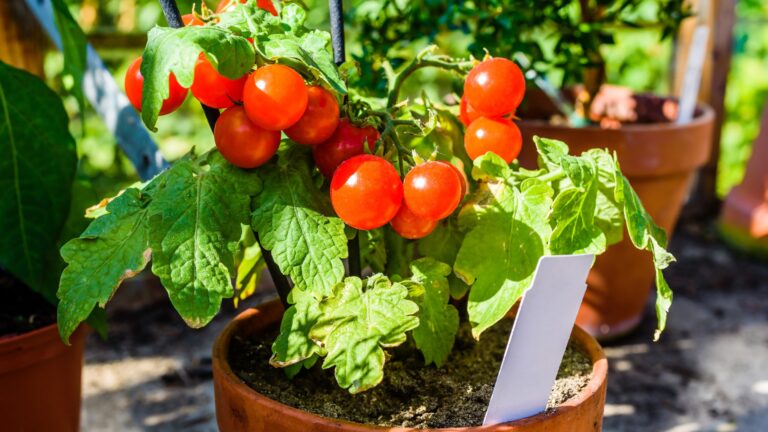
5. Tomatoes Protect Carrots From Pesky Bugs
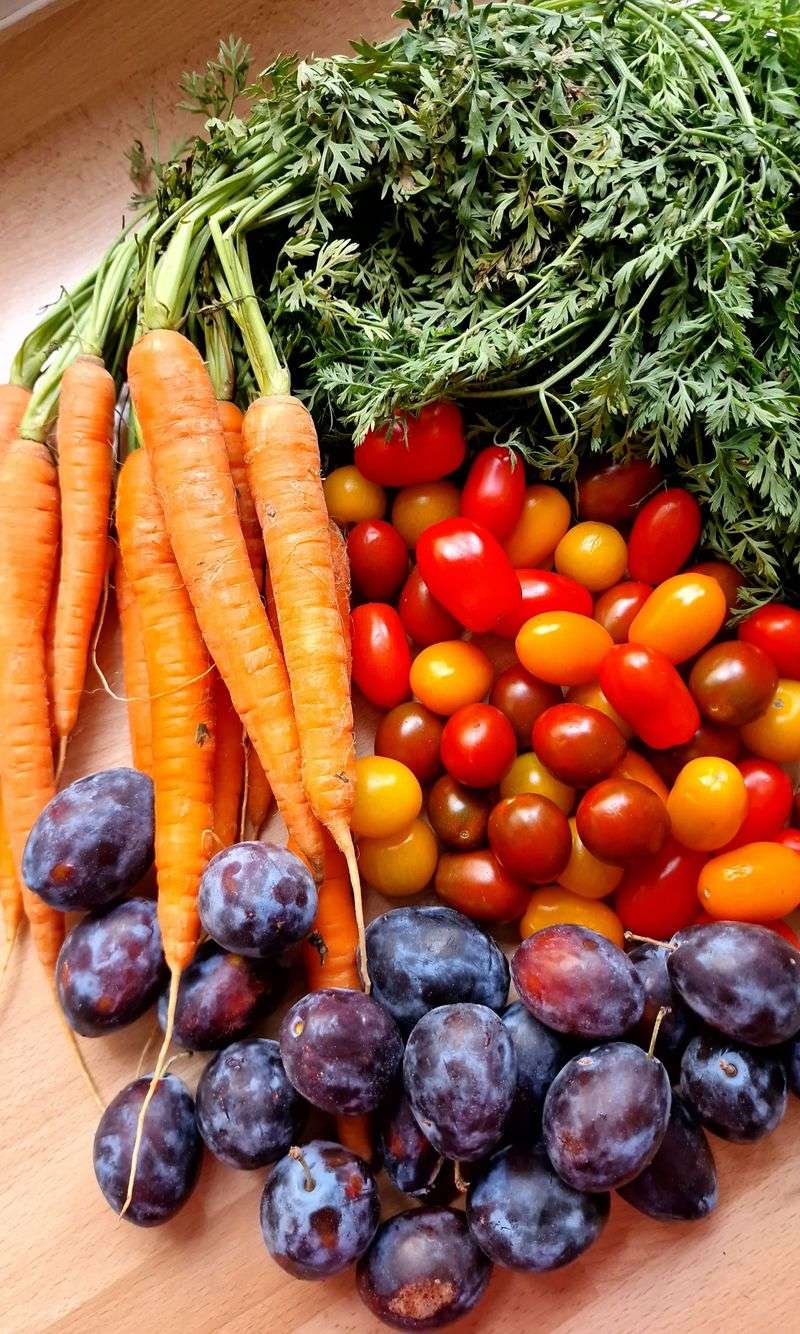
Tomatoes and carrots have such a famous friendship that a classic gardening book was titled Carrots Love Tomatoes. Author Louise Riotte wrote it in 1975, and gardeners still quote it today.
Tomato leaves contain a compound called tomatine, and some gardeners believe their strong scent discourages certain pests. Their big leafy branches also offer carrots a little afternoon shade during hot summers.
Gardeners also believe carrots loosen the soil around tomato roots. Looser soil lets air and water reach deeper, which can help tomatoes grow strong and juicy.
Give tomatoes plenty of space, though, since mature plants can grow large. Plant carrots on the sunniest side of the bed so they stay out of heavy shade.
Staking or caging tomatoes keeps them upright and away from carrot tops. A simple wire cage from a garden store works great for many varieties.
A word of caution: carrots grown up against tomato roots may be a bit smaller. Leave about a foot between them to keep both crops happy and productive.
Mulch around tomato stems with straw to stop soil from splashing onto their leaves. Splashing soil can spread blight, and a clean bed protects both crops from trouble.
Time your planting so carrots go in a few weeks before tomato transplants head outside. The carrots get a head start, and tomatoes arrive once nights stay warm.
Picture pulling up sweet carrots while ripe red tomatoes dangle just overhead. That is backyard teamwork in action, and your dinner plate gets the reward.
6. Peas Feed The Soil For Carrots
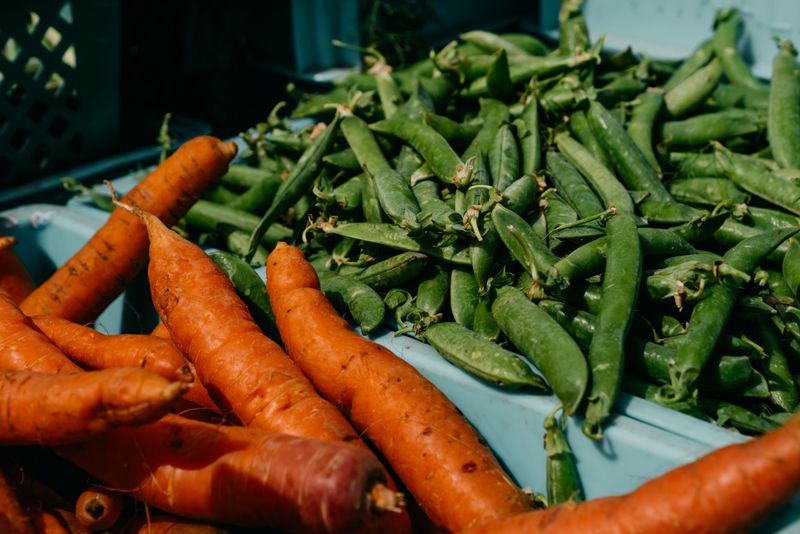
Peas act as natural nitrogen helpers below the ground. Their roots team up with helpful bacteria that pull nitrogen from the air and store it in the soil.
Carrots need some nitrogen to grow healthy green tops that fuel root growth. Peas share little nitrogen mid-season, but they enrich the bed for future crops.
Too much nitrogen can make carrots hairy and forked, so a gentle approach to feeding suits them well. You get lush tops and smooth roots instead of tangled ones.
Peas also climb upward on trellises, leaving plenty of ground space for carrots below. It is like having an upstairs neighbor who stays politely out of your way.
Both crops love cool spring weather, so you can plant them at the same time. Sow peas along a fence or trellis, then scatter carrot seeds a few inches in front.
Snap and snow peas are great choices for small gardens. Kids often eat them right off the vine before they make it to the kitchen.
Pick pods regularly to encourage the vines to keep producing through late spring. Frequent harvesting also keeps the trellis tidy and lets more light reach carrots.
After harvest, cut the pea vines at the soil line and leave the roots in the ground. They break down slowly and release more nitrogen for next season.
Pea pods were once so treasured that King Louis XIV of France reportedly craved them. Your carrots may not care about royalty, but they will appreciate the richer soil.
7. Garlic Chases Away Unwanted Garden Visitors
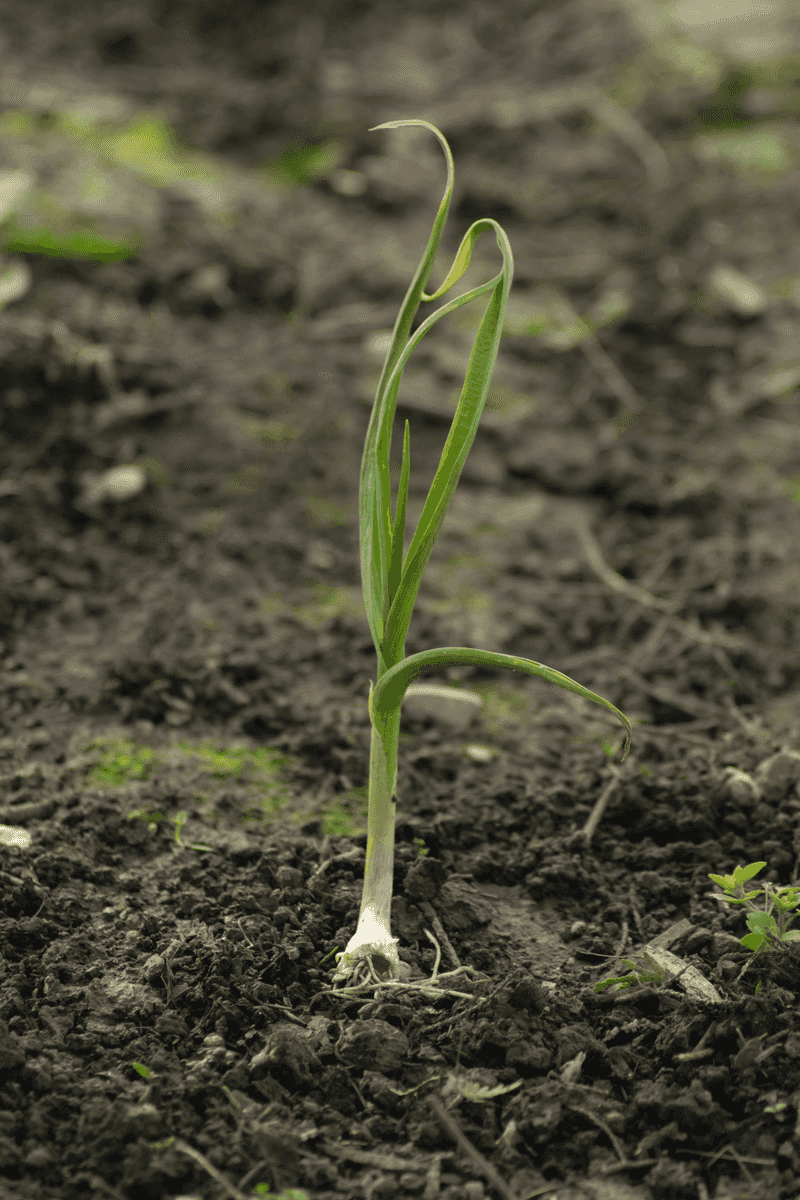
Vampires are not the only creatures that seem to dislike garlic. Gardeners report that aphids, carrot flies, and rabbits keep their distance from its smell.
Planting garlic near carrots may help protect those tender orange roots with its pungent scent. The strong scent can mask the carrot smell, so pests may have a harder time finding dinner.
Garlic is usually planted in fall and harvested the next summer. You can sow carrots between garlic rows in spring while the garlic is still growing.
Its slim, upright leaves take up little space and cast very little shade. Carrots soak up plenty of sun and have room to spread their feathery green tops.
Space garlic cloves about six inches apart, pointy side up, and two inches deep. Hardneck types handle cold winters well, while softneck types grow better in warm climates.
Garlic also has natural sulfur compounds that may help reduce certain soil fungi. Healthier soil means happier carrots and fewer spotted or misshapen roots at harvest.
Snip off the curly flower stalks, called scapes, that hardneck garlic sends up in early summer. The bulbs grow noticeably bigger, and the scapes make a tasty pesto.
Keep garlic and carrots watered in spring, then ease off as garlic nears maturity. Drier soil helps the bulbs firm up, develop papery skins, and store longer.
When the lower half of the leaves turn brown, it is time to dig up the bulbs. Hang them somewhere dry, and enjoy pest protection now and pasta flavor later.
8. Spinach Fills The Gaps Between Carrots
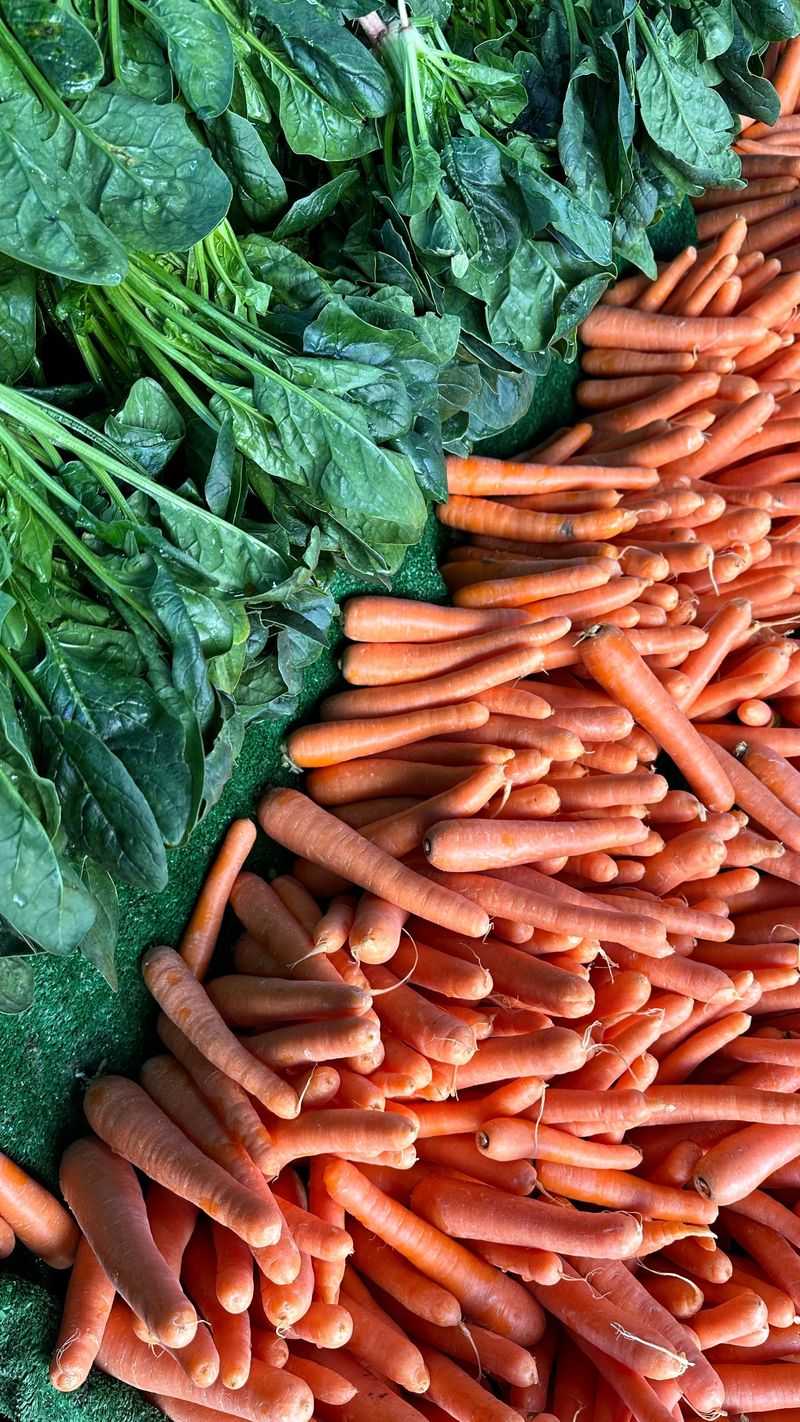
Popeye had the right idea about spinach, and your carrot bed might agree with him. This leafy green grows fast, stays low, and plays nicely with deep root crops.
Spinach roots stay shallow, while carrot roots reach deep, so the two seldom compete underground. You can plant spinach in the open spaces between carrot rows to make better use of tight beds.
Quick-growing spinach is usually ready to pick in about six weeks from sowing. By the time carrots need extra room, you have already enjoyed a few spinach salads.
The leaves also shade the soil, which keeps it cool and helps hold moisture. Carrot seeds sprout best when the ground stays evenly damp for a week or two.
Spinach loves chilly weather and can even handle a light frost. Plant it in early spring or late summer for a fall crop alongside your carrots.
Feed the soil with compost before planting, since spinach enjoys rich, crumbly ground. Well-aged compost suits carrots too, unlike fresh manure, which can make their roots fork.
Once days grow long and warm, spinach tends to bolt, which means it sends up flower stalks. Pick leaves before that happens, since they turn bitter afterward.
Harvest outer leaves first and let the center keep growing for repeat pickings. This cut-and-come-again method stretches a small patch into weeks of fresh greens.
Try baby spinach for tender leaves ideal in smoothies. Toss a handful with shredded carrots, and you have a colorful lunch grown right outside your door.