Why The Toad Lily Is Oregon’s Best-Kept Secret For Fall Color In Deep Shade
October in an Oregon shade garden can feel like the whole corner just quietly retired for the year.
The hostas are yellowing, the ferns are doing their best dramatic slump, and that dark spot under the fir tree looks like it has absolutely nothing left to offer until spring.
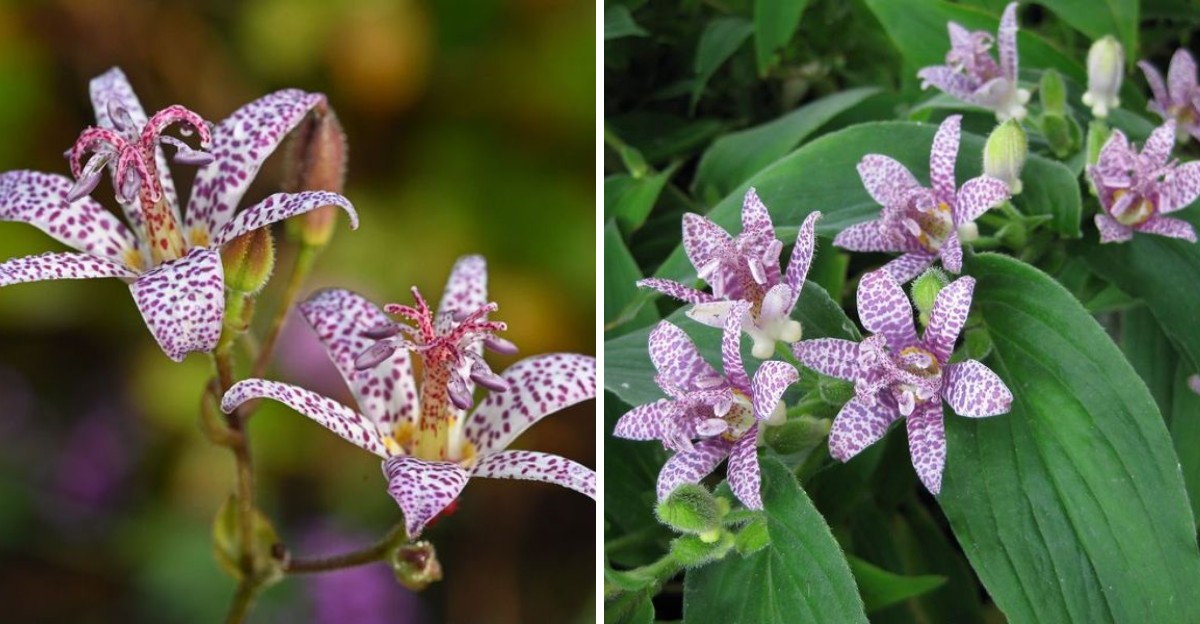
And then, completely out of nowhere, tiny speckled blooms start opening up in the gloom like little orchids that somehow missed the memo about fall being over.
That is toad lily, and it is one of the most genuinely surprising plants you can grow in a Pacific Northwest shade garden.
Most people walk right past it at the nursery without a second glance, which is honestly their loss and your gain. Your shadiest, most difficult corner just found its perfect match, and once you grow it once, you will wonder how you ever gardened without it.
1. Oregon Shade Gardens Finally Get A Fall Star
Ever notice how shade gardens go quiet once September rolls around? Most shade plants bloom in spring, then spend the rest of the year just being green.
Toad lilies, known to botanists as Tricyrtis, flip that script. They wait patiently all summer and then burst into bloom from late September through October, sometimes even into November in milder parts of the state.
That timing matters a lot in places like Portland, Eugene, and Salem. Under big firs and maples, fall light gets dim fast, and few flowers are brave enough to show up then.
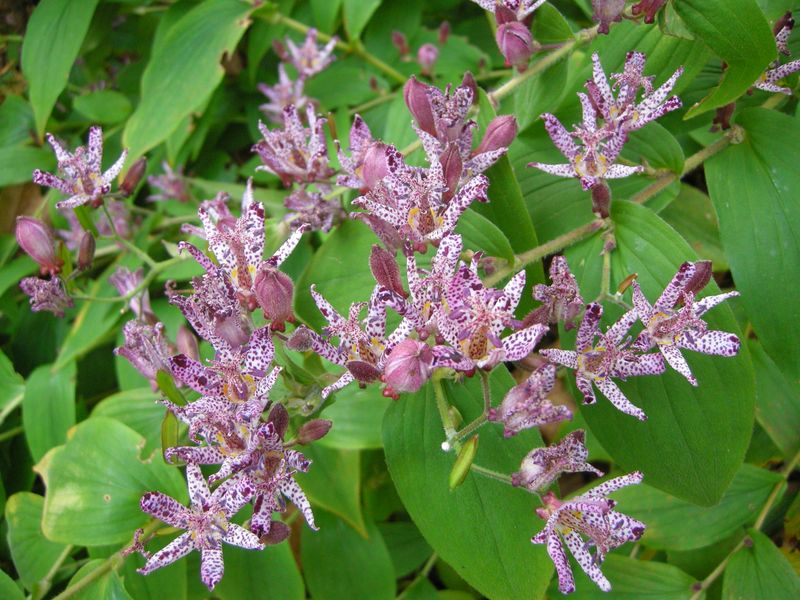
Toad lilies do not seem to mind one bit. Their small, star-shaped blooms open along arching stems, giving you fresh color right when everything else is winding down.
Here is a helpful tip for planning your space. Plant toad lilies near a path, a bench, or a window you look through often, because the flowers are small and best enjoyed up close.
You can also pair them with evergreen ferns like sword fern, which grows wild across Oregon. The ferns give a dark green backdrop, and the speckled blooms really pop against it.
Think of toad lilies as the final act of your garden show. When the hostas start yellowing and the astilbes turn brown, these late bloomers step onto the stage and steal the spotlight.
2. Oregon Rain Makes Toad Lilies Feel Right At Home
Believe it or not, these plants come from misty mountain forests in Japan, Taiwan, and parts of China. Their native homes are cool, damp, and shady, which sounds a lot like western Oregon.
That is why toad lilies settle in so easily here. Our wet winters and mild summers match what they grew up with in the wild.
Still, a little help goes a long way. Summers can get surprisingly dry from July through September, so give your toad lilies a deep drink once or twice a week when rain disappears.
Soil is the next big piece. Toad lilies like soil that stays moist but drains well, kind of like a wrung-out sponge.
Much of the Willamette Valley has heavy clay soil that holds water too long. Mix in compost or shredded leaves before planting to loosen things up and keep the roots happy.
Your Oregon Garden Changes Every Week. Your Plan Should Too.
Gardening in Oregon changes quickly throughout the season. Every Friday you’ll receive a simple weekly plan showing exactly what to plant, prune, fertilize, harvest, and protect so you never miss the right timing.
A layer of mulch helps too. Try two or three inches of bark or leaf mulch around the plants to lock in moisture during the dry months.
Fun fact for your next garden chat: in Japan, one type of toad lily is called hototogisu, named after a bird with speckled feathers. The spots on the petals reminded people of that bird, which is a lot prettier than being compared to a toad.
3. Deep Shade Is Exactly What They Crave
Some plants say they like shade, then sulk when you actually give it to them. Toad lilies are different, and they mean it.
They grow best in part shade to full shade, which makes them a dream for those tricky spots under Oregon’s towering conifers. The north side of your house, the gap between two buildings, or the ground under a big leaf maple can all work.
Here is the key detail, though. Deep shade does not mean zero light, so aim for bright shade or a spot with soft morning sun.
Hot afternoon sun is the one thing to steer clear of. During a summer heat wave in southwestern Oregon’s Rogue Valley or a sticky August day in the Willamette Valley, strong sun can scorch the leaves and leave brown, crispy edges.
If you are not sure how much light a spot gets, try a simple trick. Check the area three times on a sunny day, around 9 a.m., noon, and 3 p.m., and jot down whether it is sunny or shady.
A spot that stays shaded at noon and 3 p.m. is a winner. Toad lilies will reward you with healthy leaves and plenty of flowers.
Honestly, it feels good to finally have a plant that thanks you for the shady corner instead of complaining about it.
4. Speckled Blooms That Make Visitors Stop And Stare
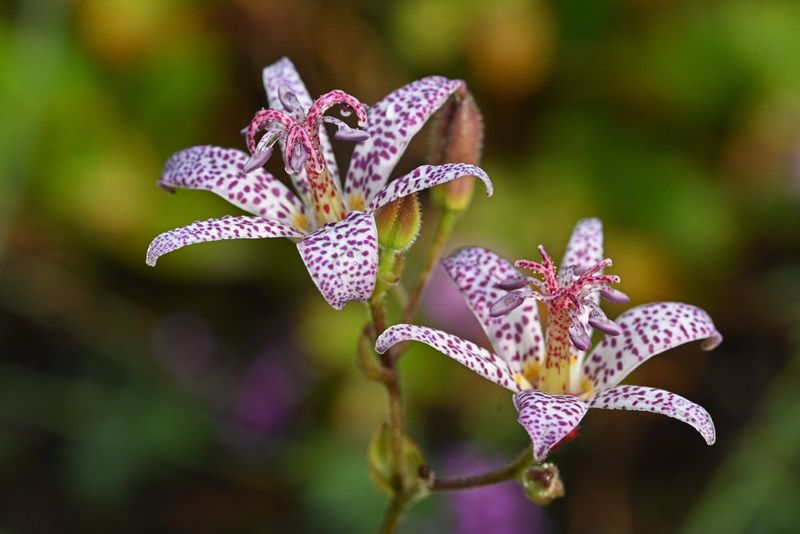
My neighbor once bent down to look at my toad lilies and asked if I had gotten them from a tropical greenhouse. When I told her they were growing happily outside in Oregon, she did not believe me at first.
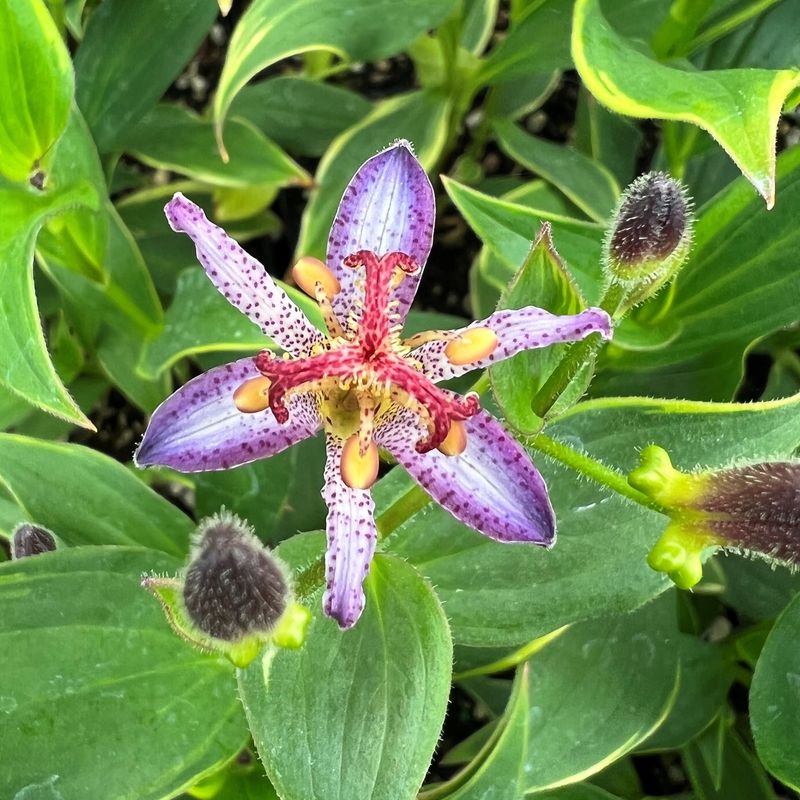
The flowers really do look exotic. Each bloom is about one inch across, with six pointed petals covered in tiny purple, pink, or maroon dots.
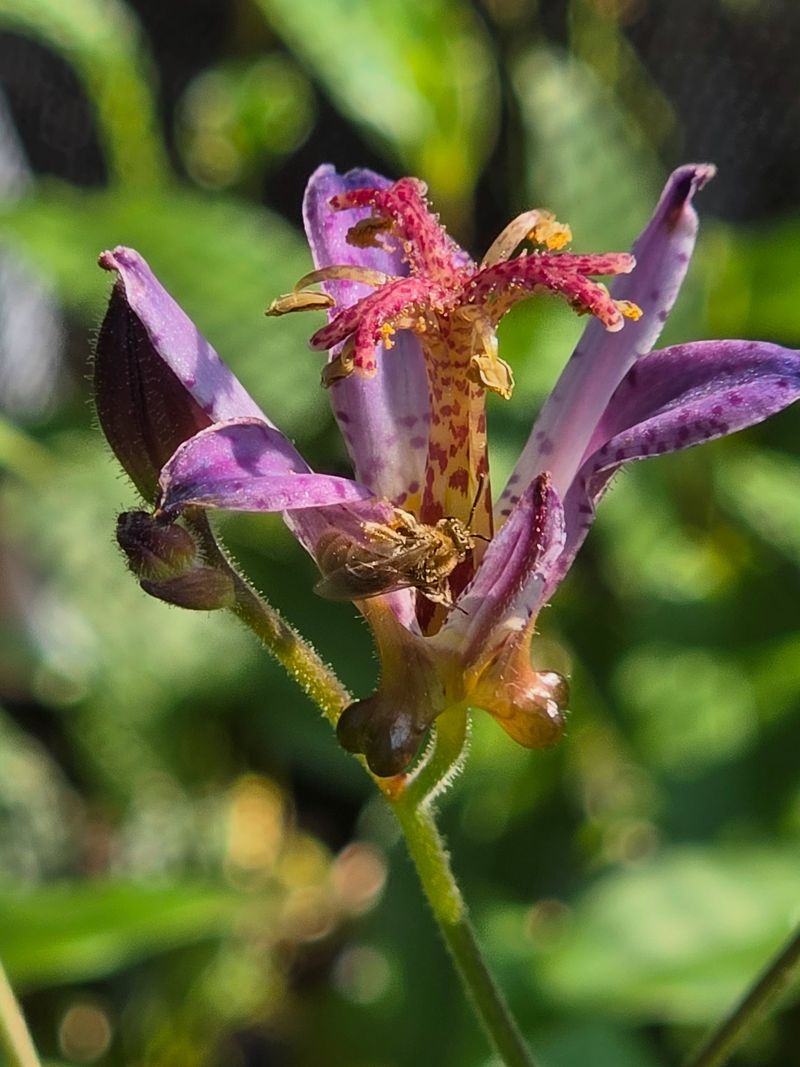
In the center, you will find a funky little tower of stamens and styles that looks like a mini fountain. It is one of those details you only notice when you get close, and then you cannot stop looking.
Colors vary quite a bit depending on the variety. Some are pure white with purple freckles, while others come in soft lavender, creamy yellow, or deep plum.
A few popular picks include ‘Miyazaki,’ with arching stems and pale pink spotted flowers. ‘Sinonome’ is another favorite, known for strong stems and bold purple blooms.
For extra fun, snap photos of your toad lilies with a phone in macro mode. The details show up beautifully, and friends will be amazed that such fancy flowers came from a shady backyard corner.
Kids especially love finding the spots and counting them. It turns a quick garden stroll into a mini treasure hunt.
5. Gardeners Love How Easy Toad Lilies Are To Grow
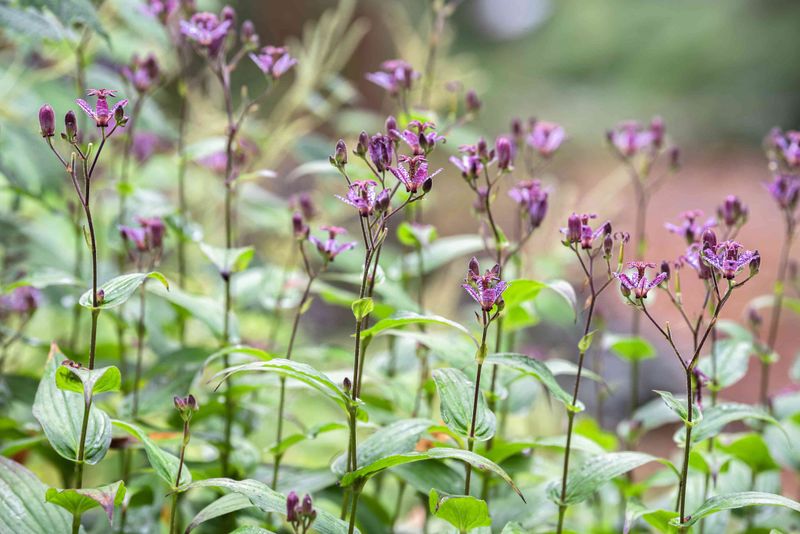
Good news for busy folks: toad lilies are not fussy. Once they settle in, they mostly take care of themselves.
Planting is simple. Spring or early fall is the best time, when the soil is cool and moist.
Dig a hole about twice as wide as the pot and just as deep. Set the plant in, fill with soil mixed with compost, then water it well to settle the roots.
Space plants about 18 to 24 inches apart. They slowly spread by underground roots, forming a nice clump over a few years.
Feeding is easy too. A light layer of compost each spring is usually plenty, so you can skip heavy fertilizers.
Most varieties handle cold winters well, growing in zones 4 through 9. That covers nearly all of Oregon, from the coast to the high desert, as long as you give them shade and water.
In late fall, stems turn brown and flop over. You can cut them back to the ground or leave them until spring for a tidier look later.
After a year or two, you might even divide a big clump in early spring. Share a piece with a friend, and you have spread a little fall magic around your neighborhood.
6. Protecting Toad Lilies From Slugs And Snails
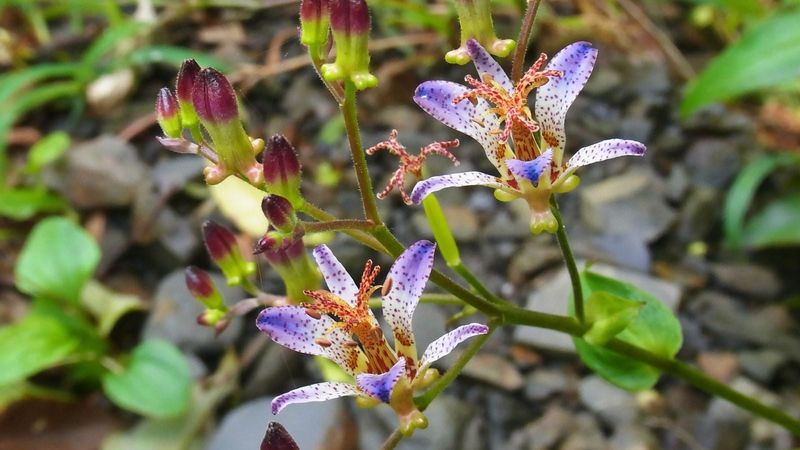
Let’s be honest about one thing. If you garden in Oregon, you already know slugs are part of the deal.
Our damp climate is basically a slug paradise, and toad lilies are on the menu. Young spring shoots are especially tasty to them, so a little planning helps a lot.
Start by checking plants in the evening or early morning, when slugs come out to snack. Picking them off by hand with gloves is old-fashioned but works surprisingly well.
Copper tape or copper rings around plants can also help. Many gardeners say slugs dislike crossing copper, and it adds a neat shiny look to your bed.
Pet-safe slug baits made with iron phosphate are another handy option. They are safer around dogs, cats, and wildlife than older baits, which matters for families.
Cleaning up helps too. Clear away boards, piles of old leaves, and heavy clutter right next to your toad lilies, since slugs love hiding there during the day.
Encourage natural helpers as well. Garter snakes, beetles, frogs, and birds all eat slugs, so a friendly, wildlife-rich garden keeps things in balance.
A few chewed leaves are nothing to worry about. Toad lilies usually bounce back strong, and by fall bloom time, most folks barely notice any holes.
7. Perfect Partners For Toad Lilies In Woodland Bed
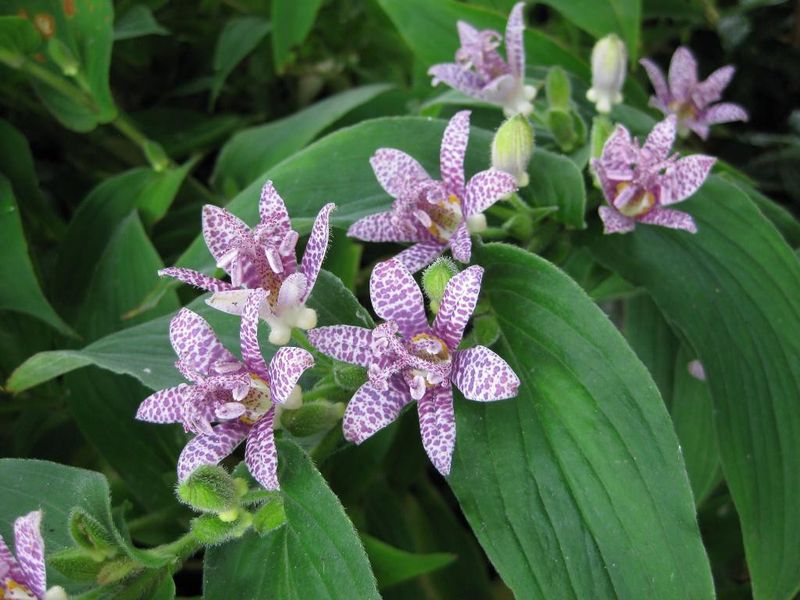
Think of your shade garden like a band. Toad lilies can play a great solo in fall, but they sound even better with the right bandmates.
Japanese forest grass is a fantastic match. Its golden, flowing leaves brighten dark corners and look lovely beside the arching toad lily stems.
Hostas make good neighbors too. Their big, bold leaves fill space in summer, then fade just as toad lilies take the stage in autumn.
For year-round greenery, try native Oregon plants. Sword fern, deer fern, and wild ginger all enjoy the same cool, moist shade.
Hellebores are another smart choice. They bloom in late winter, giving you flowers in a season when toad lilies are resting underground.
Heucheras, sometimes called coral bells, add pops of purple, lime, or caramel leaf color. Their low mounds look sharp at the front of a bed, with toad lilies rising behind them.
Here is a simple design rule to follow. Put short plants in front, medium ones in the middle, and taller toad lilies, which reach two to three feet, toward the back.
With this mix, your garden changes all year long. From early hellebores to late toad lilies, something is always happening in your shady retreat.
8. Why Oregon Pollinators Adore Late-Season Toad Lilies
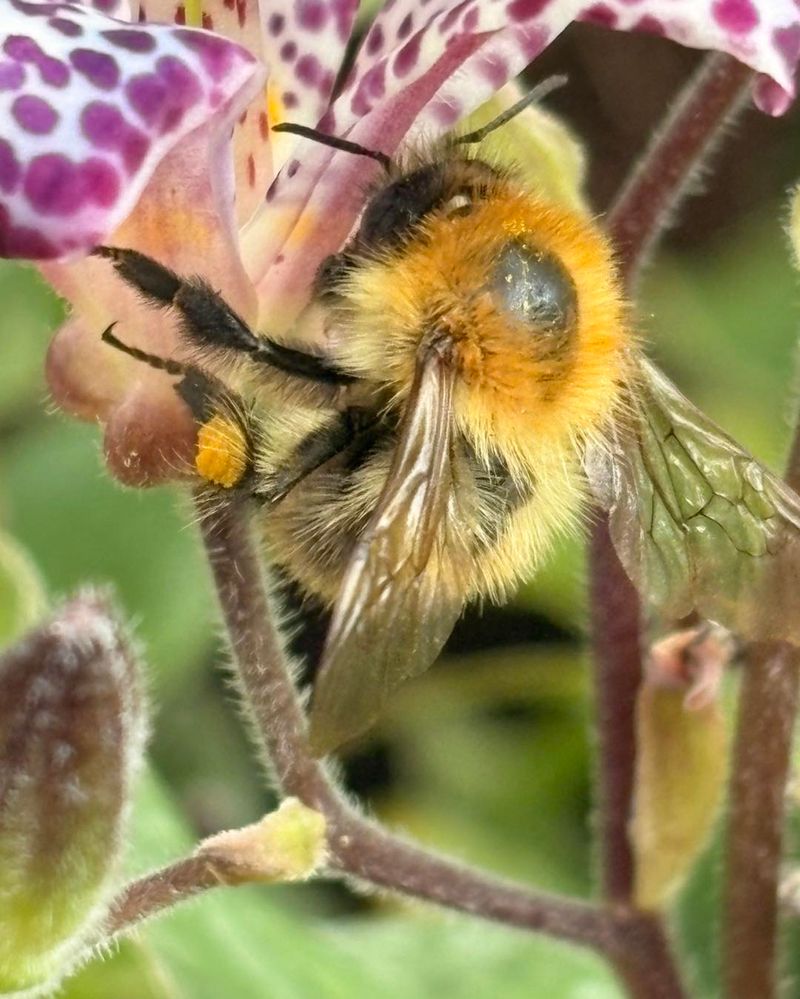
Picture a chilly October afternoon when a fuzzy bumblebee is buzzing around looking for a snack. Most flowers in the neighborhood have faded, and pickings are slim.
Then it spots your toad lilies. For that busy bee, it is like finding an open diner late at night.
Late-season blooms matter a lot for pollinators in Oregon. Bumblebees, especially young queens, need food in fall to build up energy before winter.
Toad lily flowers offer nectar right when it is hard to find. Their shape works well for bumblebees, which crawl under the petals and brush against the stamens.
You can help even more by skipping harsh sprays in your garden. Pesticides can harm bees, so stick with gentle methods and hand-picking pests whenever you can.
Leaving some leaf litter in quiet corners also helps. Many native bees spend winter tucked into leaves or loose soil, so a slightly messy spot is actually a gift.
Want to watch the action? Sit near your toad lilies on a mild, sunny fall afternoon, since bees are most active when temperatures rise above about 55 degrees.
It is a small, joyful moment. Your shady corner becomes a buzzing little habitat, proving that the state’s quietest garden spots can still be full of life.