5 Vegetables To Plant In Texas During March And 4 That Are Too Early
As the weather warms up and spring inches closer, Texas gardeners are eager to dig into their soil.
March marks the perfect time to get your hands dirty, with certain vegetables thriving in the cooler, early spring temperatures.
Whether you’re a seasoned gardener or just starting to explore your green thumb, knowing which vegetables to plant now – and which ones to hold off on – can make a world of difference for your garden’s success.
With the Texas soil starting to warm and the risk of frost fading, it’s time to focus on what will grow best this month.
While some crops are ready to go in the ground, others need to wait a little longer until the temperatures truly rise.
Get ready to discover which vegetables you can plant right now for a bountiful spring harvest – and which ones need a bit more time to thrive.
1. Beets That Root Down For A Spring Harvest
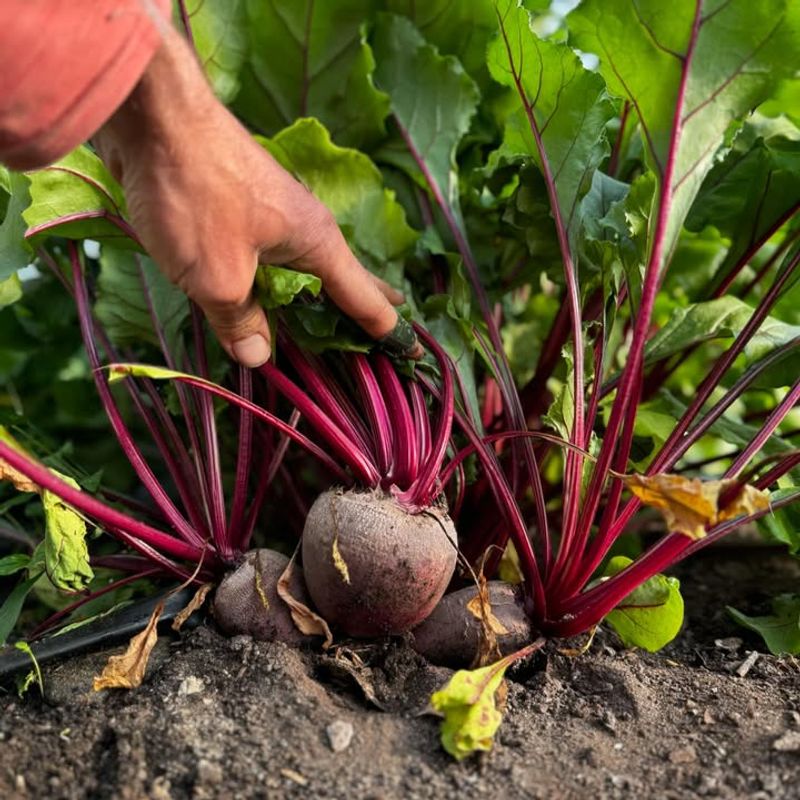
Few vegetables reward patient gardeners quite like beets, and March in Texas is the sweet spot for getting them started. The cool mornings and mild afternoons across much of the state create exactly the kind of growing environment beets love.
Sow seeds directly into the soil about half an inch deep, spacing them two to three inches apart, and watch them get to work almost right away.
One thing that surprises many first-time beet growers is that both the roots and the leafy greens are completely edible. The greens can be harvested early while the roots continue developing underground.
This makes beets one of the most productive plants you can add to your Texas spring garden.
Beets prefer loose, well-drained soil with a slightly acidic pH, ideally between 6.0 and 7.0. If your soil is heavy clay, mixing in some compost before planting will help roots grow straight and strong.
Water consistently but avoid soaking the soil, since beets do not appreciate soggy conditions. Most varieties mature in about 50 to 70 days, meaning you could be pulling up beautiful, ruby-red roots by late April or May.
Gardeners in North Texas should aim to plant early in the month to get ahead of warming temperatures that can cause beets to bolt before harvest.
2. Carrots With Their Crunchy, Sweet Surprise
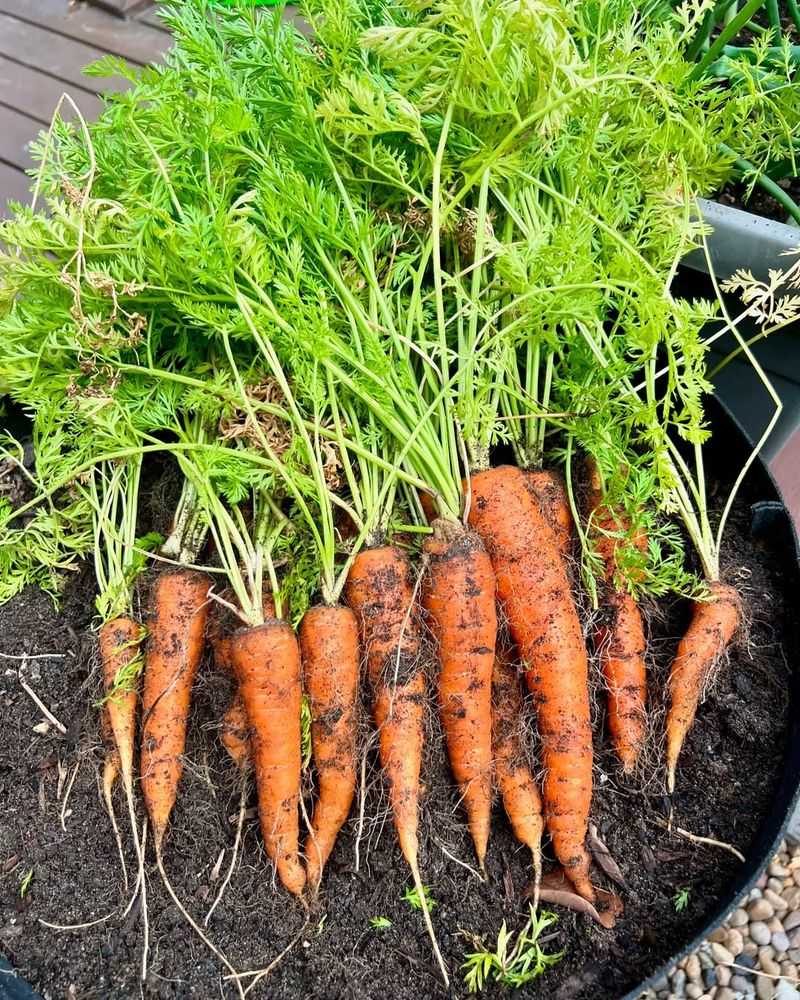
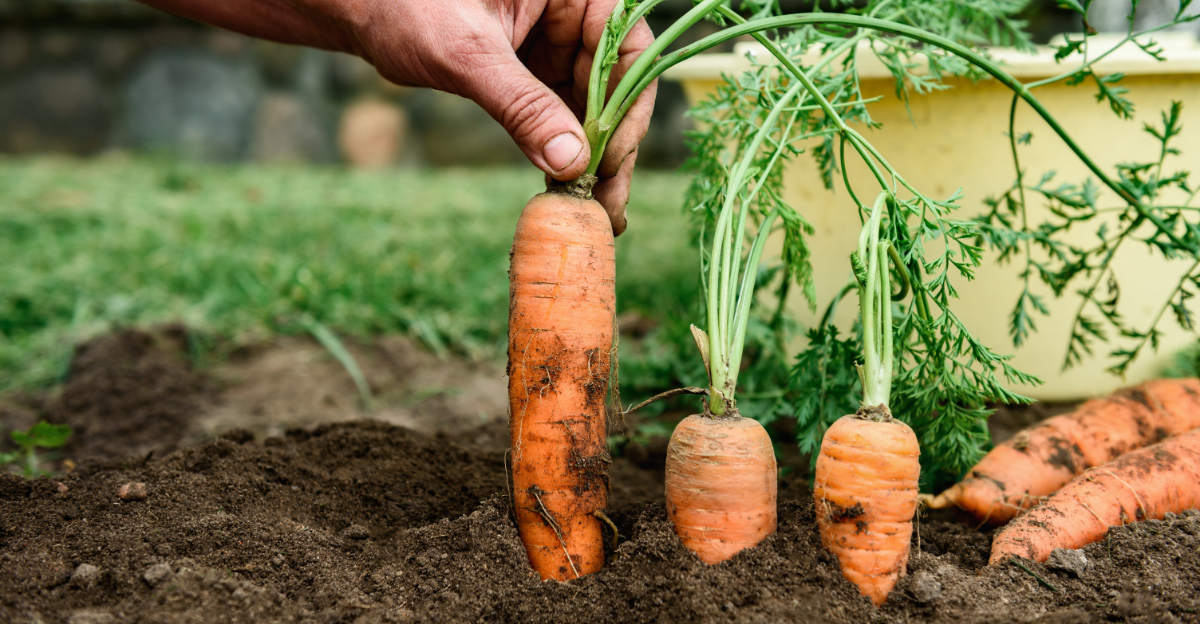
One of those vegetables that seem simple on the surface, carrots hide a satisfying crunch and natural sweetness underground. Planting them in early March across Texas gives them plenty of time to develop before summer heat arrives and makes the soil too warm for good root development.
Direct seeding is the way to go with carrots since they do not transplant well at all.
The most important step before planting is preparing the soil properly. Carrots need loose, deep, stone-free soil to grow straight and healthy.
Rocky or compacted ground causes roots to fork or become stunted. Raised beds filled with a mix of garden soil and compost work especially well for Texas gardeners who are dealing with heavy clay or rocky native soil.
Carrot seeds are tiny, so mixing them with a little sand before broadcasting can help spread them more evenly. Thin seedlings to about two inches apart once they sprout to give each root room to grow.
Keep the soil consistently moist during germination, which can take one to three weeks depending on temperature. Did you know that carrots grown in cooler temperatures tend to taste sweeter?
The cool March nights in Texas actually work in your favor here, encouraging natural sugars to develop. Most varieties are ready to harvest in 70 to 80 days, bringing you a genuinely rewarding spring crop.
3. Lettuce Which Thrives In The Cool Breeze
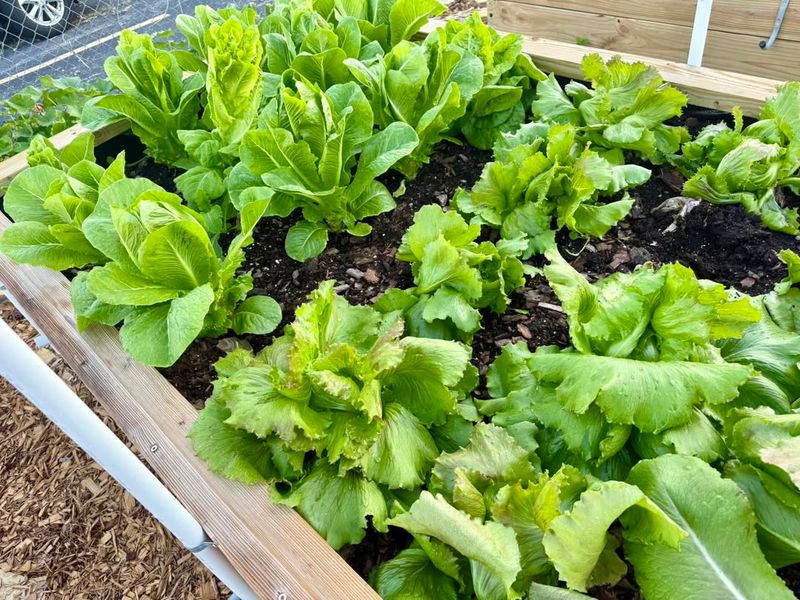
Practically made for the Texas spring garden in March, lettuce loves cool temperatures, tolerates light frost, and grows fast enough that you can start harvesting outer leaves within just a few weeks of planting. For Texas gardeners from El Paso to Dallas, March offers the ideal window before the heat of late spring pushes in and causes lettuce to bolt and turn bitter.
You can sow lettuce seeds directly in the garden or transplant seedlings started indoors a few weeks earlier. Either approach works well.
Scatter seeds lightly over the soil surface and press them down gently since lettuce seeds need light to germinate. Thin plants to about six to eight inches apart as they grow to encourage full, healthy heads to form.
Loose-leaf varieties like Black Seeded Simpson or Red Sails are especially popular in Texas because they mature quickly and handle temperature swings better than head lettuce types. Butterhead and romaine varieties are also solid choices for spring planting.
Water your lettuce regularly and consider planting in a spot that gets afternoon shade, especially in Central and South Texas where March afternoons can get surprisingly warm. Mulching around plants helps keep the soil cool and moist.
Harvest in the morning when leaves are crisp and full of flavor, and enjoy fresh salads straight from your Texas garden all through spring.
4. Radishes That Burst With Flavor Fast
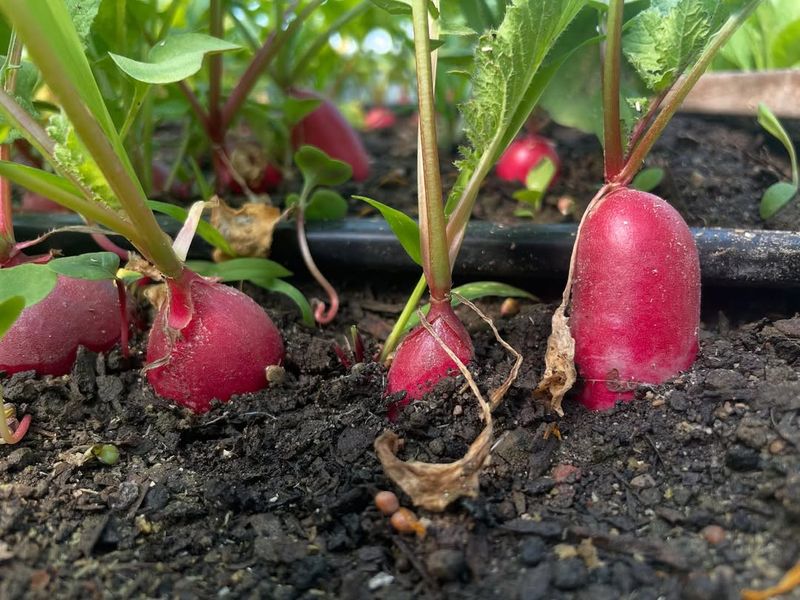
If you want near-instant gardening gratification, radishes are your answer. Some varieties go from seed to harvest in as little as 22 days, making them one of the fastest vegetables you can grow anywhere in Texas.
Planting them in March takes advantage of the cool soil temperatures that radishes need to develop their signature spicy, crisp flavor. Warm soil causes them to bolt quickly, so early spring is genuinely the best time to get them in the ground.
Radishes are also a great choice for beginning gardeners because they require very little fuss. Sow seeds about half an inch deep and one inch apart directly in the garden.
They germinate quickly, often within three to five days, and the seedlings are sturdy and easy to manage. Thin them to about two inches apart to give each root room to swell properly.
Beyond their speed, radishes serve a clever purpose in the garden as natural row markers. Because they sprout so fast, planting them alongside slower-growing vegetables like carrots helps you see your rows while waiting for other seeds to emerge.
French Breakfast, Cherry Belle, and Easter Egg varieties are all excellent options for Texas spring gardens. Water evenly to prevent the roots from cracking, and harvest promptly once they reach the right size.
Leaving them in the ground too long causes them to become pithy and overly pungent, which nobody wants on their salad plate.
5. Swiss Chard Which Brings Color And Nutrition
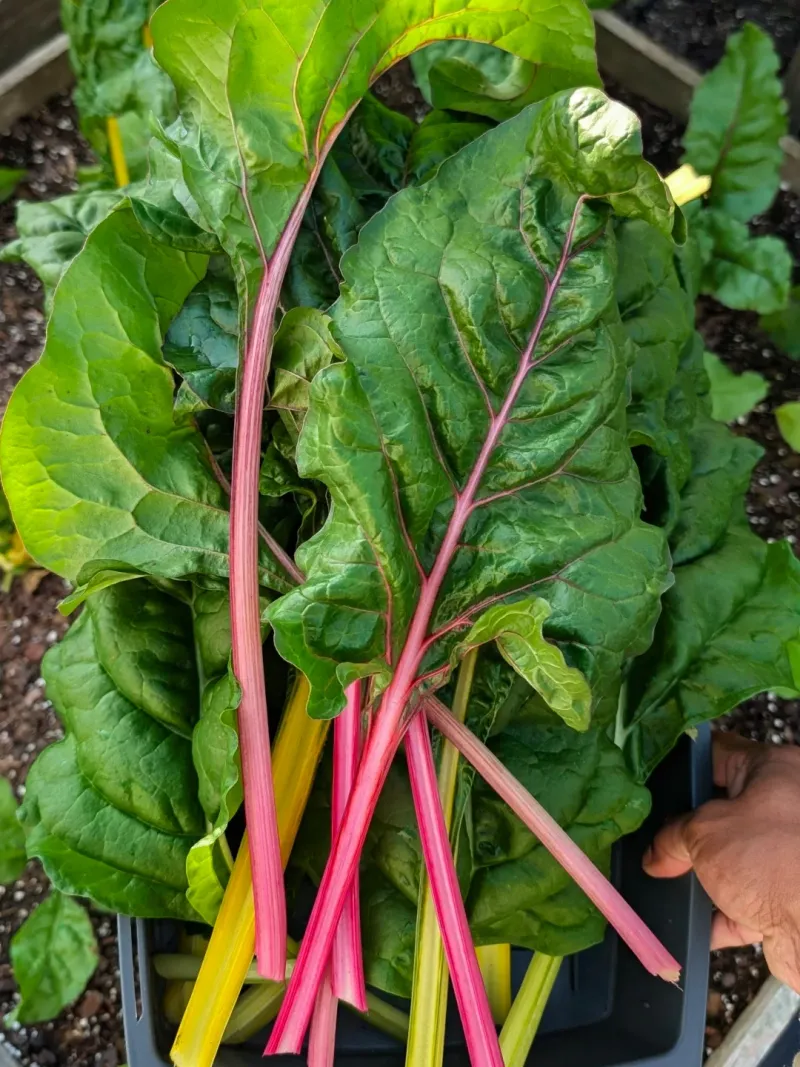
The most underrated vegetable in the Texas spring garden might just be Swiss chard. With stems that come in brilliant shades of red, orange, yellow, and white, it is as beautiful as it is nutritious.
Packed with vitamins A, C, and K, Swiss chard is a powerhouse leafy green that handles both cool and mildly warm temperatures better than most other greens, making March a fantastic time to get it started across Texas.
Plant seeds about half an inch deep and space them six inches apart. Swiss chard does well in most soil types but prefers rich, well-drained ground with plenty of organic matter worked in.
Once plants are a few inches tall, thin them to about twelve inches apart to allow for full leaf development. The thinned seedlings are completely edible, so toss them in a salad rather than tossing them in the compost bin.
One of the best things about Swiss chard is its cut-and-come-again nature. Harvest outer leaves regularly and the plant keeps pushing out new growth for weeks and even months.
In many parts of Texas, a March planting of Swiss chard can produce well into early summer before the intense heat finally slows it down. Rainbow Chard and Bright Lights are two popular varieties worth trying.
Use the leaves in stir-fries, soups, egg dishes, or simply saute them in olive oil with a little garlic for a quick and healthy side dish.
6. Beans That Need Warmer Soil
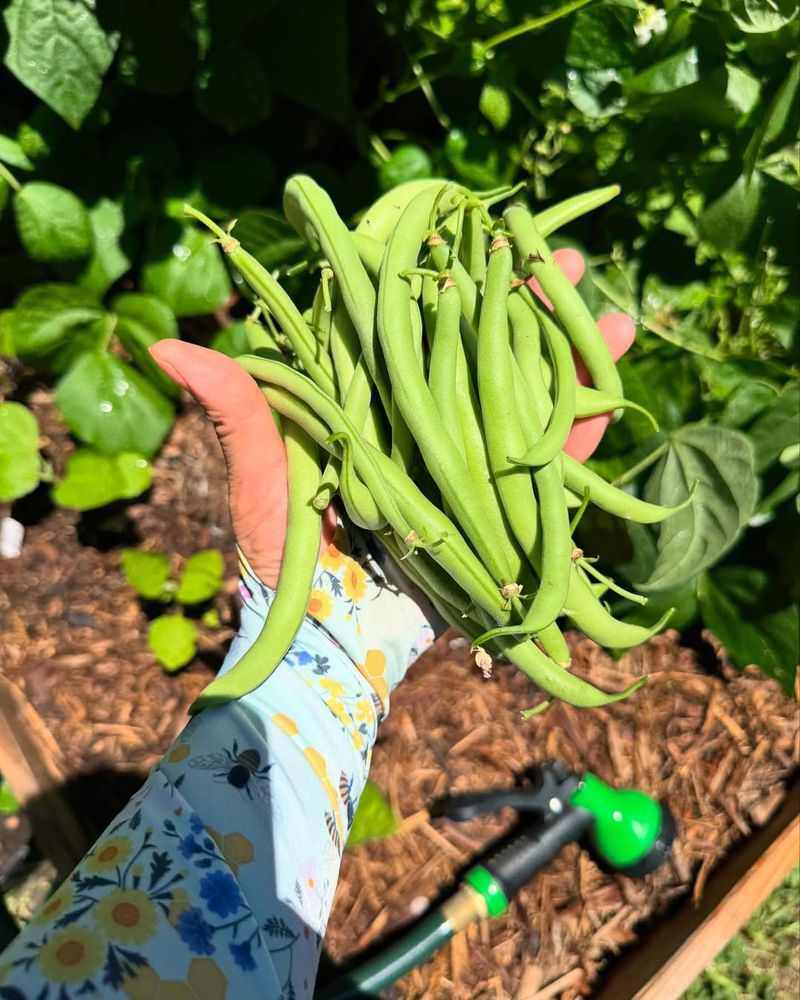
Green beans and other common bean varieties are warm-weather crops at heart, and March in Texas can be a tricky month for them. While it might be tempting to get beans in the ground early, most bean seeds need soil temperatures of at least 60 degrees Fahrenheit to germinate reliably.
In many parts of Texas, especially northern regions like the Panhandle or North Texas, soil temperatures in early March often sit too low for good germination.
Planting beans too early leads to slow, uneven sprouting and seeds that simply sit in cold, damp soil and rot rather than grow. Waiting until late March or even early April gives beans a much better start and leads to stronger, more productive plants overall.
In South Texas and along the Gulf Coast, where temperatures warm up faster, late March planting may work fine, but gardeners should still check soil temperature with a thermometer before sowing.
Bush beans and pole beans are both popular choices for Texas gardens, but patience is the key ingredient for success. If you are eager to get started, you can warm the soil early by covering planting beds with black plastic sheeting a week or two before you intend to sow seeds.
This simple trick raises soil temperature noticeably and can give you a head start without the risk of cold-soil failure. Beans are absolutely worth growing in Texas, just not quite yet in early March for most of the state.
7. Cucumbers Which Crave The Heat
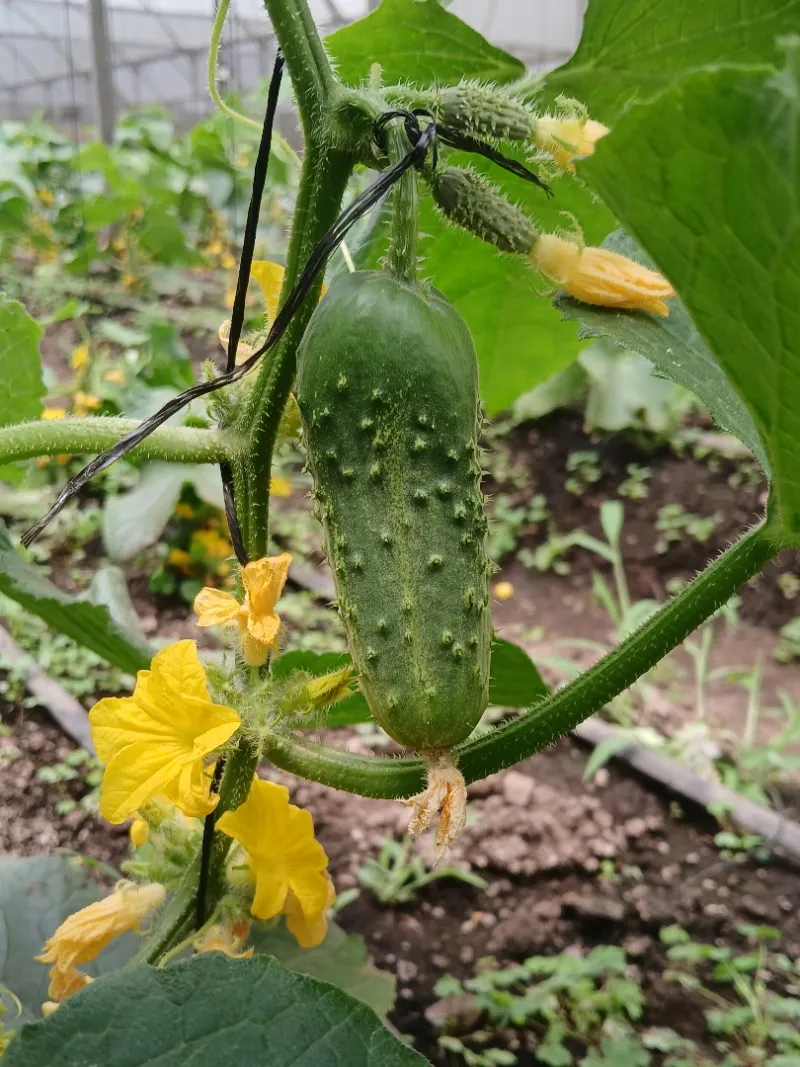
Sunshine lovers through and through, cucumbers are one of the most common plants that Texas gardeners mistakenly plant too early in March. These vining vegetables need warm soil, warm nights, and plenty of heat to thrive.
Soil temperatures below 60 degrees Fahrenheit stunt their growth significantly, and a late cold snap can set back young cucumber plants badly. Most of Texas simply is not quite warm enough for cucumbers to do their best in early March.
The good news is that cucumbers grow incredibly fast once conditions are right. Waiting until late March or April to plant, when nighttime temperatures stay reliably above 55 degrees, will actually get you to harvest faster than an early planting that struggles in cool soil.
In the meantime, you can start cucumber seeds indoors about three to four weeks before your planned outdoor transplant date to get a jump on the season.
When you do plant cucumbers outdoors in Texas, choose a spot with full sun and prepare the soil with compost for best results. Cucumbers are thirsty plants and need consistent watering, especially once they begin flowering and setting fruit.
Varieties like Straight Eight, Marketmore, and Spacemaster all perform well in the Texas heat. Trellising your cucumber vines saves garden space and keeps fruit clean and straight.
Once the Texas summer heat kicks in fully, cucumbers will reward your patience with an impressive and delicious harvest.
8. Peppers That Need More Sunshine
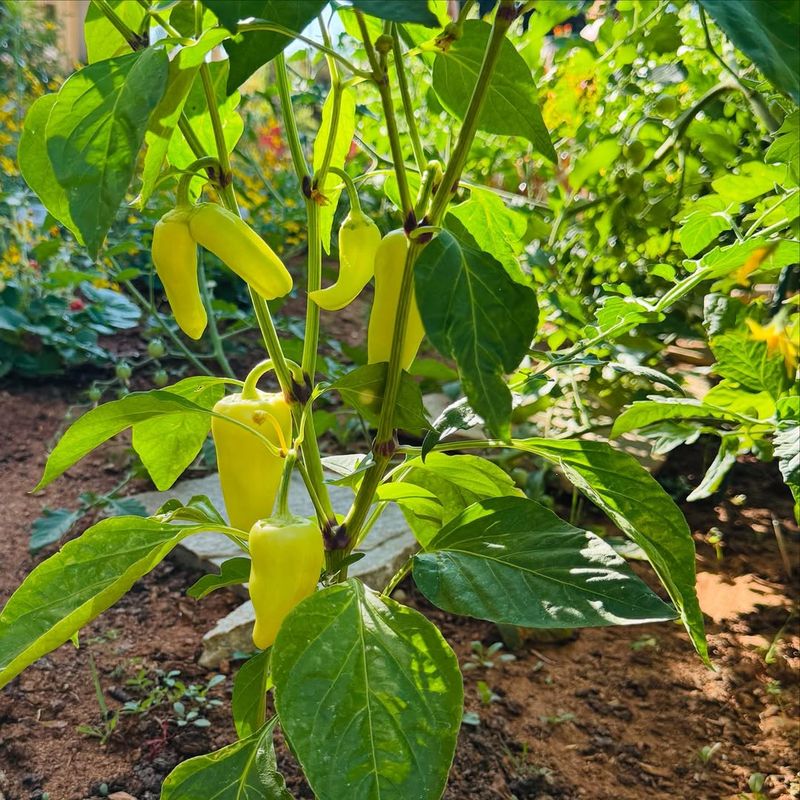
One of the most beloved vegetables in Texas kitchens, peppers range from sweet bells to fiery jalapenos and everything in between. But as much as Texans love their peppers, March is generally too early to transplant them outside in most parts of the state.
Peppers are extremely sensitive to cold temperatures and need both warm soil and consistently warm nights to grow well. Soil temperatures below 65 degrees Fahrenheit can slow their growth to a crawl.
Transplanting peppers outside too early in March exposes them to potential cold snaps that can cause leaves to drop, stunt plant development, and delay fruit production by weeks. Even in South Texas, where conditions warm up faster, gardeners should keep an eye on nighttime lows before committing young pepper plants to outdoor beds.
The general recommendation for most of Texas is to wait until mid-April to transplant peppers safely.
That said, March is the perfect time to start pepper seeds indoors if you have not already. Peppers take eight to ten weeks to grow from seed to transplant-ready size, so starting them indoors in late January or February puts you right on track for a mid-April outdoor planting.
Under grow lights or on a sunny south-facing windowsill, pepper seedlings develop strong root systems indoors while the Texas soil warms up outside. Your patience will pay off handsomely when those plants load up with colorful, flavorful peppers all summer long.
9. Squash Which Dreams Of Hot Days
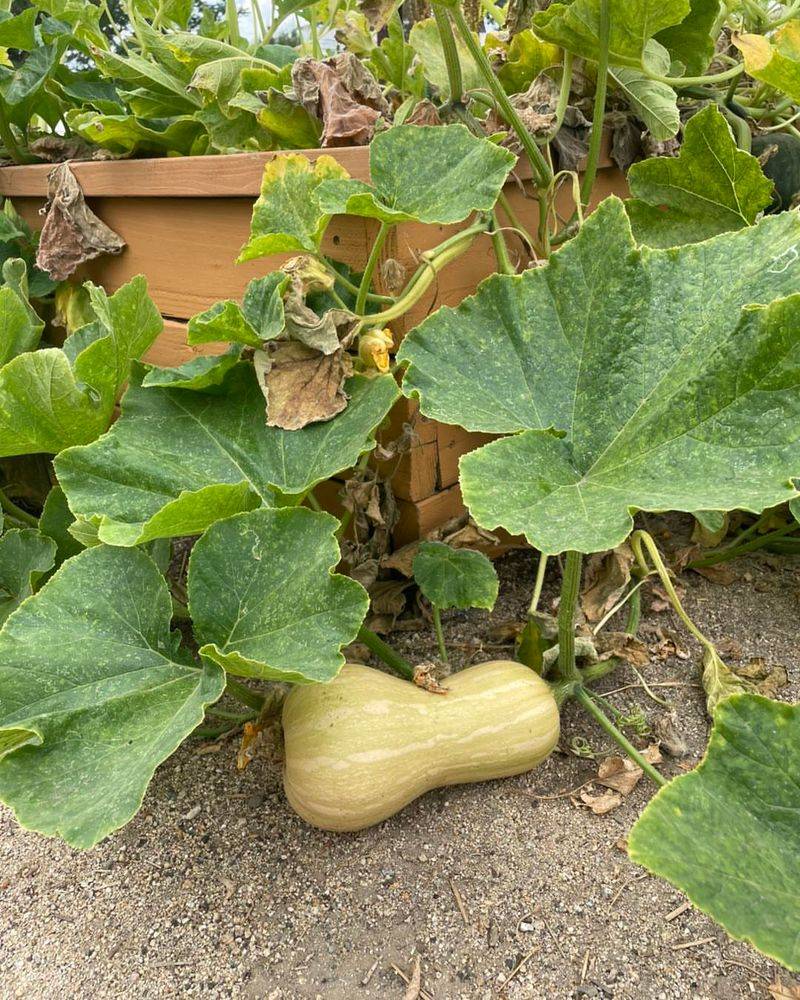
Summer squash, zucchini, and winter squash varieties are all warm-weather vegetables that really come into their own when Texas temperatures climb. Planting squash too early in March puts seeds and seedlings at risk of sitting in cold, wet soil that promotes fungal problems rather than healthy growth.
Squash seeds need soil temperatures of at least 65 to 70 degrees Fahrenheit to germinate well and get off to a strong start.
Early March planting in most Texas regions often results in seeds that germinate slowly or unevenly, and young plants that sulk rather than surge. Meanwhile, a squash plant started in late March or April, when soil has warmed properly, can catch up to and surpass an earlier planting within just a couple of weeks.
Timing really does matter with squash, and rushing it rarely pays off.
When the time is right, squash is one of the most productive vegetables you can grow in a Texas garden. A single zucchini plant can produce more squash than most families can eat, and summer squash varieties like Yellow Crookneck and Patio Star are especially well-suited to Texas growing conditions.
Plant seeds one inch deep and give plants plenty of space, at least 24 to 36 inches apart, since squash vines spread out enthusiastically. Water at the base of plants to keep foliage dry and reduce the chance of powdery mildew, which is a common issue in humid parts of Texas during the growing season.