Vegetables To Start From Seed In Containers In March In Florida
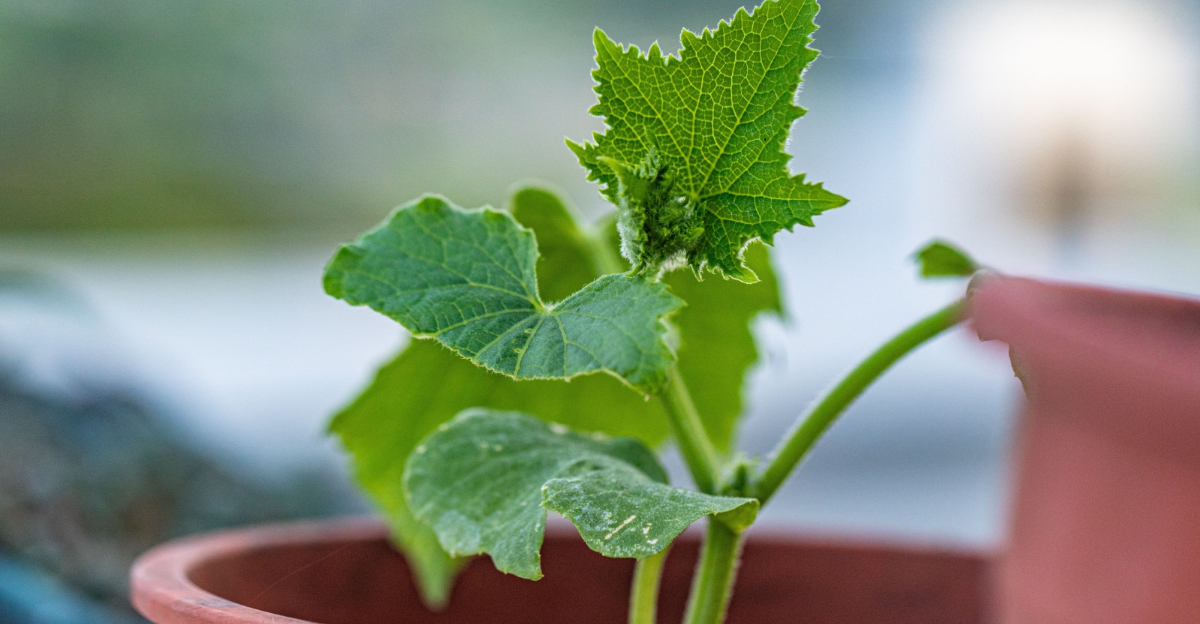
March is the perfect month for Florida gardeners to kick off container vegetable gardens. With warming temperatures, rising humidity, and plenty of sun, seeds get the ideal conditions to sprout and thrive.
Containers give you total control over soil quality, drainage, and sunlight, letting plants grow faster and healthier than in Florida’s sandy yard soil.
Even a small balcony in Orlando or a cozy patio in Tampa can become a productive mini-garden.
Starting vegetables from seed now sets the stage for a vibrant, homegrown harvest that keeps producing all spring and into summer, giving gardeners both satisfaction and fresh, flavorful produce at their fingertips.
1. Bush Beans Grow Fast And Reward Quick Harvests
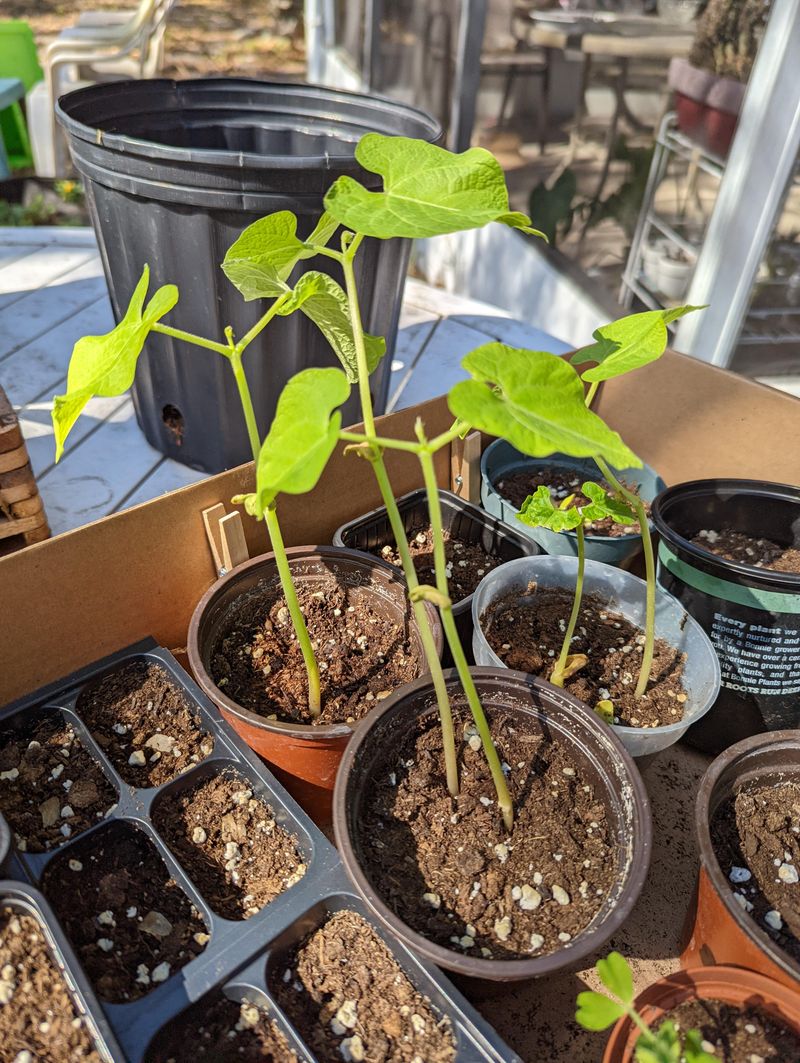
Few vegetables match the speed and satisfaction of bush beans when you are eager to see results in your Florida container garden.
Varieties like Contender and Provider are especially popular because they mature in about 50 to 55 days, which fits perfectly into Florida’s warm spring schedule.
Sow seeds directly into your container rather than starting them in a tray, since beans do not transplant well once their roots are established.
Use a container that holds at least five gallons and fill it with a high-quality, well-draining potting mix. Bush beans prefer a loose, slightly acidic soil with good drainage, so avoid heavy garden soil that compacts easily.
Water consistently to keep the mix moist but not waterlogged, since soggy roots can slow germination and stunt early growth.
Seeds typically sprout within five to eight days in Florida’s March warmth. Place your container where it receives six to eight hours of direct sun daily.
Bush beans thrive in Florida’s warm-season conditions and respond well to a balanced fertilizer applied every two to three weeks. Expect your first harvest roughly seven weeks after planting.
2. Cucumbers Climb And Stay Crisp In Containers
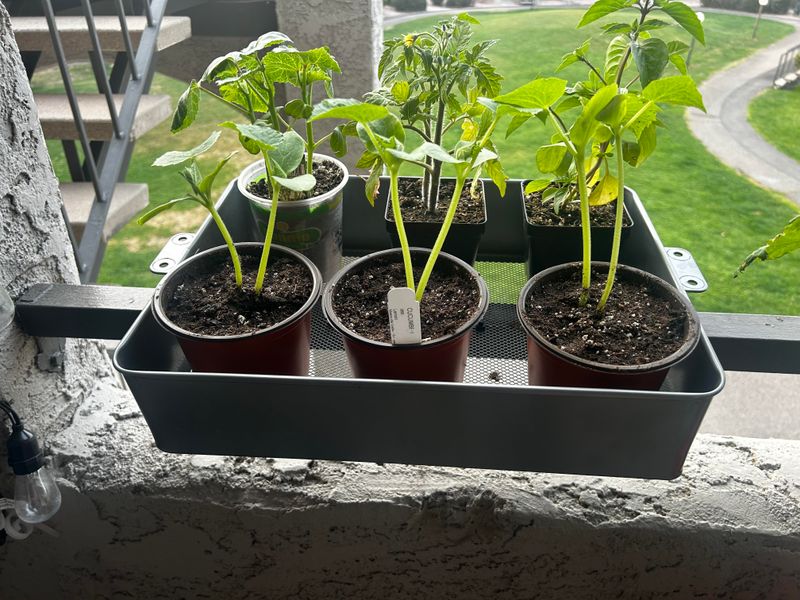
Cucumbers are natural climbers, and giving them a small trellis in your container setup can turn even a modest balcony into a surprisingly productive growing space.
Compact bush varieties like Spacemaster and Bush Pickle were practically designed for container life, staying manageable while still producing a generous number of crisp, flavorful cucumbers.
Sow seeds directly into a container of at least five gallons filled with a lightweight, well-draining potting mix.
March soil temperatures in most of Florida are warm enough to encourage germination within five to seven days. Keep the container in a spot with full sun, because cucumbers need consistent light to fuel strong vine growth and fruit development.
Water deeply but allow the top inch of soil to dry slightly between waterings to prevent root problems that come with overly wet conditions.
Cucumbers are best planted in spring across most Florida regions, and growing them in containers allows for better control over soil quality than in-ground planting.
Feed your cucumber plants with a balanced, water-soluble fertilizer every two weeks once vines begin growing actively.
Harvest cucumbers when they reach full size but before they yellow, which encourages the plant to keep producing fresh fruit throughout the season.
3. Sweet Corn Reaches New Heights In Your Container Garden
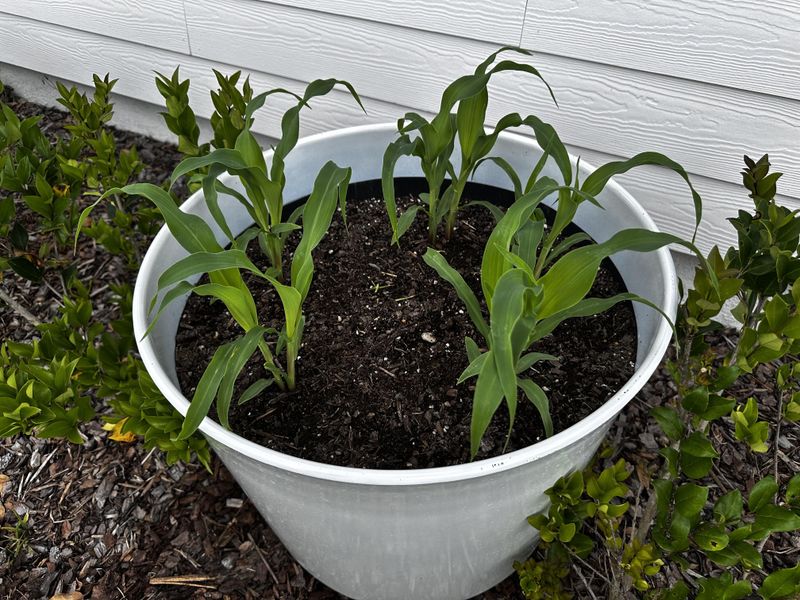
Growing sweet corn in containers might sound ambitious, but Florida’s warm March temperatures actually give this crop a strong head start when managed correctly.
Choose a dwarf or short-season variety like Trinity or Kandy Korn EH, which are better suited for container environments than standard field varieties.
Plant three to four seeds per large container, aiming for a pot that holds at least fifteen to twenty gallons to give roots enough room to develop properly.
Sweet corn is wind-pollinated, so planting multiple containers close together improves pollination and leads to fuller ears. Direct sow seeds about one inch deep into a rich, well-draining potting mix and water thoroughly after planting.
Germination typically takes five to ten days in Florida’s March warmth, and seedlings grow quickly once they establish their root systems.
Corn is a heavy feeder, so plan to fertilize every two weeks with a nitrogen-rich, balanced fertilizer to support strong stalk development. Sweet corn performs well in Florida’s warm-season conditions when given adequate nutrients and full sun.
Expect ears to be ready for harvest roughly 70 to 90 days after planting, depending on the variety you choose.
4. Okra Thrives In Warm Florida Spring Containers
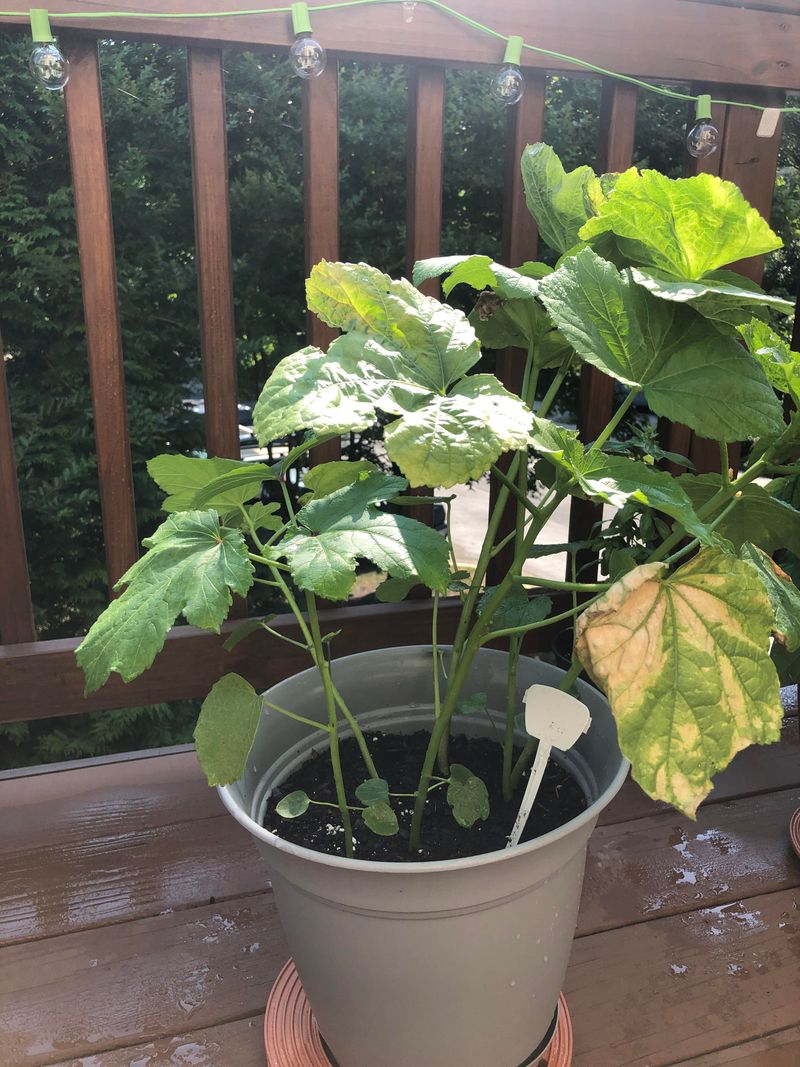
Okra and Florida’s spring heat are practically made for each other, and container growing lets you give this warm-season vegetable exactly the conditions it craves.
March is a smart time to direct sow okra seeds in containers across most of Florida, as the warming soil temperatures encourage steady germination within seven to fourteen days.
Varieties like Clemson Spineless and Emerald are reliable producers that adapt well to container life without becoming overly large.
Soak seeds overnight before planting to soften the hard seed coat and speed up germination. Use a deep container, at least twelve inches deep, filled with a well-draining potting mix that has been amended with compost for added nutrients.
Okra roots grow deep, so giving them vertical space to spread out makes a noticeable difference in plant health and fruit production.
Water consistently, aiming to keep the soil evenly moist but never saturated. Okra loves full sun and will reward six to eight hours of daily sunlight with vigorous growth and steady pod production.
Okra is one of the most heat-tolerant vegetables suited to Florida’s climate. Harvest pods when they are two to four inches long for the best tender texture and flavor.
5. Southern Peas Produce Protein-Packed Pods Early
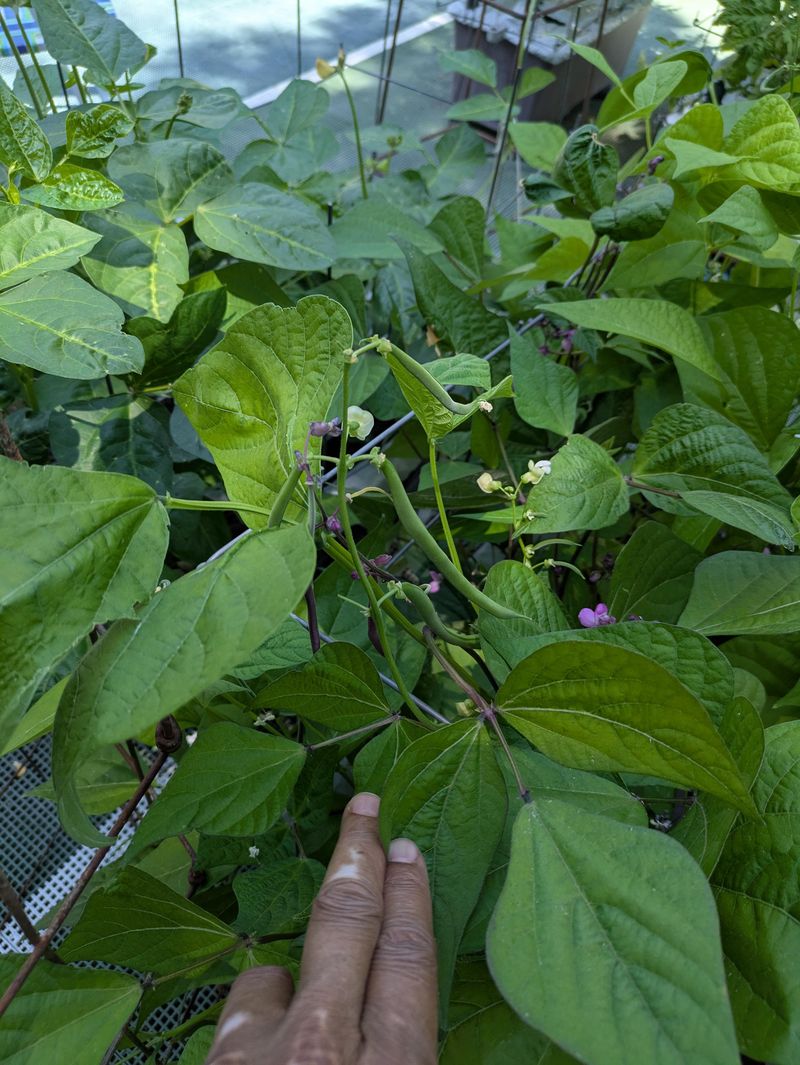
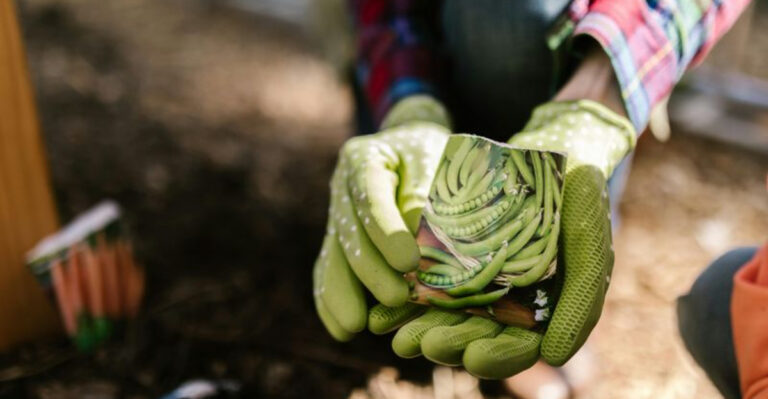
Southern peas, which include black-eyed peas and crowder peas, have been a staple of Southern gardening for generations, and Florida’s warm spring conditions make March an ideal time to get them started in containers.
Unlike English peas, southern peas actually prefer heat, which means they fit right into Florida’s March gardening calendar.
Varieties like Iron and Clay, Whippoorwill, and Mississippi Silver are proven performers in Florida’s warm-season container gardens.
Direct sow seeds about one inch deep into a container holding at least five gallons of well-draining potting mix. Germination typically occurs within seven to ten days when soil temperatures are consistently above 65 degrees Fahrenheit.
Southern peas are relatively drought-tolerant compared to other vegetables, but regular watering during flowering and pod fill will improve yield significantly.
These plants fix their own nitrogen from the air, which means they need less fertilizer than heavy feeders like corn or squash.
Southern peas are an excellent warm-season crop for Florida gardens, known for their adaptability to sandy soils and humid conditions.
Place containers in full sun and expect your first harvest of fresh green pods about 60 to 70 days after planting, with dried peas ready slightly later in the season.
6. Squash Fills Containers With Tender, Vibrant Fruit
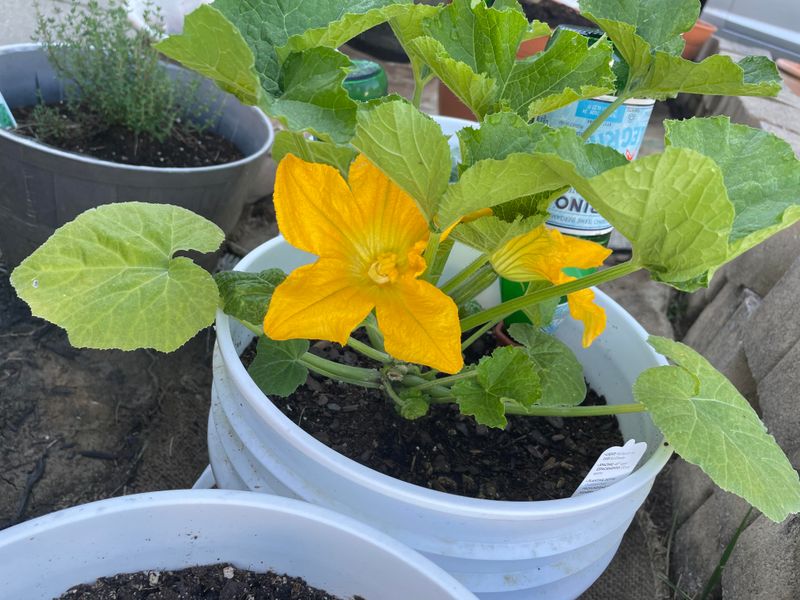
There is something genuinely exciting about watching a squash plant unfurl its big, tropical-looking leaves in a container garden during Florida’s warm spring season.
Summer squash varieties like Yellow Crookneck and Patio Star are particularly well-suited for container growing because they stay more compact than sprawling field types.
Direct sow two or three seeds per container, choosing a pot that is at least twelve inches wide and twelve inches deep to accommodate the plant’s vigorous root system.
Fill containers with a rich, moisture-retaining potting mix that also drains well, since squash plants need consistent moisture but cannot tolerate standing water around their roots.
Seeds germinate quickly in Florida’s March warmth, often sprouting within five to seven days.
Thin seedlings to one strong plant per container once they develop their first true leaves to avoid competition for nutrients.
Squash is a moderate to heavy feeder, so apply a balanced fertilizer every two weeks to keep plants productive.
Spring is the ideal time to plant summer squash in most Florida regions, and full sun is essential for strong fruit development.
Harvest fruit when it is small and tender, typically six to eight inches long, because younger squash have a noticeably better texture and flavor than fruit left to overgrow on the vine.
7. Radishes Deliver Quick And Crunchy Rewards
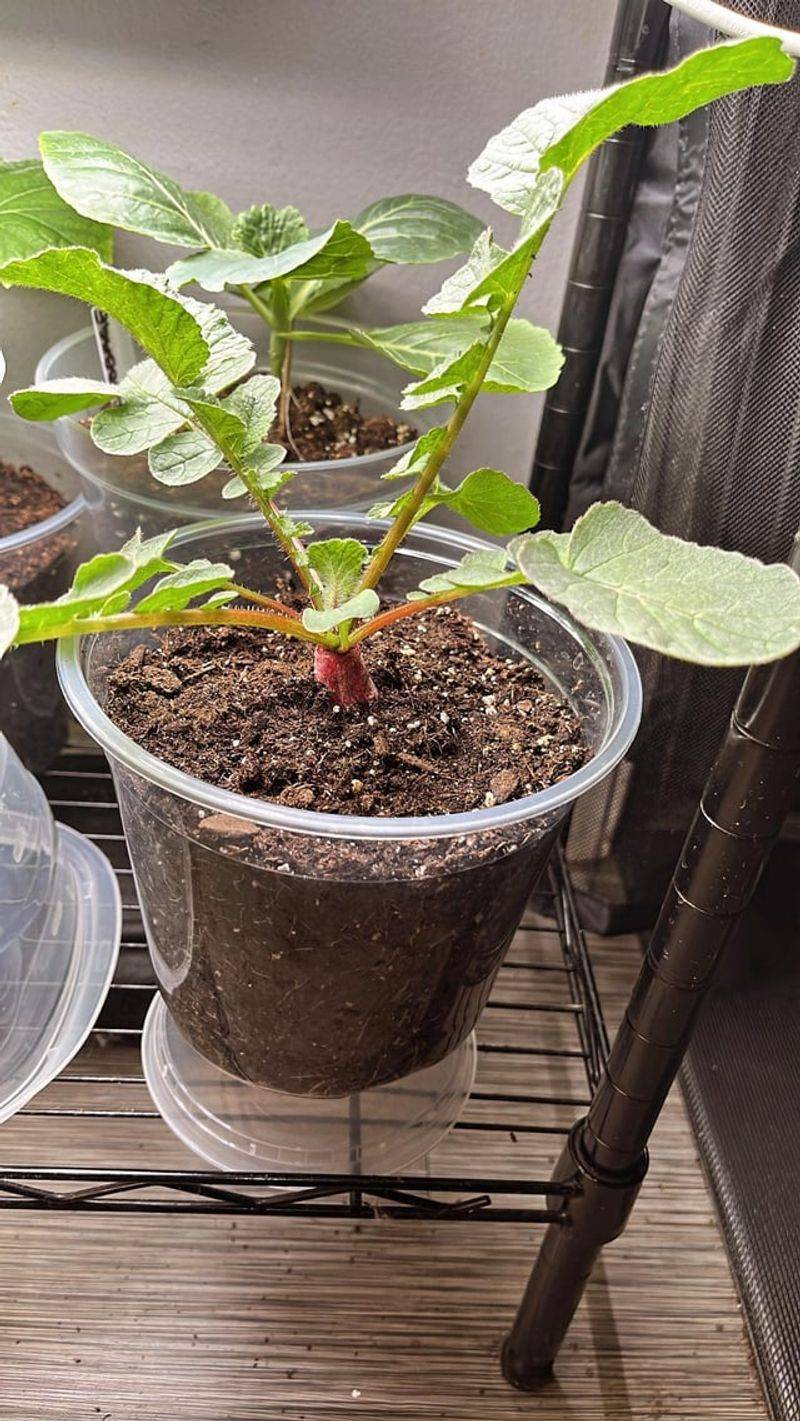
Radishes are the ultimate confidence-builder for anyone who is just getting started with container gardening in Florida, because they go from seed to harvest faster than almost any other vegetable.
Varieties like Cherry Belle and Easter Egg are popular choices that mature in just 22 to 28 days, making them a great option for impatient gardeners who want to see results before the season fully heats up.
Sow seeds directly into a shallow container, about six to eight inches deep, filled with a loose, well-draining potting mix.
March is actually one of the last comfortable months to grow radishes in most of Florida before summer heat causes them to bolt and turn bitter.
Plant seeds about half an inch deep and one inch apart, then thin seedlings to two inches apart once they sprout.
Keep the soil consistently moist, because uneven watering can lead to cracked roots and a pithy texture inside the radish.
Radishes prefer cooler soil temperatures for root development, so placing your container in a spot with morning sun and afternoon shade can extend their growing window a little longer.
Radishes are best suited to Florida’s cooler months, making March a perfect window to squeeze in one last satisfying crop before the heat sets in.
8. Turnips Offer Fast-Growing, Flavorful Roots
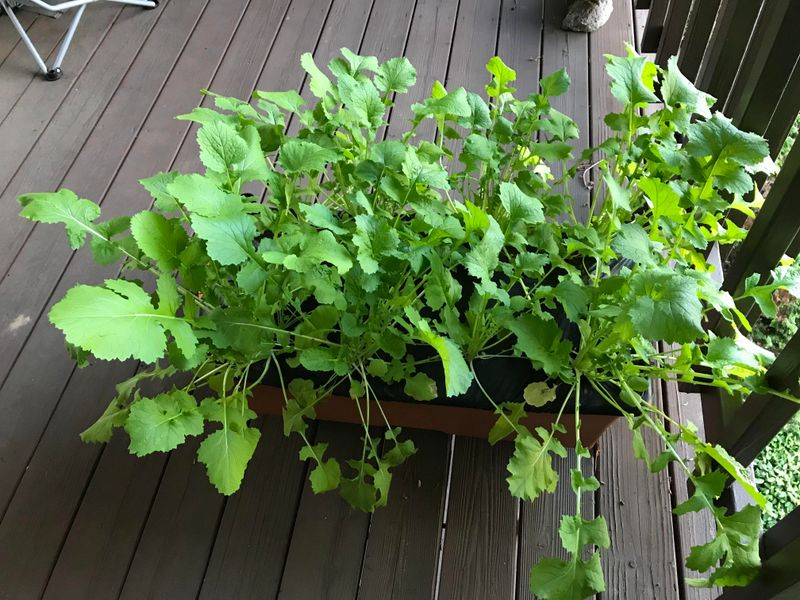
Turnips are one of those vegetables that often get overlooked, but Florida container gardeners who give them a chance in March are usually pleasantly surprised by how quickly and easily they produce.
Both the roots and the leafy greens are edible, which means you get two harvests from a single planting, making turnips one of the most efficient choices for small-space container growing.
Purple Top White Globe is a classic variety that performs reliably in Florida’s spring conditions.
Sow seeds directly into containers that are at least eight to ten inches deep, using a well-draining potting mix amended with a bit of compost for nutrition.
Seeds germinate within five to seven days in March’s mild Florida temperatures.
Thin seedlings to about four to six inches apart once they sprout to give each plant enough space to develop a full-sized root without crowding.
Water regularly to keep soil moisture consistent, since irregular watering causes roots to crack or develop an overly strong, sharp flavor. Turnip greens can be harvested early by snipping outer leaves while roots continue developing below.
Turnips grow best in cool to mild weather, and March marks the tail end of their ideal growing window in Florida before summer heat becomes too intense.
9. Peas Cling And Sweeten Your Spring Harvest
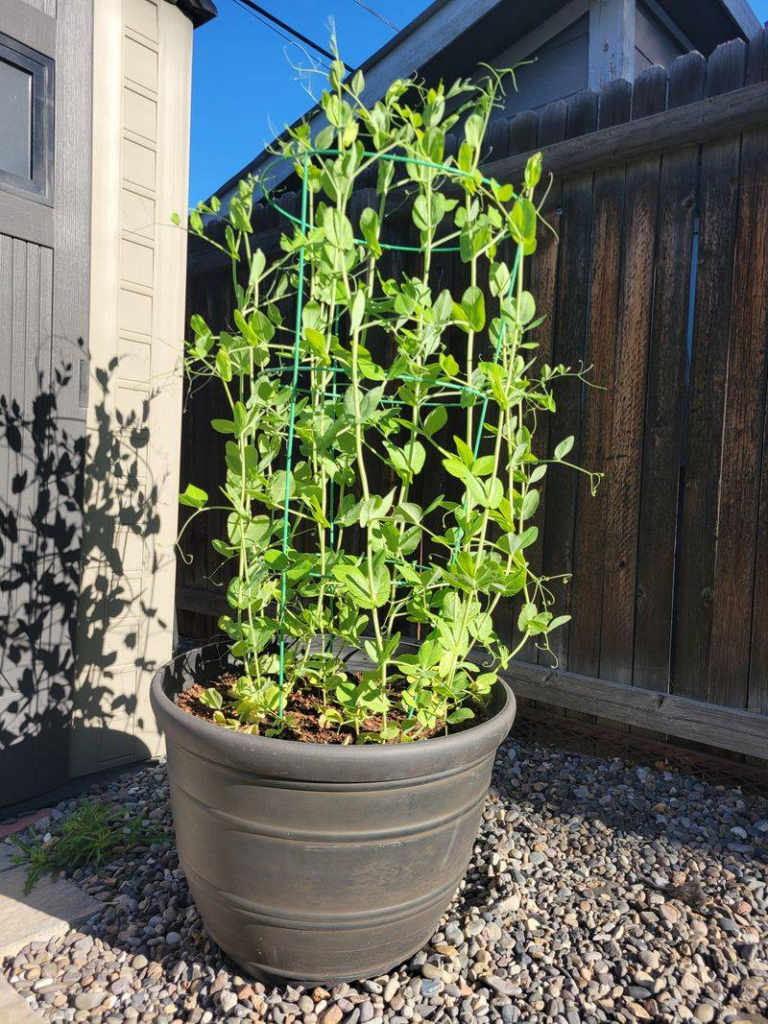
Sugar snap peas bring a kind of old-fashioned garden charm to Florida container setups, with their curling tendrils reaching for support and their sweet pods ready to eat straight off the vine.
March is a transitional month for growing peas in Florida, working best in North and Central Florida where temperatures are still mild enough for the crop to set pods before summer heat arrives.
Bush-type varieties like Sugar Ann or Little Marvel are good choices for containers because they stay compact and do not need tall trellising.
Sow seeds about one inch deep directly into a container with at least eight inches of depth, filled with a well-draining, slightly amended potting mix.
Peas prefer cooler soil, so germination is best when temperatures are between 45 and 75 degrees Fahrenheit.
Water gently and consistently, keeping the soil moist without saturating it, since pea roots are sensitive to overly wet conditions.
Peas fix atmospheric nitrogen similarly to southern peas, so they need less fertilizer than many other vegetables. English peas are a cool-season crop in Florida, so planting early in March gives them the best chance to mature before warmer weather shortens their growing window.
Harvest pods when they look plump and feel firm for the sweetest flavor.
10. Zucchini Sprawls And Blooms In Compact Spaces
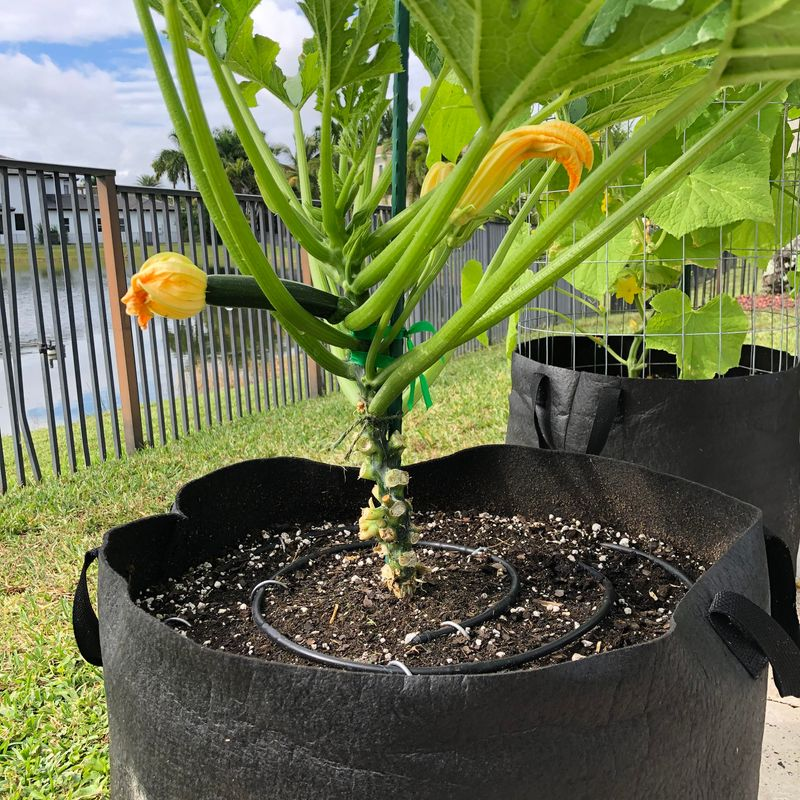
Zucchini has a reputation for taking over garden beds, but in a container setting, you can channel that exuberant growth into a surprisingly tidy and productive plant.
Compact varieties like Bush Baby and Patio Star were developed specifically with smaller growing spaces in mind, making them a smart pick for Florida container gardeners who want zucchini without the sprawl.
Choose a wide, deep container holding at least ten gallons to give the plant’s root system enough room to anchor itself firmly.
Direct sow two seeds per container about one inch deep in a rich, well-draining potting mix. Florida’s March warmth encourages fast germination, usually within five to seven days.
Once seedlings develop their second set of true leaves, thin to the strongest single plant to avoid resource competition that would slow both plants down.
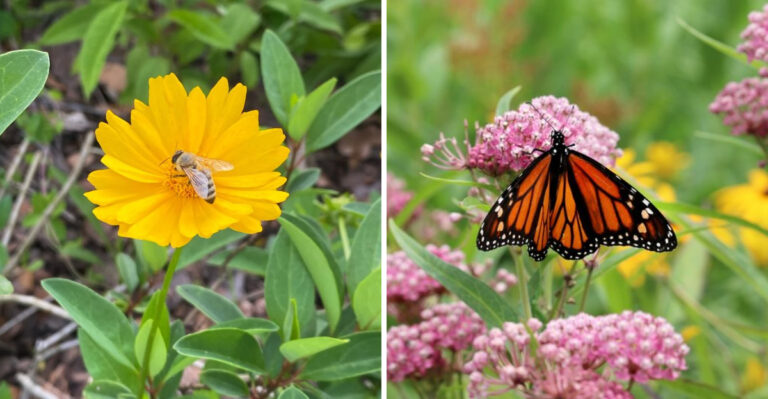
Zucchini is a pollinator-dependent crop, so placing containers near flowering plants or hand-pollinating with a small brush can improve fruit set when bee activity is limited.
Water deeply and consistently, especially once flowering begins, since moisture stress during this stage can cause young fruit to drop before it matures.
Zucchini is a great warm-season option for container gardening in Florida, with harvests typically beginning about 50 to 55 days after planting.