7 Vegetables You Can Start Indoors In Pennsylvania During March
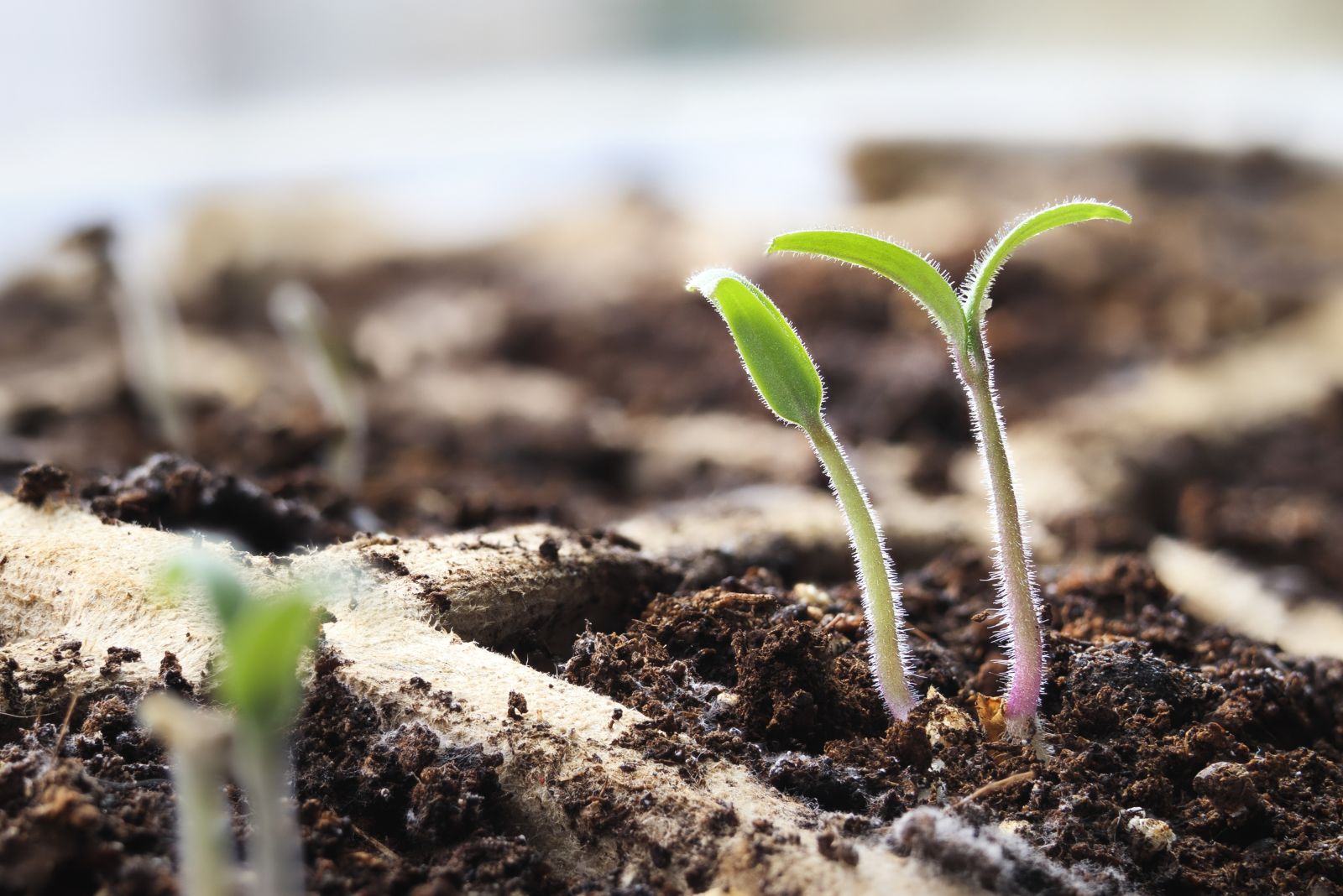
March in Pennsylvania is an exciting time for gardeners. The soil may still be cool, but indoor planting offers a head start on the growing season.
Starting vegetables indoors now gives roots time to develop, seedlings a chance to grow strong, and gardeners a jump on spring harvests.
Many vegetables thrive when begun inside under controlled conditions. Tomatoes, peppers, and eggplants benefit from early indoor care, while leafy greens like lettuce and spinach grow quickly and can handle cooler temperatures.
Containers, proper lighting, and consistent moisture create ideal conditions for these early starts.
Indoor planting also allows gardeners to experiment, observe growth patterns, and plan outdoor garden layouts before the last frost.
By nurturing seedlings indoors in March, Pennsylvania gardeners can ensure a strong start for their vegetable beds, enjoy earlier harvests, and watch as their gardens transition from winter dormancy to vibrant spring productivity.
1. Tomatoes
Ask any Pennsylvania gardener what they look forward to most each summer, and chances are tomatoes will be at the top of the list.
These beloved vegetables are a staple in backyard gardens across the state, and getting them started indoors in March gives you a real advantage when the growing season begins.
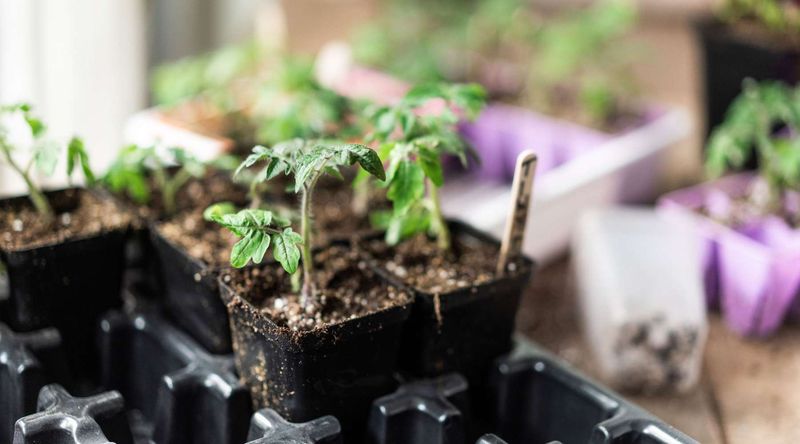
Tomatoes need about 6 to 8 weeks of indoor growing time before they can be transplanted outside. That makes March the ideal month to drop those seeds into small containers or seed trays.
Fill your containers with a quality seed-starting mix, plant the seeds about a quarter inch deep, and keep the soil moist but not soaking wet.
Warmth is one of the most important things tomato seeds need to sprout. They prefer soil temperatures between 70 and 80 degrees Fahrenheit.
A heat mat placed under your seed trays can make a big difference, especially in cooler homes.
Once the seedlings pop up, strong light becomes the top priority. A sunny south-facing window can work, but a grow light set to run for 14 to 16 hours a day will produce stockier, healthier plants.
Leggy seedlings that stretch toward the light tend to be weaker and harder to transplant successfully.
In Pennsylvania, most gardeners wait until after Memorial Day to move tomatoes outdoors. Before transplanting, harden off your seedlings by gradually introducing them to outdoor conditions over one to two weeks.
This simple step helps reduce transplant shock and gets your plants off to a strong start.
2. Peppers (Bell And Hot)
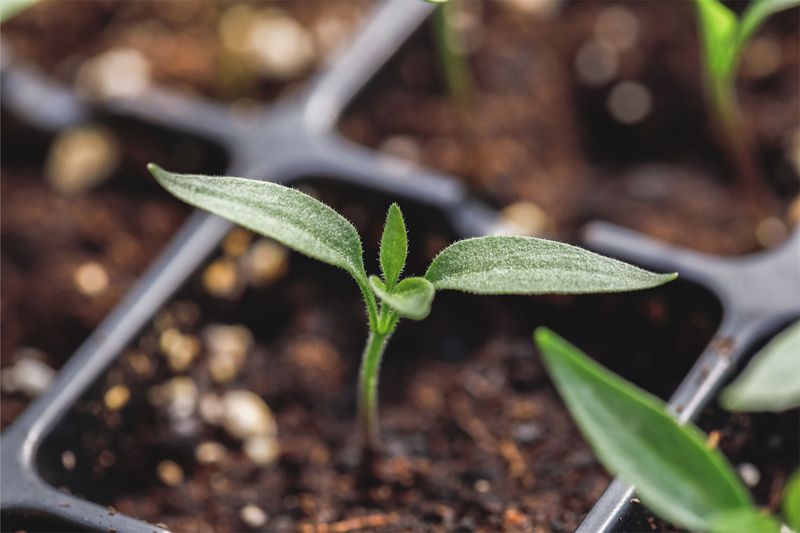
Peppers are one of the slowest vegetables to get going from seed, and that is exactly why starting them indoors in March is so important for Pennsylvania gardeners.
Unlike tomatoes, peppers can take anywhere from 10 to 14 days just to germinate, and some hot varieties take even longer. Getting them going early gives them the time they need to grow into strong transplants.
Both bell peppers and hot peppers love warmth. Soil temperature is the key factor for good germination.
Aim for 80 to 85 degrees Fahrenheit in the seed tray. Without enough warmth, seeds may sit in the soil for weeks without sprouting.
A heat mat is almost essential for peppers, making it one of the best investments a Pennsylvania gardener can make.
Once your pepper seedlings emerge, move them to a bright spot right away. Grow lights work especially well for peppers since they need consistent, strong light to develop properly. Weak light leads to thin, stretched plants that struggle once moved outside.
Peppers are also sensitive to cold nights. Even after Pennsylvania’s last frost date passes, peppers prefer to stay indoors until nighttime temperatures are consistently above 55 degrees Fahrenheit. Rushing this step can slow their growth significantly.
Watering peppers correctly is also worth mentioning. They do not like soggy roots, so make sure your containers drain well.
Let the top layer of soil dry slightly between waterings. With the right warmth, light, and care, your March-started peppers will reward you with a fantastic harvest all summer long.
3. Broccoli
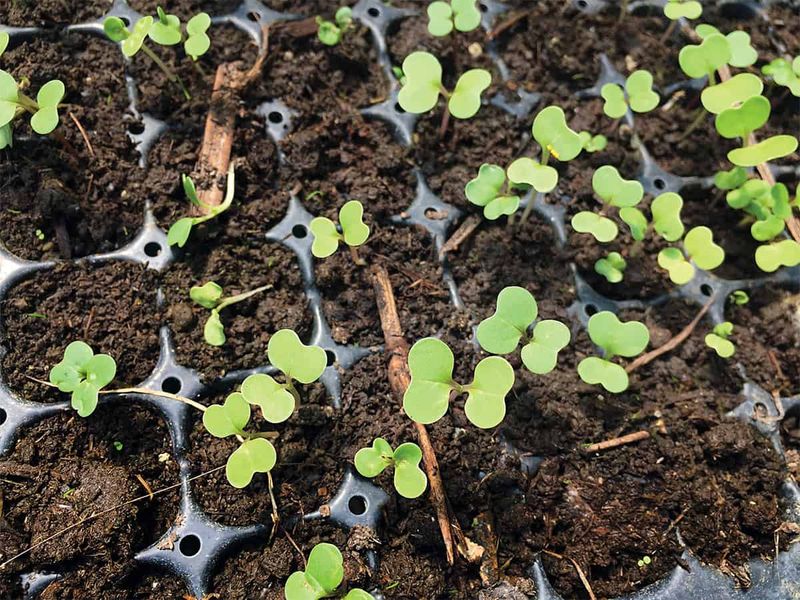
Cool-season crops like broccoli are some of the most rewarding vegetables you can grow in Pennsylvania, and March is the sweet spot for starting them indoors.
Broccoli thrives in the cool temperatures of spring, and by starting seeds inside during March, you give plants enough time to grow before being transplanted outdoors in April or early May.
Broccoli seeds are surprisingly fast and easy to germinate. Under the right conditions, they can sprout in just 5 to 7 days.
Plant seeds about a quarter inch deep in moist seed-starting mix and keep them in a warm spot. Unlike peppers and tomatoes, broccoli does not need extremely high soil temperatures. Room temperature around 65 to 70 degrees Fahrenheit works just fine.
Once seedlings emerge, move them to a bright location. A sunny window or grow light helps them develop strong stems and healthy leaves.
Broccoli seedlings grow fairly quickly, so keep an eye on them and transplant into larger containers if they start looking crowded.
One of the best things about broccoli is that it can handle cool outdoor temperatures after being properly hardened off.
In Pennsylvania, you can often move broccoli transplants outside in April, even if there are still some chilly nights ahead. Established broccoli plants can tolerate light frosts without any serious setbacks.
Timing your indoor start right means broccoli heads will be ready to harvest before the intense summer heat arrives. Hot weather causes broccoli to bolt, meaning it goes to flower instead of forming tight heads. Starting in March helps you stay ahead of that problem.
4. Cabbage
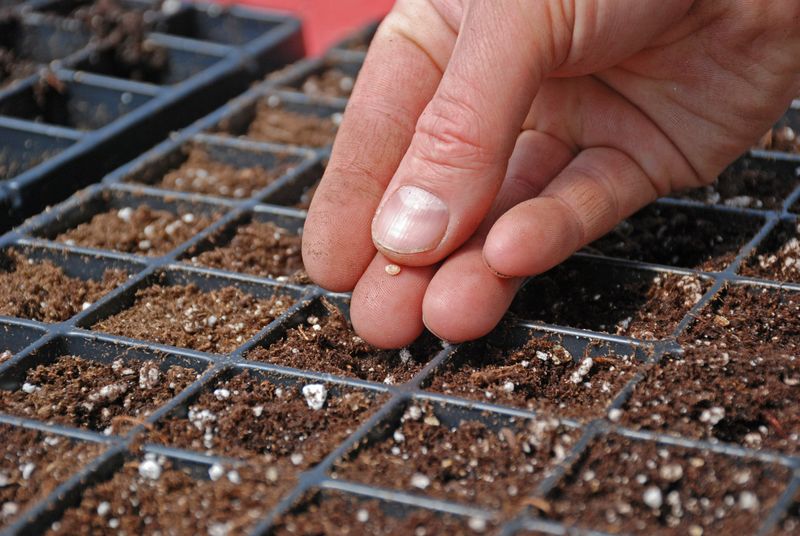
There is something satisfying about growing your own cabbage from seed, and Pennsylvania gardeners who start theirs indoors in March are setting themselves up for a great spring harvest.
Cabbage is a cool-season vegetable that actually prefers the chilly spring weather common across much of the state, making it a natural fit for early planting.
Starting cabbage seeds indoors in March gives plants about 4 to 6 weeks of growth before they head outside. That timeline lines up well with Pennsylvania’s spring transplant window, which usually opens up in April depending on where you live in the state.
Seeds germinate quickly, often within 5 to 10 days, when kept at temperatures between 65 and 75 degrees Fahrenheit.
Cabbage seedlings are not particularly fussy once they get going. Give them plenty of light to prevent stretching, and water them consistently without letting the soil become waterlogged.
Thinning seedlings so each plant has enough space to develop is also a good habit to get into early.
One of the biggest advantages of cabbage is how cold-tolerant it becomes once established. After hardening off your transplants over about a week, you can move them outside in Pennsylvania even when nights are still cool.
Mature cabbage plants can handle temperatures dipping close to freezing without much trouble.
Planting cabbage early also means you beat some of the common pest pressure that picks up later in the season. Fewer insects are active in early spring, giving your plants a peaceful head start in the garden.
5. Cauliflower
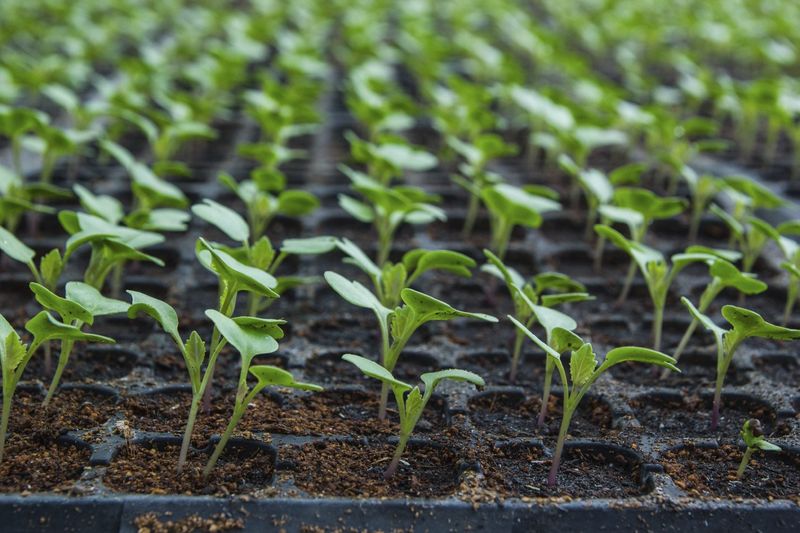
Cauliflower has a reputation for being a little tricky, but starting it indoors in March gives Pennsylvania gardeners the best possible chance at a successful harvest.
Like broccoli and cabbage, cauliflower is a cool-season crop that performs best when it can mature during mild spring temperatures rather than the heat of summer.
The timing for cauliflower is very similar to its brassica cousins. Start seeds indoors about 4 to 6 weeks before your expected outdoor transplant date.
In Pennsylvania, that puts March right in the ideal window. Seeds germinate well at room temperature and usually sprout within 7 to 10 days when given consistent moisture and warmth.
What sets cauliflower apart from broccoli and cabbage is how sensitive it is to temperature swings. Stress from irregular temperatures or inconsistent watering can cause the plant to produce small, uneven heads or skip forming a head altogether.
Steady, calm growing conditions from the very start make a real difference in the final result.
Providing strong light is critical for healthy cauliflower seedlings. Leggy, weak plants that did not get enough light indoors tend to struggle after transplanting.
A grow light running for about 14 hours a day is a reliable solution for Pennsylvania homes that lack a very bright south-facing window.
Once transplanted outdoors and properly hardened off, cauliflower appreciates cool spring air. Consistent watering and a layer of mulch around the base of each plant helps keep soil moisture steady and roots comfortable as outdoor temperatures begin to climb through late spring.
6. Lettuce
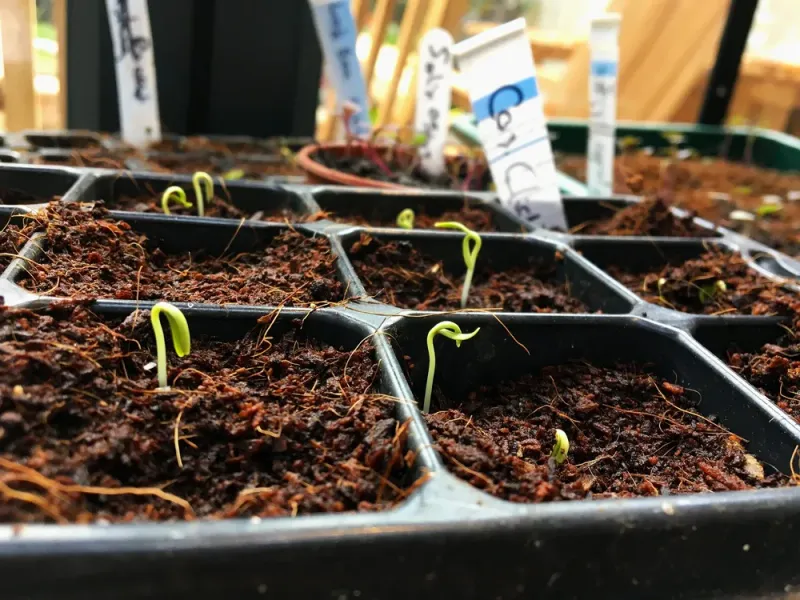
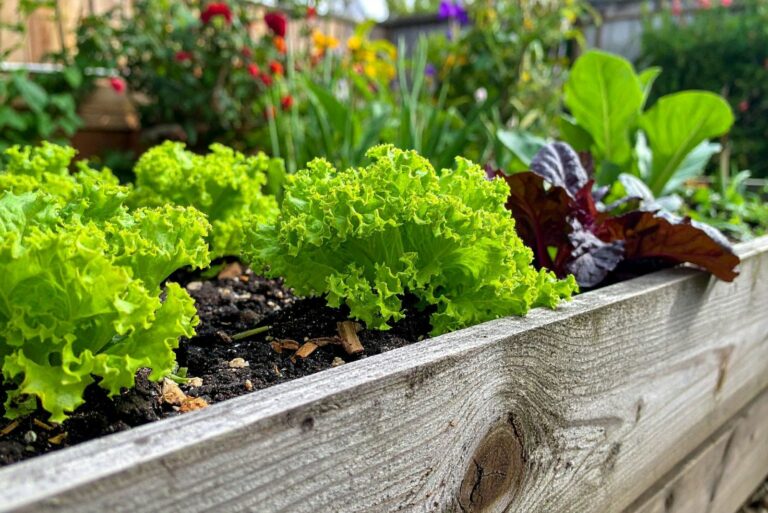
Fast, easy, and incredibly satisfying to grow, lettuce is one of the friendliest vegetables a Pennsylvania gardener can start indoors in March.
Unlike tomatoes or peppers that need weeks of careful tending before they are transplant-ready, lettuce moves quickly from seed to seedling and does not demand a lot of fuss along the way.
Lettuce seeds can germinate in as little as 2 to 4 days under good conditions. They prefer cooler soil temperatures compared to warm-season crops, making them an easy fit for a March indoor start.
Keep the seed-starting mix lightly moist and place trays near a bright window or under a grow light. Room temperature around 60 to 70 degrees Fahrenheit is just about perfect.
One of the most appealing things about lettuce is how well it handles early outdoor transplanting. Once hardened off, lettuce can go outside in Pennsylvania well before the last frost date.
It actually prefers cool spring weather and may slow down or turn bitter once summer heat sets in.
Succession planting is a smart strategy with lettuce. Instead of starting all your seeds at once, plant a new small batch every two to three weeks.
This keeps fresh lettuce coming to your table throughout spring rather than having everything mature at the same time.
Lettuce also grows well in containers, raised beds, and even window boxes, making it a great choice for Pennsylvania gardeners with limited outdoor space. Starting indoors in March means you could be harvesting crisp, homegrown leaves as early as late April or early May.
7. Onions
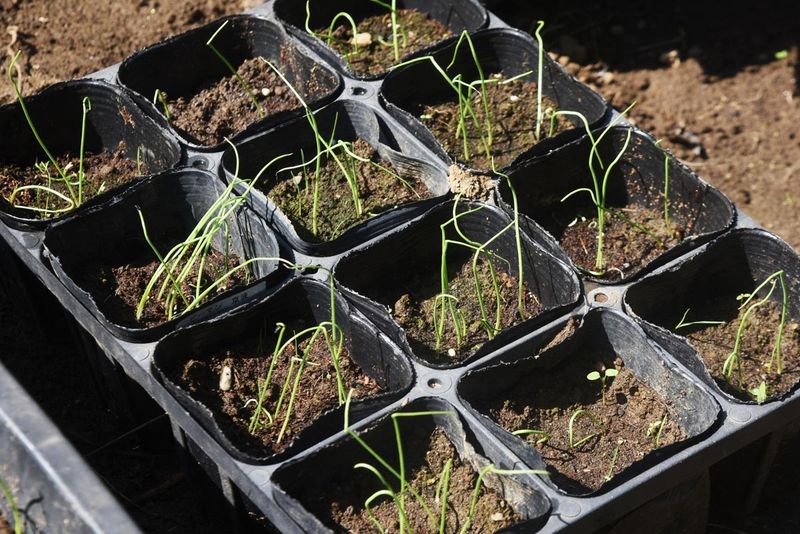
Onions are one of the longest-season vegetables you can grow, and that long timeline is exactly why starting them indoors in March is so valuable for Pennsylvania gardeners.
Most onion varieties need 100 to 120 days to reach full maturity, so getting a jump on the season indoors makes all the difference between small, underdeveloped bulbs and the big, flavorful onions every cook dreams about.
Starting onions from seed is a bit different from other vegetables. The seeds are small and the seedlings look like thin blades of grass when they first emerge.
Do not let that fool you. Those little green shoots are tough and grow steadily with the right care.
Plant seeds about a quarter inch deep in seed-starting mix, keep the soil moist, and maintain a temperature around 65 to 70 degrees Fahrenheit for best germination.
Onions are heavy feeders of light. They need at least 12 to 14 hours of bright light each day to grow well indoors.
A grow light is the most reliable option, especially during the shorter days of early March in Pennsylvania. Without enough light, seedlings become weak and floppy, which makes them harder to transplant and slower to establish outdoors.
The good news is that onions are cold-hardy once they go outside. Pennsylvania gardeners can move onion transplants outdoors in early to mid-April, even when temperatures are still cool. They settle in quickly and continue building strong roots before summer arrives.
Trimming the tops of indoor onion seedlings back to about 3 inches tall encourages thicker, sturdier growth. Try it and watch the difference it makes.