6 Veggies To Plant In March In Central Florida (And 5 To Avoid)
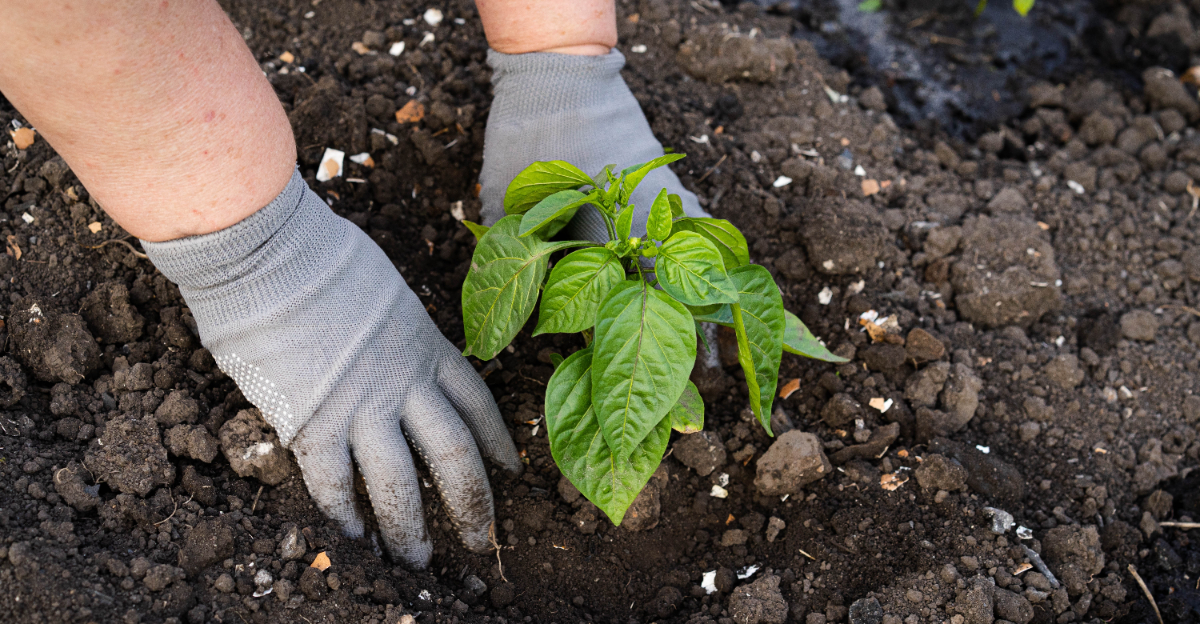
March has a way of pulling people back outside. The days feel just right, the soil warms up, and suddenly the garden starts calling again.
After a long stretch of cooler mornings, it’s hard not to grab a shovel and start planting everything in sight.
In Central Florida, March sits right between seasons. The last of the cooler weather is fading, and the heat hasn’t fully settled in yet.
That short window makes timing important. Some vegetables take off quickly this month, while others struggle the moment temperatures begin to climb.
A little planning now can save you time, effort, and a lot of frustration later. Some of these picks will grow fast and keep producing, while others are already on their way out as spring moves forward.
1. Crisp And Refreshing Cucumbers
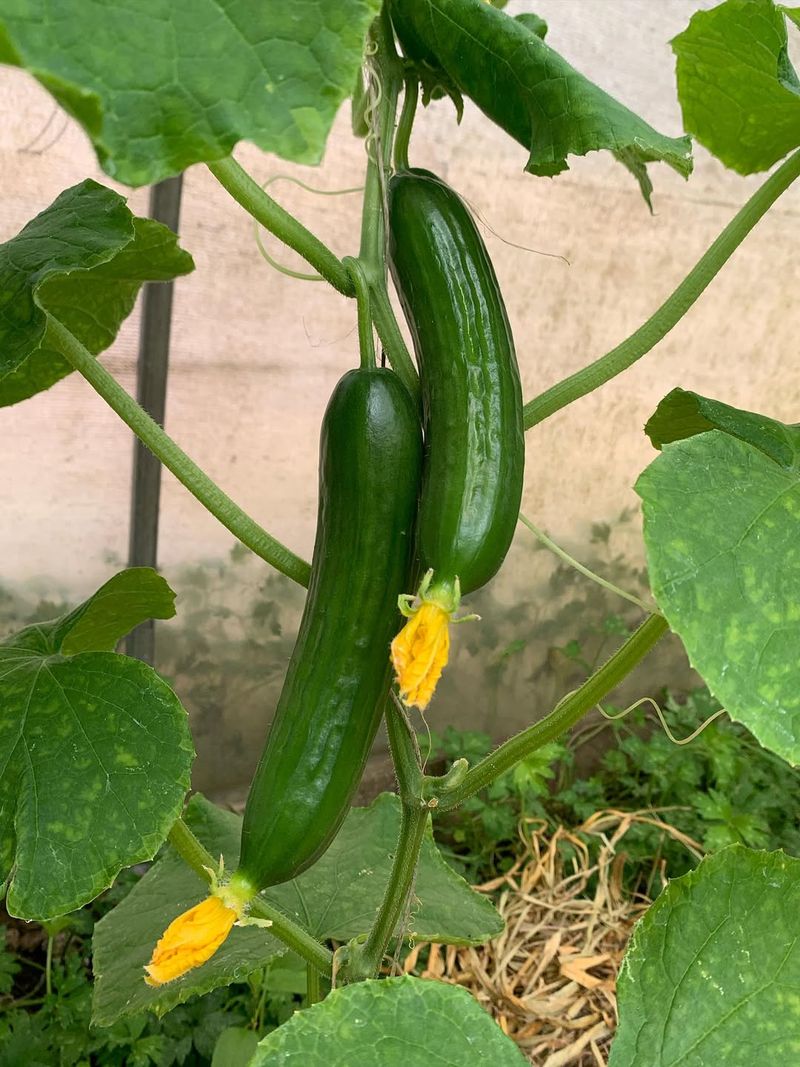
The warming soil temperatures and increasing daylight hours create ideal conditions for these vigorous vines to take off. They’ll reward your efforts with crisp, refreshing cucumbers perfect for salads and snacking all spring long.
Select a sunny spot in your garden where cucumbers can either sprawl across the ground or climb a trellis. Vertical growing saves space and keeps fruits cleaner in Florida’s frequent rain showers.
Plant seeds about one inch deep and keep the soil consistently moist during germination, which happens quickly in March warmth.
Cucumbers are heavy feeders and drinkers, so prepare your Central Florida soil with plenty of compost before planting. Water deeply every few days rather than light daily watering to encourage strong root development.
Mulch around plants to retain moisture and keep soil temperatures steady.
Watch for the first yellow blooms to appear within three weeks of planting. Soon after, baby cucumbers will start forming beneath spent flowers.
Pick cucumbers when they reach six to eight inches long for the best flavor and texture. Regular harvesting keeps plants producing abundantly through late spring.
2. Quick Producing Summer Squash
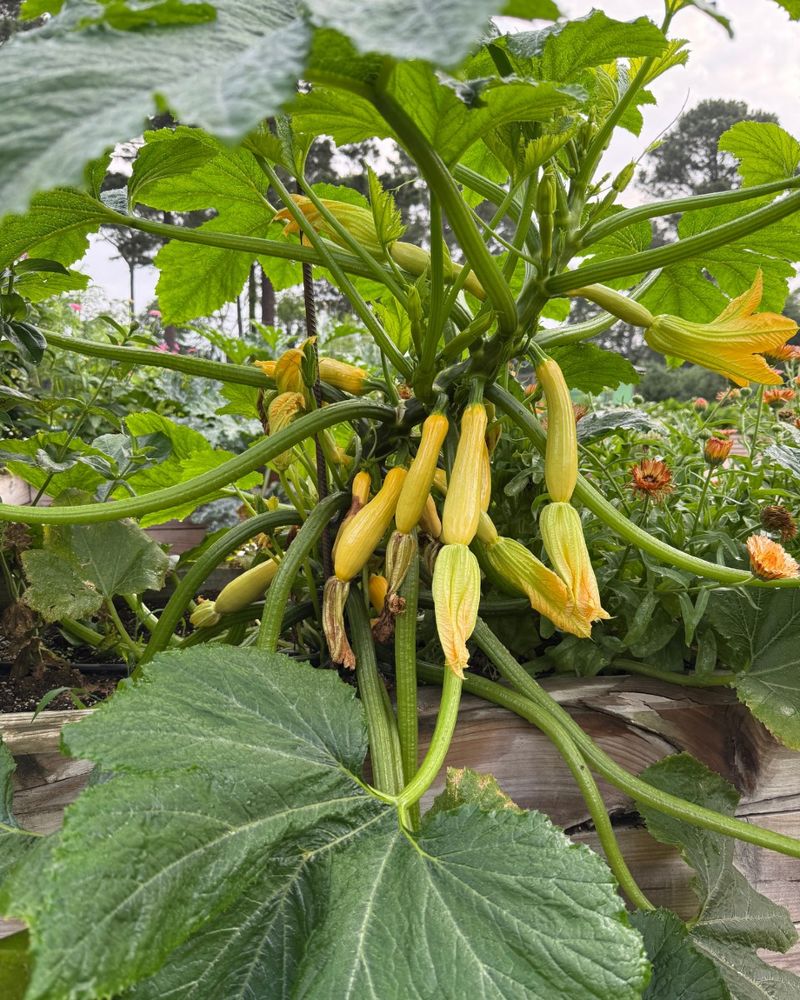
Putting on an impressive show when started in Central Florida gardens during March, summer squash thrives as temperatures begin to warm. These productive plants grow rapidly in spring conditions and produce abundant harvests of tender squash within just a few weeks.
Varieties like yellow crookneck, zucchini, and pattypan all perform beautifully in the region.
Prepare generous planting holes enriched with compost since squash plants grow large and need plenty of nutrients. Space plants about three feet apart to allow for their spreading growth habit.
March planting gives squash a head start before intense summer heat arrives, resulting in healthier plants and better production.
The large leaves and sprawling vines create shade that helps keep Central Florida soil cooler and moister. Water at the base of plants to keep foliage dry and reduce potential issues in humid conditions.
Squash plants produce separate male and female flowers, with fruits developing only from female blooms.
Harvest squash when they’re young and tender, typically six to eight inches long for most varieties. Picking regularly signals plants to keep producing more flowers and fruits.
Summer squash planted in March will provide harvests through May before production naturally slows in extreme heat. The tender squash is delicious grilled, sautéed, or added fresh to salads.
3. Heat Loving Okra
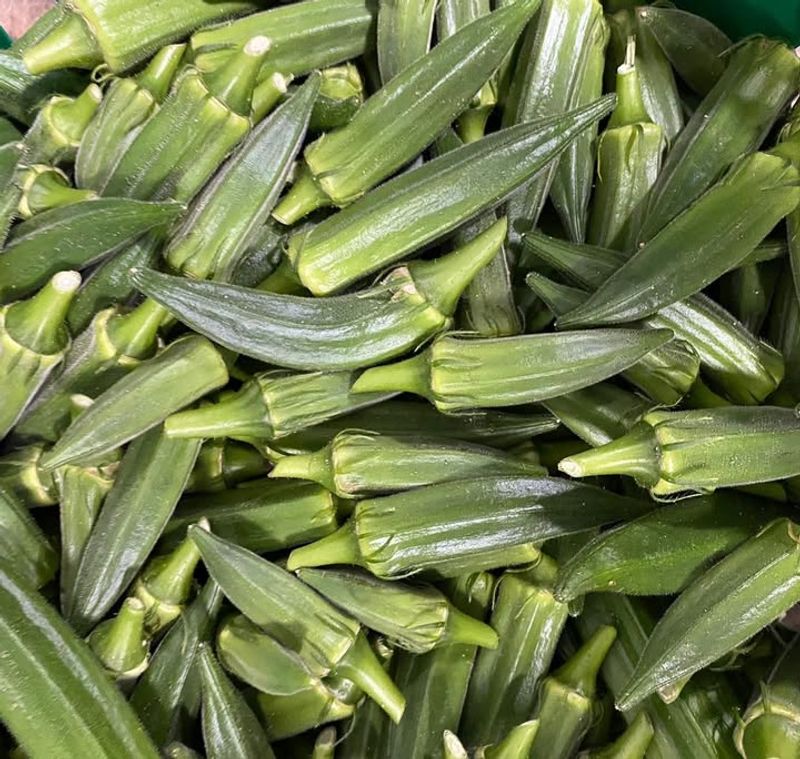
Few vegetables handle Central Florida heat quite like okra does. March planting allows these tall, stately plants to establish strong roots before temperatures really soar.
Okra is a traditional Southern crop that feels right at home in Florida gardens, producing abundantly throughout the warmest months when other vegetables struggle.
Direct seed okra into warm soil, planting seeds about one inch deep and spacing them twelve inches apart in rows. Germination happens quickly in March when soil temperatures reach the 70s.
Young plants grow slowly at first but accelerate rapidly once established, eventually reaching four to six feet tall.
The plants produce beautiful yellow flowers similar to hibiscus blooms before developing the edible seed pods. Central Florida’s long growing season means okra planted in March will produce continuously through fall.
Harvest pods when they’re three to four inches long and still tender, checking plants every other day during peak production.
Okra thrives in full sun and tolerates drought once established, making it perfect for Central Florida summers. The plants rarely need special attention beyond occasional watering during dry spells.
Whether you fry it, pickle it, add it to gumbo, or roast it, homegrown okra tastes far superior to store-bought versions.
4. Reliable Southern Peas
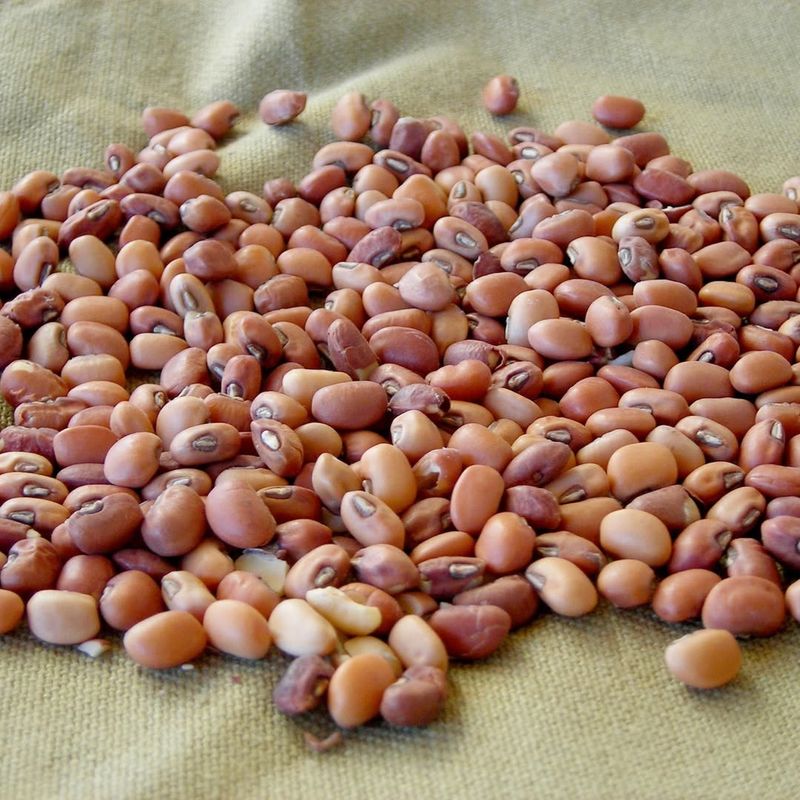
Southern peas go by many names including cowpeas, field peas, and crowder peas, but they all share one trait: they absolutely love Central Florida conditions. March planting sets these heat-loving legumes up for tremendous success.
Unlike English peas that prefer cool weather, Southern peas actually need warmth to thrive and produce.
Plant seeds directly into garden beds once soil warms reliably, which happens by early to mid-March across Central Florida. Space seeds about three inches apart in rows, covering them with one inch of soil.
The seeds germinate quickly in warm conditions, and plants grow vigorously throughout spring and summer.
These productive plants fix nitrogen from the air into the soil, improving your garden naturally while producing nutritious peas. Southern peas handle heat, humidity, and even drought better than most vegetables.
They’ll keep producing through the hottest months when planted in March.
Harvest options include picking young pods for snap peas, shelling fresh peas from mature pods, or letting pods dry completely for storage. Popular varieties like Purple Hull, Pinkeye, and Zipper Cream all perform excellently in Central Florida.
The fresh peas have a distinctive earthy flavor that’s delicious in traditional Southern dishes or simple preparations with butter and seasonings.
5. Flavor Packed Peppers
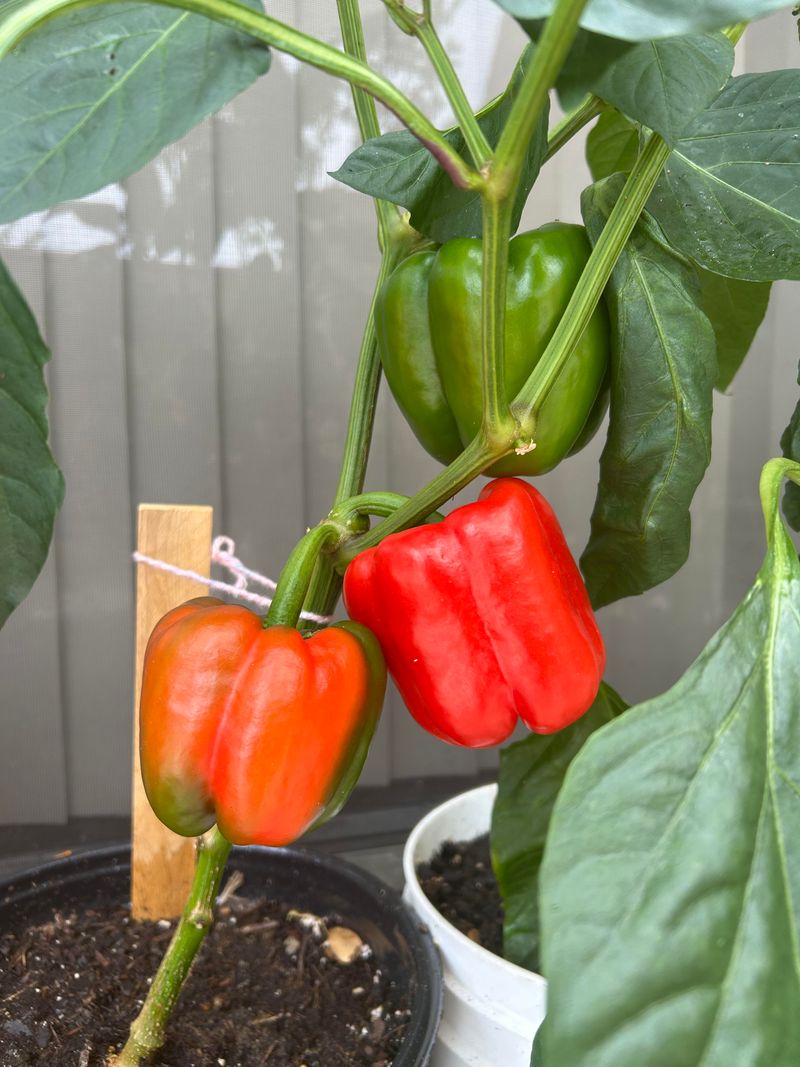
Hitting the sweet spot in Central Florida gardens when planted in March, pepper plants benefit from warming soil while still getting established before the intense summer heat arrives. Whether you prefer sweet bell peppers or spicy hot varieties, March planting gives these productive plants the perfect start.
Transplant pepper seedlings rather than starting from seed for faster results and stronger plants. Space transplants about eighteen inches apart in well-amended soil with excellent drainage.
Central Florida’s sandy soils work well for peppers when enriched with compost or organic matter to improve nutrient retention.
Peppers grow slowly initially but accelerate once temperatures consistently reach the 80s. Stake plants early to support them as they grow and begin bearing fruit.
The plants will flower prolifically in spring conditions, with small peppers forming beneath spent blooms.
Water consistently and deeply to prevent blossom drop, which can occur during brief dry spells. Mulch around plants to maintain even soil moisture in Central Florida’s variable spring weather.
Peppers planted in March typically begin producing from late May into summer as temperatures continue to warm.Harvest bell peppers when they reach full size regardless of color, or wait for them to ripen to red, yellow, or orange for sweeter flavor and higher nutritional content.
6. Low Maintenance Bunching Onions
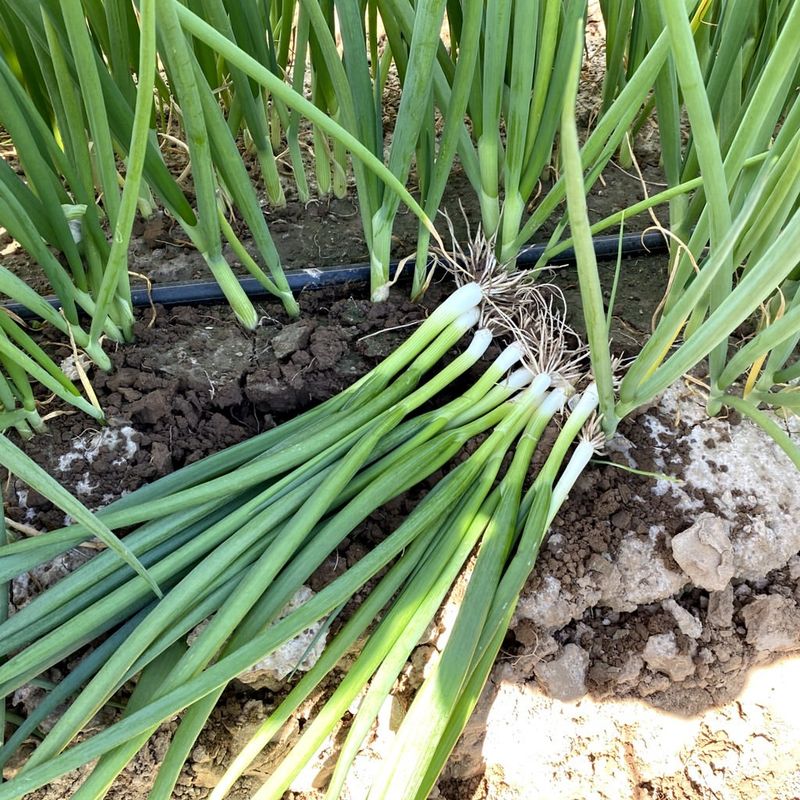
Also called scallions or green onions, bunching onions make excellent March plantings in Central Florida gardens. Unlike bulbing onions that form large underground bulbs, they produce clusters of slender stalks perfect for harvesting as needed.
They tolerate Central Florida’s warming spring temperatures better than many cool season crops.
Plant bunching onion sets or transplants about two inches apart in rows, placing them slightly deeper than they were growing previously. They establish quickly in March conditions and begin producing harvestable tops within weeks.
Bunching onions appreciate consistent moisture, so water regularly during Central Florida’s variable spring weather.
The mild onion flavor intensifies slightly as temperatures warm, but bunching onions rarely become unpleasantly strong like some bulbing varieties can. Harvest by pulling entire plants or cutting tops and leaving roots to regrow.
This cut-and-come-again harvesting method provides continuous supplies of fresh green onions throughout spring.
Bunching onions serve dual purposes in Central Florida gardens, providing both culinary harvests and pest deterrent benefits. Bunching onions are easy to grow alongside other crops, though their main benefit is reliable harvest rather than pest control.
Plant them near lettuce, carrots, or other crops that benefit from companion planting. March-planted bunching onions will produce reliably through May before heat slows growth, giving you months of fresh green onions for salads, stir-fries, and garnishes.
7. Fading Season Broccoli
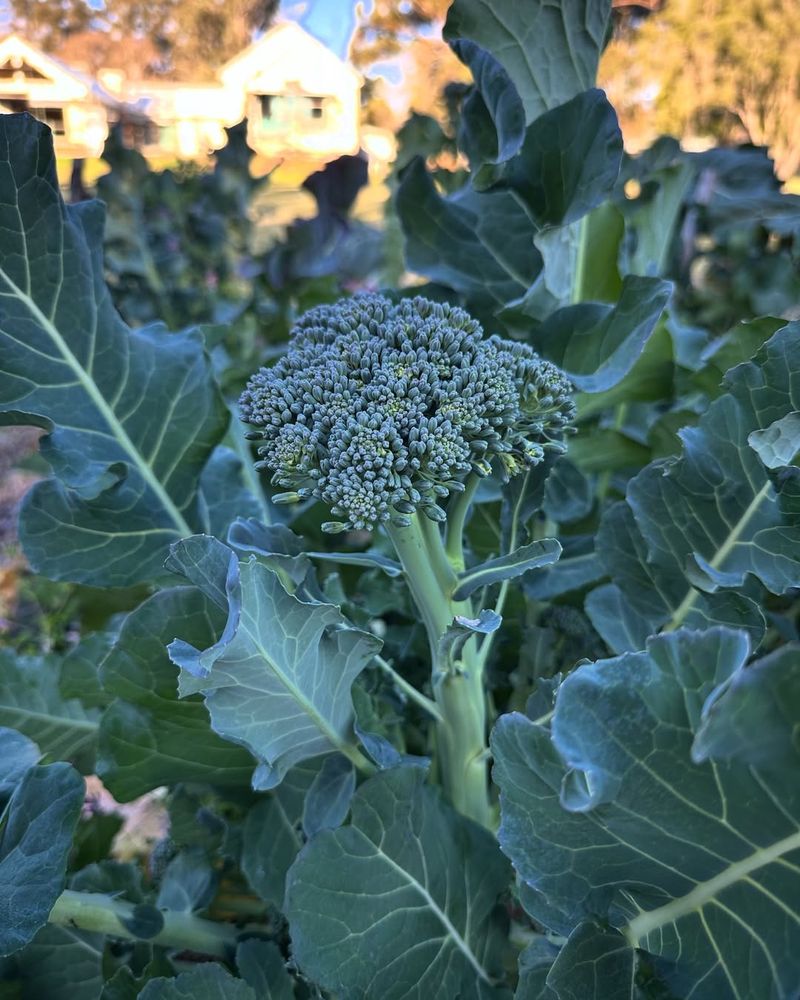
Definitely belonging on the avoid list for March planting in Central Florida, broccoli struggles as temperatures begin to rise. This popular cool season vegetable needs consistently cool conditions to form tight, flavorful heads.
March weather often triggers rapid bolting, leading to loose, bitter florets and flowering stalks instead of the compact heads gardeners expect.
The ideal temperature range for broccoli falls between 60 and 70 degrees, conditions that Central Florida experiences primarily during winter months. By March, daytime temperatures regularly climb into the 80s, far too warm for quality broccoli production.
The plants respond to heat stress by rushing to complete their life cycle through flowering.
Even if you planted broccoli earlier and it’s still growing in March, rising temperatures will likely ruin developing heads. The florets separate and turn yellow as flower buds open prematurely.
The texture becomes tough and the flavor increasingly bitter as temperatures rise, making the harvest disappointing even when heads partially form.
Central Florida gardeners should plant broccoli between October and January instead, giving plants the extended cool period they need for proper development. Fall-planted broccoli matures during winter months, producing beautiful, tight heads with sweet, mild flavor.
Attempting March planting wastes time, garden space, and resources on a crop destined to fail in warming conditions.
8. Heat Sensitive Cauliflower
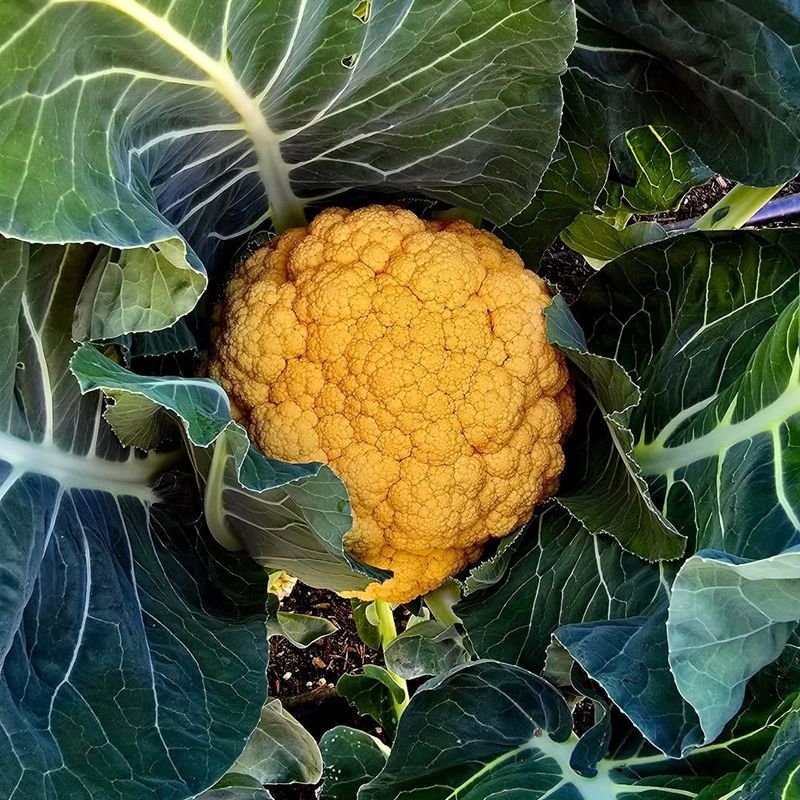
Some vegetables struggle to keep up once Central Florida shifts into warmer spring weather, and cauliflower is one of the first to show it. This crop depends on steady, cool conditions throughout its growing period, which become harder to maintain as March moves forward.
These plants generally perform best between 60 and 65 degrees, a relatively narrow range that becomes less consistent during this time. As temperatures fluctuate or climb, they may produce loose or uneven heads, and in some cases, development may be limited or delayed.
Because this type of crop takes longer to mature, often around 70 to 100 days, planting in March means it continues developing into late spring, when temperatures trend warmer. These conditions can affect both texture and flavor, sometimes leading to softer heads or less desirable results.
Careful watering, soil preparation, and variety selection can help improve outcomes, but timing still plays a major role in overall success. Warmer conditions also tend to increase pest pressure, which can further complicate growth and reduce overall plant vigor.
For more reliable harvests, many Central Florida gardeners choose to plant cauliflower in autumn. Crops started in October have a better chance of developing during cooler months, when conditions naturally align with the plant’s preferences.
9. Bolting Prone Cabbage
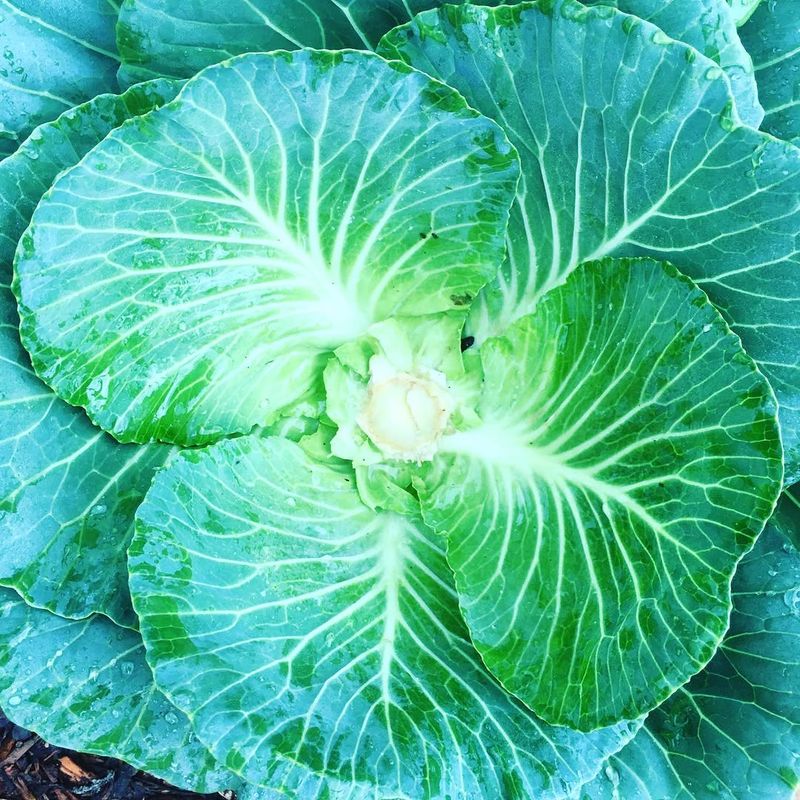
While it is somewhat more adaptable than cauliflower, cabbage still performs best under cooler conditions. Even slight increases in daytime temperatures can influence how steadily the plant develops, especially during early growth stages.
Plants started in March may establish well at first, but as temperatures rise, they often shift energy away from forming dense heads. Instead, growth may become loose or uneven, with leaves that are tougher and less tender than expected.
Cabbage typically requires 70 to 90 days to mature, which places its development into late spring if planted in March. During this time, Central Florida temperatures are already increasing, which can affect both head formation and overall quality.
Although some gardeners may still experiment with late planting, results are often less consistent compared to crops grown during cooler months. Environmental stress can also increase susceptibility to pests, making management more demanding.
For stronger results, planting cabbage in early autumn allows it to mature during winter, when temperatures remain more stable. Under those conditions, cabbage is more likely to form firm, well-developed heads with a milder flavor and better texture.
10. Short Lived Lettuce
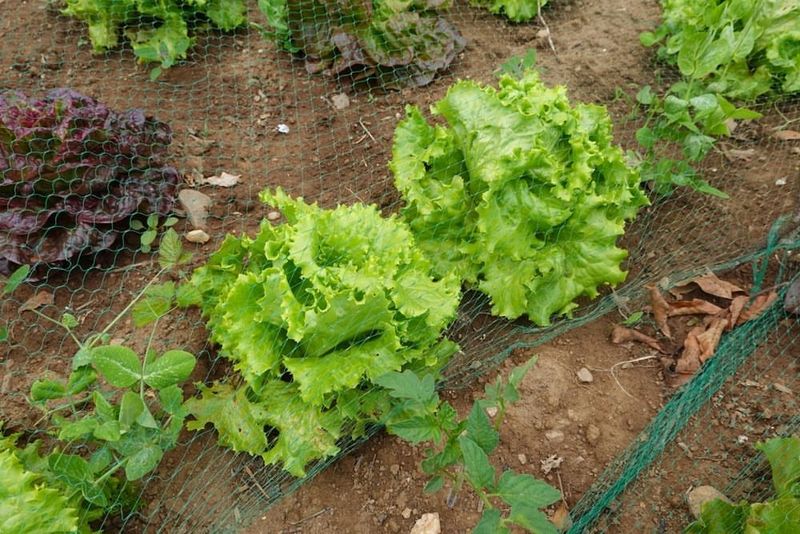
This leafy green prefers cooler temperatures and shorter days, conditions that gradually fade as spring moves forward. Consistent cool weather plays a key role in keeping growth steady and leaves tender, especially during early development stages when plants are most sensitive.
As daytime temperatures rise, lettuce plants often begin to shift their focus from leaf production to flowering. This process, known as bolting, can happen more quickly when temperatures regularly exceed 75 degrees.
When this transition begins, the leaves may develop a noticeably stronger or more bitter flavor. Texture can also change, becoming less crisp and more fibrous compared to lettuce grown under cooler conditions.
March weather in Central Florida often includes warm afternoons, even if mornings remain mild. These temperature swings can accelerate changes in plant growth, making it harder to maintain consistent quality and harvest timing.
While it is still possible to grow lettuce early in the month, the window is relatively short. For more dependable results, many gardeners choose to plant lettuce between October and February, when cooler temperatures support steady leaf production and better flavor.
11. Quick To Bolt Spinach
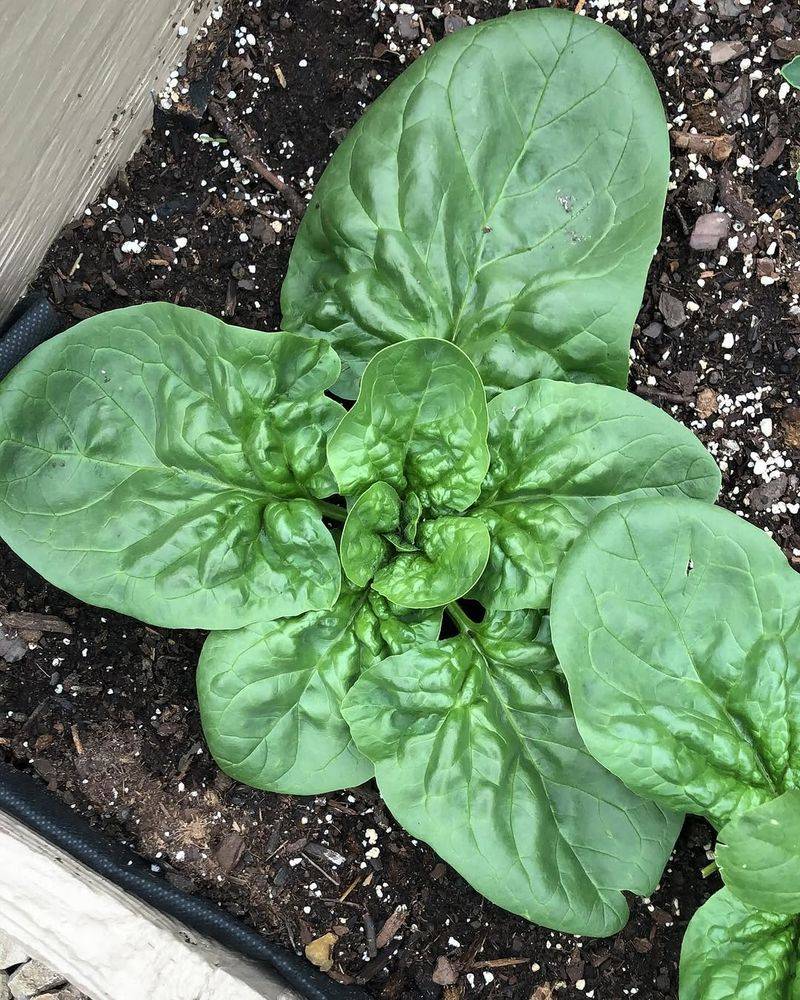
Well known for its preference for cool growing conditions, spinach can be tricky to plant in Central Florida during March. As temperatures begin to climb and daylight hours increase, the plant naturally moves toward flowering.
Under warmer conditions, spinach may transition more quickly than expected, reducing the amount of time available for harvesting tender leaves. This shift can lead to leaves that are more robust in texture and slightly stronger in flavour.
Spinach responds to both temperature and day length, so the combination of warmer days and longer sunlight hours in March can influence how it develops. Even when germination is successful, growth may not remain in the leafy stage for long.
In addition to these changes, warmer weather can also attract pests that tend to target leafy greens, adding another layer of challenge during this time of year.
For gardeners aiming for consistent results, planting spinach in cooler months often leads to a more extended harvest period. Crops grown between late autumn and winter typically produce softer, milder leaves that are well suited for fresh use or light cooking.