10 Venomous Creatures Florida Residents Need To Recognize Around Their Homes
I’ll never forget the first time I spotted a small, shiny snake slithering near my Florida patio. My heart skipped a beat.
Florida is home to more than its share of venomous creatures, and many residents are surprised by just how close they can get to homes and yards. From snakes to spiders and beyond, these animals can pose serious risks if not recognized and treated with caution.
Being able to identify venomous species is more than just a safety measure, it can protect your family, pets, and neighbors from painful or even dangerous encounters. Knowing where they hide, how to avoid them, and when to call for help makes all the difference.
Recognizing these creatures before it’s too late is the key to keeping your Florida home safe without letting fear take over.
1. Eastern Diamondback Rattlesnake
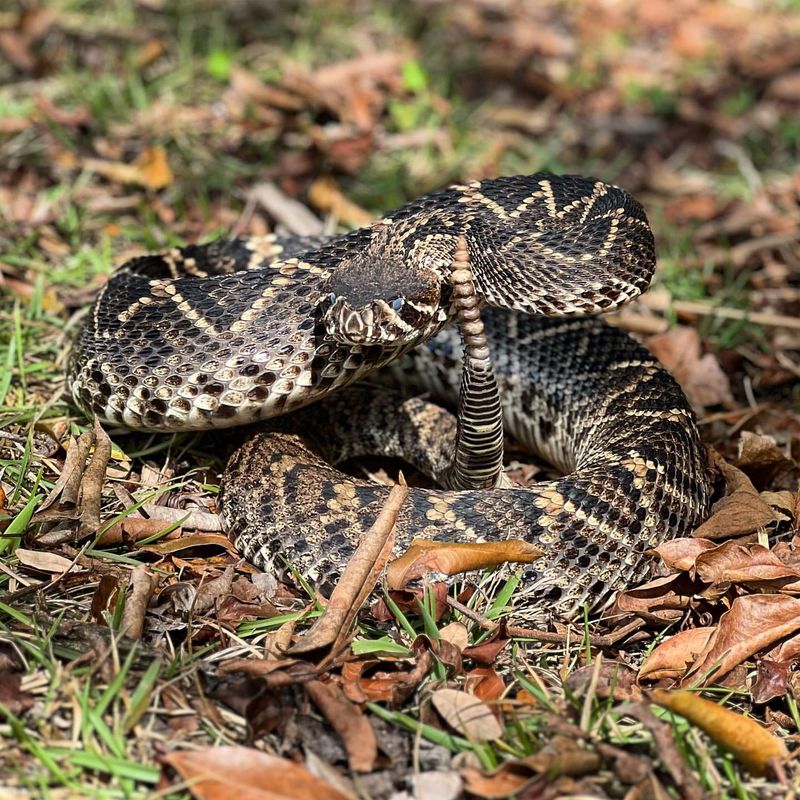
The Eastern Diamondback Rattlesnake is North America’s largest venomous snake, and Florida’s warm pine forests, palmetto thickets, and scrublands provide perfect habitat for these formidable pit vipers.
They can grow up to eight feet long, with distinctive diamond-shaped patterns that camouflage them among leaf litter and forest undergrowth.
Their venom is hemotoxic, capable of destroying tissue and preventing blood from clotting, making bites a medical emergency. When threatened, the rattlesnake gives its iconic rattle warning before striking, a sound every hiker and yard worker in Florida should respect.
Always remain vigilant when walking trails, clearing brush, or working in overgrown garden areas. Closed shoes and gloves are essential when exploring these habitats.
These snakes rarely attack unless provoked, so observing them from a safe distance is the best practice. Learning to recognize their patterns and habitat can prevent accidental encounters.
For homeowners, trimming overgrown brush and keeping lawns maintained reduces the likelihood of rattlesnake visits near residential areas.
Despite their danger, Eastern Diamondbacks play a critical role in controlling rodent populations, and coexistence with caution is key for anyone enjoying Florida’s outdoors.
2. Southern Black Widow Spider
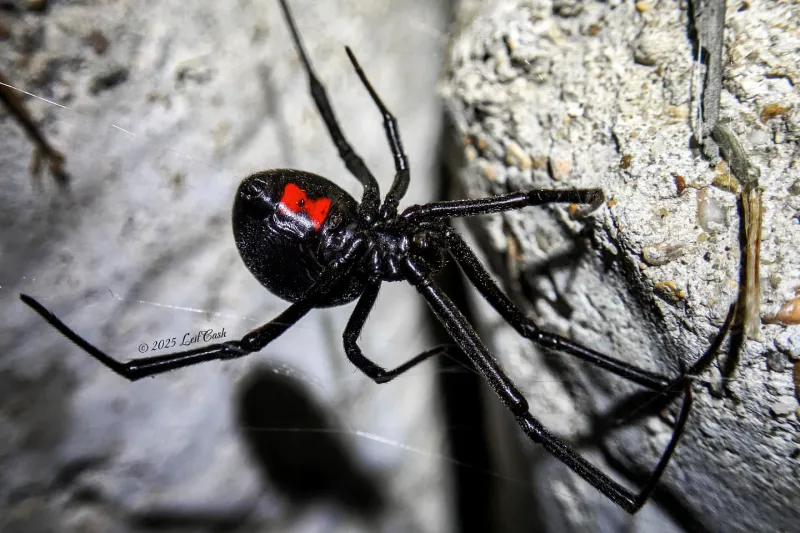
Southern Black Widow spiders are glossy black arachnids that inhabit woodpiles, sheds, and undisturbed corners of Florida homes.
Females are easily identified by the red hourglass marking on their underside, a clear warning sign of their potent neurotoxic venom.
Their bite can cause severe pain, muscle cramps, and in rare cases, systemic symptoms requiring urgent medical attention. Despite their reputation, black widows are reclusive and rarely aggressive unless provoked.
They prefer dark, secluded areas and often go unnoticed. Homeowners should routinely inspect storage spaces, shaking out shoes, garden gloves, or camping gear that may harbor hidden spiders.
Maintaining a tidy yard, sealing cracks, and keeping firewood elevated off the ground reduces hiding spots and minimizes risk. In Florida’s humid climate, these spiders thrive year-round, so vigilance is important throughout the seasons.
Black widows also play an ecological role by controlling populations of flies, mosquitoes, and other small insects. Observing them safely from a distance allows you to appreciate their value while protecting yourself and your family.
Education and prevention are far more effective than panic or unnecessary eradication, ensuring a safer coexistence in your Florida backyard.
3. Florida Cottonmouth (Water Moccasin)
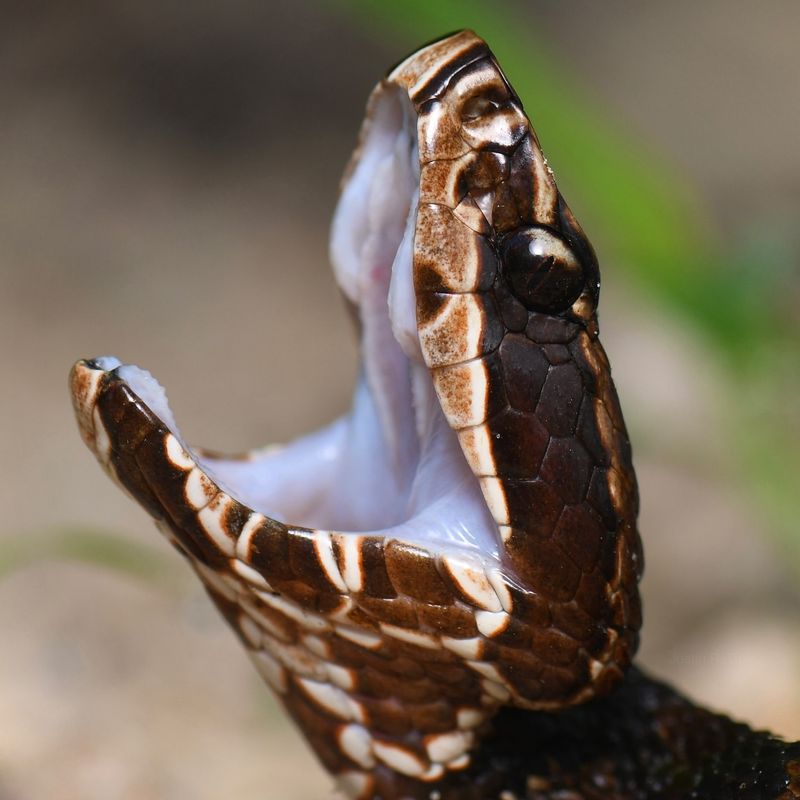
The Florida Cottonmouth, also known as the water moccasin, is a venomous aquatic snake commonly found in freshwater habitats such as swamps, marshes, rivers, and lake edges throughout Florida.
Easily distinguished from harmless water snakes by their vertical pupils and thick, heavy bodies, cottonmouths exhibit a classic defensive display by opening their mouths wide to reveal a bright white interior.
This behavior serves as a warning to would-be threats, signaling that they are ready to defend themselves. Unlike non-venomous water snakes, cottonmouths should never be handled, approached, or relocated by untrained individuals.
Wading barefoot in murky waters is especially risky, as these snakes often remain partially submerged and camouflaged. Florida homeowners near ponds or wetlands are advised to maintain clear shorelines and keep children and pets at a safe distance.
While their venom is potent, bites are rarely fatal if treated promptly. Educating family members about identification, respecting their space, and seeking professional wildlife assistance when necessary ensures safe coexistence.
Cottonmouths also serve a critical ecological role, controlling fish, amphibian, and small rodent populations, maintaining balance in Florida’s freshwater ecosystems.
4. Portuguese Man-of-War
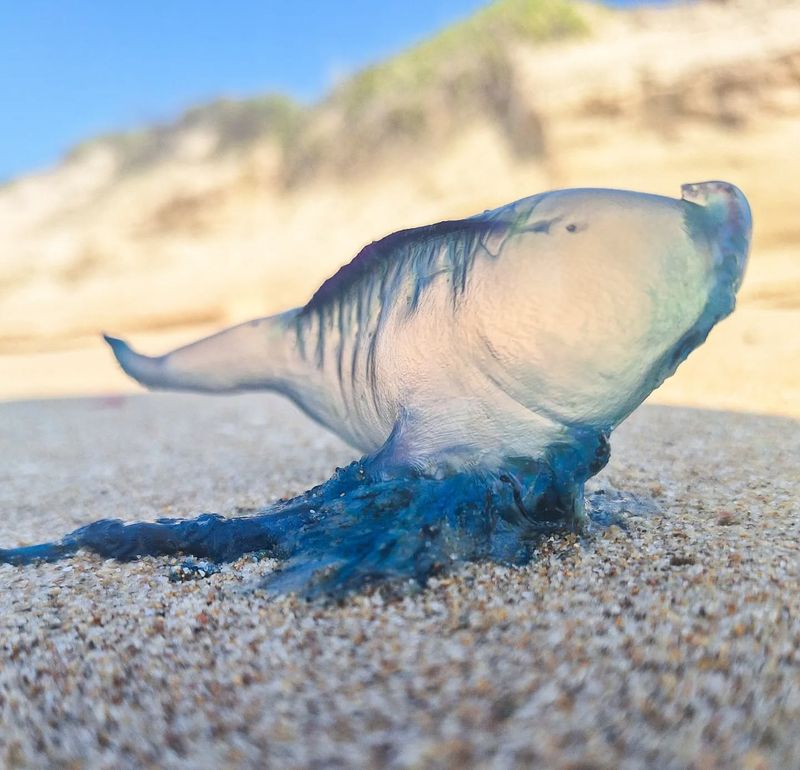
Often mistaken for a jellyfish, the Portuguese Man-of-War is a colonial marine organism commonly found floating along Florida’s Atlantic beaches.
Its striking blue-purple air sac allows it to ride wind and currents, while long, thin tentacles dangle below, capable of delivering painful stings even after the organism has washed ashore.
Tentacles can extend up to 100 feet, containing thousands of specialized stinging cells called nematocysts that inject venom, causing intense pain, welts, and in some cases, systemic reactions including fever, shock, and breathing difficulties.
Beachgoers are advised to heed warning flags and avoid touching any of these creatures, dead or alive.
For first aid, immersing the sting area in hot water can neutralize heat-sensitive toxins, and seeking medical attention is recommended for severe reactions.
Despite their danger to humans, Portuguese Man-of-War play an important ecological role, preying on small fish and plankton while supporting larger predators like loggerhead turtles.
Coastal homeowners and recreational swimmers should educate themselves on identification and safety, ensuring a safe and enjoyable time along Florida’s shores while respecting this fascinating and venomous marine species.
5. Coral Snake
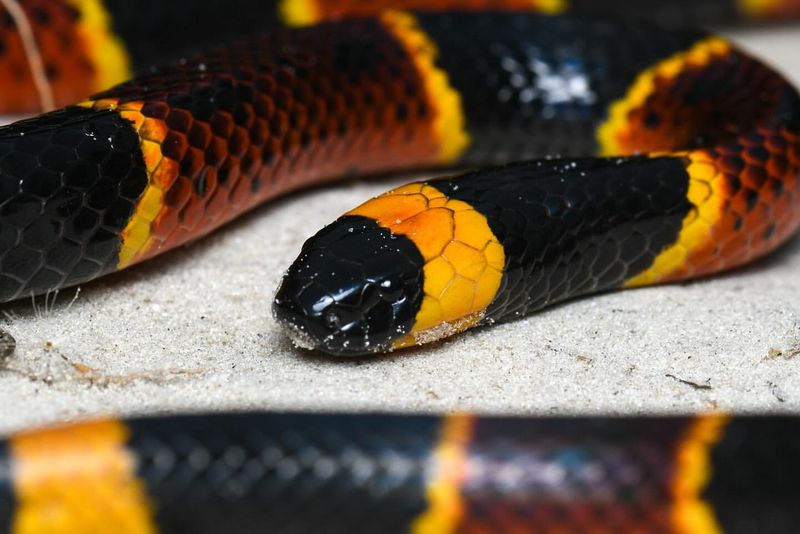
Florida’s coral snakes are small, brightly colored elapids recognized by their striking red, yellow, and black bands. Remember the rhyme, “Red touch yellow, kill a fellow,” to distinguish them from harmless mimics like scarlet kingsnakes.
These snakes possess potent neurotoxic venom that can cause severe systemic symptoms including paralysis if untreated.
Despite their toxicity, coral snakes are extremely shy and rarely bite unless handled, and their small, narrow mouths make venom delivery difficult through clothing.
Florida homeowners should educate children about avoiding snakes in yards, gardens, and wooded areas. Coral snakes often inhabit leaf litter, logs, and underbrush, blending in with their surroundings.
Proper identification is critical, as misidentifying a coral snake can result in dangerous encounters or unnecessary killing of harmless species. Medical treatment should be sought immediately if bitten.
Observing coral snakes from a safe distance ensures both personal safety and conservation, as they play a vital role in controlling small rodent and insect populations, contributing to Florida’s complex ecological balance.
Understanding their behavior, habitat, and appearance is key for safe coexistence in both suburban and rural Florida landscapes.
6. Brown Recluse Spider
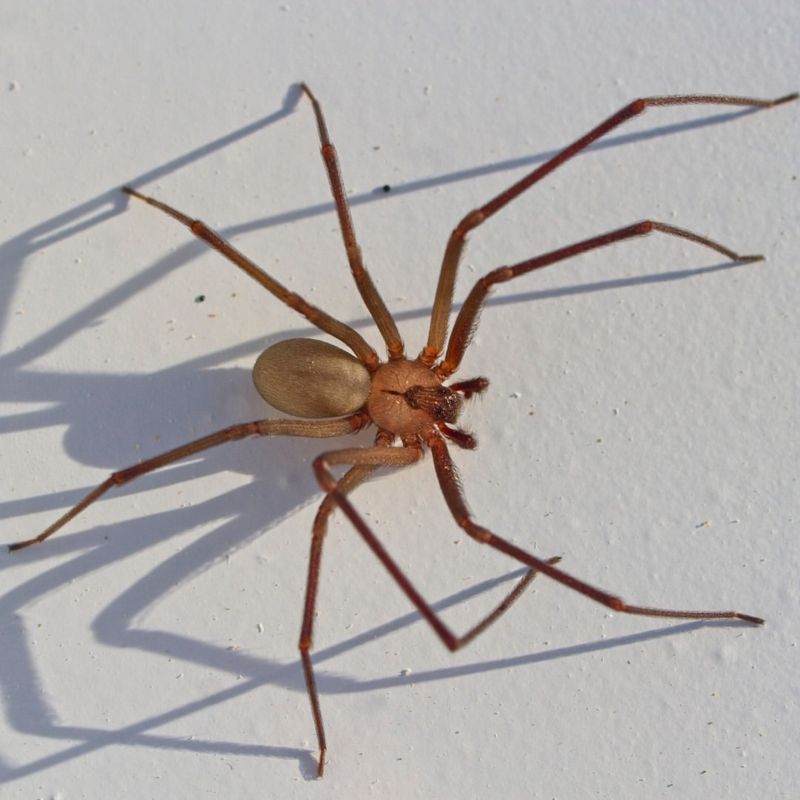
Brown recluse spiders are secretive arachnids occasionally found in Florida homes, especially in storage areas, garages, and rarely disturbed closets.
They are easily identified by the violin-shaped marking on their backs, earning them the nickname “fiddle-back spiders.” Though bites are rare, their cytotoxic venom can cause painful lesions that develop slowly into ulcers requiring medical care.
Most Florida encounters occur when homeowners move boxes, clothing, or seasonal items that have been undisturbed for months. Prevention focuses on reducing hiding places by decluttering, sealing cracks, and storing items in plastic containers with tight-fitting lids.
Unlike black widows, brown recluse spiders are non-aggressive and generally bite only when pressed against skin. Medical evaluation is important for suspected bites, as treatment improves healing outcomes.
Despite their fearsome reputation, they are part of Florida’s ecosystem, feeding on insects and helping control minor pest populations.
Homeowners who take precautionary measures while respecting these creatures can coexist safely, reducing the need for indiscriminate pesticide use and maintaining the natural ecological balance in and around residential areas.
7. Fire Coral
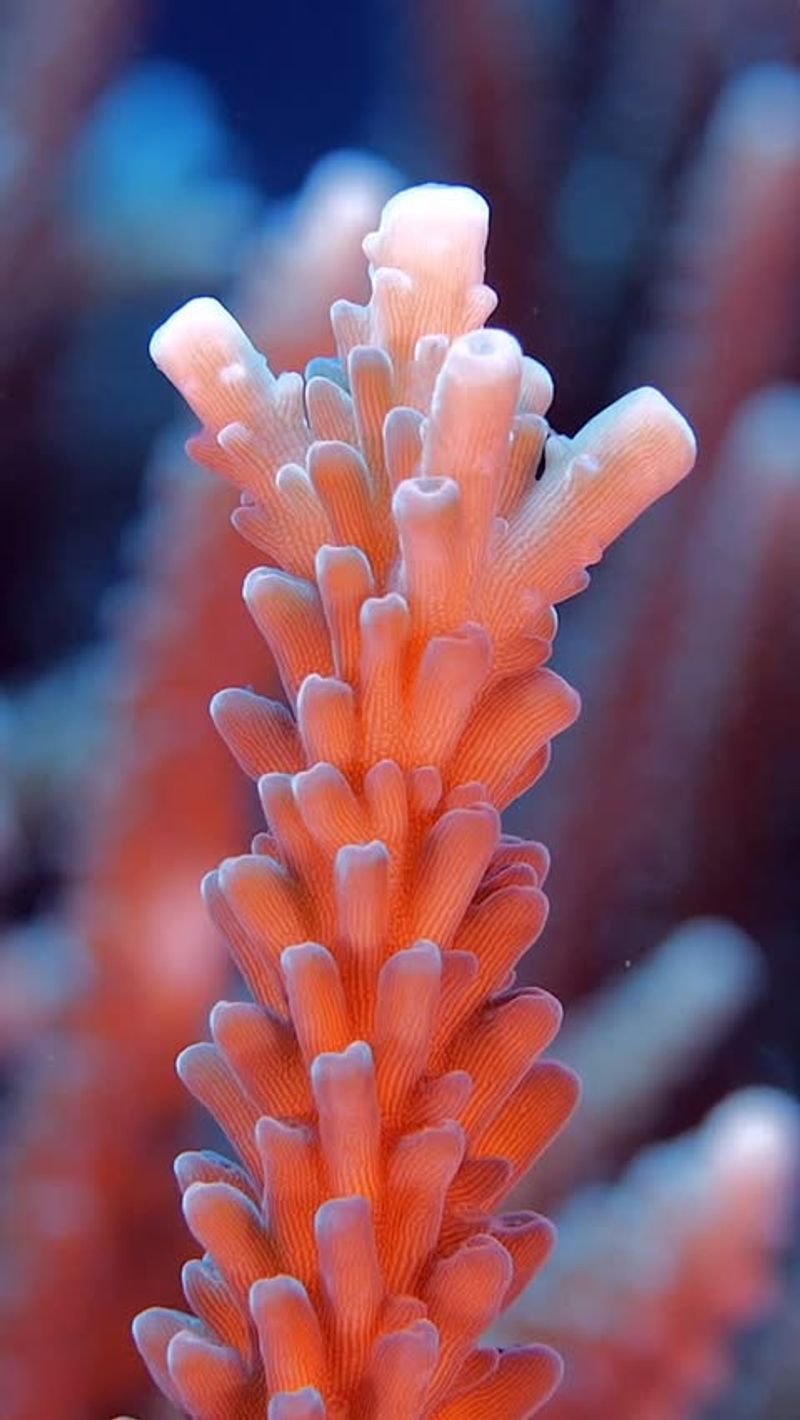
Fire coral, a misnamed but dangerous marine hydrozoan, grows along Florida’s reefs and shallow coastal waters.
Its yellow-green, brownish, or orange branching structures resemble coral but contain specialized stinging cells capable of delivering intense pain, rash, and even nausea to unwary swimmers and divers.
Contact with fire coral feels like brushing against fiberglass, often leaving raised welts that may blister. Unlike true corals, fire coral grows rapidly and can form dense colonies along reef flats and submerged rocks.
Florida divers and snorkelers are advised to wear full wetsuits or gloves to avoid stings. Immediate first aid includes rinsing the area with seawater, avoiding freshwater, and immersing the sting in hot water to deactivate heat-sensitive toxins.
Although painful to humans, fire coral serves an important ecological function, providing habitat and protection for small fish, invertebrates, and other reef organisms.
Educating swimmers, especially children, and respecting marked marine areas ensures both personal safety and the preservation of Florida’s delicate coastal ecosystems.
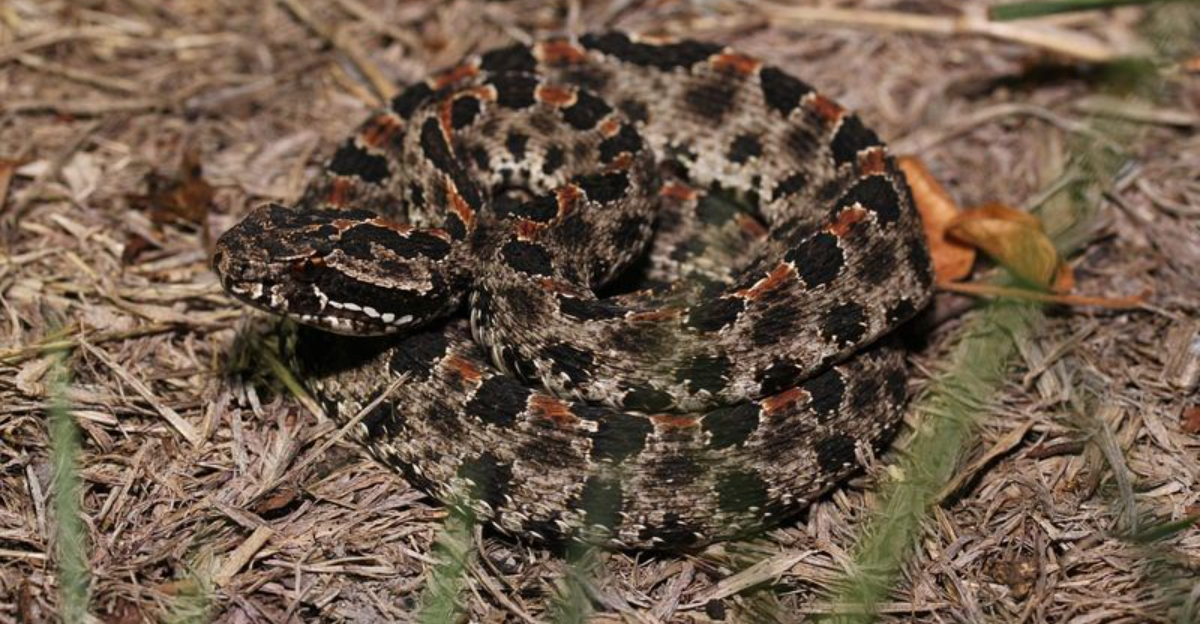
8. Pygmy Rattlesnake
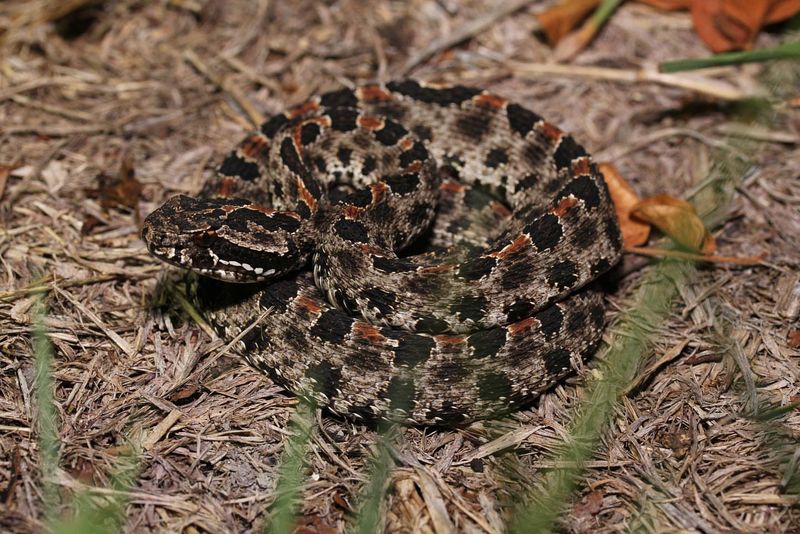
Don’t let the name fool you – pygmy rattlesnakes are small but dangerous snakes found throughout Florida’s pine flatwoods, wet prairies, and forest edges.
Rarely exceeding two feet in length, these venomous pit vipers possess hemotoxic venom comparable to larger rattlesnake species, capable of causing intense pain, swelling, and tissue damage.
Their tiny rattles produce a soft buzzing sound, often mistaken for insects, and their gray bodies with dark blotches and a reddish stripe along the back make them difficult to spot in leaf litter.
Pygmy rattlesnakes are shy and typically retreat when approached, but accidental encounters can happen while hiking, gardening, or exploring wetlands.
Florida homeowners should wear protective boots when working in natural areas and teach children to avoid handling any snake.
Despite their small size, their ecological role is significant: they control populations of small rodents, amphibians, and insects, maintaining balance in Florida’s ecosystems.
Observing these snakes from a safe distance respects both personal safety and wildlife preservation, ensuring coexistence without unnecessary harm to these native predators.
Proper education about identification and habitat can prevent bites and reduce fear while appreciating their ecological importance.
9. Yellow Stingray
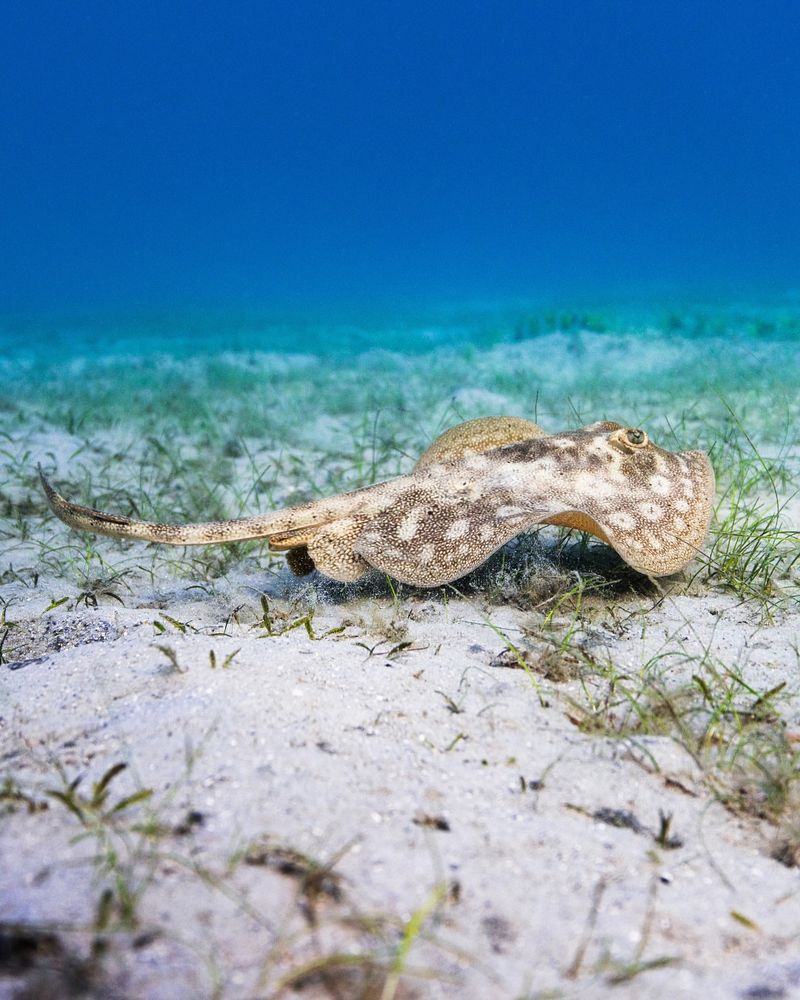
Yellow stingrays inhabit shallow coastal waters, estuaries, and sandy bottoms along Florida’s Gulf and Atlantic coasts. Their flattened, yellow-brown bodies blend seamlessly with the sand, making them nearly invisible to waders and swimmers.
Though generally non-aggressive, they defend themselves with a serrated, venomous barb on their tail that can deliver intense pain, swelling, and localized tissue damage if stepped on.
The best method to avoid injury is to shuffle feet through shallow water rather than lifting them, alerting stingrays to your presence and giving them time to retreat.
Hot water immersion is recommended for immediate first aid, as heat neutralizes the venom, and medical attention should be sought for severe or deep stings.
Yellow stingrays play a crucial ecological role, preying on small crustaceans and fish while serving as prey for larger predators such as sharks and loggerhead turtles.
Coastal residents and recreational visitors should always stay vigilant, respecting wildlife and understanding these animals’ natural behavior. By observing them safely, humans can enjoy Florida’s waters while minimizing risk and preserving fragile coastal ecosystems.
10. Gulf Coast Tick
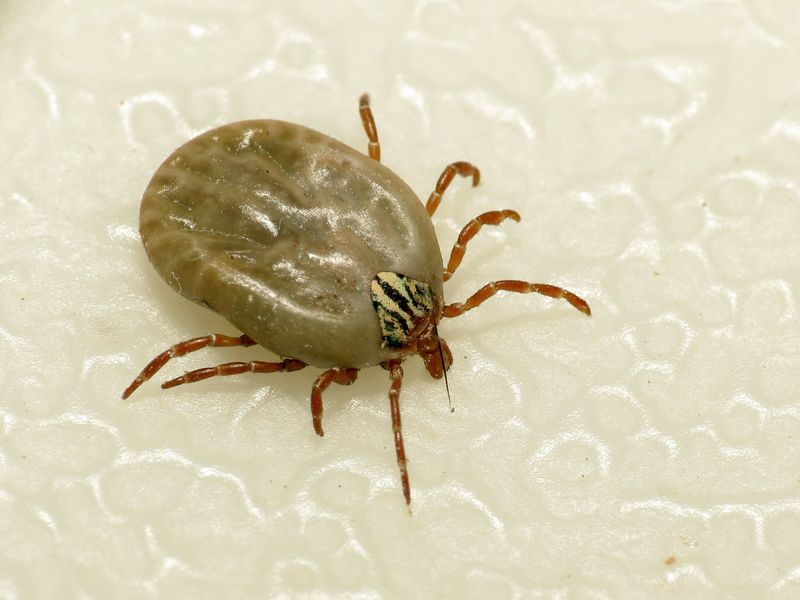
The Gulf Coast tick is a parasitic arachnid widespread in Florida’s coastal plains, marshes, and tall grasses. These blood-feeding ticks attach to mammals, including humans, dogs, and livestock, sometimes going unnoticed for days.
Their bites can transmit diseases such as Rocky Mountain spotted fever and even cause a condition called tick paralysis, where venom temporarily immobilizes muscles near the bite site.
Gulf Coast ticks are identifiable by their reddish-brown bodies and silvery-white patterns, and they are particularly abundant in Florida’s humid coastal counties.
Homeowners and outdoor enthusiasts should wear protective clothing, use insect repellents containing DEET or permethrin, and perform thorough tick checks after any time spent in grassy or wooded areas.
Removing ticks promptly with fine-tipped tweezers greatly reduces the risk of disease transmission.
Maintaining mowed lawns, clearing brush, and keeping pets treated with approved tick preventatives are critical steps in preventing infestations.
While small, these arachnids pose a significant health risk, and understanding their life cycle and habitat is essential for safe coexistence with Florida’s native wildlife.