Vets Warn Florida Pet Owners About These Surprisingly Toxic Houseplants
Florida homes love houseplants—and pets love exploring them.
Unfortunately, that combination can turn dangerous fast.
Veterinarians across the state continue to see cases of pet poisoning linked to houseplants most owners never suspected were harmful.
Many of these plants are popular because they’re attractive, easy to care for, and widely sold.
What’s missing is awareness.
Cats and dogs don’t know which leaves are off-limits, and even a small bite can cause serious reactions depending on the plant and the pet’s size.
Florida’s indoor-outdoor lifestyle means pets often roam freely, increasing exposure risks.
Knowing which houseplants are toxic isn’t about fear—it’s about prevention.
With the right information, pet owners can keep their homes green without putting furry family members in danger.
A beautiful home should never come at the cost of a trip to the emergency vet.
Lilies That Can Be Deadly For Cats

Your cat might be attracted to the graceful petals of lilies, but these elegant flowers rank among the most dangerous plants you can bring into a home with felines.
Veterinarians emphasize that every single part of true lilies contains substances that can cause rapid and severe organ damage in cats.
Even the pollen that falls on your cat’s fur can become a serious problem when they groom themselves.
Florida pet owners often receive lilies as gifts during holidays or special occasions without realizing the immediate threat they pose to their curious companions.
Within just a few hours of exposure, cats may show signs like excessive drooling, vomiting, or loss of appetite.
The toxins specifically target the kidneys, and without immediate veterinary intervention, the damage can progress rapidly.
Many Florida veterinary clinics report treating cats who simply walked past a lily and brushed against it, then licked their fur.
Easter lilies, tiger lilies, and Asiatic lilies are particularly concerning varieties.
If you receive lilies as a gift and have cats at home, the safest choice is to keep them completely out of your house or give them to a friend without feline companions.
Dogs are less sensitive to lilies than cats, but it’s still wise to keep these plants away from all pets.
Sago Palm That Causes Severe Organ Damage
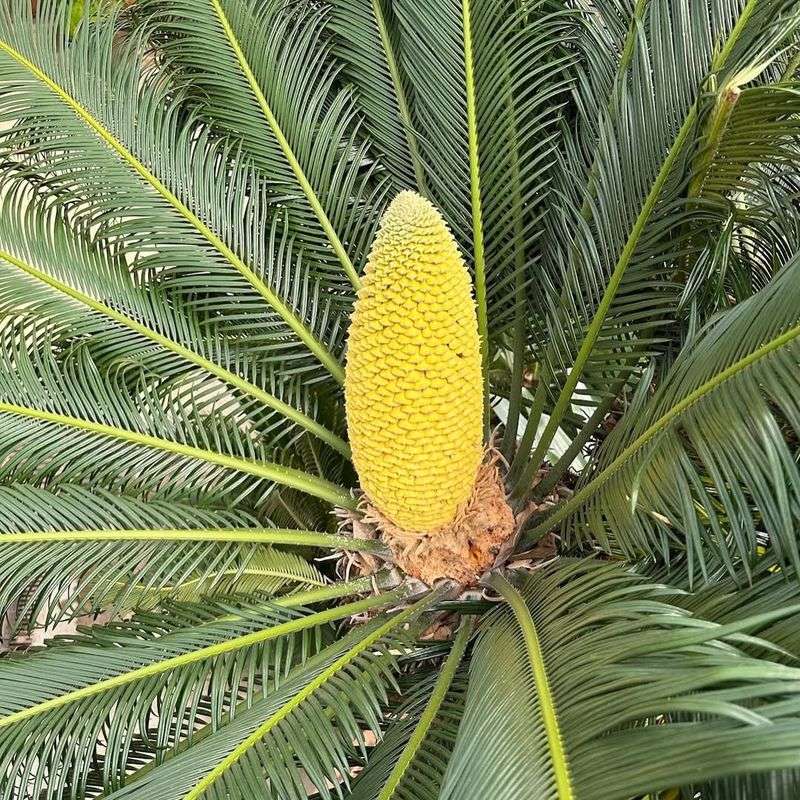
Sago palms are extremely popular in Florida landscapes and homes because they thrive in our warm climate and add a tropical feel to any space.
However, veterinarians consider this plant one of the absolute most dangerous options for households with pets.
Every part of the sago palm contains potent toxins, with the seeds being especially concentrated with harmful substances.
When dogs or cats chew on any portion of this plant, they can experience severe vomiting, bloody stools, and serious neurological symptoms within hours.
The toxins directly attack the liver, causing damage that can become irreversible if treatment isn’t started immediately.
Florida veterinarians frequently see emergency cases involving sago palms because the plants are so common in both indoor and outdoor settings throughout the state.
Puppies and young dogs are particularly at risk because they explore their environment by chewing on things.
Even a small amount of plant material can cause significant problems, so there’s really no safe way to keep sago palms around curious pets.
Symptoms can include weakness, seizures, and abnormal fluid accumulation in the abdomen.
If you already have a sago palm, consider replacing it with a pet-safe alternative or placing it in an area where your animals absolutely cannot access it.
Aloe Vera That Can Make Pets Seriously Ill
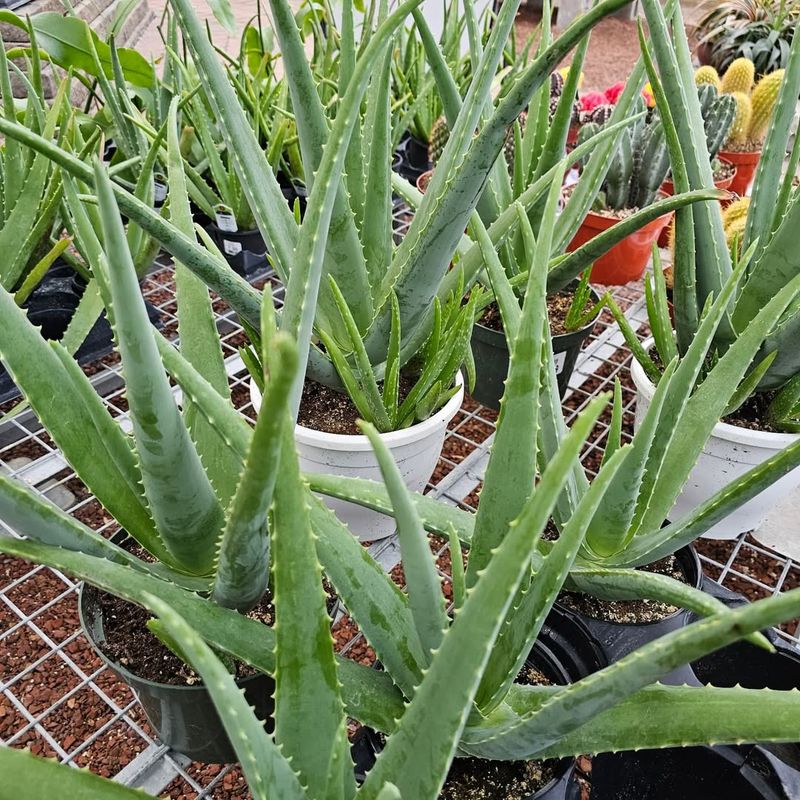
Most people know aloe vera for its soothing properties on sunburns and skin irritations, which makes it a staple in many Florida homes.
What surprises pet owners is that this healing plant for humans can actually cause significant discomfort and illness in cats and dogs.
The gel inside aloe leaves contains compounds that irritate the digestive system of pets when ingested.
Veterinarians across Florida regularly treat pets who have chewed on aloe plants and developed symptoms like vomiting, diarrhea, and lethargy.
The outer leaf contains latex, which is particularly problematic and can cause more severe reactions than the inner gel.
Cats seem especially drawn to the texture of aloe leaves, perhaps because of their thick, chewy consistency.
Dogs might knock over aloe plants while playing and then investigate the broken leaves with their mouths.
Symptoms typically appear within a few hours of ingestion and can include changes in urine color, tremors, and obvious abdominal discomfort.
While aloe toxicity is generally less severe than some other plants on this list, it still requires veterinary attention to prevent dehydration and ensure proper recovery.
Consider switching to pet-safe alternatives like spider plants or Boston ferns if you want greenery in areas your pets can reach.
Snake Plant That Triggers Digestive Distress
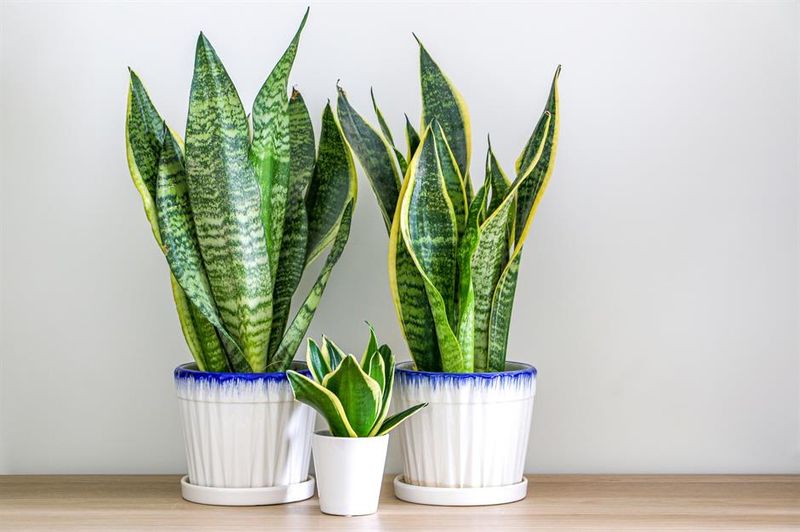
Snake plants have become incredibly trendy in Florida apartments and condos because they tolerate low light and require minimal watering.
Their striking upright leaves with distinctive patterns make them a favorite among plant enthusiasts who want low-maintenance greenery.
Unfortunately, veterinarians warn that these popular plants contain saponins, which are natural compounds that protect the plant but can harm pets.
When cats or dogs chew on snake plant leaves, the saponins cause irritation throughout the digestive tract.
Pets typically show signs like nausea, vomiting, and diarrhea after munching on these plants.
The symptoms are usually not life-threatening but can make your pet quite uncomfortable and may require supportive care from your veterinarian.
Florida pet owners often place snake plants in bedrooms or living areas where pets spend lots of time, increasing the chances of curious nibbling.
Cats might bat at the tall leaves during play, and dogs could investigate them while exploring their environment.
The severity of symptoms depends on how much plant material was consumed and the size of your pet.
Smaller animals tend to show more pronounced reactions to the same amount of plant material.
If you love the look of snake plants, consider hanging them high where pets cannot reach or choosing truly pet-safe alternatives instead.
Pothos That Causes Mouth And Stomach Irritation
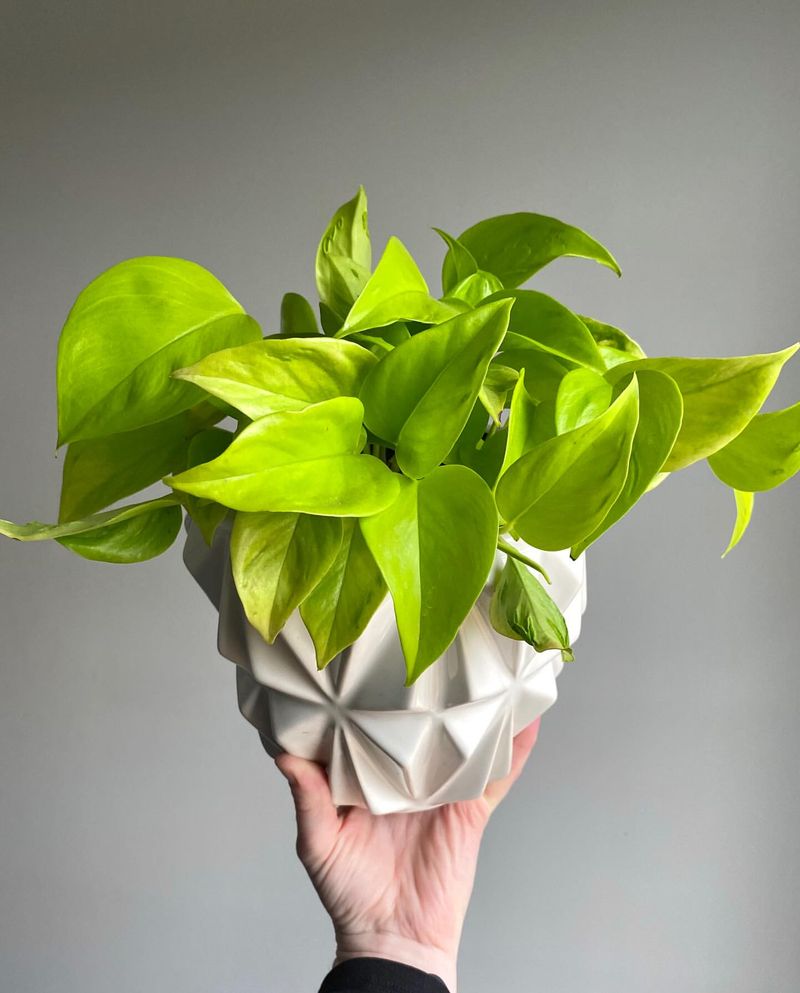
Pothos vines are everywhere in Florida homes because they grow quickly, tolerate various light conditions, and create beautiful cascading displays.
These trailing plants are often placed in hanging baskets or on high shelves, but their long vines eventually dangle within reach of jumping cats and curious dogs.
The leaves contain calcium oxalate crystals that act like tiny needles when chewed, causing immediate and painful irritation.
Veterinarians explain that pets who bite into pothos leaves experience an instant burning sensation in their mouths and throats.
This usually causes them to stop eating the plant quickly, but even a small bite can lead to excessive drooling, pawing at the mouth, and difficulty swallowing.
Cats are particularly vulnerable because they love to play with dangling vines, batting at them and sometimes chewing on the tempting leaves.
Dogs might accidentally ingest pothos while investigating new plants brought into the home.
The irritation can extend to the stomach, causing vomiting and decreased appetite for several hours or even days.
Florida veterinary clinics frequently see cases where pets have irritated, swollen mouths from pothos exposure.
While the symptoms are typically not permanently harmful, they cause significant discomfort and stress for both pets and their owners.
Keep pothos completely out of reach or replace them with pet-friendly trailing plants like spider plants.
ZZ Plant That Is Toxic When Ingested
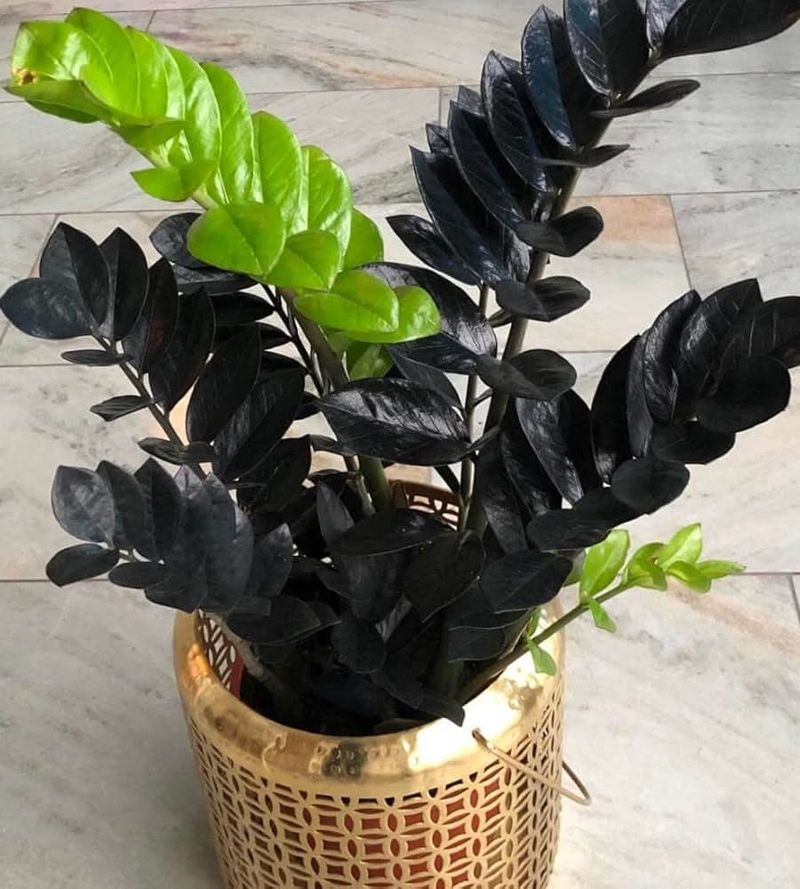
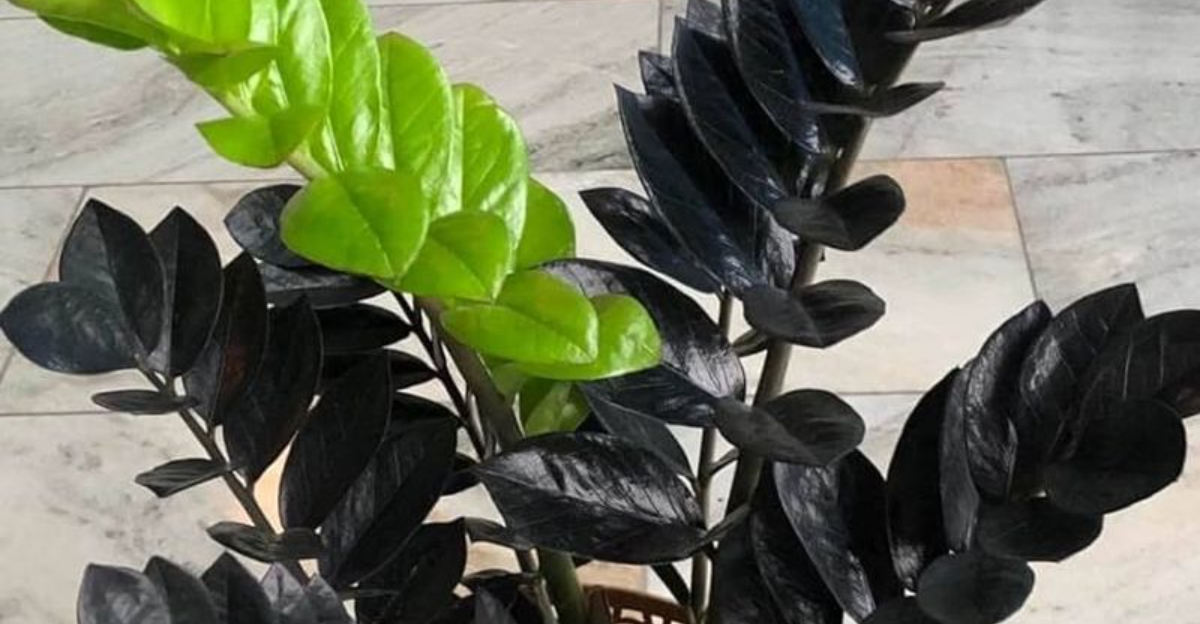
ZZ plants have gained massive popularity in recent years because they survive with minimal care and maintain their glossy, attractive appearance even in challenging conditions.
Florida homeowners love them for their ability to tolerate the indoor air conditioning and occasional neglect.
However, these sturdy plants contain calcium oxalate crystals similar to pothos, which cause painful irritation when pets chew on them.
Veterinarians caution that all parts of the ZZ plant can cause problems, from the shiny leaves to the thick stems and underground rhizomes.
Pets who ingest ZZ plant material typically experience mouth irritation, excessive drooling, and digestive upset.
The symptoms might include vomiting, difficulty swallowing, and visible discomfort around the mouth area.
Cats and dogs might paw at their faces or refuse to eat after chewing on these plants.
The glossy leaves can be particularly tempting to cats who enjoy the smooth texture.
Dogs might knock over ZZ plants and then investigate the exposed roots or broken stems.
Florida veterinarians recommend removing ZZ plants from homes with pets or placing them in rooms that are completely off-limits to animals.
The popularity of these plants means more pets are being exposed to them, leading to increased emergency visits.
If you suspect your pet has chewed on a ZZ plant, contact your veterinarian promptly for guidance on managing symptoms.
Philodendron That Can Swell Mouth And Airways
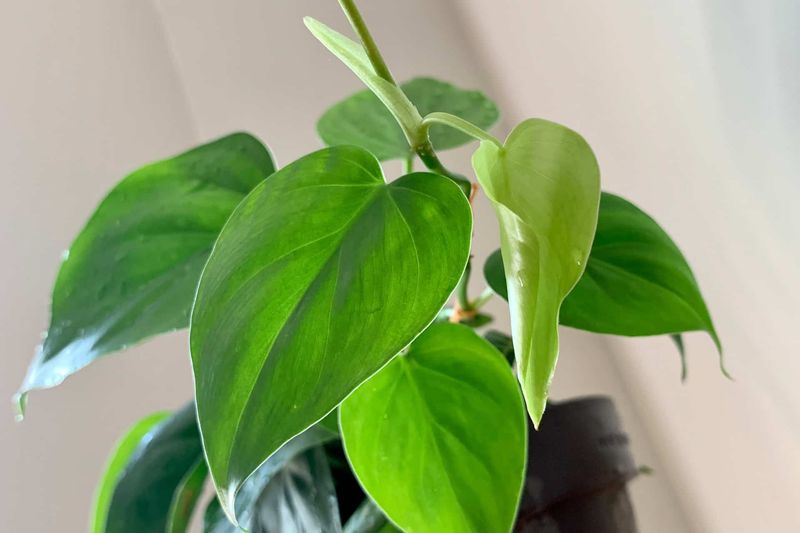
Philodendrons come in countless varieties and are beloved by Florida plant collectors for their lush foliage and easy-growing nature.
These plants adapt well to indoor conditions and can grow quite large, making them statement pieces in many homes.
The problem is that philodendrons contain high levels of calcium oxalate crystals that cause immediate and severe reactions when pets bite into the leaves.
Veterinarians warn that philodendron exposure can lead to rapid swelling of the mouth, tongue, and throat tissues.
This swelling can become serious enough to interfere with breathing in severe cases, especially in smaller pets.
Pets typically show signs of distress right away, including drooling, pawing at their mouths, and obvious discomfort.
The burning sensation caused by the crystals can last for hours and may prevent pets from eating or drinking normally.
In Florida’s smaller apartments and condos, large philodendrons often sit on the floor or low tables where pets can easily reach them.
Cats might chew on the leaves out of boredom or curiosity, while dogs could accidentally ingest them while playing nearby.
Florida veterinary emergency rooms regularly treat pets suffering from philodendron exposure, especially during times when people are adding new plants to their homes.
The best approach is to choose pet-safe plants instead or ensure philodendrons are in spaces your pets never access.
What Florida Pet Owners Should Choose Instead
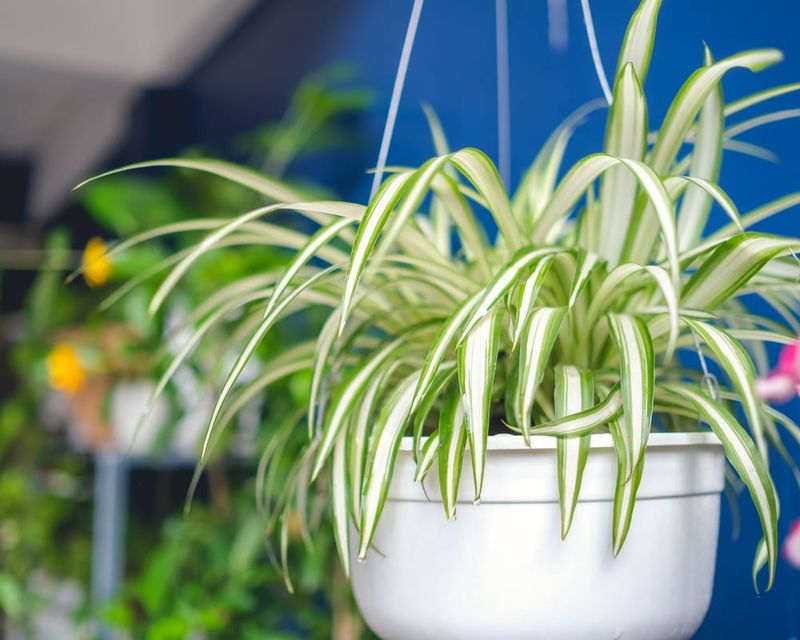
Creating a beautiful, green home while keeping your pets safe is absolutely possible with the right plant choices.
Veterinarians recommend several pet-friendly alternatives that thrive in Florida’s indoor environments without posing risks to curious cats and dogs.
Spider plants are excellent choices because they’re completely safe for pets, easy to grow, and produce charming cascading foliage.
Boston ferns add lush greenery and actually help humidify the air in air-conditioned Florida homes.
Prayer plants offer interesting leaf patterns and movement without any toxicity concerns.
Peperomia varieties come in many colors and textures, providing visual interest while remaining safe around pets.
African violets bring colorful blooms indoors without any danger to your furry companions.
When arranging plants in your Florida home, consider placing even safe varieties on high shelves or in hanging planters to discourage excessive chewing.
If your pet does ingest any plant, even a safe one, contact your veterinarian immediately with information about what was eaten and how much.
Keep your veterinarian’s emergency number and the ASPCA Animal Poison Control number readily available.
Many Florida veterinary clinics can provide guidance over the phone about whether immediate treatment is needed.
By choosing pet-safe plants and staying informed, you can enjoy beautiful indoor greenery while protecting your beloved animals.