10 Vining Indoor Plants That Bring A Tropical Feel To Florida Homes
Indoor spaces in Florida can feel like a blank canvas, and a few well-chosen vining plants can turn them into lush, tropical retreats.
Vines bring movement, texture, and life to corners, shelves, and windowsills, making rooms feel vibrant and inviting.
Their cascading leaves add depth and softness, creating a sense of calm and natural beauty that brightens everyday living spaces.
Tropical vining plants do more than look good.
They soften hard lines, frame furniture, and lead the eye through a room, giving spaces a cohesive, curated feel.
In sunny Florida homes, these plants thrive, growing quickly and filling vertical space with rich green leaves and sometimes delicate blooms.
They create a mini oasis indoors, where humidity, light, and warmth combine to make plants happy and rooms feel alive.
Adding tropical vines is like adding a touch of paradise.
Hardy species tolerate indoor conditions, while dramatic foliage transforms ordinary corners into lively focal points.
For homeowners who want a natural escape without leaving home, vining indoor plants bring the tropics indoors, making every room feel fresh, dynamic, and ready for relaxation or entertaining.
A few well-placed vines turn ordinary living spaces into verdant, tropical havens
1. Pothos
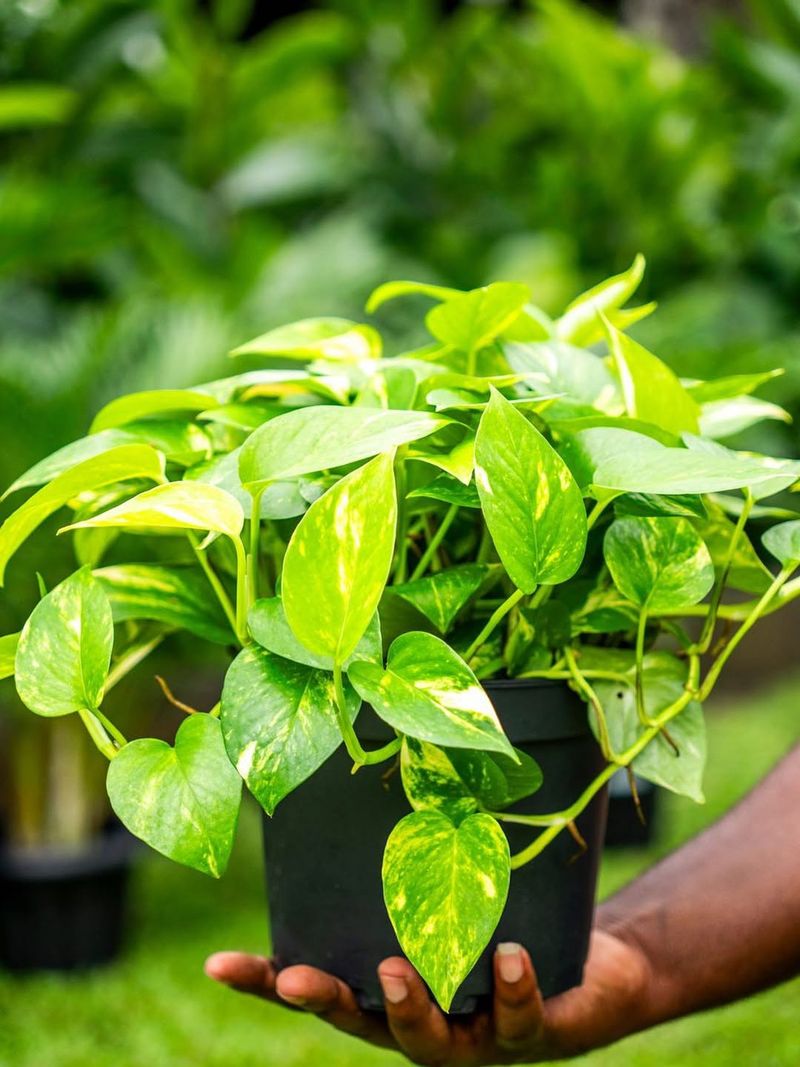
Golden pothos might just be the most forgiving houseplant you’ll ever meet, making it a fantastic choice for beginners and busy plant lovers across Florida.
Its heart-shaped leaves grow on long, trailing vines that can stretch several feet, creating a waterfall effect that looks stunning in any room.
You can place it on a high shelf, hang it in a macrame planter, or let it climb a moss pole for a different look entirely.
This plant tolerates low light better than most, though it will grow faster and show more variegation in brighter spots.
Watering is simple since pothos prefers to dry out slightly between drinks, which works perfectly with Florida’s unpredictable schedules.
The thick, waxy leaves store moisture well, so missing a watering session won’t cause immediate problems.
Pothos is also known for filtering toxins from indoor air, which is a nice bonus for homes in Jacksonville, Fort Lauderdale, or anywhere else in the state.
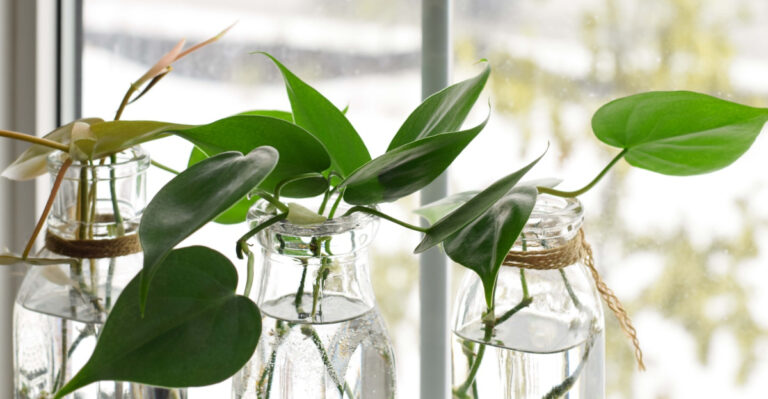
Propagation couldn’t be easier since stem cuttings root quickly in water, letting you create new plants to share with friends or fill more spaces in your home.
Yellow or brown leaves usually mean overwatering, so adjust your routine if you notice this issue.
With minimal care, your pothos will thrive and grow into a lush, tropical statement piece.
2. Philodendron Heartleaf
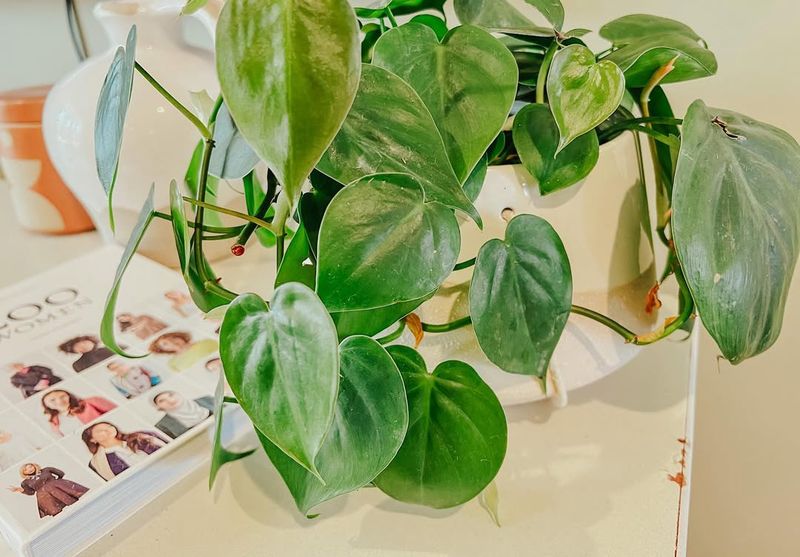
Glossy, deep green leaves shaped like perfect little hearts make the heartleaf philodendron an instant favorite among Florida plant enthusiasts.
This fast-growing vine adapts beautifully to various indoor conditions, from bright indirect light to shadier corners where other plants might struggle.
Its trailing stems can grow impressively long, creating dramatic displays when allowed to cascade from bookshelves or hanging planters.
Native to Central America and the Caribbean, this plant feels right at home in Florida’s naturally humid climate.
It appreciates regular watering but won’t complain if you forget occasionally, since the soil can dry out a bit between waterings.
Misting the leaves or placing the pot on a pebble tray with water can boost humidity levels, though most Florida homes already provide enough moisture in the air.
Heartleaf philodendrons grow quickly during spring and summer, sending out new leaves that unfurl in fascinating ways.
You can train the vines to climb upward using a trellis or let them spill downward for a more relaxed appearance.
Stem cuttings root easily in water or soil, making it simple to expand your collection or share with neighbors in Tampa or Sarasota.
Yellowing leaves often indicate overwatering, while brown tips suggest the air might be too dry or the plant needs more frequent watering.
3. String Of Hearts
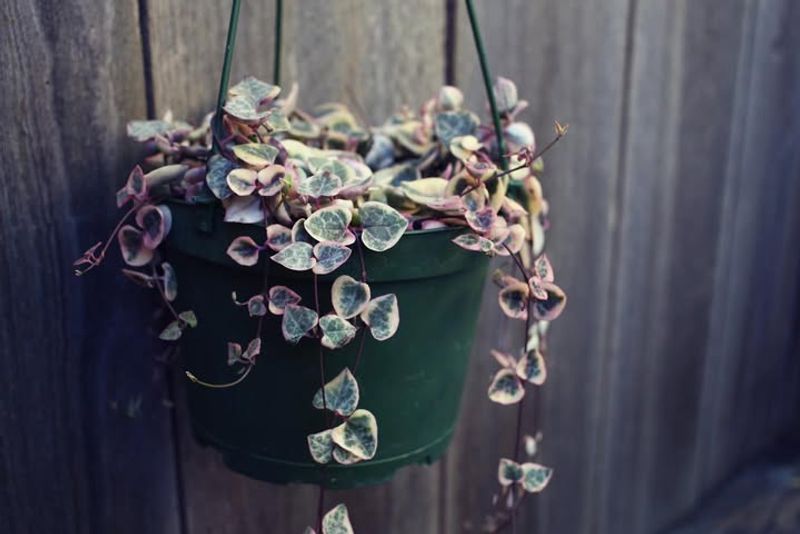
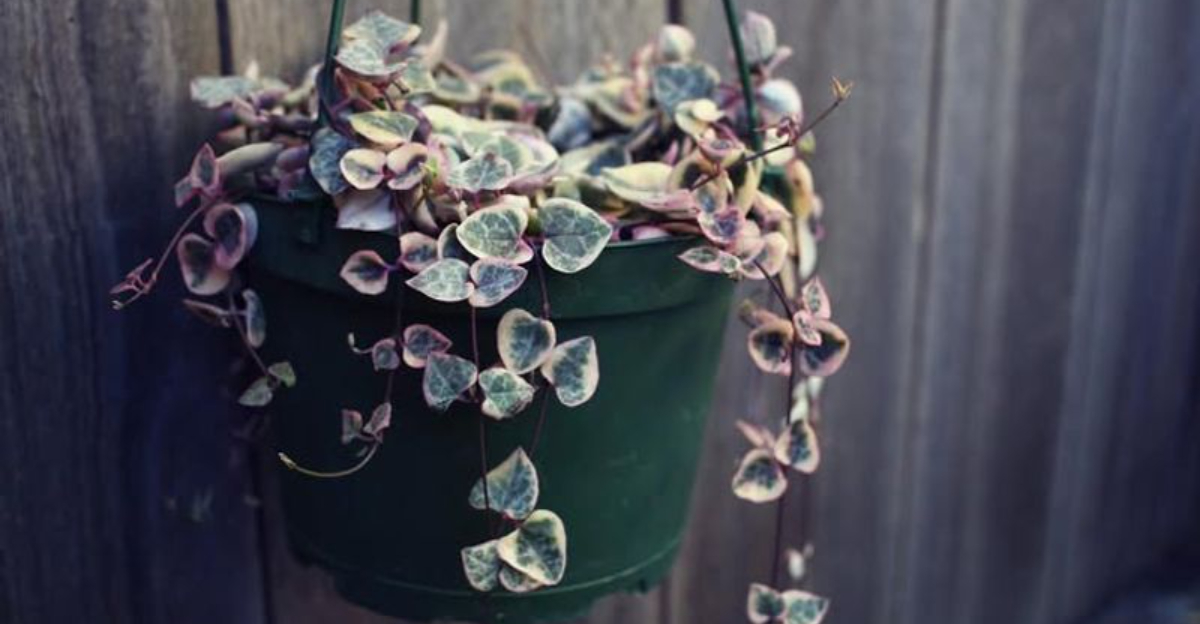
Imagine delicate chains of tiny heart-shaped leaves draping elegantly from a pot, each one marbled with silver and green patterns that catch the light beautifully.
String of hearts, also called Ceropegia woodii, brings a whimsical, romantic touch to any Florida home with its unique trailing habit.
The thin, purple stems can grow several feet long, creating an airy, cascading effect that looks magical near windows or hanging from ceiling hooks.
This succulent vine stores water in small tubers along its stems and roots, making it incredibly drought-tolerant and perfect for forgetful waterers.
Bright indirect light keeps the variegation vibrant and encourages healthy growth, though it can handle some direct morning sun without burning.
Overwatering is the main challenge since soggy soil can cause root problems, so let the soil dry completely between waterings.
Florida’s warm temperatures suit this plant perfectly, especially in cities like Orlando or West Palm Beach where indoor conditions stay consistently comfortable.
The trailing stems develop small bulbils that look like beads, which you can plant to grow new plants.
String of hearts also produces unusual tubular flowers in late summer, adding another layer of interest.
If the vines become too long or sparse, simply trim them back to encourage fuller growth closer to the pot.
4. English Ivy
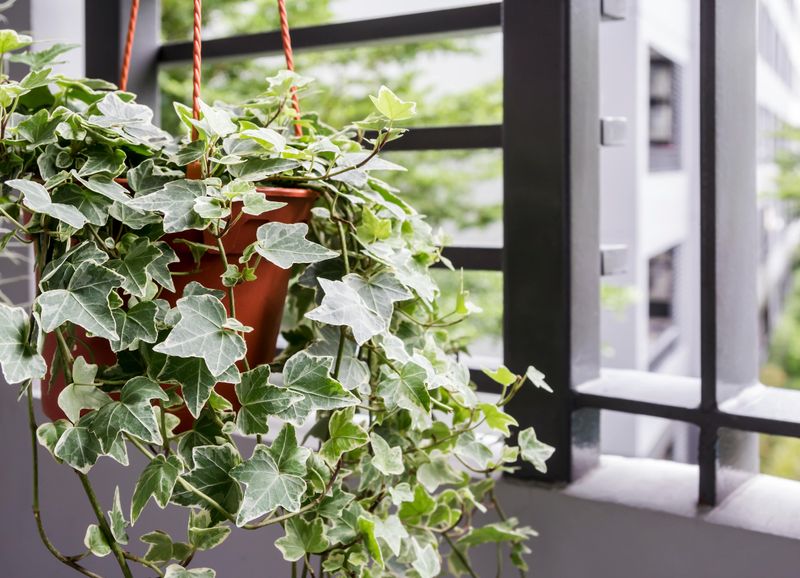
Classic and versatile, English ivy has been adorning homes for centuries with its elegant, lobed leaves and vigorous climbing habit.
This plant can either trail gracefully from hanging baskets or climb up supports, giving you plenty of creative options for styling your Florida living space.
The leaves come in various shades from deep green to variegated patterns with white or yellow edges, adding visual interest to any room.
English ivy prefers cooler temperatures than many tropical plants, but it adapts well to air-conditioned Florida homes where temperatures stay moderate.
Bright, indirect light works best, though it tolerates lower light levels better than most vining plants.
Regular watering keeps the soil consistently moist but never waterlogged, and misting the leaves helps maintain the humidity this plant enjoys.
One of ivy’s best features is its air-purifying ability, as studies show it effectively filters indoor pollutants.
You can train the vines to grow in specific patterns using small hooks or wire, creating living wall art in your Tampa or Miami home.
Pinching back the growing tips encourages bushier growth and prevents the vines from becoming too leggy.
Watch for spider mites, which sometimes appear in dry indoor conditions, and treat them promptly with insecticidal soap or neem oil spray.
With consistent care, English ivy becomes a lush, verdant addition to your indoor jungle.
5. Monstera Adansonii
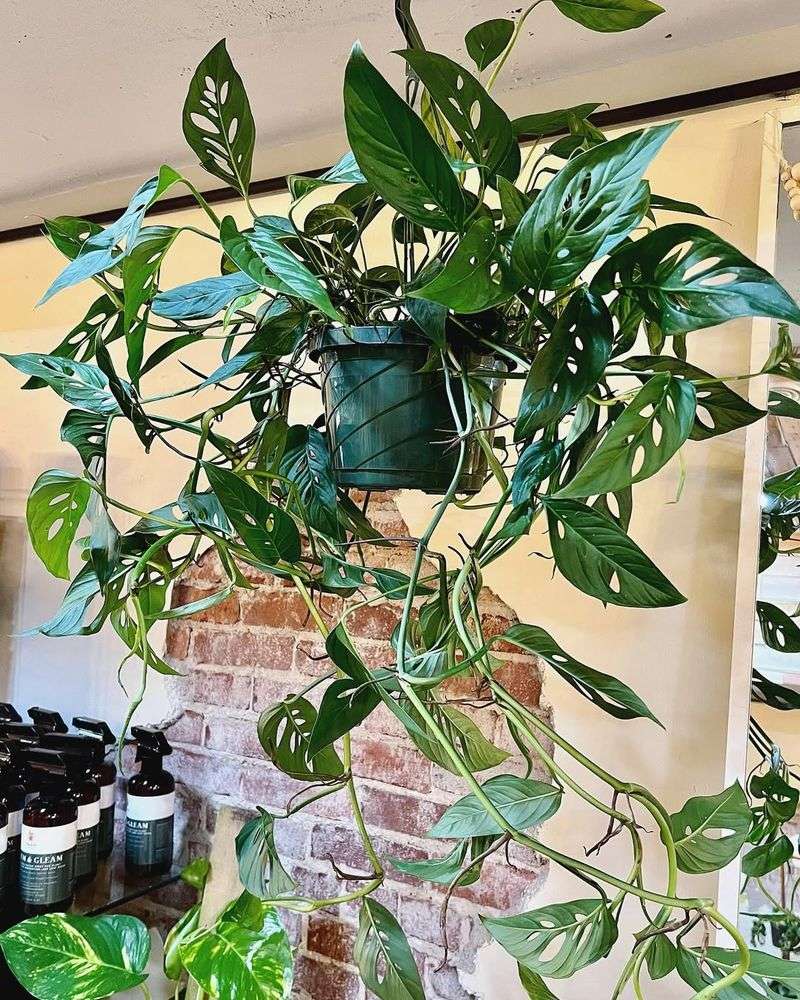
Nicknamed the Swiss cheese vine for its leaves full of natural holes and splits, Monstera adansonii brings instant jungle vibes to any Florida room.
Those distinctive fenestrations develop as the plant matures, creating an eye-catching pattern that makes this vine a conversation starter.
Unlike its larger cousin Monstera deliciosa, this variety stays more compact and manageable, making it ideal for apartments or smaller spaces throughout Jacksonville or Fort Myers.
Bright, indirect light encourages the best growth and helps develop those characteristic holes in the leaves.
The plant climbs naturally in its rainforest habitat, so providing a moss pole or trellis lets it grow upward while developing larger, more fenestrated leaves.
Without support, the vines trail downward beautifully from shelves or hanging planters.
Florida’s humidity levels are perfect for this tropical beauty, though you should still water when the top inch of soil feels dry.
The leaves will tell you what the plant needs since drooping indicates thirst while yellowing suggests overwatering.
Monstera adansonii grows actively during warmer months, sometimes producing new leaves weekly when conditions are right.
Wipe the leaves occasionally with a damp cloth to remove dust and keep them looking their best.
Propagation through stem cuttings is straightforward, allowing you to create fuller plants or share with friends who admire your tropical collection.
6. Hoya Carnosa

Thick, waxy leaves give this plant its common name of wax plant, and they create a sculptural appearance that stands out among other vining houseplants.
Hoya carnosa rewards patient growers with clusters of fragrant, star-shaped flowers that smell sweetest at night, filling Florida homes with an intoxicating perfume.
The blooms appear on special stems called peduncles, which you should never remove since the plant produces flowers on the same spots year after year.
As a succulent vine, hoya stores water in its thick leaves, making it drought-tolerant and forgiving if you occasionally forget to water.
Bright indirect light encourages blooming, though the plant tolerates lower light levels and simply focuses on foliage growth instead.
Well-draining soil is essential since soggy roots can cause serious problems, so many Florida growers mix regular potting soil with perlite or orchid bark.
The vines grow slowly compared to pothos or philodendron, but this makes hoya easier to manage and less likely to overwhelm your space.
You can train the stems around a small trellis, let them cascade from a high shelf, or even create a living wreath by coiling young vines around a wire form.
Hoyas prefer being slightly root-bound, which actually encourages flowering, so resist the urge to repot too frequently.
Cities like Pensacola or Naples provide ideal conditions for growing this beauty indoors with minimal fuss.
7. Scindapsus Pictus

Silvery splashes across dark green leaves make satin pothos look like someone sprinkled glitter across the foliage, creating a sophisticated appearance that elevates any Florida interior.
Despite its common name, this plant isn’t a true pothos but rather a close relative that shares similar easy-going care requirements.
The velvety texture of the leaves adds a tactile element that makes this vine even more appealing in person than in photos.
Scindapsus pictus grows more slowly than golden pothos, which some people actually prefer since it requires less frequent pruning.
Moderate to bright indirect light keeps the variegation vibrant, while too much shade can cause the silver markings to fade.
The plant tolerates lower humidity than many tropical vines, though it appreciates the naturally moist air found in most Florida homes.
Water when the top two inches of soil feel dry, and make sure the pot has drainage holes to prevent water from pooling at the bottom.
The trailing vines look stunning when allowed to cascade from floating shelves or macrame hangers in living rooms throughout Miami or Tallahassee.
Stem cuttings root readily in water, showing new root growth within a few weeks when placed in a bright spot.
Brown edges on leaves typically indicate underwatering or low humidity, while yellow leaves suggest too much water or not enough light.
With its elegant appearance and forgiving nature, satin pothos deserves a spot in every Florida plant collection.
8. Tradescantia Zebrina
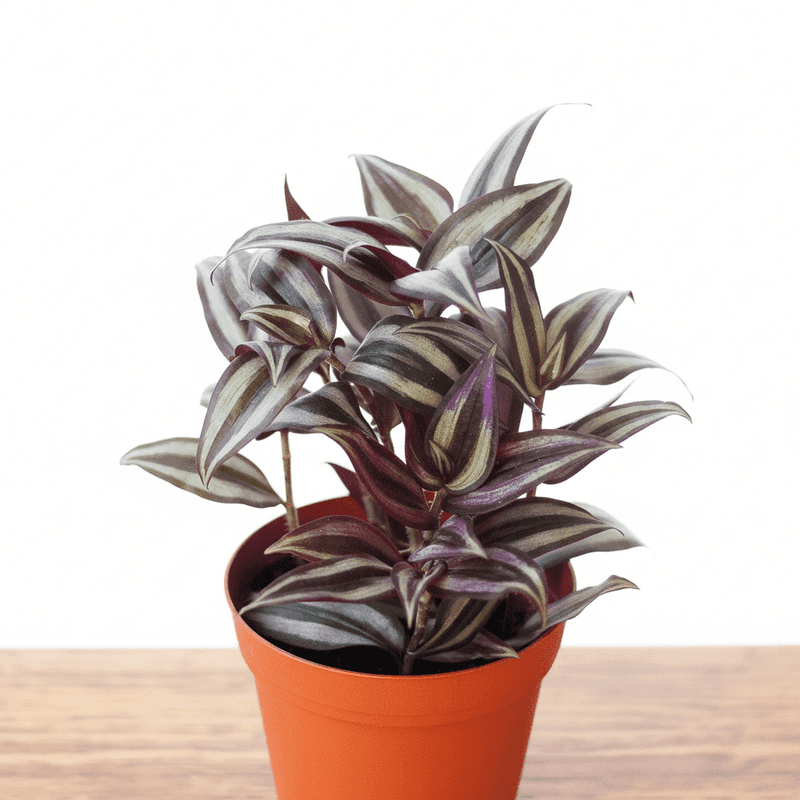
Bold purple undersides and silver-striped tops make wandering jew one of the most colorful vining plants you can grow indoors.
The vibrant foliage creates a striking display when planted in hanging baskets where both sides of the leaves are visible.
Fast growth means you’ll see noticeable changes week by week, with new stems branching out and creating a fuller, more impressive plant over time.
Bright light intensifies the purple coloring and keeps the growth compact and bushy, while lower light causes the stems to stretch and the colors to fade.
This plant loves Florida’s humidity and grows enthusiastically in naturally moist environments like bathrooms or kitchens.
Watering needs are moderate since the succulent-like stems store some moisture, but the soil should stay consistently moist during active growth periods.
Tradescantia zebrina is incredibly easy to propagate, with stem cuttings rooting in just days when placed in water or moist soil.
This makes it perfect for quickly filling in bare spots or creating lush, full baskets that overflow with color.
Pinching back the growing tips regularly encourages branching and prevents the plant from becoming leggy or sparse.
The small pink or purple flowers that occasionally appear add a delicate touch to the already colorful foliage.
Florida residents in cities like Gainesville or Clearwater will find this plant thrives with minimal attention, making it ideal for both beginners and experienced growers looking for maximum visual impact.
9. Epipremnum Aureum Marble Queen
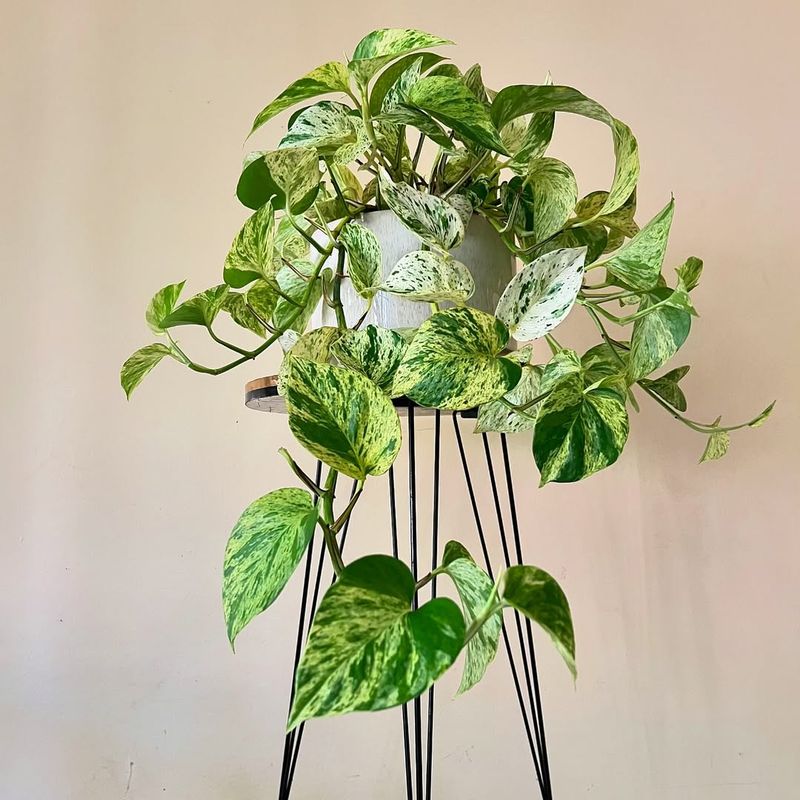
Heavily variegated leaves splashed with creamy white and soft green make marble queen pothos look like a living work of art.
This stunning variety requires brighter light than its golden cousin to maintain those gorgeous white markings, making it perfect for sunny Florida rooms with filtered light.
The dramatic coloring creates a sophisticated, elegant appearance that complements both modern and traditional home decor styles.
Growth happens more slowly compared to solid green pothos varieties because the white portions of leaves contain less chlorophyll for photosynthesis.
This slower pace actually makes marble queen easier to maintain since you won’t need to prune as frequently.
The vines still reach impressive lengths over time, creating beautiful cascades from shelves or hanging planters throughout your Boca Raton or Panama City home.
Watering needs mirror those of other pothos varieties, with the plant preferring to dry out slightly between waterings.
The variegated leaves are more sensitive to direct sun than solid green varieties, so watch for brown spots that indicate too much light exposure.
If new growth comes in mostly green, the plant needs brighter conditions to produce the characteristic white variegation.
Propagating marble queen through stem cuttings is simple, though you should choose cuttings with plenty of white coloring to ensure the new plants maintain the variegation.
Dust the leaves regularly to keep them looking pristine and to help the plant photosynthesize efficiently despite the reduced chlorophyll in white areas.
10. Cissus Discolor
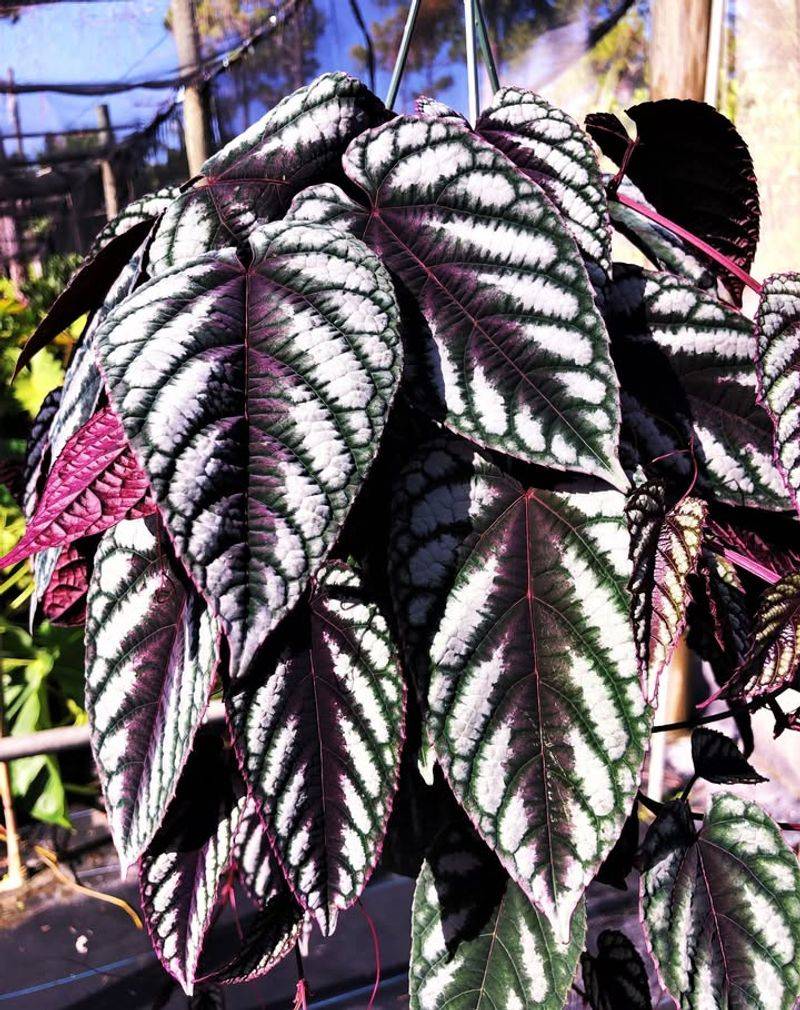
Often called rex begonia vine despite not being a true begonia, Cissus discolor showcases some of the most stunning foliage in the plant world.
Each leaf displays an intricate pattern of silver, green, and burgundy with purple undersides that create a mesmerizing effect.
The climbing tendrils naturally reach for support, making this plant perfect for training up trellises or moss poles in your Florida home.
Higher humidity requirements mean this vine thrives in naturally moist Florida environments, especially in bathrooms or kitchens where steam from showers and cooking provides extra moisture.
Bright, indirect light showcases the leaf colors beautifully without causing the delicate foliage to scorch.
The soil should stay consistently moist but never soggy, requiring more frequent watering than drought-tolerant vines.
Cissus discolor grows actively during warm months, sometimes producing new leaves weekly when conditions are ideal.
The plant may go dormant or slow growth during cooler periods, which is normal and nothing to worry about.
Regular misting or a nearby humidifier helps maintain the moisture levels this tropical beauty craves.
Brown leaf edges indicate low humidity or underwatering, while yellow leaves suggest overwatering issues.
This vine makes a spectacular statement in homes throughout Daytona Beach or Key West, where the tropical climate provides naturally favorable conditions.
With its extraordinary coloring and elegant climbing habit, rex begonia vine is worth the extra attention it requires.