Finding This Stealthy Insect In Your Virginia Garden Is Better News Than You Think
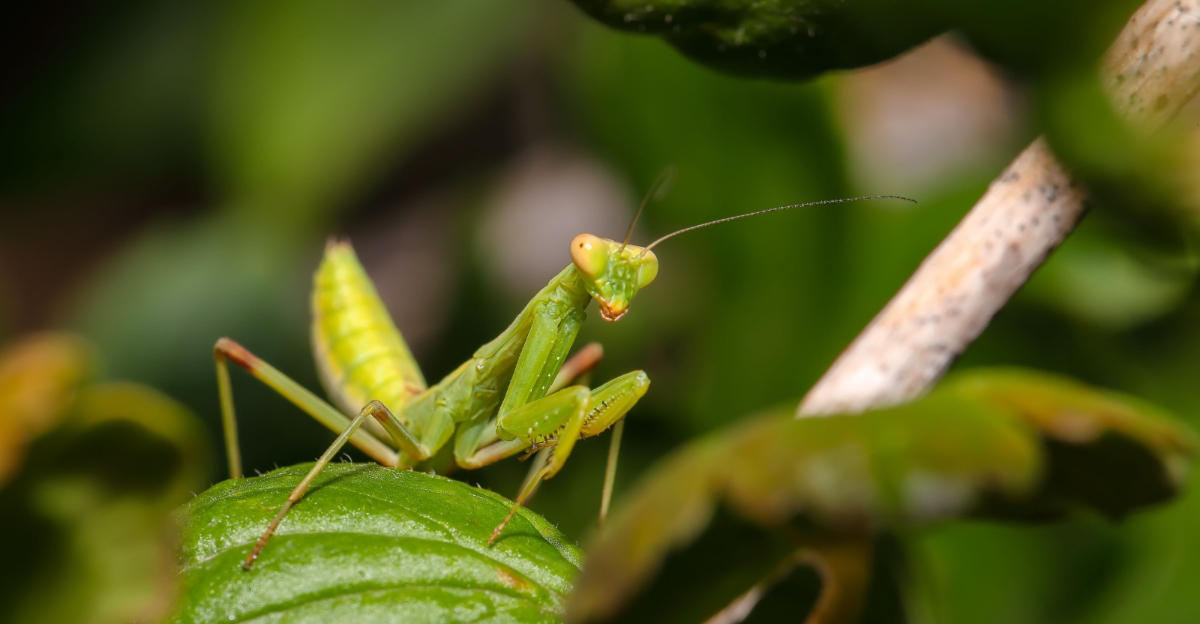
Something is watching you from the tomato plants, and it has been there all morning.
Perfectly still.
Impossibly patient.
Perched like a tiny green statue between the leaves, it tracks every movement in your garden with eyes that seem almost too intelligent for something so small.
Most gardeners freeze the moment they spot it, unsure whether to step back or lean in closer.
Lean in.
What you are looking at is not a threat.
It is not a pest, not a problem, and definitely not something you should brush away.
It is actually one of the best things that could happen to your garden this season, a living, breathing sign that your outdoor space is thriving in ways most people never even notice.
These remarkable hunters work silently across Virginia gardens every season, patiently, and without a single drop of chemical spray. And the fact that one chose your garden?
That is no accident.
Before you walk away, you need to know exactly what is sitting in those leaves, and why it changes everything.
The Visitor You Didn’t Expect, But Your Garden Did
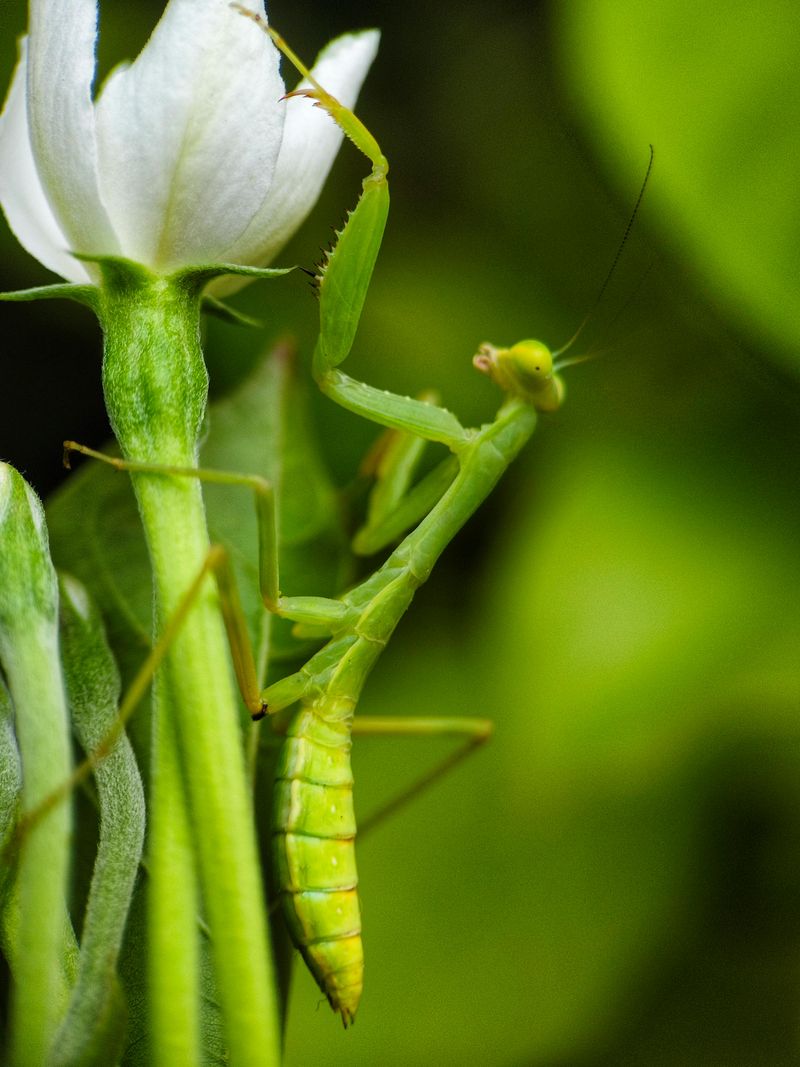
Out of nowhere, there it is, clinging to a pepper plant like it owns the place.
The praying mantis has a way of appearing without warning.
It blends so perfectly into surrounding foliage that most gardeners walk right past one dozens of times before finally spotting it.
Its camouflage is not accidental.
It is a survival masterpiece millions of years in the making.
Across Virginia, these insects show up in gardens from late spring through early fall.
They favor spots with dense vegetation, tall grasses, flowering shrubs, and leafy vegetable beds.
Essentially, anywhere prey tends to gather, a mantis will eventually follow.
Spotting one for the first time can feel startling.
That triangular head swivels toward you with an almost unsettling level of awareness.
Unlike most insects that scatter when approached, the mantis holds its ground, studying you with calm, compound eyes that seem far too intelligent for a bug.
Backyard gardeners across the state have reported finding them on roses, bean plants, sunflowers, and even potted herbs on porches.
No garden type seems off-limits.
If the food supply is good, the mantis will show up, and it will stay.
Quietly patrolling every inch of its chosen territory, like a sentinel that never clocks out.
Nature’s Most Patient Hunter
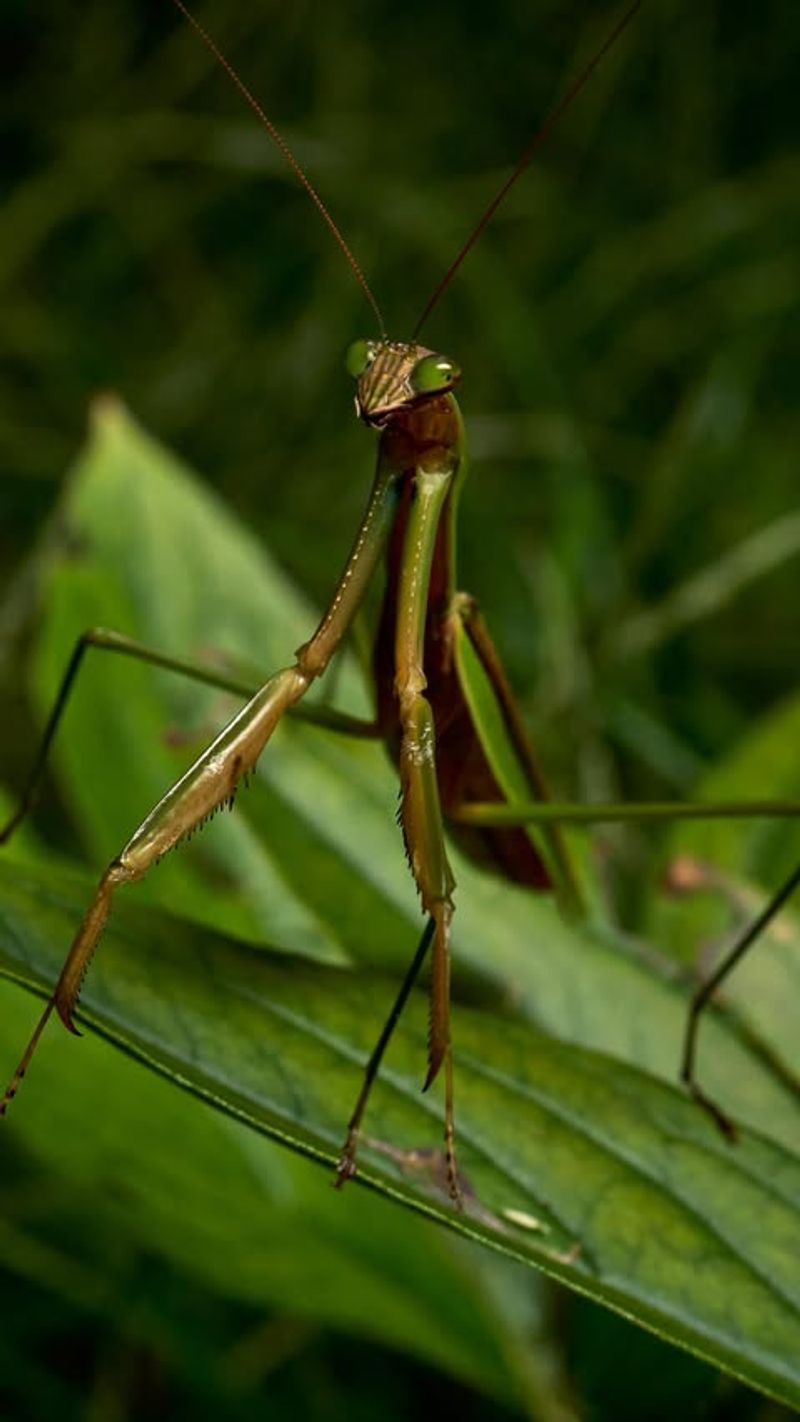
Patience is a predator’s greatest weapon, and the praying mantis has mastered it completely.
This insect can sit motionless for hours, waiting for the exact right moment to strike.
When it finally moves, the attack happens so fast the human eye can barely track it.
Praying mantises belong to the order Mantodea and are close relatives of cockroaches.
About 20 species exist across North America, but the ones most commonly spotted in Virginia gardens are the Chinese mantis and the Carolina mantis.
The Chinese mantis, introduced in the 1890s, is the larger of the two and can grow up to five inches long.
Your Virginia Garden Changes Every Week. Your Plan Should Too.
Gardening in Virginia changes quickly throughout the season. Every Friday you’ll receive a simple weekly plan showing exactly what to plant, prune, fertilize, harvest, and protect so you never miss the right timing.
What makes this insect so remarkable is its vision.
Mantises are the only insects known to have stereo vision, meaning they perceive depth the way humans do.
That ability makes them extraordinarily precise hunters, rarely missing a target once they have locked on.
The folded front legs that give the mantis its praying appearance are actually raptorial limbs.
Built for grabbing and holding prey with a vice-like grip.
Those spiny arms can snatch a flying insect straight out of the air.
For a garden full of unwanted bugs, this is the ultimate ally.
Tiny, tireless, and locked in on permanent duty, exactly the kind of help your garden deserves.
What Its Presence Really Says About Your Garden
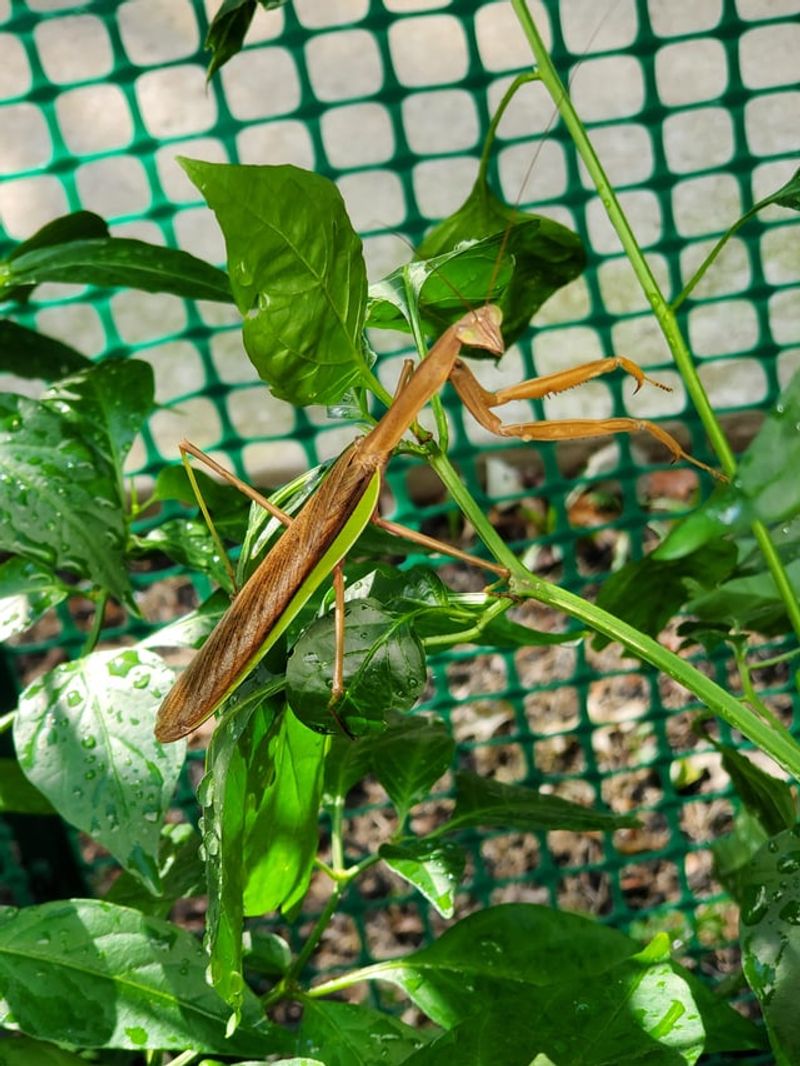
A healthy garden does not happen by accident, and the praying mantis knows it.
When one takes up residence in your yard, it is sending a clear message: this place has what it takes to support complex life.
That is a compliment worth appreciating.
Mantises need a steady food supply to survive, which means your garden must already have a functioning insect ecosystem.
A variety of bugs, both harmful and helpful, tells the mantis that the habitat is rich and worth staying in.
If your yard were barren or chemically saturated, there would be nothing left to keep a mantis around.
Finding one also suggests your soil and plant health are in decent shape.
Robust plants attract more insects overall, and more insects attract predators like the mantis.
The whole system builds on itself in a beautiful, self-regulating loop.
Gardeners who rely heavily on pesticides rarely see mantises.
Those sprays wipe out the insect population broadly, removing both the pests and the predators that would naturally control them.
A mantis sighting is often a sign that you have been gardening with a lighter chemical footprint, whether intentionally or not.
So the next time one appears on your squash vine, take a moment to feel proud.
Your garden earned that visitor.
Nature just handed you a living report card, and the grade is excellent.
The Pests It’s Silently Taking Care Of
Aphids, caterpillars, beetles, grasshoppers, and flies are all on the menu.
The praying mantis is not a picky eater.
That broad appetite?
It makes it one of the most hardworking natural pest controllers a gardener can stumble across.
No organic spray comes close to what this insect does on instinct alone.
Caterpillars are a particular favorite target.
Many of the worm-like pests that chew through cabbage, kale, and tomato leaves are exactly the right size for a mantis to grab and consume.
One adult mantis can eat several caterpillars in a single day during peak summer feeding.
Aphid colonies can devastate a garden fast.
While mantises do not eat aphids directly due to their small size, they help keep the broader insect population in check.
That balance reduces the conditions that allow aphid colonies to spread and thrive.
Breaking that chain of infestation is hugely valuable for long-term plant health.
Grasshoppers are another major target.
These jumping pests can strip leaves bare in a matter of days, but a mantis positioned in the right area of the garden will intercept them before the damage gets out of hand.
Nature built this predator-prey relationship long before gardening existed, and it still works flawlessly today.
Letting it play out in your yard costs nothing and protects everything.
How To Make Your Garden A Welcome Home For Them
Creating the right environment turns a single mantis visit into a seasonal relationship.
These insects are not complicated guests, but they do have preferences that are easy to meet once you know what to look for.
A few smart changes to your garden layout can make a real difference.
Native plants are the foundation.
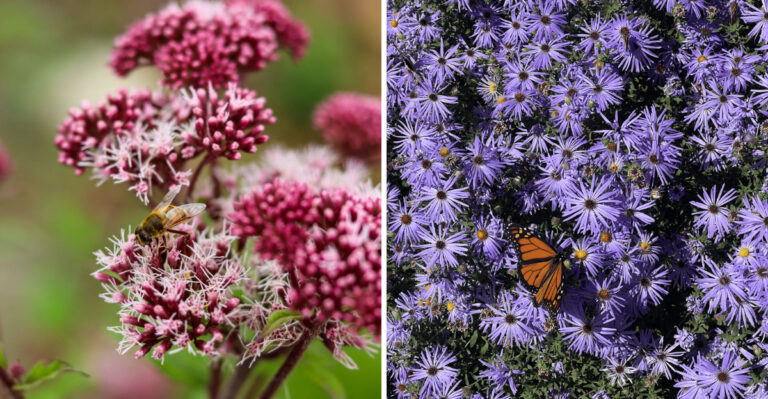
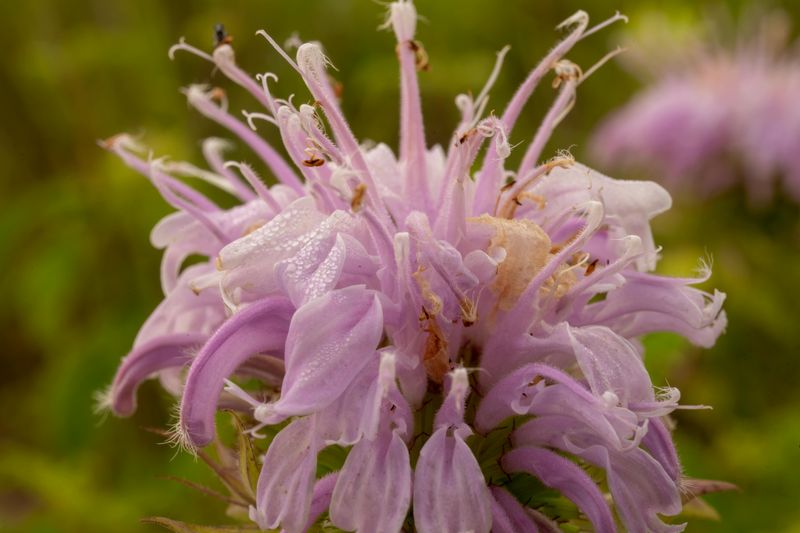
Species like wild bergamot, black-eyed Susan, and goldenrod attract the wide variety of insects that mantises feed on.
When prey is plentiful, predators have every reason to stick around rather than wander elsewhere.
Tall grasses and dense shrubs give mantises ideal hunting perches.
They prefer spots where they can remain hidden while scanning for movement.
Leaving a few areas of your yard slightly wild and untrimmed creates exactly the kind of habitat they seek.
Avoid broad-spectrum insecticides at all costs if you want mantises to stay.
Even one application can collapse the local insect population that supports them.
Opt for targeted organic solutions when pest problems arise, and let the natural predator cycle do the heavy lifting the rest of the time.
If you are lucky enough to spot an egg case already attached to a branch or stem in your yard, leave it exactly where it is.
By spring, dozens of tiny mantis nymphs will hatch.
And from day one, they are already on patrol.
What You Should Never Do If You Find One
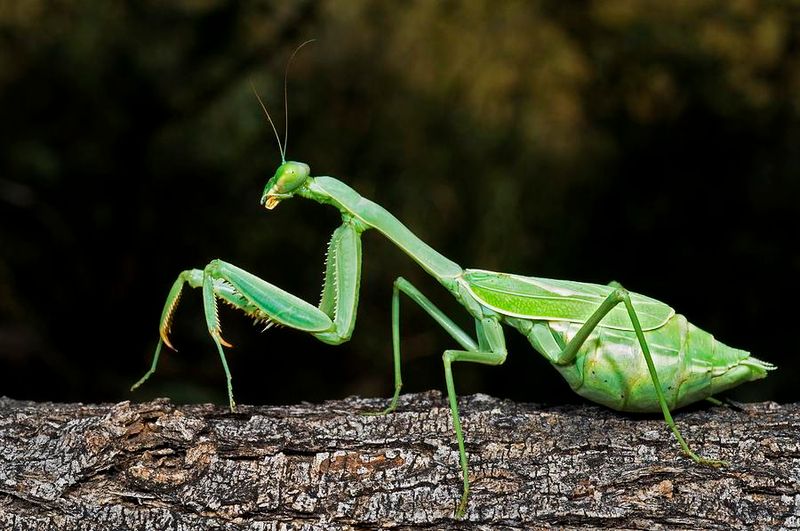
Resist the urge to pick it up right away.
Although praying mantises are not aggressive toward humans, handling them stresses the insect and can cause it to abandon a garden spot it has carefully chosen.
Admire from a respectful distance and let it do its job undisturbed.
Don’t relocate one to a different part of the yard without thought.
Mantises are highly territorial and invest significant energy scouting their chosen hunting ground.
Moving one even a few yards away can disorient it and reduce its effectiveness as a natural pest controller.
Spraying nearby plants with pesticides after spotting a mantis is one of the worst things a gardener can do.
Those chemicals absorb into the insects the mantis eats, creating a toxic chain that can harm or weaken the predator even if it is not sprayed directly.
The effect is slow but damaging over time.
Do not assume the egg case attached to a stick or stem is abandoned debris.
Many gardeners accidentally prune away oothecae during fall and winter cleanup without realizing what they are removing.
Leave any foam-like, tan-colored casing you find on branches alone through the cold months.
Inside that small structure, up to 200 eggs are waiting for warmer days.
Cut it away and you lose an entire generation of garden protectors, before they ever get a chance to hatch.