Visit One Of The Texas Newest Major Botanical Gardens In 2026
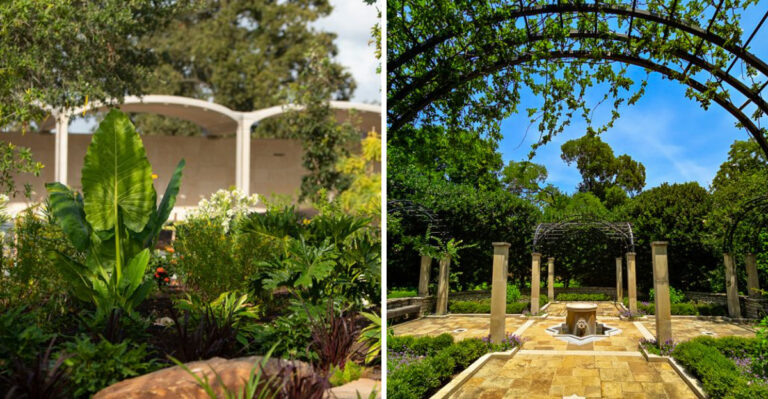
Imagine a space where vibrant flowers, winding paths, and carefully designed landscapes come together to create a serene escape from city life.
Walking through, you notice every corner offers a new view, from colorful blooms to shaded walkways and sparkling water features. It’s a place that invites visitors to slow down, breathe, and enjoy the beauty of nature.
In 2026, one of Texas’ newest major botanical gardens offers residents and tourists an exciting destination for discovery and relaxation.
Houston Botanic Garden combines stunning plant collections, themed gardens, and innovative design to create a space that’s both educational and visually breathtaking.
From native Texas plants to exotic species, every area provides inspiration for gardeners and nature lovers alike.
Whether you’re seeking a peaceful stroll, family-friendly activities, or ideas for your own garden, this botanical garden promises a memorable experience full of color, movement, and natural beauty. It’s a must-see destination for 2026.
1. A New Garden Still Taking Shape
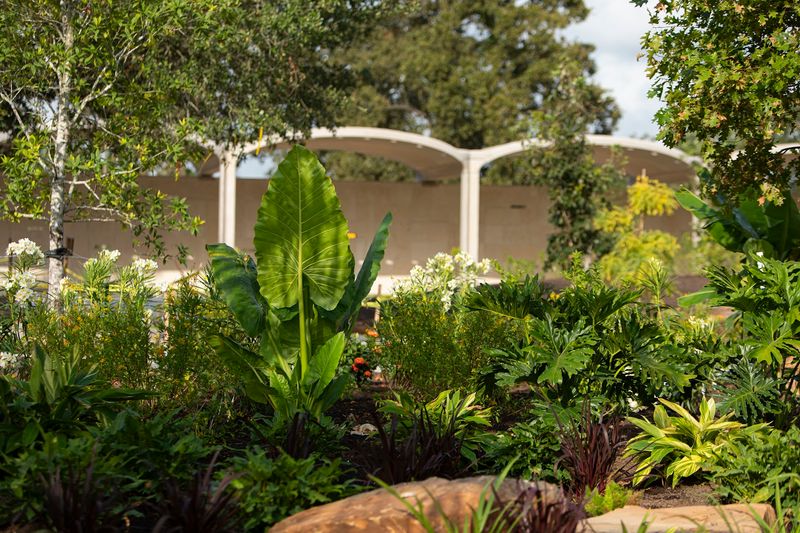
Some gardens take decades to grow into their full potential, and Houston Botanic Garden is just beginning its story.
Opened to the public in October 2020, it stands as one of Texas’ newest major botanical gardens, and that freshness is part of what makes it so exciting to visit.
Many Houstonians have heard of it, but a surprising number have not yet made the trip out to see it for themselves.
The garden sits on a 132-acre property, with around 25 acres already developed and open to visitors. That means there is still a lot of land waiting to be transformed according to the master plan, which promises even more gardens, trails, and ecological features in the years ahead.
Right now, the garden hosts over 1,300 taxa of tropical, subtropical, arid, and native plants, which is already an impressive collection for such a young institution.
What makes this place feel different from older, more established gardens is its sense of possibility. Every visit offers something slightly new, whether it is a freshly planted section, a recently completed pathway, or a new species added to a collection.
Visitors who came in 2022 will notice real changes by 2026, and that evolution is genuinely exciting to witness firsthand.
The garden is open Tuesday through Sunday from 9 AM to 5 PM, and tickets can be purchased online in advance. Parking is available on-site for $15, and pre-purchasing your parking pass online is strongly recommended since spaces are limited.
Starting your Houston Botanic Garden journey now means you get to watch this remarkable place grow from the very beginning of its story.
2. A Garden Designed Around Nature, Not Just Plants
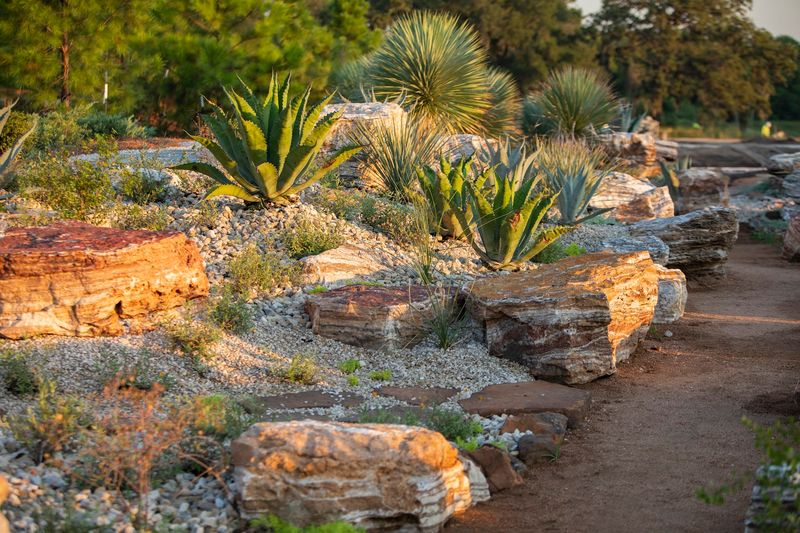
Most botanical gardens are designed to showcase plants in neat, organized rows and themed beds. Houston Botanic Garden takes a different approach, and the result feels far more alive and immersive than a typical garden visit.
Built along the edge of Sims Bayou in southeast Houston, the garden uses its natural landscape as a foundation rather than trying to work against it.
Wetlands, boardwalks, and habitat-focused plantings are woven throughout the property, giving visitors the feeling that they are walking through a living ecosystem rather than just an outdoor museum.
The design intentionally blurs the line between horticulture and conservation, making environmental awareness a core part of the experience.
You are not just looking at plants here; you are learning how those plants interact with water, wildlife, and the surrounding urban environment.
This nature-connected approach is especially meaningful in a city like Houston, which has faced serious flooding challenges over the years.
The garden demonstrates how thoughtful planting and landscape design can actually help manage stormwater and support local biodiversity. It is a real-world example of ecological thinking put into beautiful, walkable practice.
Families with children will find this design especially engaging because there is always something moving, growing, or buzzing along the trail.
Birds, butterflies, and other pollinators are frequent visitors to the garden’s native plant sections, turning every walk into a small wildlife encounter.
The combination of horticulture, conservation education, and natural beauty makes Houston Botanic Garden a place that feels genuinely meaningful, not just pretty. Comfortable walking shoes are a must, and bringing a camera is highly encouraged by everyone who visits.
3. What Visitors See First And Remember Most?
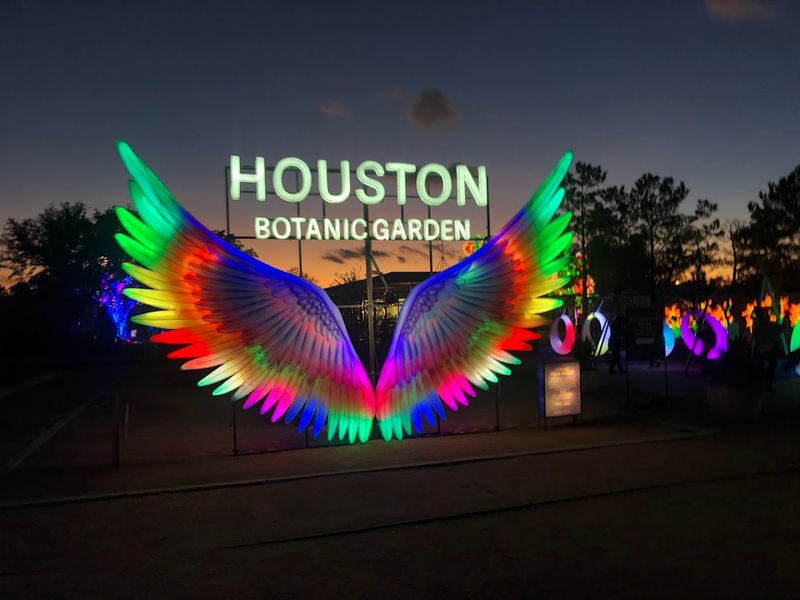
Walking through the entrance of Houston Botanic Garden for the first time, most visitors are immediately struck by how organized yet natural everything feels.
The garden is divided into distinct areas, each with its own personality and plant focus, so there is always something new to discover around the next corner.
Among the highlights that visitors consistently mention in reviews, a few standout features rise to the top.
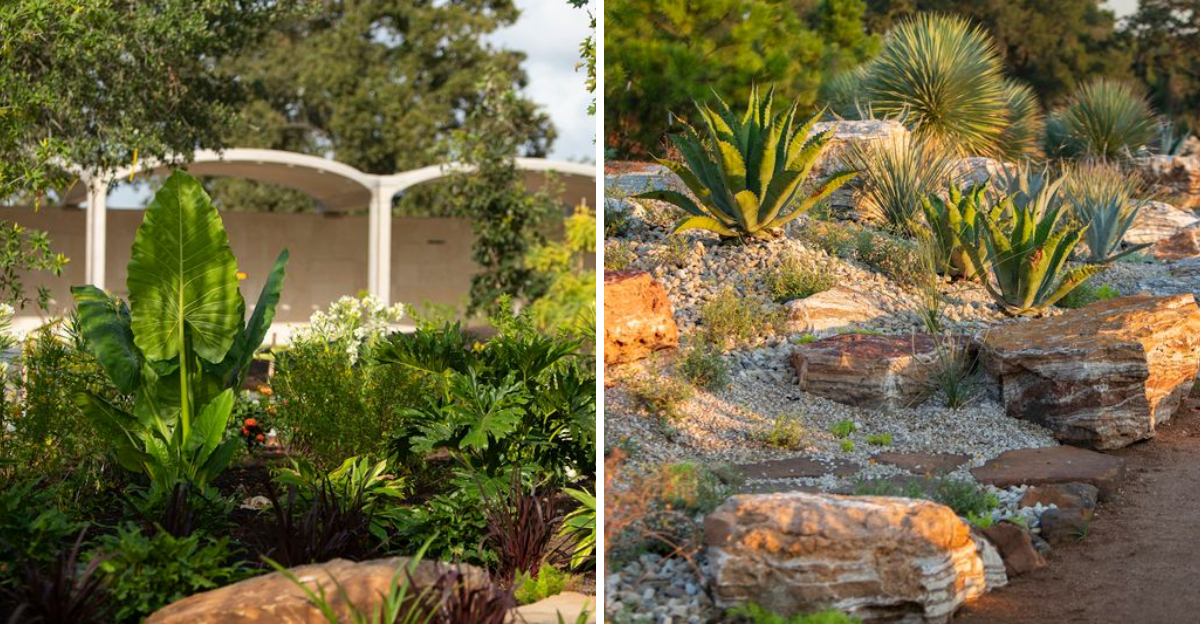
The Global Collection Garden is one of the first major areas visitors encounter, and it draws you in with plants gathered from tropical, subtropical, and arid regions around the world.
It is a genuinely fascinating collection that shows just how diverse plant life can be across different climates and continents. Strolling through it feels a little like traveling the world without ever leaving Houston.
The Susan Garver Family Discovery Garden is a favorite for families and younger visitors, offering hands-on exploration opportunities that make learning about plants feel fun rather than educational in a classroom sense.
Children especially love the interactive elements, and parents appreciate how thoughtfully the space is designed for curious young minds.
Nearby, the Culinary Garden showcases herbs, vegetables, and edible plants in a way that connects gardening directly to everyday cooking and food culture.
Walking paths wind through all of these areas, offering water views, shaded seating spots, and beautifully themed planting zones that balance education with quiet relaxation.
Many visitors spend two to three hours exploring without feeling rushed, and the well-maintained grounds make every step of the walk enjoyable.
Bring your phone fully charged because photo opportunities are absolutely everywhere throughout this remarkable garden.
4. Spring And Fall: The Garden’s Most Comfortable Seasons
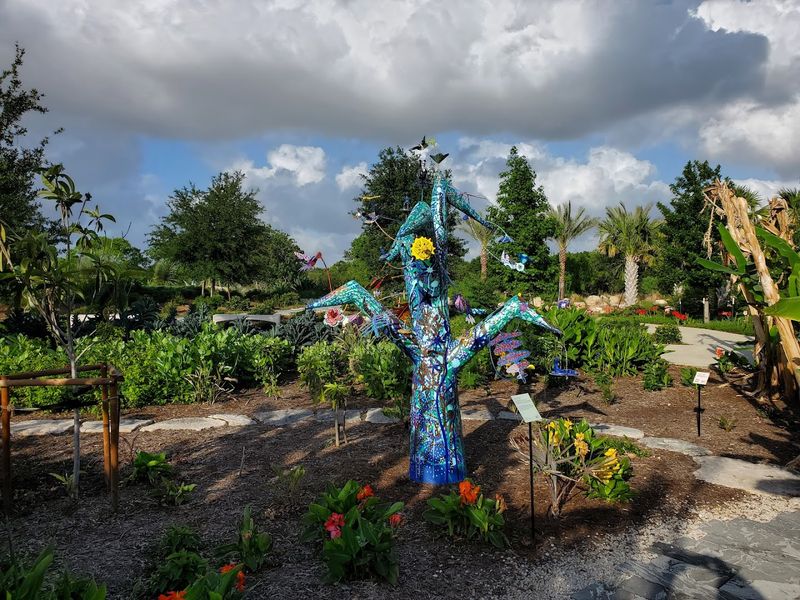
Timing your visit to Houston Botanic Garden can make a big difference in how much you enjoy the experience.
Houston summers are notoriously hot and humid, with temperatures regularly climbing into the upper 90s, which can make a long outdoor walk feel exhausting rather than refreshing.
Spring and fall are widely considered the two best seasons to visit, and for very good reason.
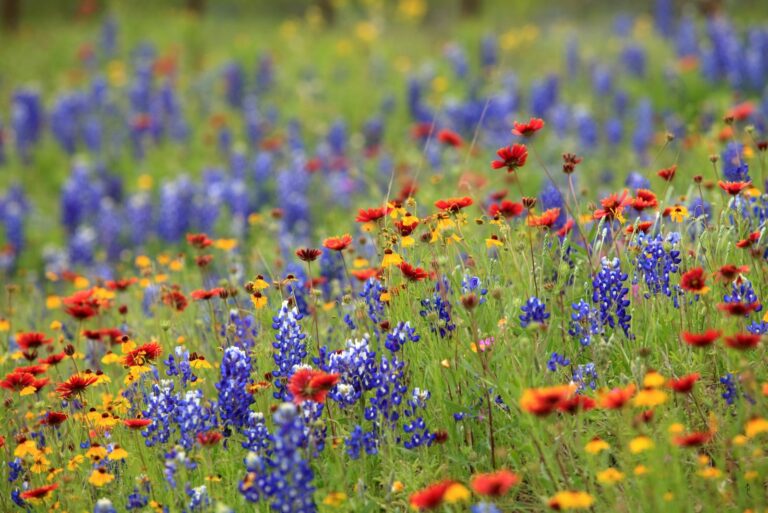
Spring brings a burst of fresh color across the garden as flowering plants wake up after the mild Texas winter. Pollinator activity picks up noticeably during this season, with butterflies, bees, and hummingbirds moving through the native plant sections in a way that feels almost magical.
The light is softer in spring mornings, making it an ideal time for photography, and the cooler temperatures make longer walks genuinely pleasant rather than something to push through.
Fall offers its own rewards, with milder temperatures returning after the intense summer heat and many plants entering a second period of lush growth.
The garden takes on a slightly different character in autumn, with changing textures and colors that feel distinct from the bright freshness of spring.
Several visitors have noted that fall weekday visits are especially peaceful, with fewer crowds and a calm atmosphere perfect for quiet reflection or a solo nature walk.
Both seasons also align well with special events and programming that the garden regularly hosts throughout the year. Checking the Houston Botanic Garden website before your visit is a smart move to see what seasonal events or guided tours might be scheduled during your trip.
Planning around the weather and the garden’s calendar will make your 2026 visit truly memorable.
5. Why 2026 Is A Great Time To Visit?
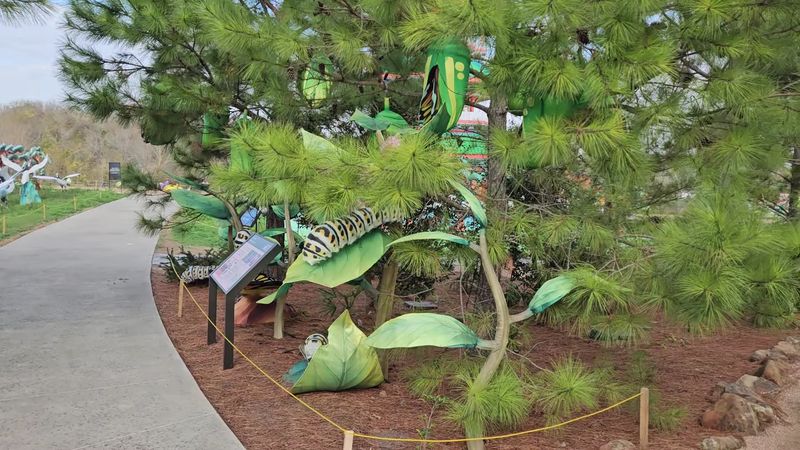
There is something genuinely exciting about visiting a garden during the phase when it has grown past its early awkward stages but still carries that energy of a place actively becoming something greater.
Houston Botanic Garden in 2026 sits right at that sweet spot, more established and lush than it was in its opening years, yet still visibly evolving and full of forward momentum.
Plantings that were young and sparse in 2020 and 2021 have had years to mature, fill in, and create the kind of layered, textured beauty that only time and careful tending can produce.
The broader cultural moment also makes 2026 a particularly good year to visit. Across Texas and the rest of the country, interest in outdoor spaces, nature-focused experiences, and green urban destinations has grown steadily since the early 2020s.
Houston Botanic Garden fits perfectly into this growing appreciation for places that offer genuine connection with the natural world rather than just a quick attraction to check off a list.
The garden has also refined its visitor experience over its first few years of operation, with improved signage, better programming, and a more polished overall feel compared to its earliest days.
Reviews from recent visitors consistently highlight the peaceful atmosphere, the well-maintained grounds, and the sense of discovering a hidden gem within one of America’s largest cities.
One reviewer described it as a great nature escape within the city, and that feeling only deepens as the garden matures.
Located at 1 Botanic Ln, Houston, TX 77017, the garden earns a strong 4.5-star rating on Google with nearly 1,800 reviews. Visiting in 2026 means experiencing a place that has found its rhythm while still writing its best chapters.
6. What Makes This Garden Different From Older Ones?
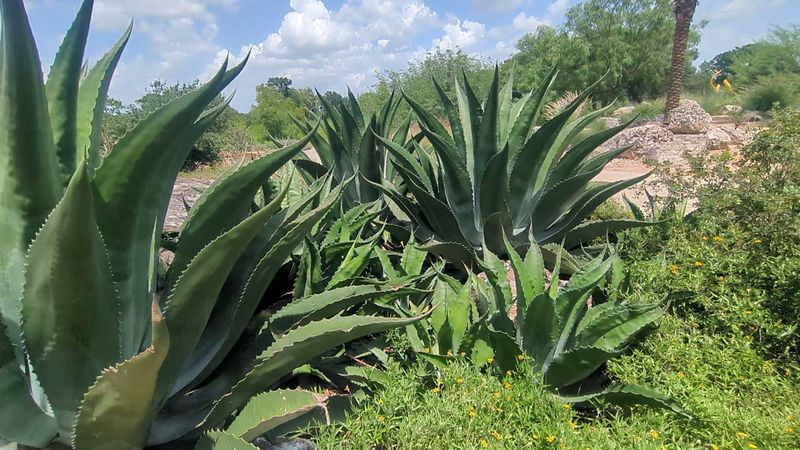
Older botanical gardens carry deep history and grandeur, but Houston Botanic Garden was built from the ground up with today’s environmental challenges firmly in mind.
That difference shows up in nearly every design decision, from the choice of plants to the layout of the trails to the educational messaging posted throughout the property.
This is not a garden that simply celebrates beauty for its own sake; it is a garden with a clear ecological purpose and a forward-looking mission.
Sustainability runs through everything here. The garden’s connection to Sims Bayou, its emphasis on native and climate-adapted plants, and its focus on habitat creation all reflect a deep commitment to environmental responsibility.
Rather than importing exotic plants purely for visual spectacle, the garden prioritizes species that support local ecosystems, provide food and shelter for wildlife, and demonstrate how thoughtful planting choices can make urban environments healthier and more resilient.
Learning and exploration are built into the visitor experience in a way that feels natural rather than forced. Educational displays, thoughtfully designed planting zones, and programming for all ages make the garden a place where curiosity is rewarded at every turn.
Quiet reflection is equally supported, with seating areas tucked into shaded corners and peaceful water views that invite visitors to simply slow down and breathe.
What truly sets Houston Botanic Garden apart is the fact that it will keep changing. The master plan promises continued development across the remaining acreage, meaning every visit in the years ahead will reveal something new.
Some gardens display history behind glass, but this one is actively writing its own story in real time, one season, one planting, and one visitor at a time.