Warm-Climate Plants That Actually Survive Pennsylvania Winters
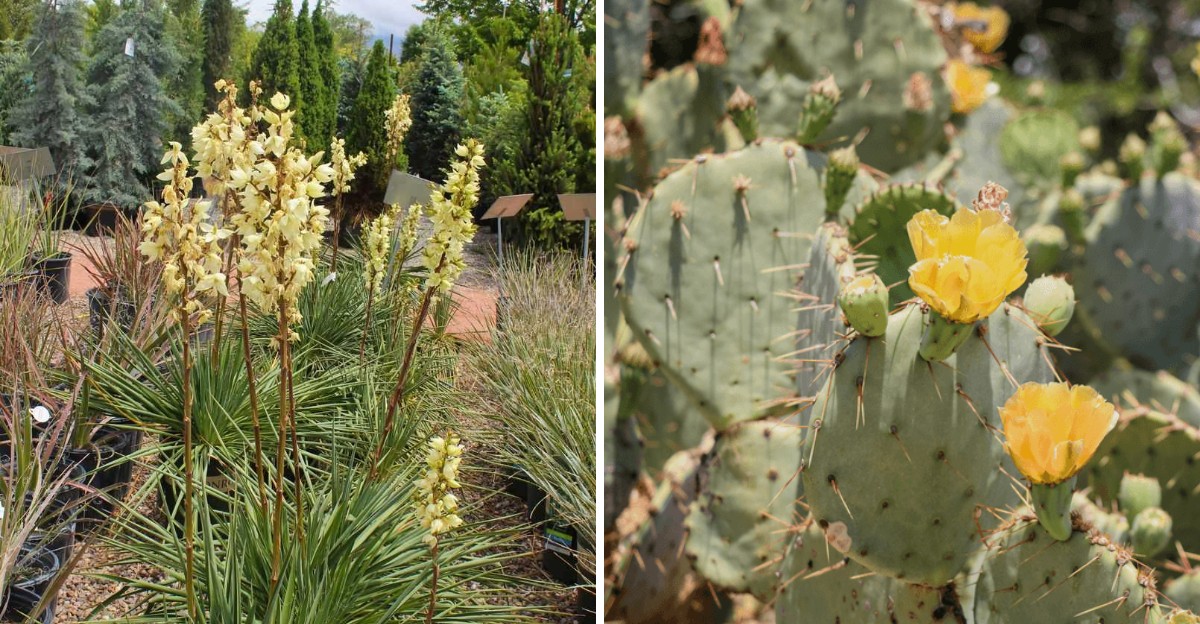
Pennsylvania has its own native cactus. It grows wild on rocky, sunny slopes and shrugs off snow as if it’s no big deal.
Surprised? Most people are. We tend to think of tropical-looking plants as fragile, the kind that belong in Florida or Southern California.
Big glossy leaves, bold flowers, and spiky shapes don’t seem built for a long Pennsylvania winter.
Some of them are, though. A handful of warm-climate favorites are much tougher than they look. With the right spot, decent drainage, and a little protection from harsh winds, they can come back year after year.
Some might even surprise your neighbors. That means you can bring a bit of vacation vibe to your yard without starting over every spring. These are the warm-weather plants that have what it takes to stick around.
1. Hardy Hibiscus With Dinner-Plate Blooms
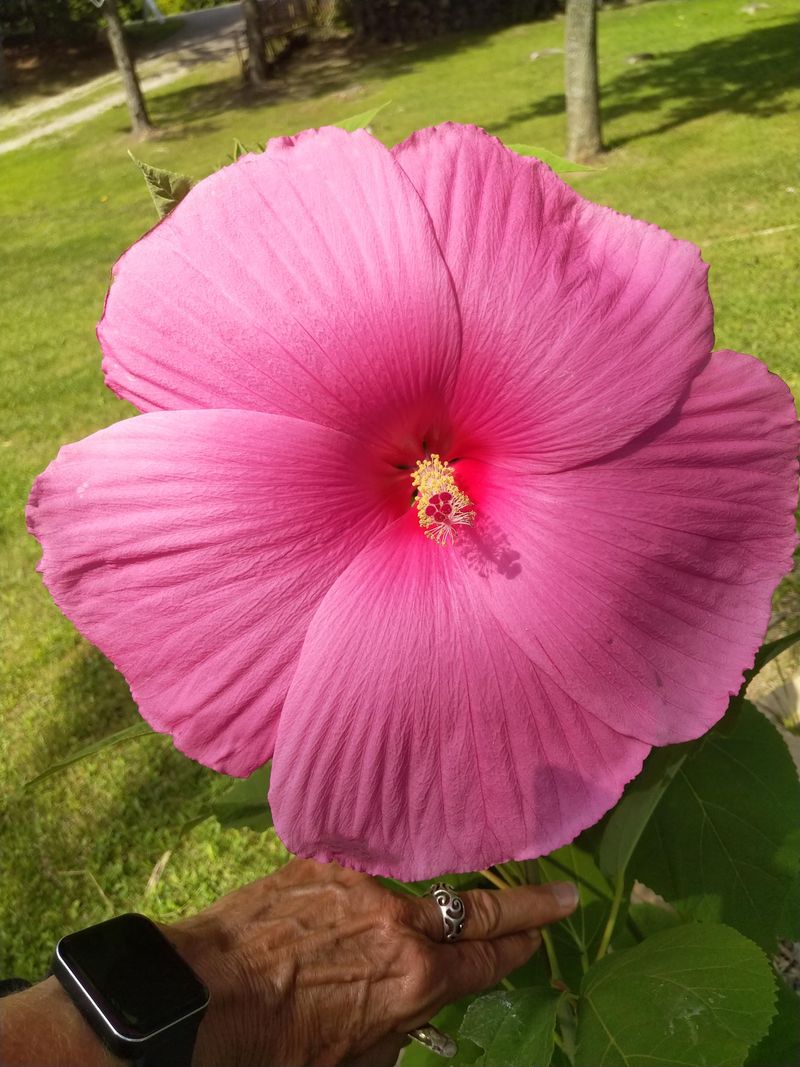
Neighbors often stop on the sidewalk when hardy hibiscus is in bloom. The flowers can grow as wide as a dinner plate. They come in pink, red, or white, and they look like they belong on a tropical island.
Here is the fun twist. This plant is actually native to wetlands in the eastern United States, including Pennsylvania. So it already knows how to handle our cold winters.
Each fall, the stems turn brown after frost. The whole top part dies back to the ground. Do not panic, because the roots stay alive and safe under the soil.
Patience is the biggest lesson with this plant. Hardy hibiscus is one of the last perennials to wake up in spring. Many gardeners think it is gone and dig it up by mistake in May.
To avoid that, mark the spot with a small stake or label. New shoots often appear in late May or even early June. Once they start, they grow fast and can reach four to seven feet tall by late summer.
Give it full sun for the most flowers. It loves moist soil, so water it well during hot, dry spells. A rain garden or a low spot in the yard can be a perfect home.
In late fall, cut the old stems down to about six inches. You can also add a few inches of shredded leaves over the base for extra comfort. Watch for Japanese beetles in summer, since they enjoy the leaves too.
Each bloom only lasts a day or two. Still, the plant keeps making new ones for weeks, so the show goes on.
2. Hardy Banana For Giant Leaves
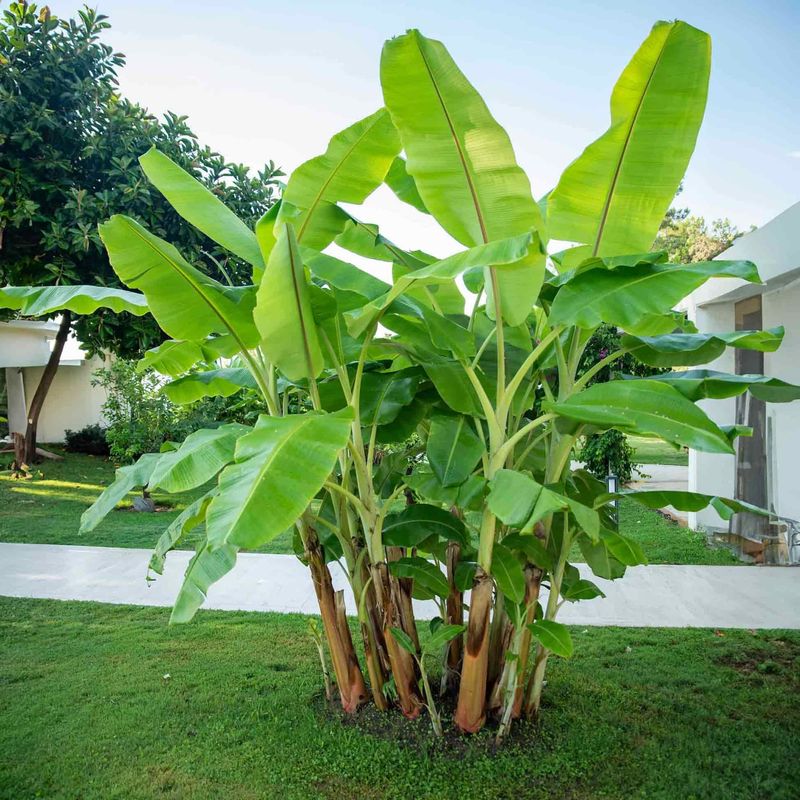
Bananas in Pennsylvania? It sounds like a joke, but Musa basjoo makes it real. This banana comes from the mountains of East Asia, where winters get chilly.
Its leaves are huge and shaped like paddles. They look just like the bananas you see in Florida or Hawaii. Guests will swear you moved somewhere warmer.
After the first hard frost, the leaves turn black and droop. The top of the plant dies back, but the roots below ground stay tough. That underground part is the key to its survival.
Your Pennsylvania Garden Changes Every Week. Your Plan Should Too.
Gardening in Pennsylvania changes quickly throughout the season. Every Friday you’ll receive a simple weekly plan showing exactly what to plant, prune, fertilize, harvest, and protect so you never miss the right timing.
Protecting those roots is simple. Cut the stems down to about a foot tall after frost. Then pile on a thick layer of mulch, straw, or shredded leaves, at least one to two feet deep.
Some gardeners wrap the stump in a chicken wire cage and fill it with leaves. The cage keeps the mulch from blowing away during windy storms. Remove it in spring once the frost danger passes.
Once warm weather arrives, get ready for a growth spurt. A hardy banana can shoot up eight feet or more in one summer. Feed it with compost or a balanced fertilizer every few weeks to keep it going strong.
Water often, since those big leaves get thirsty in July heat. Plant it out of strong wind, too. Breezes can shred the leaves into ribbons.
One thing to know before you plant. It will not give you edible bananas in our climate. Any small fruit it makes is full of seeds, so enjoy it for the jungle look instead.
3. Needle Palm, The Toughest Fan Palm
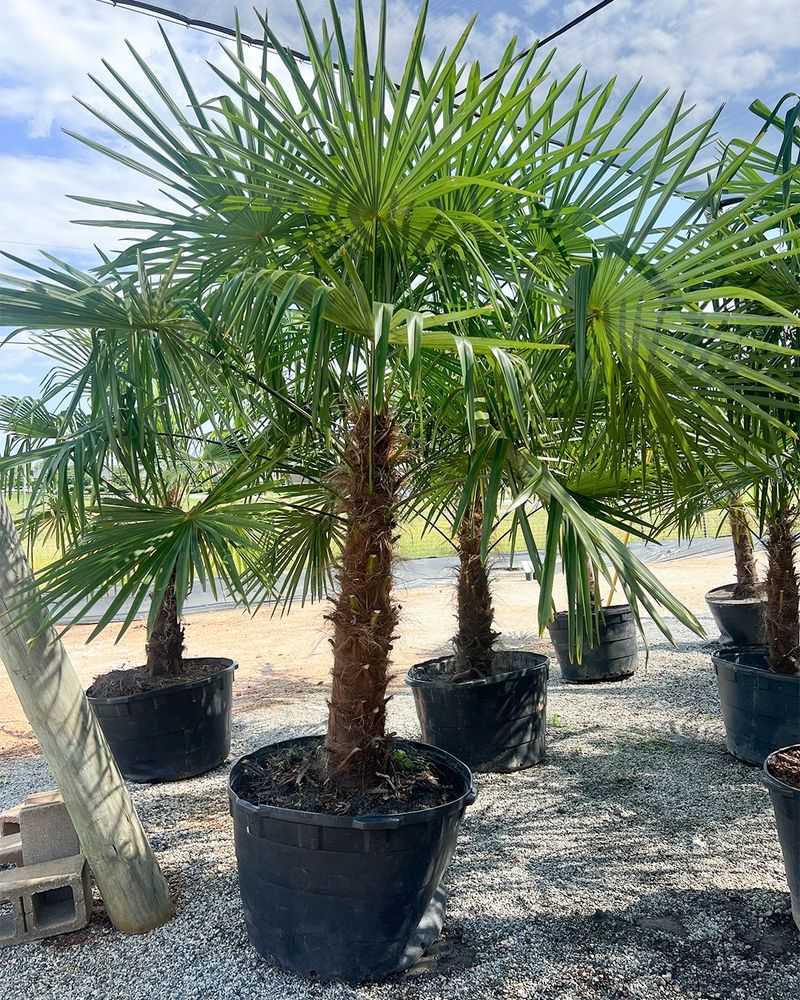
Palm trees usually mean sand, sunshine, and warm ocean breezes. The needle palm breaks that rule. Experts call it one of the most cold-hardy palms on the planet.
Instead of a tall trunk, it grows low and wide like a shrub. Its fan-shaped leaves spread out in a neat clump. Over many years, it may reach about four to six feet tall.
Where you live in Pennsylvania matters a lot. Needle palms do best in the southeast, near Philadelphia and other milder spots. Colder mountain areas may be too harsh for it.
Location in your yard is just as important. Pick a sheltered spot, such as near the south side of a house or a stone wall. Walls soak up heat during the day and release it at night.
Wind protection helps too. Cold winter winds dry out the leaves and cause brown tips. A spot tucked between shrubs or buildings works nicely.
Before winter arrives, spread a thick layer of mulch around the base. Six inches or more will help keep the roots and growing center snug. Some people also wrap the plant in frost cloth during extreme cold snaps.
Here is a fun fact. The plant gets its name from the sharp, needle-like spines near its base. Wear gloves when you weed around it.
Needle palms grow slowly, so buy the biggest plant you can afford. Larger plants handle cold better than tiny ones. Plant in spring so the roots settle before their first winter.
4. Eastern Prickly Pear, A Native Cactus
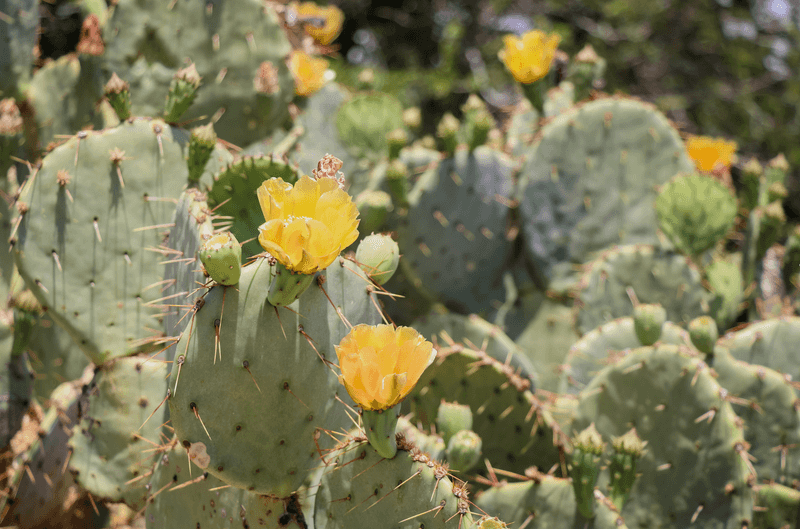
Most people never guess that Pennsylvania has its own wild cactus. Yet the eastern prickly pear grows naturally here. You can find it on dry, sandy, and rocky sites around the state.
Its flat green pads look like little paddles stacked together. In early summer, bright yellow flowers pop open on the edges. They are cheerful, glossy, and loved by bees.
Winter brings a strange change. The pads often shrivel up and turn purple or reddish. New gardeners sometimes think the plant is ruined.
Relax, because that wrinkled look is part of the plan. The cactus pulls water out of its pads so they will not freeze and burst. In spring, the pads plump up and turn green again.
Good drainage is the most important rule. Plant it in sandy or gravelly soil where water never sits. A rock garden, a slope, or a raised bed works great.
Full sun keeps it happy and blooming. Skip the fertilizer, since rich soil can make it weak and floppy. Water only during long dry spells in its first year.
Watch out for the spines, especially the tiny hair-like ones called glochids. They stick to skin and are hard to remove. Thick leather gloves and kitchen tongs are your best tools when handling it.
Here is a bonus. After the flowers fade, reddish fruits form that are actually edible. People have used them for jams and treats for a very long time.
5. Adam’s Needle Yucca For Desert Drama
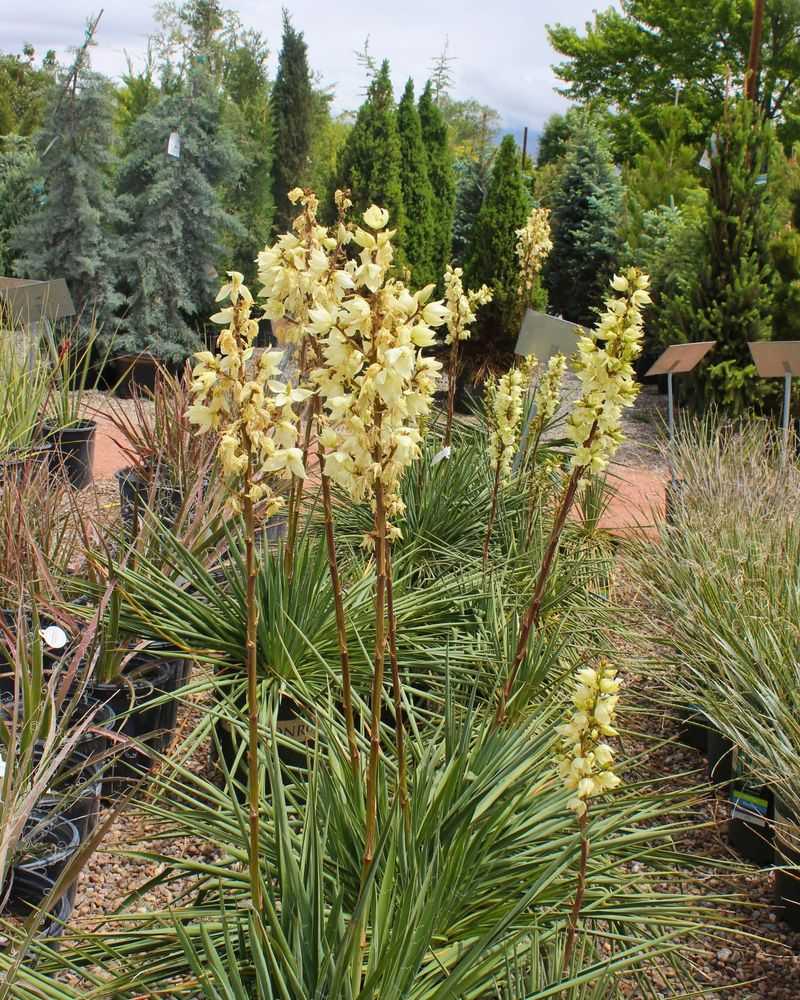
Sharp, bold, and full of attitude, Adam’s needle yucca adds instant drama to any yard. Its stiff leaves stick out like green swords. One plant can make a plain garden feel like a desert getaway.
Better yet, it is hardy all across Pennsylvania. From Erie to Pittsburgh to the Poconos, it shrugs off snow and ice. The leaves stay green through winter, which keeps your yard from looking bare.
Early summer is when the real show starts. Tall flower spikes shoot up, sometimes five feet high or more. They fill with creamy white flowers shaped like little bells.
Fun fact time. In nature, yuccas depend on a special moth to pollinate them. The moth and the plant have worked as a team for millions of years.
Caring for it is easy. Give it full sun and soil that drains well. Soggy ground is about the only thing that can cause trouble.
Once it settles in, it barely needs water. That makes it a smart pick for hot, dry spots where other plants struggle. It also handles poor, rocky soil without complaint.
Place it away from walkways and play areas. The leaf tips are pointy enough to poke legs. A spot at the back of a border or along a fence is safer.
After the flowers fade, cut the tall stalk down at the base. Pull off any brown leaves in spring to keep it neat. Over time, small baby plants will appear nearby, which you can dig up and share with friends.
6. Maypop Passionflower, An Exotic Native Vine
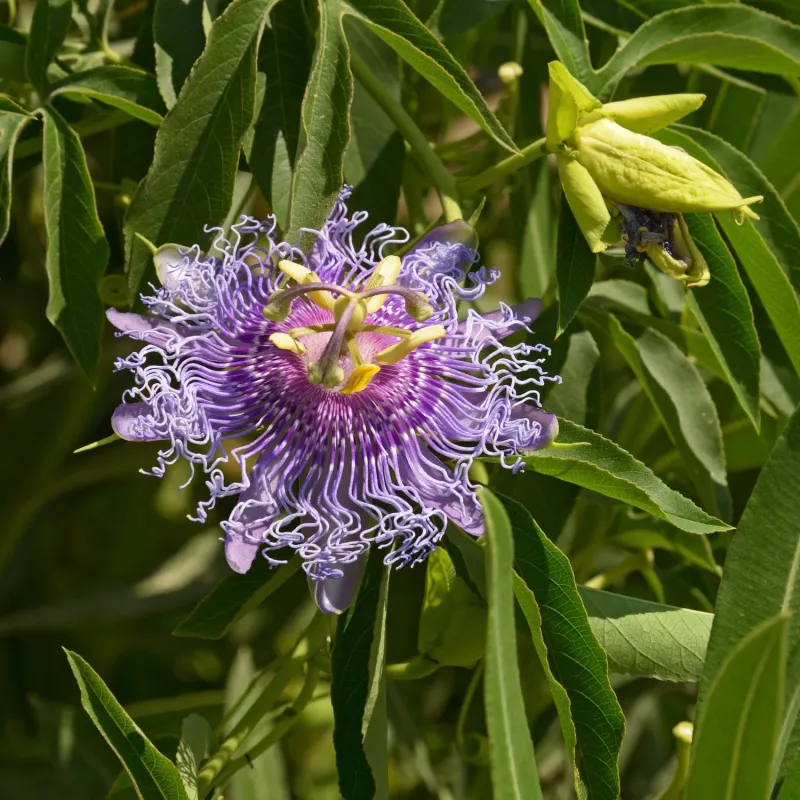
Look closely at a maypop flower and you might think it came from outer space. It has fringy purple and white threads, curly parts, and a fancy center. Few blooms look this wild.
Even so, maypop is a hardy passionflower native to the eastern United States. Its range reaches into southern Pennsylvania. So it is more at home here than you might expect.
The name comes from the fruit. When you step on the green, egg-shaped fruits, they make a popping sound. Kids love that part, and the ripe fruit inside is sweet and edible.
In winter, the vine dies back to the ground. It comes back from its roots in late spring. Like hardy hibiscus, it can be slow, so wait until June before giving up hope.
Maypop does best in the milder parts of the state. Lancaster, York, and Philadelphia areas are good choices. Gardeners farther north can try it in a warm, protected spot.
Spread a few inches of mulch over the roots each fall. Shredded leaves or bark work well. That blanket helps the roots handle freezing nights.
Give the vine a trellis, fence, or arbor to climb. It uses curly tendrils to grab on and can grow over ten feet in a season. Full sun brings the most flowers.
One warning, though. Maypop likes to spread by underground runners. Plant it where it has room, or pull extra shoots each spring.
Butterflies, especially the gulf fritillary, will thank you for growing it.
7. Hardy Ice Plant For Bright Magenta Color
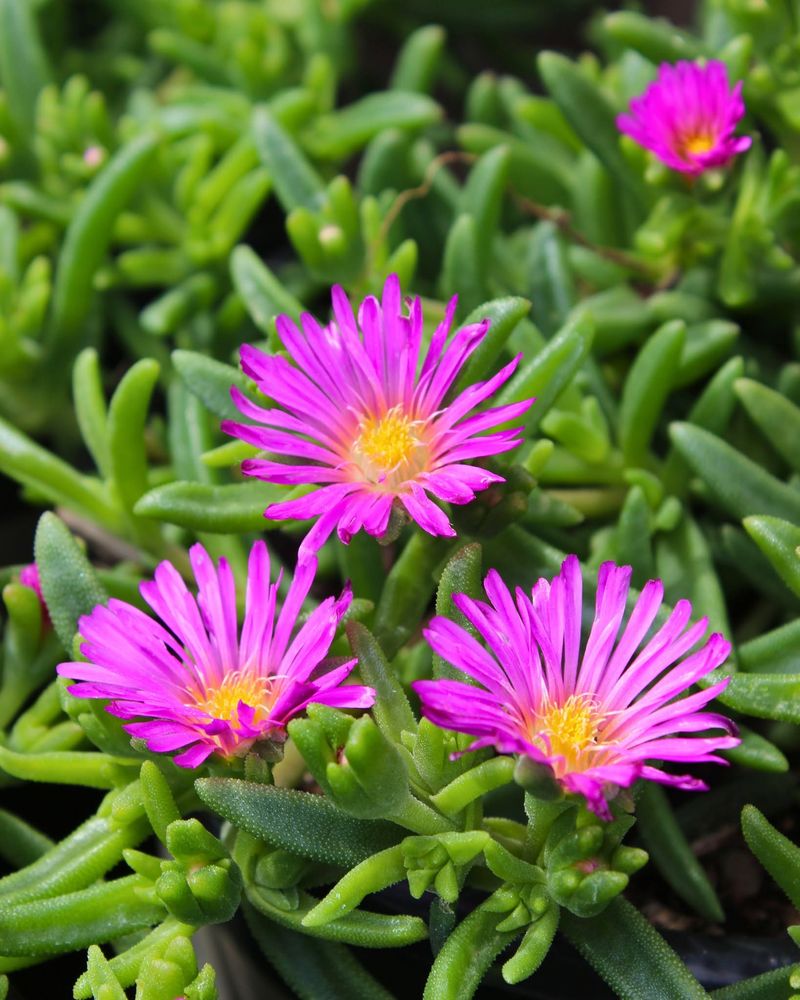
Bright, shiny, and almost glowing, hardy ice plant flowers are hard to miss. The magenta blooms look like small daisies. They cover the plant so thickly that you can barely see the leaves.
This low succulent comes from South Africa. Its thick, fleshy leaves store water, so it handles heat and drought like a champ. The petals even seem to sparkle in the sun.
So how does an African plant survive our winters? The secret is not the cold. Wet soil is the real enemy.
When water sits around the roots in winter, they rot. Cold alone rarely causes much harm. That means drainage matters more than anything else.
Plant it in sandy or gravelly soil. Rock gardens, raised beds, and the tops of stone walls are great spots. You can also mix coarse gravel into heavy clay before planting.
Skip the mulch with this one. Thick mulch holds moisture and can cause trouble. A thin layer of small stones or pea gravel works much better.
Full sun keeps the flowers coming from early summer into fall. Water only when the soil is completely dry. Too much kindness with the hose is a common mistake.
It spreads into a low mat about three inches tall. That makes it a handy groundcover for sunny slopes or along paths. Bees and butterflies love the bright blooms too.
Here is a neat trick. Break off a small piece in summer and stick it in dry soil. It often roots in just a few weeks, giving you free plants.