9 Warm‑Season Crops Texas Gardeners Can Start Now (And How To Care For Them)
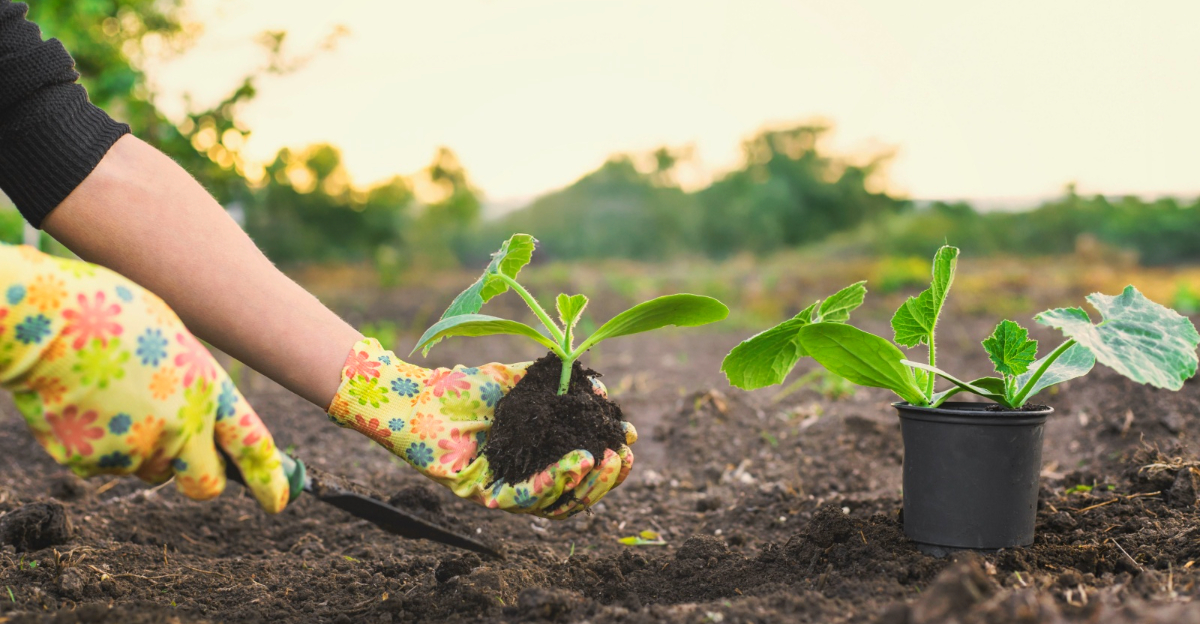
Have you ever wished your Texas garden could get a jump on the season and deliver fresh, homegrown produce before the summer heat hits? Starting warm-season crops now is the secret to turning that wish into reality.
Across the Lone Star State, from the sandy soils of East Texas to the clay-heavy ground near Houston and the rocky terrain of the Hill Country, indoor starts and early planning can make all the difference for a successful spring harvest.
By giving tomatoes, peppers, eggplants, and other heat-loving vegetables a head start, your transplants will arrive in the garden strong, well-rooted, and ready to thrive once soil temperatures climb.
Timing is everything in Texas, where last frost dates vary dramatically between South, Central, and North regions.
With a little foresight, you can enjoy tender, flavorful vegetables that grow faster, yield more, and make your spring garden one of the most productive – and satisfying – it’s ever been.
1. Tomatoes Produce Juicy Fruit And Thrive In Warm Sunny Spots
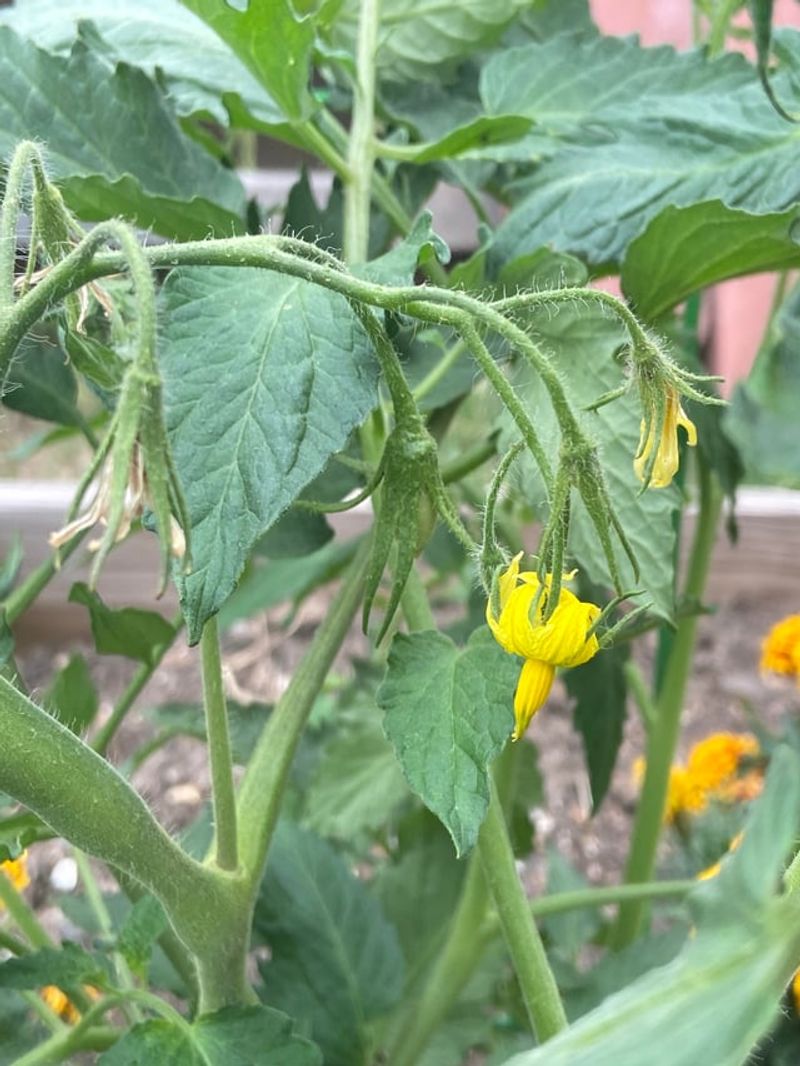
Few things make a Texas backyard gardener prouder than pulling a ripe, sun-warmed tomato straight off the vine.
Starting tomatoes indoors six to eight weeks before your last expected frost gives transplants a strong head start before outdoor conditions are ready.
In Central Texas, that transplanting window often opens around mid-March, once soil temperatures hold steadily at 60 degrees Fahrenheit or above at a four-inch depth.
When you move seedlings outside, plant them deep, burying the stem up to the lowest set of leaves. This encourages a more robust root system that helps plants stay stable and access moisture during dry stretches.
Set up your support cages or stakes at planting time rather than waiting, because disturbing roots later can stress young plants considerably.
Texas summers turn brutally hot fast, so choosing varieties that tolerate heat is genuinely important. Celebrity, Solar Fire, and Heatmaster are popular choices that perform reliably in Texas gardens.
Consistent watering matters more than almost anything else with tomatoes, so aim for one to two inches of water per week and avoid letting the soil swing between soaking wet and bone dry.
Mulching around the base of each plant helps hold moisture and keeps roots cooler as temperatures climb.
With the right timing and consistent care, a well-established tomato plant can reward you with generous harvests well into early summer.
2. Peppers Bring Bold Flavors And Grow Strong Indoors First
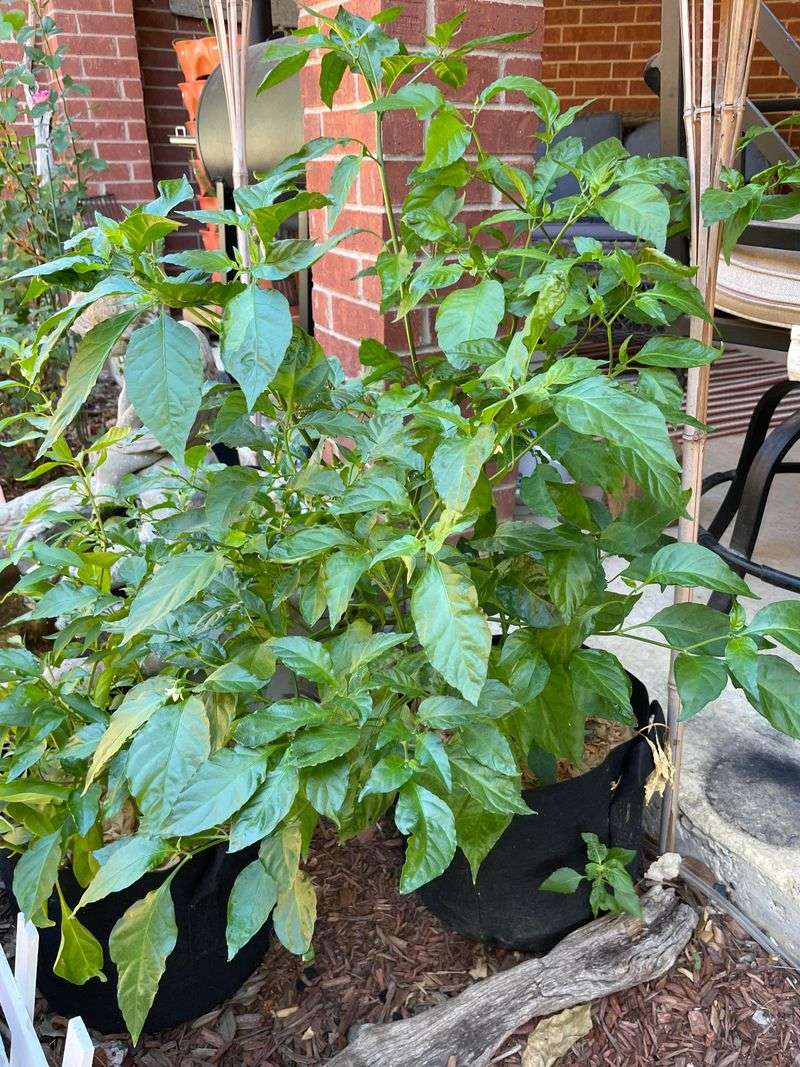
Peppers are one of those crops where patience at the start pays off in a big way later.
Starting seeds indoors eight to ten weeks before the last frost date gives pepper plants the warm, sheltered environment they need to develop strong stems and a healthy root system before facing outdoor conditions.
Peppers are notoriously slow germinators, so soil temperatures during germination should stay between 75 and 85 degrees Fahrenheit for best results.
Once nighttime temperatures in your Texas garden stay reliably above 55 degrees and soil temps hold above 60 degrees, it is safe to move transplants outside. Space plants about 18 inches apart in well-drained soil with plenty of organic matter mixed in.
Full sun is non-negotiable here, as peppers need at least six to eight hours of direct sunlight daily to produce well.
Bell peppers, jalapenos, and poblanos all perform well across Texas gardens, though gardeners in hotter regions often find that thinner-walled varieties like cayenne or serrano handle summer heat more gracefully.
Water consistently and avoid letting soil dry out completely between waterings, especially once plants begin flowering.
Drip irrigation works beautifully for peppers because it delivers moisture directly to the root zone without wetting the foliage, which can invite fungal problems.
A layer of straw mulch around each plant helps regulate soil temperature through the hottest weeks ahead.
3. Eggplant Develops Shiny Purple Fruit And Vigorous Seedlings
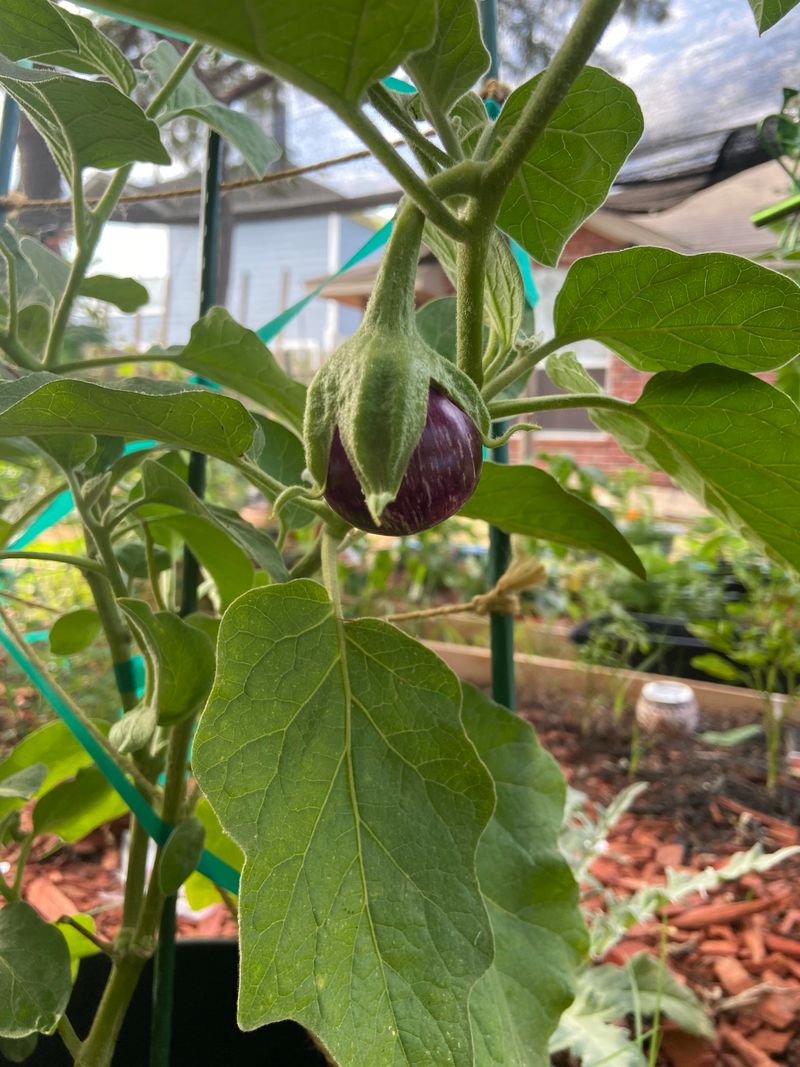
Eggplant is one of the most heat-tolerant vegetables you can grow in Texas, which makes it a smart choice for gardeners who want production that extends deep into the summer months.
Starting seeds indoors eight to ten weeks before the last frost date gives seedlings plenty of time to develop before outdoor transplanting.
Germination works best when soil temperatures stay around 80 to 90 degrees Fahrenheit, so a seedling heat mat under your trays makes a noticeable difference.
Transplant eggplant seedlings outside when soil temperatures consistently exceed 60 degrees and nighttime lows stay above 50 degrees. In most of Central and South Texas, that window opens in mid to late March.
Plant in full sun with at least 24 inches between plants, since eggplant grows into a fairly large, bushy plant by midsummer.
Black Beauty is a classic variety that produces reliably in Texas heat, while Ichiban, a slender Japanese-style eggplant, tends to set fruit even when temperatures push into triple digits.
Water deeply and consistently, aiming for about an inch per week, and mulch generously around the base to help retain soil moisture.
Flea beetles can be a nuisance on young eggplant seedlings, so checking leaves regularly during the first few weeks after transplanting helps you catch any early pest pressure before it becomes a real problem for your plants.
4. Squash Produces Tender Summer Fruit And Sprawling Vines
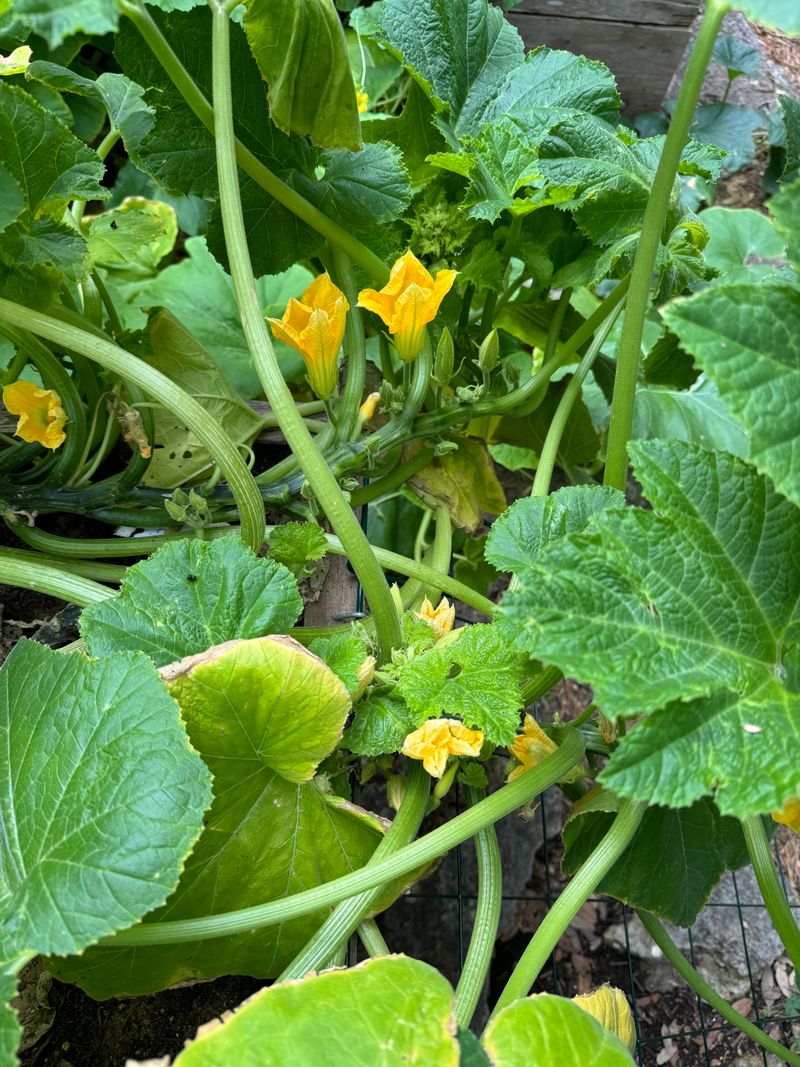
Squash has a reputation for being almost embarrassingly productive, and Texas gardeners who time their planting right often find themselves with more fruit than they can use in a week.
Direct seeding squash into the garden works best once soil temperatures reach at least 70 degrees Fahrenheit, which typically happens in late March across much of Central and North Texas.
South Texas gardeners can often get seeds in the ground a few weeks earlier.
Choose a spot with full sun and excellent drainage, because squash sitting in waterlogged soil quickly develops root problems.
Plant seeds about one inch deep and space hills at least three feet apart to give the sprawling vines room to expand without crowding each other out.
Raised beds work particularly well for squash in areas with heavy clay soils, since you can control drainage and soil quality more easily.
Yellow crookneck, straightneck, and zucchini varieties all thrive in Texas spring gardens.
Squash vine borers and squash bugs are the two most common pest headaches Texas gardeners encounter, so checking the undersides of leaves weekly and removing any egg clusters you find goes a long way toward protecting your plants.
Harvesting squash when fruit is still young and tender, typically six to eight inches long for zucchini, encourages the plant to keep producing steadily rather than putting all its energy into maturing one oversized fruit at a time.
5. Cucumbers Add Crisp Crunch And Rapid Growth In Full Sun
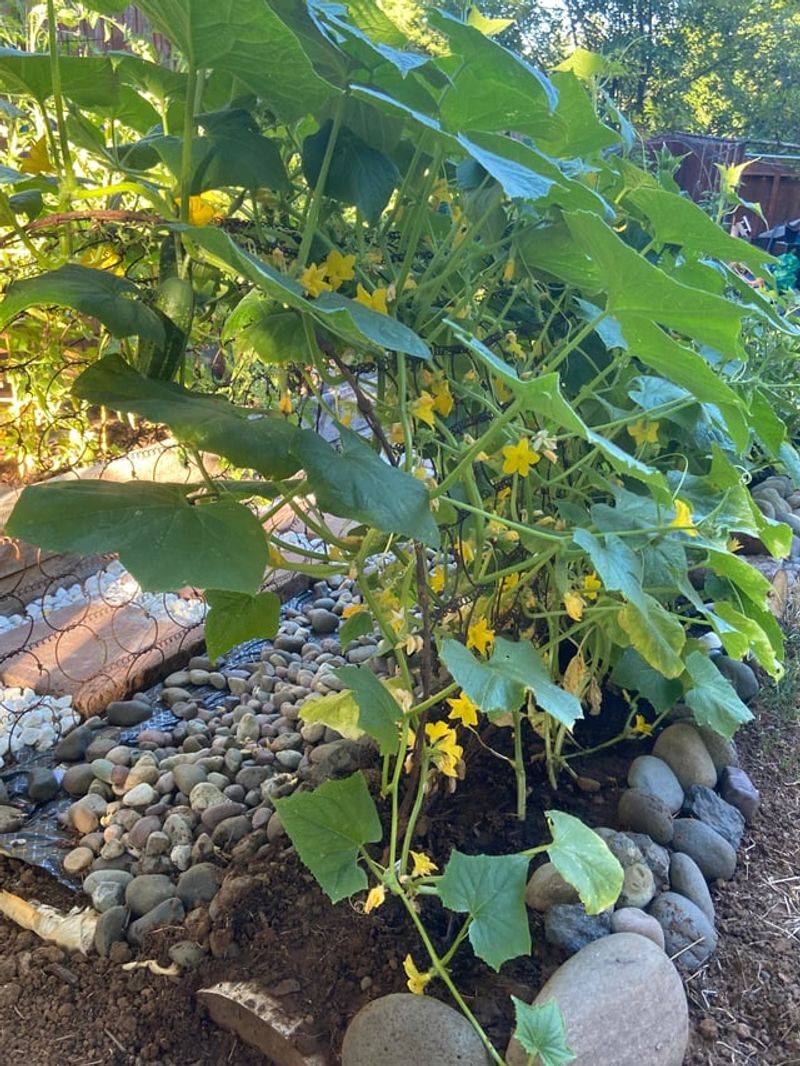
Cucumbers grow so fast in Texas spring conditions that it almost feels like you can watch them move.
These are warm-season crops that genuinely dislike cold soil, so hold off on direct seeding until soil temperatures reach 70 degrees Fahrenheit, which usually lands around late March in Central Texas.
If you want an early head start, you can start seeds indoors in small biodegradable pots two to three weeks before your planned outdoor planting date.
Cucumbers do not transplant as easily as tomatoes or peppers, so using peat pots or soil blocks that go directly into the ground without disturbing roots gives you the best outcome.
Choose a full-sun location and install a trellis or simple wire cage before planting, since training vines upward saves garden space and keeps fruit cleaner and easier to spot at harvest time.
Straight Eight, Marketmore, and Bush Pickle are reliable cucumber varieties for Texas gardens.
Slicing varieties tend to produce generously in spring before summer heat peaks, while pickling types are great if you enjoy preserving your harvest.
Water deeply at least once or twice a week, and avoid wetting the foliage during evening hours to reduce the chance of powdery mildew taking hold.
Cucumbers harvested young, before seeds inside become large and the skin turns yellow, stay crispest and encourage continued fruiting throughout the season.
6. Green Beans Yield Sweet Pods And Climb Or Spread Easily
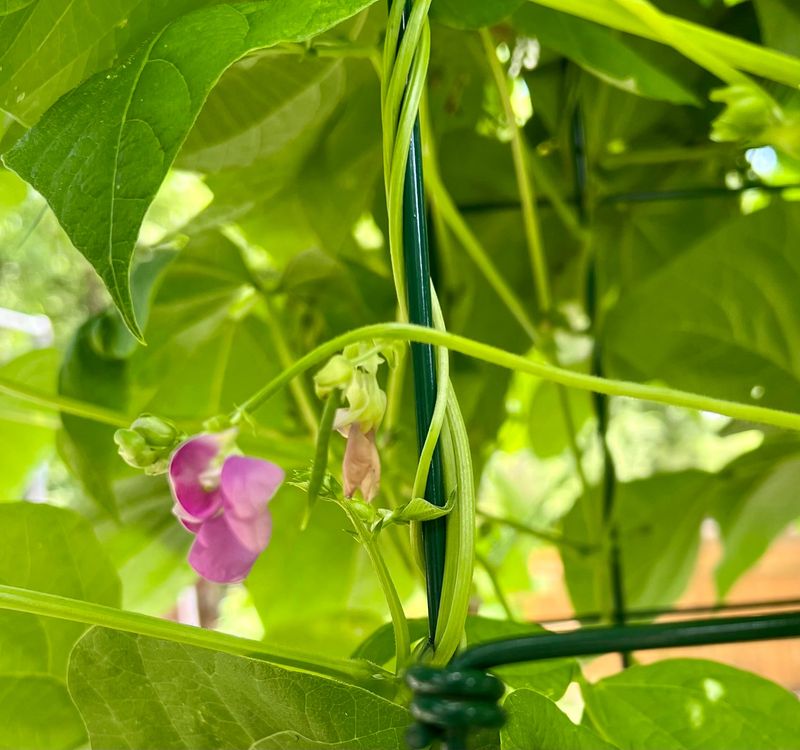
Green beans are one of the most forgiving warm-season crops a Texas gardener can choose, making them a favorite for beginners and experienced growers alike. Unlike tomatoes and peppers, green beans do not need to be started indoors first.
Direct sow seeds into the garden once soil temperatures hold steadily above 60 degrees Fahrenheit, which often happens in mid-March across Central Texas and even earlier in South Texas.
Plant seeds about one inch deep and two to three inches apart in rows, thinning later to about six inches between plants.
Bush bean varieties like Contender and Provider stay compact and work beautifully in smaller garden spaces, while pole bean varieties like Kentucky Wonder need a trellis or fence to climb but tend to produce over a longer period than bush types.
Green beans prefer well-drained, slightly sandy soil and do not respond well to heavy clay without some organic matter worked in first.
Too much nitrogen fertilizer tends to push leafy growth at the expense of pod production, so go easy on high-nitrogen amendments once plants are established.
Water consistently, aiming for about an inch per week, and harvest pods regularly once they reach finger thickness.
Leaving pods on the plant too long causes beans to become tough and signals the plant to slow down production, so frequent picking is genuinely one of the best ways to keep yields coming strong all season.
7. Okra Brings Tall Plants And Heat-Loving Flowers
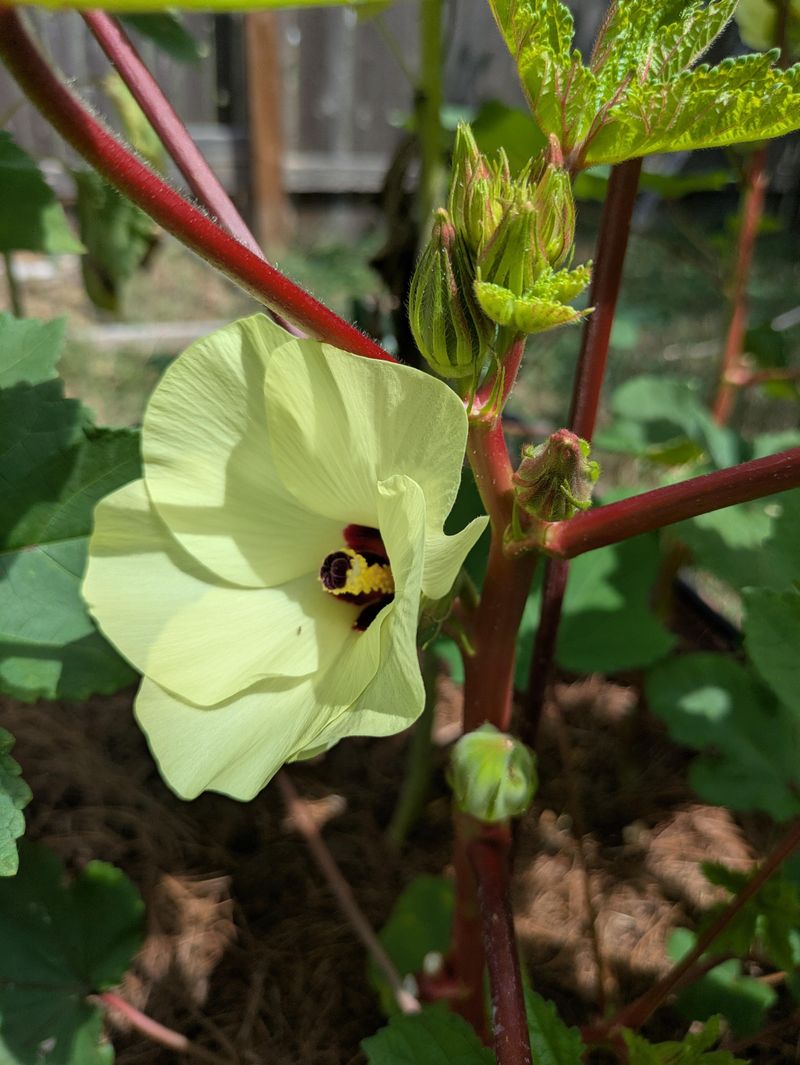
Okra is practically made for the Texas summer, thriving in conditions that slow down or stop most other vegetables.
This is one crop where waiting for genuinely warm soil pays off, so hold off on planting until soil temperatures reach at least 65 degrees Fahrenheit, typically late March in Central Texas and a bit earlier along the Gulf Coast.
Soaking seeds in water overnight before planting can help speed up germination by softening the hard seed coat.
Direct sow okra seeds about half an inch to one inch deep, spacing plants 12 to 18 inches apart in rows. Okra grows tall, often reaching five to six feet or more by midsummer, so position it where it will not shade out shorter crops nearby.
Full sun is absolutely essential, and okra planted in even partial shade tends to flower and produce much less reliably.
Clemson Spineless is the most widely grown variety in Texas gardens and performs consistently well across the state. Louisiana Green Velvet is another excellent option, particularly for gardeners who prefer a slightly more tender pod.
Harvest okra pods when they are two to four inches long for best texture and flavor. Pods left on the plant beyond that size quickly become fibrous and tough.
Regular harvesting every day or two during peak production keeps the plant energized and producing new pods continuously through the hottest weeks of summer.
8. Melons Develop Sweet Fruit And Spread Quickly In Warm Soil
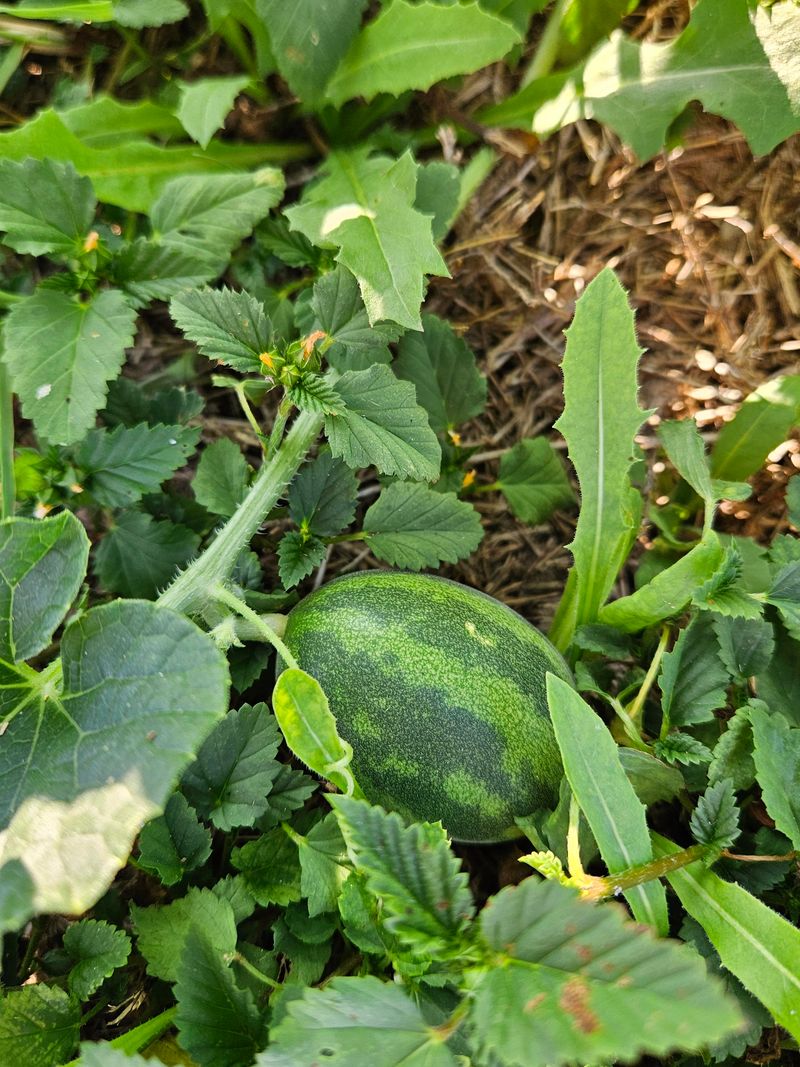
Growing your own melons in Texas feels like a genuine reward for all the summer heat you endure in the garden.
Melons need warm soil to germinate and grow well, so wait until soil temperatures reach 70 degrees Fahrenheit before direct sowing seeds outdoors, typically late March in Central Texas.
If you want to get a jump on the season, starting seeds indoors in biodegradable pots two to three weeks early gives transplants a useful head start without the transplant shock that sometimes sets melon seedlings back.
Choose a full-sun location with loose, well-drained soil and plenty of space, since melon vines spread aggressively and can easily cover a ten-foot radius by midsummer.
Plant seeds one inch deep in hills spaced four to six feet apart, and thin to the two strongest seedlings per hill once plants are a few inches tall.
Raised beds or mounded rows improve drainage and help soil warm up faster in spring, which gives melons a meaningful advantage early in the season.
Hale’s Best cantaloupe, Sugar Baby watermelon, and Crimson Sweet watermelon all perform well in Texas gardens.
Consistent watering is critical during vine development and fruit set, but reducing water slightly as melons approach maturity intensifies sweetness.
Placing a small piece of cardboard or straw under developing fruit helps prevent rot where the melon rests against moist soil throughout the growing season.
9. Sweet Potatoes Grow Vines And Produce Nutritious Roots
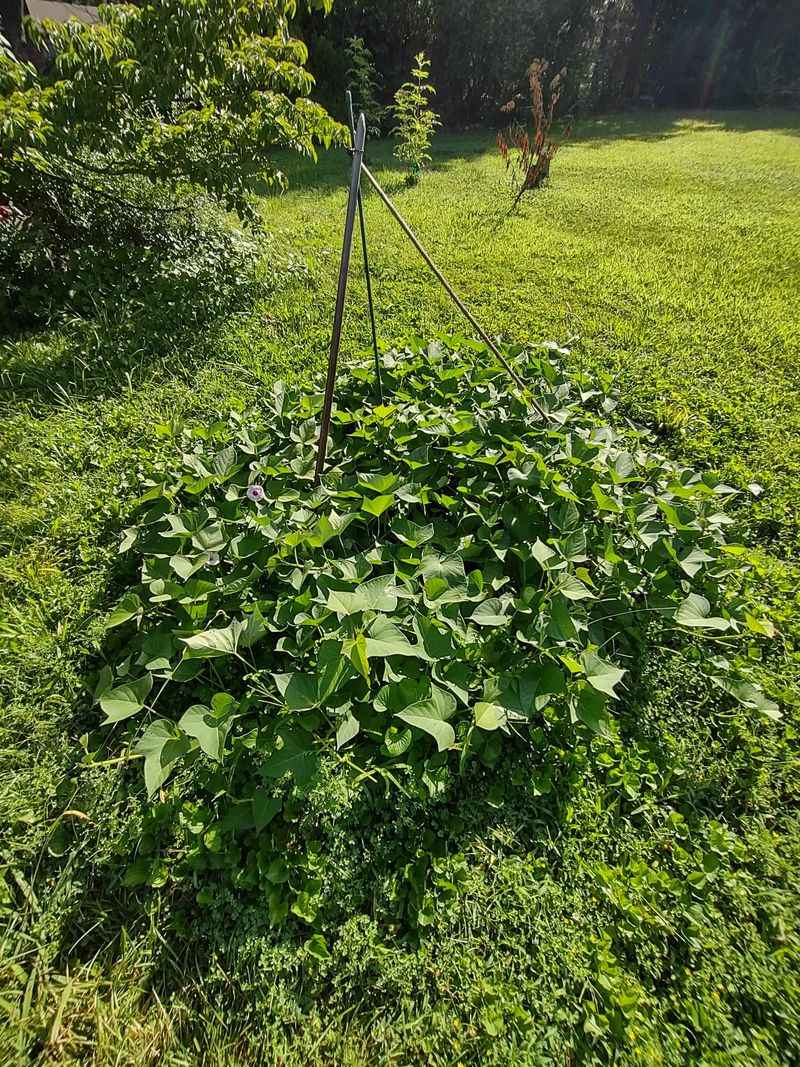
Sweet potatoes are one of the most heat-tolerant and low-maintenance crops a Texas gardener can grow once they get established, but timing the start correctly makes all the difference.
Unlike most vegetables, sweet potatoes are not grown from seeds but from slips, which are small rooted shoots that develop from a mature sweet potato.
You can purchase slips from a local nursery or start your own by placing a sweet potato in a jar of water and letting sprouts develop in a warm, sunny windowsill.
Plant slips outdoors after the last frost date when soil temperatures have warmed to at least 65 degrees Fahrenheit, usually mid to late April across most of Texas.
Space slips about 12 to 18 inches apart in loose, well-drained soil with good organic matter content.
Avoid heavy clay soils without amendment, as compacted ground restricts root expansion and results in misshapen or stunted roots at harvest time.
Beauregard is the most popular variety among Texas home gardeners and produces reliably across a wide range of Texas soil types. Centennial is another good option for gardeners who prefer a slightly drier-textured root.
Sweet potatoes need about 90 to 120 days to reach full maturity, so getting slips in the ground by late April puts harvest right around late summer.
Water regularly during the first few weeks after planting to help slips establish, then reduce irrigation frequency as vines fill in and cover the soil naturally.