8 Warning Signs Of Termites In Your Garden Beds And Mulch
Picture yourself kneeling in the garden on a crisp September morning, gloves on and a trowel in your hand. You pull back a handful of mulch, and something pale wriggles away faster than your nerves can handle.
The soil smells earthy and sweet, the tomatoes are hanging on, and everything seems peaceful. Yet under that cozy brown blanket, a quiet crew may be clocking in for the night shift.
They work in darkness, they skip the noise, and they rarely leave a thank-you note. Your wooden bed frames and fluffy mulch look like a free buffet to them.
Most gardeners miss the clues because they are small, sneaky, and easy to blame on weather. A crumbly board here or a muddy smear there hardly seems worth a second look.
Still, a little detective work now can save your fences, sheds, and maybe even your house. Somewhere out there, a tiny diner is rating your raised beds five stars.
1. Mud Tubes That Climb Like Tiny Highways
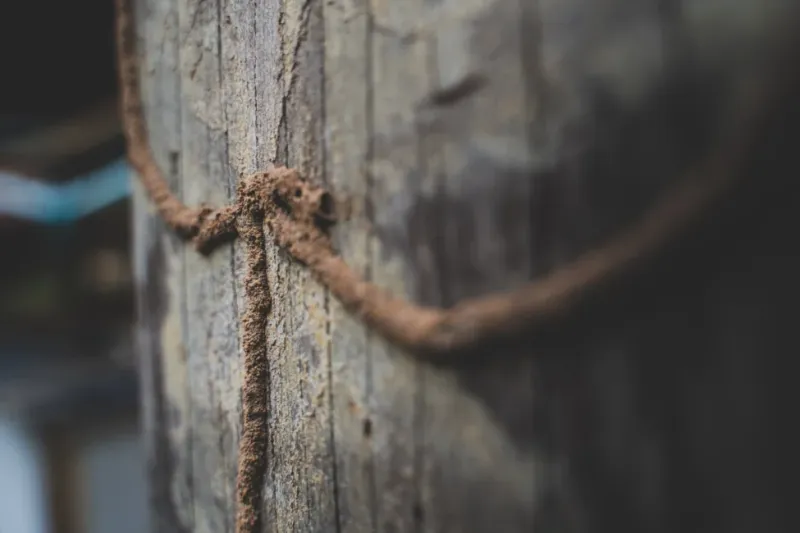
Imagine finding a skinny line of dried mud running up the side of your cedar raised bed. It looks like a kid drew it with a muddy finger, but tiny builders made it on purpose.
Subterranean termites create these tubes to travel between the soil and their food. The tunnels keep them moist and hidden, since sunlight and dry air can quickly harm their soft bodies.
Most tubes are about the width of a pencil, though some can be thicker. You might spot them on bed frames, fence posts, tree stumps, or the underside of stepping stones.
Here is a simple test worth trying this weekend. Break off a small piece and check back in a few days to see if it gets repaired.
A rebuilt tube usually points to an active colony nearby. An empty, crumbly tube may be old, but it still tells you the area is attractive to them.
September is a great time to look, because many gardeners are clearing summer crops anyway. Pull back mulch around wooden edges and shine a flashlight along the lower few inches.
If you find tubes touching your home’s foundation, call a licensed pest pro right away. Garden trouble is annoying, but trouble inside your walls is far more expensive to fix.
Take a quick photo on your phone before you disturb anything at all. A clear photo helps a pest pro or local extension office narrow down what you are dealing with.
2. Hollow Wood That Sounds Like A Drum
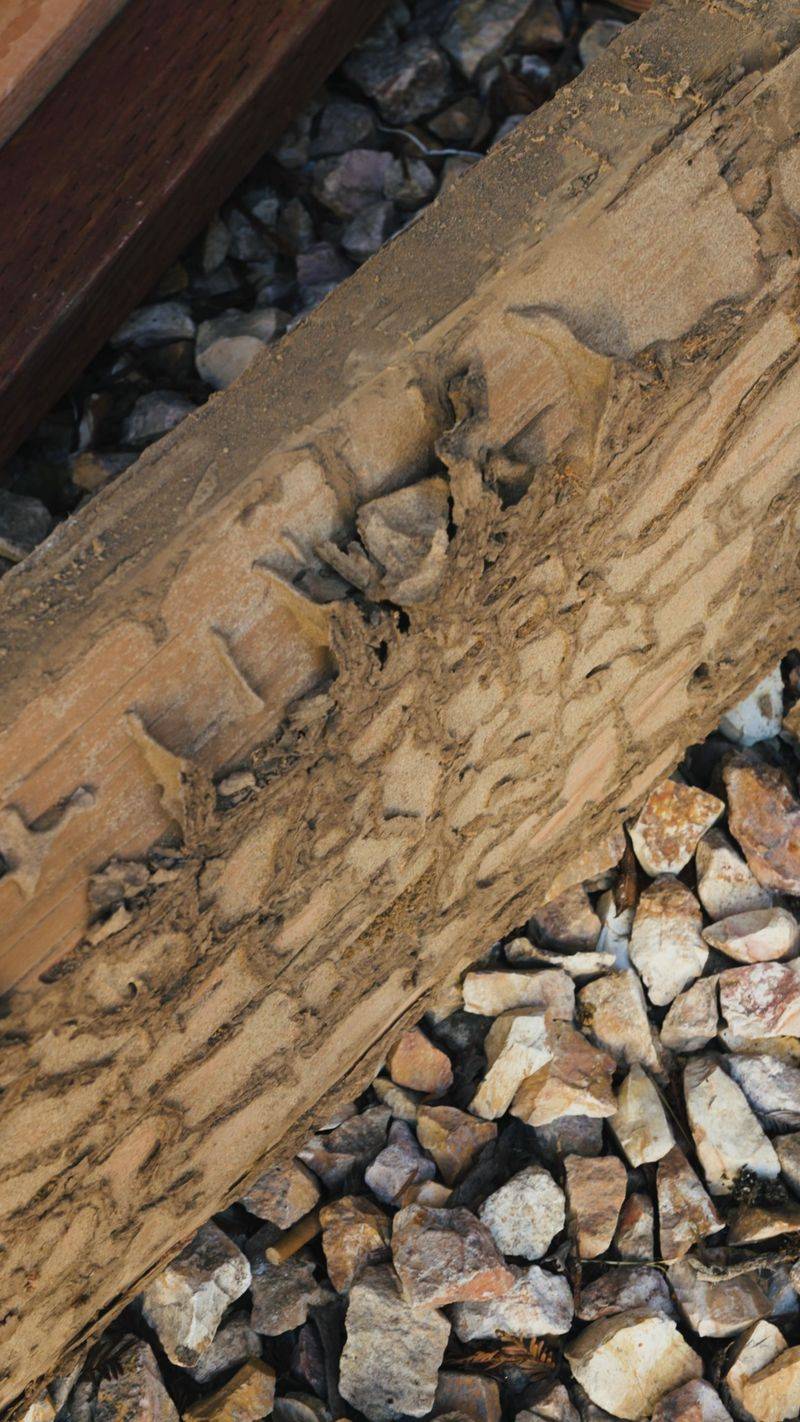
Knock on the wooden edge of your garden bed and listen closely. A solid thunk is a healthy sign, but a hollow, papery sound is a red flag.
Termites eat wood from the inside out, leaving a thin outer shell that looks normal. That sneaky habit means a board can seem fine until it suddenly cracks under your boot.
Grab a screwdriver and gently press it into boards, stakes, and old stumps near your beds. Healthy wood resists, while damaged wood gives way easily.
Look closely at any broken pieces you find. Termite damage often shows neat layered channels that follow the grain, sometimes packed with bits of soil.
Rot and termites often team up, which can make things confusing. Rotting wood is usually soft and spongy all over, while termite wood has clear tunnels and galleries.
Landscape timbers and untreated pine edging are common targets. Wood that stays damp from sprinklers or rain becomes even more tempting as the weather cools.
If you are rebuilding beds this fall, consider stone, metal, composite boards, or naturally resistant woods like cedar and redwood. Keep in mind that even resistant wood slowly loses its protection with age.
Pull out badly damaged boards and move them far from your house. Tossing them in a bonfire pile near your siding only gives the colony a new snack.
A few minutes of knocking each season can reveal problems early. Think of it as a checkup for your garden’s bones.
3. Winged Swarmers That Show Up Uninvited
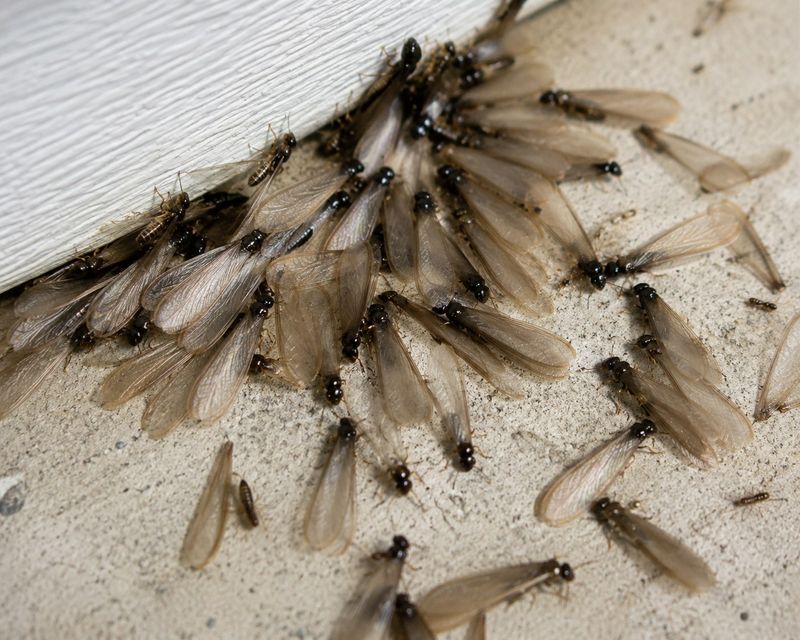
One warm afternoon after a fall rain, you might see a cloud of tiny winged insects rising from your mulch. Many people shrug and call them flying ants, but that guess can be costly.
These fliers are called swarmers, and their job is to leave the old colony and start new ones. Some termite species swarm in spring, while others take flight in late summer and early fall.
Telling them apart from ants is easier than you think. Termites have straight antennae, a thick waist, and four wings that are all the same length.
Flying ants have bent antennae, a pinched waist, and front wings that are longer than the back pair. A quick look with a magnifying glass or phone zoom settles the question.
Swarmers are weak fliers and usually appear on sunny days following rainfall. They are drawn to light, so check porch lamps and windowsills near your garden too.
Seeing a swarm outdoors does not mean your house is in trouble. It does tell you a mature colony lives somewhere nearby.
If swarmers appear indoors, call a licensed pest pro promptly. That usually means the colony is already feeding somewhere inside your home.
Try to catch a few in a sealed bag or jar for identification. A pest expert can tell you the species, which helps decide the best treatment.
Keep your cool and skip the bug spray frenzy. Store-bought sprays only knock down the visible fliers while the hidden colony keeps working underground.
4. Mulch That Crumbles Into Fine Dust
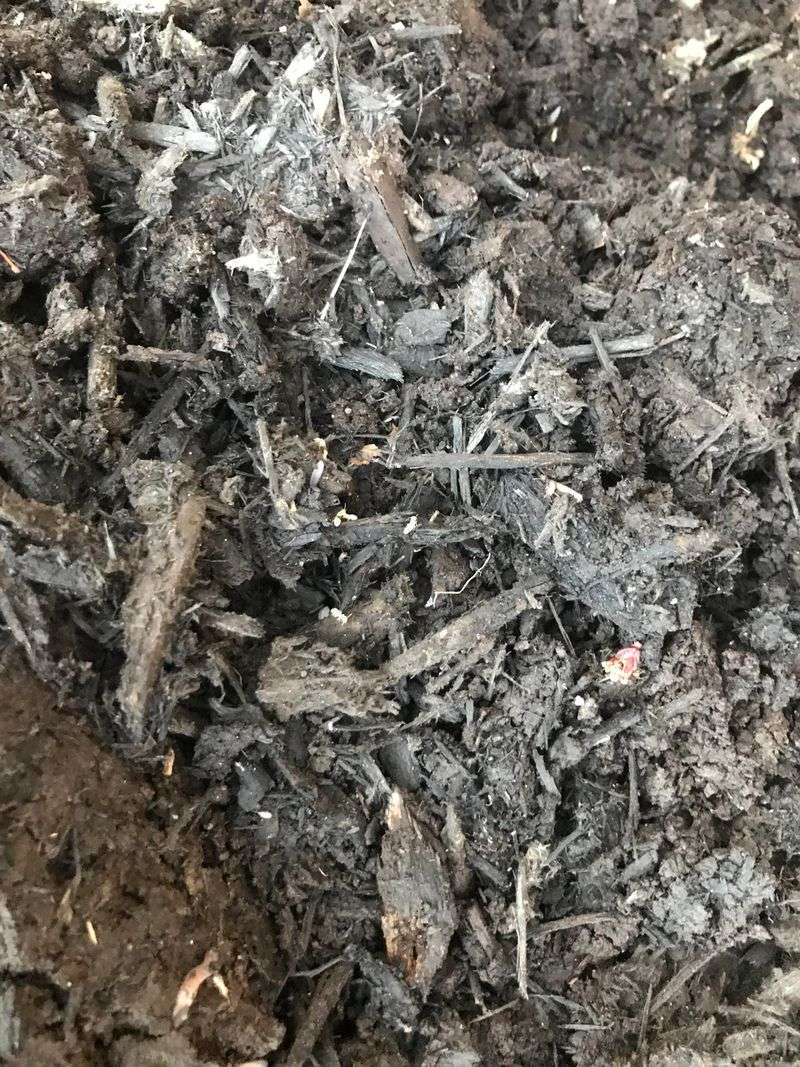
Fresh mulch in spring feels springy, chunky, and full of life under your gloves. By late September, it should look a bit faded, but it should not turn to powder.
When termites feed on wood mulch, they chew through the softer layers and leave behind brittle bits. Scoop up a handful, and you may notice it crumbles like stale crackers.
Look at the underside of the mulch layer too. Tunnels, soil clumps glued to wood chips, and damp, dark pockets are all clues worth noting.
To be fair, mulch breaks down naturally from fungi, rain, and helpful critters like earthworms. The difference is that termite-chewed mulch often hides clusters of pale insects nearby.
Most studies show mulch does not attract termites from far away. However, it holds moisture and warmth, which makes an area near your home feel extra welcoming.
Keep mulch at least six inches away from your foundation, and a foot is even better. Around the house, rubber mulch, gravel, or river rock creates a safer buffer zone.
Depth matters as well. Two to three inches is plenty for weed control, while thick piles stay soggy and invite trouble.
Cedar and cypress mulch may resist insects slightly better than pine, though no wood mulch is termite-proof. Rake your mulch now and then so it dries out between waterings.
Fall is a smart time to refresh beds before winter. Remove old, powdery mulch, check the soil beneath, and add a thin new layer.
Your plants still get cozy protection. Meanwhile, the pests get a much less comfy place to hang out.
5. Piles Of Wings That Litter The Soil
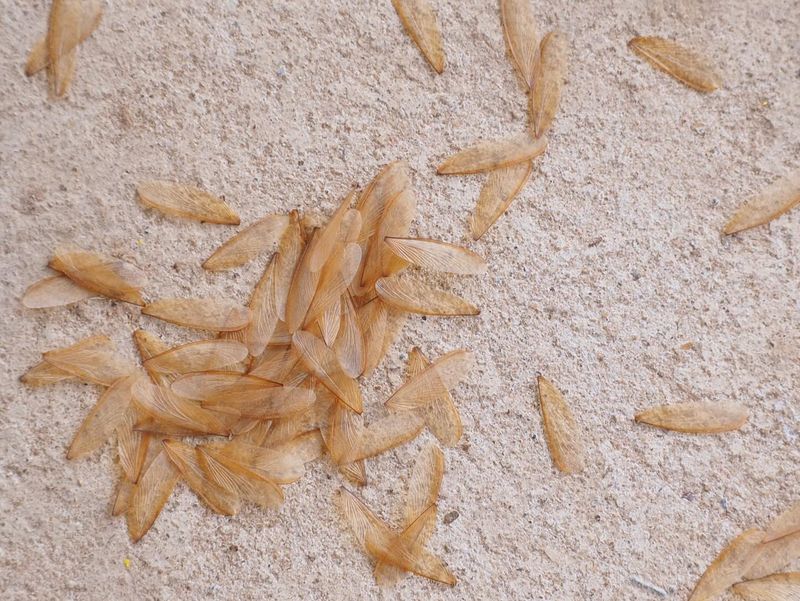
Picture a scatter of tiny, see-through wings on your garden path, like confetti after a very small party. The party guests are gone, but they may have moved in nearby.
After a swarm, termites that land and find a mate snap off their wings. They crawl away to start a new colony, leaving the wings behind like old jackets.
The wings are pale or slightly smoky, and they are all nearly equal in length. You will often find them piled on windowsills, patio furniture, stepping stones, and spider webs.
Wings near raised beds or woodpiles hint that pairs landed in your garden. Some of those couples may be setting up house in a damp stump or timber.
A quick fun fact might surprise you. A mature termite queen can live for many years and lay thousands of eggs.
Wings can blow in from a neighbor’s yard, so one small pile is not a crisis. A large pile in the same spot, though, points to a colony very close.
Sweep up the wings with a damp paper towel and seal a few in a bag. Label it with the date and place you found it for a pest pro to check.
Look for wings after warm fall showers, when some species swarm. Early morning is a great time, since the wind has not yet scattered the evidence.
Treat those wings like a clue in a mystery novel. They are small, but they point straight at the culprit.
6. Pale Critters That Scatter From The Light
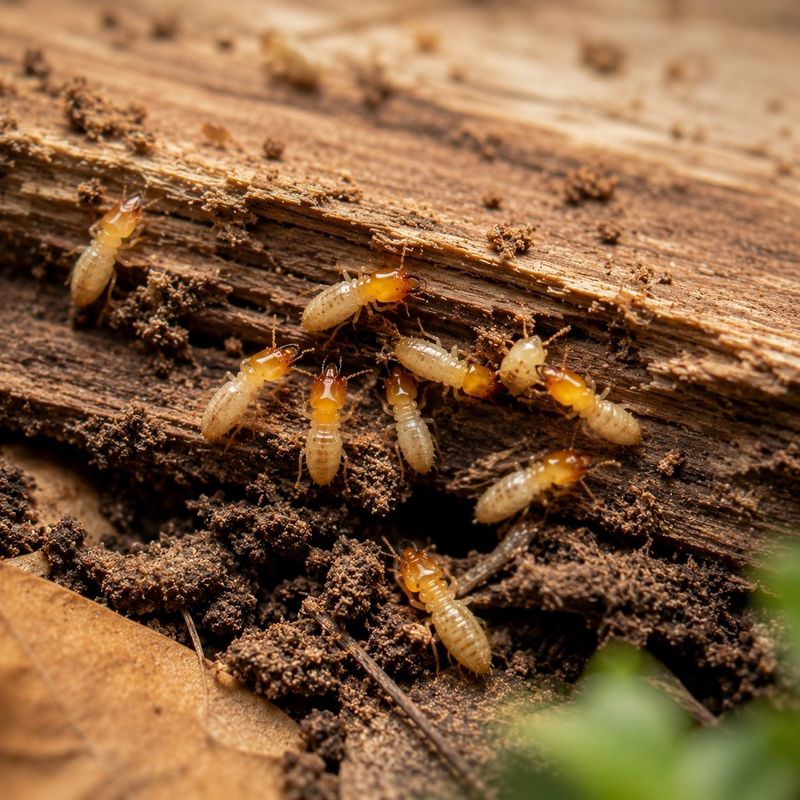
Lift a paver or flip an old board, and a crowd of creamy white bugs might scramble for cover. Your first thought could be grubs or ants, but look a little closer.
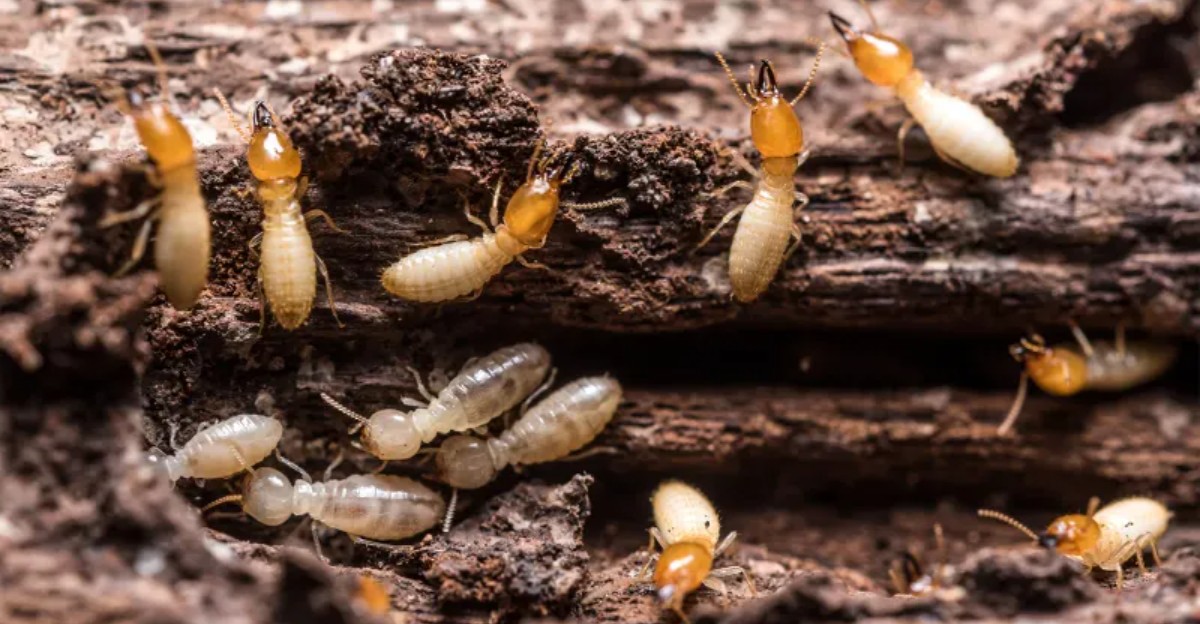
Worker termites are soft, pale, and about the size of a grain of rice. They look almost like tiny ghosts with straight bodies and no clear waist.
You might also see larger termites mixed in with the workers. These defenders have bigger, darker heads with strong jaws that protect the colony.
Ants are usually darker and have a pinched waist, while young white grubs curl into a C shape. Termites stay straight and rush away from light and air.
Check under stepping stones, landscape timbers, logs, and piles of leaves near your beds. Late September soil is still warm, so colonies are active near the surface.
Gently set the board or stone back once you finish looking. Disturbing the spot too much can send the colony deeper, which makes treatment harder.
Snap a clear close-up photo if you can. Plenty of local extension offices will identify bugs for free if you email them a picture.
Clear away old lumber, stumps, and firewood that sit directly on the soil. Stack firewood on a rack at least twenty feet from your home.
Finding these pale workers in the garden is a friendly nudge, not a panic button. With quick action, you can protect your wooden structures and home before the problem grows.
7. Plants That Wilt For No Clear Reason
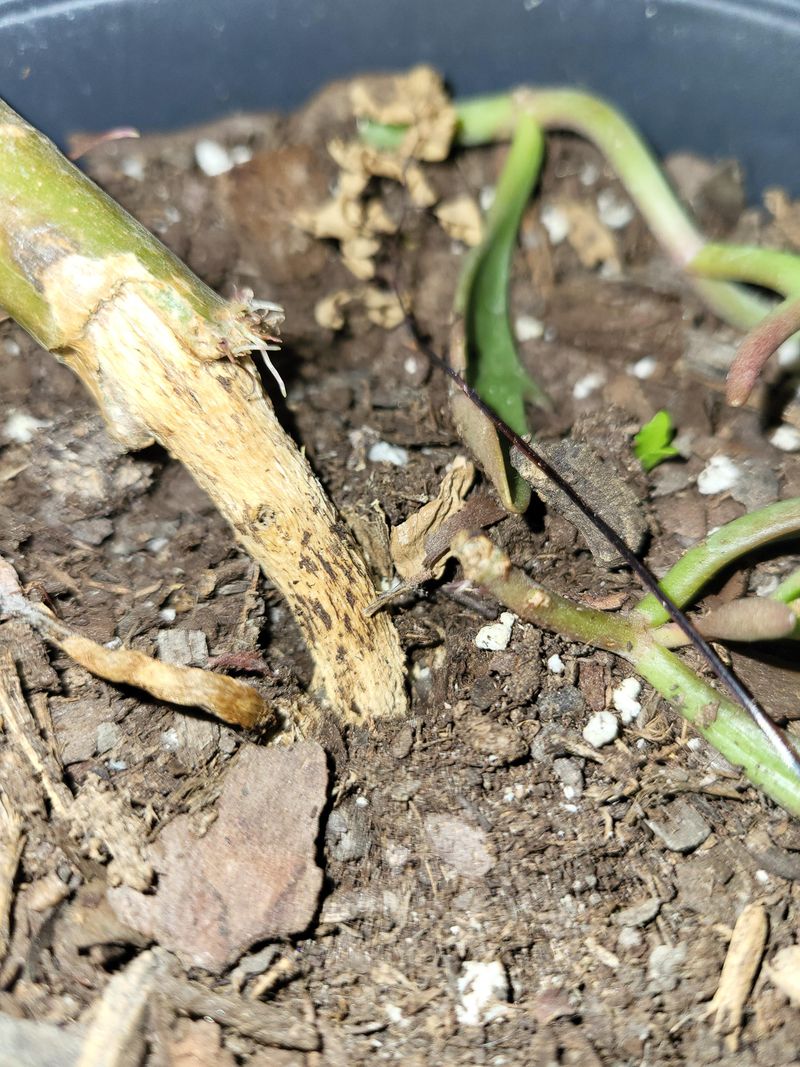
You water, you feed, you even talk nicely to your shrubs, yet one keeps drooping. Sometimes the problem is not the weather or your watering can at all.
Certain termites will chew on the roots and lower stems of woody plants. They prefer stressed or already struggling plants.
Young trees and woody shrubs that are already stressed can occasionally be affected, mostly in warm regions. The damage cuts off water flow, so leaves yellow, curl, and droop.
Gently tug on the plant near its base. If it wobbles or pulls up easily, dig around the roots and look for hollowed stems or soil-packed tunnels.
Mud caked onto a stem above the soil line is a strong clue. Healthy stems should look clean and firm, not crusty or chewed.
Of course, many things cause wilting, including drought, fungus, and root rot. Rule those out first, then check for pests if nothing else explains it.
Keep plants strong so they resist attacks better. Water deeply but less often, and avoid piling mulch right against trunks and stems.
Remove struggling woody plants that cannot recover, and toss them far from the house. Old roots left in the ground can feed a colony for months.
Autumn is a great season for planting replacements while the soil stays warm. Choose tough, well-adapted plants, and give each one a little breathing room.
Your garden should reward your effort with fresh growth. When it does not, a little digging can turn a mystery into a solvable puzzle.
8. Frass That Looks Like Tiny Pellets
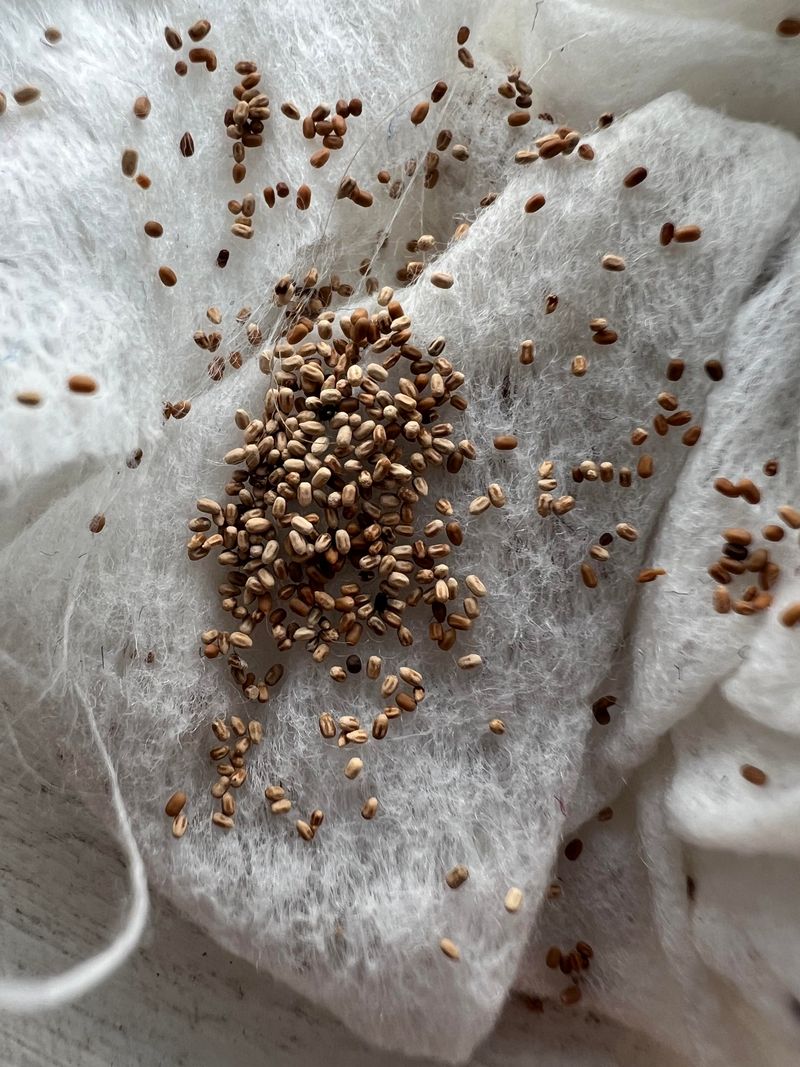
Have you ever spotted a tiny pile of what looks like coffee grounds on your garden bench? Before you blame the squirrels, take a closer look.
Drywood termites push their droppings, called frass, out of small holes in the wood. The pellets are hard, oval, and have six little ridges along their sides.
Frass color often matches the wood being eaten, so it can be tan, reddish, or dark brown. It collects in neat little mounds beneath the hole it fell from.
Garden benches, wooden trellises, arbors, and bird feeders are all fair game. Drywood termites do not need soil contact, so raised wood is not off the hook.
These pests are most common in warm, coastal areas like Florida, Southern California, and the Gulf Coast. If you live there, check wood items regularly throughout the year.
Sawdust from carpenter ants looks different, since it is stringy and mixed with insect bits. Termite frass feels gritty, like fine sand between your fingers.
Sweep up the pile and watch the spot for a week. Fresh pellets reappearing points to a colony that is still active inside.
Small items like a trellis can be replaced easily. Larger structures, like a pergola near your home, may need spot treatment or fumigation by a pro.
Sealing and painting wood helps block new colonies from sneaking in. Fill cracks and old nail holes before winter weather opens them wider.
Frass is not pretty, but it is honest. Those tiny pellets tell you exactly where the trouble is hiding.