9 Warning Signs Your Florida Garden Has A Pest Problem
Florida gardens grow fast, but so do the pests that love our warm sunshine and heavy humidity. One day your plants look healthy and thriving.
A few days later, leaves start curling, yellow spots appear, and growth suddenly slows. Most gardeners assume heat or watering problems are to blame, but insects usually leave clear warning signs long before serious damage happens.
Tiny holes, sticky residue, fine webbing, and distorted new growth all point to hidden pests feeding behind the scenes. Catching these clues early can save entire harvests, protect ornamental plants, and prevent infestations from spreading across your yard.
Florida’s long growing season gives insects more time to reproduce and expand, which makes early detection even more important.
Paying attention to these signs helps you protect your plants, enjoy a thriving garden, and feel confident that your hard work is paying off all season long.
1. Leaves With Holes Or Ragged Edges
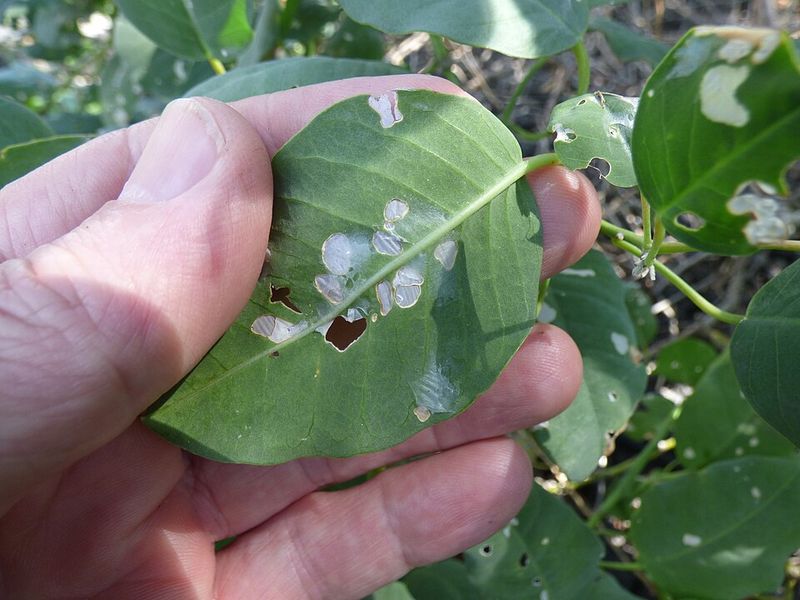
When you notice irregular holes or torn edges along your tomato leaves or hibiscus foliage, you’re seeing the work of chewing insects. Caterpillars, grasshoppers, and beetles all feed this way, leaving behind damage that starts small and spreads fast.
In South Florida, this type of feeding can occur most of the year, while North Florida gardeners often see a slowdown during cooler months.
The edges of the holes usually look jagged rather than smooth, and you might spot dark droppings nearby. Some caterpillars work at night, so you’ll see the damage before you see the pest itself.
Florida’s warm nights give these insects plenty of time to feed without interruption.
Check the undersides of leaves early in the morning or late evening when many chewing pests are most active. If you find green caterpillars or beetles, hand-picking works well for small gardens.
Central Florida gardeners should monitor plants weekly during spring and summer, as insect populations build quickly in steady warmth. Ragged leaves reduce a plant’s ability to make food, so catching this early helps your garden stay productive.
2. Sticky Residue On Leaves Or Surfaces
A shiny, sticky coating on leaves or the ground beneath your plants signals honeydew, a sugary waste produced by aphids, whiteflies, and soft scales. You might notice this residue on citrus trees, gardenias, or ornamental shrubs, and it often feels tacky to the touch.
While honeydew itself does not damage plants, the insects producing it and the mold that grows on it can significantly reduce plant health and photosynthesis.
Honeydew appears as small droplets or a thin film that catches light and looks almost glossy. Ants love this substance and will farm the insects that produce it, protecting them from predators.
If you see ants climbing your plants, look closely for tiny aphids or whiteflies nearby.
This warning sign develops quickly in warm weather, especially in Central and South Florida where sap-sucking insects thrive year-round. Washing leaves with a strong spray of water can remove both the honeydew and some of the pests.
Inspect new growth and leaf undersides regularly, as that’s where these insects cluster. Addressing honeydew early prevents sooty mold, which blocks sunlight and slows plant growth over time.
3. Yellowing Or Speckled Foliage
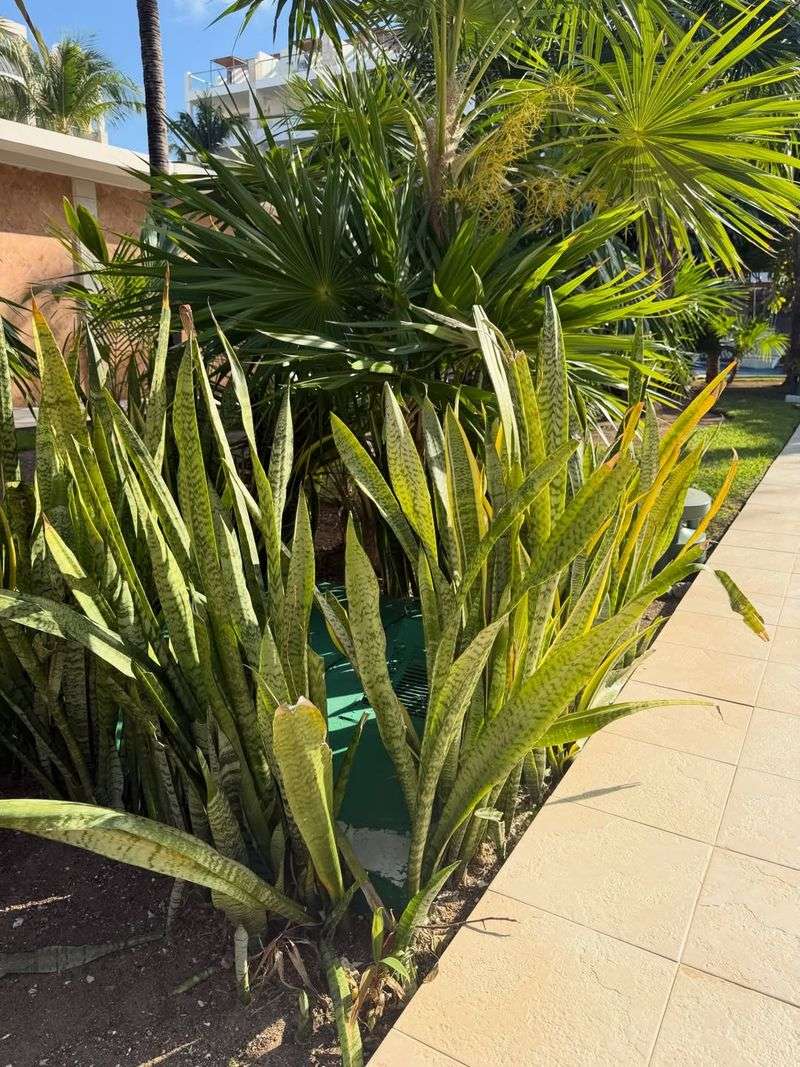
Pale yellow leaves covered with tiny white or yellow speckles often mean spider mites are feeding on your plants. These microscopic pests pierce leaf cells and suck out the contents, leaving behind a stippled appearance that spreads across entire leaves.
You’ll see this most often on beans, tomatoes, and roses during Florida’s dry spells, when mite populations explode in dusty, hot conditions.
The speckles start small and increase in number as mites multiply. If you shake a leaf over white paper, you might see tiny moving dots—those are the mites.
Florida’s heat accelerates their life cycle, so a small problem can become severe within days, especially in South Florida’s extended warm season.
Spider mites prefer the undersides of leaves, where they build webbing and lay eggs. Overhead watering can temporarily reduce populations, as mites dislike moisture.
Central Florida gardeners should watch for this sign during dry spring months, while North Florida may see outbreaks in late summer.
Yellowing from mites weakens plants quickly, so early detection and action—like hosing off leaves or applying horticultural oil—make a real difference in plant recovery.
4. Curling Or Distorted New Growth
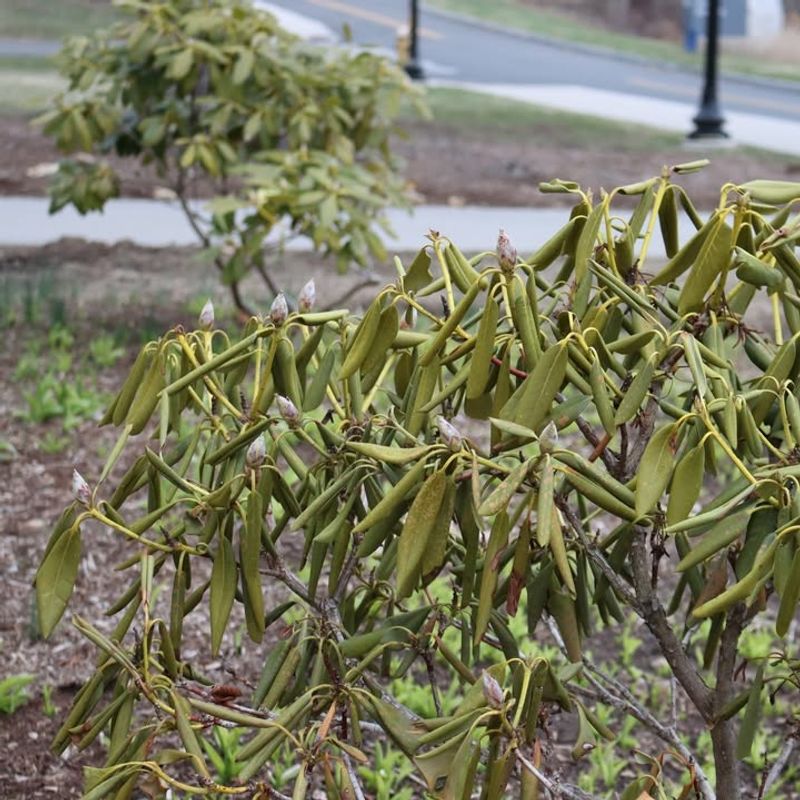
Twisted, curled, or puckered new leaves at the tips of your plants usually indicate aphids or thrips feeding on tender growth. These soft-bodied insects inject saliva while feeding, which distorts developing tissue and causes leaves to curl inward or grow in unusual shapes.
You’ll often see this on peppers, okra, and flowering annuals, especially during Florida’s warm spring months when new growth emerges quickly.
The curling protects the insects inside, making them harder to spot and harder to reach with sprays. If you gently unfold a curled leaf, you might find clusters of tiny green, black, or tan aphids.
Thrips are even smaller and harder to see, but they leave behind silvery streaks and black dots of waste.
South Florida gardeners notice this sign year-round, while North Florida sees it peak in spring and fall. Distorted growth doesn’t straighten out once it forms, but new leaves will grow normally if you control the pests.
Rinsing plants with water or using insecticidal soap works well early on. Monitor new shoots weekly, as catching aphids or thrips before they reproduce prevents widespread curling and keeps your plants growing strong.
5. Tiny Insects On Leaf Undersides
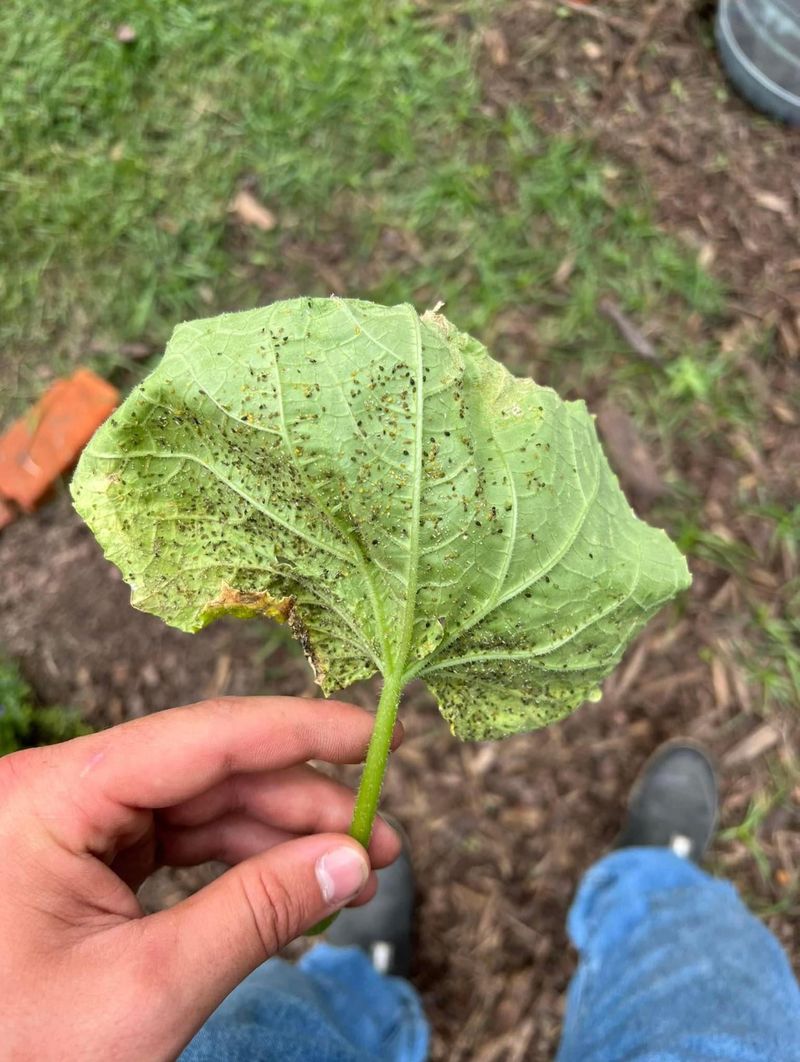
Flip over a leaf and find clusters of small, soft-bodied insects, and you’ve caught a pest problem early. Aphids, whiteflies, and immature scales often gather on the undersides where they’re sheltered from sun and rain.
These insects feed on plant sap, weakening your plants and spreading quickly in Florida’s warm, humid climate. You might notice them on tomatoes, beans, citrus, or ornamental shrubs.
Aphids appear in shades of green, black, or tan, while whiteflies look like tiny white moths that flutter when disturbed. Scale insects start as crawlers—small, mobile nymphs—that settle in and form protective coverings.
Florida’s year-round warmth in Central and South regions allows these pests to reproduce continuously, building large populations fast.
Checking leaf undersides should be part of your weekly garden walk, especially during spring and summer. Early detection means you can remove pests with a spray of water or apply insecticidal soap before they spread.
North Florida gardeners may see fewer problems in winter, but populations rebound quickly when temperatures rise. Finding tiny insects before they multiply keeps your plants healthy and reduces the need for stronger treatments later on.
6. White Or Cottony Buildup On Stems
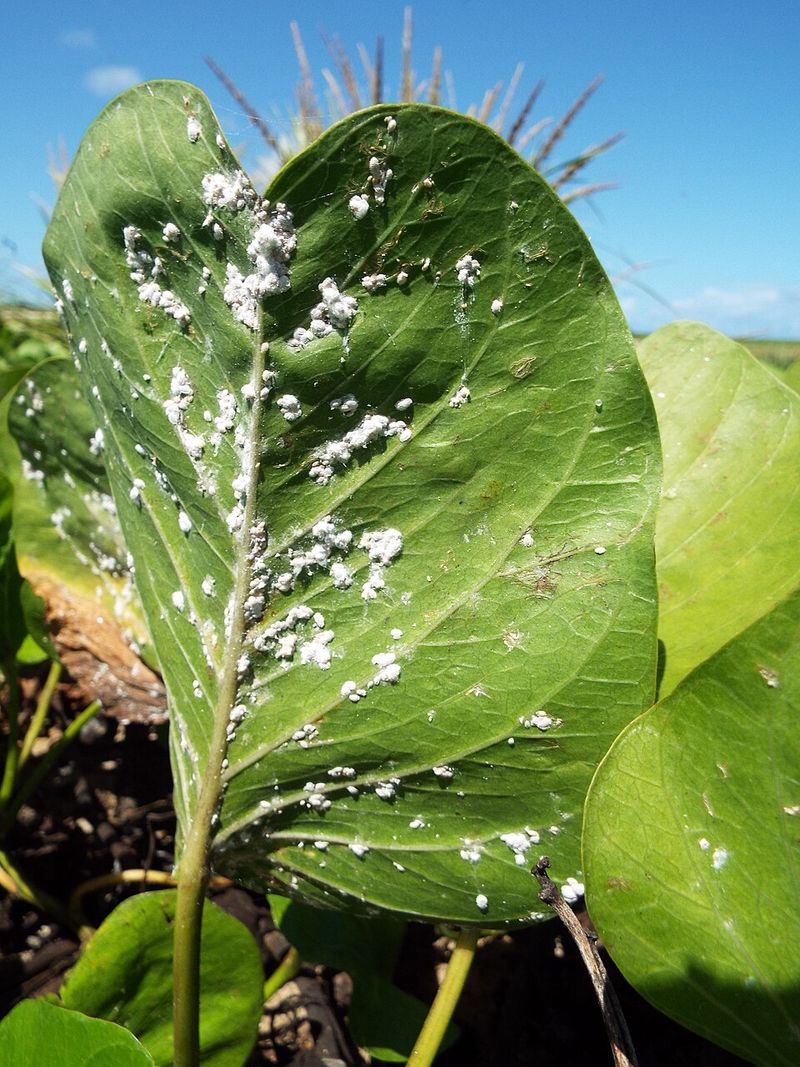
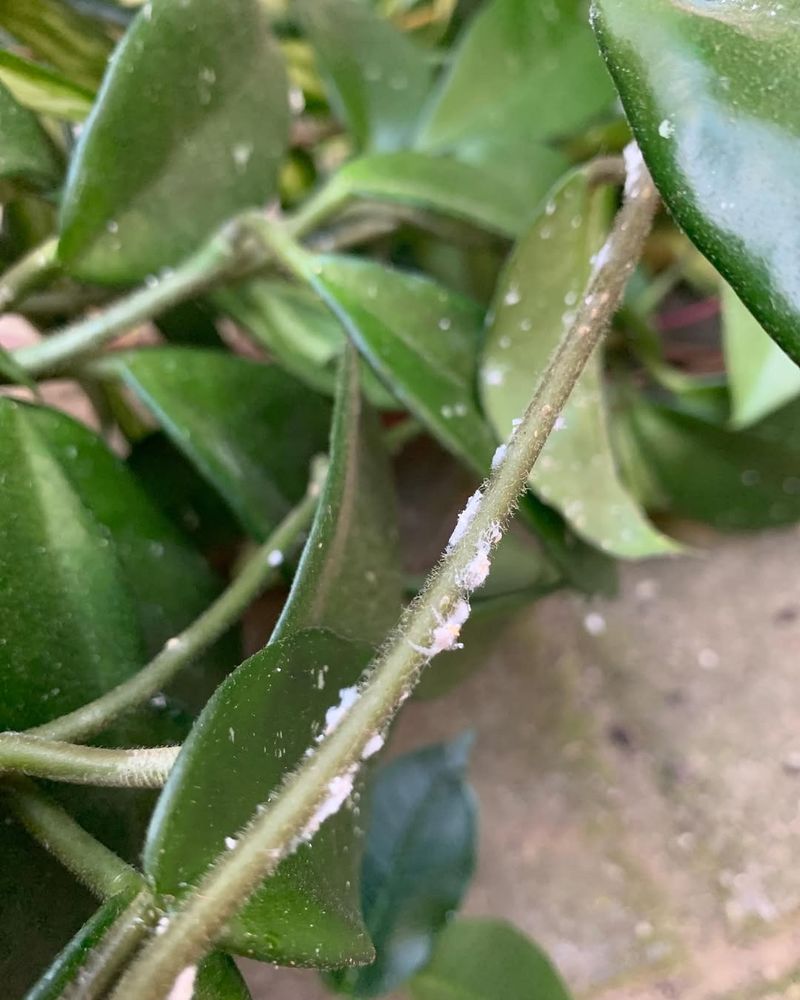
Fluffy white masses that look like bits of cotton stuck to stems, leaf joints, or fruit are usually mealybugs and sometimes cottony cushion scale. These pests hide under a waxy coating that protects them from predators and makes them harder to control.
You’ll often find them on citrus, hibiscus, plumeria, and tropical plants, especially in South Florida where warmth and humidity support their growth year-round.
The white material feels soft and can be rubbed off with your fingers, revealing small, pinkish or tan insects underneath. Mealybugs suck sap and weaken plants, and they excrete honeydew that attracts ants and encourages sooty mold.
Florida’s mild winters allow many of these pests to survive, even when temperatures drop slightly in North Florida.
Inspect plants closely where stems meet leaves, as mealybugs prefer protected spots. If you catch them early, dabbing them with rubbing alcohol on a cotton swab works well for small infestations.
Central Florida gardeners should watch for this sign during warm months, while South Florida may see it any time of year. Removing cottony buildup promptly prevents colonies from spreading and keeps your plants vigorous and productive throughout the growing season.
7. Sudden Plant Decline In Warm Weather
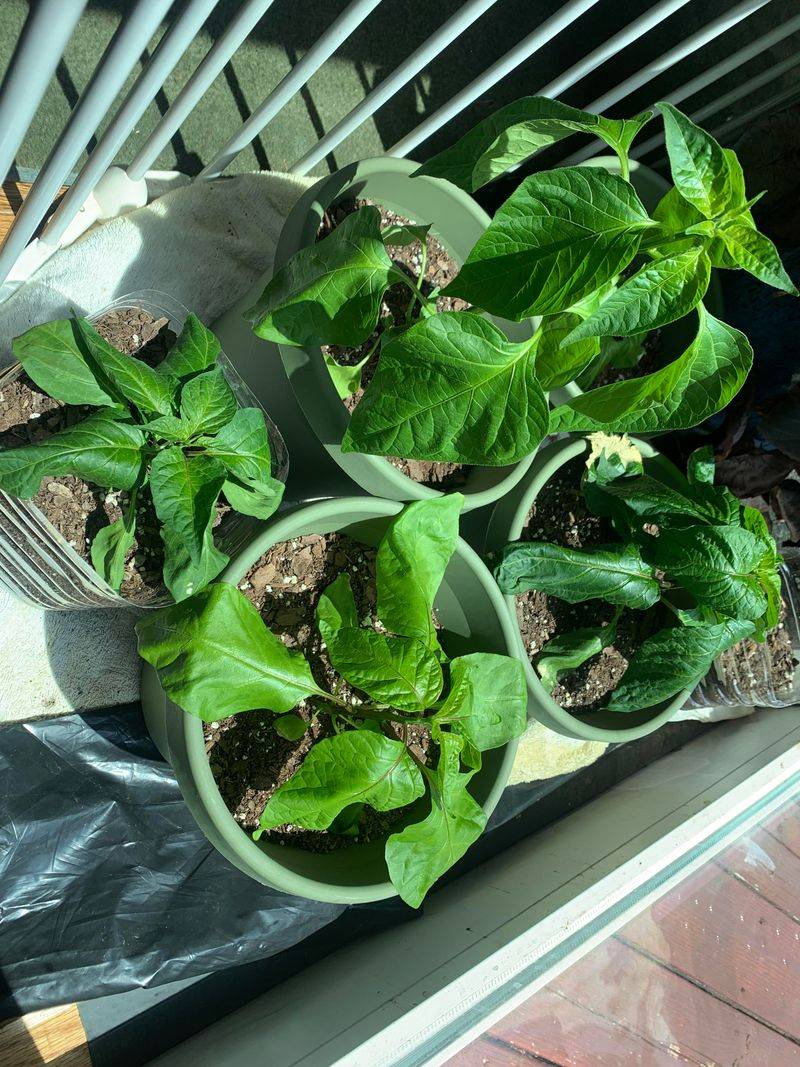
A plant that wilts, yellows, or drops leaves rapidly during Florida’s hot months—even when watered properly—may be under attack from root-feeding pests like nematodes or grubs. These underground pests damage roots, preventing plants from taking up water and nutrients.
You’ll see this most often on tomatoes, peppers, and turfgrass, and the decline happens faster in South Florida’s intense summer heat.
Above-ground symptoms look similar to drought stress, but the soil stays moist and watering doesn’t help. If you gently pull up an affected plant, you might find swollen, knotted roots (from nematodes) or occasionally white grubs in turf or landscape beds.
Florida’s sandy soils and warmth create ideal conditions for these pests to thrive.
North Florida gardeners may notice this sign in mid to late summer, while Central and South Florida can see it during any warm period. Testing soil for nematodes through your local Extension office helps confirm the problem.
Rotating crops, adding organic matter, and choosing resistant varieties reduce future issues. Recognizing sudden decline as a pest warning rather than a watering problem helps you take the right steps to protect the rest of your garden and plan better for next season.
8. Ant Trails Around Plants
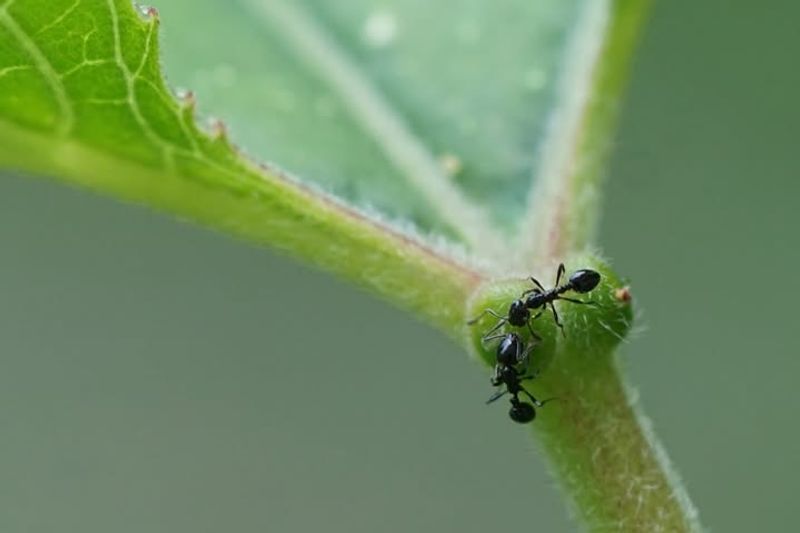
Long lines of ants marching up and down your plant stems often signal the presence of sap-sucking pests like aphids, scales, or mealybugs. Ants don’t harm plants directly, but they protect honeydew-producing insects in exchange for the sweet liquid they produce.
You’ll see these trails on citrus trees, roses, and vegetables, and they’re especially active during Florida’s warm mornings and evenings.
Follow the ant trail to find clusters of aphids or scales tucked into leaf joints or along stems. Ants will defend these pests aggressively, even attacking beneficial insects that try to eat them.
Florida’s year-round warmth keeps ant colonies active in Central and South regions, while North Florida may see reduced activity in winter.
Controlling the sap-sucking insects removes the ants’ food source, and they’ll leave on their own. You can also place sticky barriers around the base of plants to block ant access.
Check plants with ant trails carefully, as the real problem is usually hidden nearby. Addressing this warning sign early prevents pest populations from growing unchecked and keeps your garden healthier.
Ants are a clear indicator that something else needs your attention, so use them as a clue to investigate further.
9. Webbing On Leaves Or Stems
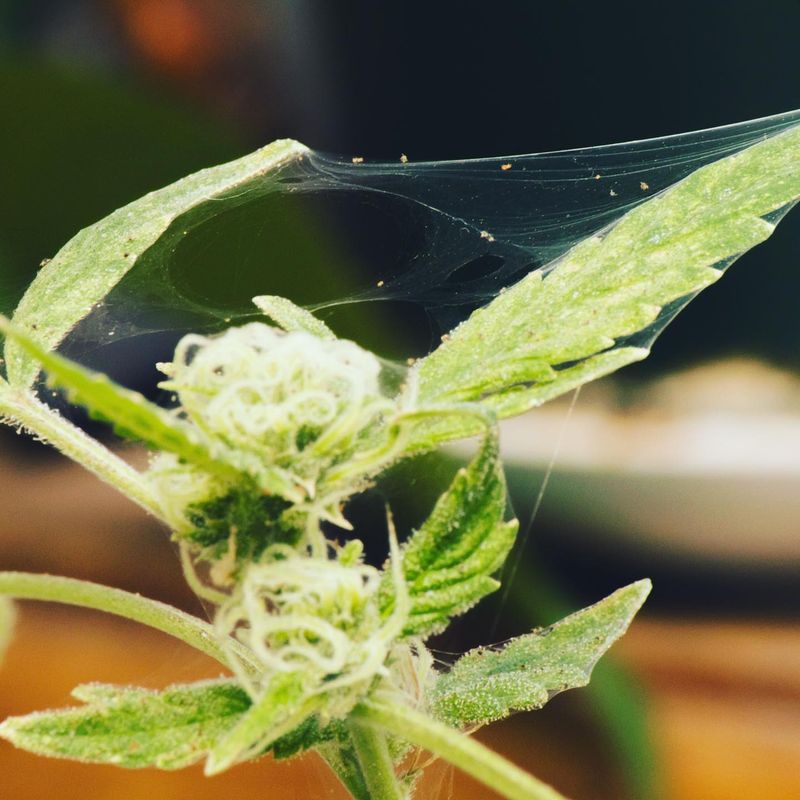
Fine, silky webs stretched across leaves, between stems, or at the tips of plants point to spider mites or webworms. Spider mites produce delicate webbing that looks almost like dust caught in a breeze, while webworms create thicker, more visible webs filled with chewed leaves and droppings.
You’ll see this on beans, squash, ornamental shrubs, and trees, especially during Florida’s dry, hot periods when mite populations explode.
Spider mite webbing protects the colony and makes it easier for them to move between leaves. If you look closely, you might see tiny mites crawling inside the webbing.
Webworms, on the other hand, are caterpillars that feed inside protective silk tents, often at branch tips. Florida’s warmth allows both pests to complete multiple generations quickly, so webbing can appear suddenly.
South Florida gardeners may encounter webbing year-round, while Central and North Florida see it most during dry spring and summer months. Removing webbed leaves or spraying with water disrupts the pests and slows their spread.
Early detection is key, as heavy webbing indicates a well-established infestation. Monitoring plants regularly and acting when you first notice fine threads helps keep your garden looking clean and your plants growing strong.