Watch Out For These Toxic Texas Garden Plants That Can Damage Your Skin
Your Texas garden may look beautiful, but some of those vibrant plants could be hiding an unpleasant surprise. Several common garden favorites can actually irritate or damage your skin on contact, and many homeowners don’t even realize it until it’s too late.
Whether it’s a painful rash, stinging blisters, or lingering irritation, brushing against the wrong plant can quickly ruin an afternoon in the yard.
Some of these plants produce oils that linger on gloves and tools, while others release irritating sap when trimmed or touched.
That’s why it’s important to know which plants to handle with care or avoid altogether. From ornamental shrubs to popular flowering varieties, a few extra precautions can help you stay safe while enjoying your garden.
If you love spending time outdoors but hate surprises, keep reading. These are the toxic Texas garden plants you’ll want to watch out for this season.
1. Giant Hogweed
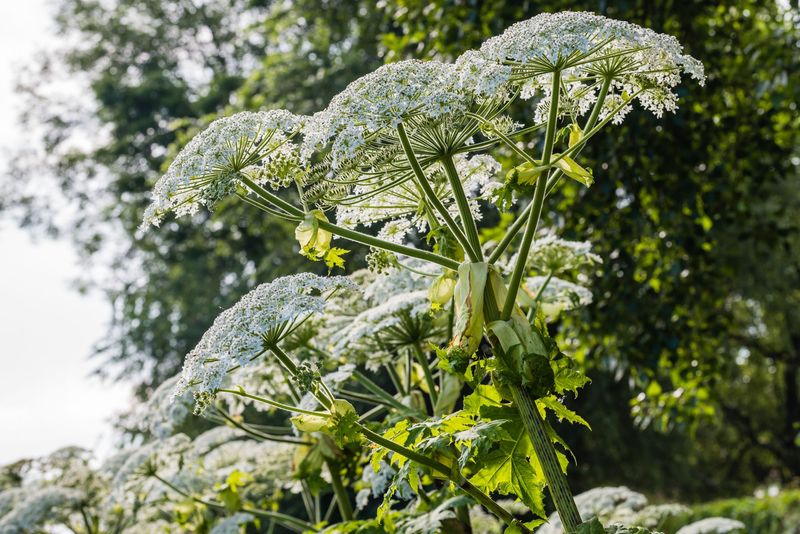
Picture a plant so dangerous that just brushing against it can send you to the hospital. Giant hogweed looks impressive with its huge white flowers that spread out like umbrellas, but this plant is extremely hazardous.
The sap inside its stems and leaves contains chemicals that make your skin super sensitive to sunlight. When this sap gets on your skin and then sunlight hits that spot, you can develop severe burns and blisters within 48 hours.
The reaction is called phytophotodermatitis, and it can leave dark scars that last for years. Some people experience painful blisters that look like second-degree burns.
This invasive plant can grow up to 14 feet tall in Texas, making it hard to miss in gardens and along roadsides. Its stems are thick and hollow with purple blotches and white hairs.
The leaves can span five feet across, making them some of the largest leaves you will see on any plant. If you spot giant hogweed on your Texas property, never try to remove it yourself.
Contact local authorities or professional removal services who have proper protective equipment. They wear special suits, gloves, and face shields because the danger is that serious.
Always keep children and pets away from areas where this plant grows. Even dry plants can still contain harmful sap for several months after cutting.
2. Poison Ivy
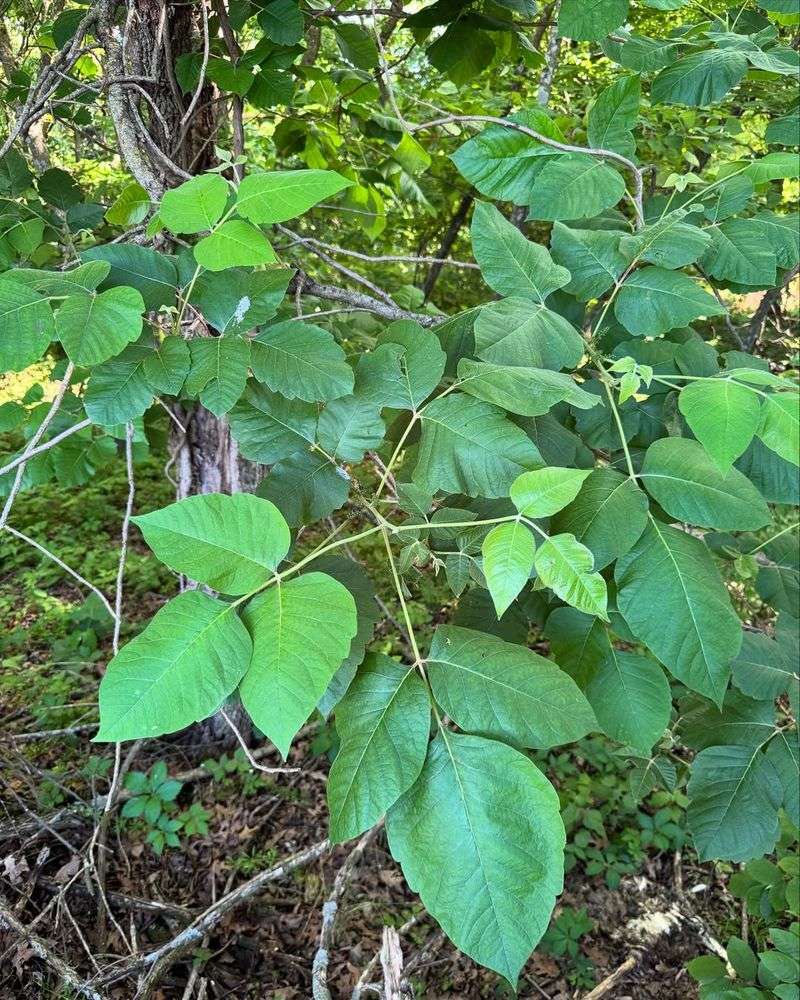
Most Texas residents have heard warnings about poison ivy, yet many still cannot identify it correctly. This sneaky plant hides in gardens, parks, and wooded areas throughout the state.
The famous saying goes, leaves of three, let it be, and that remains your best defense against this common troublemaker. Poison ivy contains urushiol oil, which causes an allergic reaction in about 85 percent of people who touch it.
Within 12 to 48 hours after contact, an itchy red rash appears, followed by swelling and painful blisters. The rash can spread if you scratch it and then touch other body parts.
This plant is a master of disguise in Texas gardens. Sometimes it grows as a low shrub, other times as a climbing vine that wraps around trees and fences.
The leaves change color with seasons, turning bright red in fall, which actually makes them look quite pretty and tempting to touch. The oil is so potent that it can remain active on clothing, tools, and pet fur for months.
Many people get poison ivy rash without ever touching the plant directly. They pick up the oil from contaminated garden gloves or by petting their dog after it ran through infected areas.
If you must remove poison ivy from your Texas property, wear long sleeves, pants, and disposable gloves. Wash everything immediately afterward in hot water with strong detergent.
3. Stinging Nettle
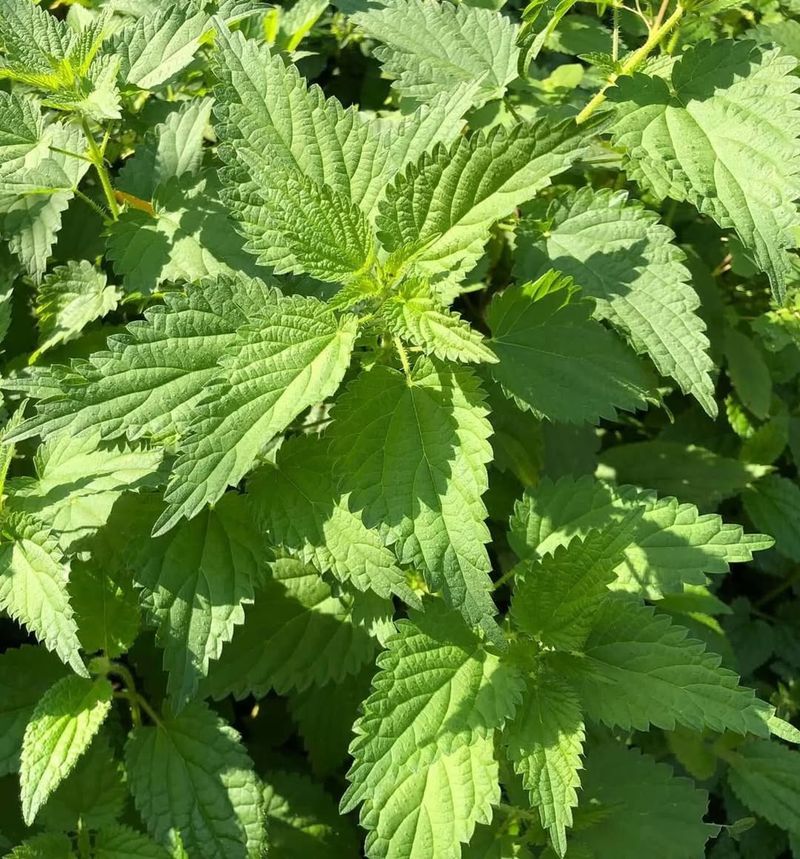
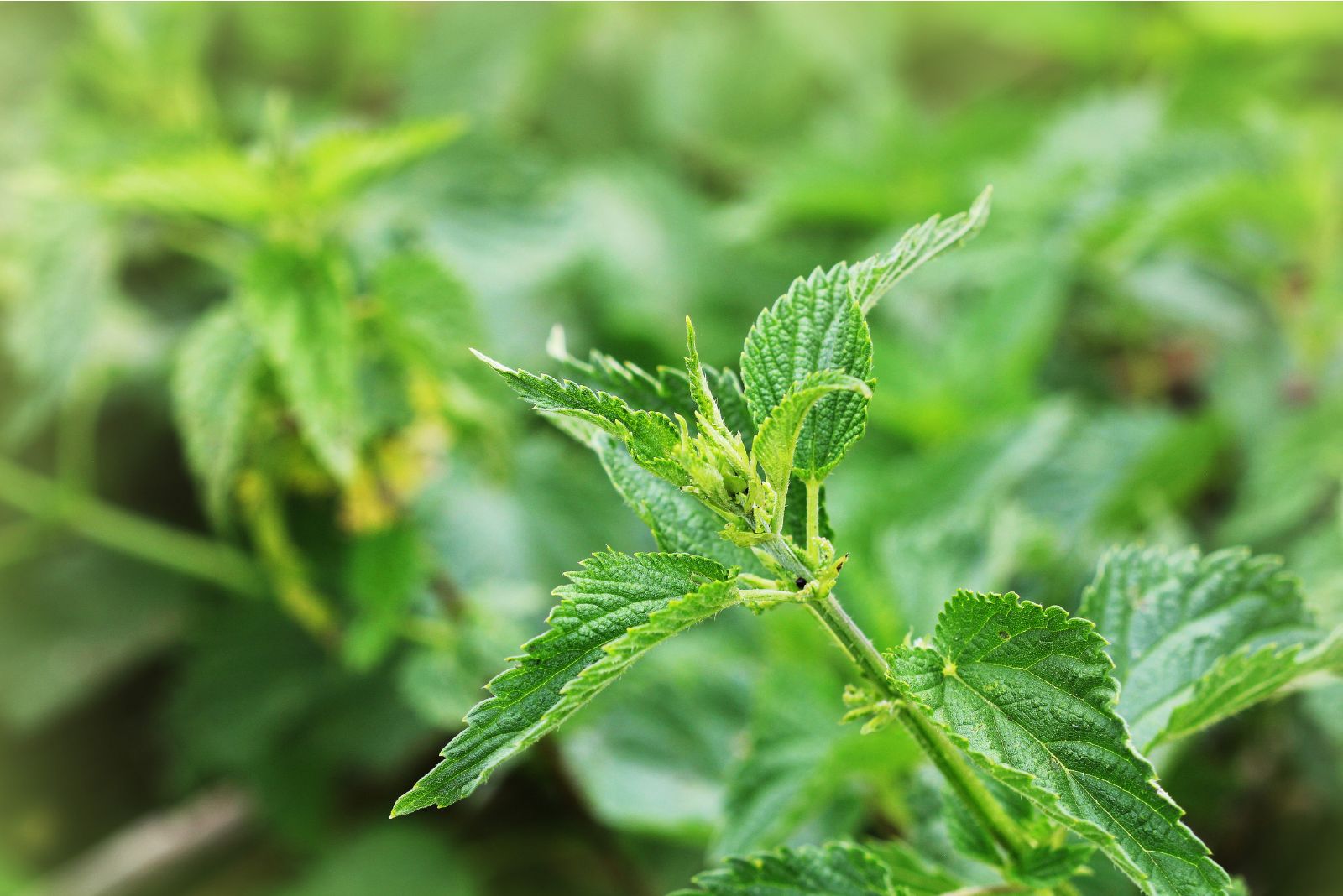
Walking through your Texas garden should not feel like getting stuck with hundreds of tiny needles, but that is exactly what happens when you brush against stinging nettle. This plant defends itself with microscopic hollow hairs that cover its leaves and stems.
These hairs work like tiny hypodermic needles that inject chemicals into your skin upon contact. The sting happens instantly and feels like a burning sensation mixed with intense itching.
Small red welts appear where the hairs touched your skin. The discomfort usually lasts several hours, though some people experience pain for a full day or longer.
Stinging nettle grows wild in many Texas locations, especially in moist, shaded areas near streams or in neglected garden corners. The plant can reach four feet tall and has opposite leaves with serrated edges.
Tiny greenish flowers hang in clusters from the stems during summer months. Interestingly, people have used this plant for food and medicine for centuries, but only after cooking or drying removes the stinging properties.
Never try eating raw stinging nettle leaves from your Texas garden. The cooking process must be done correctly to neutralize the chemicals.
If you get stung, avoid rubbing the area because that pushes more chemicals into your skin. Instead, use tape to pull out any remaining hairs.
Wash the spot with soap and cold water, then apply a paste of baking soda and water to reduce pain and itching.
4. Wild Parsnip
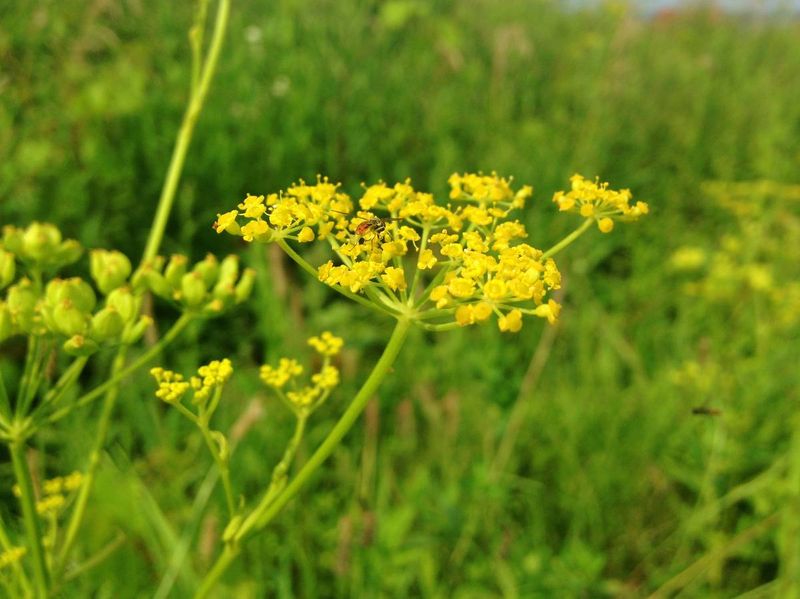
Yellow flowers usually signal cheerful additions to Texas gardens, but wild parsnip breaks that rule completely. This plant produces clusters of small yellow flowers arranged in flat-topped umbels that might remind you of Queen Anne’s lace.
However, touching any part of this plant can cause serious skin damage that rivals even giant hogweed. Wild parsnip sap contains furanocoumarins, toxic compounds that make your skin extremely vulnerable to ultraviolet light.
You might not feel anything immediately after touching the plant. The real trouble starts when sunlight activates the chemicals on your skin, causing painful burns, rashes, and blisters within 24 to 48 hours.
These burns can be severe enough to require medical treatment. The affected skin often develops dark purple or brown discoloration that can persist for months or even years.
Some Texas residents have experienced scarring that never completely fades. Wild parsnip typically grows along roadsides, in fields, and sometimes sneaks into garden edges throughout Texas.
The plant can reach five feet tall with hollow, grooved stems. Its leaves are compound and resemble large celery leaves with sharp-toothed edges.
If wild parsnip sap gets on your skin, immediately wash the area thoroughly with soap and cool water. Keep that skin covered and away from sunlight for at least 48 hours.
Apply sunscreen with high SPF if you must go outside. Consider seeing a doctor if blisters develop or if the reaction seems severe.
5. Trumpet Vine
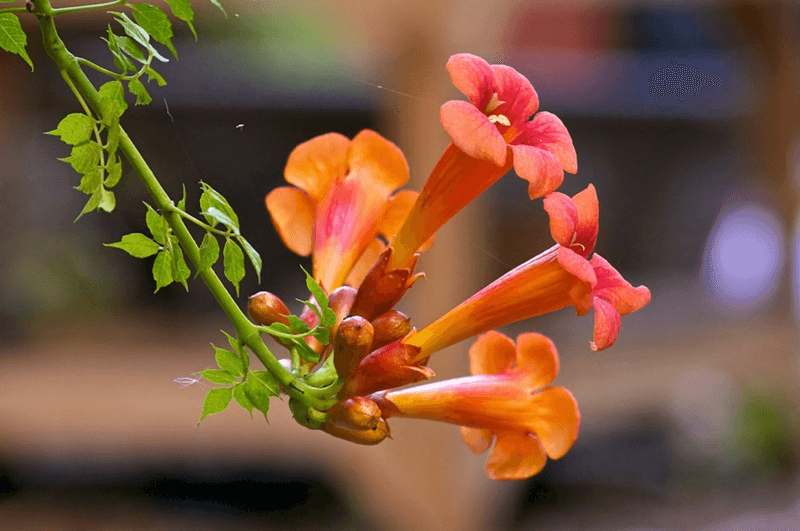
Hummingbirds absolutely love trumpet vine, and its gorgeous orange or red tubular flowers make it a popular choice for Texas gardens. Many homeowners plant this vigorous climber to attract wildlife and add vertical interest to fences and arbors.
Unfortunately, this beautiful vine has a darker side that catches many gardeners by surprise. The leaves and flowers of trumpet vine contain irritating compounds that cause contact dermatitis in sensitive individuals.
After handling the plant, some people develop red, itchy rashes that can blister in severe cases. The reaction might not happen immediately, sometimes taking several hours to appear.
Not everyone reacts to trumpet vine, which makes it tricky. You might handle it without problems for years, then suddenly develop sensitivity.
Some Texas gardeners report that repeated exposure over time made them more reactive to the plant. This aggressive vine grows rapidly in Texas heat, sometimes covering entire structures in a single growing season.
While that vigorous growth creates stunning displays, it also means frequent pruning and handling. Each pruning session exposes you to potential skin irritation.
If you already have trumpet vine in your Texas garden and want to keep it, wear long sleeves and gloves when pruning or handling the plant. Wash your hands and arms thoroughly with soap and water after working with it.
Consider replacing it with less irritating alternatives if you or family members develop reactions. Some Texas gardeners choose to enjoy trumpet vine from a distance, letting it grow on structures they rarely need to maintain.
6. Texas Mountain Laurel
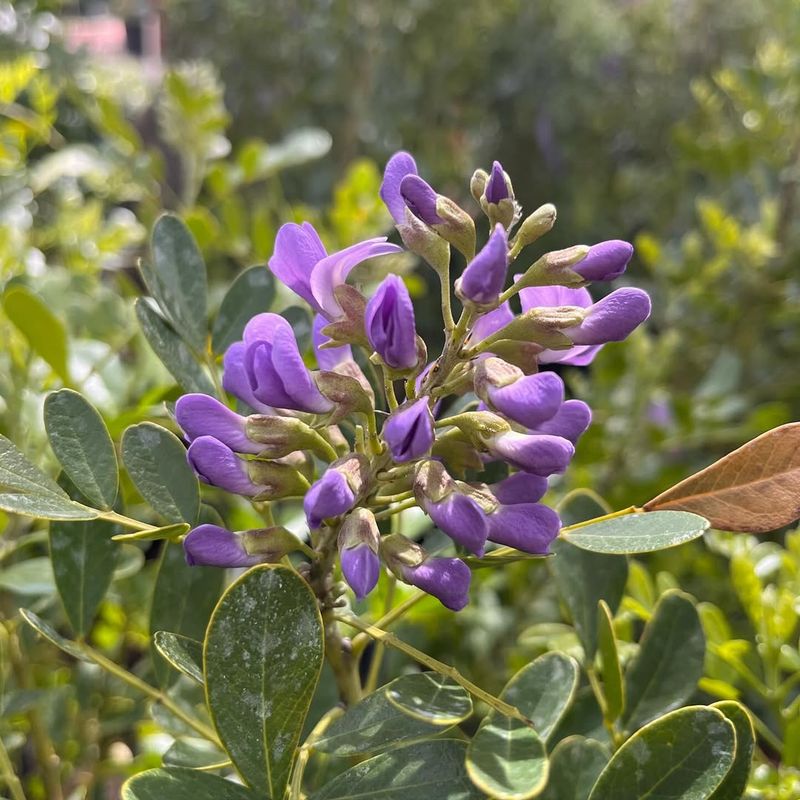
Spring in Texas brings the intoxicating grape-scented blooms of Texas mountain laurel, a native plant beloved throughout the state. These purple flower clusters smell so sweet that people often stop to admire them in gardens and landscapes.
However, every part of this beautiful shrub contains toxic compounds that can harm your skin and cause serious problems if ingested.
The seeds are particularly dangerous, bright red beans that look tempting but contain cytisine, a compound that affects the nervous system.
Handling the seeds, leaves, or flowers can cause skin irritation in some people. The sap may trigger allergic reactions, rashes, or contact dermatitis, especially if you have cuts or scratches on your hands.
Many Texas gardeners plant this native shrub without realizing the risks it poses to children and pets. The showy red seeds inside brown pods look like candy to young children.
Even touching the seeds and then touching your face or mouth can transfer harmful compounds. Despite these concerns, Texas mountain laurel remains extremely popular in landscapes across the state because it thrives in poor soil and drought conditions.
The evergreen foliage and stunning spring blooms make it hard to resist. Many people keep it in their gardens but take precautions.
If you choose to grow Texas mountain laurel, wear gloves when pruning and immediately remove seed pods before they open. Teach children never to touch the seeds or flowers.
Wash your hands thoroughly after any contact with the plant. Position it away from play areas and walkways where accidental contact is more likely.
7. Spurge
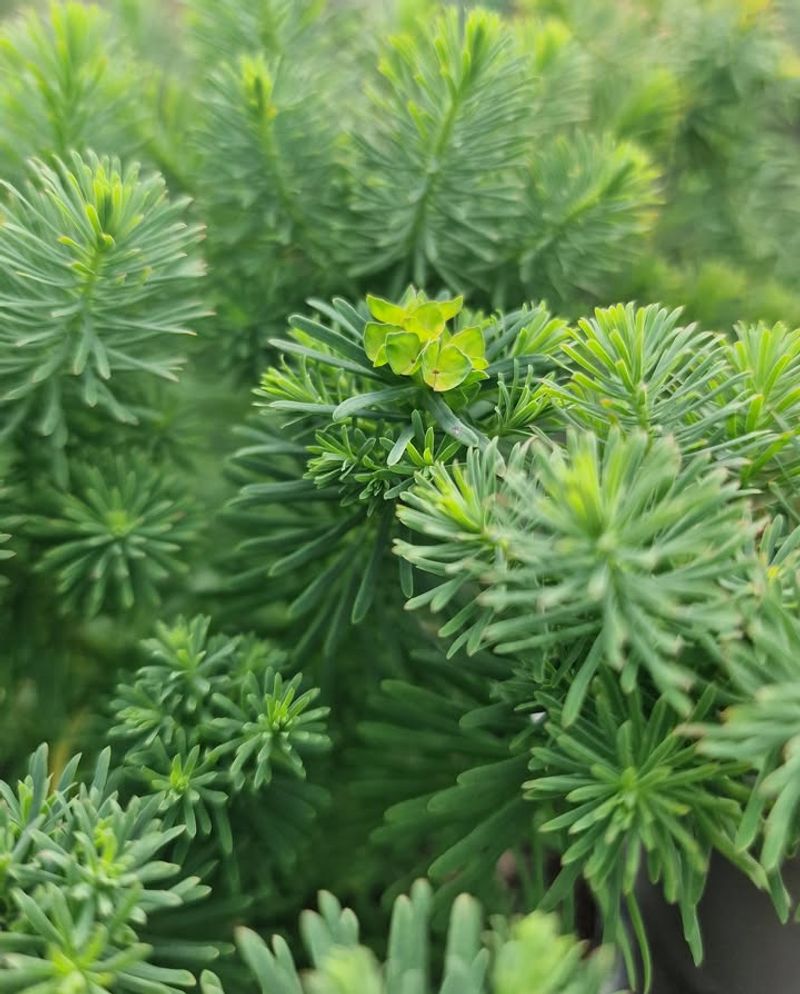
Walk through any Texas garden and you will likely find spurge, a common weed that many people pull without thinking twice. This mistake can lead to painful consequences because spurge contains milky white sap that irritates skin and can cause serious damage to eyes.
The moment you break a stem or leaf, this latex oozes out and gets on your hands. The sap contains toxic compounds that cause burning, redness, and blistering on skin.
Some people develop severe allergic reactions with swelling and intense pain. If the sap gets in your eyes, it can cause temporary blindness and requires immediate medical attention.
Never rub your eyes after touching spurge. Several spurge varieties grow throughout Texas, from low-growing ground covers to taller garden specimens.
Some types are intentionally planted as ornamentals, while others appear as persistent weeds. All of them produce that characteristic milky sap when damaged.
Spotted spurge is particularly common in Texas lawns and garden beds, forming dense mats that are hard to control. Gardeners often spend hours pulling these weeds by hand, getting sap all over their fingers without realizing the danger.
The irritation might not start immediately, giving you time to accidentally touch your face or eyes. Always wear gloves when removing spurge from your Texas garden.
If sap gets on your skin, wash immediately with soap and cool water. Avoid touching your face until your hands are completely clean.
Consider using mulch to prevent spurge from growing in the first place, which reduces the need to handle it.
8. Ragweed
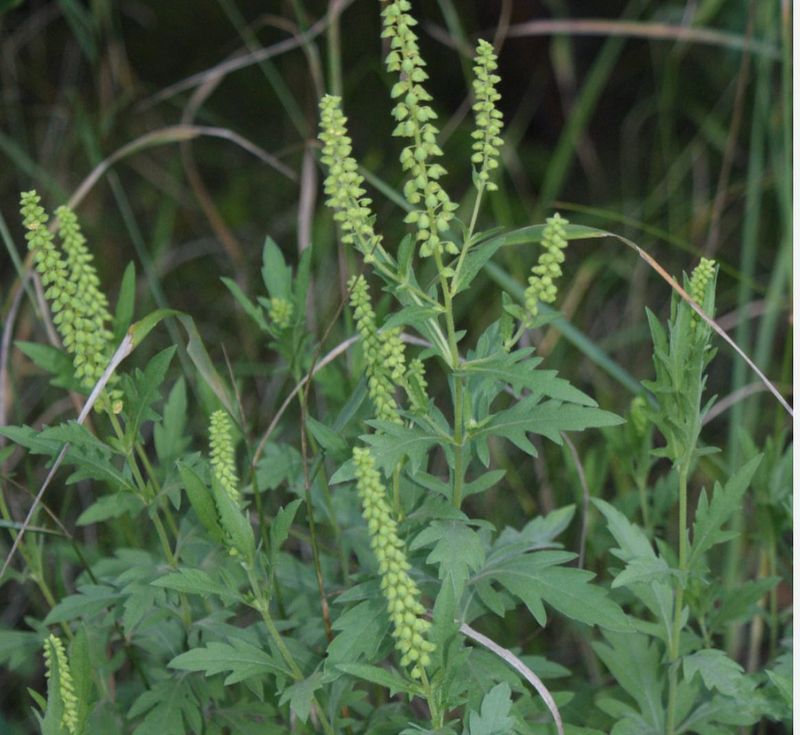
Ragweed makes millions of Texas residents miserable every fall when its pollen triggers severe allergies. However, this common weed causes problems beyond just sneezing and itchy eyes.
Direct contact with ragweed plants can irritate your skin, especially if you are already allergic to its pollen. Handling ragweed can cause contact dermatitis with symptoms including redness, itching, and small bumps on your skin.
People who are highly allergic to ragweed pollen often experience worse skin reactions. The plant contains oils and compounds that irritate sensitive skin even in people without pollen allergies.
This aggressive weed grows throughout Texas in gardens, fields, roadsides, and vacant lots. It thrives in disturbed soil and can quickly take over neglected areas.
The plants produce enormous amounts of pollen from late summer through fall, making them easy to identify by the cloud of yellow dust they release when shaken. Many Texas gardeners try to remove ragweed before it flowers to reduce pollen in their yards.
This is a good strategy for allergy management, but you need to protect your skin during removal. The leaves have a rough texture that can irritate skin even without the chemical compounds.
Wear long sleeves, pants, and gloves when pulling ragweed from your Texas garden. Some people also wear masks to avoid breathing pollen during removal.
Bag the plants immediately and dispose of them before they drop seeds. Wash your clothes separately from other laundry and shower promptly after working with ragweed to remove any pollen or plant oils from your skin and hair.