What Your Ohio Lavender Needs In April To Survive Humid Summers
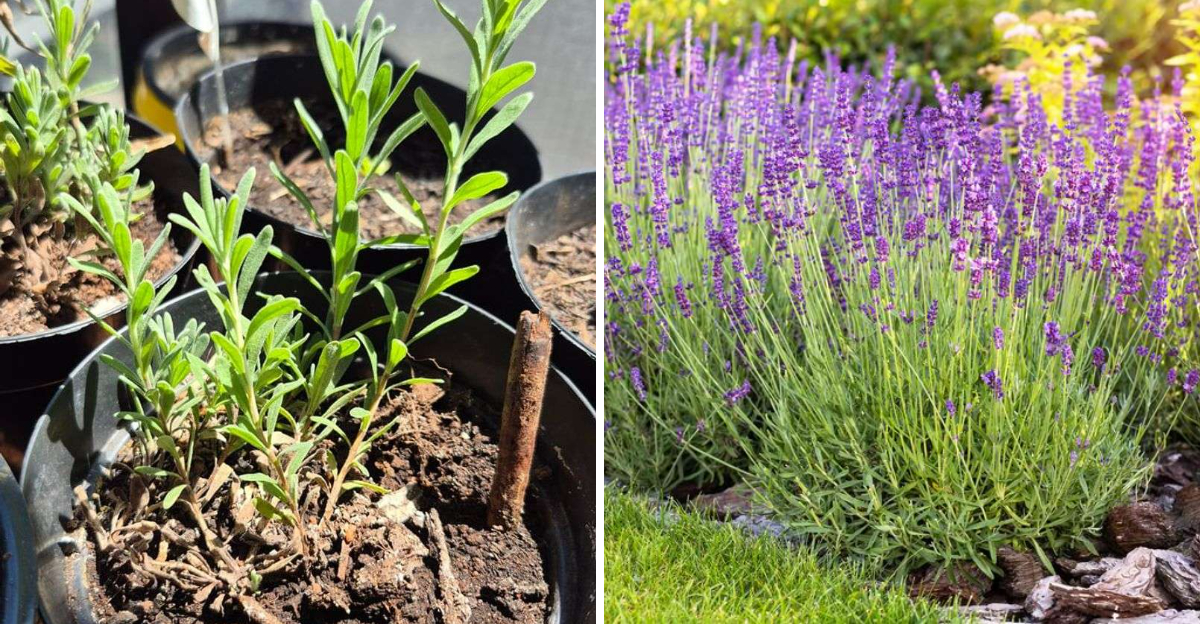
Ohio lavender looks calm in spring, almost effortless, with soft grey-green foliage and a quiet promise of summer blooms. But April is where the real story starts to unfold.
What happens in this early window often decides how well it holds up once humidity rolls in and summer settles over the state.
Lavender does not always play easy in Ohio gardens. Heavy soil, shifting rain patterns, and rising moisture levels can push it out of balance fast if it is not set up right from the start.
April becomes the turning point, the moment where structure, drainage, and early care either set the stage for strong growth or leave the plant struggling later on.
Get it right now, and those summer months feel far more manageable for the plant, with better airflow, stronger roots, and a much better chance of steady performance.
1. Improve Drainage Before Spring Rains Set In
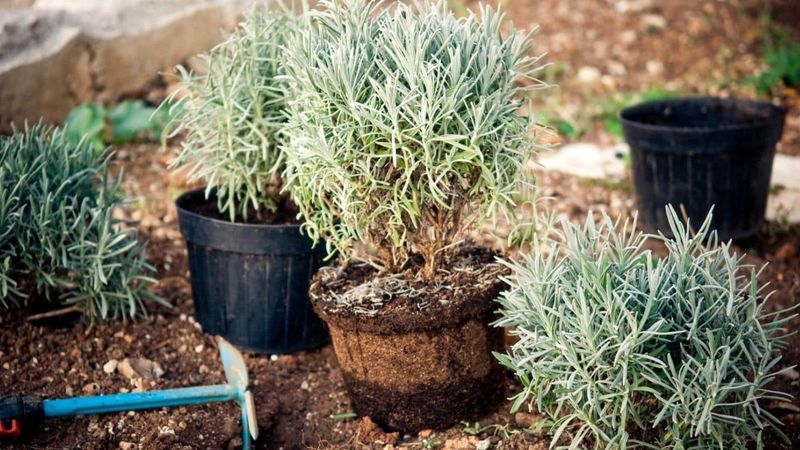
Lavender has one non-negotiable demand: it absolutely cannot sit in wet soil. In Ohio, April brings reliable spring rains that can saturate garden beds for days at a time, and that kind of moisture is exactly what lavender roots cannot handle.
Poor drainage is one of the top reasons lavender struggles or fades out entirely in the Midwest.
If your planting area holds water after rain, now is the time to fix it. Work coarse sand or fine gravel into your soil to open up the structure and allow water to move through more freely.
Raising your planting bed by even four to six inches can dramatically reduce how long roots stay wet after a storm.
Ohio State University Extension recommends planting lavender in well-drained, lean soils rather than rich, amended beds. Lavender actually performs better in slightly poor soil than in heavily fertilized ground.
Think of it this way: the plant evolved on dry Mediterranean hillsides, not in the Ohio River Valley. Gravel mixed into the top layer near the crown also helps water sheet away from the base of the plant quickly.
Getting drainage right in April means your lavender will be far better prepared to push through the muggy weeks of July and August without developing the root and crown problems that humid summers so often bring.
2. Cut Back Winter Damage Without Overpruning
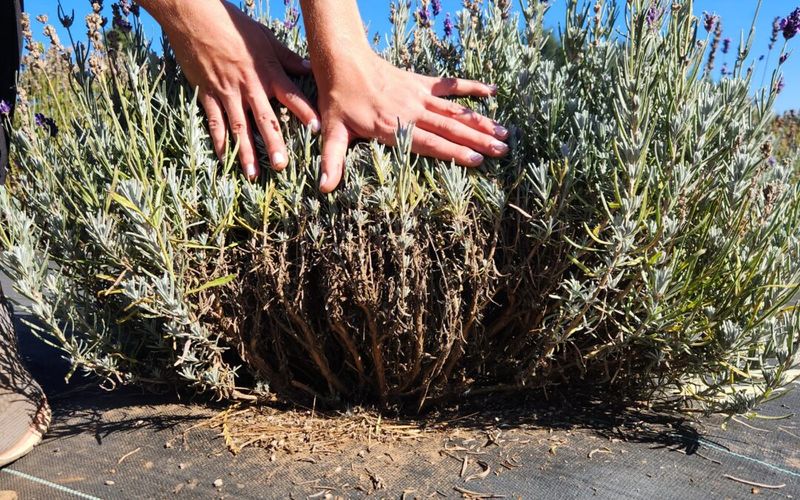
Lavender in Ohio takes a beating over winter. Cold snaps, freeze-thaw cycles, and wet soil can leave plants looking rough by the time April arrives.
Before anything else, take a good look at each plant and identify which stems are truly gone versus which ones just need a little time to wake up.
The key rule here is to prune lightly and wait for green. Scratch a stem gently with your fingernail.
If you see green underneath, it is still alive and should be left alone. Only remove stems that are clearly dry, brittle, and brown all the way through.
Cutting too deep into the woody base of the plant is a common mistake that can set back recovery significantly.
Your Ohio Garden Changes Every Week. Your Plan Should Too.
Gardening in Ohio changes quickly throughout the season. Every Friday you’ll receive a simple weekly plan showing exactly what to plant, prune, fertilize, harvest, and protect so you never miss the right timing.
Timing matters too. April is actually a good window for light cleanup because plants are just beginning to push new growth, so you can clearly see what made it through winter.
Remove last year’s spent flower stalks if you missed them in fall, and trim any ragged, damaged tips to encourage fresh new shoots to fill in. Do not try to reshape the entire plant aggressively at this stage.
A light, careful hand in spring keeps the plant structurally sound and saves its energy for the growth it needs to build resilience before summer humidity arrives in full force.
3. Hold Off On Heavy Watering As Temperatures Rise
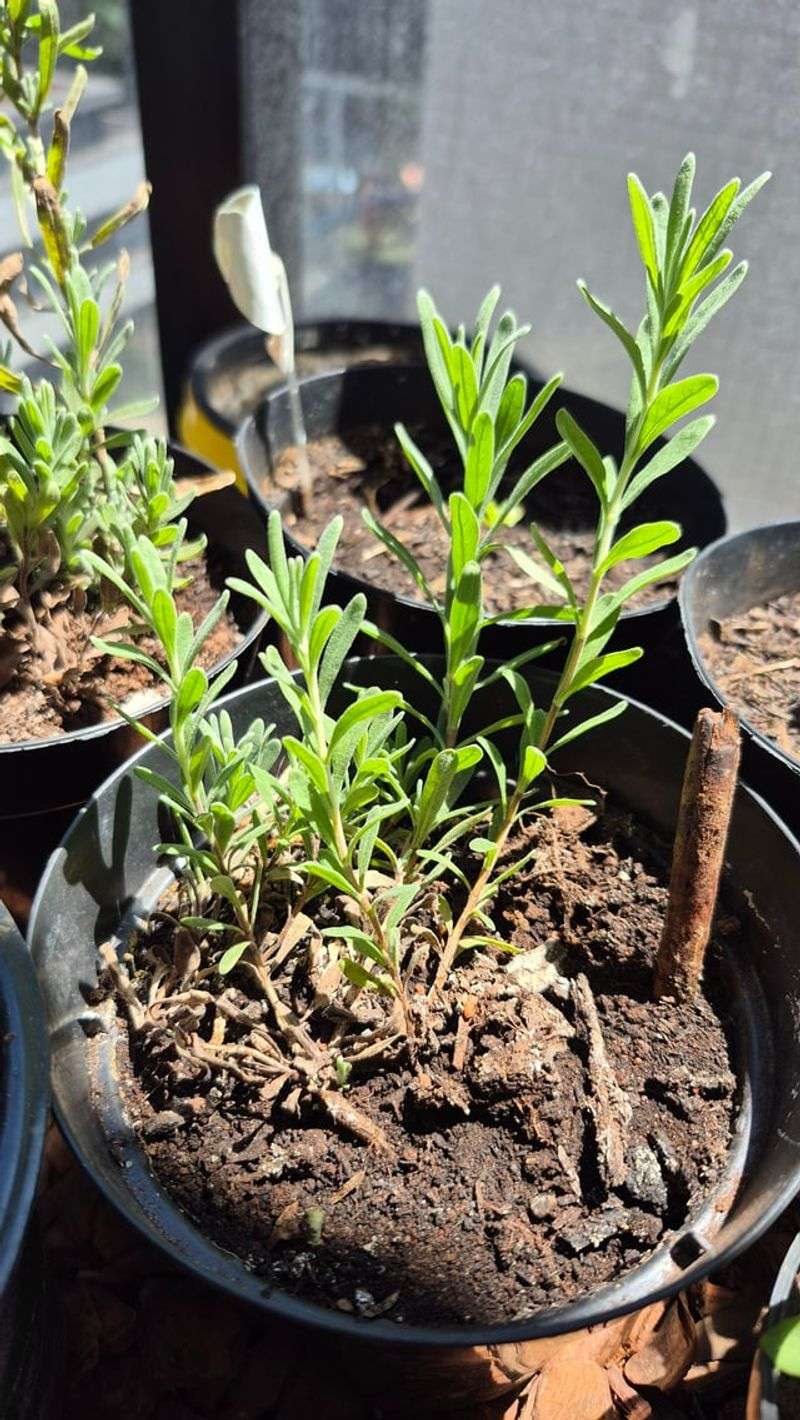
April in Ohio can be tricky. Some days feel almost summery, and the instinct to water plants more frequently kicks in.
With lavender, that instinct needs to be held in check. Lavender is a drought-tolerant plant by nature, and overwatering in spring is one of the most common mistakes gardeners make with it.
Once established, lavender rarely needs supplemental watering during Ohio’s spring season. Rainfall alone is usually more than enough.
If you have a newly planted lavender, water it in well at planting, then step back and let the soil dry out before watering again. The roots need to reach downward in search of moisture, which builds a stronger, more drought-resistant plant over time.
Soggy roots in spring create the perfect conditions for fungal issues that tend to explode once summer heat and humidity combine. Root rot is sneaky because the damage often happens underground before you notice anything is wrong above the soil.
A simple test is to push your finger an inch into the soil near the plant. If it still feels damp, hold off on watering entirely.
Training your lavender to live lean in spring actually prepares it to handle Ohio’s humid, warm summers with far more vigor and stability than a plant that has been kept consistently moist from the start.
4. Use The Right Mulch To Keep Roots Dry
Mulching lavender feels like a good idea until you realize that the wrong mulch can actually make things worse. Organic mulches like wood chips, shredded bark, or straw hold moisture close to the soil surface.
For most garden plants, that is a benefit. For lavender, it creates a humid microclimate right at the crown of the plant, which is exactly where fungal trouble begins.
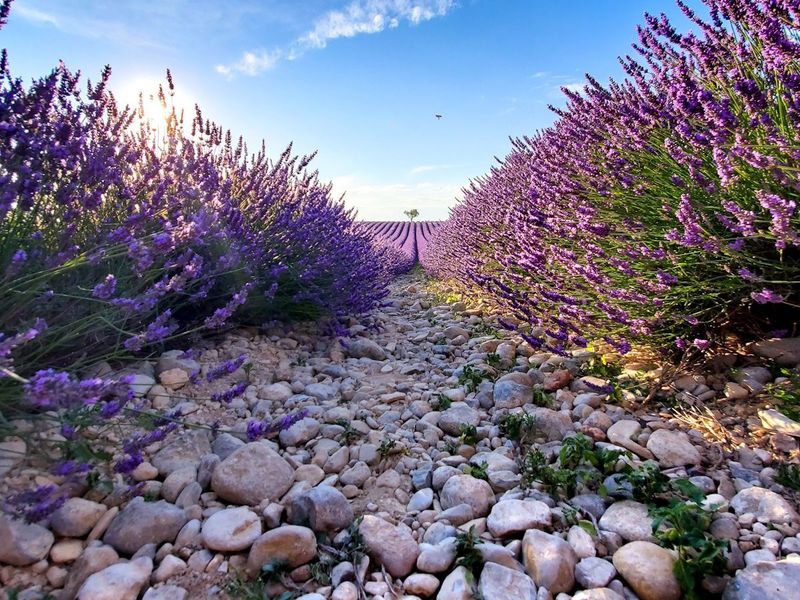
The better choice is gravel or crushed stone mulch. Spread a layer of pea gravel or decomposed granite around the base of your plants, keeping it a few inches away from the actual stems.
Gravel reflects heat, drains water away instantly, and allows airflow to move freely around the lower part of the plant. That combination is genuinely helpful for lavender in a humid climate like Ohio’s.
Gravel mulch also warms the soil slightly faster in spring, which lavender appreciates. Some experienced growers even mix light-colored gravel into the top inch of soil around their plants to keep the surface dry between rains.
The visual effect is also attractive in a garden bed. Getting your mulch situation sorted in April means you are not scrambling to fix moisture problems in July when the heat and humidity arrive together.
Small details like mulch choice add up to big differences in plant health over a full season.
5. Check Soil pH Before New Growth Takes Off
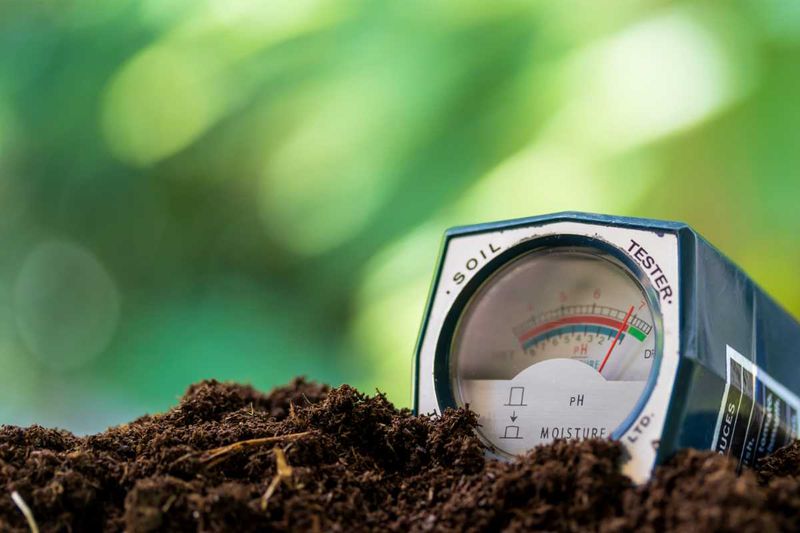
Soil chemistry might not be the most exciting topic, but for lavender it genuinely matters. Lavender prefers a slightly alkaline to neutral soil, roughly in the pH range of 6.5 to 7.5.
Ohio soils vary widely across the state, and many areas lean toward the acidic side, especially in regions with heavy clay or lots of organic matter built up over time.
April is the perfect time to test your soil because any amendments you make will have a few weeks to start working before the main growing season kicks in. A basic soil test kit from a garden center is inexpensive and easy to use.
If your reading comes back below 6.5, adding garden lime to the bed can help raise the pH gradually toward the range lavender prefers.
When soil is too acidic, lavender has a harder time absorbing the nutrients it does need, even if those nutrients are technically present. The plant may look pale, grow slowly, or simply fail to thrive despite otherwise decent conditions.
OSU Extension offers professional soil testing services that give you specific amendment recommendations for your exact soil. Knowing your pH number removes a lot of guesswork and helps you make targeted improvements.
A well-balanced soil in April gives your lavender a genuinely strong foundation heading into the stressful heat of an Ohio summer.
6. Give Plants More Airflow Before Humidity Builds
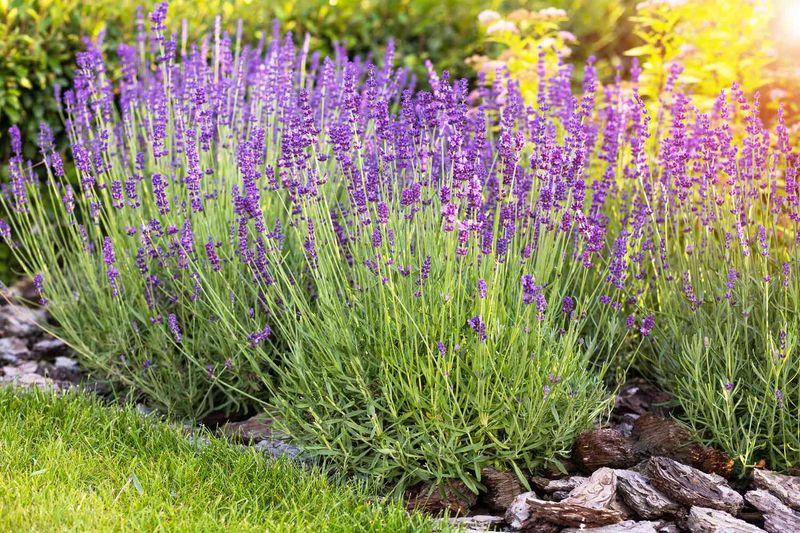
Humidity is lavender’s biggest challenge in Ohio, and one of the most effective ways to fight it does not cost anything at all. Airflow is a natural defense against the fungal diseases that thrive in warm, moist conditions.
When lavender plants are crowded together, moisture gets trapped between them, creating exactly the kind of still, damp environment where problems take hold.
Walk through your garden in April and look honestly at how your lavender is spaced. Most varieties of Lavandula angustifolia and lavandin hybrids need at least 18 to 24 inches between plants, and some larger varieties benefit from even more room.
If plants have grown into each other over the past couple of seasons, this is a good time to either thin them out or do some light shaping to open up the center of each plant.
Pruning for openness means removing some of the inner stems to let air move through the plant rather than getting stuck inside a dense mound of foliage. It also helps to think about what is planted nearby.
Large, leafy neighbors that block airflow can create shaded, humid pockets right next to your lavender. Repositioning or trimming surrounding plants in spring can make a noticeable difference.
Lavender that breathes freely in April tends to handle the thick, muggy Ohio summer air with noticeably more resilience than plants packed tightly into a crowded bed.
7. Skip Early Fertilizer That Pushes Weak Growth
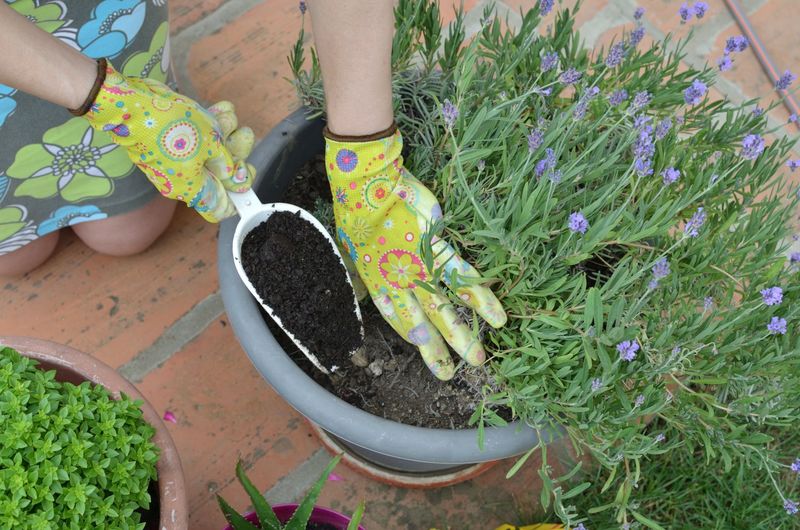
There is a well-meaning instinct in spring to feed everything in the garden and get it growing strong. With most vegetables and annuals, that approach works beautifully.
With lavender, heavy fertilizing in spring is actually counterproductive and can leave the plant more vulnerable heading into summer.
Lavender evolved in nutrient-poor, rocky Mediterranean soils. When it gets too much nitrogen, it responds by pushing out a lot of soft, lush, leafy growth.
That kind of growth looks healthy at first glance, but it is actually weaker and more susceptible to fungal issues and moisture stress. Dense, floppy foliage also holds humidity against the plant, which is the opposite of what you want in Ohio’s summer climate.
Lean soil produces compact, sturdy lavender with better flower production and stronger natural oils in the foliage. If your soil is genuinely depleted, a very light application of a low-nitrogen fertilizer once in early spring is the maximum you should consider.
Many experienced lavender growers skip fertilizer entirely and simply rely on good drainage and proper pH to keep plants healthy. The goal is not to push maximum growth but to build a tough, resilient plant that can handle stress.
In Ohio, that stress comes every summer in the form of heat and humidity, and well-fed but weak plants simply do not hold up as well as leaner ones do.
8. Choose The Sunniest Spot Possible For Stronger Plants
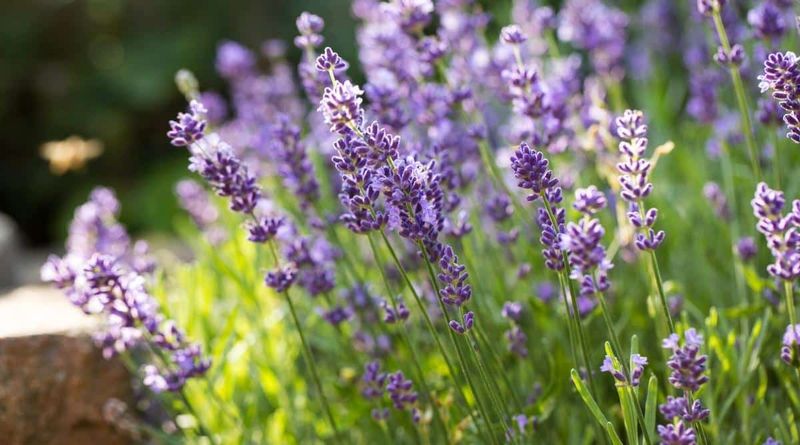
Sunlight is not just about growth for lavender. It is a key part of how the plant manages humidity stress.
Full sun dries out the foliage quickly after rain or dew, reduces the amount of time moisture sits on the leaves and stems, and keeps the soil surface drier between waterings. In Ohio’s humid summers, every bit of that drying action counts.
Lavender needs a minimum of six to eight hours of direct sunlight daily, and more is genuinely better.
If your current planting spot is getting shaded out by a growing tree, a fence, or a nearby structure, April is the right time to think about moving the plant to a better location before the season gets too far along.
Transplanting in early spring, while temperatures are still mild, gives roots time to settle before summer heat arrives.
South-facing slopes and spots near light-colored walls or stone paths tend to offer the best combination of sun and warmth for lavender in Ohio. These locations also tend to have slightly better air movement than low-lying or sheltered spots.
Lavender planted in genuinely full sun develops stronger stems, more aromatic foliage, and a denser, more compact habit overall.
That compact structure is also more resistant to flopping open in the center, which is a common issue in humid climates where plants push soft growth in response to moisture and reduced light.