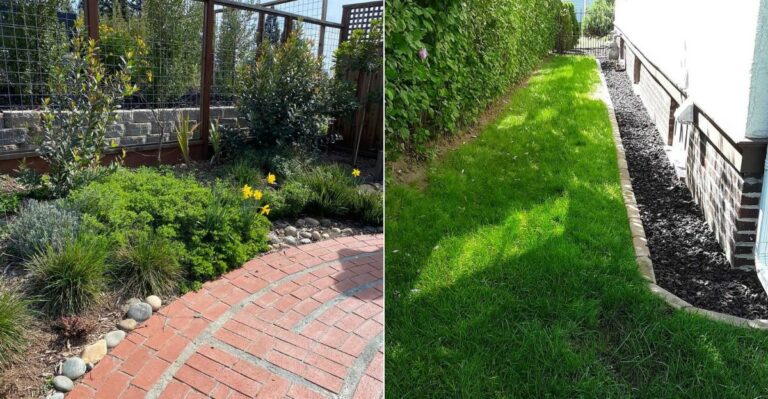
Water Your California Garden Before The Santa Ana Winds Hit, Not After
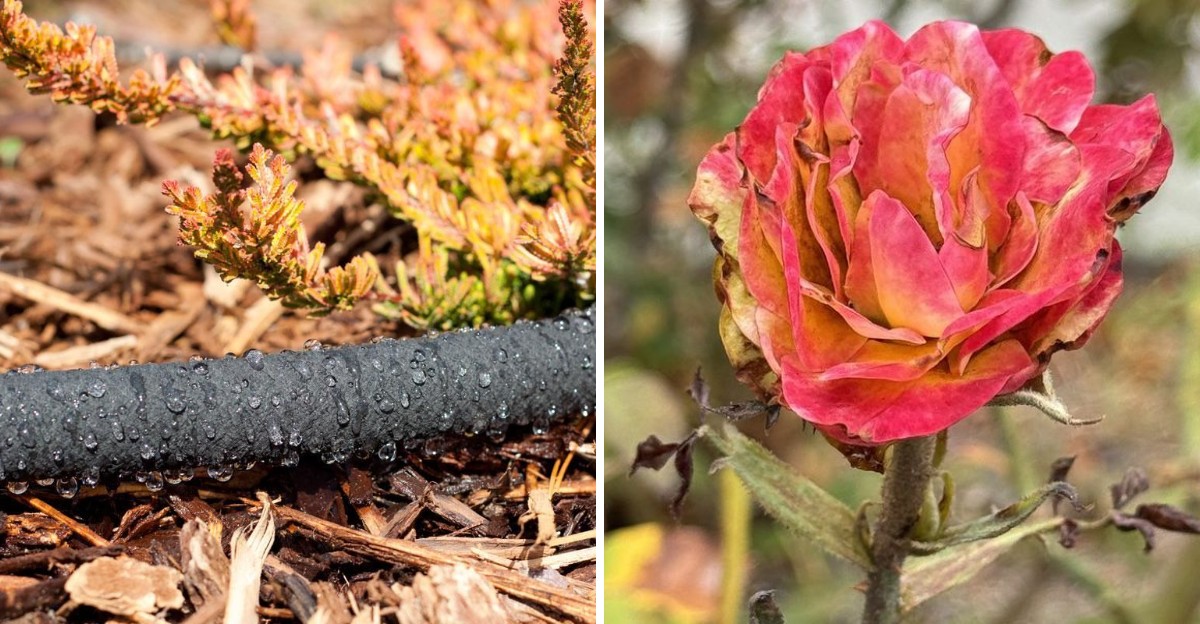
Some of the most damaging weather for a garden arrives under clear blue skies. It brings no storm clouds or downpours, just warm, restless air that can transform healthy plants within hours.
Southern California knows this pattern well, especially from fall into early spring.
The natural instinct when trouble appears is to respond on the spot, yet timing makes an enormous difference here.
A small amount of planning can separate green leaves from crispy ones.
The approach takes little time and relies on simple habits rather than special equipment.
When the forecast signals trouble, a garden that is already prepared can ride out the dry spell, leaving more attention for what matters most.
Wind Dries Plants Faster Than Roots Can Refill
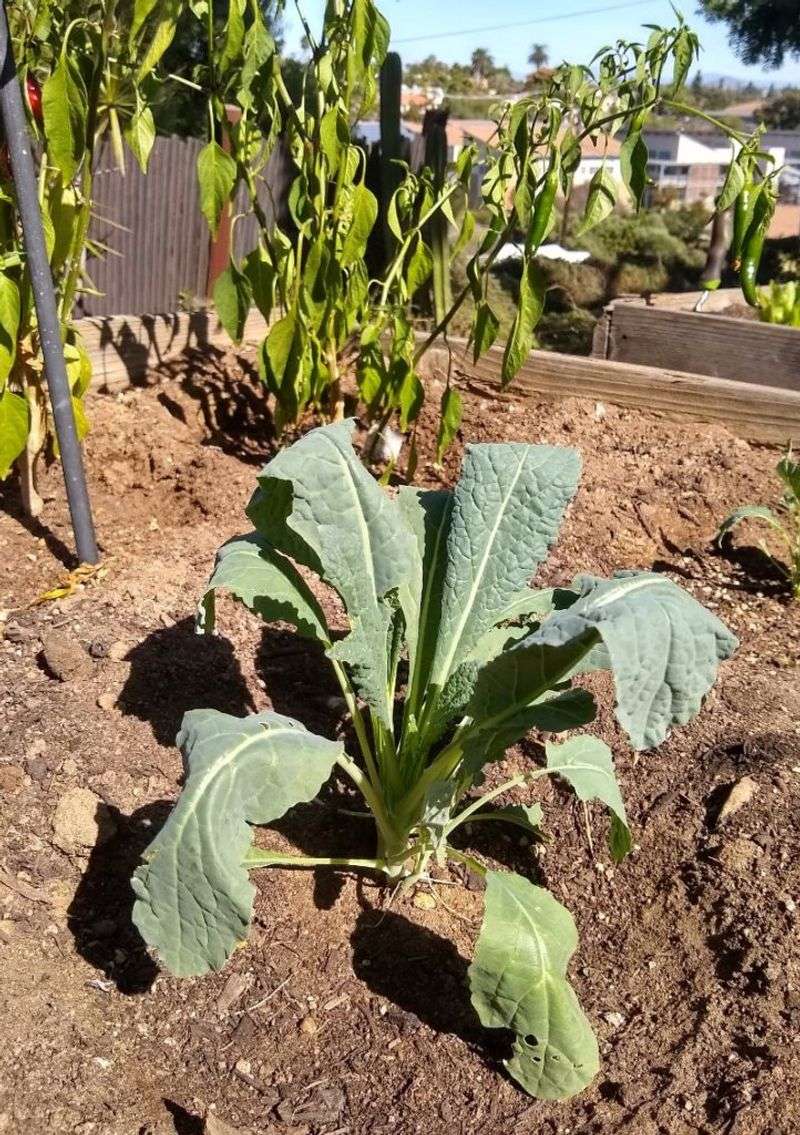
Every leaf works a bit like a tiny sponge dotted with thousands of open windows. Those openings, called stomata, let water vapor escape as the plant breathes, and on a calm day, roots pull up enough water to keep pace.
Santa Ana winds flip that math. The National Weather Service describes them as strong, very dry offshore winds, often with humidity dropping into the single digits or teens.
Air that dry behaves like a thirsty vacuum. Each gust sweeps away the thin layer of moist air around every leaf, so water escapes even faster.
Roots simply can’t move water upward at that speed. UC ANR notes that wind and heat stress cause leaves to lose water faster than plants can absorb it from the soil.
The results show up quickly. Leaves wilt, curl, scorch at the edges, or turn crispy brown in a single afternoon.
Soil dries out during these events, too. Warm wind pulls moisture from the top few inches of ground, shrinking the supply roots depend on.
A plant that started the day slightly thirsty has no cushion at all.
Preparation works much like drinking plenty before a long desert hike rather than gulping water once dizziness sets in. Plants follow the same principle.
A well-watered plant stores moisture in its tissues and in the surrounding soil, allowing it to ride out the dry blast with far less damage.
Fall marks the start of the season when that preparation matters most.
Water One To Two Days Ahead
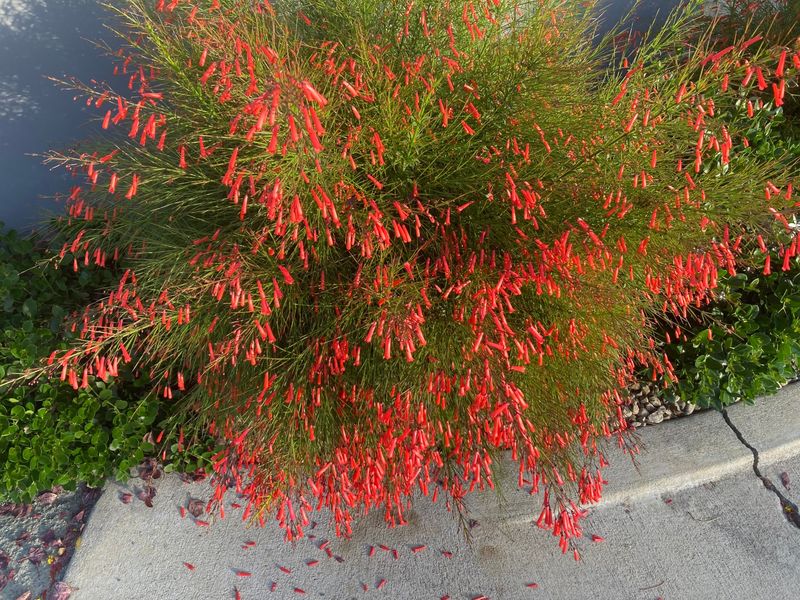
Timing serves as the secret ingredient. Water that reaches the soil an hour before gusts arrive barely has time to soak in, so plants need a head start.
Watering one to two days before forecast wind lets moisture sink into the root zone and gives roots time to take it up. Plant tissues fill out, and the soil holds a healthy reserve.
By the time dry air arrives, the garden is already hydrated rather than scrambling.
Early morning makes the best time of day for this job. Air tends to be cooler and calmer at dawn, so less water evaporates before reaching the ground.
Leaves also dry off during the day, which helps limit fungal problems.
One common slip deserves attention. Some gardeners wait until wilting appears, then rush out with the hose.
Your California Garden Changes Every Week. Your Plan Should Too.
Gardening in California changes quickly throughout the season. Every Friday you’ll receive a simple weekly plan showing exactly what to plant, prune, fertilize, harvest, and protect so you never miss the right timing.
By then, the plant is already stressed, and the wind keeps stealing water as fast as it gets added. Prevention beats rescue nearly every time.
The calendar matters, too. Santa Ana events in Southern California most often occur from fall through early spring, with October through January bringing plenty of activity.
Those months can feel deceptively mild, so plants may be drier than they appear.
A finger pushed a couple of inches into the soil offers a quick check, and dry soil signals time for a drink before the wind takes its turn.
Soak Deeply So Moisture Reaches Roots
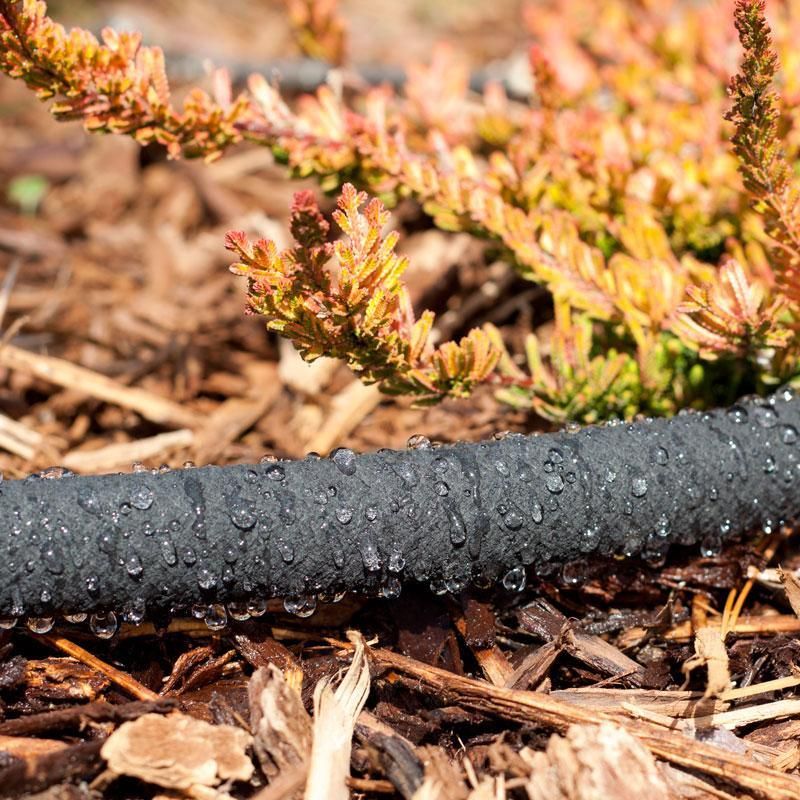
A quick spray from the hose looks satisfying. The surface darkens, the leaves glisten, and the job seems done, yet the soil may remain bone dry just a few inches down.
Most shrubs and trees draw water from roots that spread well below the surface. UC ANR guidance favors deep, infrequent watering that wets the full root zone.
For many shrubs, that means moisture reaching about one to two feet deep. Mature trees can have roots running two to three feet deep and extending beyond the edge of the canopy.
Slow delivery works best. Drip lines, soaker hoses, or a hose trickling at the base of a plant let water sink in rather than run off.
Clay soils, common in many California yards, absorb water slowly. Watering in cycles, with soaking breaks between rounds, helps moisture penetrate.
A long screwdriver or soil probe pushed into the ground a few hours later confirms success. It slides easily through moist soil and stops hard when it meets dry ground, a simple and inexpensive check.
Deep watering pays off beyond any single wind event. Roots grow toward moisture, so regular deep soaks train them to reach farther down, where soil stays cooler and damper.
Shallow sprinkling does the opposite, keeping roots near the surface, right where hot wind does the most harm.
Deeper roots mean sturdier plants through every dry spell that follows, especially during the busy Santa Ana months ahead.
Prioritize Containers And Young Plants
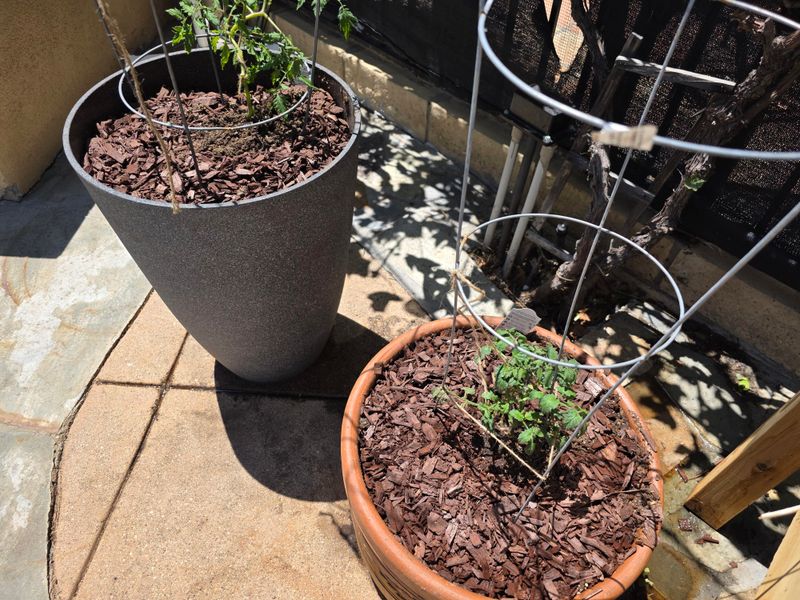
Potted plants live on a tiny island. Their roots can reach only the soil inside the pot, and that small volume dries out fast, so hot, dry wind can turn a container from moist to parched within hours.
Clay and terracotta pots lose even more water, since moisture escapes through their walls. Small pots dry quicker than large ones.
Hanging baskets catch the full force of the breeze and often suffer first.
Young plants face a similar challenge. Anything planted within the last year or so has a small, shallow root system that hasn’t yet spread into surrounding soil.
UC ANR notes that newly planted trees and shrubs need more frequent watering until they establish, since a fresh transplant has no deep reserve to draw from. Autumn plantings belong squarely in this group.
These plants deserve top priority.
When soil has pulled away from pot edges, a second slow watering helps it actually absorb rather than run straight through.
A few extra steps help as well. Potted plants moved to sheltered spots, such as against a wind-blocking wall or under a patio cover, lose less moisture.
Grouped pots shade one another, and saucers offer a small reserve, though emptying them afterward prevents soggy roots.
The smallest and newest plants need the most backup, so they deserve first turn with the hose.
Add Mulch To Hold The Moisture
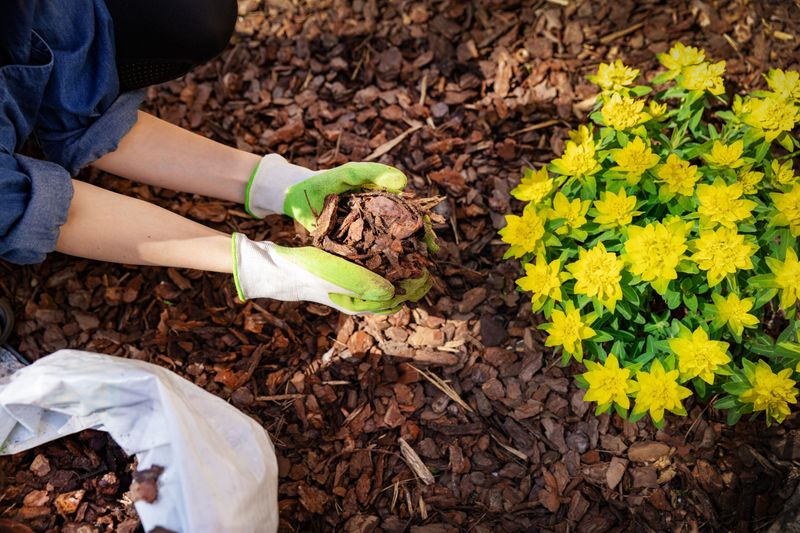
Bare soil invites hot wind to do its worst. Sun and moving air pull water straight out of the ground, leaving a cracked, dusty crust, while a blanket of mulch closes that door.
Mulch slows evaporation by shading the soil and blocking wind from touching it directly. UC ANR recommends a layer about two to four inches deep around plants.
Wood chips, shredded bark, and compost all work well. The soil underneath stays cooler and damper, so a deep watering lasts longer.
Spreading mulch after watering locks moisture in. Keeping it a few inches away from plant stems and tree trunks matters, since mulch piled against bark traps moisture and invites rot and pests.
Placement near the home matters even more. Zone 0 rules approved this year exclude bark mulch and wood chips within the first five feet of structures in designated fire hazard areas.
Gravel, stone, or bare soil suits that strip, with woody mulch saved for beds farther out. That distinction carries extra weight during Santa Ana season, when embers can travel long distances.
Light, fluffy mulches such as straw or loose leaves can blow around in strong gusts. Coarser wood chips stay put far better and knit together over time.
A quick rake to settle the layer before the wind arrives helps it hold. A well-mulched bed works like a snug lid on a pot, holding in the moisture that careful watering put there.
Skip Watering During Strong Gusts
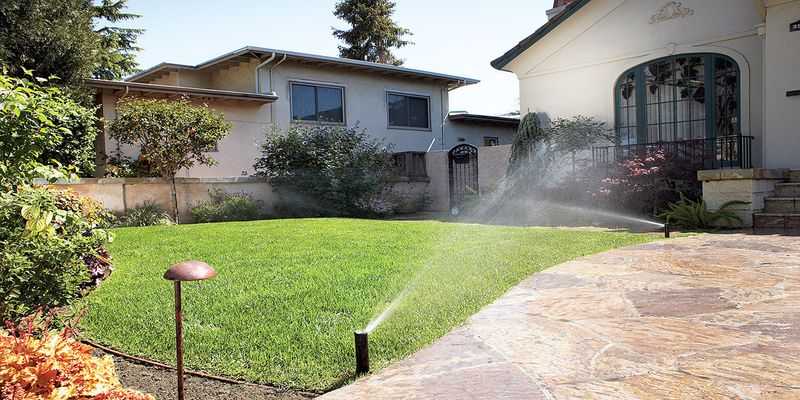
Sprinkler spray drifting sideways into the street on a windy day tells a clear story. Much of that water fails to reach the soil, landing instead on the sidewalk, the driveway, or a neighbor’s car.
Strong gusts break spray into fine droplets and carry them away. Dry air then evaporates much of what remains before it lands, so every gallon gets paid for while plants receive only a small sip.
Some California water agencies discourage or restrict watering during windy conditions for exactly this reason.
Holding off while the wind roars makes sense. Watering mid-event mostly wastes water and does little for roots, since leaves stay wet for a moment, then dry instantly.
The soil barely notices.
Earlier preparation earns its keep here. A garden soaked a day or two ahead needs no battle with the wind.
Automatic sprinklers can be switched off when a strong event appears in the forecast, and many smart controllers offer a wind or weather pause feature that skips those days.
A truly desperate container plant mid-event can still get help. A watering can or a hose on low, aimed right at the soil, delivers what the plant needs without overhead spraying.
Gentle watering at the base, stopping once the soil is wet, makes sense for small, targeted rescues. Running a whole sprinkler system into a gale, by contrast, wastes water and money with little to show for it.
Check Forecasts And Fire Weather Alerts
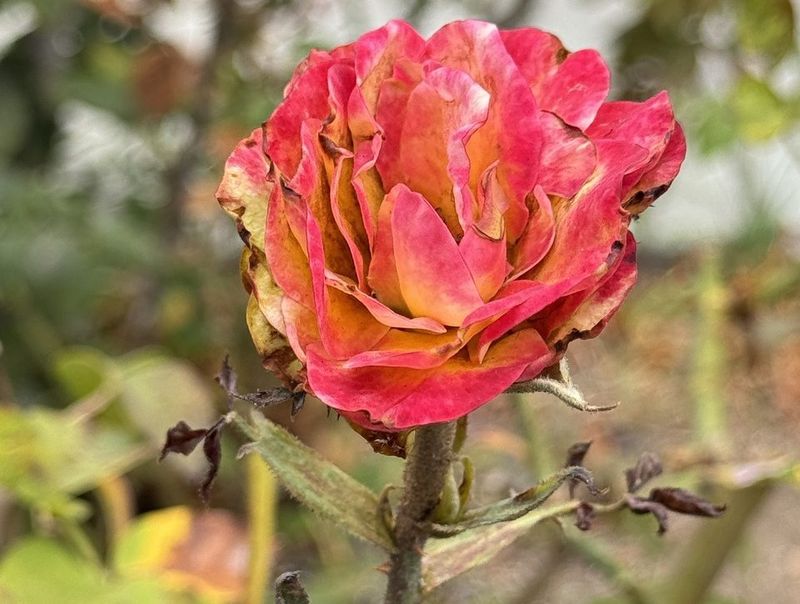
Santa Ana winds rarely sneak up on anyone paying attention. Forecasters usually spot them days in advance, and a quick look at the forecast gives a garden the head start it needs.
The National Weather Service’s Los Angeles and San Diego offices issue wind advisories and high wind warnings when strong gusts are expected.
They also issue Red Flag Warnings, signaling that warm temperatures, very low humidity, and strong winds could create critical fire weather. Any of these alerts makes a good cue to start watering a day or two out.
Local alerts add another layer. Many counties offer emergency notification systems by text or phone, and CAL FIRE shares wildfire preparedness information through its Ready for Wildfire program and app.
Priorities still matter, though. A watered garden helps plants handle dry wind, yet it doesn’t protect a home from fire.
Fire safety comes from defensible space, home hardening, and a family plan.
When officials issue an evacuation warning or order, leaving promptly comes first, since no hose session, potted plant, or lawn is worth delaying departure.
The forecast can guide both jobs. An early watering session can pair with packing a go bag, charging phones, and reviewing exit routes.
Clearing dry leaves from gutters and around the house ahead of time helps, too. When warnings flash, the garden is already set, and full attention can stay on safety through the months of Santa Ana season ahead.