7 Ways Ladybugs Help Control Pests In Georgia Gardens Naturally
Pests can take over a Georgia garden faster than expected, covering new growth and weakening plants that looked perfectly fine just days before. Leaves start to curl, and it feels like something is slowly getting out of control.
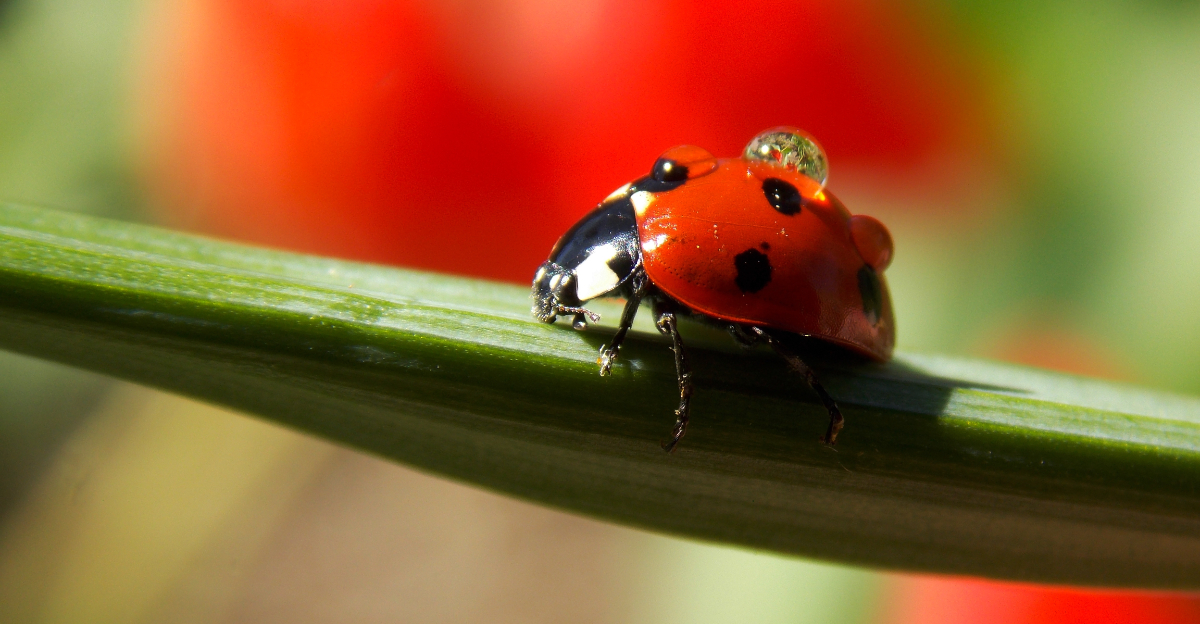
A few ladybugs often show up right around that moment, moving quietly across the leaves. It is easy to ignore them or assume they are just passing through.
Plenty of gardeners do not realize those small visitors are already working on the problem.
That is where things start to shift. Instead of reaching for quick fixes that never seem to last, understanding what ladybugs actually do can change the whole approach.
They help bring pest numbers down in a steady, natural way. Knowing how they work and why they matter makes it easier to support them and keep a Georgia garden balanced without constant effort.
1. Ladybugs Feed On Aphids And Reduce Infestations
Aphids might be tiny, but a full-blown infestation can wipe out a vegetable bed faster than most Georgia gardeners expect.
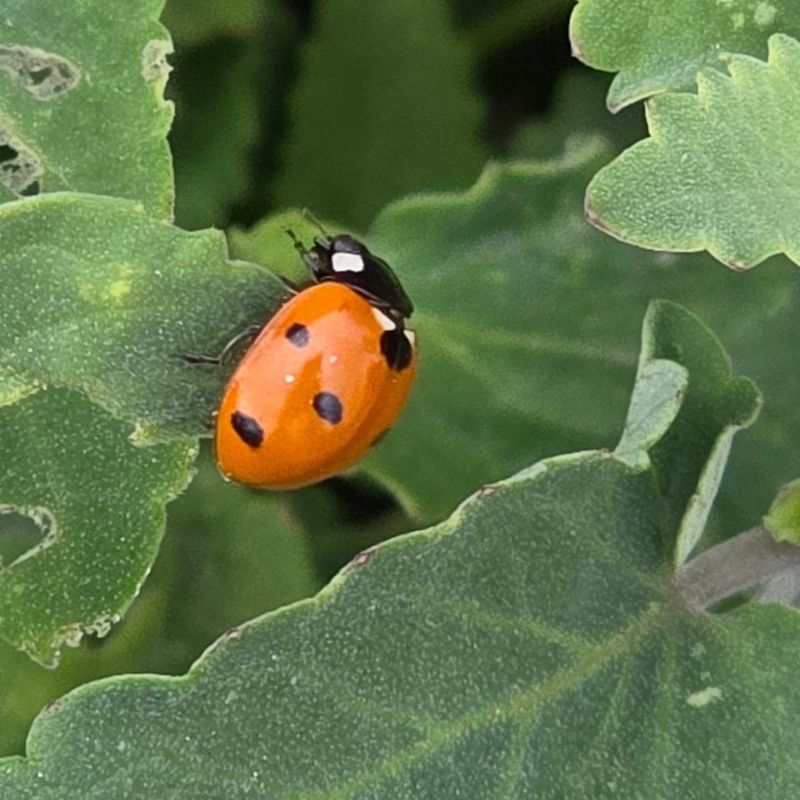
Ladybugs zero in on aphid colonies with impressive accuracy, making them one of the most valuable natural pest controllers you can have working in your garden.
A single adult ladybug can consume anywhere from 50 to 60 aphids in one day under normal conditions.
Over a full season, that number adds up quickly, especially during Georgia’s long, warm growing months when aphid populations tend to explode on crops like tomatoes, peppers, and squash.
Aphids reproduce at a staggering rate, so the sooner ladybugs arrive on the scene, the better your chances of keeping the damage manageable.
Early spring in Georgia is often when aphid pressure starts building, and that lines up well with when ladybugs naturally become active after cooler months.
Planting flowers like dill, fennel, and marigolds near your vegetable beds can attract ladybugs and encourage them to stick around longer. Avoiding broad-spectrum pesticide sprays is just as important, since those products remove the ladybug population right along with the pests you were targeting.
Healthy aphid control through ladybugs works best when your garden supports a balanced mix of plants.
Georgia gardeners who create diverse planting areas tend to see stronger, more consistent ladybug activity throughout the growing season compared to those who grow single-crop plots.
2. Both Adults And Larvae Consume Large Numbers Of Pests
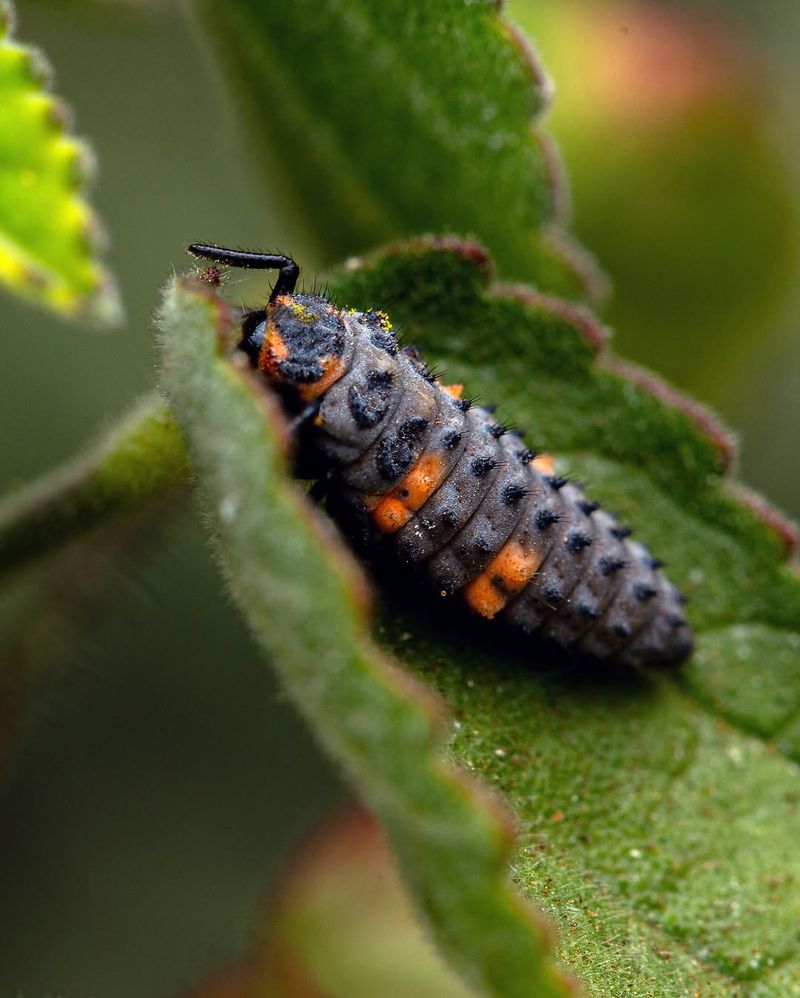
Most people recognize the adult ladybug on sight, but the larva is where the real pest-eating power begins. Ladybug larvae look nothing like the adults, resembling tiny alligators with dark, spiky bodies, yet they are aggressive feeders from the moment they hatch.
What makes this especially useful for Georgia gardeners is that both life stages overlap in the garden at the same time.
While adult ladybugs are actively feeding, a fresh batch of larvae may already be working through pest colonies on nearby plants, creating a layered defense that runs continuously.
Larvae are less mobile than adults, so they tend to stay concentrated in areas where pest populations are highest.
Spotting larvae in your garden is actually a strong sign that ladybugs have been breeding on-site, which means the natural pest control cycle is already working without any extra effort from you.
Your Georgia Garden Changes Every Week. Your Plan Should Too.
Gardening in Georgia changes quickly throughout the season. Every Friday you’ll receive a simple weekly plan showing exactly what to plant, prune, fertilize, harvest, and protect so you never miss the right timing.
Encouraging this full life cycle requires keeping your garden free of harsh chemical treatments that could interfere with egg and larval survival.
Georgia gardeners who practice minimal intervention pesticide strategies consistently report seeing more complete ladybug populations, including larvae, throughout the spring and summer months.
3. They Help Control Whiteflies And Other Soft Bodied Insects
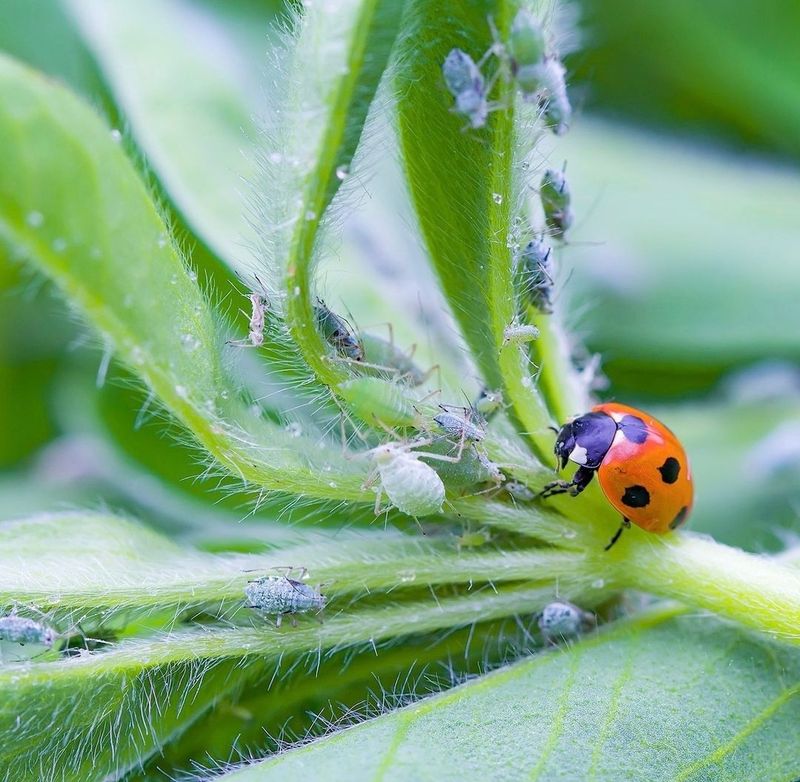
Whiteflies are a persistent problem across Georgia, particularly in vegetable gardens and greenhouses during hot, humid months.
Ladybugs target these soft-bodied pests with the same efficiency they bring to aphid control, making them a practical solution that requires zero investment beyond creating a welcoming habitat.
Beyond whiteflies, ladybugs also feed on mites, mealybugs, scale insects, and small caterpillar eggs.
That broad appetite means a healthy ladybug population can suppress multiple pest types at once, which is a significant advantage during Georgia’s peak growing season when several insects tend to appear simultaneously.
Soft-bodied insects are especially vulnerable because they lack the hard protective shells that many other garden pests carry.
Ladybugs can access and consume them efficiently, working through colonies at a pace that keeps populations from escalating into full infestations before gardeners even notice a problem.
Whitefly pressure tends to peak in Georgia during mid-summer, particularly on tomatoes and cucumbers.
Having an established ladybug population already present in your garden by early summer gives you a natural buffer right when you need it most, without reaching for a spray bottle.
Companion planting with herbs like basil, parsley, and cilantro can help attract ladybugs while also repelling some soft-bodied insects on their own.
Pairing these strategies together gives Georgia gardeners a more complete and reliable approach to pest management that works with nature rather than against it.
4. Natural Predation Reduces The Need For Chemical Sprays
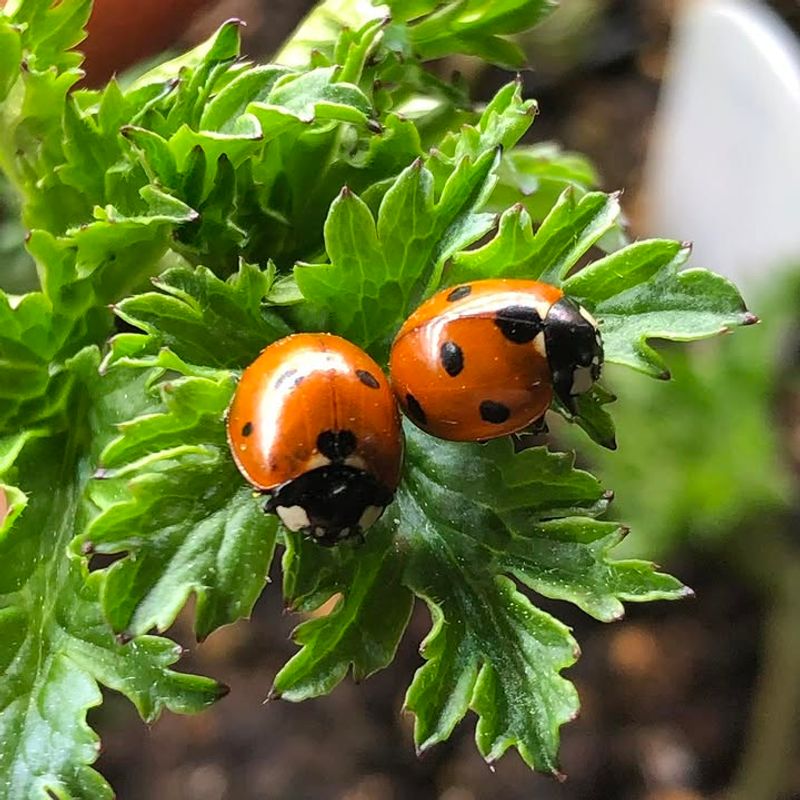
Reaching for a pesticide spray every time a pest appears has real costs, both financially and ecologically.
When ladybugs are consistently present in a Georgia garden, the need to intervene with chemical products drops noticeably because the predator-prey relationship handles a large portion of pest pressure on its own.
Chemical sprays often create a cycle that works against long-term garden health.
Broad-spectrum products remove beneficial insects along with harmful ones, which means the next pest wave arrives with fewer natural predators to slow it down, leading to heavier infestations than before the spray was used.
Ladybugs break that cycle by providing ongoing, targeted feeding that does not disrupt the wider insect community. Georgia gardeners who rely on natural predation report spending less time managing pest outbreaks and more time focused on planting, harvesting, and general garden care throughout the season.
Reducing chemical use also benefits the soil, surrounding plants, and pollinators like bees that share the garden space.
Georgia is home to a rich variety of native pollinators, and maintaining a chemical-light environment gives those species a better chance to thrive alongside pest predators like ladybugs.
Practical steps like mulching, water management, and choosing pest-resistant plant varieties all support the conditions where ladybugs can do their best work.
When those elements combine in a Georgia garden, natural predation becomes genuinely reliable rather than something you only hope for during a particularly good season.
5. They Help Keep Pest Populations Balanced Over Time
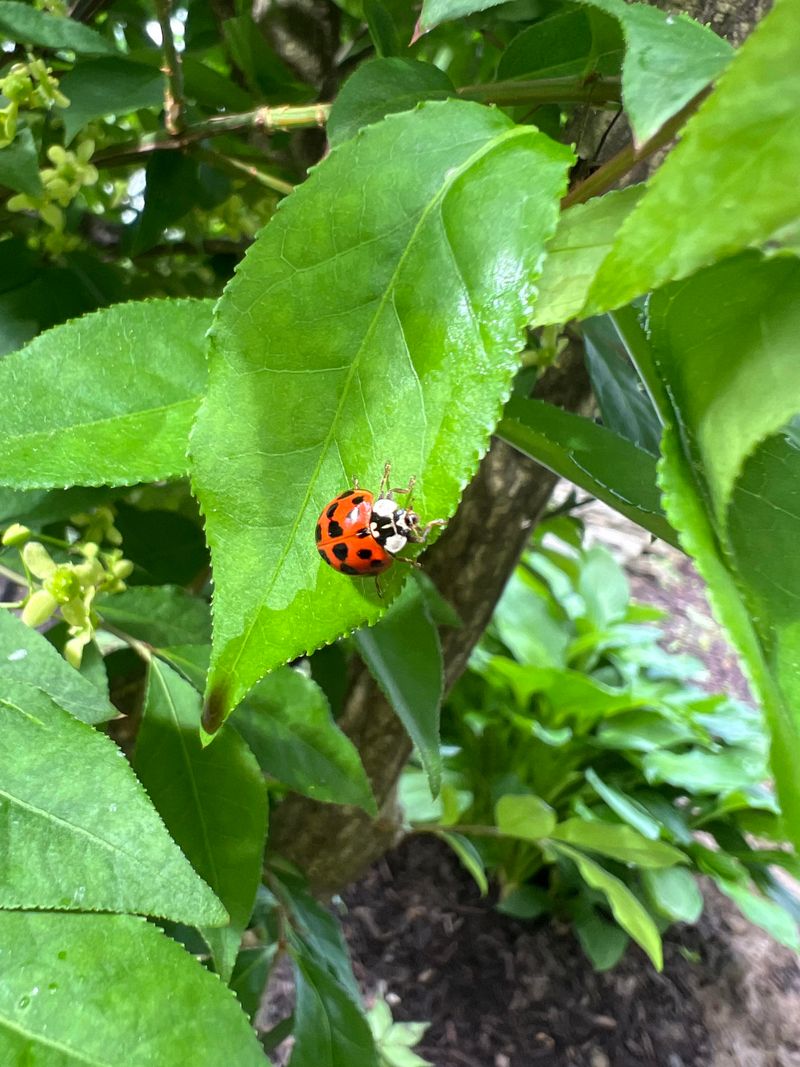
Balance is what separates a garden that stays manageable from one that swings between pest explosions and recovery periods.
Ladybugs play a consistent role in maintaining that balance by keeping pest populations suppressed below the threshold where serious plant damage typically begins.
Unlike a spray that delivers a one-time reduction, ladybugs provide continuous feeding pressure as long as pest insects remain present.
When pest numbers drop, ladybug activity naturally slows or shifts, and when populations climb again, the predators respond accordingly without any input from the gardener.
Georgia’s climate allows for an extended growing season, which also means pest pressure continues longer than it would in cooler states.
Having a self-regulating predator like the ladybug active across that entire window is genuinely valuable for anyone trying to maintain consistent plant health from spring planting through fall harvest.
Over multiple seasons, gardens with established ladybug populations tend to show lower average pest counts compared to gardens where chemical controls are used regularly.
The predator population builds year over year when conditions are stable, creating compounding benefits that become more noticeable with each passing season.
Avoiding unnecessary soil disturbance and maintaining areas of native plants around your Georgia garden gives ladybugs overwintering habitat, which supports stronger populations the following spring.
Small habitat improvements made in fall can have a measurable impact on how many ladybugs return to your garden when temperatures warm back up.
6. Their Presence Supports A Healthier Garden Ecosystem
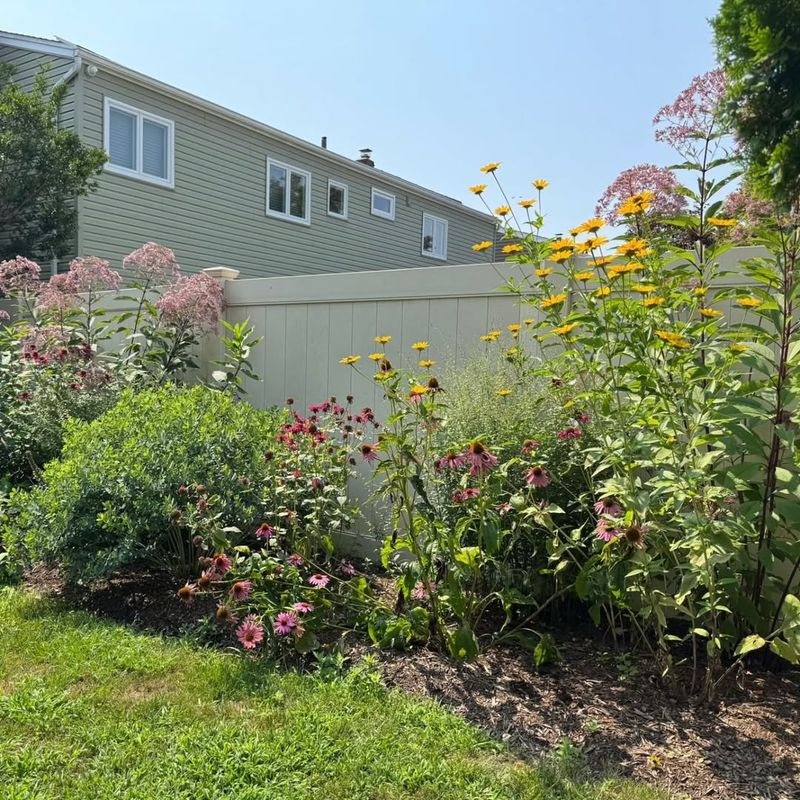
A garden with ladybugs is a garden where the wider ecosystem is functioning well.
Ladybugs rarely appear in large numbers on their own without supporting conditions, so when you spot them regularly across your Georgia garden, it usually signals that soil health, plant diversity, and insect habitat are all working together.
Healthy ecosystems are self-correcting to a degree that single-species gardens simply cannot match. When ladybugs are part of the mix, they interact with other beneficial insects, decomposers, pollinators, and soil organisms in ways that reinforce the overall stability of the growing environment rather than disrupting it.
Georgia gardeners who grow a wide variety of plants, including native wildflowers and flowering herbs, tend to attract not just ladybugs but also lacewings, parasitic wasps, and ground beetles that all contribute to pest suppression.
Ladybugs become one thread in a larger web of natural control rather than the only solution you are counting on.
Providing shallow water sources and avoiding synthetic fertilizers that push excessive soft growth can also make your Georgia garden more hospitable to ladybugs.
Lush, overfed plants actually attract more aphids, so balanced nutrition helps reduce the pest pressure that invites heavy infestations in the first place.
Thinking about your garden as an ecosystem rather than just a production space shifts how you make decisions. Every choice, from which plants you grow to how you manage weeds, either supports or weakens the natural balance that makes ladybugs and other beneficial insects want to stay.
7. They Continue Feeding As Long As Food Sources Are Available
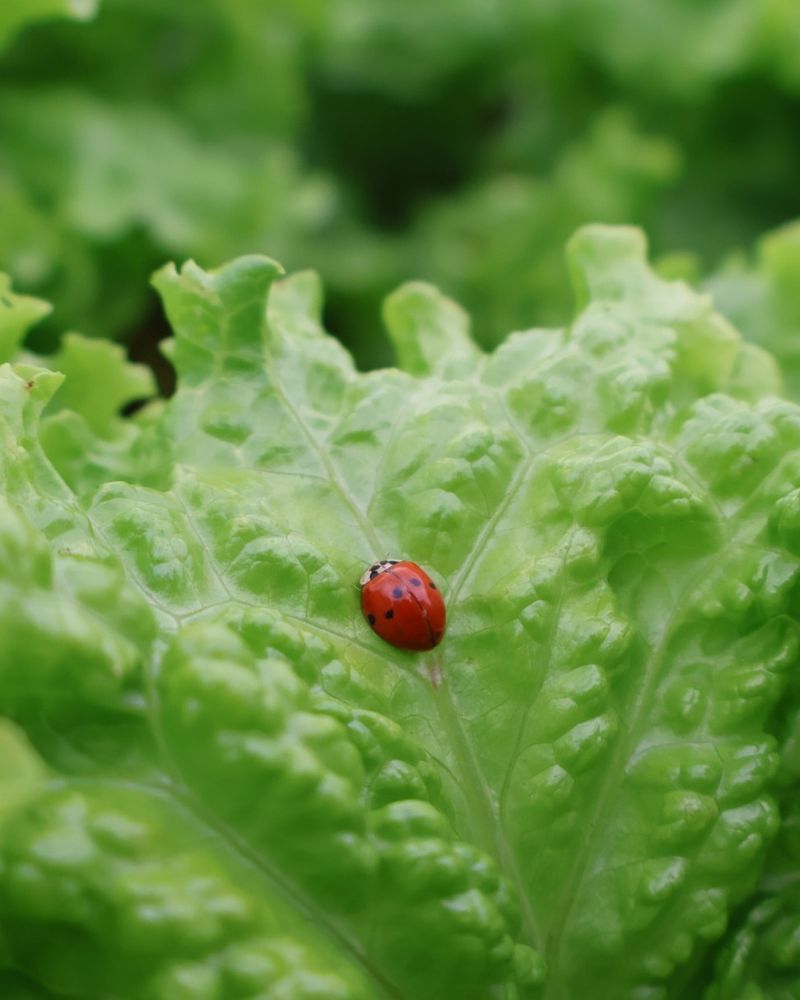
One of the most practical qualities ladybugs bring to a Georgia garden is their persistence. As long as pest insects are present, ladybugs keep feeding, meaning they do not stop working just because the obvious problem seems to be under control.
Pest populations often rebound quickly after appearing to drop, especially during Georgia’s warm summers when reproduction cycles are short.
Ladybugs staying on-site through those rebounds provides a continuous check on pest numbers that prevents the kind of rapid escalation that catches gardeners off guard mid-season.
Food availability directly influences whether ladybugs remain in your garden or move on. Maintaining a garden environment that consistently offers some level of pest activity, without letting it get out of hand, is actually what encourages ladybugs to stay and breed rather than relocate to a more pest-dense area nearby.
When pest populations genuinely drop low, ladybugs shift their diet to include pollen and nectar from flowering plants, which is why having blooms present throughout the season matters.
Flowers like sweet alyssum, yarrow, and coreopsis, which grow well across Georgia, provide that supplemental nutrition and keep ladybugs anchored in your garden between heavy feeding periods.
Releasing purchased ladybugs without providing adequate food and habitat rarely produces lasting results, since they tend to scatter quickly.
Building the right conditions first gives any ladybug population, whether wild or introduced, a genuine reason to stay and continue working through the full growing season in your Georgia garden.