10 Ways Texas Gardeners Grow Lavender And Rosemary Side By Side
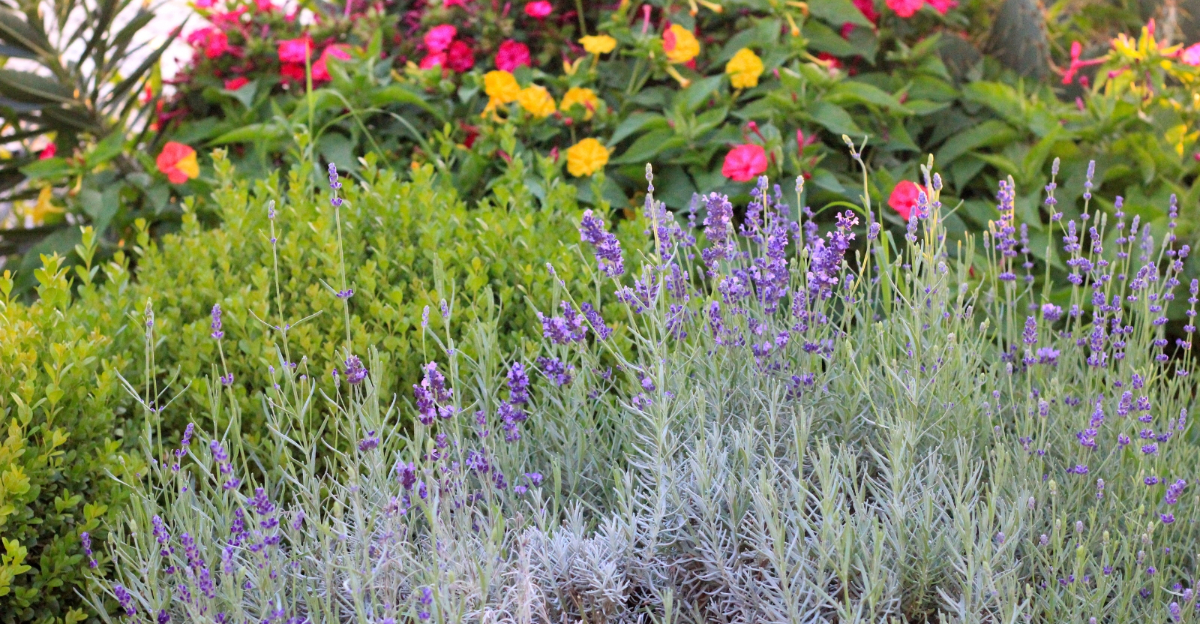
Lavender and rosemary often look like the perfect pair in Texas gardens, but growing them side by side successfully takes more intention than most gardeners expect at first.
Both plants thrive in heat, sun, and dry conditions, yet subtle differences in how they handle moisture and soil can quietly cause problems.
Texas gardeners usually learn this the hard way after watching one plant flourish while the other slowly declines right next to it.
I have seen beautiful beds where spacing, drainage, or watering habits made all the difference between balance and frustration.
When these two herbs are planted thoughtfully, they handle extreme heat far better than many other garden favorites.
Their silvery foliage stays attractive through long summers when other plants struggle to survive. The fragrance alone makes the pairing worthwhile, especially during hot evenings after watering.
Success comes from creating shared conditions that respect both plants without forcing either to compromise too much.
Once you understand how Texas climate influences their growth patterns, they become dependable and surprisingly low maintenance.
These ten approaches show how Texas gardeners keep lavender and rosemary growing side by side without constant correction or stress.
1. Choose Full Sun Locations With Six Hours Daily
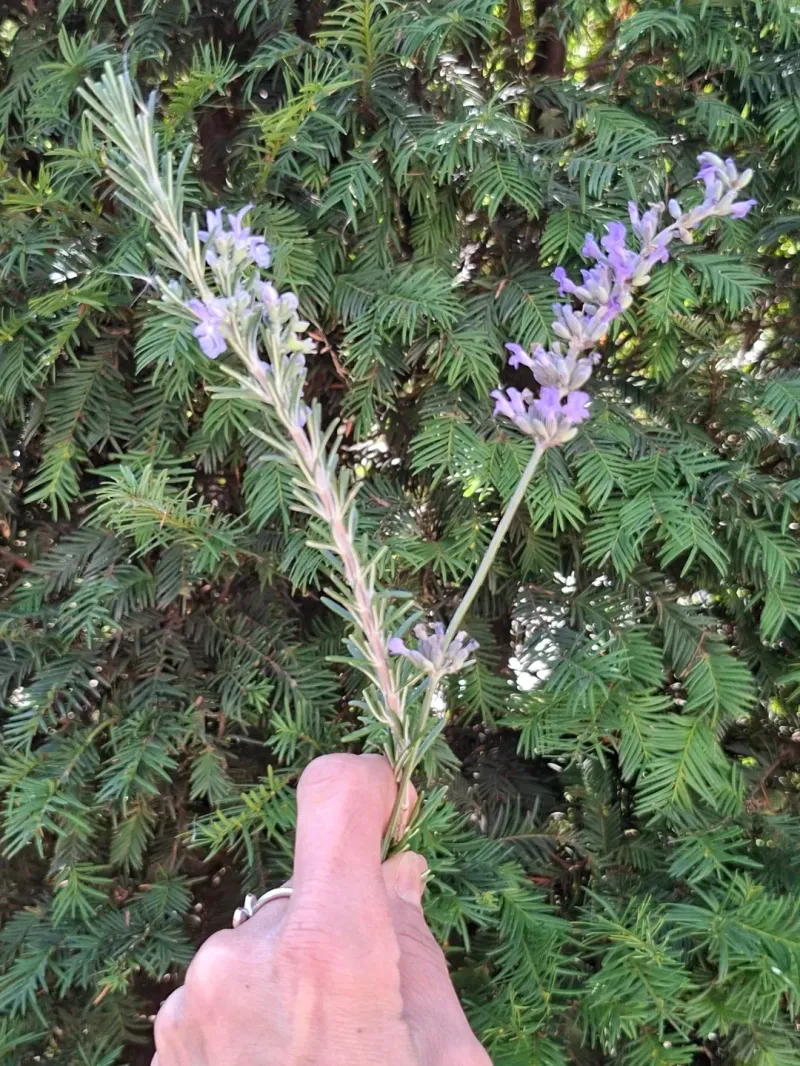
Both lavender and rosemary crave sunlight more than almost any other garden requirement you might consider for successful herb cultivation outdoors.
Texas gardeners position these Mediterranean beauties where morning rays hit early and afternoon warmth continues lighting their purple and green foliage.
Southern exposure works wonderfully across the state because it delivers consistent brightness without too much shade interference from nearby trees or structures.
Planting near south-facing walls adds reflected heat which both herbs appreciate during their active growing seasons throughout most months here.
Avoid spots under large oak trees or beside tall fences that block precious sunshine these plants need for oil production.
Six hours represents the minimum requirement but eight to ten hours creates even stronger plants with more aromatic leaves and blossoms.
Texas heat rarely bothers these tough herbs since they evolved in hot climates similar to our own challenging summer conditions outdoors.
Observing your yard throughout one full day helps identify which areas receive the most uninterrupted light for optimal herb placement decisions.
Successful companion planting starts with meeting this fundamental sunlight need before addressing any other growing factor in your Texas landscape today.
Meeting their sunlight needs first sets the foundation for healthy growth, strong fragrance, and long-term success with both herbs in Texas gardens.
2. Amend Clay Soil With Sand And Compost
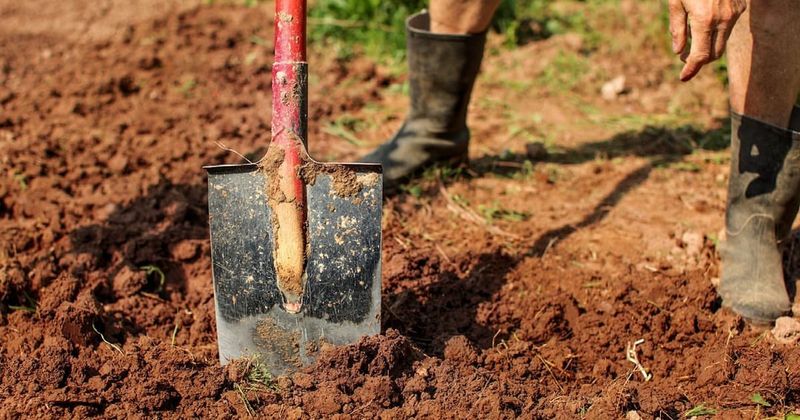
Heavy clay soil dominates many Texas regions and creates drainage problems that both lavender and rosemary absolutely cannot tolerate for long.
Mixing coarse sand into your planting beds breaks up dense clay particles and allows water to move through rather than pooling around roots.
Adding aged compost improves soil structure while providing gentle nutrients these herbs prefer in moderate amounts rather than rich heavy fertilization.
A ratio of one part sand to one part compost mixed with two parts existing soil creates ideal growing conditions.
Gardeners across the state find this amendment strategy prevents root issues that occur when water sits stagnant around Mediterranean herb roots.
Working amendments down twelve inches deep ensures roots have plenty of improved soil to explore as they establish and mature over time.
Avoid using beach sand which contains salt but instead choose builder sand or decomposed granite available at most Texas garden centers.
This preparation step takes effort upfront but pays dividends for years as your herbs thrive in their improved growing environment.
Proper soil structure matters more than fertility when growing these two drought-adapted herbs together in your Texas landscape successfully today.
3. Plant On Raised Mounds For Better Drainage
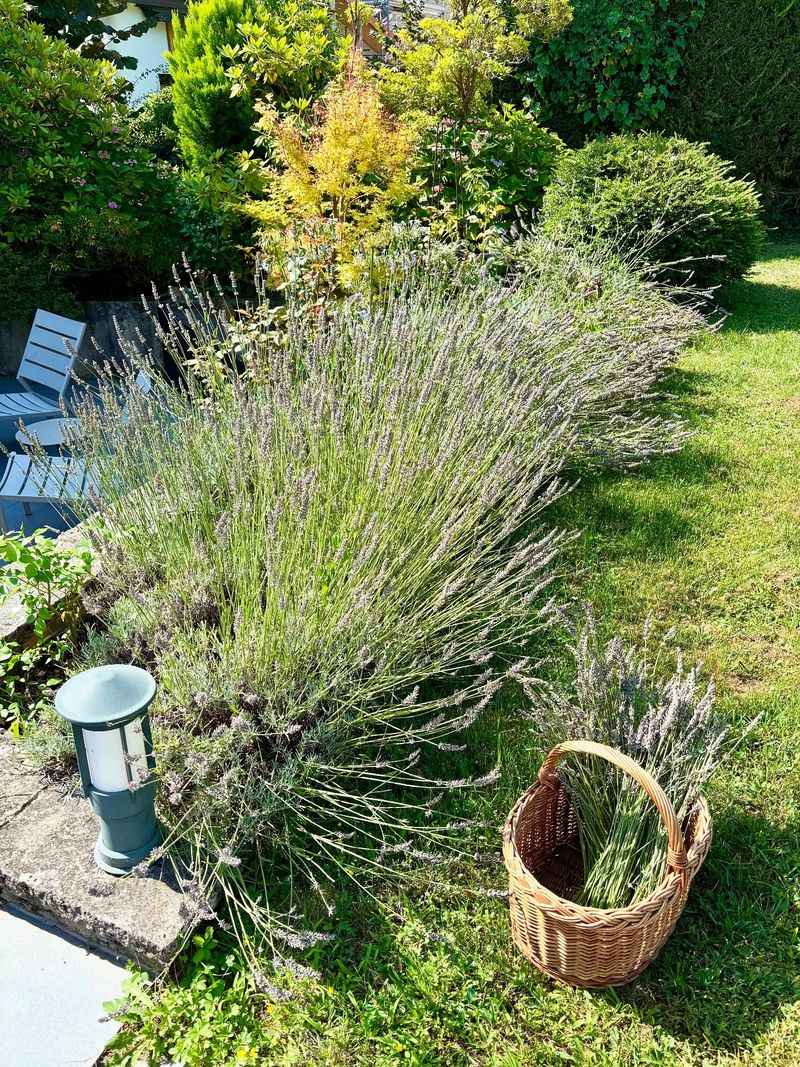
Creating elevated planting areas solves drainage challenges even when you cannot completely transform your native soil composition throughout the entire bed.
Mounding soil six to eight inches above ground level allows excess moisture to run off rather than saturating the root zone.
Texas gardeners shape these raised areas with gentle slopes that prevent water accumulation during our occasional heavy rainfall events throughout the year.
Both herbs send roots downward and outward from these elevated positions which keeps their crowns dry and reduces fungal disease risks.
Building mounds also warms soil faster in spring which encourages earlier growth as temperatures rise across the state after winter dormancy periods.
Space your mounds three to four feet apart to give mature plants adequate room without crowding each other as they expand.
Adding rocks or decorative stones around mound bases creates attractive borders while improving heat retention that these sun-loving herbs truly appreciate outdoors.
This technique works particularly well in areas with high water tables or where seasonal flooding sometimes occurs during intense storm systems.
Raised planting eliminates many common problems Texas herb gardeners face when growing lavender and rosemary in challenging native soil conditions today.
4. Water Deeply But Infrequently After Establishment
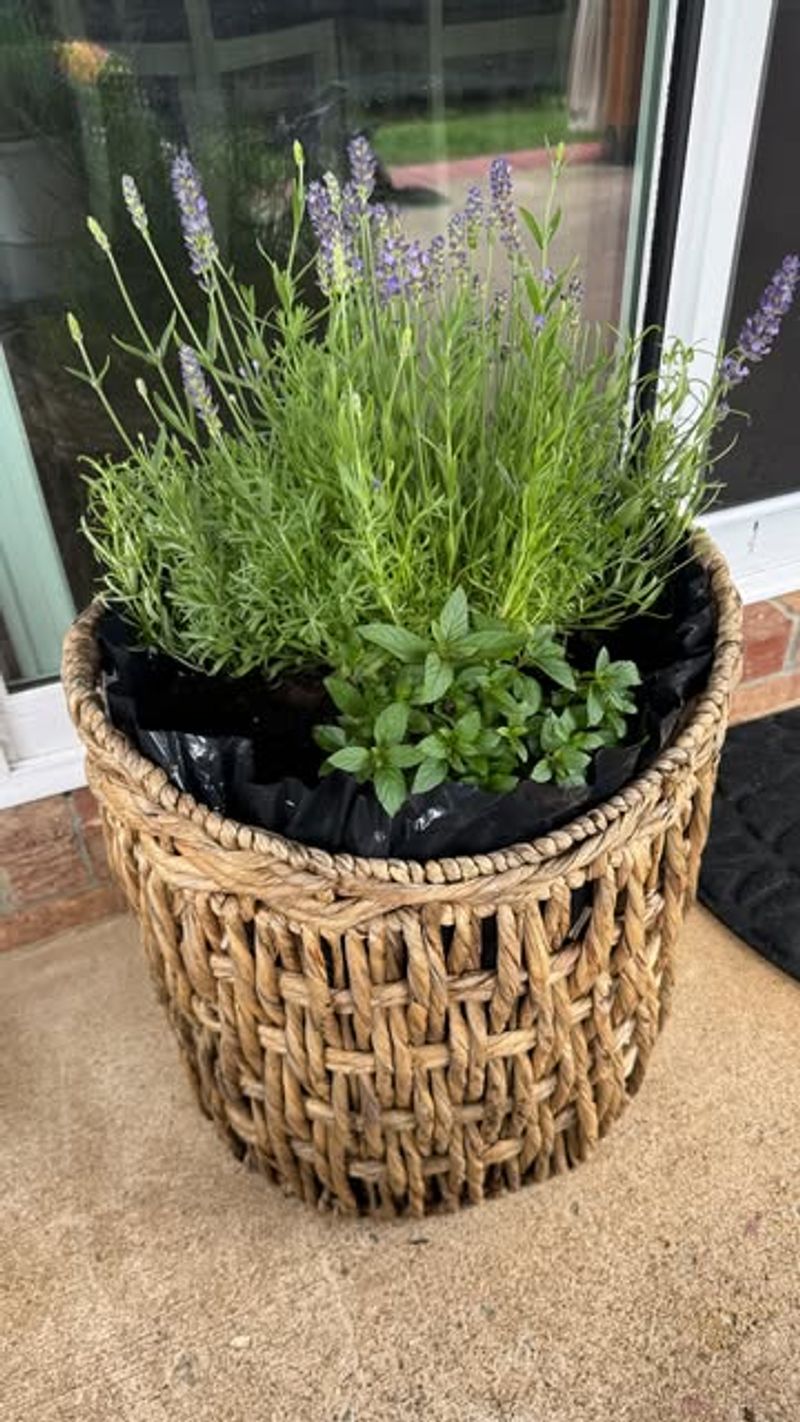
Overwatering ranks as the number one mistake gardeners make when growing these drought-tolerant Mediterranean herbs in Texas home landscapes currently.
Once established after their first growing season both plants survive on rainfall alone in most parts of our state surprisingly well.
During establishment water deeply once weekly allowing soil to dry completely between irrigation sessions rather than giving frequent shallow drinks daily.
Deep watering encourages roots to grow downward seeking moisture which creates stronger plants that withstand our intense summer heat and drought.
Texas gardeners check soil moisture by inserting a finger three inches deep and only water when the soil feels completely dry.
Morning watering allows foliage to dry quickly which prevents fungal issues that develop when leaves stay wet overnight in humid conditions.
Drip irrigation or soaker hoses deliver water directly to roots without wetting leaves which both herbs prefer over overhead sprinkler systems.
Mature plants often need supplemental water only during extended dry periods lasting more than three weeks without any measurable rainfall amounts.
Learning to underwater rather than overwater protects these herbs from root problems and keeps them healthy throughout their lifespan in gardens.
5. Space Plants Thirty Inches Apart For Airflow
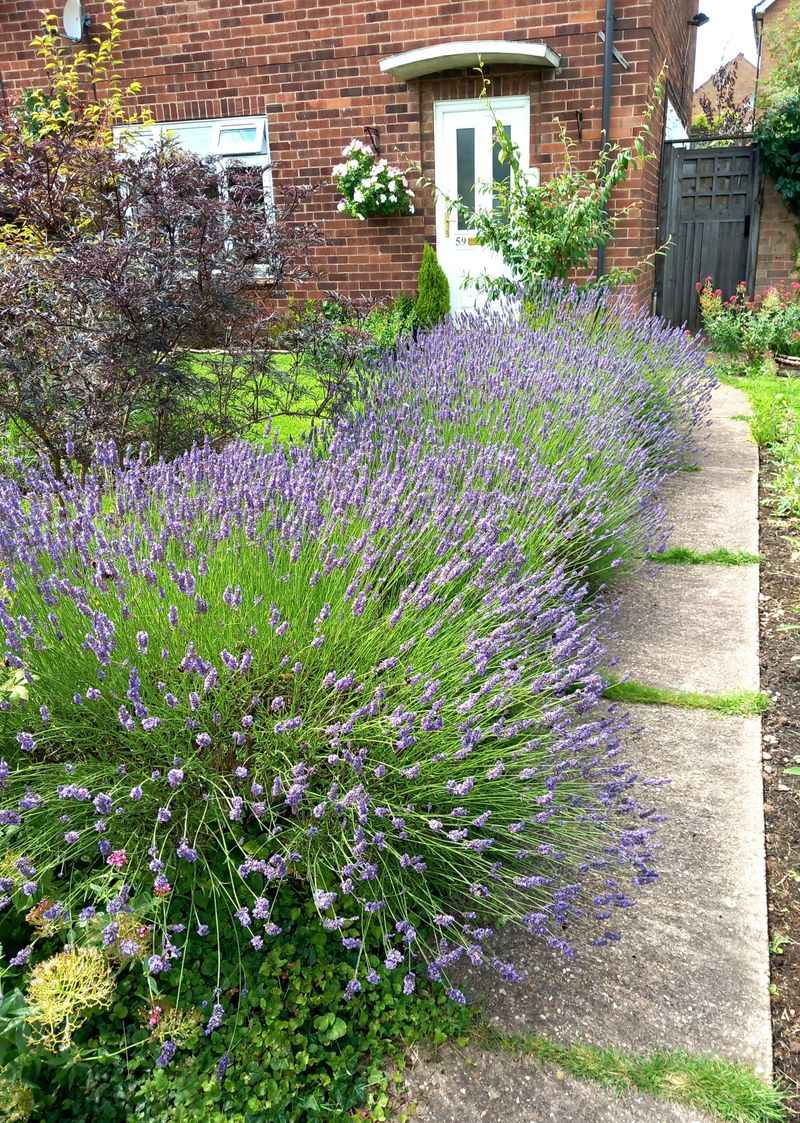
Adequate spacing between individual plants prevents many disease problems while allowing each herb to develop its natural shape and full size.
Crowding creates humid conditions between plants where fungal spores thrive especially during our muggy Texas summers with high humidity levels present.
Thirty inches center to center gives both lavender and rosemary room to spread without touching neighbors as they reach mature dimensions.
Good airflow dries morning dew quickly and reduces pest pressure from insects that prefer sheltered cramped conditions between overlapping branches and stems.
Gardeners throughout the state notice healthier plants with better oil production when herbs receive adequate breathing room in their planting arrangements.
This spacing also makes harvesting easier since you can reach individual plants without damaging nearby herbs during cutting and maintenance activities.
Young plants look sparse initially but fill in beautifully within two growing seasons when given proper space to expand naturally.
Resist the temptation to plant closer for immediate fullness because overcrowding causes more problems than it solves in the long run.
Proper spacing represents an investment in long-term plant health and productivity that Texas herb gardeners appreciate as their gardens mature over time.
6. Prune After Flowering To Maintain Compact Shape
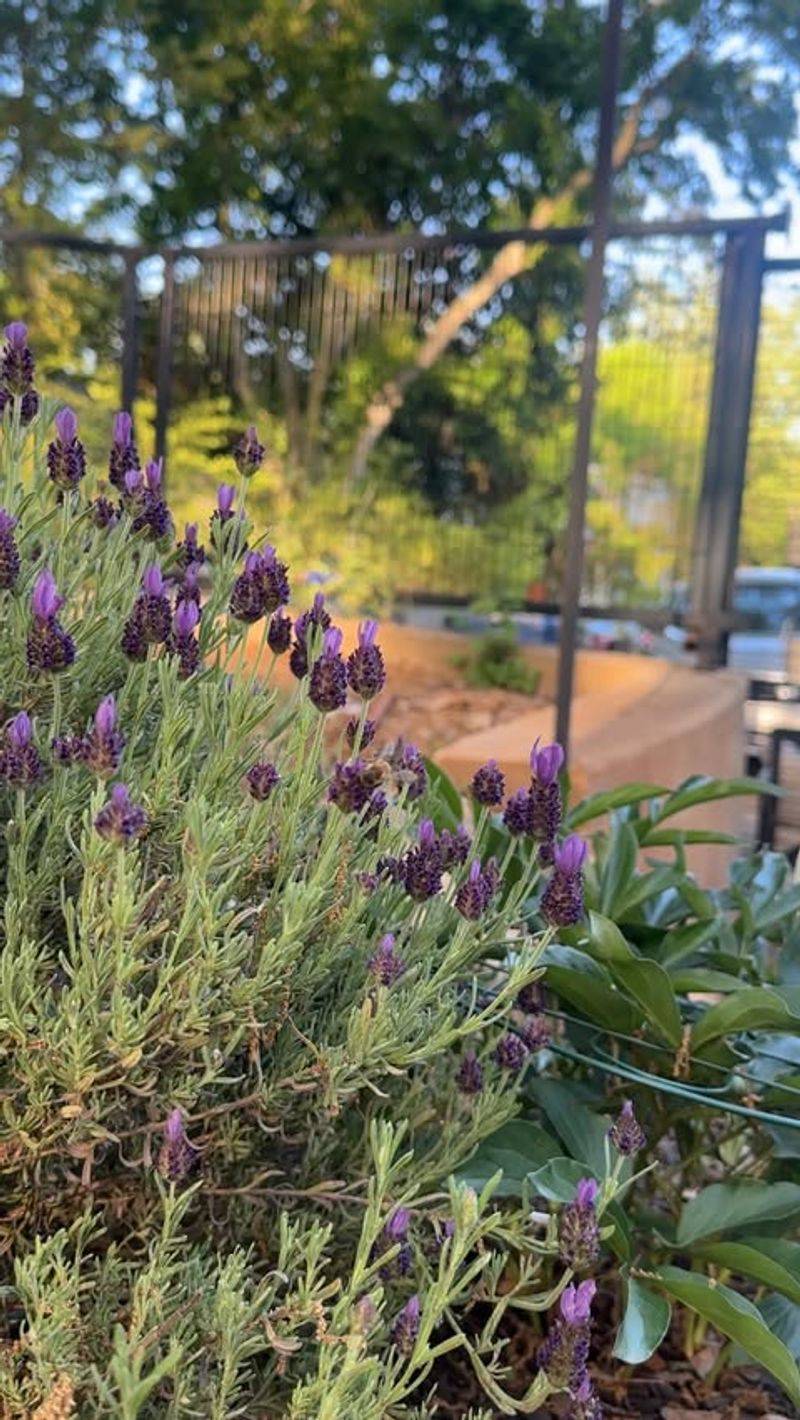
Regular trimming keeps both herbs bushy and productive rather than allowing them to become leggy with bare woody stems at their bases.
Texas gardeners prune lavender immediately after flowers fade typically in late spring or early summer depending on variety and local climate conditions.
Cutting back one-third of the green growth encourages branching and prevents plants from splitting open under their own weight during storms.
Rosemary benefits from light shaping several times during the growing season which also provides fresh herbs for your kitchen cooking needs.
Always cut above green growth rather than into old brown wood which rarely produces new shoots on either of these herbs.
Sharp clean pruners make precise cuts that heal quickly without leaving ragged edges where disease organisms might enter plant tissues easily.
Avoid heavy pruning during fall months across the state because new growth might not harden before occasional winter freezes arrive unexpectedly.
Harvesting herbs for culinary use counts as pruning and helps maintain attractive compact plants throughout the active growing season months here.
Consistent maintenance pruning extends plant lifespan and keeps your herb garden looking neat and productive for many years in Texas landscapes today.
Pruning also improves air circulation around the plants, reducing moisture buildup that can lead to fungal issues during humid periods.
7. Mulch With Gravel Instead Of Organic Materials
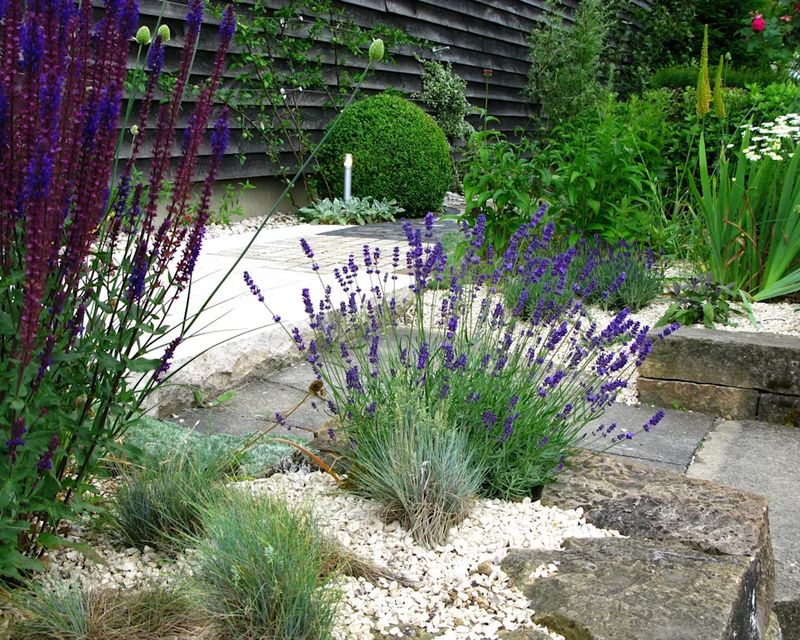
Traditional organic mulches like wood chips retain too much moisture around these herbs and can encourage root problems in Texas gardens.
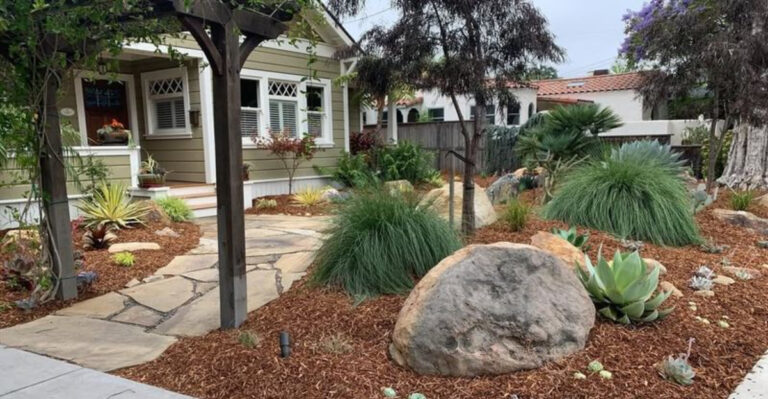
Gravel or small stones reflect heat back toward plants while allowing excellent drainage and air circulation around the plant crown areas.
This mulching approach mimics the rocky Mediterranean hillsides where both lavender and rosemary evolved over thousands of years in nature.
Texas gardeners spread a two-inch layer of pea gravel or crushed granite around plants leaving a small gap at the stem base.
Light-colored stones work better than dark ones because they reflect rather than absorb heat which can stress plants during extreme summer temperatures.
Gravel mulch never needs replacing unlike organic materials that decompose and require regular replenishment throughout each growing season in our climate.
This approach also discourages weeds while creating an attractive finished appearance that complements both herbs beautifully in landscape designs and arrangements.
Stone mulch prevents soil from splashing onto leaves during heavy rains which reduces disease spread and keeps foliage cleaner throughout the year.
Using gravel instead of wood mulch represents a simple change that significantly improves growing conditions for these Mediterranean herbs in Texas.
8. Select Heat-Tolerant Varieties For Texas Conditions
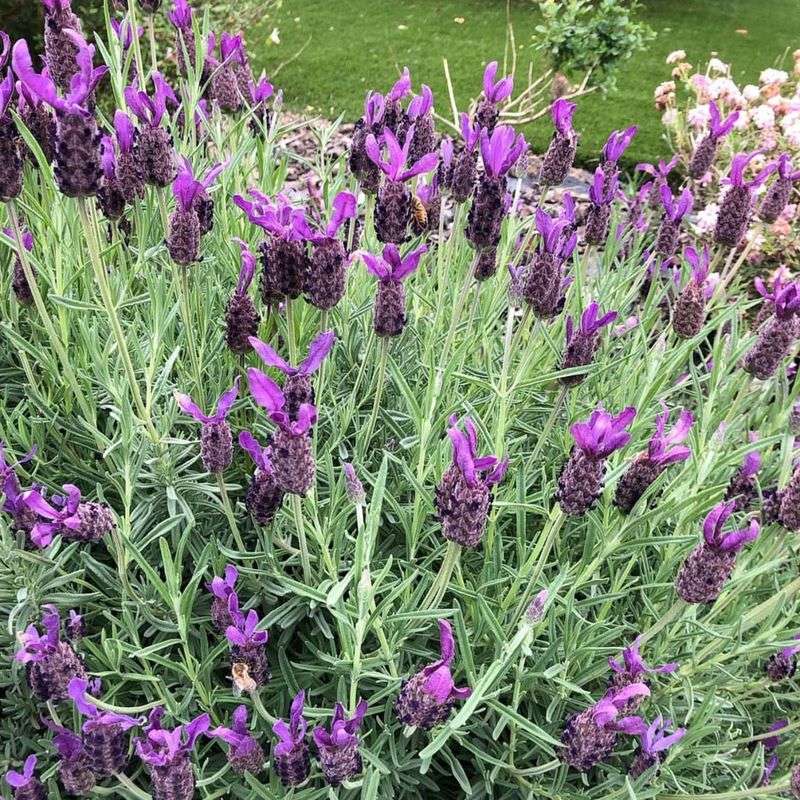
Not all lavender and rosemary varieties perform equally well in our intense heat and occasional humidity found throughout Texas regions.
Spanish lavender and Provence lavender handle our summer temperatures better than English varieties which prefer cooler climates found in northern states.
For rosemary choose Arp or Hill Hardy varieties which tolerate both heat and occasional cold snaps better than more tender selections.
Gardeners across the state report greatest success with varieties specifically recommended for hot climate zones rather than general-purpose cultivars from catalogs.
Local nurseries typically stock varieties proven to perform well in your specific area making them excellent sources for plant selection and advice.
Reading plant tags carefully before purchasing helps you avoid varieties that struggle in Texas conditions despite looking healthy at the garden center.
Investing in adapted varieties saves frustration and replacement costs compared to repeatedly trying plants unsuited for our challenging growing environment here.
Heat-tolerant selections produce more aromatic oils and bloom more reliably than struggling plants stressed by temperatures they cannot handle physiologically well.
Choosing the right varieties from the start sets your herb garden up for long-term success and productivity in Texas landscapes today.
9. Avoid Fertilizing Or Use Minimal Amounts Annually
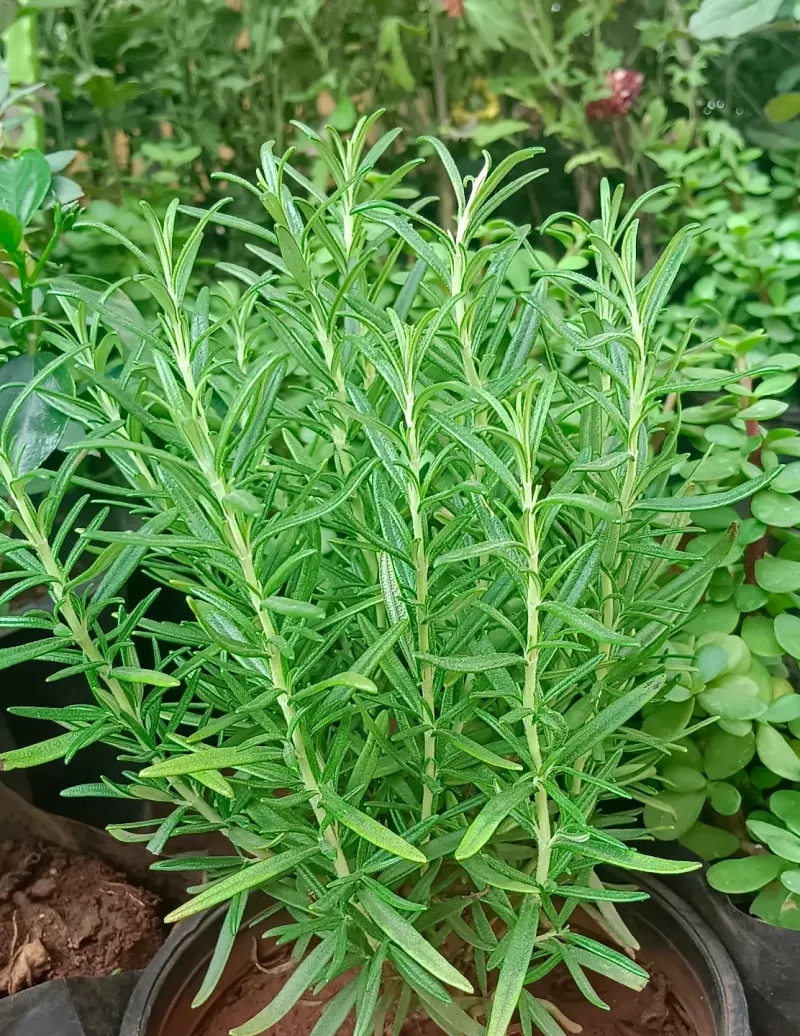
Rich soil and heavy fertilization create lush soft growth that produces fewer aromatic oils and attracts more pest problems unnecessarily.
Both herbs evolved in poor rocky soils where nutrients remain scarce and plants developed compact growth with concentrated essential oil production.
Texas gardeners apply no fertilizer at all or perhaps a light sprinkling of balanced organic fertilizer once each spring season maximum.
Excessive nitrogen causes floppy growth that flops over and becomes more susceptible to disease and damage from wind and rain events.
Plants growing in lean conditions develop stronger stems and more concentrated flavors that make them superior for culinary and craft uses.
If your herbs look healthy with good color and steady growth they need no supplemental feeding whatsoever throughout the entire year.
Yellowing leaves might indicate nutrient deficiency but more often signal overwatering or poor drainage rather than lack of fertilizer in soil.
Compost added during initial soil preparation provides sufficient nutrition for several years without any additional fertilizer applications being necessary at all.
Less truly means more when feeding these Mediterranean herbs and keeping them happy in Texas gardens throughout their productive growing years ahead.
10. Protect From Extreme Winter Cold With Covers
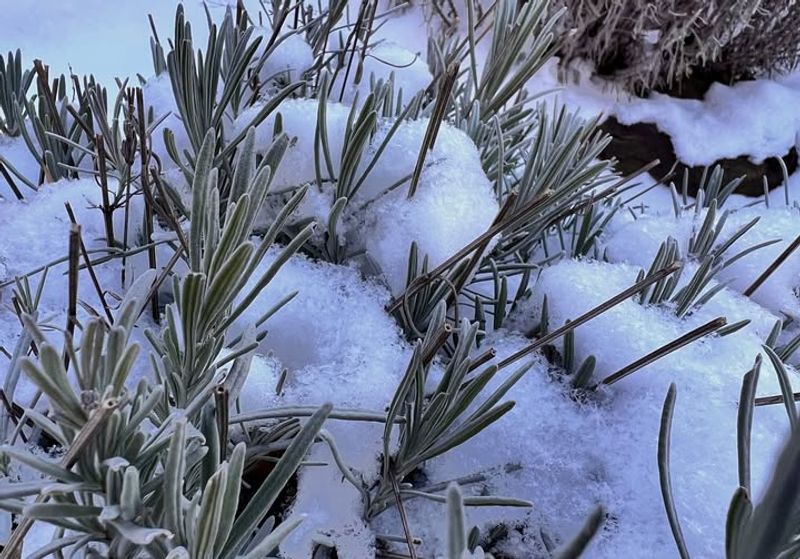
While both herbs tolerate moderate cold occasional hard freezes in Texas can damage or destroy plants not given temporary protection measures.
Rosemary especially suffers when temperatures plunge below twenty degrees Fahrenheit for extended periods during rare severe winter weather events statewide.
Covering plants with frost cloth or old sheets during predicted freezes provides several degrees of protection that often makes the difference.
Texas gardeners remove covers once temperatures rise above freezing to prevent excess moisture buildup and allow sunlight to reach foliage again.
Avoid using plastic directly on plants because it conducts cold and can cause more damage than leaving herbs uncovered during freezing.
Mulching around plant bases with extra gravel or straw insulates roots which remain more cold-sensitive than the above-ground portions generally.
Container-grown herbs can be moved into garages or covered porches during the worst cold snaps then returned outdoors when conditions improve.
Most winters require no protection at all but having supplies ready for rare extreme events saves plants from unexpected temperature drops.
Proper winter care ensures your lavender and rosemary survive to thrive again when warm weather returns to Texas gardens each spring season.
Planning ahead for these rare cold spells helps gardeners respond quickly instead of scrambling once temperatures are already dropping dangerously low.