9 Ways To Protect Your Easter Cactus From Texas Heat And Sun Stress
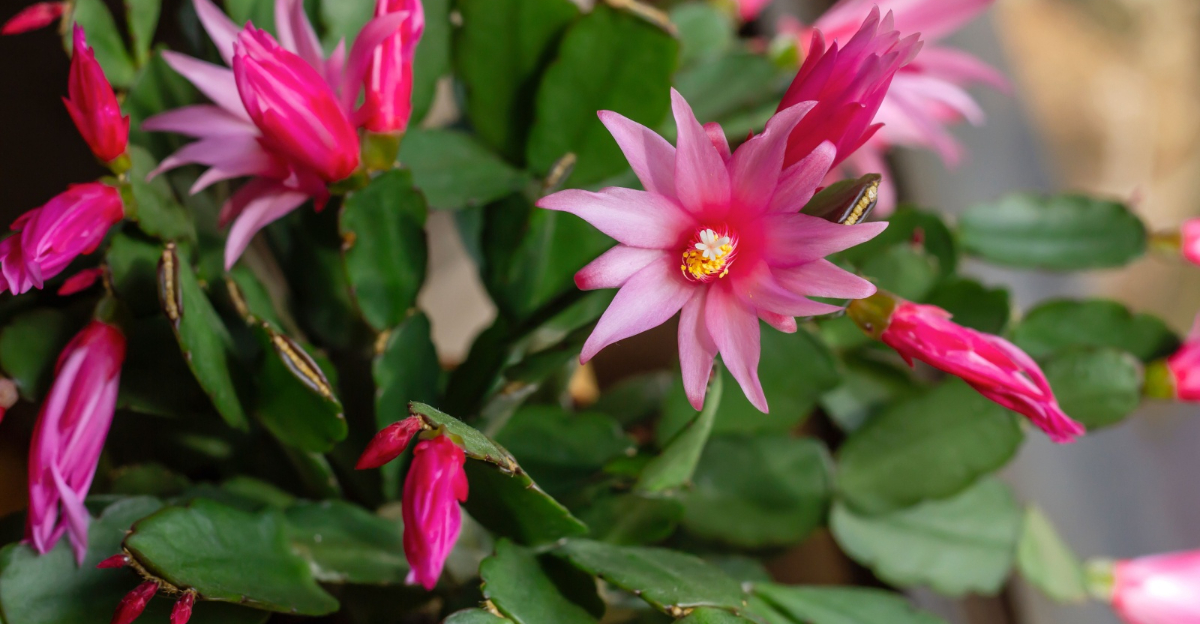
Think of the Easter cactus as the ultimate “indoor cat” of the plant world – it hails from the tropical forests of Brazil, not the desert.
When Texas summer cranks up the heat and brutal afternoon sun starts baking your patio or streaming through windows, your cactus can quickly feel the burn.
Expect limp segments, faded color, or stressed growth if you try to force a forest-floor plant to survive unshielded in the scorching Texas sun. Caring for these beauties in the Lone Star State is all about mimicry.
You have to play the role of the forest canopy to keep them happy.
By filtering intense light and protecting them from the dry, artificial air of a summer-run A/C, you can turn a struggling, sun-stressed plant into a lush, thriving centerpiece.
Getting the environment right is the key to keeping your Easter cactus healthy, vibrant, and blooming long after the Texas heat peaks.
1. Give Your Easter Cactus Bright Light Without Direct Texas Sun
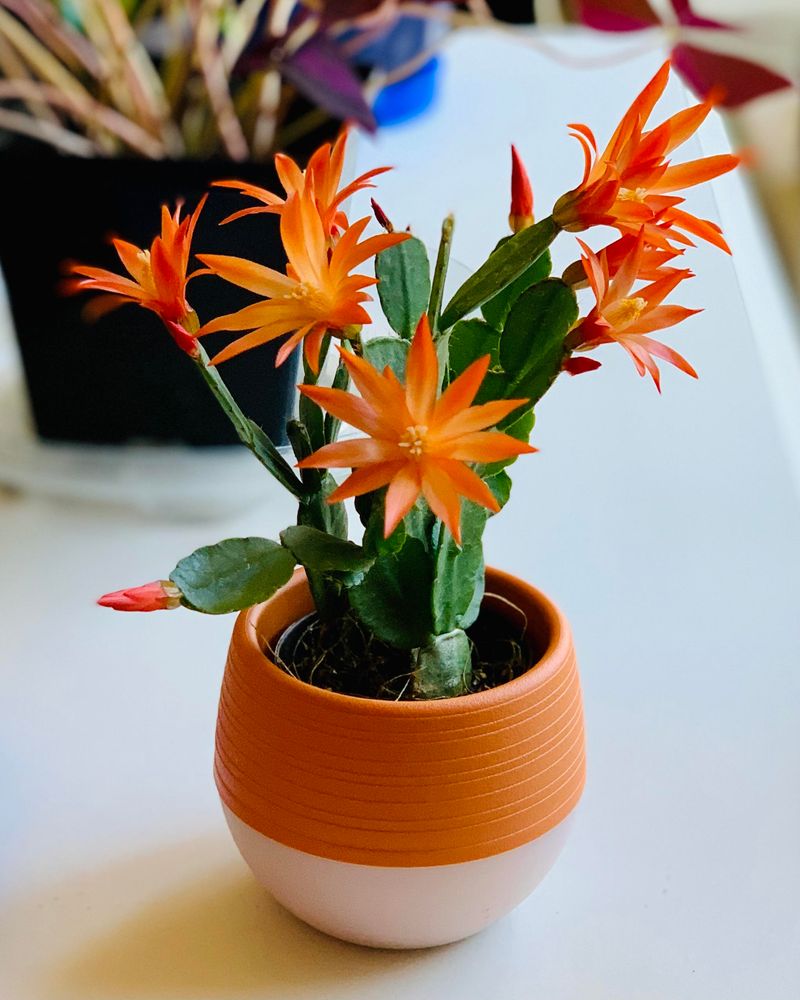
Many Texas gardeners assume that more sunlight means a happier plant, but Easter cactus tells a very different story.
This plant naturally grows beneath tree canopies in its native Brazilian forest habitat, where sunlight filters through leaves before reaching the plant.
That filtered, gentle brightness is what it truly thrives on.
Placing your Easter cactus near a north- or east-facing window gives it the bright but indirect light it needs without the harsh intensity that south and west exposures bring in Texas.
Morning light from an east window is soft and relatively cool, making it one of the better options for this plant during warmer months.
If your home only has south or west-facing windows, you can still make it work by positioning the plant a few feet back from the glass.
Direct Texas sun streaming through a window can raise surface temperatures dramatically and cause the flat green segments to fade or develop a reddish, stressed appearance.
Bright indirect light keeps the foliage a healthy green and encourages strong growth without pushing the plant into heat or light overload.
Finding that sweet spot of good light without harsh exposure is one of the most important things you can do for your Easter cactus in Texas.
2. Move Your Cactus Away From Harsh Afternoon Heat
Afternoon heat in Texas is a different beast than what most houseplants are built to handle.
Between roughly 1 p.m. and 5 p.m., outdoor temperatures can spike dramatically, and that heat radiates through walls and windows in ways that significantly raise indoor temperatures near the glass.
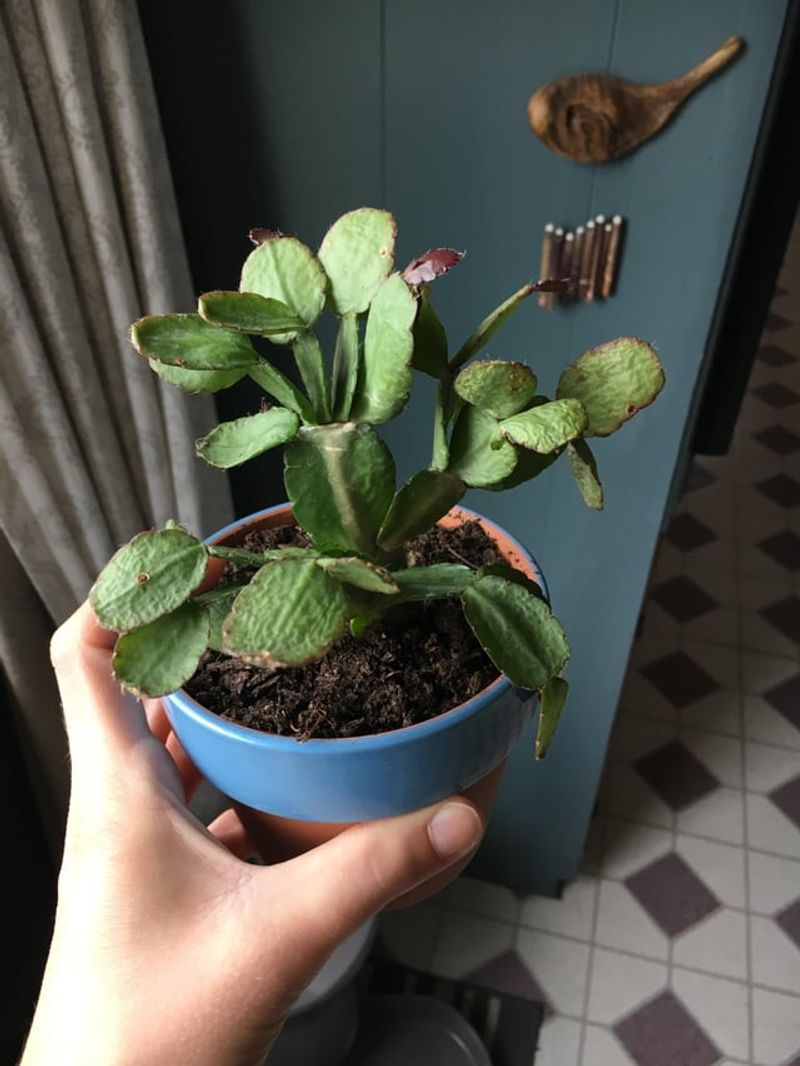
Easter cactus prefers temperatures in the range of 60 to 75 degrees Fahrenheit. Once temperatures climb consistently above 80 degrees near the plant, you may start noticing limp or drooping segments, dull coloring, or slowed growth.
These are signals that the plant is struggling with heat stress rather than thriving.
Moving your cactus to a more central indoor location during the hottest parts of the day can help a lot. Interior rooms or spots away from west-facing walls tend to stay cooler and more stable.
If your cactus spends time on a covered patio during spring, bring it inside before the peak afternoon heat sets in.
Keeping a small thermometer near your plant is a practical way to track whether temperatures are staying within a comfortable range.
Small adjustments in placement can make a noticeable difference in how well your Easter cactus handles Texas summer conditions without showing visible stress.
3. Use Sheer Curtains To Soften Intense Texas Sunlight
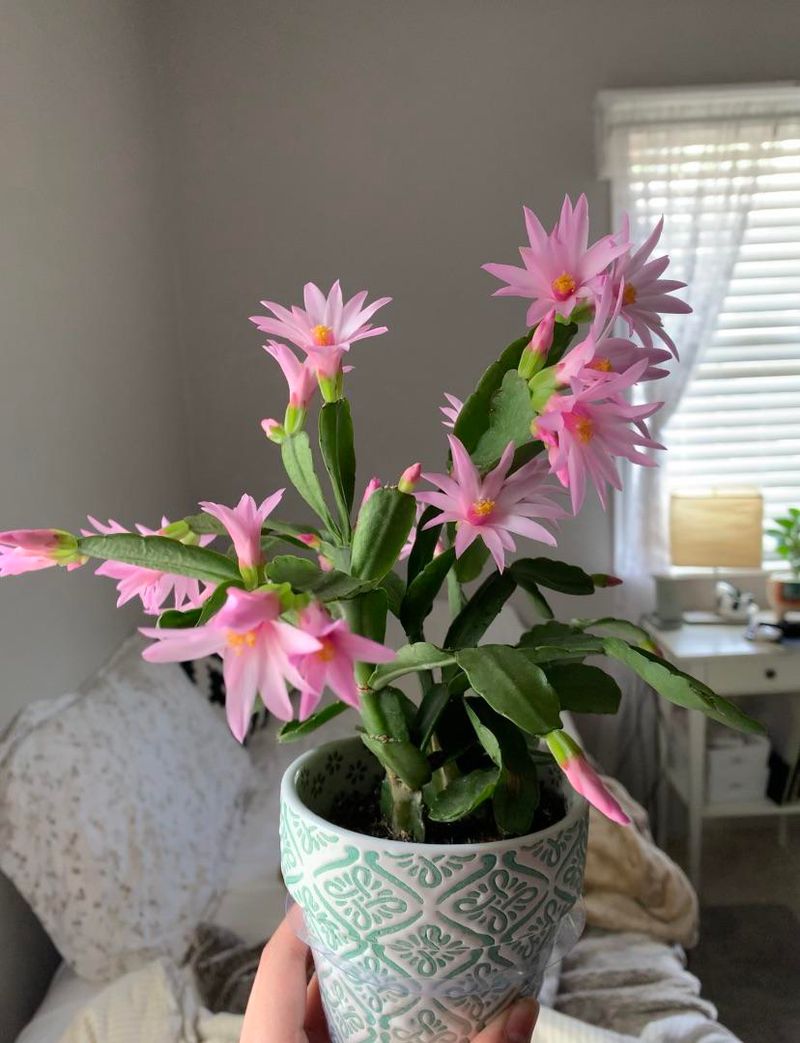
A sheer curtain might seem like a simple fix, but it can genuinely change how much stress your Easter cactus experiences near a sunny Texas window.
Unfiltered sunlight passing directly through glass is amplified and can be significantly more intense than outdoor light in the open shade.
Sheer or semi-sheer curtains scatter that intensity, reducing harsh light while still allowing plenty of brightness into the room. This mimics the kind of dappled, canopy-filtered light that Easter cactus receives in its natural habitat.
The result is a plant that gets enough light to stay healthy and potentially bloom without being exposed to the kind of direct sun that causes fading or scorching on the flat stem segments.
Light-colored sheers work especially well because they reflect some of the heat along with filtering the light. Heavier curtains block too much light and can leave the plant struggling in dim conditions.
The goal is balance, and a quality sheer curtain achieves that balance without requiring you to move the plant.
This is a particularly useful strategy for south- or west-facing rooms where Texas afternoon sun can be relentless from late spring through early fall.
It is an easy, low-cost adjustment with a meaningful impact on your plant’s comfort.
4. Keep Soil Slightly Moist During Hot Weather
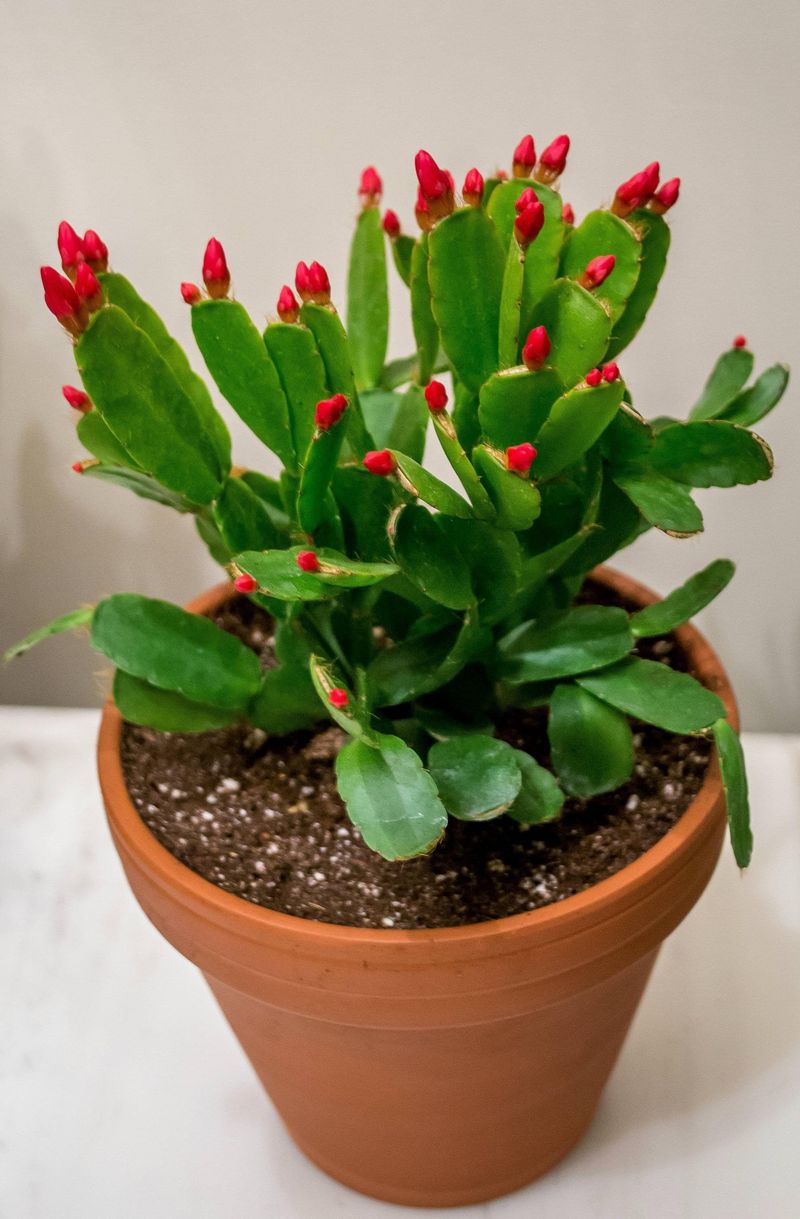
Watering an Easter cactus during a Texas heat wave requires a bit more attention than during cooler months.
The combination of higher temperatures, dry indoor air from air conditioning, and faster soil evaporation means the plant can dry out more quickly than expected.
Easter cactus is not a true desert cactus, so it does not want bone-dry soil for extended periods. Allowing the soil to stay completely dry for too long during hot weather can cause the stem segments to shrivel or go limp.
At the same time, soggy soil is equally problematic and can lead to root stress, especially when heat is already putting pressure on the plant.
The right approach is to keep the soil slightly moist but never waterlogged. Check the top inch or two of soil before watering.
If it feels dry to the touch, it is time to water thoroughly and allow excess water to drain fully from the pot.
During Texas summers, you may find yourself watering a bit more frequently than in fall or winter.
Checking the soil every few days rather than following a fixed watering schedule is a smarter approach.
Consistent moisture without overwatering keeps roots healthy and gives the plant what it needs to manage heat stress more effectively.
5. Boost Humidity To Help Your Cactus Handle Dry Heat
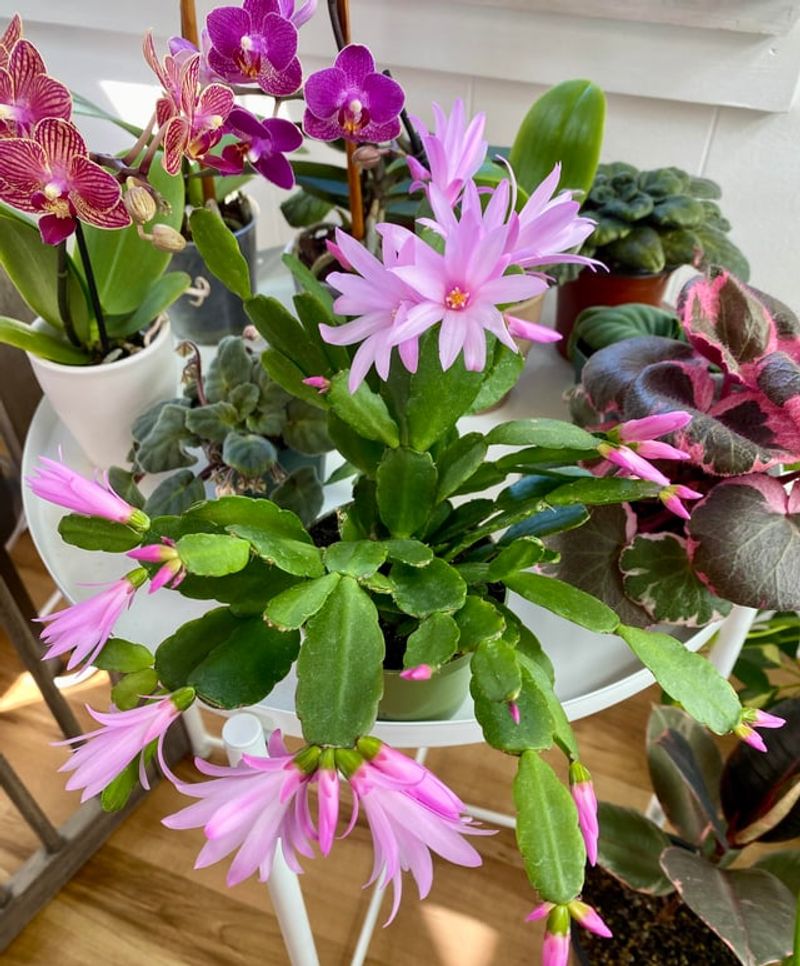
Air conditioning is a lifesaver in Texas summers, but it pulls moisture out of indoor air at the same time it cools things down.
For a plant that originally comes from a humid forest environment, that dry conditioned air can add another layer of stress on top of the heat itself.
Easter cactus does not need tropical-level humidity, but it does appreciate more moisture in the air than a typical air-conditioned Texas home provides.
When indoor humidity drops very low, you may notice the stem segments looking a little less plump or the tips appearing slightly dried out.
These are early signs that the air is too dry for comfort.
There are several practical ways to raise humidity around your plant without overdoing it. Grouping plants together naturally increases local humidity as they release moisture through their leaves.
Setting the pot on a shallow tray filled with pebbles and water, making sure the pot itself sits above the waterline, adds gentle moisture to the surrounding air as it evaporates.
A small room humidifier placed nearby is another effective option.
Misting the plant occasionally can help, but avoid doing it so frequently that the foliage stays wet, as that can encourage fungal issues. A moderate boost in humidity goes a long way during dry Texas summers.
6. Choose A Cooler Indoor Spot During Texas Heat Waves
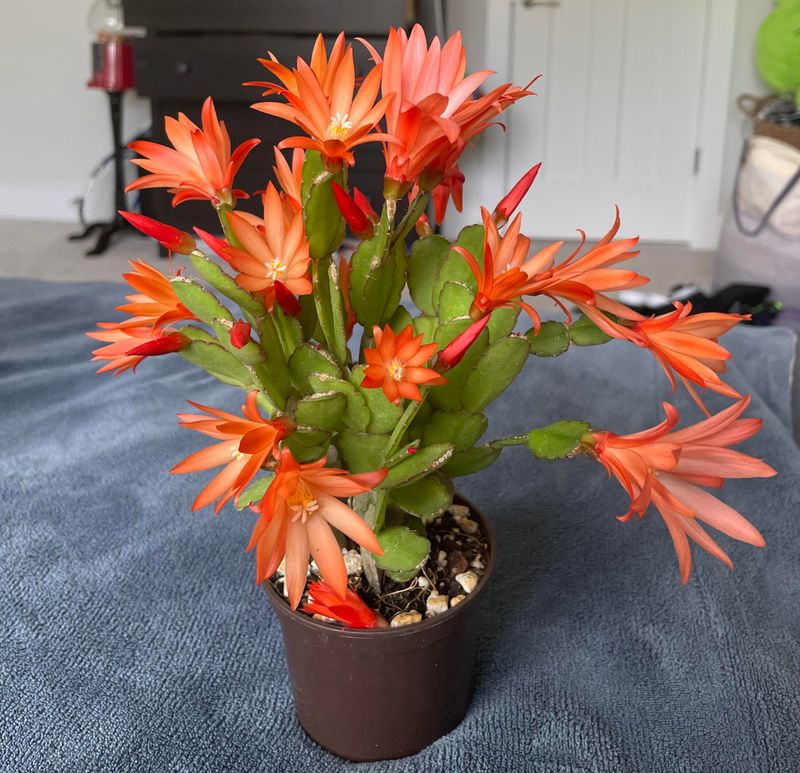
When a Texas heat wave rolls in and outdoor temperatures push well past 100 degrees, even well-insulated homes can get warmer than usual in spots near exterior walls and windows.
Rooms on the west or south side of the house tend to absorb the most heat during these stretches, and placing a heat-sensitive plant in those rooms during a heat wave is asking for trouble.
Easter cactus handles moderate warmth reasonably well, but sustained high heat can cause visible stress including pale or yellowing segments, a limp appearance, and stalled or absent growth.
Finding a cooler indoor spot during extreme heat is one of the more straightforward ways to protect the plant.
Interior hallways, north-facing rooms, or spots near a central air return can offer noticeably cooler conditions during a heat wave.
Basements, where available in Texas homes, tend to stay very cool and can work well as a temporary retreat for the plant.
The key is to make sure the cooler spot still offers decent indirect light rather than putting the plant in a completely dark corner.
A temporary move to a cooler location for a few days during a severe heat event can help the plant recover or avoid stress altogether.
Keeping an eye on the forecast helps you plan these moves in advance rather than reacting after damage appears.
7. Use Well-Draining Soil To Prevent Heat And Root Stress
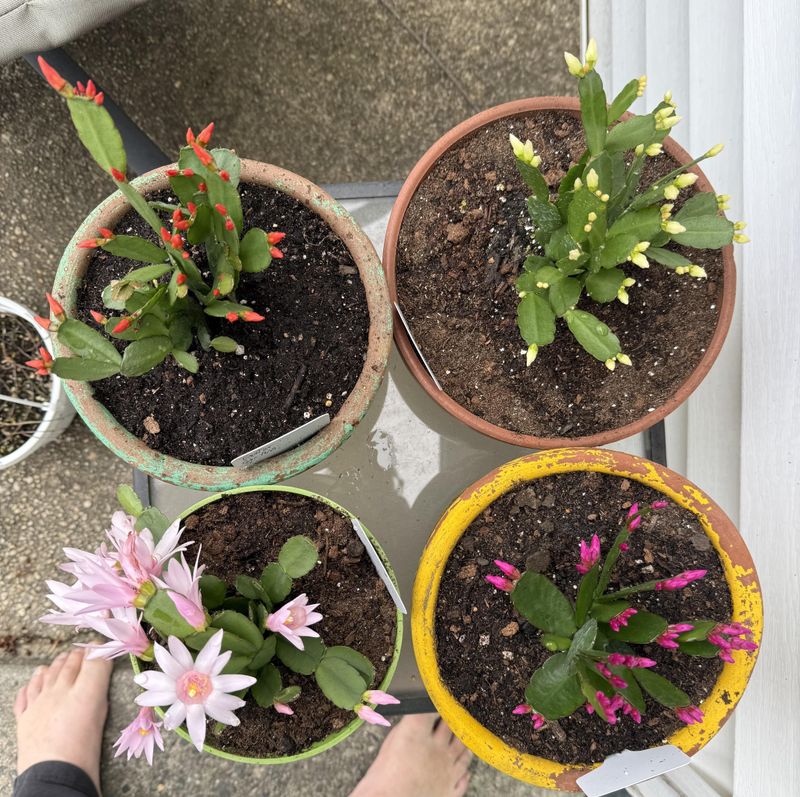
Soil quality matters more during hot weather than many people realize.
When temperatures rise, soil that holds too much moisture becomes a breeding ground for root problems, while soil that drains too fast can leave roots dry and stressed during a Texas heat wave.
Easter cactus does best in a well-draining mix that holds a moderate amount of moisture without becoming compacted or soggy. A standard potting mix blended with perlite or coarse sand works well.
The added drainage material keeps air moving through the root zone and prevents water from pooling at the bottom of the pot where roots can sit in excess moisture.
Terracotta pots are a great pairing with well-draining soil because the porous walls allow extra moisture to evaporate, which helps regulate root zone temperature slightly during hot weather.
Plastic pots retain more moisture and can work fine as long as drainage holes are adequate.
Avoid using heavy garden soil or mixes designed for moisture-loving tropical plants, as these tend to stay too wet for Easter cactus.
Refreshing the soil every year or two also helps prevent compaction, which reduces drainage over time.
Good soil structure is a quiet but powerful form of protection that supports the plant through Texas heat stress from the roots up.
8. Avoid Placing Easter Cactus Near Hot Windows Or Patios
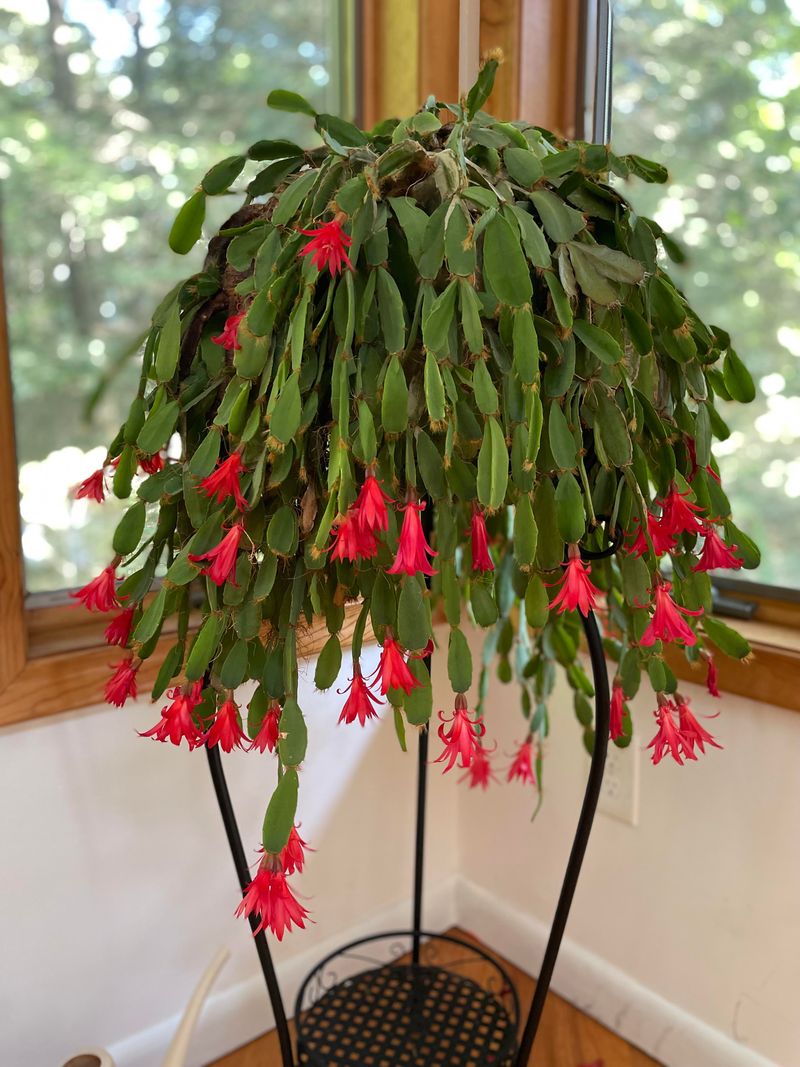
Glass windows in Texas homes can turn into heat traps during summer, especially those facing south or west.
The surface temperature near a sun-drenched window can be dramatically higher than the rest of the room, and placing a plant right against that glass exposes it to conditions far harsher than the air temperature alone would suggest.
Easter cactus placed directly against a hot window may develop reddish or bronze-tinted segments, which is a stress response to excessive light and heat rather than a sign of healthy coloring.
Over time, that same exposure can cause the flat stem sections to look washed out or develop dry, papery patches where the sun has been most intense.
Covered patios in Texas can feel like a safe outdoor option in spring, but as summer heat builds, even shaded outdoor spaces can become too warm and too bright for Easter cactus comfort.
Reflected heat from concrete, brick walls, or nearby surfaces adds to the challenge.
Keeping the plant at least a foot or two back from glass windows, and bringing it inside once outdoor temperatures regularly exceed 85 degrees, helps protect it from the compounding effects of heat and intense light.
The right distance from a hot surface is a small detail that makes a real difference.
9. Water Early In The Day To Reduce Heat Stress
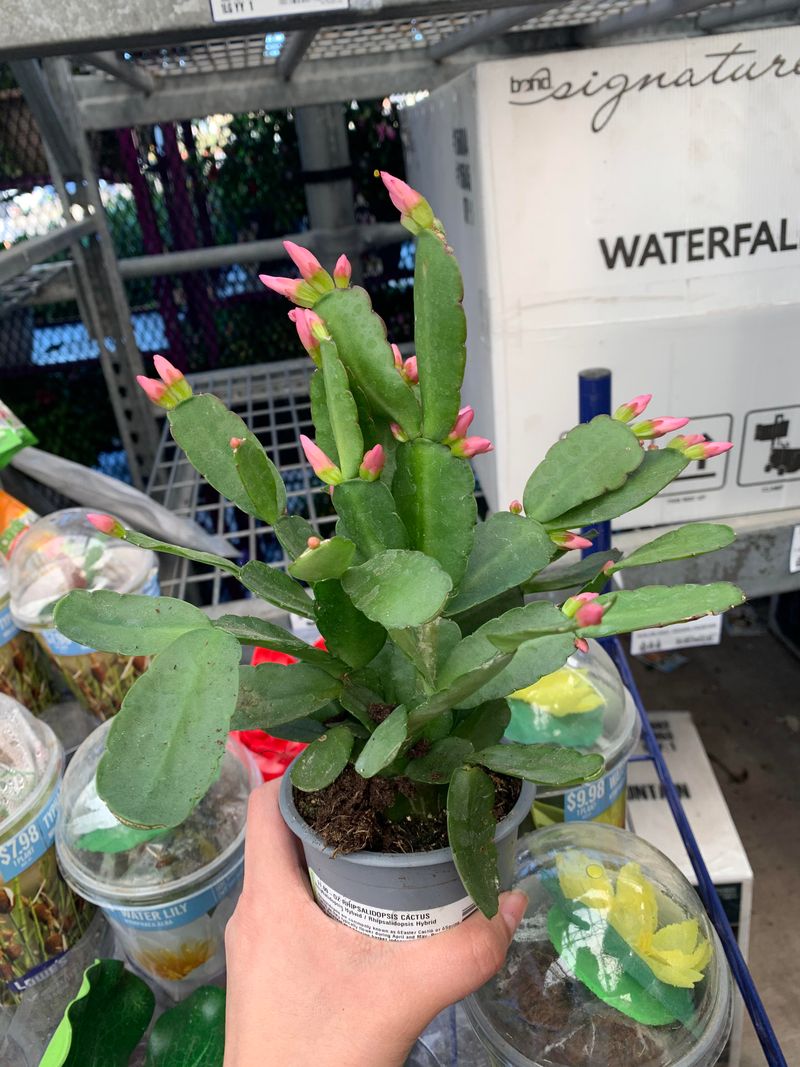
Timing your watering routine around Texas heat is a simple habit that pays off more than most people expect.
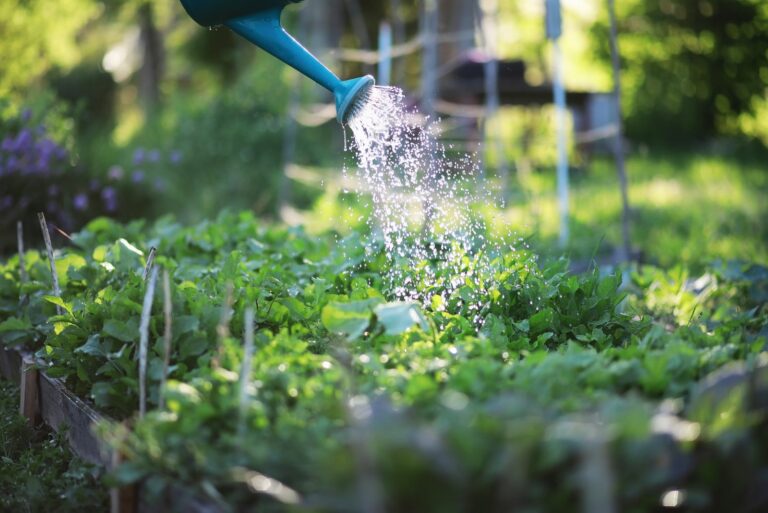
When you water in the morning, the moisture has time to soak into the soil and reach the roots before the hottest part of the day arrives, giving the plant a reservoir of hydration to draw from as temperatures climb.
Watering in the late afternoon or evening during summer can leave soil wet overnight, which raises the risk of fungal issues and root problems, especially in warm, humid conditions.
Morning watering allows excess surface moisture to evaporate naturally during the day while keeping the root zone adequately moist.
For Easter cactus growing indoors, morning watering also fits naturally into a daily routine and lets you check on the plant while the light is good enough to spot any early signs of stress.
Use room-temperature water rather than cold water straight from the tap, as cold water can occasionally cause minor shock to roots already under heat stress.
Water slowly and thoroughly, allowing moisture to reach the entire root zone, and make sure excess water drains fully from the pot.
This consistent early-morning approach supports steady root health and helps your Easter cactus stay better prepared for whatever Texas heat the day brings.