8 Ways To Turn A Boring Front Yard Into A Cottage Garden
Centuries ago, English villagers grew cabbages beside flowers, because one small plot had to feed both body and spirit. I love that their messy, practical habit became one of the most admired garden styles in the world today.
Your plain front lawn might be begging for that same kind of joyful, overflowing chaos this fall. October is a smart month to start, since cool soil helps new roots settle in before winter arrives.
I believe a front yard says hello to every neighbor and delivery driver who strolls past your door. A patch of mowed grass says little, while a tumble of blooms and buzzing bees tells a story.
You need no fancy design degree or big budget to pull off this relaxed, romantic look. Most of the magic comes from smart plant choices plus a willingness to let things get a bit wild.
You’re in for a big surprise when you see how fast a dull yard can start to feel alive. So which small change would make your neighbors stop on the sidewalk and stare first next spring?
1. You Can Swap Some Lawn For Deep Flower Beds
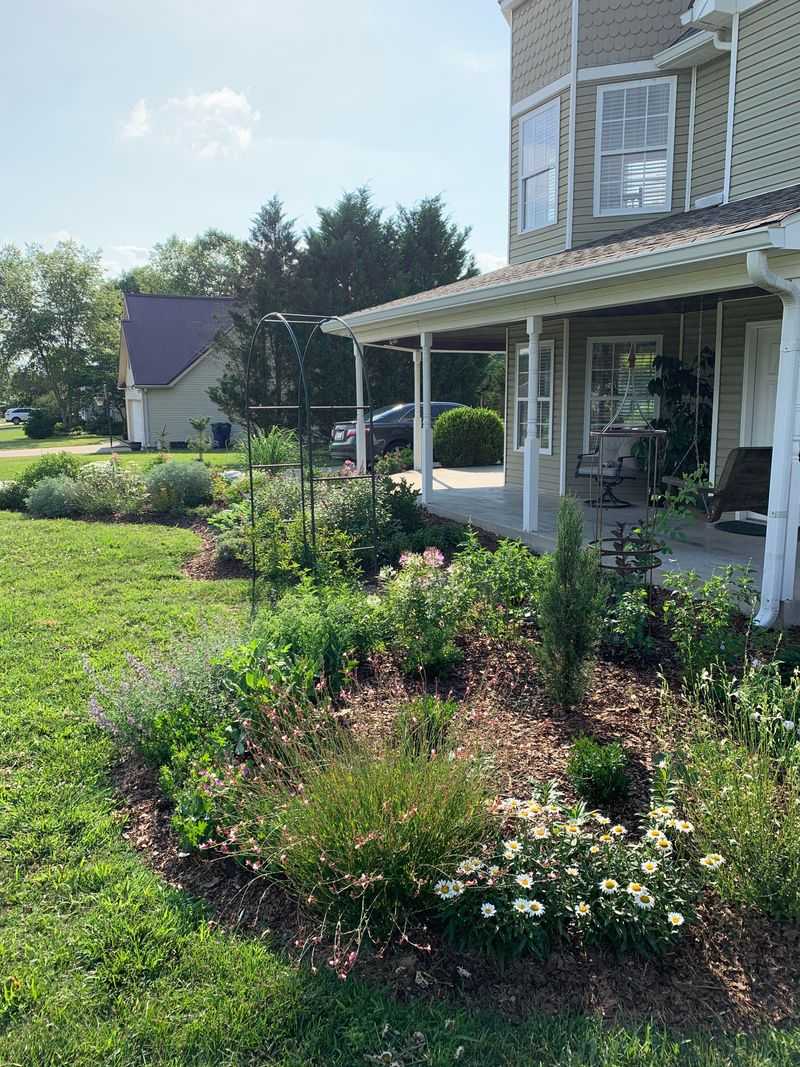
Grass covers the largest share of most front yards, yet it offers little food or shelter for pollinators. Shrinking that green carpet is one of the biggest steps toward a cozy, flower-filled cottage look in your yard.
Fall is a great time for this job because cooler air makes digging and hauling much more pleasant. Many extension services suggest sheet mulching, which smothers grass without heavy digging or harsh chemical sprays this season.
Start by mowing the grass very short, then cover it with plain brown cardboard with the tape removed. Overlap the edges by several inches so no stubborn blades can sneak through the gaps next spring.
Soak the cardboard with a hose, then pile three to four inches of compost or shredded leaves on top. Over the winter, worms and soil microbes break everything down into dark, crumbly earth ready for planting.
I like to shape the new beds with gentle curves, since sweeping lines feel softer than stiff rectangles. Lay a garden hose on the ground first to test different shapes before you commit to anything.
Aim for beds at least four or five feet deep so plants have room to spill and mingle. Narrow strips along the sidewalk often look skimpy, while generous beds create that lush, overflowing feeling.
You can keep a small patch of lawn as a resting spot for the eye if you like. Many cottage gardeners find that a little green space makes the surrounding flowers look even more vibrant.
2. Your Beds Will Love A Layered Planting Plan
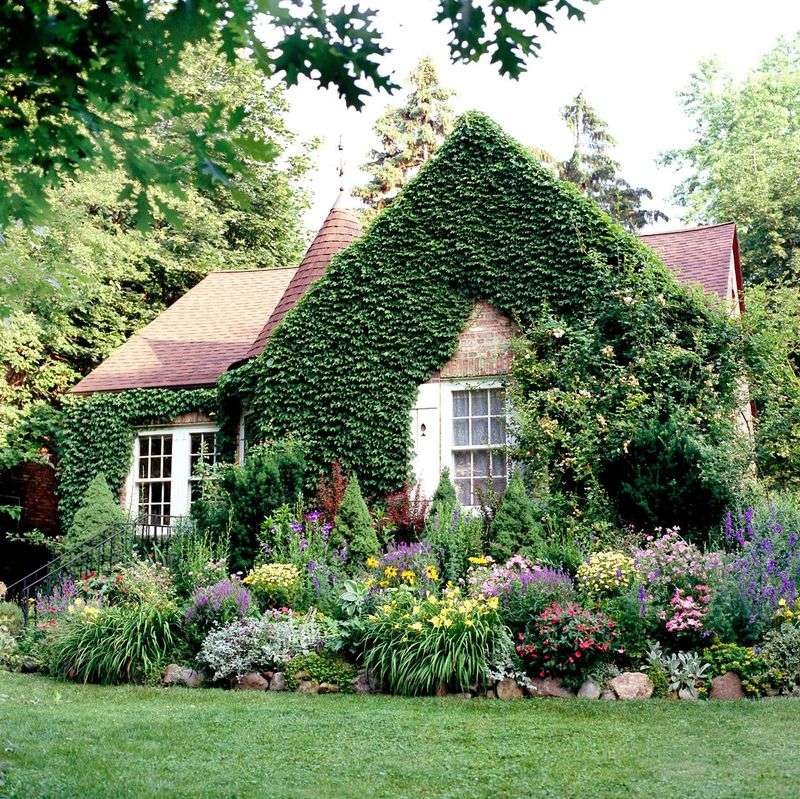
Old cottage gardens looked wild, but the best ones followed a quiet trick of tall plants behind short ones. Layering heights gives your beds that full, tumbling look without hiding smaller flowers in the shade.
Place the tallest plants near the house or fence, where they can rise up like a colorful backdrop. Hollyhocks, foxglove, and tall garden phlox are classic choices that give the front yard a storybook feel.
Medium plants fill the middle layer, and this is where much of the summer color will come from. Think about catmint, coneflowers, salvia, or shrub roses tucked in among each other like old friends.
Low growers belong in front, softening the bed edges and spilling gently over paths or lawn borders. Lady’s mantle, creeping thyme, and hardy geraniums do this job well in many sunny or partly shaded yards.
October is a fine month for planting many perennials, according to several university extension programs across the country. Warm soil encourages root growth, while cooler air reduces stress on the young leaves above ground.
Try to finish planting about six weeks before your ground usually freezes, giving roots time to settle. Water new plants deeply once a week if fall rain is scarce in your area this year.
Plant in drifts of three or five rather than single plants dotted around like lonely polka dots. Repeating a few favorites across the bed ties everything together and makes the planting feel more intentional.
3. You Should Plant Spring Bulbs Right Now
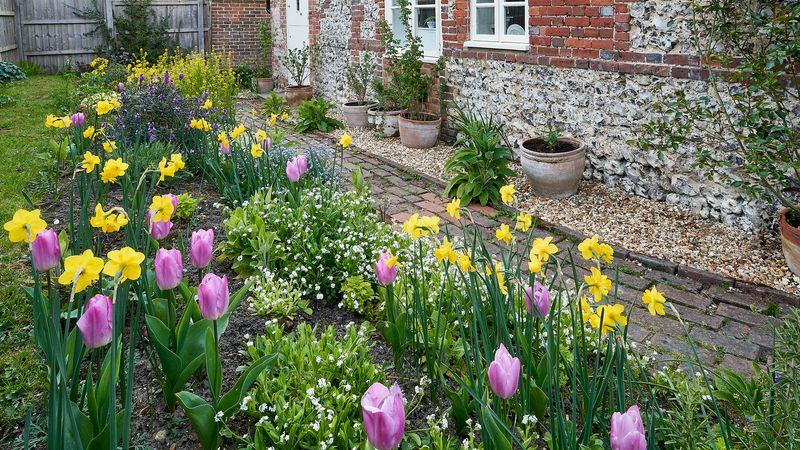
Few garden tasks feel as hopeful as tucking a brown, papery bulb into cold October soil. Months later, that plain little lump turns into a burst of color right when you need it most.
Most spring bulbs need a long chill to bloom, which is why fall planting matters so much. Extension experts often suggest planting once soil temperatures cool to around 60 degrees Fahrenheit or a little lower.
Tulips, daffodils, and alliums all fit the cottage style, but each one has its own quirks. Daffodils are a smart pick for yards with deer, since the animals usually avoid their bitter bulbs.
A simple rule from many gardening guides is to plant each bulb about three times as deep as its height. Point the pointy end upward, then cover the hole and water well to settle the soil around it.
I adore the old trick of tossing a handful of bulbs and planting them right where they land. Random clusters look far more natural than neat rows, which can feel stiff in a relaxed garden.
Small bulbs like crocus, grape hyacinth, and snowdrops can even naturalize, spreading a bit more each year. Tuck them near the front of beds or along paths where you will see them up close.
Squirrels sometimes dig up freshly planted tulips, so a layer of chicken wire over the bed can help. Remove the wire before shoots appear, and then simply wait for the cheerful show to begin next spring.
4. Your Yard Deserves A Winding Path
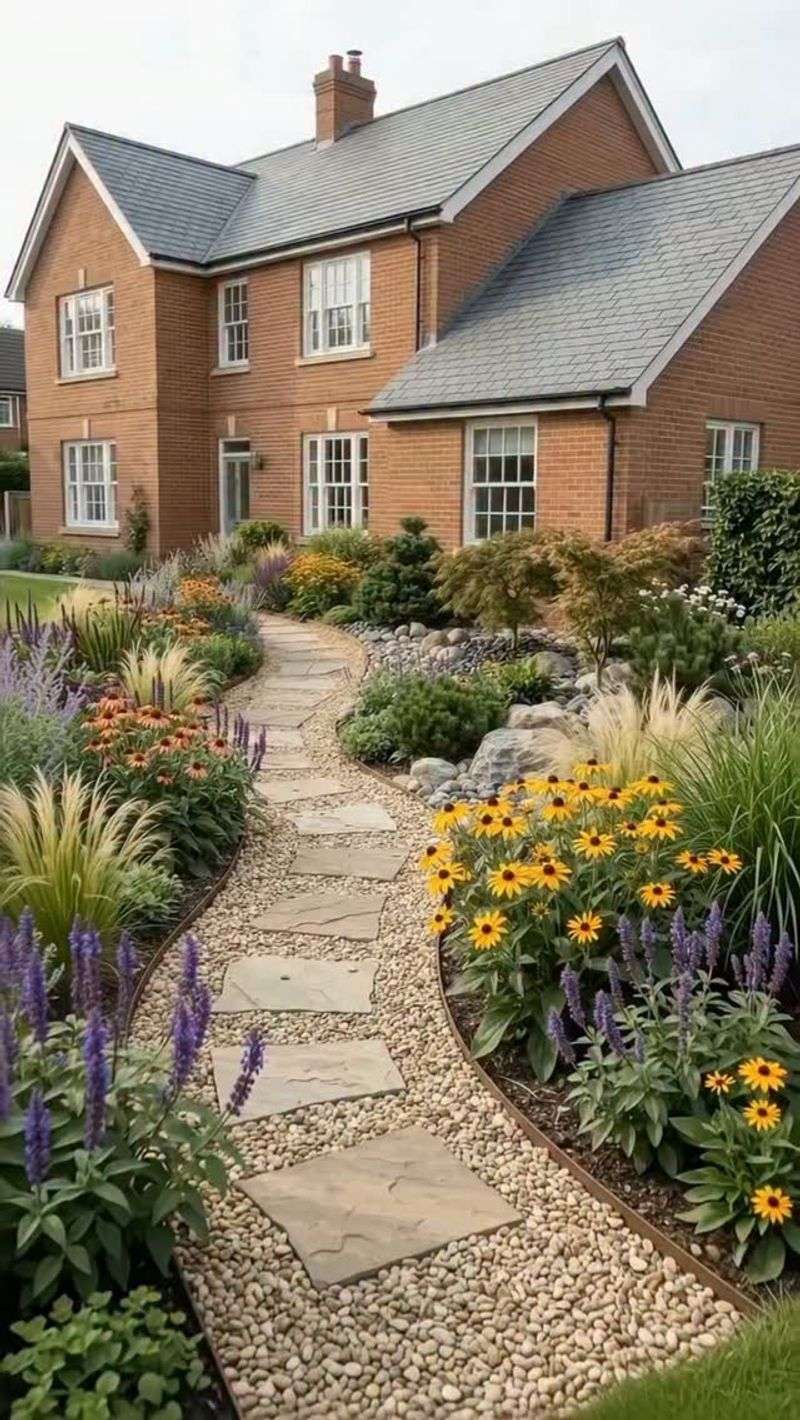
Many of the cottage gardens I have loved had a path that seemed to wander, inviting me to slow down. A curving walkway turns a plain trip to the front door into a small, pleasant adventure.
Straight concrete sidewalks feel efficient, but they rarely match the soft, romantic mood of a cottage yard. A gentle bend lets flowers hide part of the view, which builds a lovely sense of mystery.
Materials like flagstone, brick, pea gravel, or stepping stones all suit the style and can age nicely with time. Gravel is often the cheapest choice, and its gentle crunch underfoot adds a cozy, old-world charm.
Fall is a comfortable season for building paths, because the ground is usually workable and the air is crisp. Lay landscape fabric or packed crushed stone underneath to keep weeds down and help the path drain well.
Make the main path at least three to four feet wide so two people can walk side by side. Plants will lean over the edges as they grow, so extra width keeps the walkway from feeling cramped.
Soften the gaps between stepping stones with low creepers that tolerate a bit of foot traffic now and then. Creeping thyme releases a sweet, herbal scent whenever someone steps on it, which guests often find delightful.
A small bench or birdbath placed where the path bends gives visitors a reason to pause and look around. Those little stopping points make even a modest front yard feel bigger and full of quiet surprises.
5. You Can Add A Picket Fence Or Arbor
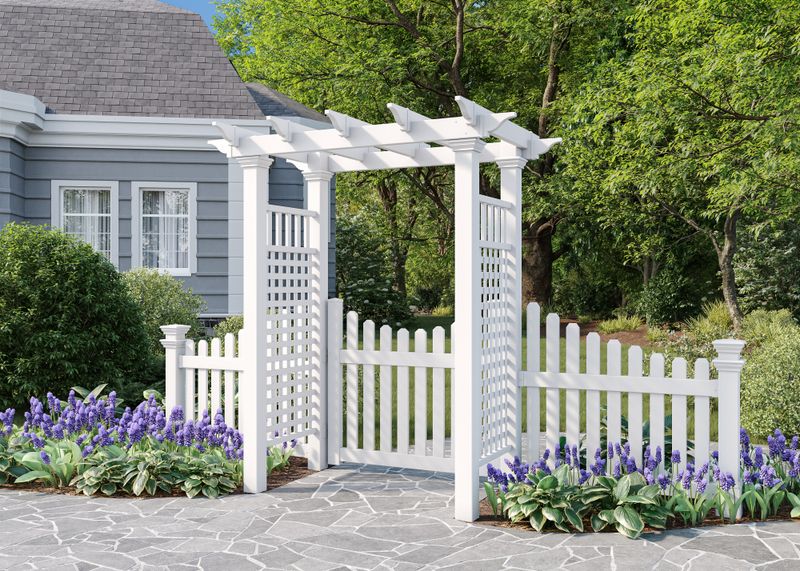
Picket fences show up in many cottage garden paintings and photos, so they have become a classic part of the look. A low fence or arbor gives your flowers a frame, much like a mat around a favorite photo.
Structure matters because cottage plantings can look messy without a few solid shapes to anchor them. Fences, gates, and arbors give the eye a resting place, especially in winter when many flowers fade.
Keep front fences fairly low, around three or four feet, so the yard still feels friendly and open. Check with your city or homeowners association first, since many places have rules about fence height near sidewalks.
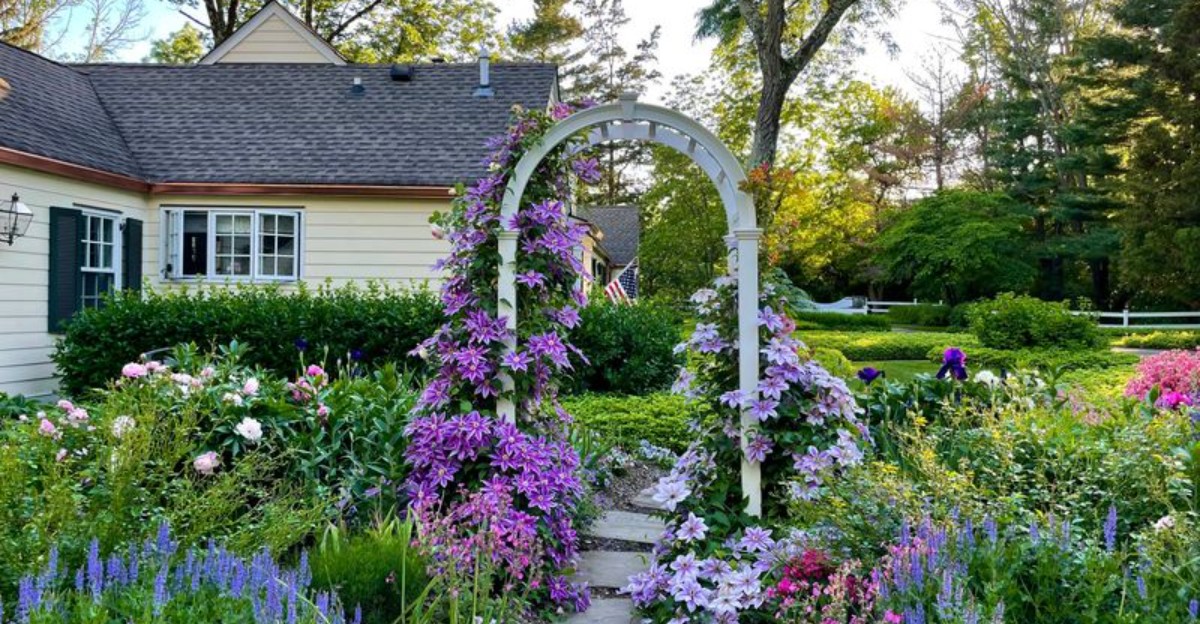
An arbor over the entry path creates a welcoming doorway, almost like the garden is giving guests a hug. Wood, metal, or vinyl arbors all work, though sturdy anchoring matters because climbing plants get heavy over time.
Fall is a sensible season to install these features, since faded perennials are easier to work around. You can also plant a climbing rose or clematis at the base this month to get roots established.
Climbing roses often bloom best when their long canes are trained sideways, which encourages more flowering shoots along each stem. Tie the canes loosely with soft garden twine so the stems can still grow and bend naturally.
I think a fence painted soft white or weathered gray looks charming, but bold colors can be fun too. A sage green gate or a sky blue arbor adds personality that makes your home easy to spot.
6. Your Garden Needs Self-Sowing Flowers
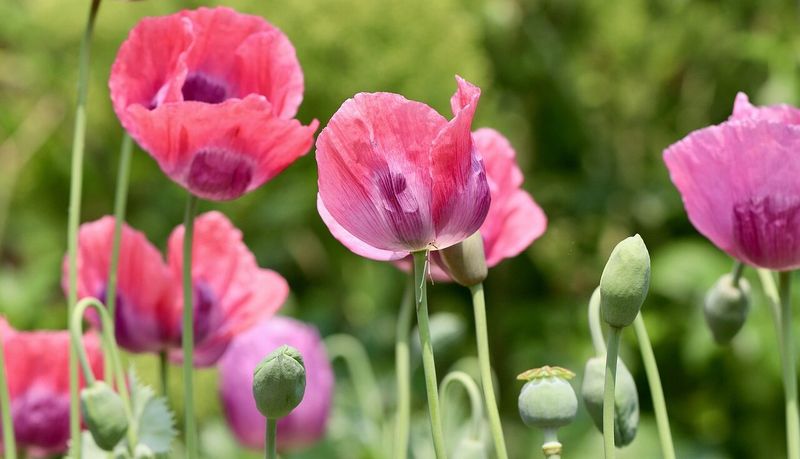
Some of the best cottage flowers plant themselves, which feels a little like getting free gifts every year. Self-sowers drop seeds in fall, and fresh seedlings pop up in surprising spots when the weather warms again.
That happy randomness is exactly what gives cottage gardens their carefree, lived-in look that feels hard to fake. Classic self-sowers include love-in-a-mist, larkspur, cosmos, calendula, poppies, and sweet alyssum in many regions across the country.
October is a fine time to scatter seeds of hardy annuals like larkspur and poppies directly onto bare soil. Some of these flowers sprout best after a cold spell, so winter does part of the work.
Rake the surface lightly, sprinkle the seeds, and press them gently into the soil with your hand. Many tiny seeds need light to sprout, so skip the thick blanket of soil on top this time.
Hold off on heavy fall cleanup in beds where self-sowers grew, since their seed heads need time to ripen. Birds like goldfinches will also visit those seed heads for a snack as the days grow colder.
Next spring, learn to recognize the baby seedlings so you do not pull them out by mistake. Thin crowded patches, and move a few extras to empty spots where you want more color.
A word of caution feels fair here, because some self-sowers can spread more than you would like. Check your state invasive plant list first, and pick flowers that behave politely in your local area.
7. You Will Love Herbs Mixed With Blooms
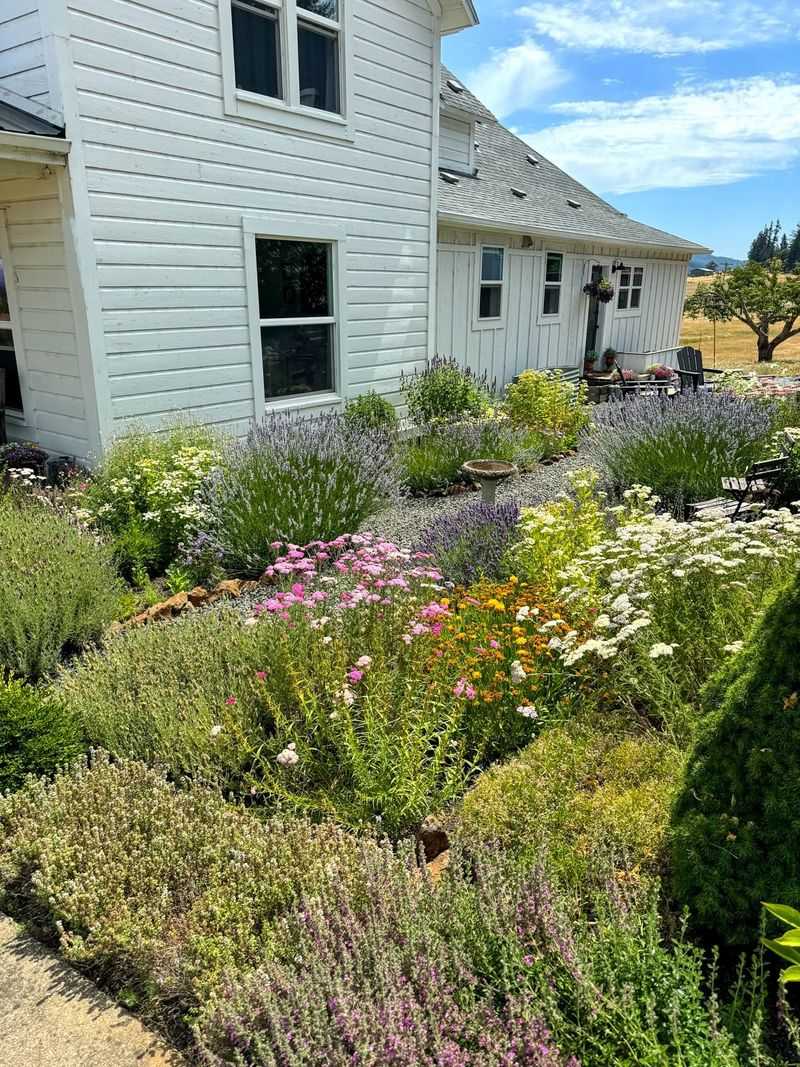
Long before anyone called it a style, cottage gardens were working gardens packed with herbs, greens, and medicine plants. Bringing back that useful spirit makes your front yard both pretty to look at and tasty to explore.
Herbs like lavender, sage, rosemary, and thyme fit right in, with silvery or deep green leaves that look lovely beside bright flowers. Many of them handle dry spells well once established, so they suit sunny front beds near the street.
Fall is a great moment to plant hardy perennial herbs like chives, thyme, oregano, and sage in many areas. Rosemary is less cold hardy in some places, so it may need a pot you can bring indoors.
Leafy greens can join the party too, and many of them actually taste sweeter after a light frost. Ruby chard, curly kale, and frilly lettuces look surprisingly ornamental when tucked among fading fall flowers.
I get a kick out of snipping fresh chives for dinner on my way in from the mailbox. That little moment of harvesting turns an ordinary walk to the door into something cheerful and rewarding.
Many herbs also attract bees and butterflies, and catmint or oregano flowers are especially busy with buzzing visitors. More pollinators often mean better fruit on nearby plants, like strawberries or a dwarf apple tree.
Place edible plants away from spots where dogs often stop, and keep them back from busy street spray. Rinse your harvest well before eating, and enjoy that proud feeling of a yard that feeds you.
8. Your Soil Will Thank You For Fall Mulch
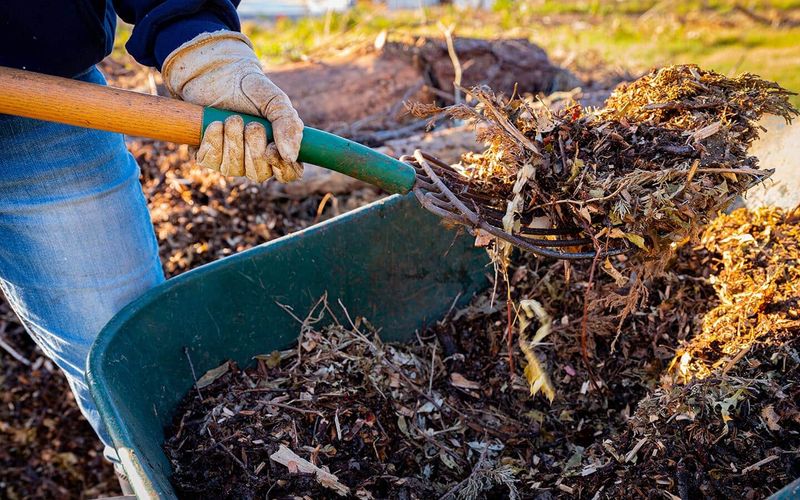
Those piles of crunchy fallen leaves in your yard are basically free gold for a future cottage garden. Cottage plants grow best in rich, crumbly soil, and fall is the perfect time to start building it.
Run a mower over dry leaves to shred them, which helps them break down much faster over winter. Whole leaves can mat together into a soggy layer that blocks air and water from reaching plant roots.
Spread two to three inches of shredded leaves or wood chips across your beds once the ground cools down. Keep mulch a few inches away from plant crowns and stems, since piled mulch can trap moisture and invite rot.
University extension services often note that mulch helps moderate soil temperatures, which protects roots from repeated freezing and thawing. That constant up and down movement can push young perennials right out of the ground during winter.
Consider a simple soil test this fall through your local extension office, since many offer them at low cost. The results show your soil pH and nutrient levels, so you can add only what your plants need.
Compost is the friendliest fix for most soils, improving drainage in heavy clay and holding water in sandy ground. Spread a thin layer on top of beds now, and worms will mix it in for you.
I find it oddly satisfying to tuck my garden in for winter under a cozy, earthy blanket. Healthy soil this fall means stronger roots, fewer weeds, and a front yard that blooms beautifully next season.