6 Ways To Welcome Hummingbirds Back To Texas Yards In April
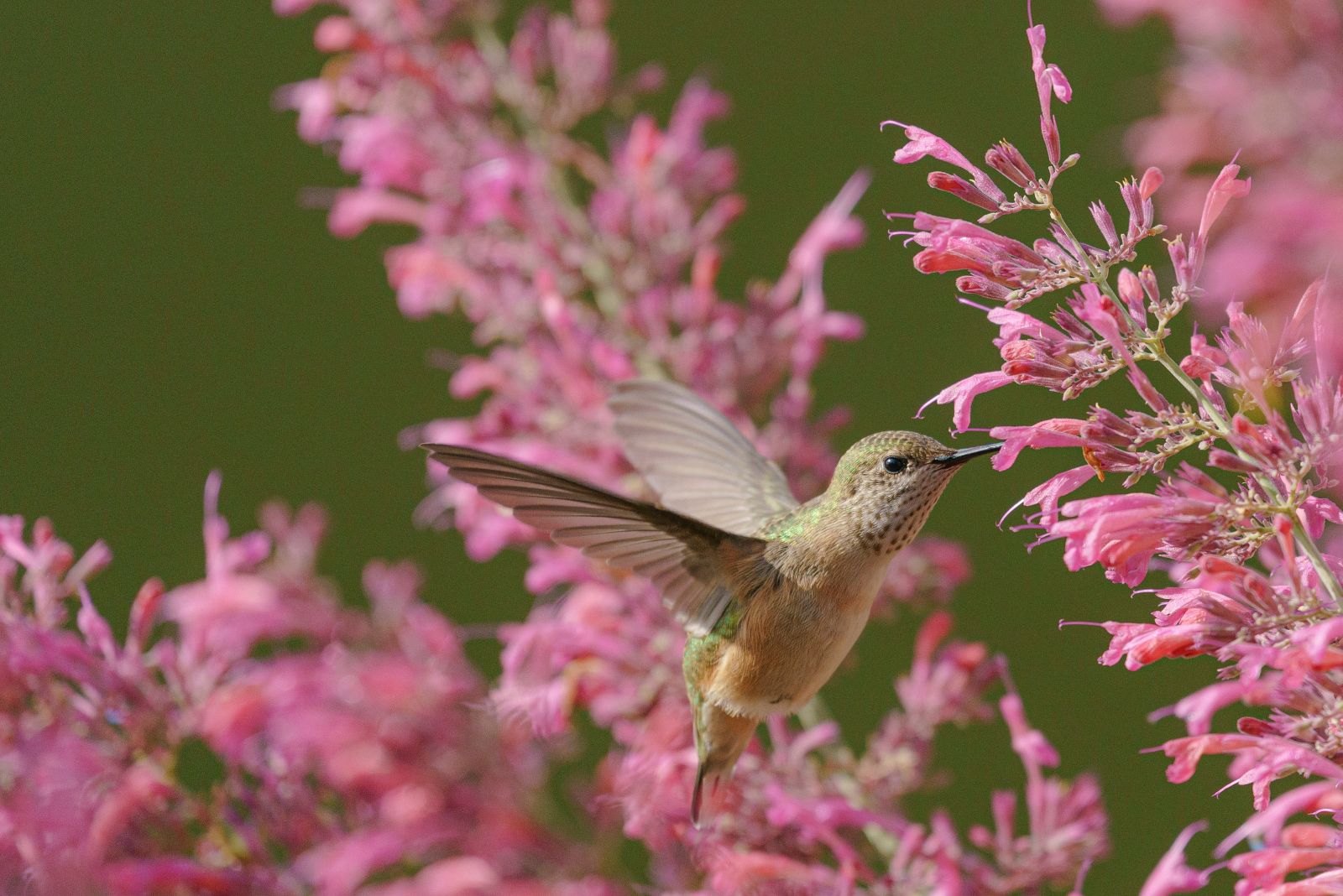
By April, Texas yards start waking up in a big way, and hummingbirds are part of what makes the season feel so lively. One day the garden seems quiet, and the next there is a flash of color zipping past the flowers like it owns the place.
These tiny birds do not waste time, and if your yard gives them what they need, they are more than happy to stop by. That is why spring is such a good time to get everything ready.
A few smart changes can make a huge difference. Bright nectar-rich blooms, fresh feeders, shelter, and clean water all help turn an ordinary yard into a spot hummingbirds want to visit again and again.
The best part is that it does not take a massive garden or a complicated setup to catch their attention. With the right mix of color and comfort, your outdoor space can feel a lot more alive this month, and a lot more fun to watch.
1. Put Out Fresh Nectar Feeders Early
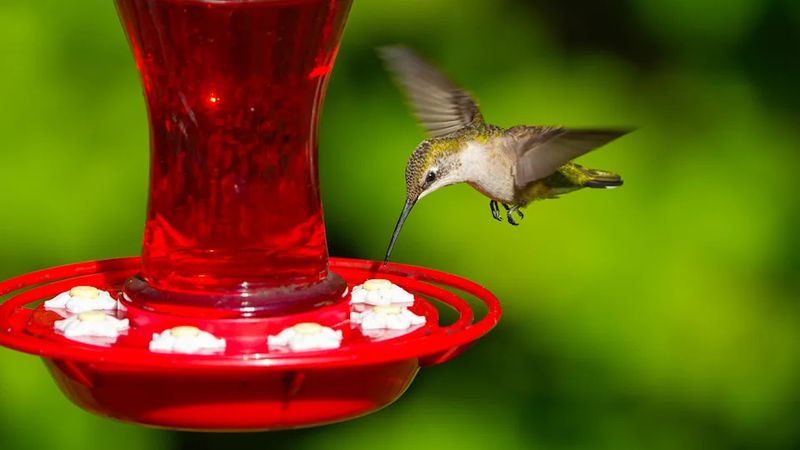
Before the first hummingbird even shows up, your feeder should already be hanging outside. Early April is prime migration time in Texas, and hungry hummingbirds are actively searching for food after their long journey.
Getting your feeder up a week or two before you expect them gives you a serious advantage. Making nectar at home is simple. Just mix one part plain white sugar with four parts water.
Stir until the sugar fully dissolves, and let it cool before filling the feeder. Never use honey, artificial sweeteners, or red food dye. Plain clear nectar is perfectly safe and much healthier for these birds.
Texas springs can get warm quickly, and heat causes nectar to spoil fast. Change the nectar every two to three days, even if the feeder still looks full.
Mold and fermentation can build up inside, which is harmful to hummingbirds. Rinse the feeder with hot water each time you refill it.
Placement matters too. Hang your feeder in a shaded or partially shaded spot to help the nectar stay fresh longer.
Placing it near a window gives you a great view without disturbing the birds. If you want even more visitors, try setting up two or three feeders spaced apart around your yard.
Hummingbirds can be territorial, so multiple feeders help reduce squabbling and allow more birds to feed comfortably at the same time. A little planning goes a long way when welcoming these amazing creatures back to your Texas yard each spring.
2. Plant Early-Blooming Native Flowers
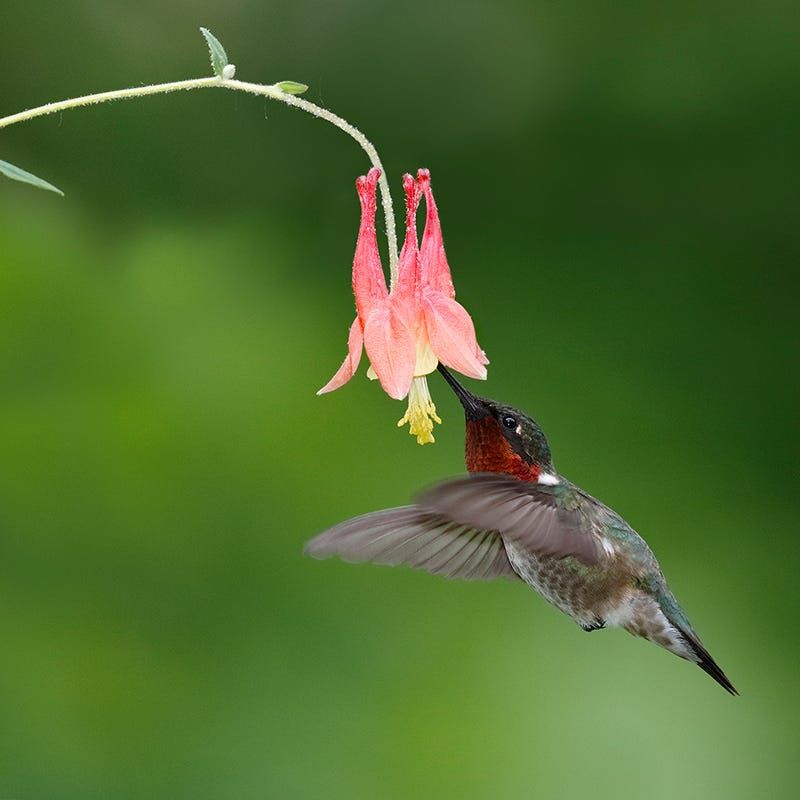
Nothing says “welcome back” to a hummingbird quite like a yard full of blooming flowers. Native plants are especially powerful because hummingbirds have evolved alongside them for thousands of years.
They recognize the shapes, colors, and nectar of native blooms almost instinctively.
In Texas, some of the best early-spring choices include red salvia, Texas columbine, and coral honeysuckle. These plants begin blooming right around April, which lines up perfectly with hummingbird migration.
Coral honeysuckle, in particular, is a Texas favorite that produces long tubular flowers loaded with rich nectar. It also grows well in a variety of soil types across the state.
Planting natives has other benefits too. They require less water and maintenance than many non-native plants, making them a smart choice for Texas gardeners dealing with hot, dry summers.
Once established, they come back year after year, creating a reliable food source season after season.
Try grouping plants together in clusters rather than spreading them out one by one. A mass planting of red salvia, for example, creates a visual signal that is hard for passing hummingbirds to miss from the air.
Place your flower beds near your feeders to create a feeding zone that draws birds in from multiple directions.
Visiting a local Texas native plant nursery is a great way to find species that thrive in your specific region. Staff there can help you pick plants suited to your soil and sunlight.
Starting with just two or three native plants can make a noticeable difference in how many hummingbirds visit your yard this April.
3. Choose Bright, Tubular Flowers They Love
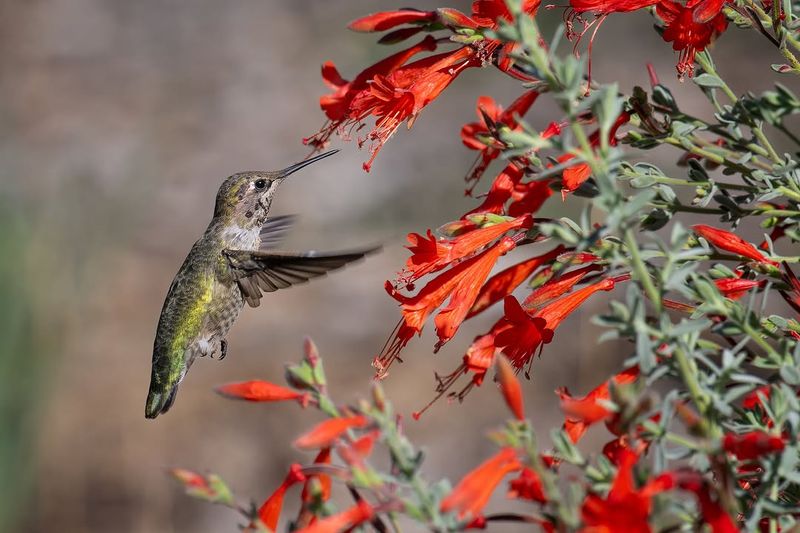
Hummingbirds have a well-known attraction to bright colors, especially red, orange, and hot pink. But color alone is not the whole story.
The shape of the flower matters just as much. Tubular blooms are perfectly designed for a hummingbird’s long, slender bill, making it easy for them to reach the nectar inside.
Turk’s cap is one of the most beloved hummingbird plants in Texas. It produces bright red, spiral-shaped blooms and thrives in both sun and shade, which makes it incredibly versatile.
Lantana is another top pick, offering clusters of tiny flowers in warm shades of red, orange, and yellow. It blooms heavily throughout spring and summer and handles Texas heat like a champion.
Trumpet vine is a bold, fast-growing climber that produces large orange-red flowers hummingbirds absolutely adore. It can be trained to grow along a fence or trellis, adding both beauty and function to your yard.
Just keep in mind that trumpet vine spreads vigorously, so give it a dedicated space where it has room to grow without taking over.
When shopping for flowers, look for varieties labeled as hummingbird-friendly or pollinator-friendly at your local Texas garden center. Avoid double-flowered varieties, which often have little to no nectar despite looking showy.
Mixing several types of tubular flowers together creates a longer blooming season, meaning there is almost always something in flower for visiting hummingbirds.
A thoughtfully planted Texas garden full of tubular blooms can attract hummingbirds consistently from early April well into fall, giving you weeks of incredible backyard wildlife watching.
4. Provide A Shallow Water Source
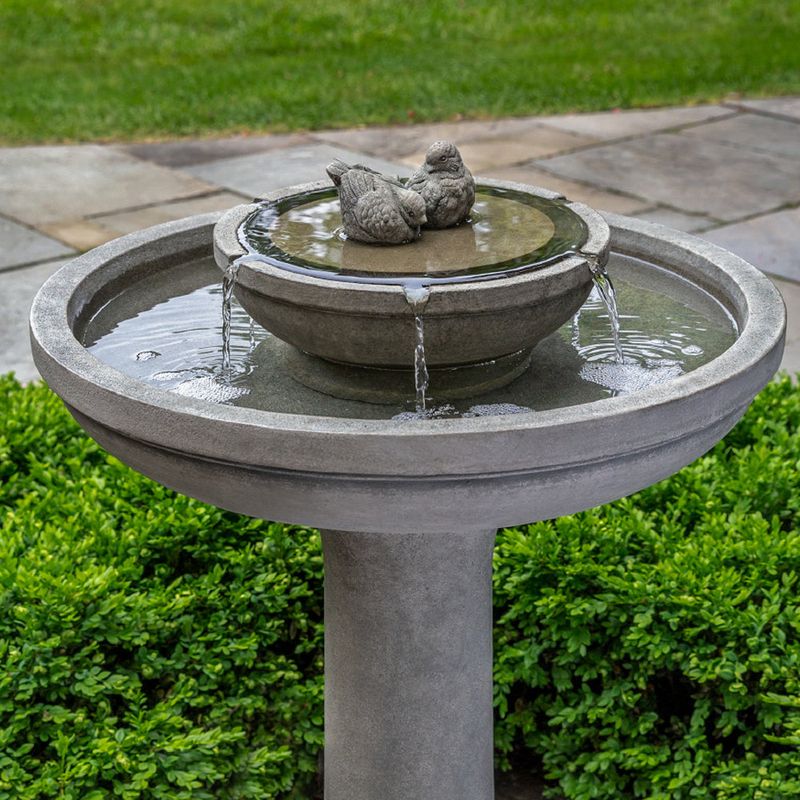
Most people picture birds splashing around in a deep birdbath, but hummingbirds are a completely different story.
These tiny birds prefer very shallow, moving water that they can dart through or hover near. A standard birdbath is usually too deep and too still to interest them much.
The best options for hummingbirds are misters and drippers. A mister creates a fine spray of water that hummingbirds love flying through to cool off and clean their feathers.
Drippers create a gentle trickle over a shallow surface, which hummingbirds can sip from mid-flight. Both are inexpensive and easy to set up in a Texas yard.
You can attach a mister or dripper to an existing garden hose or water line with simple fittings found at most hardware stores. Place the water source near your feeders or flower beds to create a complete hummingbird habitat all in one corner of your yard.
The sound and movement of the water also acts as a natural attractant, pulling birds in from a distance.
Keep the water source clean by rinsing it out every couple of days. Standing water can grow algae quickly in Texas heat, and dirty water is not appealing to any bird. A quick rinse keeps things fresh and inviting.
Adding a water feature to your yard does more than attract hummingbirds. It also supports butterflies, native bees, and other beneficial wildlife.
April is a great time to get a mister set up so it is ready and running when the first hummingbirds arrive in your Texas neighborhood. It is a small addition that makes a big impact.
5. Create Perching And Shelter Spots
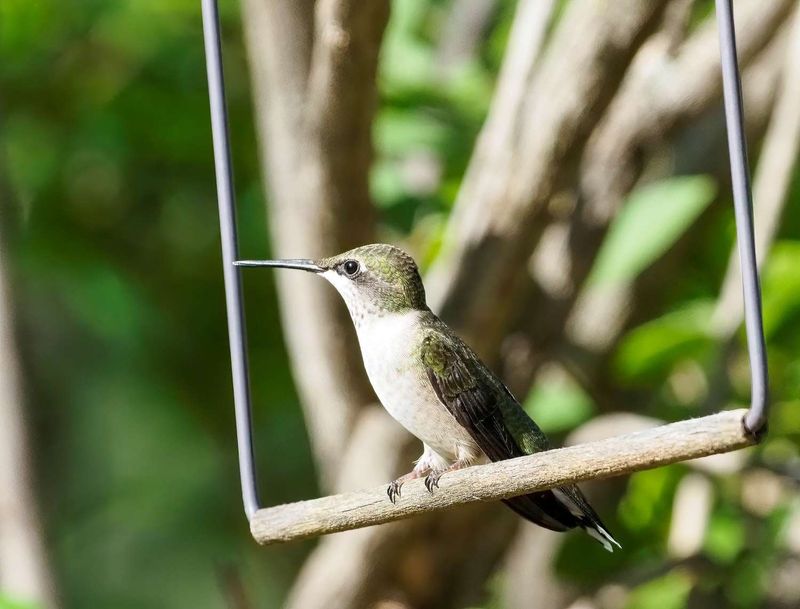
Hummingbirds are fierce little creatures with big personalities. Between feedings, they need a safe, comfortable place to rest, watch over their territory, and recover their energy.
Without good perching spots, they may pass through your yard without making it a regular stop.
Small trees and dense shrubs serve a double purpose in a Texas yard. They provide shelter from wind, rain, and predators, and they offer natural perching branches at various heights.
Native Texas shrubs like cenizo, also known as Texas sage, or beautyberry are excellent choices that also add seasonal color to your garden.
Hummingbirds tend to prefer perches that offer a clear, open view of the surrounding area. A bare branch at the top of a small tree or a thin twig sticking out from a shrub works perfectly.
They like to survey their territory from a high point, especially near feeders, so they can spot rival birds quickly.
You do not need to plant a whole forest to give hummingbirds shelter. Even a single potted shrub or a small ornamental tree near your feeder can make a noticeable difference.
Dry branches left on a tree or a simple wooden perch stake placed near a flower bed can also work well. Think about your yard from a hummingbird’s point of view. Are there open sightlines?
Is there cover nearby if a threat appears? Creating a layered landscape with low shrubs, medium-height plants, and taller trees gives hummingbirds everything they need to feel at home in your Texas yard throughout April and beyond. Comfort keeps them coming back.
6. Avoid Pesticides In The Yard
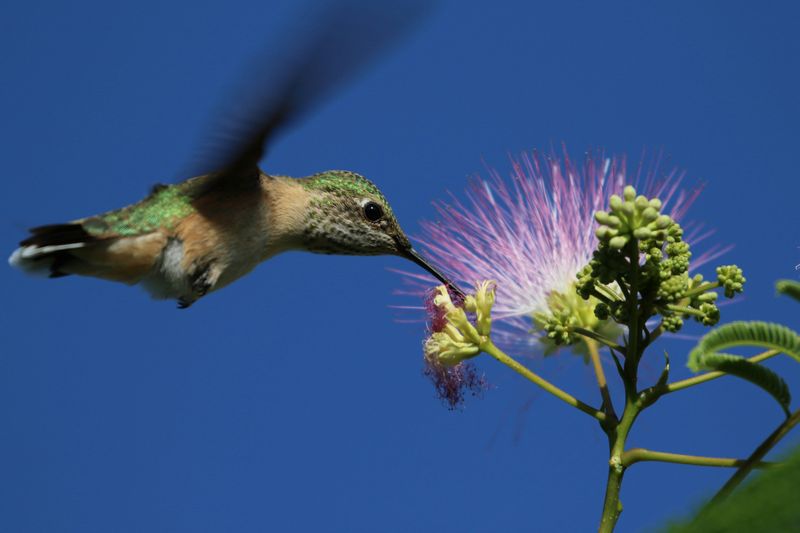
Many Texas gardeners do not realize that hummingbirds eat more than just nectar. Tiny insects and spiders make up a big part of their diet, especially during nesting season.
These protein-rich bugs are essential for raising healthy young birds and keeping adult hummingbirds strong during migration.
When pesticides are used in a yard, they can wipe out the very insects hummingbirds depend on. Even insecticides labeled as safe for plants can be harmful to small birds that consume treated insects.
Fungicides and herbicides can also reduce the number of natural bugs and flowers available in your outdoor space.
Cutting back on pesticide use does not mean accepting a yard full of plant damage. There are plenty of natural alternatives that work well and are safe for wildlife.
Neem oil, insecticidal soap, and hand-picking pests off plants are all effective low-impact options. Encouraging natural predators like ladybugs and lacewings helps keep pest populations in check without chemicals.
Planting a diverse mix of native Texas plants also naturally reduces pest pressure. Healthy, well-adapted plants are more resistant to insects and disease, which means you need fewer interventions overall.
A garden filled with native flowers and shrubs creates its own balanced ecosystem over time.
Going pesticide-free is one of the most meaningful things a Texas homeowner can do to support hummingbirds and other local wildlife. April is the perfect time to make the switch, right as these birds are returning and starting to explore new feeding territories.
A clean, chemical-free yard sends a clear message: hummingbirds are welcome here, and everything they need is waiting for them.