8 Weeds To Pull Now Before They Reseed
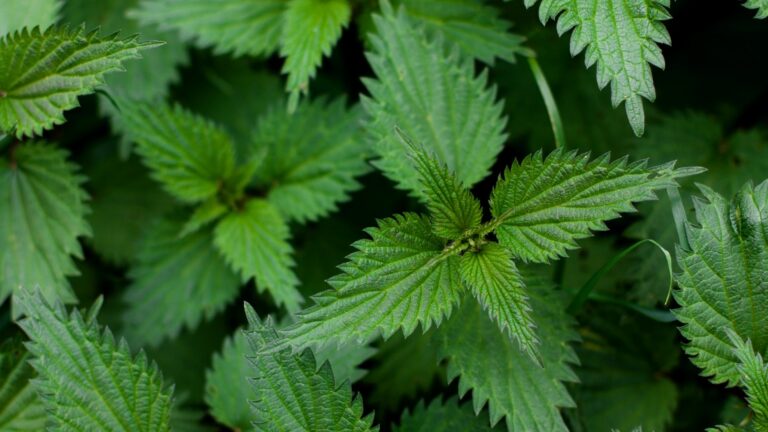
That cheerful sprout hugging your fence is plotting a bold takeover. You probably strolled past it today, admiring your tidy garden.
Meanwhile, it was quietly ripening seeds right under your nose. Pigweed, purslane, and lamb’s quarters may drop seeds before you spot flowers.
Purslane even keeps maturing seeds after you yank it and toss it aside. Buried seeds can wait patiently in your soil for decades.
When you till, sunlight flashes across them and triggers germination. After waking, they guzzle the water and nitrogen your tomatoes crave.
Your marigolds lose light as aggressive seedlings crowd in and tower overhead. Luckily, you hold a powerful advantage right now.
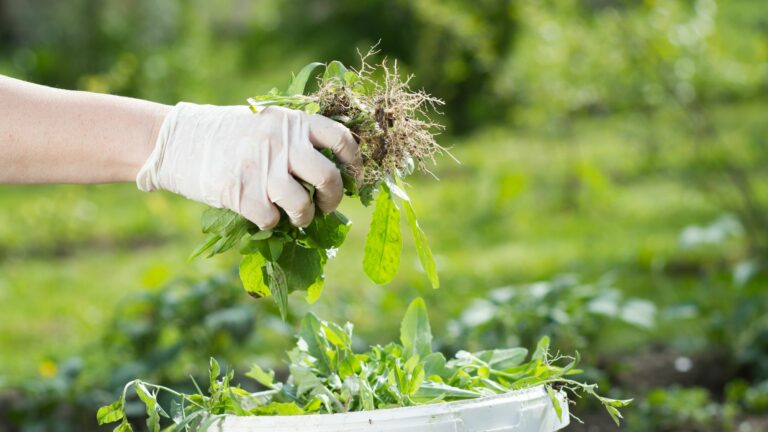
Pulling weeds before they flower stops your hidden seed bank from growing. A few minutes with a trowel today spares you sweaty, grumpy weekends later. Evict the rowdy squatters before they invite relatives.
1. Dandelion Launches Fluffy Seed Parachutes
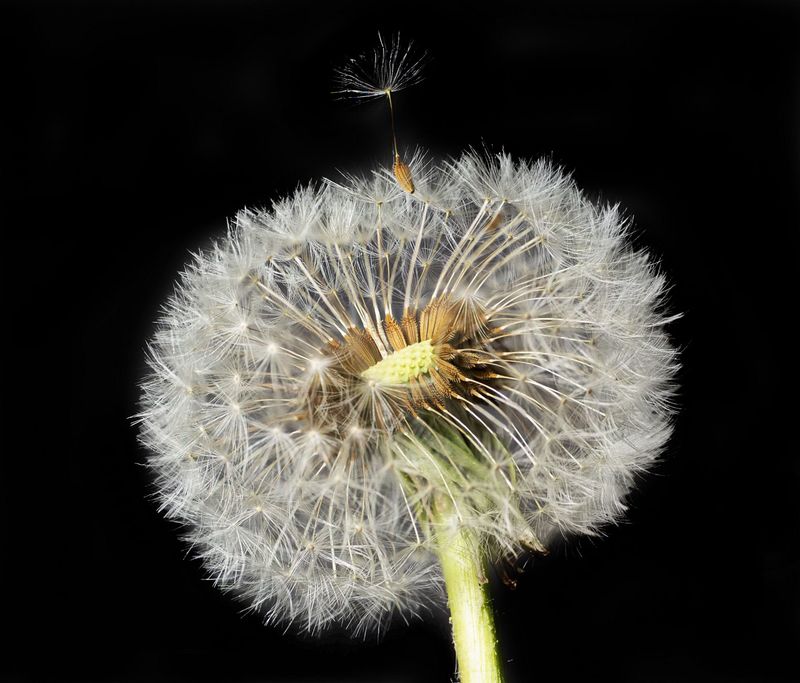
Remember blowing on those puffy white balls as a kid and making a wish? Each puff sent dozens of tiny seeds sailing off on silky parachutes to start new plants.
A single dandelion head can hold around 150 to 200 seeds. One plant may grow several heads each season, so the math adds up fast. Breezes can carry those seeds across fences and into your neighbor’s lawn, too.
The trick is to act while the flowers are still bright yellow. Once they close up and turn white, the seeds are nearly ready to fly away.
Dandelions grow a long, thick taproot that dives deep into the soil. If you snap the top off, the root can push up a fresh plant within a few weeks. Some taproots stretch ten inches or more, so patience pays off.
Grab a forked weeding tool or a long, skinny screwdriver for the job. Push it straight down beside the root, then wiggle and lift slowly until the long root slides free.
Pulling works best a day after a good rain. Soft, damp soil lets go of the root much more easily than hard, dry dirt does.
If you spot flowers that already turned fluffy, snip the heads off first. Drop them into a paper bag so seeds stay put while you dig.
Want a fun fact to share at your next barbecue? Young dandelion leaves are edible, and many people toss them into salads for a peppery kick. Their flowers also feed early bees.
2. Crabgrass Sneaks Across Summer Lawns
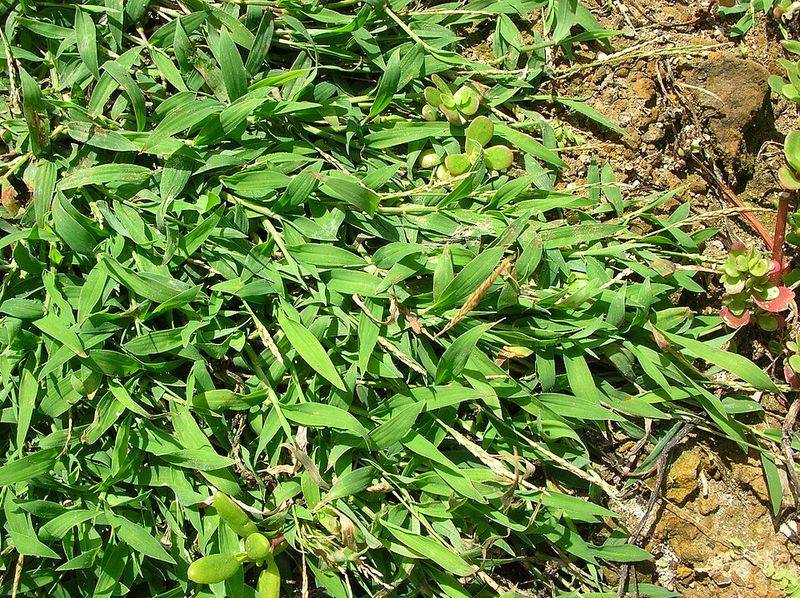
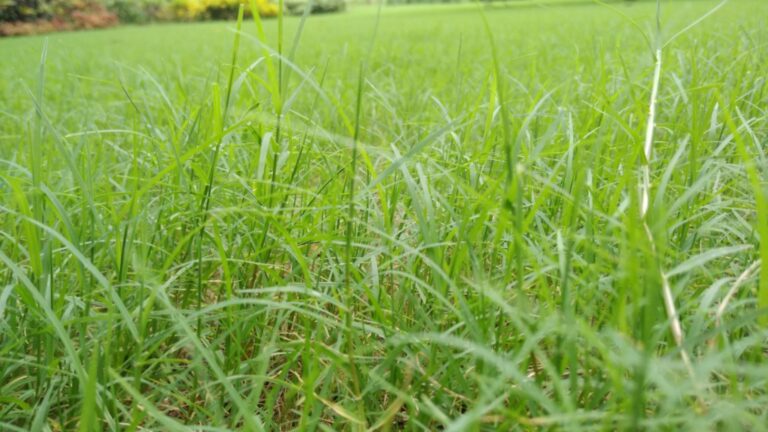
Picture a green spider sprawled flat across your lawn, legs reaching in several directions. That is pretty much what a crabgrass clump looks like from above.
Crabgrass loves hot weather and thin, patchy grass. It sprouts in late spring once the soil warms up, then grows wildly during the warmest weeks of summer.
Around midsummer, it sends up skinny stalks shaped like tiny fingers. Each finger carries loads of seeds, and one plant can make thousands of them before autumn arrives.
Because it is an annual, crabgrass lives for just one season. Its main plan is to drop seeds before frost arrives and let the next generation take over in spring.
Pull it before those finger stalks appear or right when you first see them. Young plants lift out easily, especially when the soil is slightly moist.
Grip the plant close to the ground and tug gently. Try to lift the root clump intact so it struggles to regrow in the following weeks. Stems that touch soil can root at the joints, so lift sprawling pieces carefully.
After pulling, you will see bare spots where the weed used to be. Sprinkle grass seed there quickly, or crabgrass may sneak right back into the gap.
Raising your mower blade helps too, to about three inches. Taller grass shades the soil and makes it much harder for crabgrass seeds to sprout.
Watering deeply but less often also encourages strong grass roots that crowd out newcomers. Thick, healthy turf makes a strong defense.
3. Hairy Bittercress Fires Tiny Seeds
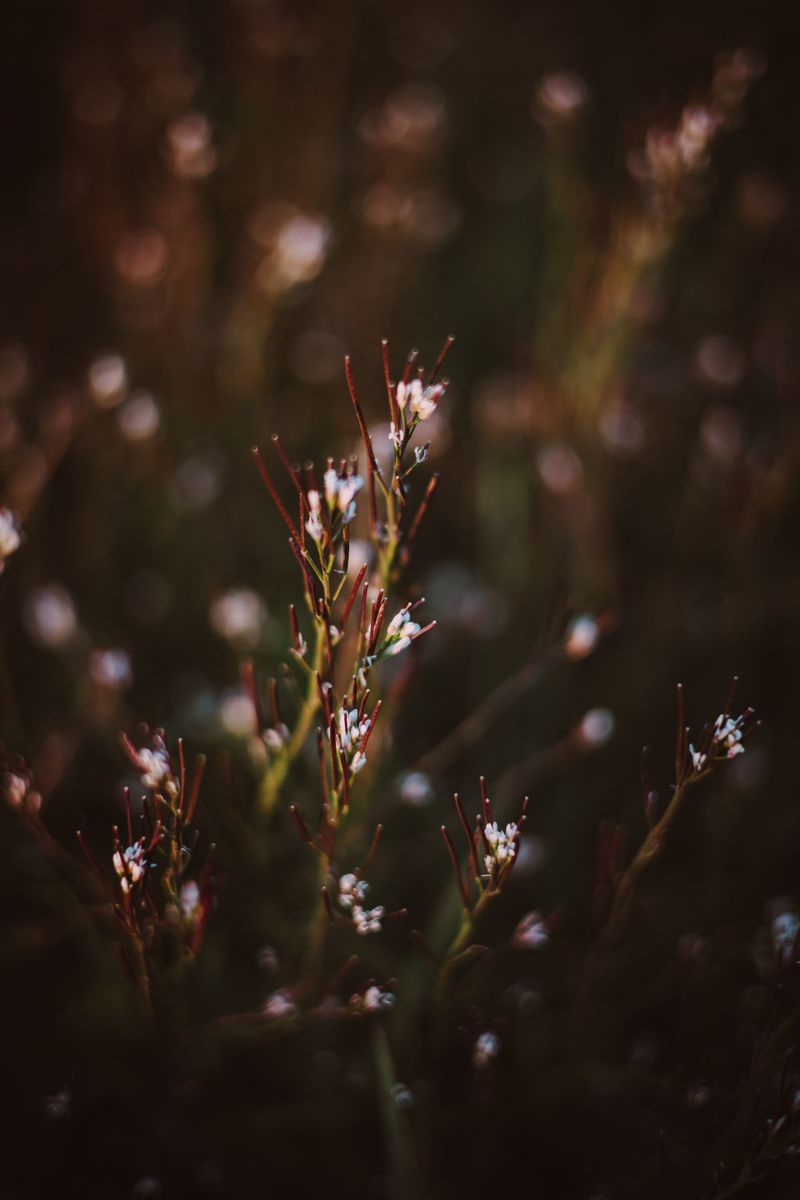
Some weeds float their seeds away, but hairy bittercress prefers fireworks. Brush against a ripe plant and its seed pods pop, flinging seeds several feet away.
Gardeners sometimes get a surprise shower of seeds right in the face. It sounds silly, but it shows how clever this little plant really is.
Bittercress stays small, usually just a few inches tall. It forms a flat rosette of rounded leaves with tiny white flowers perched on thin, wiry stems.
Look for it in early spring and again in fall. It loves cool, damp weather and often hides in flower beds, mulch, gravel paths, and potted plants.
Those skinny upright pods are your warning sign. Once they start forming, you have only a short window before the popping begins.
Roots on this weed are shallow, so pulling is quick and easy. Pinch the base of the rosette and lift the plant out in one smooth motion. Its peppery leaves are edible too, much like tiny watercress.
Move slowly and cup your hand over the plant if pods look ripe. That simple habit keeps seeds from bursting across your garden beds.
Check new nursery plants before you bring them home. Bittercress often hitches a ride in store pots, and one stowaway can start a thriving colony by next season. Pluck any hitchhikers right at the checkout or in your driveway.
4. Lamb’s Quarters Towers Over Gardens
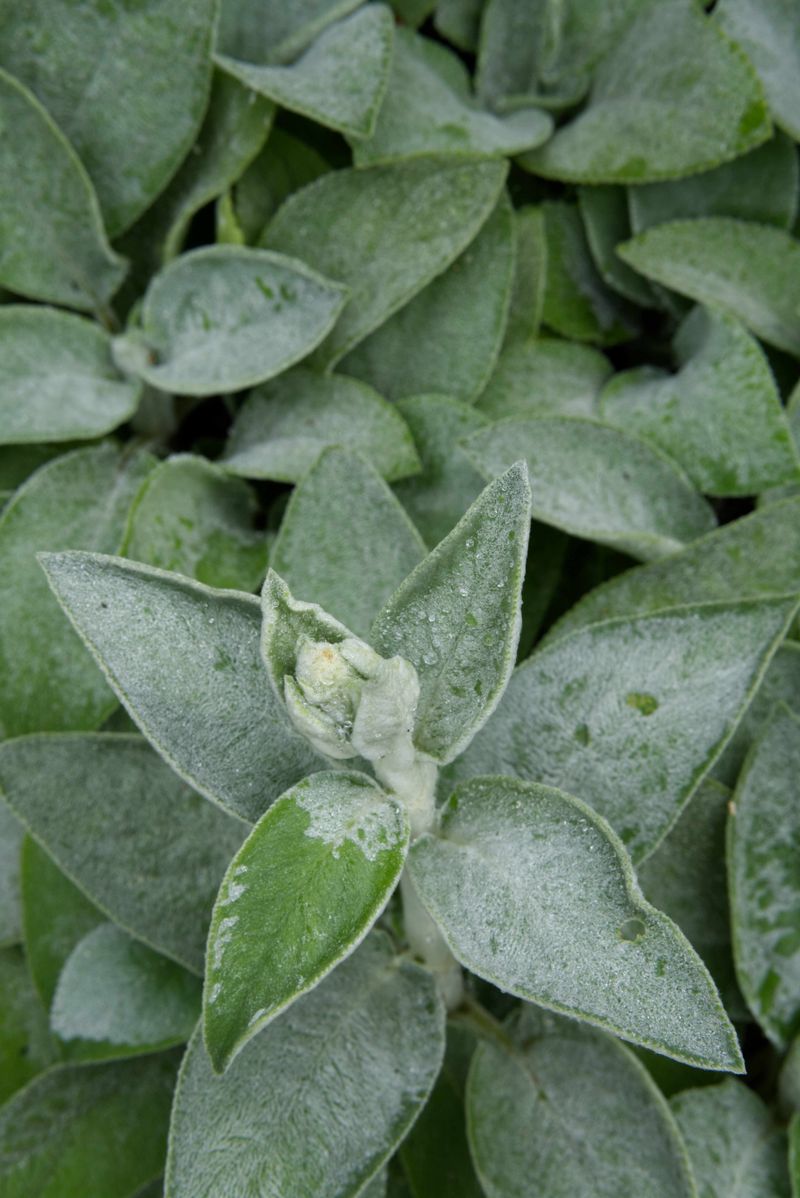
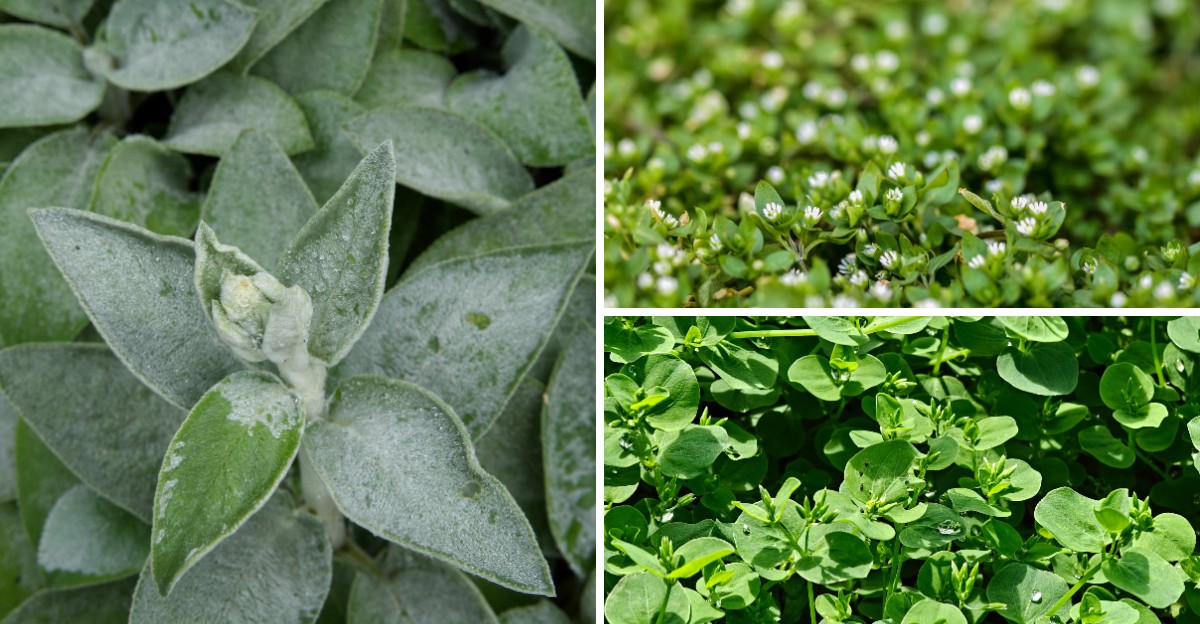
Early on, lamb’s quarters looks harmless, even kind of pretty. Its young leaves have a soft, powdery coating that sparkles a little in bright light.
Give it a month, though, and things change quickly. This weed can shoot up to five or six feet tall in a good summer.
Tall plants mean big trouble for your garden. They shade out beans, peppers, and flowers while slurping up water and nutrients from the soil.
It also hosts aphids and leaf miners that may spread to nearby crops. The real problem hides in the seed count.
One large plant can produce tens of thousands of seeds, and some stay viable in soil for years. Pull lamb’s quarters while it is still knee-high or shorter. Smaller plants come up with just a firm tug at the base.
Older plants develop tough stems and stubborn roots. For these, loosen the soil with a garden fork before you try pulling, and lift from the lowest point of the stem.
Watch the tops for clusters of tiny green balls. Those are flower buds, and seeds follow soon after, so act quickly.
Generations of home cooks have prepared the tender leaves like spinach. If you are curious, pick young leaves from clean, untreated soil and ask an experienced forager to confirm the identification first. Steamed with butter and garlic, they taste mild and earthy.
5. Pigweed Pumps Out Seeds Fast
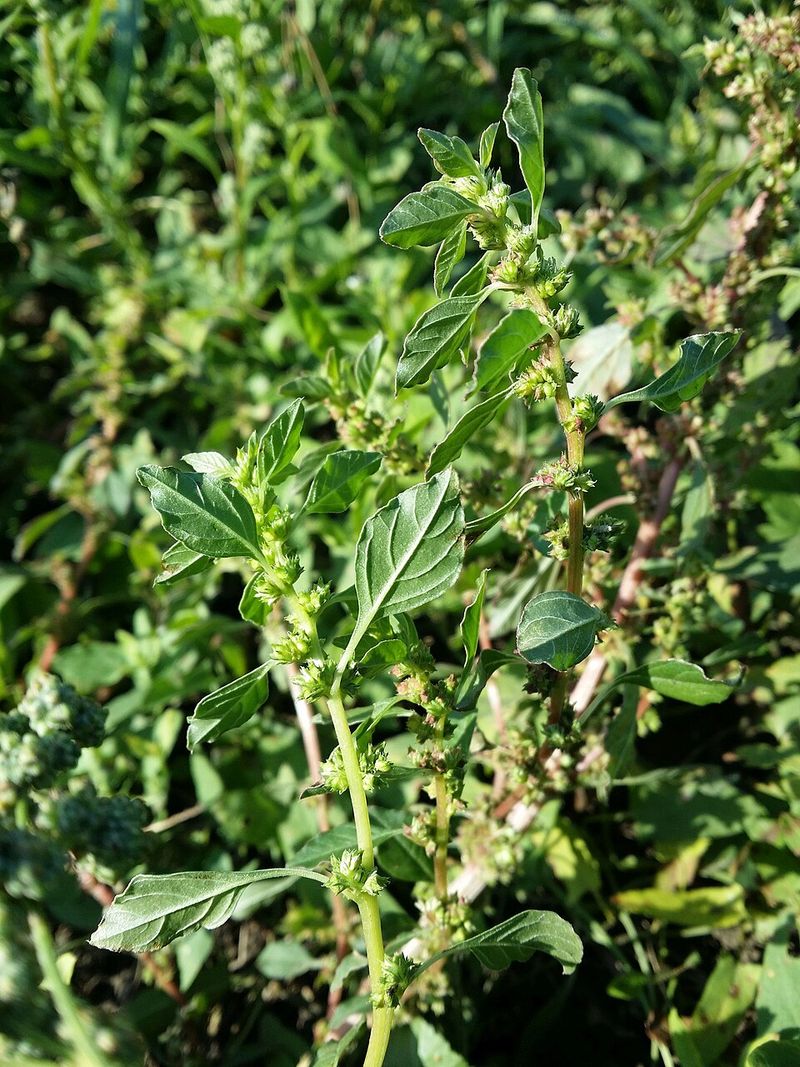
Farmers call Palmer amaranth careless weed, and that unflattering name fits it well. Many consider it among the toughest weeds in the field.
Pigweed grows shockingly fast during hot summer days. Some types, like Palmer amaranth, can add an inch or more of height in a single day.
Its seed numbers are even wilder. A single big plant can produce over one hundred thousand tiny black seeds in one season.
You can spot pigweed by its reddish root and rough, oval leaves. As it matures, it grows thick, bristly spikes packed with flowers and seeds. Pinch a redroot pigweed stem to feel fine hairs.
Pull it the moment you first recognize it. Young pigweed slips out easily, but mature plants have deep roots that grip the soil tightly.
Wear gloves, because older stems can feel scratchy on bare hands. A hand hoe also works well for slicing through small seedlings in rows.
Skip the compost pile if seed spikes have formed already. Bag those plants and toss them in the trash so seeds stay contained. Home compost piles often stay too cool to neutralize weed seeds hiding inside.
Mulching your garden beds helps block new sprouts. A few inches of straw or shredded leaves keeps sunlight away from buried seeds waiting to wake up. Refresh the mulch as it thins so your defense stays strong through summer.
6. Purslane Hugs Ground And Regrows
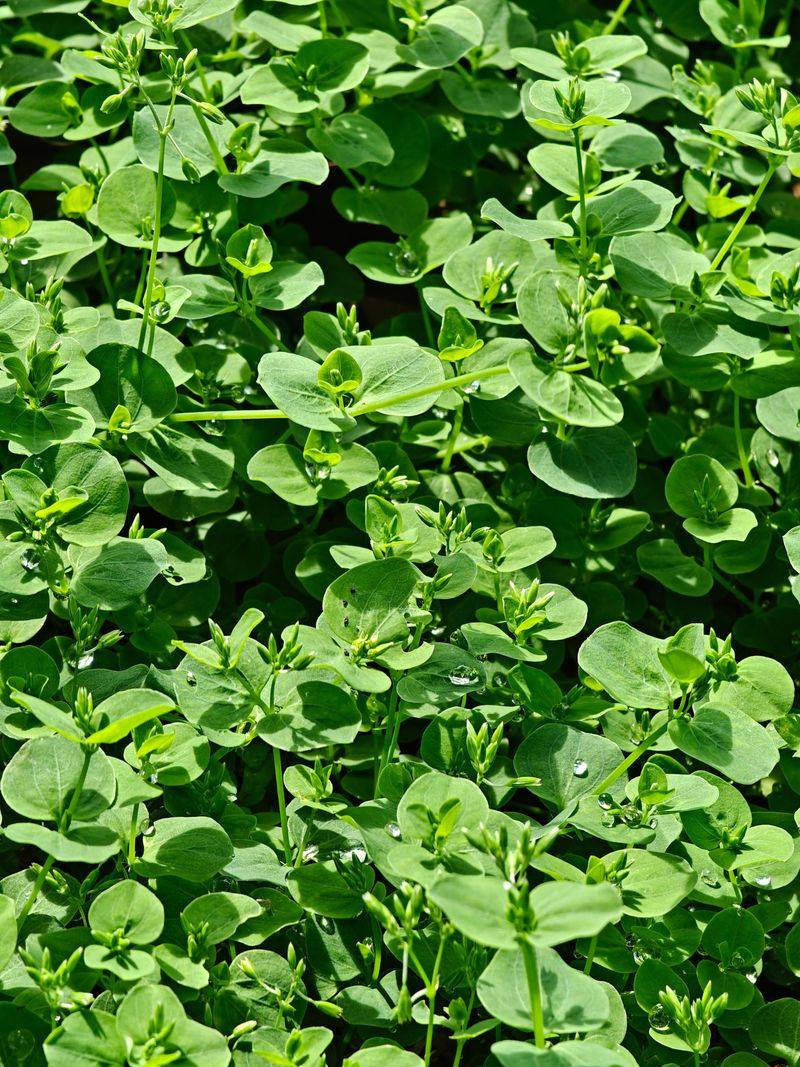
Purslane looks like it wandered in from a desert garden. Its thick, juicy leaves and reddish stems spread flat along the ground in a low, dense mat.
Those plump leaves store water, which helps it thrive through hot, dry weeks. While your flowers droop in the heat, purslane looks cheerful and plump.
Tiny yellow flowers open on sunny mornings and close by afternoon. You might miss them, but they quickly turn into pods full of seeds.
One purslane plant can make thousands of seeds, and they can last in soil for many years. Leaving even a few plants invites a big crowd later.
Pulling it comes with a twist. Broken stem pieces left on the ground can root and grow into brand new plants. A hoe works poorly here, since it chops stems into more pieces.
Pull slowly and collect as many pieces as you can find. A small bucket beside you makes cleanup simple and keeps scraps from sneaking back into the soil.
Skip leaving pulled purslane on the path to dry out. Because it holds so much water, it can keep growing for days and even drop seeds.
Many cooks around the world treasure this plant as food. The leaves taste lemony and crunchy, and they are packed with healthy omega-3 fats. Toss them into salads, tacos, or scrambled eggs for a bright, tangy crunch.
7. Ragweed Spreads Sneezy Summer Pollen
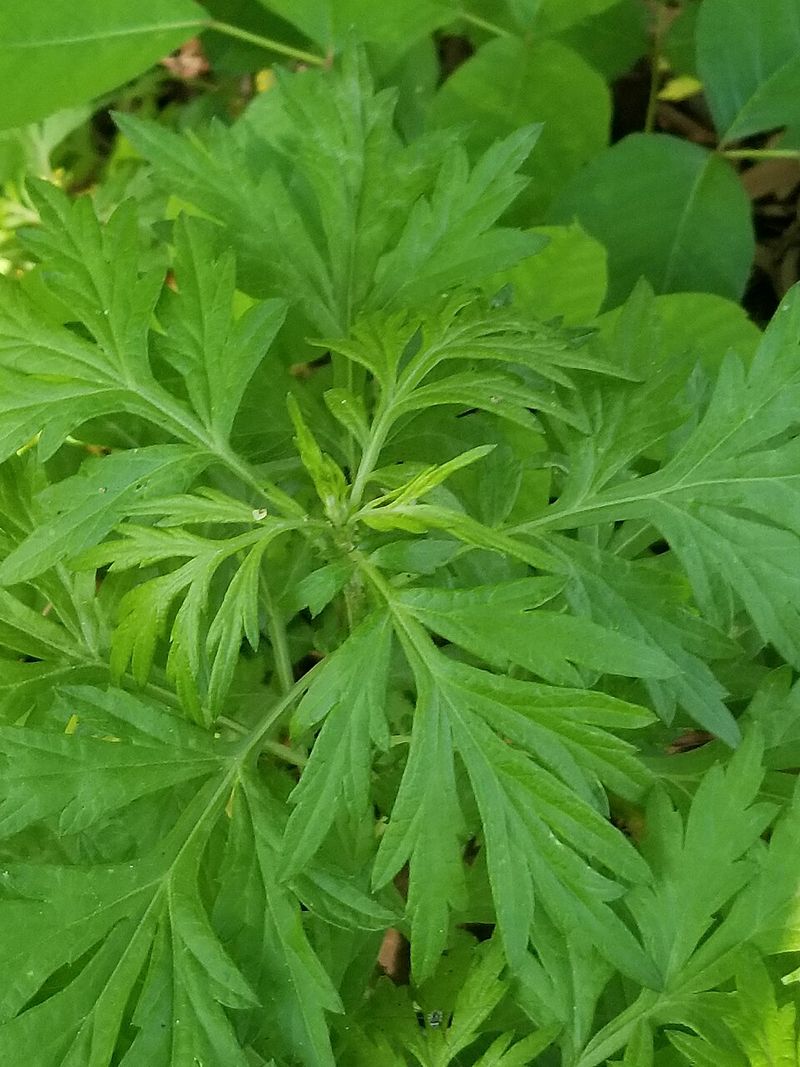
If your nose starts running each August, ragweed might be the culprit hiding nearby. Ragweed releases clouds of fine pollen in late summer. Just one plant can send out around a billion pollen grains during a single season, and wind can carry them for miles.
That pollen makes life uncomfortable for millions of people with allergies. Sneezing, itchy eyes, and stuffy noses are common complaints once ragweed blooms.
After the pollen comes the seeds, and plenty of them. A big plant may drop tens of thousands, and they can remain viable in soil for decades.
Identify ragweed by its lacy, deeply cut leaves. It also grows slim green spikes at the top covered with tiny drooping flowers.
Pull it in early to midsummer, before those spikes open up. Doing it early protects your garden and your sinuses at the same time.
Wear gloves and maybe even a dust mask if flowers have started. Some people get itchy skin from touching the plant too. Mowing tall patches before bloom helps if pulling feels overwhelming.
Roots are fairly shallow, so steady pulling usually does the trick. Check roadsides, fence lines, and empty corners, since ragweed loves disturbed soil where little else is growing. Planting ground covers in those bare spots gives ragweed less room to settle in.
8. Chickweed Carpets Chilly Garden Beds
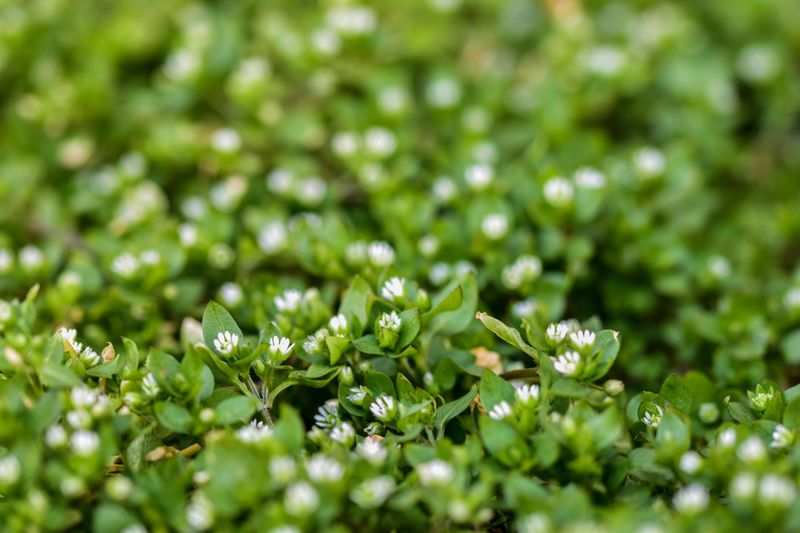
Chickweed is the weed that shows up while many plants are still sleepy. It loves chilly spring days and damp fall mornings.
Look closely and you will see tiny white flowers shaped like stars. Each petal is split so deeply that five petals look like ten.
Those sweet little blooms hide a serious plan. Chickweed can flower and drop seeds within just a few weeks of sprouting, often producing several generations in one year.
It spreads in thick, tangled mats that crowd small seedlings. Your baby lettuce or pansies can disappear under a chickweed blanket surprisingly fast.
Luckily, chickweed has weak, shallow roots. Slide your fingers under the mat and roll it up like a rug. Pulling after rain makes the mats lift even more cleanly.
Spring cleanup is a smart time to tackle it. Grab it before flowers turn into seeds and you will see far fewer plants next year.
Try working in small sections rather than yanking one big clump. Stems break easily, and leftover pieces may keep growing if you leave them behind.
Chickens adore this plant, which is how it earned its funny name. If you have backyard hens, toss your pulled chickweed their way for a happy snack. They will scratch, peck, and cluck with delight while your garden beds stay clear.