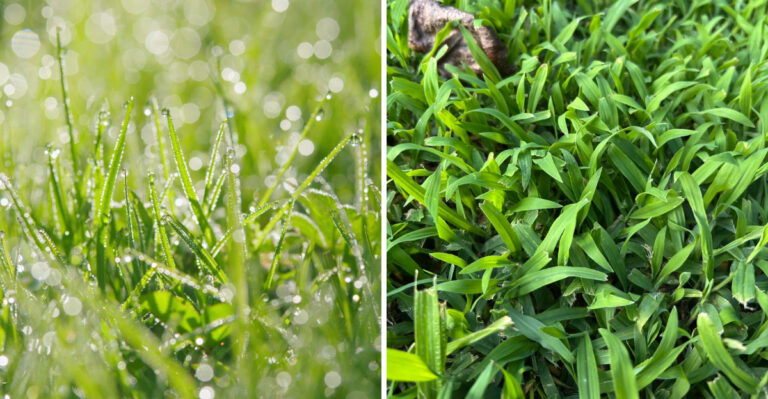
8 Ways To Prevent Snow Mold Before The First Snow
Fall in the yard smells like crunchy leaves, wood smoke, and the faint promise of hot cocoa. Yet under that cozy scene, something sneaky is waiting for winter to tuck it into bed.
Picture a soft white blanket of snow sitting on your yard for weeks, quiet and sparkly. It looks peaceful from the kitchen window, but trouble can be brewing in the damp dark below.
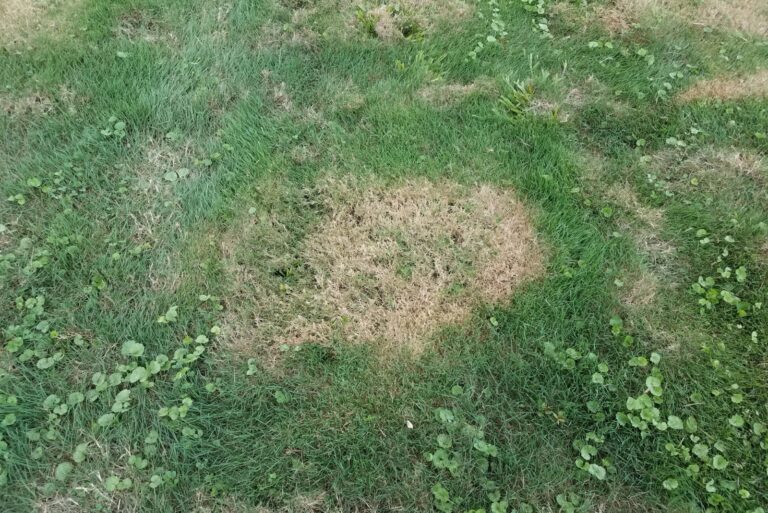
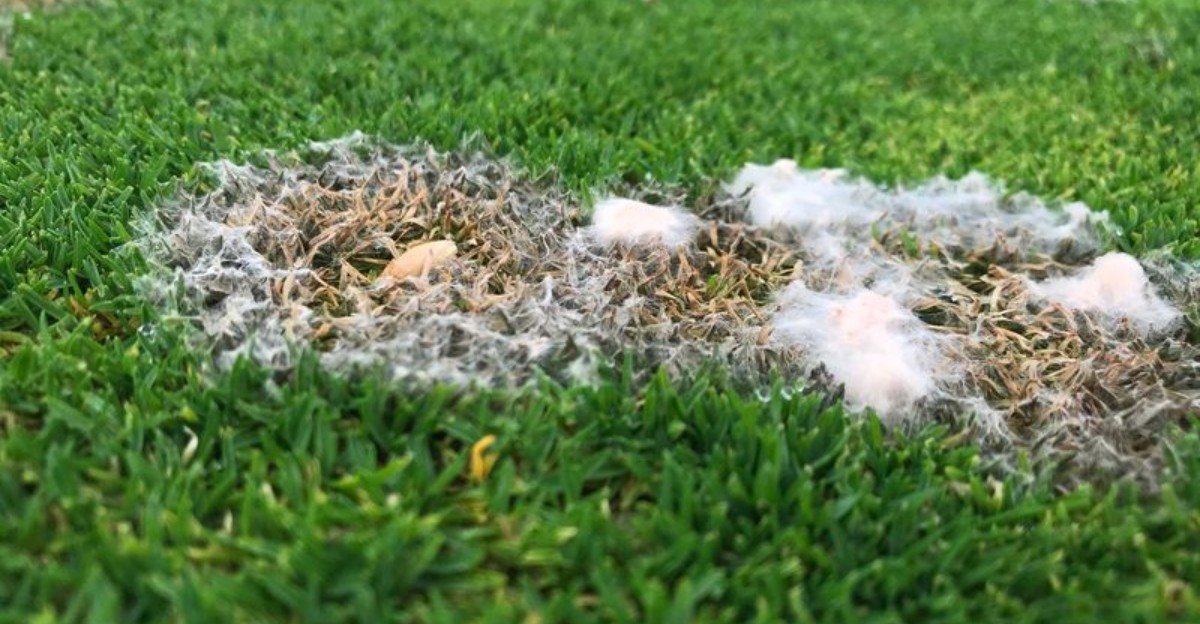
Come spring thaw, some yards reveal crusty, matted patches in shades of gray or pink. They can leave homeowners wondering what exactly happened out there all winter long.
Early October gives you a sweet window to get ahead of it. A few smart chores now can save your yard from a very grumpy wake-up next year.
By spring, a neglected yard can look so fuzzy and gray that even the garden gnome by the fence seems to lean away from it.
1. Keep Mowing Low As The Season Winds Down
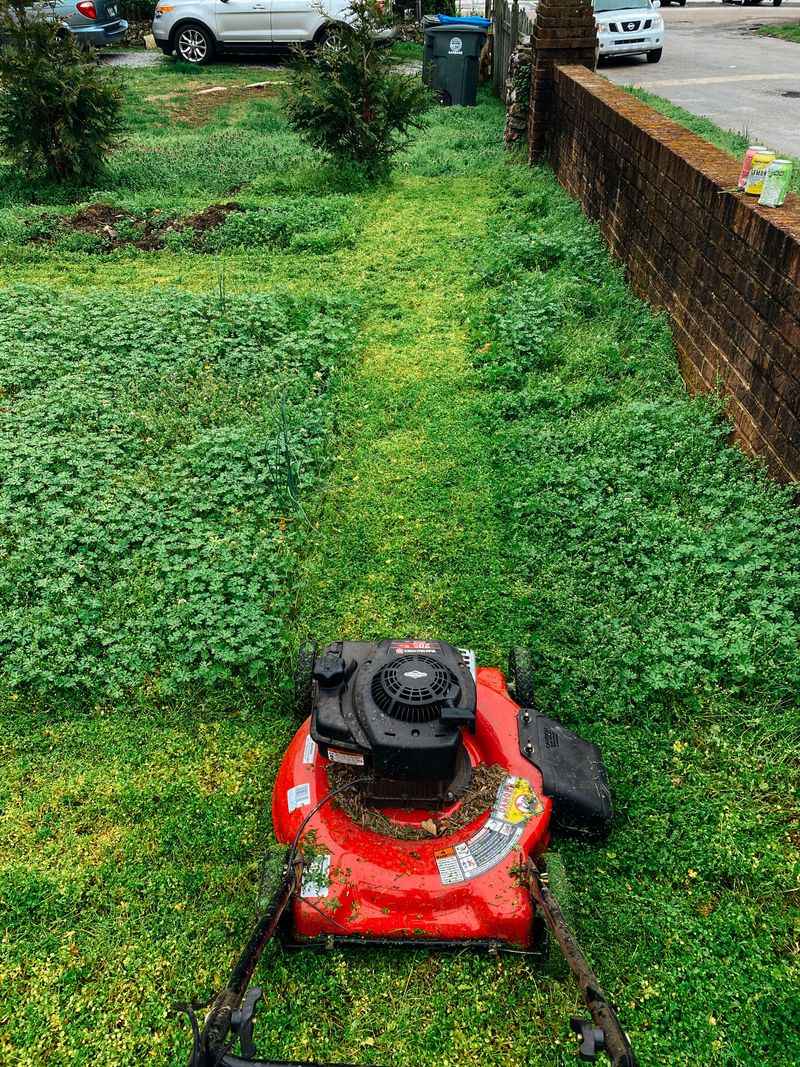
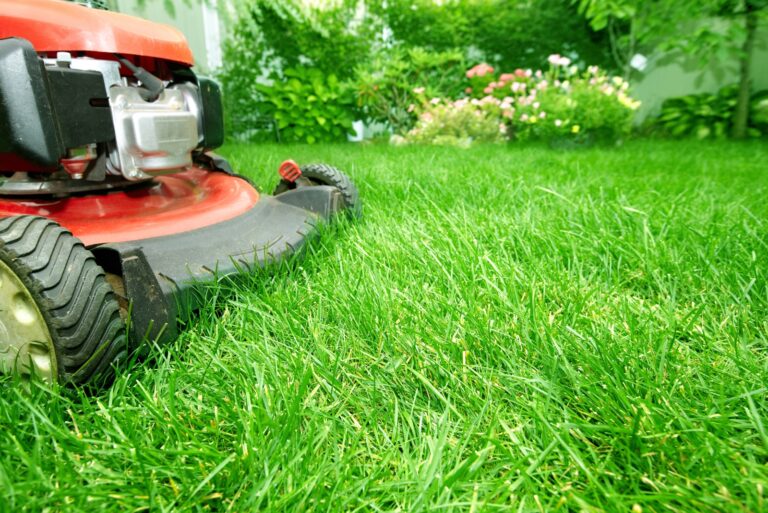
Think of your final fall mowings as tucking the yard into bed with a neat, short, tidy haircut. Long blades flop over under heavy snow, trapping moisture and creating a cozy hideout where snow mold loves to grow.
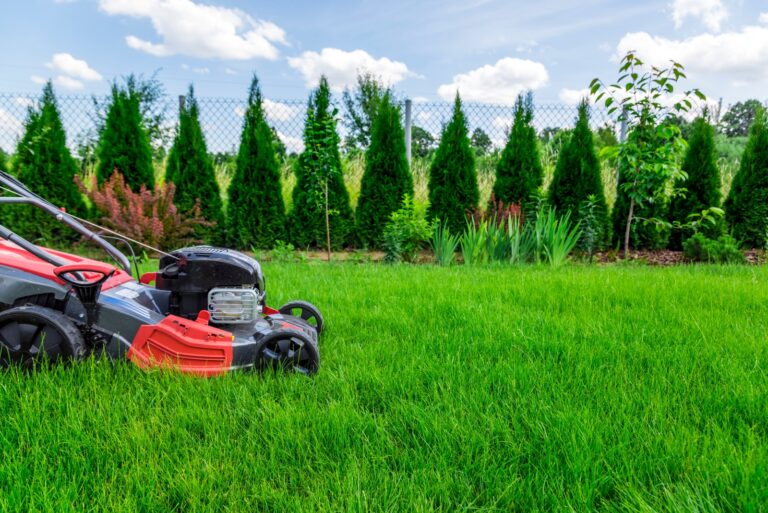
Most cool-season grasses do well when you drop the mower height to about two or two and a half inches. Do it slowly over a few weeks instead of cutting everything short in one afternoon.
Cutting off more than one third of the blade at once can stress the plants right before winter arrives. Stressed grass heads into the cold season weaker, and weak grass is an easy target for hungry fungus.
Keep mowing as long as the grass keeps growing, which often lasts until late October or even November. Many people park the mower too early, then leave shaggy grass standing tall when the first flakes fall.
Sharpen your mower blade before these last cuts, since dull blades tear the grass and leave ragged edges. Those torn tips turn brown and open the door for disease, a bit like a paper cut that lets germs in.
Bag or mulch the clippings finely so they break down fast instead of forming soggy clumps on top. A tidy, short yard heading into winter is one of the simplest ways to keep fungus from moving in.
2. Rake Up Every Last Leaf Before It Mats
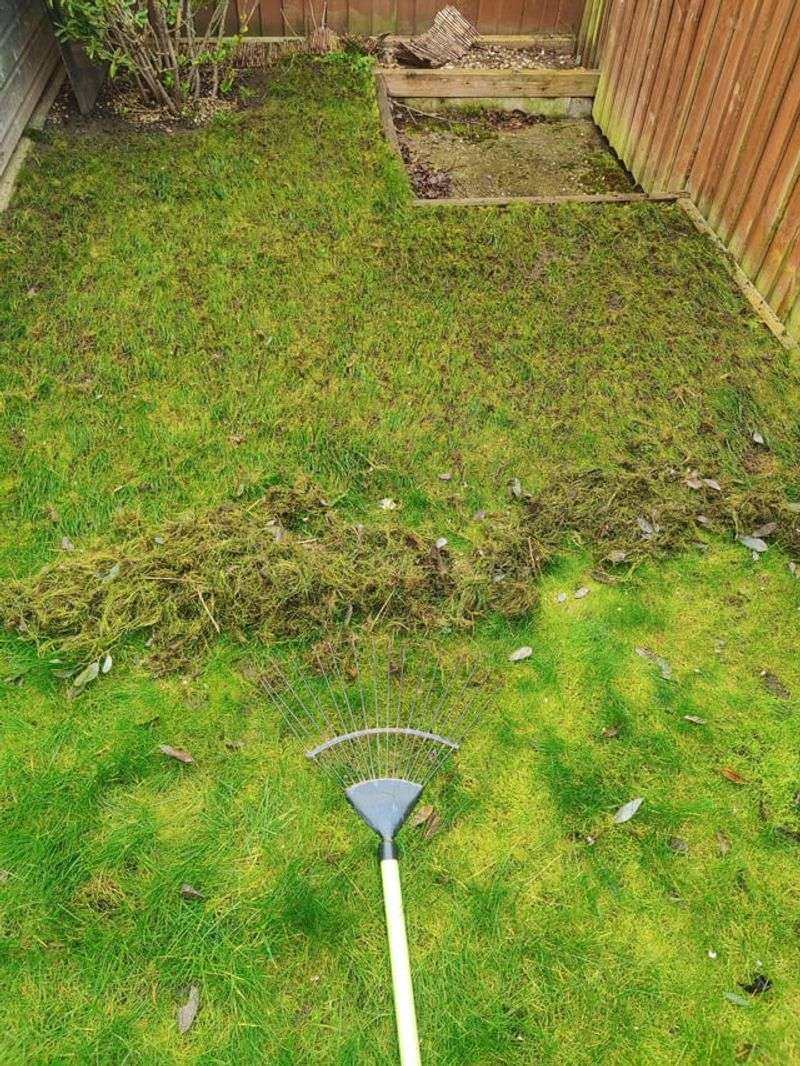
Few people get excited about raking, but your yard will thank you with a much happier spring green-up next year. Fallen leaves left on the ground turn into a wet, heavy mat once snow presses down on them.
That soggy mat blocks air and sunlight, holding in the exact dampness that snow mold fungi love most. It gives the fungus a dark, sheltered place to settle in for the winter.
Rake or blow leaves every week or two during October, especially under big maples and oaks that drop heavily. Waiting until every tree is bare sounds easier, but a thick pile can smother the grass underneath fast.
A mulching mower is a great shortcut when the leaf layer is thin enough to chop into tiny bits. Those small pieces sink between the blades, feed the soil, and let you skip most of the bagging and hauling.
Do not forget the sneaky spots, like fence lines, garden edges, and corners where the wind piles leaves up. Those forgotten drifts are often where the first fuzzy patches appear when the snow finally melts away in spring.
Fun fact, a single mature oak tree can drop tens of thousands of leaves in one fall season. Put on some music, grab a warm mug of tea, and turn the chore into a crisp, golden afternoon outdoors.
3. Go Easy On The Nitrogen This Fall
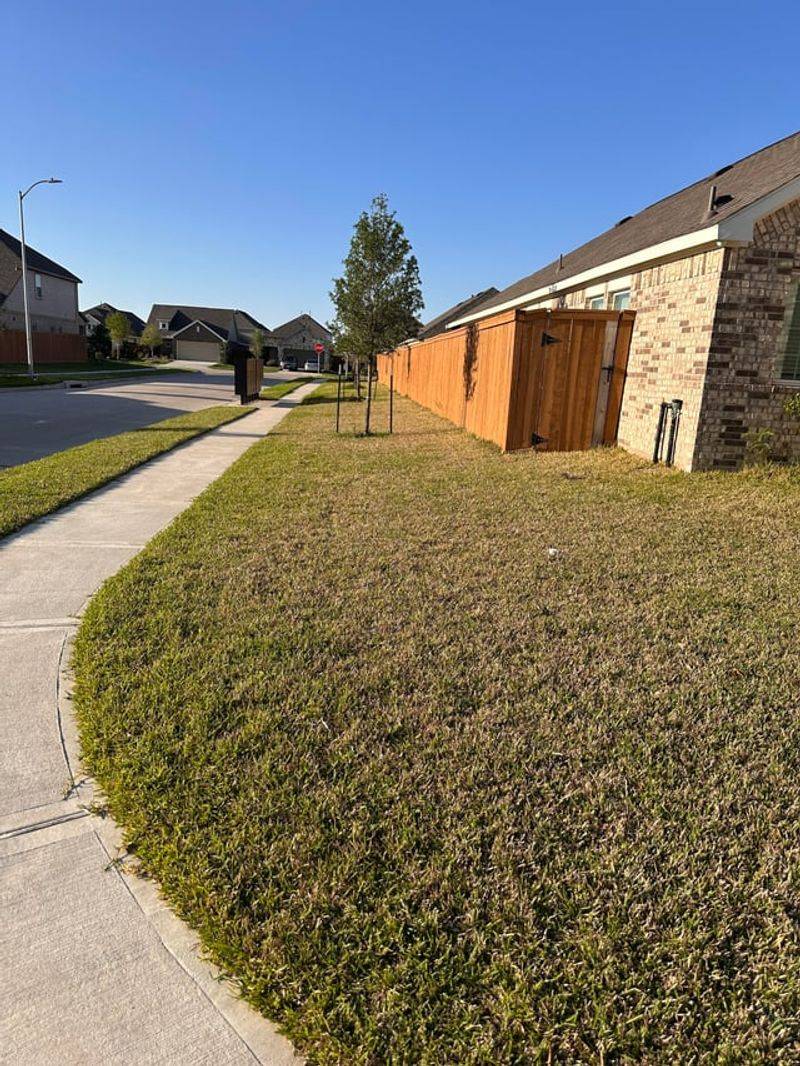
Fertilizer feels like a kind gift for your yard, but the wrong kind at the wrong time backfires. Heavy doses of fast-release nitrogen in fall push out soft, leafy growth right when grass should be slowing down.
That tender new growth is juicy and weak, which makes it more prone to snow mold over the winter. Lawn experts at many university extension programs warn against piling on nitrogen late in the season for this reason.
If you already fed in September, hold off on another big, heavy dose as October rolls steadily along. Look for slow-release fertilizers, which feed the roots gently over time instead of causing a sudden green burst.
Potassium helps grass tolerate cold and stress, which supports its winter hardiness. Check the bag for the three numbers, and pick one where the last number is fairly high on the label.
A simple soil test from your local extension office costs little and tells you exactly what your yard needs. Guessing often leads to extra fertilizer, wasted money, and runoff that washes into nearby streams and storm drains.
Think of it like eating a giant bowl of candy right before bed and then wondering why you feel awful. Grass heading into winter needs steady, sensible meals rather than a sugary rush that leaves it weak and vulnerable.
4. Aerate And Dethatch To Let The Soil Breathe
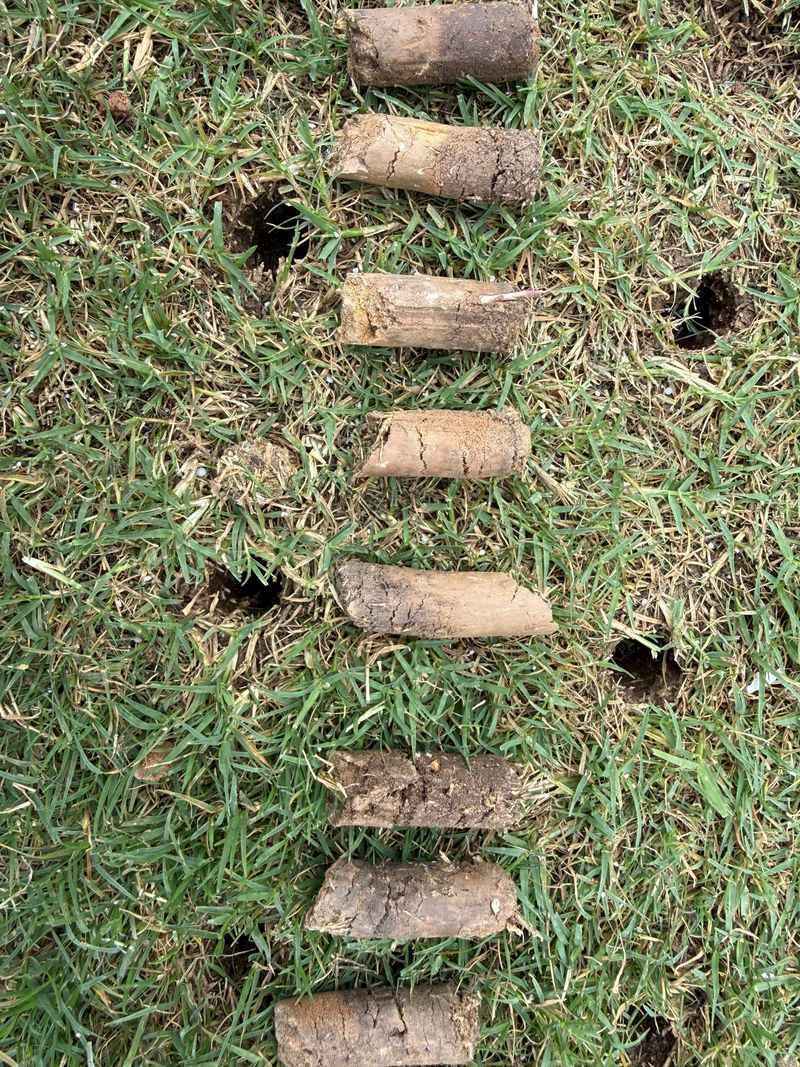
Soil can get packed down like an old couch cushion after a busy summer of kids, pets, and barbecues. Packed ground drains slowly, so water sits near the surface and keeps the grass damp for far too long.
Core aeration pulls out small plugs of soil, opening tiny tunnels that let air, water, and nutrients move deeper. Early fall is a great time for it, because cool-season grass is still growing and can heal quickly.
You can rent an aerator from a hardware store or split the cost with a neighbor for the weekend. Leave the little soil cores on the yard, since they break down within a few weeks with rain.
Thatch is the spongy layer of old stems and roots that builds up between the green blades and the soil. A thin layer is fine, but anything thicker than half an inch holds moisture like a kitchen sponge.
Snow mold fungi happily camp out in that damp thatch, waiting for a long, snowy winter to spread out. Use a dethatching rake or power dethatcher to pull up the extra layer, then rake the debris away.
To check your thatch, cut a small wedge of turf with a trowel and measure the brown layer. It takes about thirty seconds, and it tells you whether your yard needs a good scratch this fall.
5. Fix Low Spots Where Water Loves To Pool
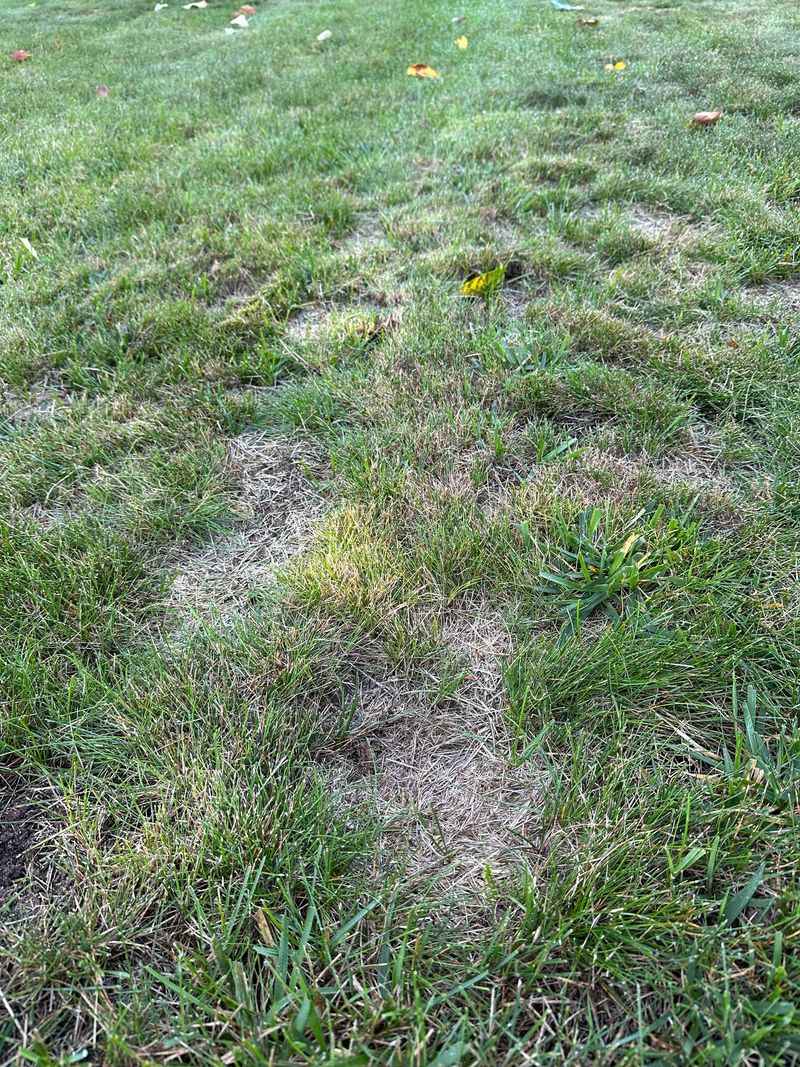
Many yards have one soggy corner where puddles linger for days and your sneakers squish with each step. In winter, that same low spot collects melting snow and stays wet, which is exactly what fungus wants.
Walk your yard after a heavy October rain and note where water pools or drains slowly into the ground. Snap a few phone photos or stick small flags in those spots so you remember them later on.
For shallow dips, spread a thin layer of topsoil or compost mix and gently rake it level with the yard. Add no more than half an inch at a time so the grass can grow up through it.
Check your downspouts too, since many of them dump roof water right onto the same patch of turf. A cheap extension or splash block can carry that water several feet away toward a garden bed or driveway.
Bigger drainage problems might need a French drain or a small rain garden to soak up the extra runoff. Those projects take more effort, but fall is a comfortable time to dig before the ground freezes solid.
Regrading a wet corner can turn it from a soggy patch into some of the healthiest turf in the yard. Fixing drainage now means fewer mushy spots, fewer fuzzy patches, and a lot less grumbling come next spring.
6. Spread Snow Piles Away From Your Favorite Turf
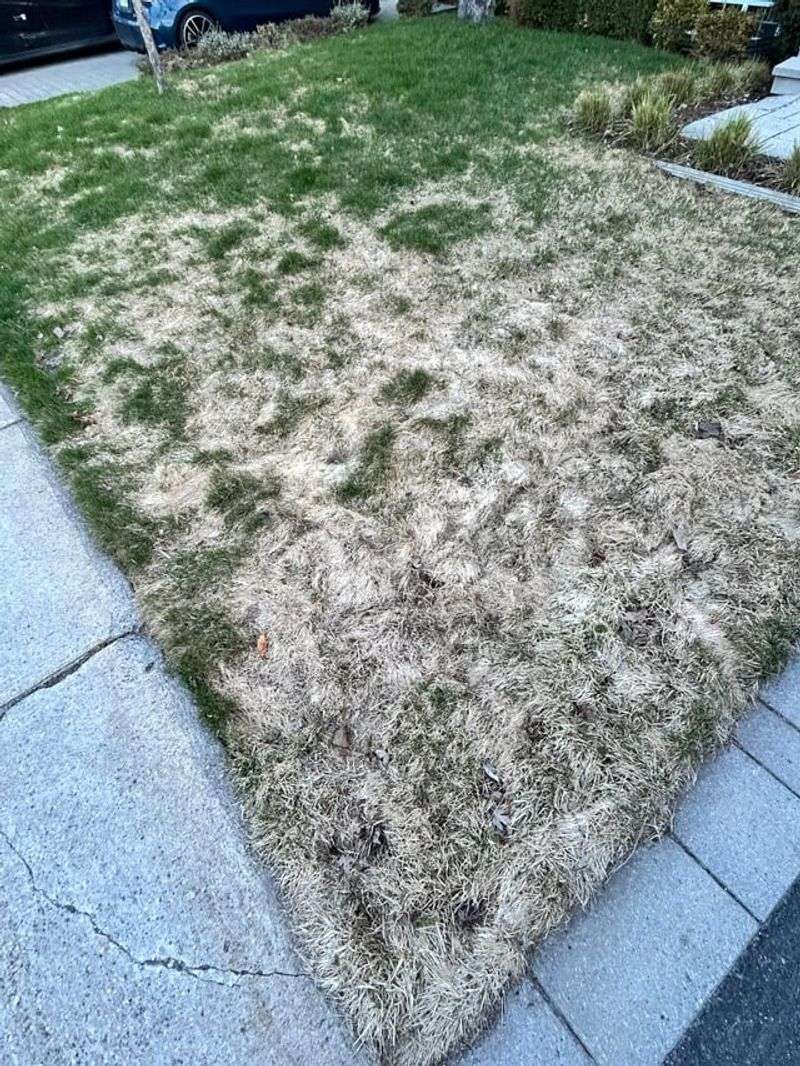
Snowblowers and shovels are wonderful inventions, but they tend to build giant white mountains in the same spots every year. Those tall piles melt slowly and keep the grass beneath them cold, wet, and dark for weeks longer.
Snow mold thrives when snow sits on unfrozen ground for a long stretch, often two or three months. Giant piles stretch that timeline even further, which is why patches often show up near driveways and sidewalks.
Take a few minutes this October to plan where your snow will go before the first storm arrives. Pick spots over gravel, mulch beds, or less important areas instead of your favorite sunny stretch of front yard.
Mark driveway edges with tall reflective stakes now, while the ground is soft enough to push them in. Those stakes help you and any plow driver avoid scraping up turf and dumping snow in the wrong places.
During winter, spread out big piles now and then with a shovel so the snow melts more evenly in spring. Avoid walking the same path across the yard all season, since packed snow melts slower than fluffy snow.
Fun bit of trivia, some cities in snowy states haul extra snow to large storage lots called snow dumps. Your yard does not need its own snow dump, so give that pile a better home this year.
7. Choose Tougher Grass When You Overseed
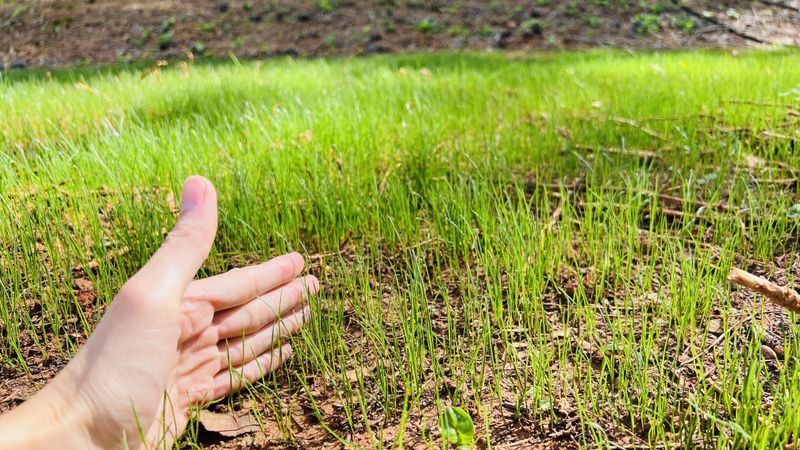
Some grass types tolerate snow mold better than others, especially when winters get long and heavy. Picking the right seed now can make a real difference next spring.
Late summer to early fall is the best window for overseeding, and seed sown in October has less time to root before winter. Get seed down as soon as you can, because young grass needs several weeks to establish before the ground freezes.
Tall fescue and many newer Kentucky bluegrass varieties tend to handle snow mold better than older, fussier types. Perennial ryegrass and bentgrass are more likely to struggle, so use them sparingly in snowy northern yards.
Read the seed label carefully and look for words like disease resistant or improved winter hardiness on the bag. Local garden centers often stock blends chosen for your region, and the staff can often point you toward the right blend.
Before seeding, rake the bare spots lightly so the seed touches real soil instead of sitting on thatch. Keep the area lightly moist for a couple of weeks, like watering a tiny garden of green threads.
Mixing a few grass types together also helps, because if one variety struggles, the others can fill in. A diverse yard is a bit like a sturdy old quilt, patched together and warm through the cold months.
8. Consider A Preventive Fungicide For Trouble Zones
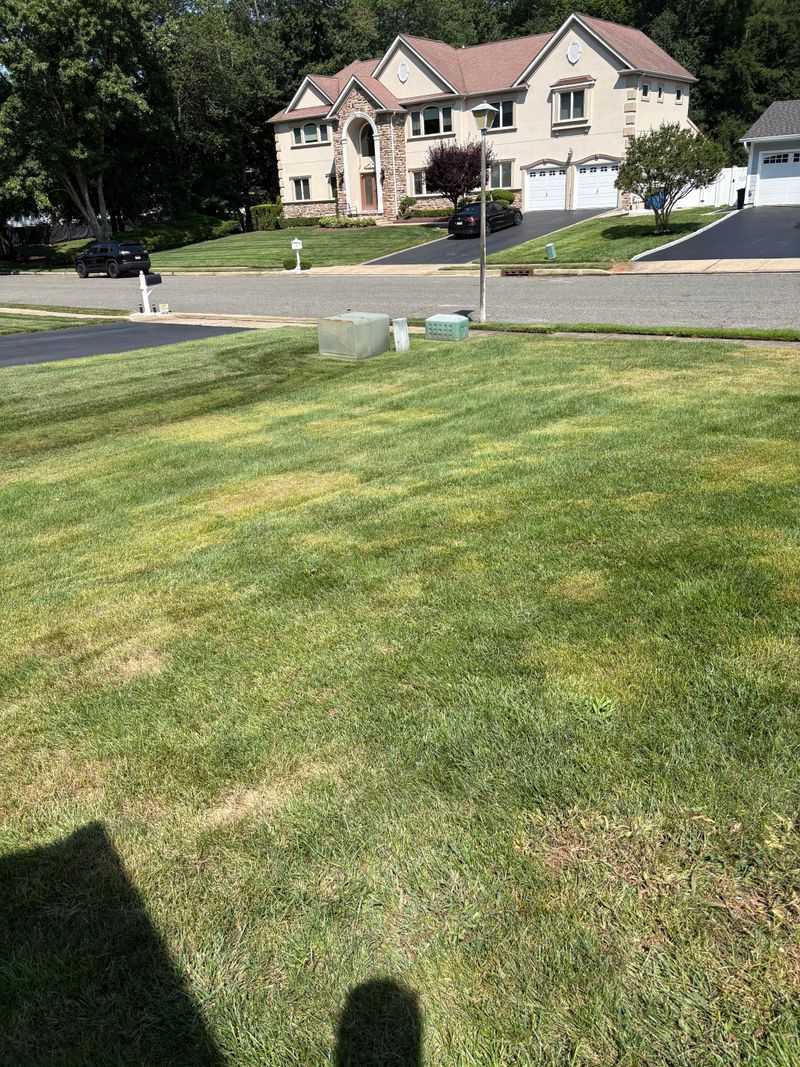
Sometimes good habits are not quite enough, especially if your yard has dealt with snow mold year after year. A preventive fungicide can act like a winter coat for grass in the spots that keep getting hit.
Timing matters a lot, and the best window is usually late fall, just before the first lasting snow. Applying too early means the product can wear off before winter settles in and the fungus wakes up.
Look for products labeled for snow mold on home lawns, and read every line of the directions carefully. Common active ingredients include propiconazole and azoxystrobin, which are sold at many garden and hardware stores across snowy states.
You rarely need to treat the whole yard, so focus on shady areas, low spots, and past trouble zones. Spot treating saves money and reduces the amount of chemicals reaching the soil, pets, and nearby water sources.
Wear gloves, keep kids and pets off treated grass until it dries, and store leftovers somewhere high and safe. If the label leaves you with questions, call your local extension office for friendly, free advice on the matter.
Golf courses have used fall fungicide treatments for decades, and many rely on them to protect turf through winter. Pair a careful treatment with the other steps here, and your yard gets its best shot at a happy wake-up.