What A Sudden Earwig Surge Means For Your Oregon Garden, And How To Stop It
Your basil looked lush at breakfast and shredded by dinner. Curled leaves and dark specks show up across the stems, yet not a single culprit is in sight when the sun comes up.
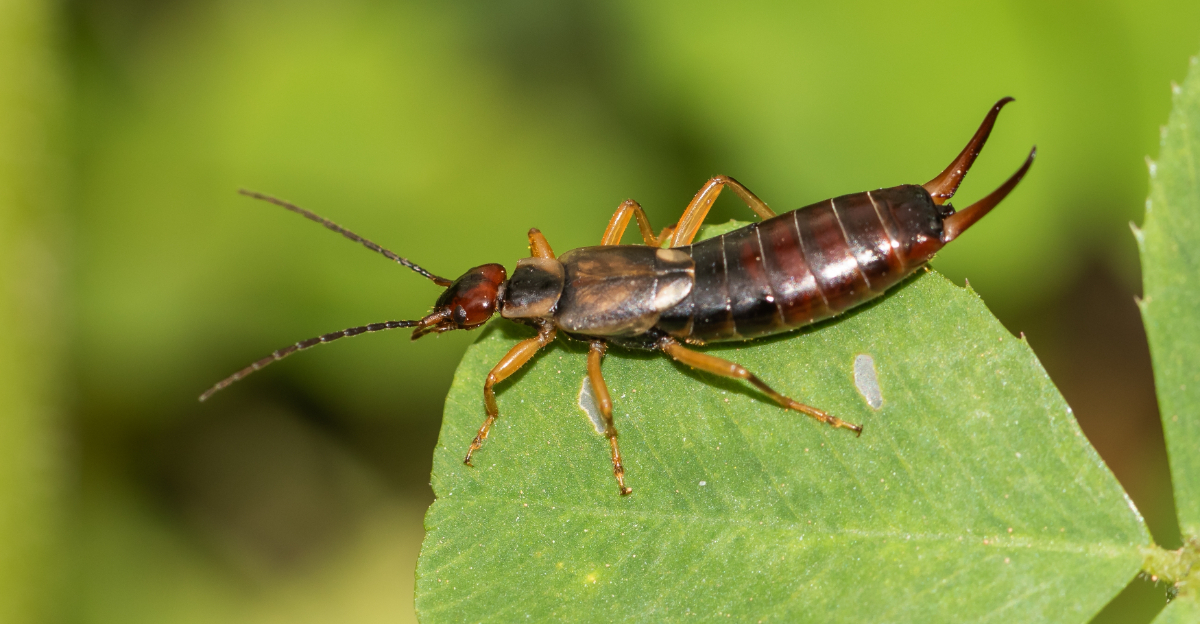
If you garden anywhere in Oregon, earwigs are likely working the night shift while you sleep. These pincer-tailed insects thrive in the state’s damp spring soil and mild coastal air.
A single wet week can send their numbers climbing fast, turning a minor nuisance into a full garden problem overnight. Most gardeners spot the damage long before they spot the bug itself.
That mystery has a clear explanation. Earwigs follow patterns tied to moisture, mulch, and hiding spots near your plants, and knowing what draws them in makes stopping the spiral much easier.
A Few Earwigs Are Normal, Here’s When It’s A Surge
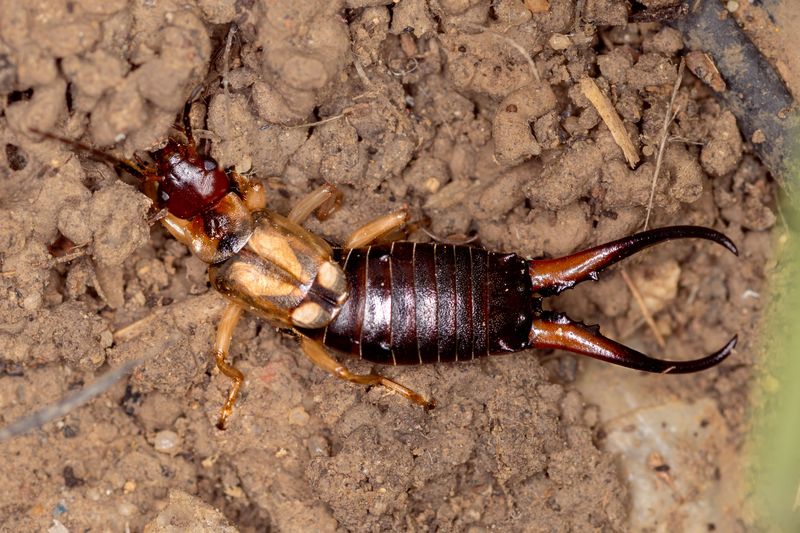
Finding one earwig under a pot is no big deal. Flipping that same pot and seeing fifty of them scatter is a completely different story.
Here’s the same room in your garden after a surge. Foliage that looked fine at dusk turns lace-thin by morning, with damage spreading from a single row to nearly every bed within days.
Earwig populations spike when conditions line up just right. Cool, wet springs followed by mild summers create the perfect breeding window in the Pacific Northwest.
A true surge means you are spotting them in the daytime. Earwigs are naturally nocturnal, so daytime sightings signal overcrowding underground.
Check your garden beds at night with a flashlight. If you count dozens of earwigs across a small area, that qualifies as a heavy infestation worth addressing.
Container plants and raised beds often get hit first. Earwigs favor the cool, moist soil pockets these setups create, so check pots and planters before the surge reaches your open ground.
Surge populations often build quietly for weeks before visible damage appears. By the time your plants look ragged, earwig numbers may already be much higher than you realize.
The sudden earwig surge in your Oregon garden is usually tied to seasonal moisture patterns. Knowing the threshold helps you act before the damage gets out of hand.
Watch for frass, which looks like tiny dark pellets near chewed leaves. That evidence, combined with sheer numbers at night, confirms you have a surge on your hands.
Why Moisture Is Drawing Them Into Your Beds
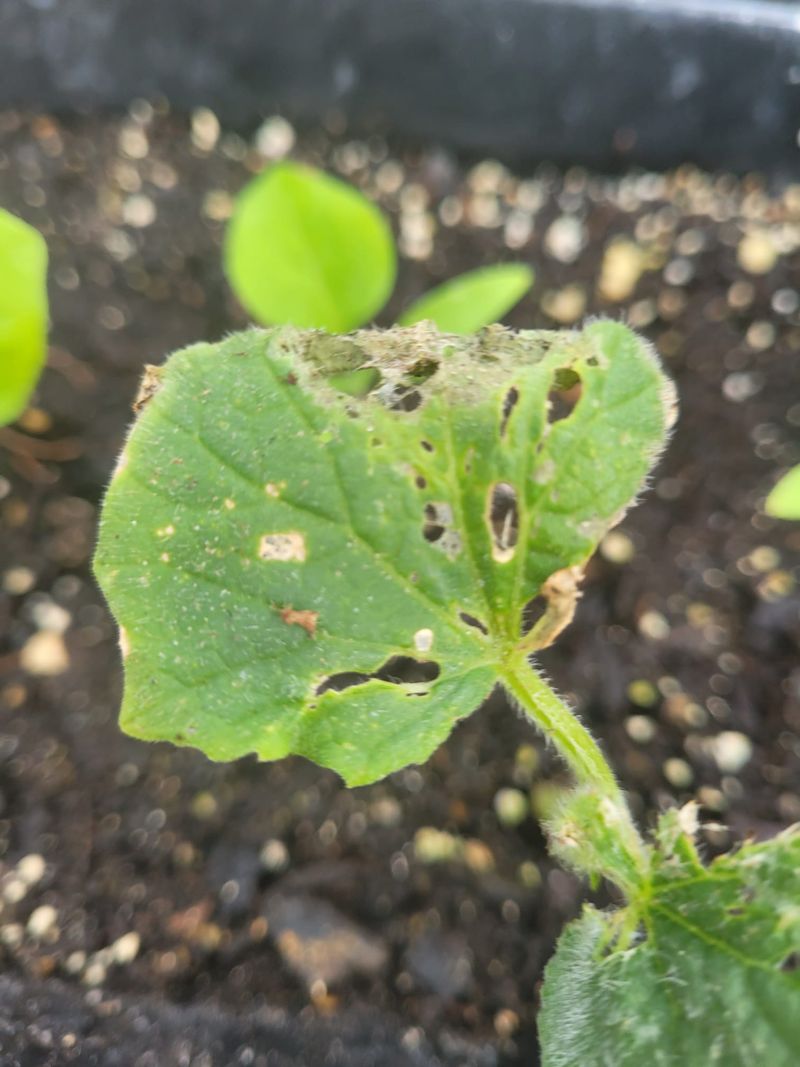
Earwigs love moisture the way kids love summer break. They seek it out aggressively and cluster wherever dampness stays longest.
Heavy Oregon rainfall saturates soil and creates humid pockets under mulch layers. Those cozy, wet spaces become prime earwig real estate almost overnight.
Overwatering your garden beds has the same effect as a rainstorm. Drip irrigation left running too long keeps soil wet well past what plants actually need.
Thick mulch layers trap moisture beautifully for plant roots but also shelter earwigs from sunlight. Pulling mulch back two inches from plant stems removes one of their favorite hiding corridors.
Raised beds with poor drainage tend to hold water longer at the base. Earwigs tunnel into that wet zone and breed rapidly through spring and early summer.
Your Oregon Garden Changes Every Week. Your Plan Should Too.
Gardening in Oregon changes quickly throughout the season. Every Friday you’ll receive a simple weekly plan showing exactly what to plant, prune, fertilize, harvest, and protect so you never miss the right timing.
Gutters draining onto garden beds create another moisture trap. That steady runoff keeps nearby soil damp all season, giving earwigs a reliable water source.
Dense ground cover plants create a canopy that holds humidity close to the soil surface. That trapped moisture is an open invitation for earwig colonies to expand.
Fixing moisture problems often reduces earwig pressure faster than any spray or trap. Let your top inch of soil dry out between waterings and watch how quickly the population drops.
Spacing your plants for better airflow also reduces surface humidity. A drier garden surface is simply a less attractive one for these moisture-seeking insects.
The Seedlings And Crops They Damage Most
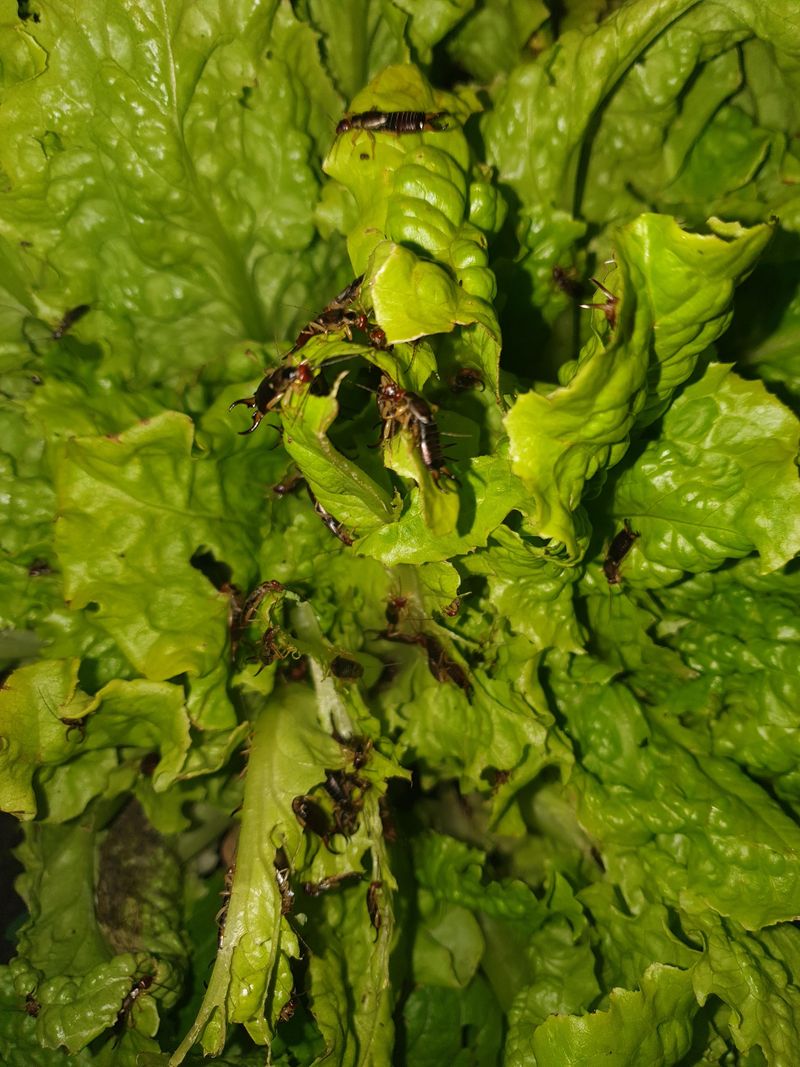
Tender seedlings are basically an earwig buffet. Young plants have soft tissue that earwigs can chew through with almost no effort.
Lettuce, spinach, and other leafy greens suffer the worst cosmetic damage. Earwigs chew irregular holes from leaf edges inward, leaving plants looking tattered and unsellable.
Strawberries are another favorite target in Oregon home gardens. Earwigs burrow into ripe berries from the underside, leaving hollow spots that are easy to miss at first glance.
Basil and other soft herbs get hit hard when earwig numbers climb. You may notice entire seedling stems clipped at the base, which looks a lot like cutworm activity.
Corn silks attract earwigs in large numbers during pollination season. They feed on the silk strands, which can interrupt pollination and reduce your harvest.
Marigolds, zinnias, and dahlias also show petal damage when populations spike. Gardeners often blame slugs first, but earwigs are equally responsible for that shredded-flower look.
Seedling trays started outdoors are especially vulnerable during cool, wet nights. A single night of heavy earwig feeding can wipe out an entire flat of newly sprouted plants.
Protecting your most vulnerable crops early in the season makes a real difference. Row cover fabric draped loosely over seedlings creates a simple physical barrier that works surprisingly well.
When Earwigs Are Actually Helping Your Garden
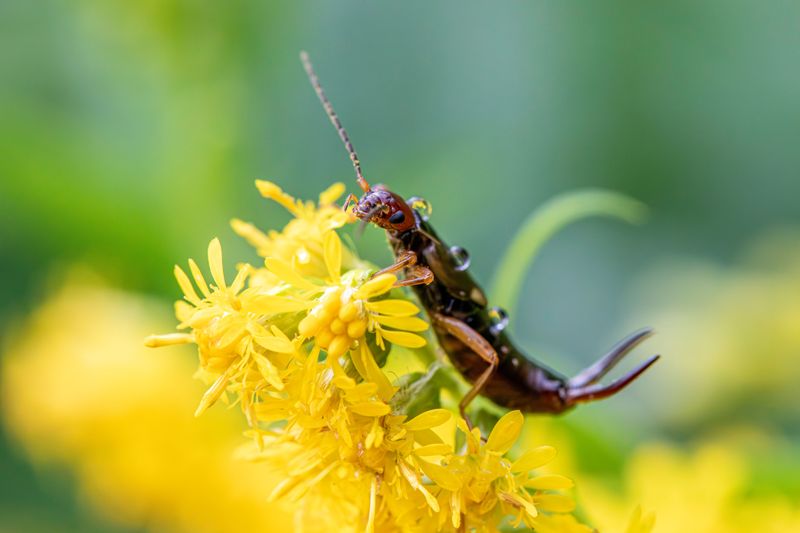
Before you reach for the strongest pest control option, pause for a second. Earwigs have a genuinely useful side that most gardeners never get to see.
These insects are active predators of aphids, mites, and insect eggs. A moderate earwig presence can actually reduce the need for other pest controls in your garden.
Research shows that earwigs consume a meaningful number of aphids each night. That kind of free pest control adds up quickly over a growing season.
Earwigs also eat decaying plant matter, which speeds up decomposition in your beds. They function a bit like tiny composters, breaking down dry leaves and organic debris.
Female earwigs are surprisingly devoted mothers by insect standards. They guard their eggs and even clean them to prevent mold, which is a behavior rarely seen in other garden insects.
The trouble starts when their population outpaces the food supply of pests. Once aphids and mites are gone, earwigs switch to munching on your plants instead.
Keeping earwig numbers moderate rather than zero is actually the smarter strategy. A balanced population works for you, while a surge works against you.
Think of earwigs as employees who are great in small teams but chaotic in large groups. Managing their numbers, not eliminating them entirely, is what protects your garden long-term.
Trapping And Habitat Changes That Actually Work
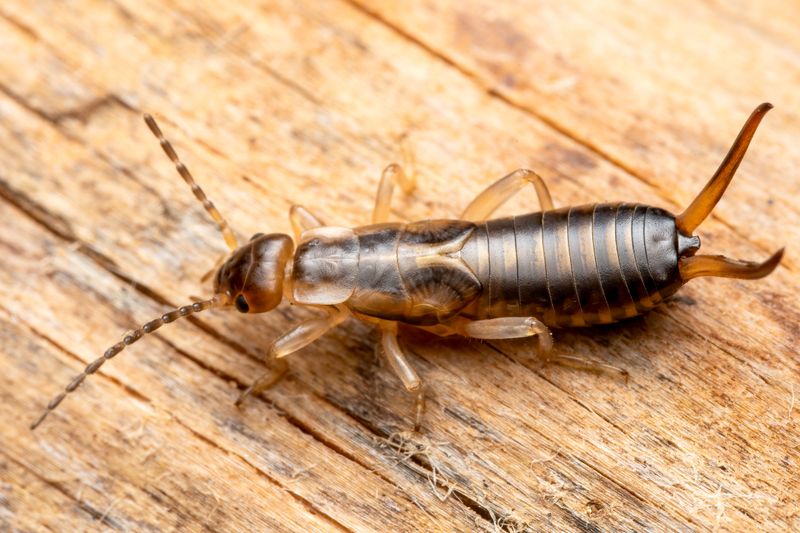
You do not need expensive chemicals to manage an earwig surge. A few smart traps and some habitat tweaks go a long way.
The rolled newspaper trap is a classic for good reason. Set damp, rolled newspaper tubes near affected plants at night, then shake them into soapy water each morning.
Tuna cans filled with a small amount of vegetable oil also work well as pitfall traps. Earwigs are attracted to the scent, fall in, and cannot climb back out.
Diatomaceous earth sprinkled around plant bases creates a physical deterrent. The powder damages the soft exoskeleton of earwigs as they crawl across it, discouraging movement through treated zones.
Habitat reduction is just as powerful as any trap. Clear away boards, dense ground cover, and thick leaf litter where earwigs hide during the day.
Stone pathways and decorative logs near garden beds are popular earwig shelters. Moving those features away from your planting areas relocates the problem before it starts.
Switching to morning watering instead of evening watering reduces overnight soil moisture. Drier conditions at night make your garden far less hospitable when earwigs are most active.
Combining two or three of these methods creates overlapping pressure that actually moves populations out. No single trick handles a full surge, but layered strategies do the job reliably.
Signs You’re Dealing With A Different Pest Entirely
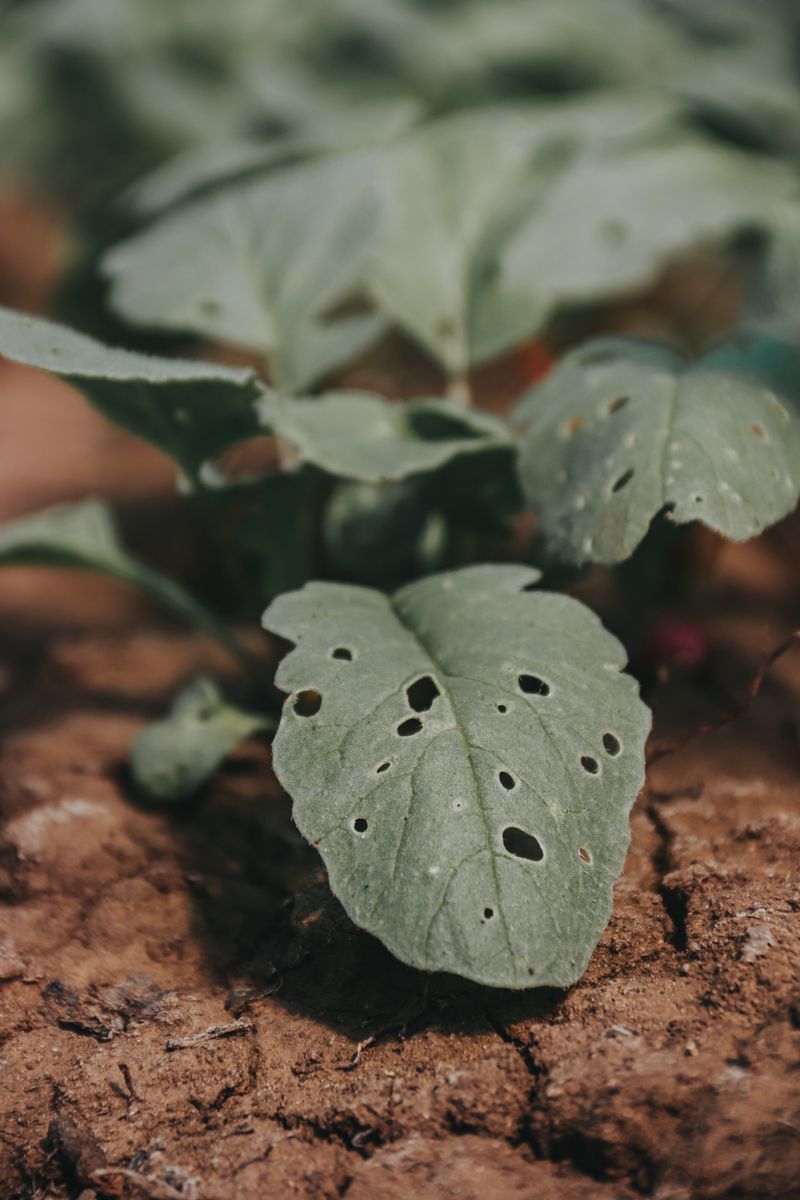
Earwigs get blamed for a lot of damage they did not actually cause. Misidentifying the pest means your control efforts will likely miss the mark.
Slug damage looks similar at first glance, but slugs leave a shiny mucus trail across leaves and soil. Earwigs leave no slime trail, so that single clue separates the two quickly.
Cutworms clip seedlings at soil level in a very clean, surgical cut. Earwig damage is more ragged and uneven, appearing along leaf edges rather than at the base.
Flea beetles create tiny, round holes scattered across leaves, almost like a fine spray pattern. Earwig holes tend to be larger and irregularly shaped, chewed from the margin inward.
Caterpillars leave behind green frass that looks like small pellets on leaf surfaces. Earwig frass is darker and tends to collect in the soil or in curled leaf folds.
Spider mites cause stippled, silvery discoloration across leaf surfaces. That kind of damage has no chewed edges at all, which points away from earwigs as the cause.
If you set out earwig traps and catch nothing after three nights, another pest is likely responsible. Empty traps are important data, not just a disappointment.
Correctly identifying the actual culprit saves you time, money, and plant stress. A sudden earwig surge is fixable, but only once you are sure earwigs are the ones causing trouble.